

Creatine Nitric Oxide Boosters
(0 Results)
Looking to take your workout routine to the next level? Creatine nitric oxide boosters could be the key to unlocking enhanced performance and endurance. Combining the power of creatine with the benefits of nitric oxide, these supplements might support increased strength, improved blood flow, and better overall exercise results. Explore a range of options designed to help you push past your limits and achieve your fitness goals.
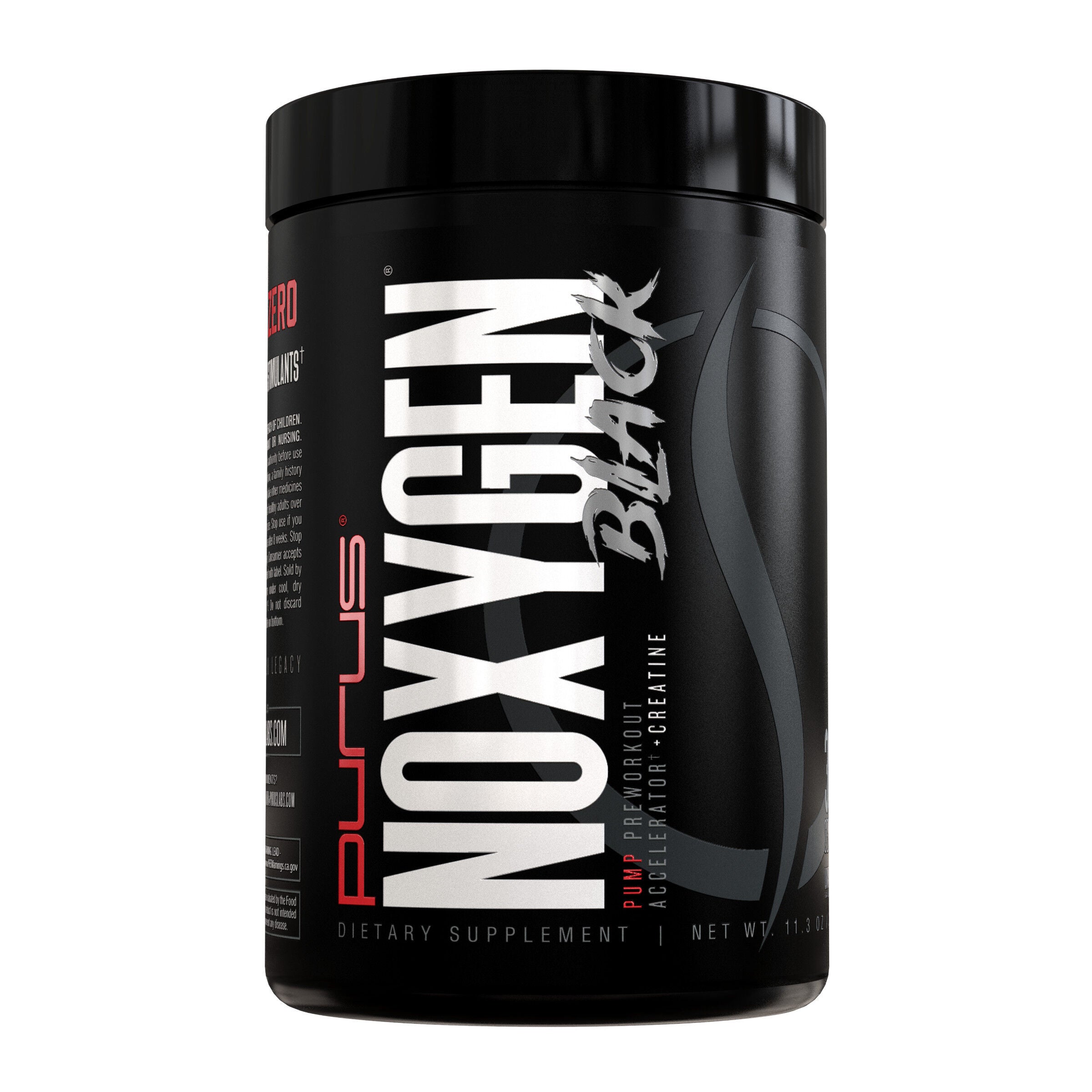
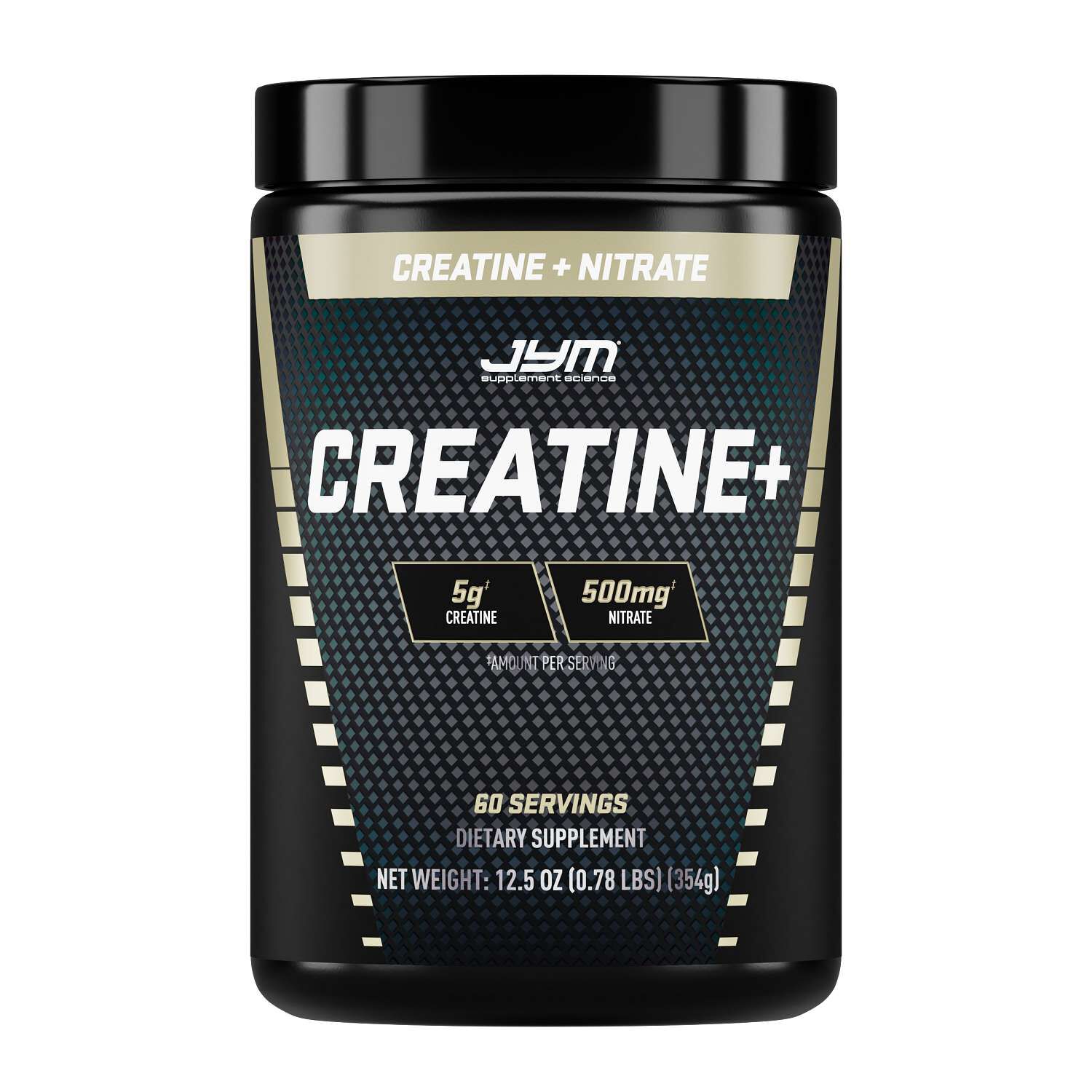
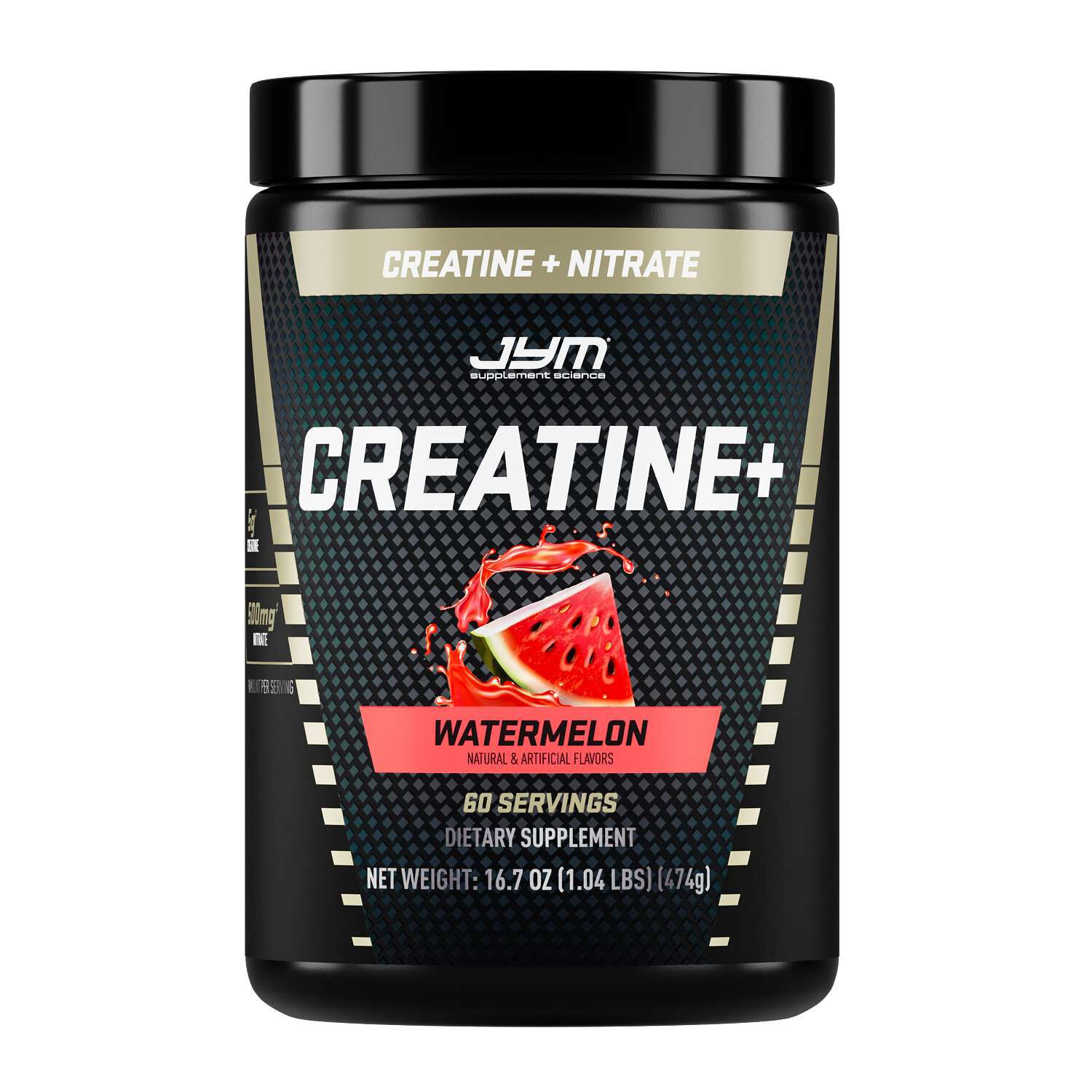
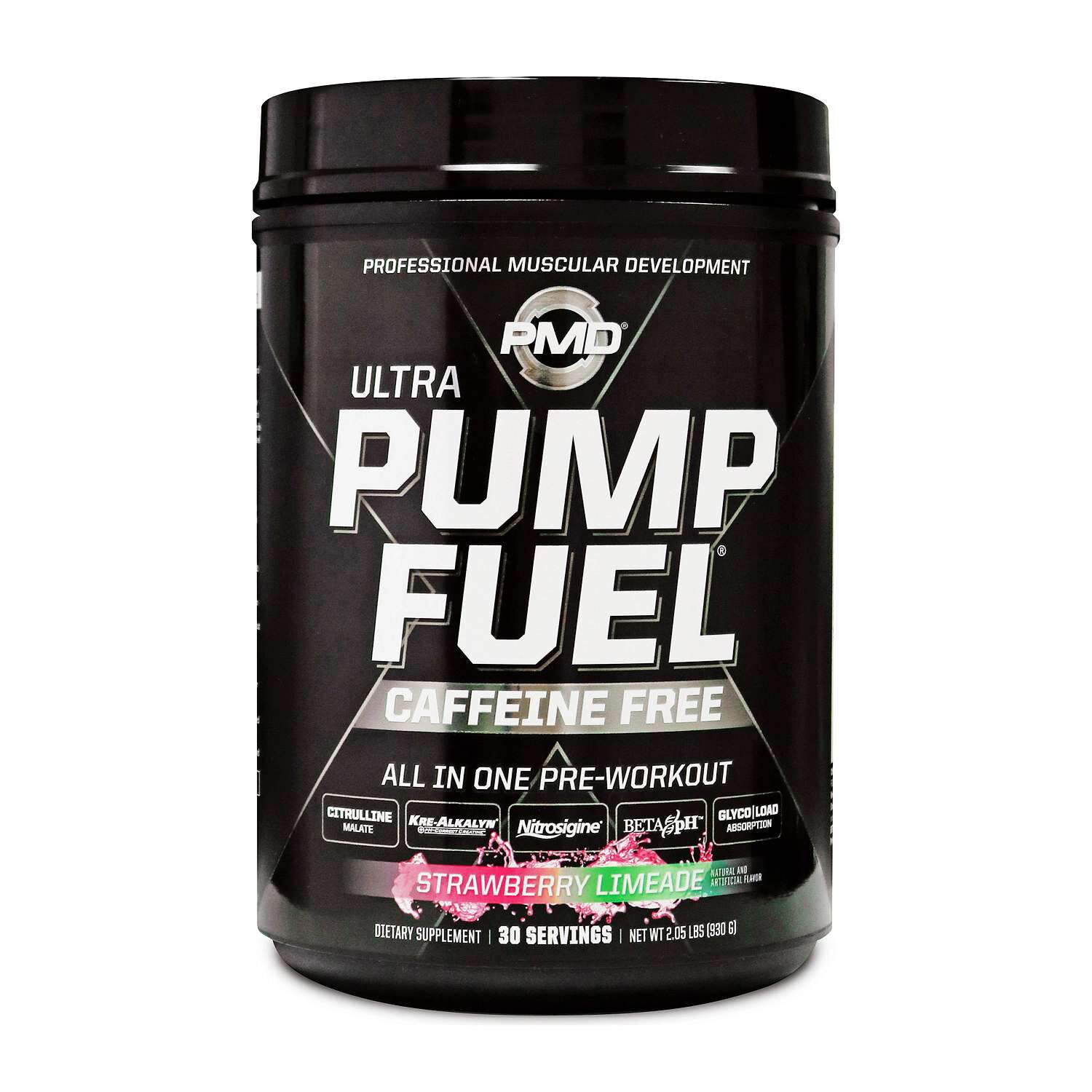


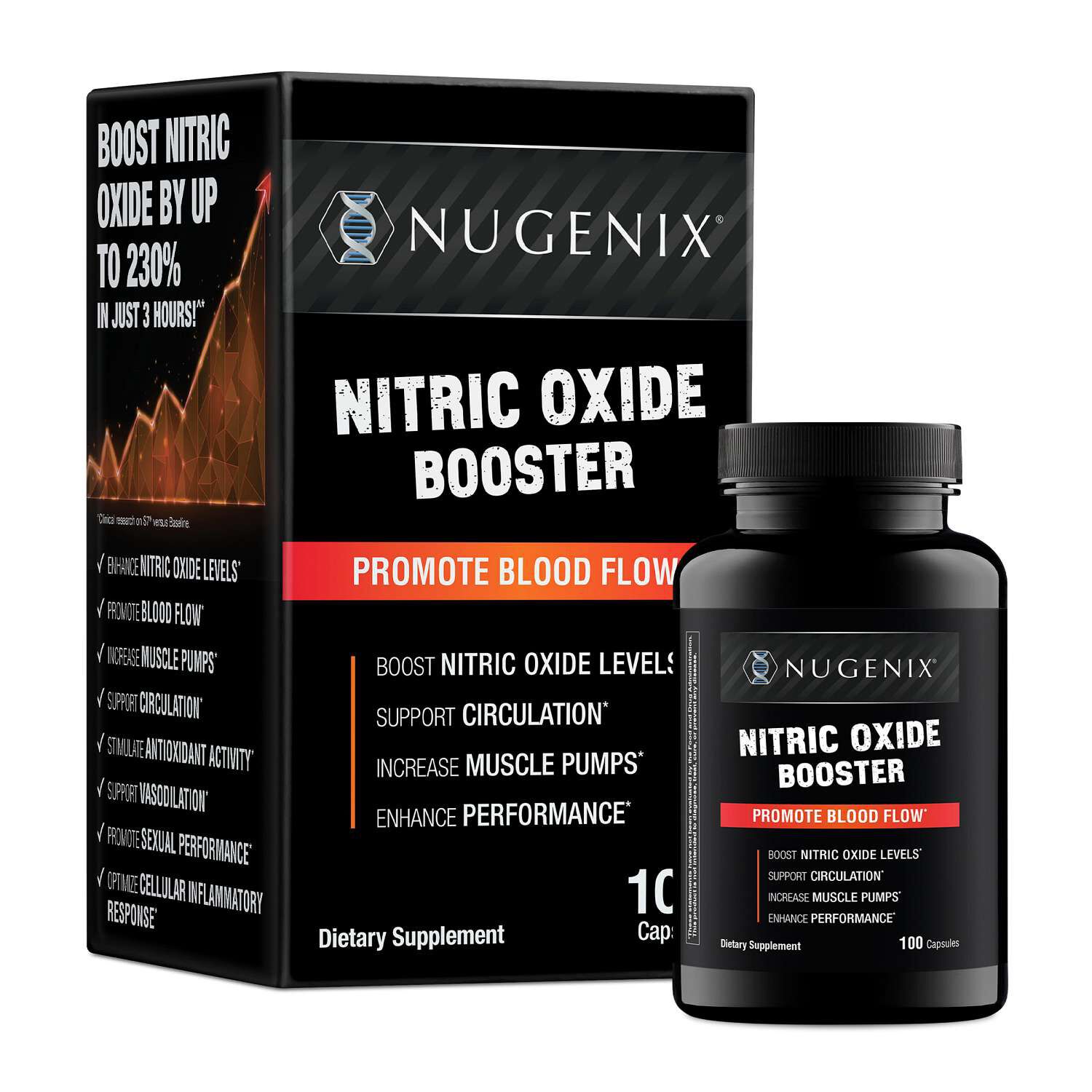
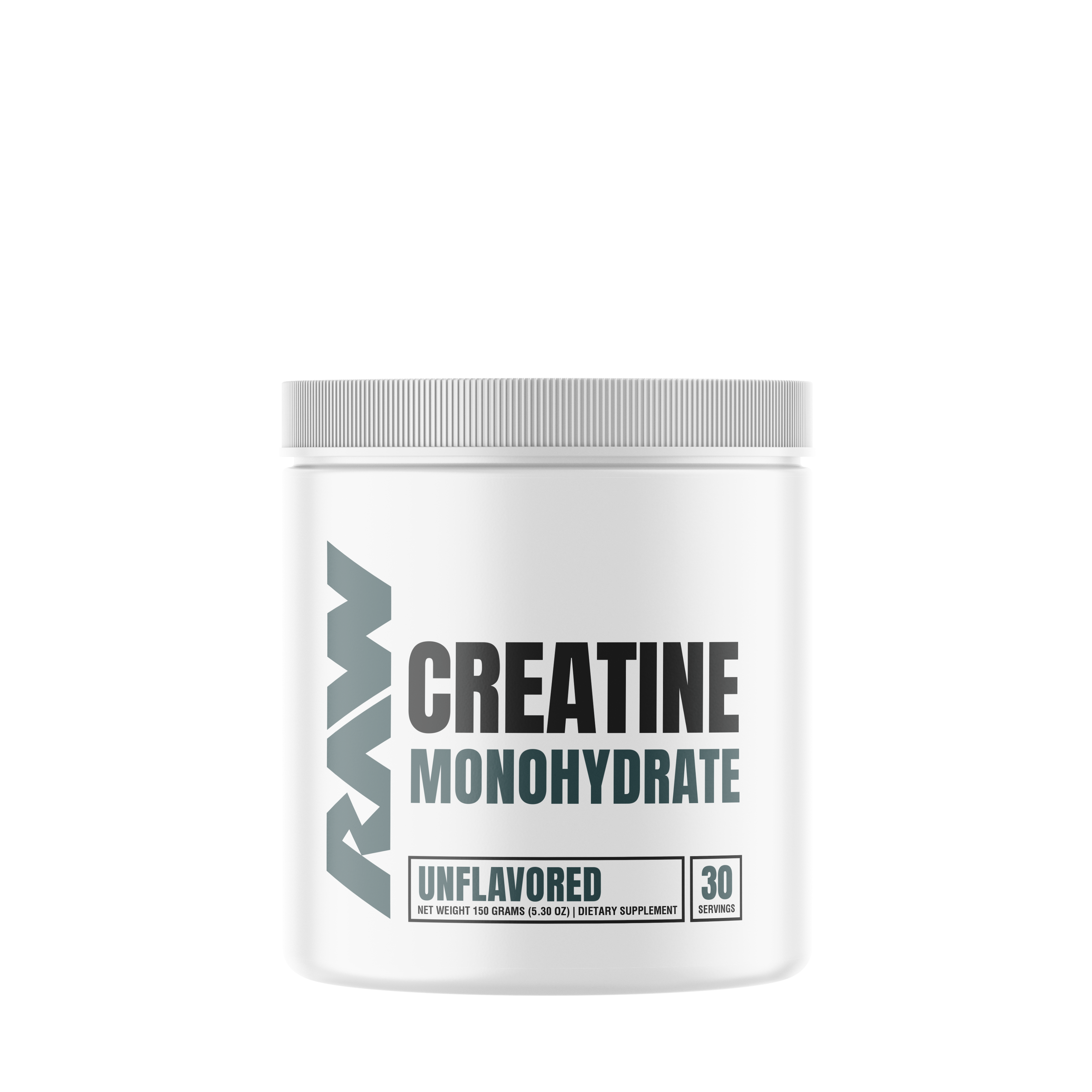
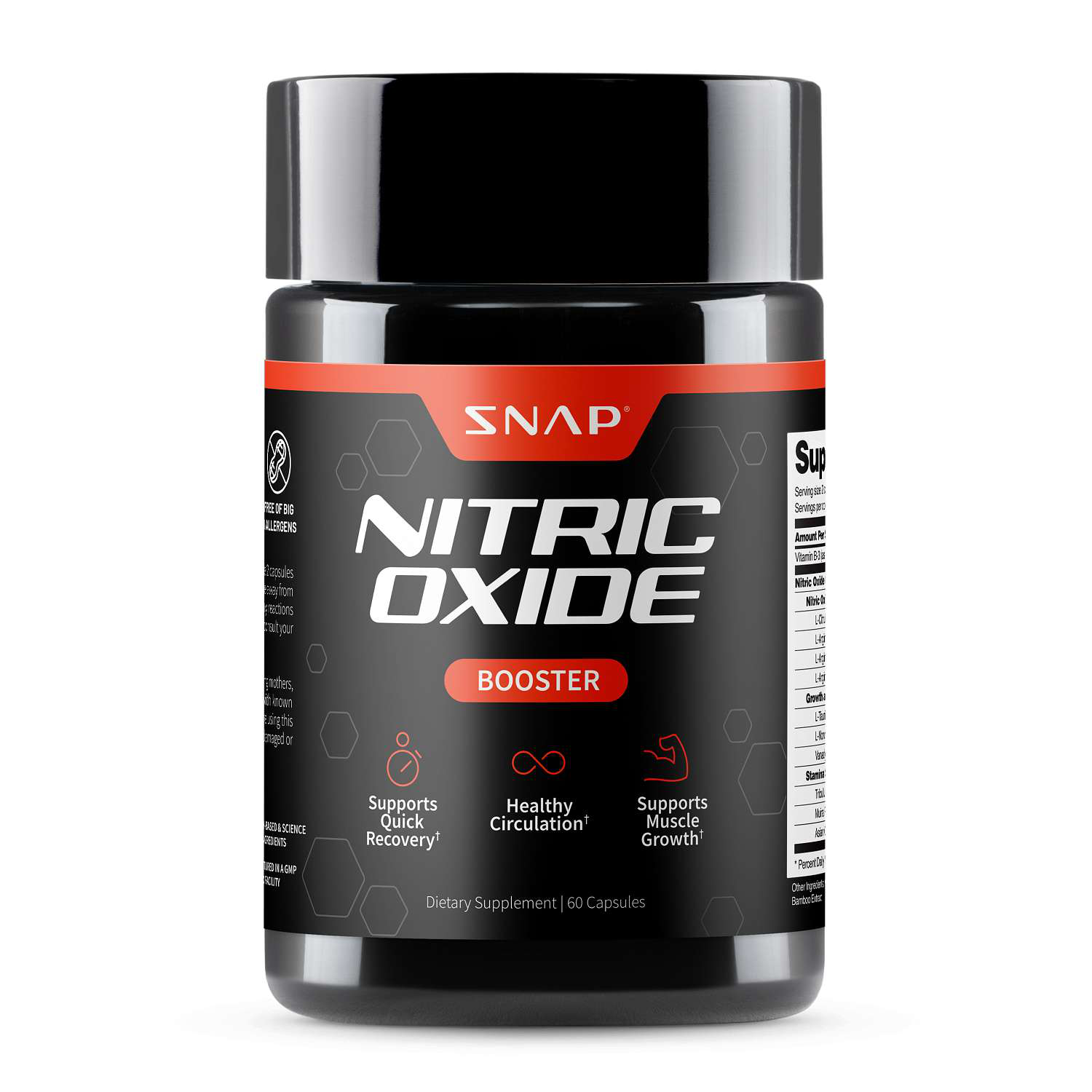
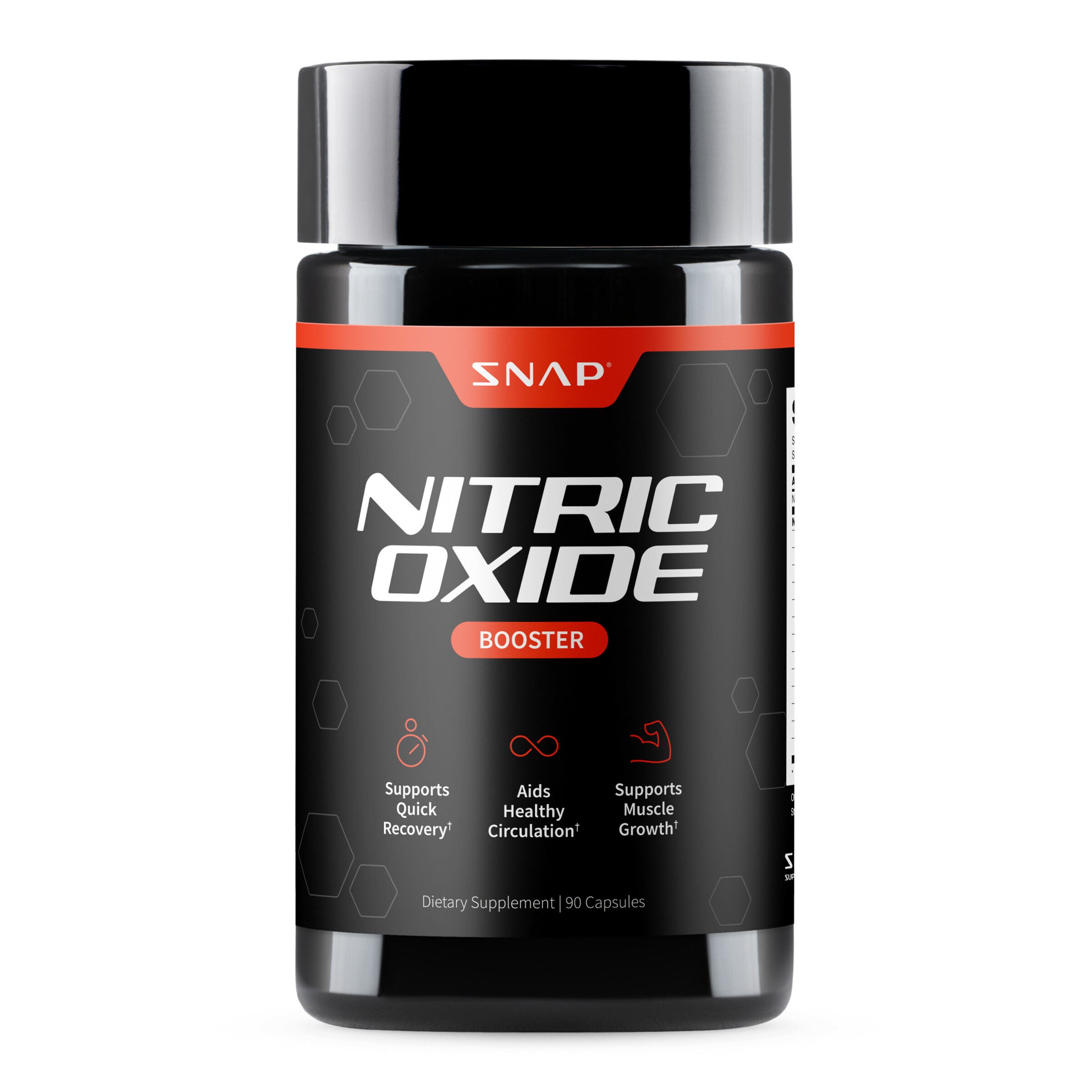

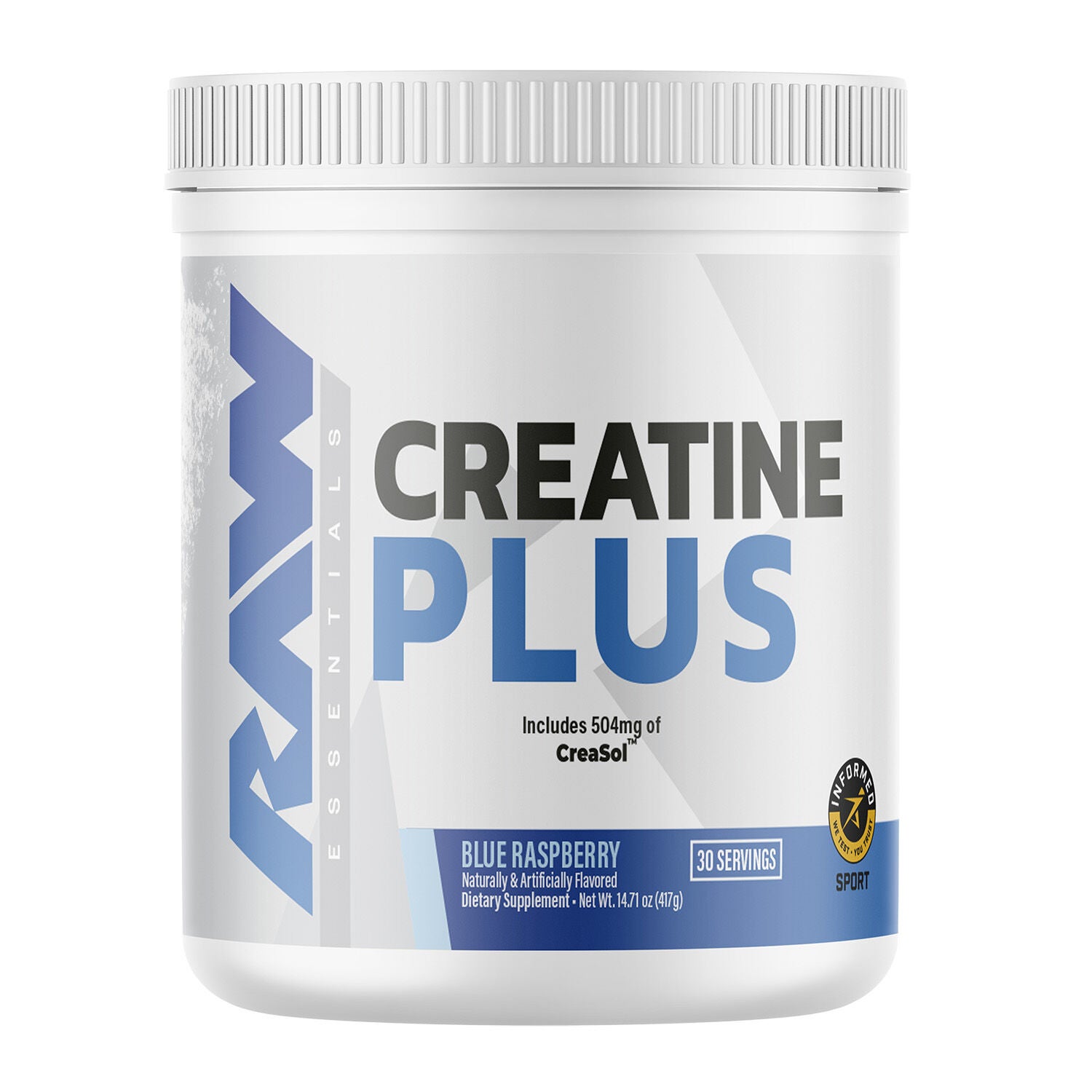
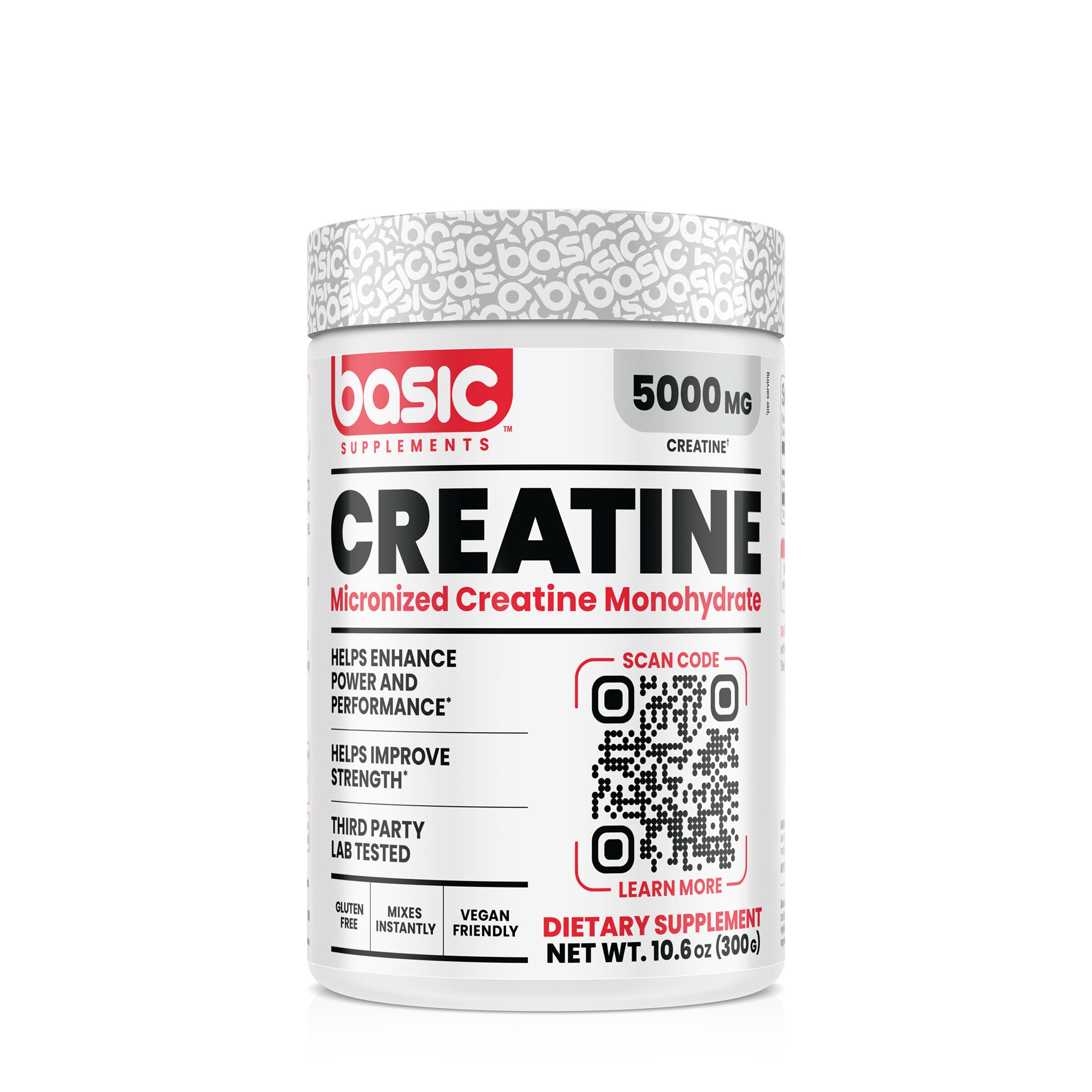
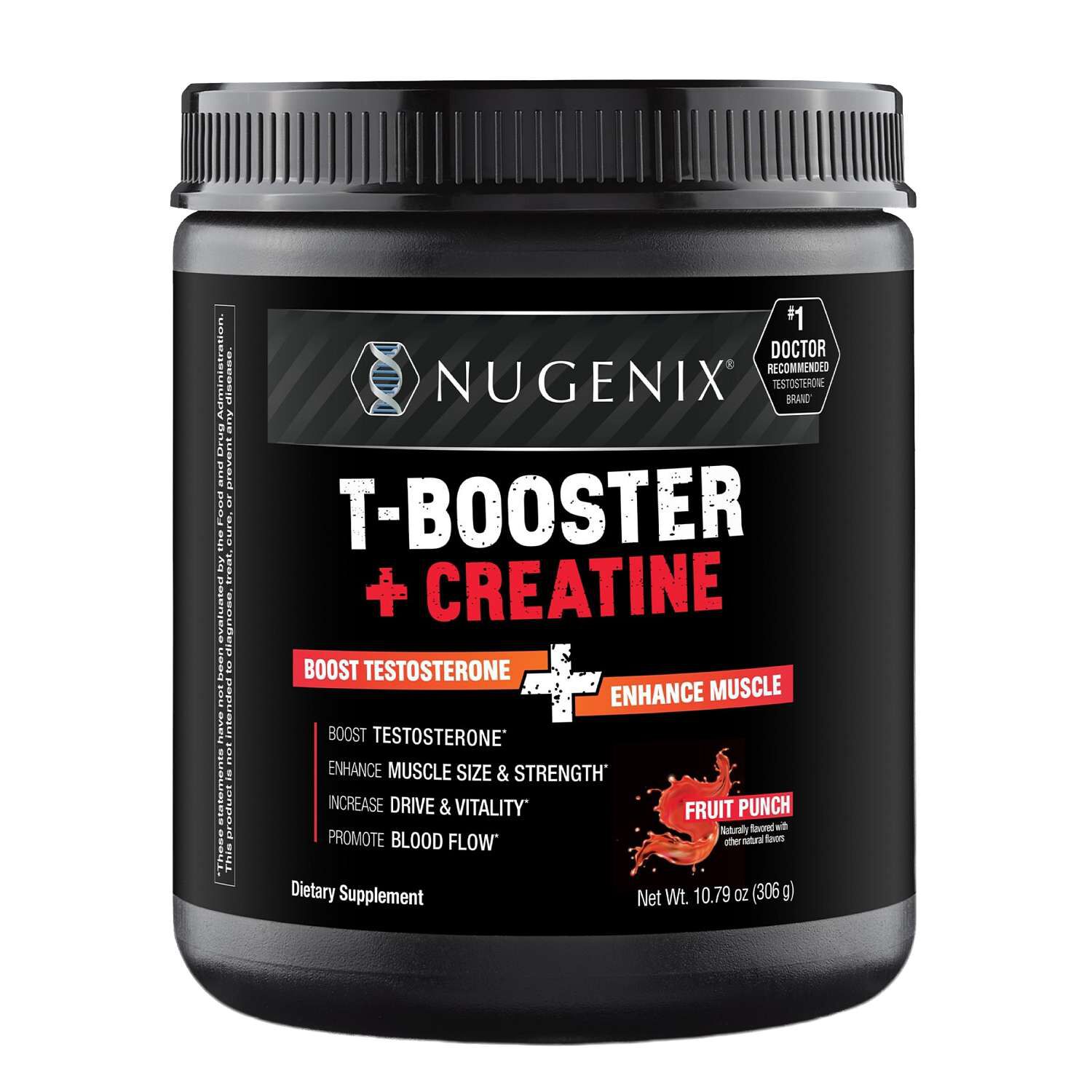
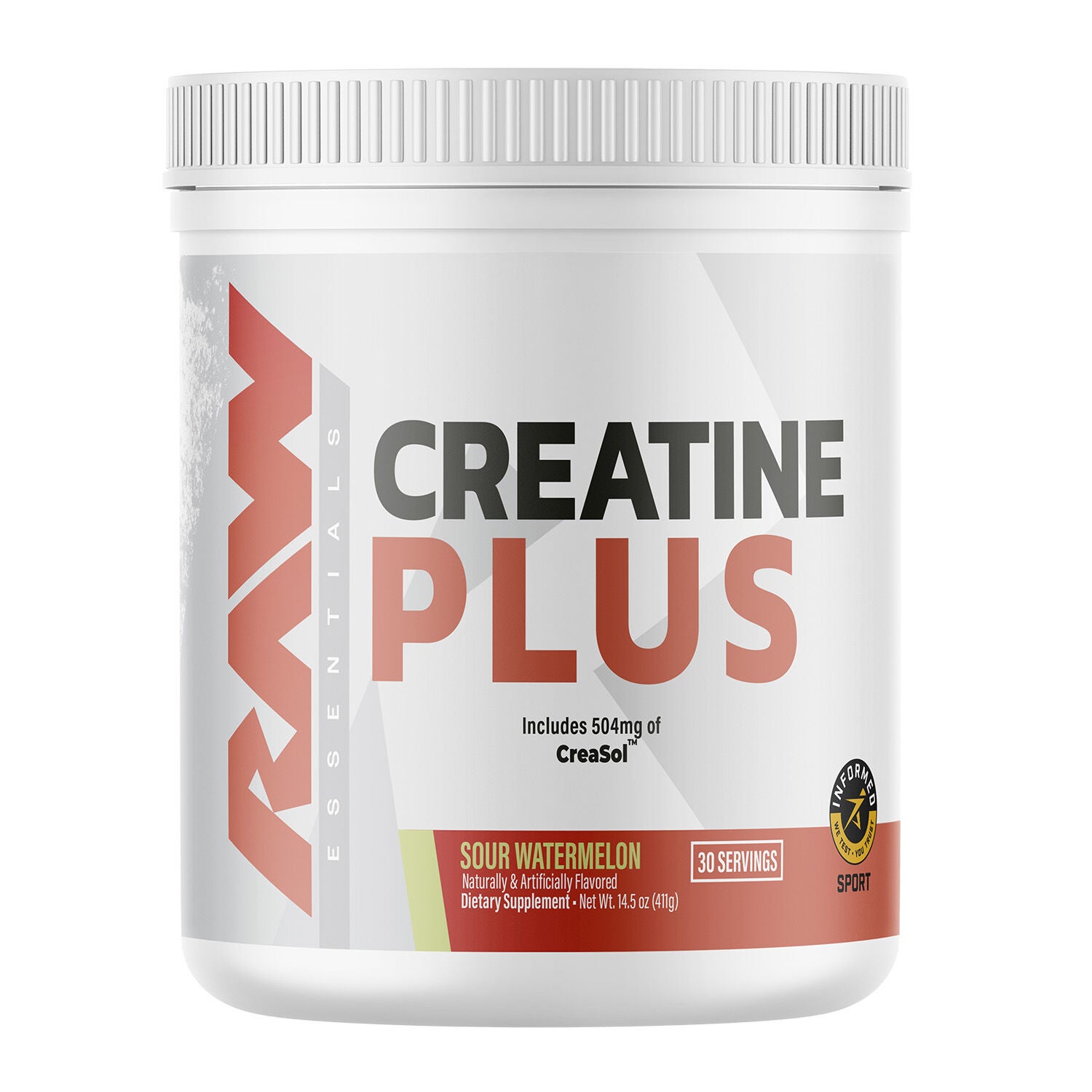

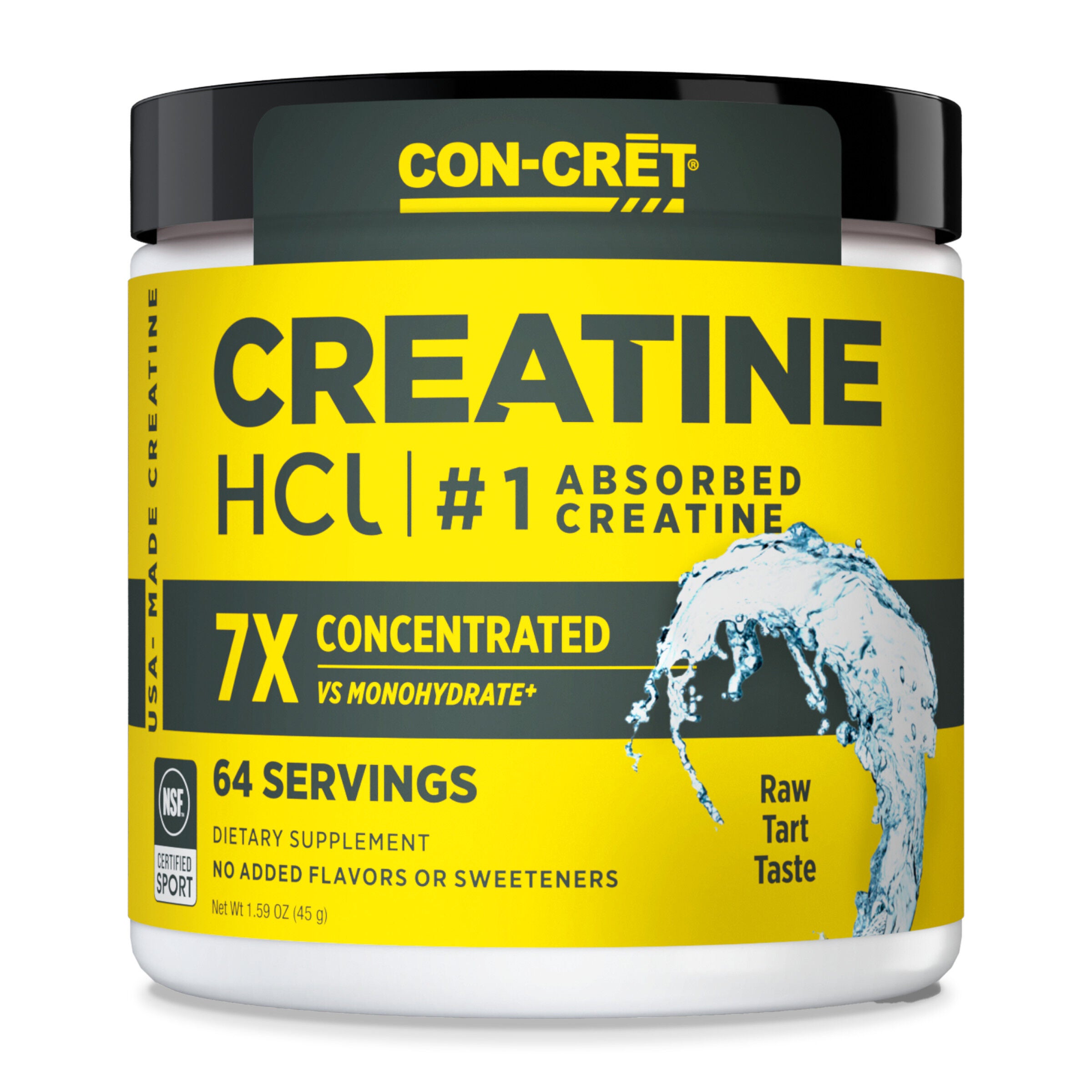
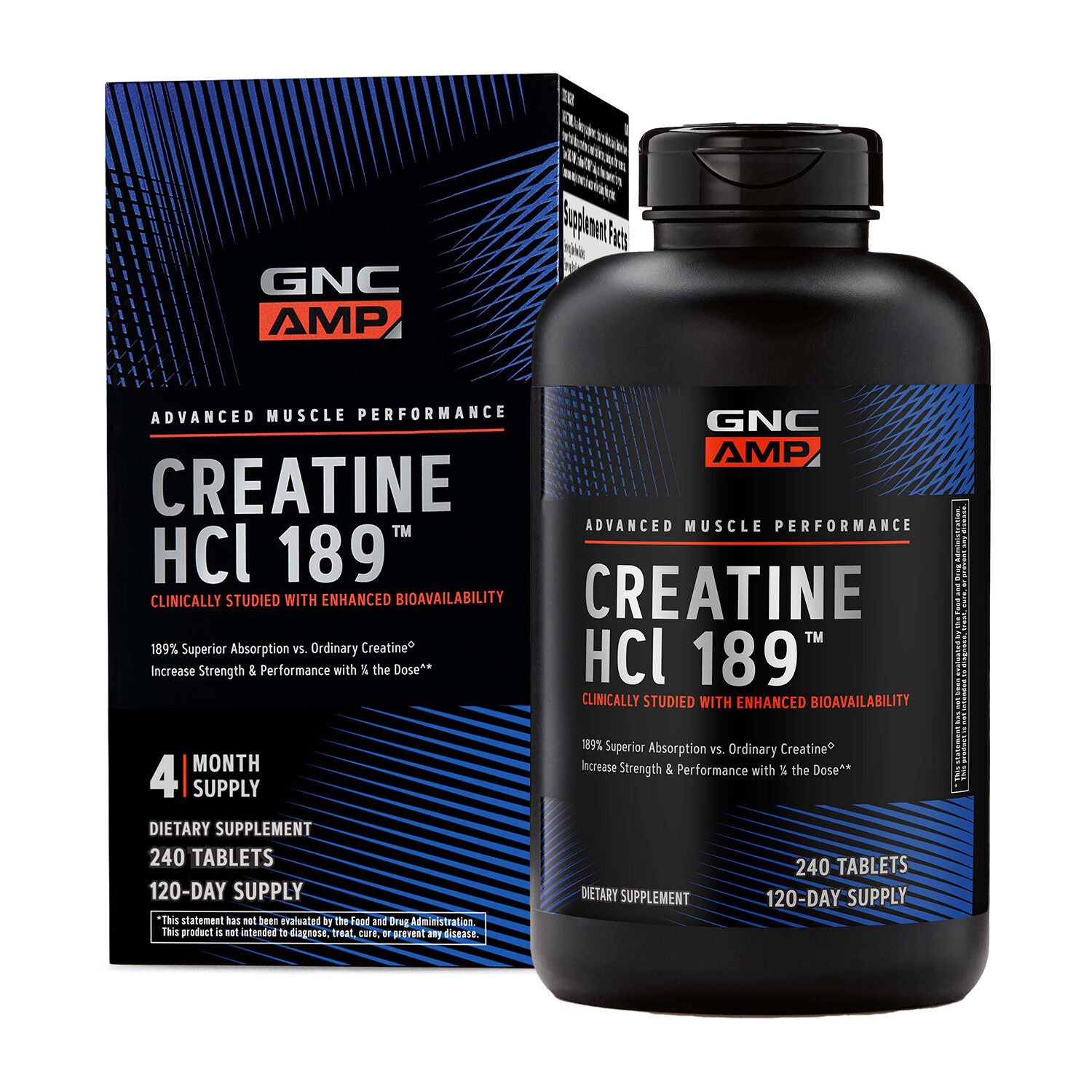
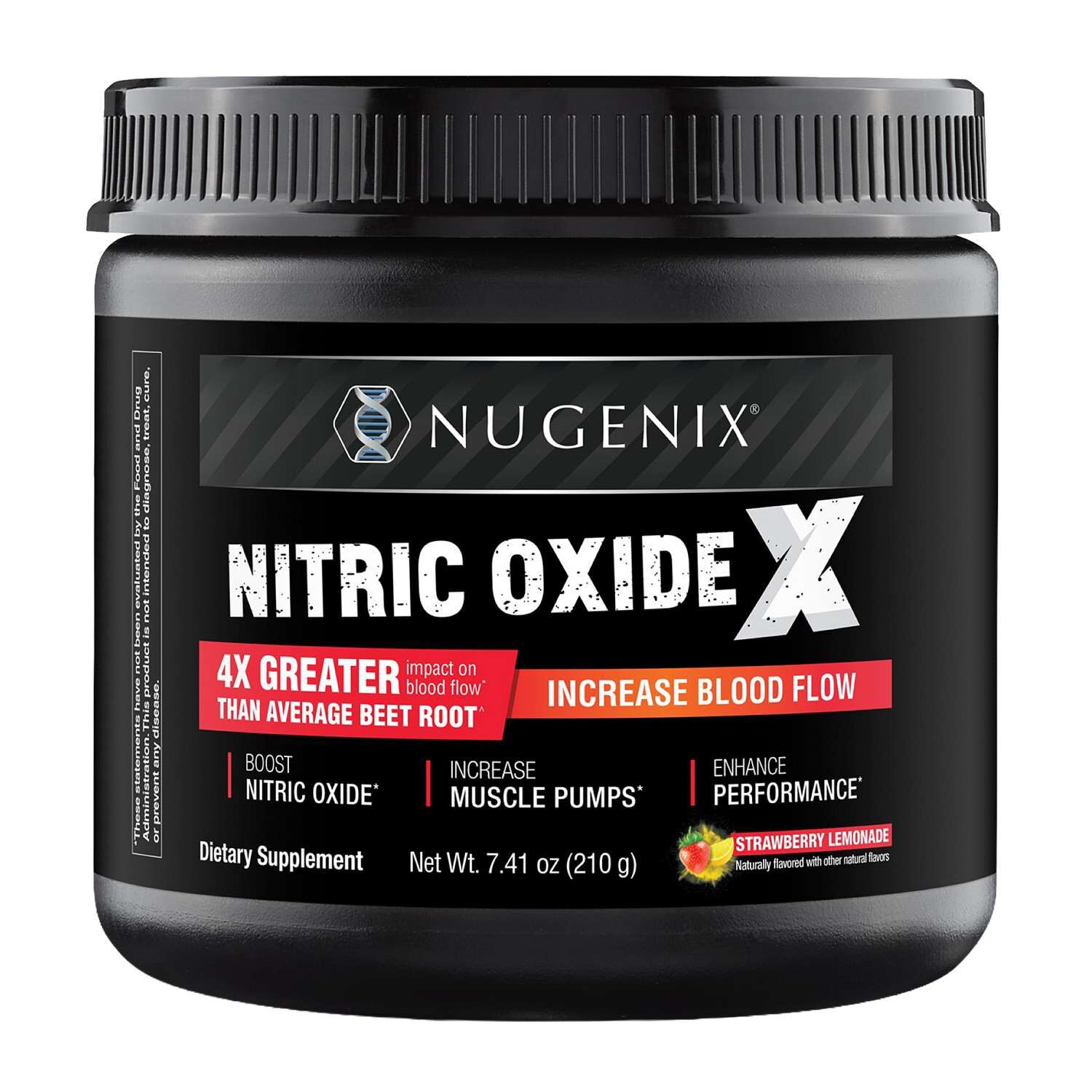
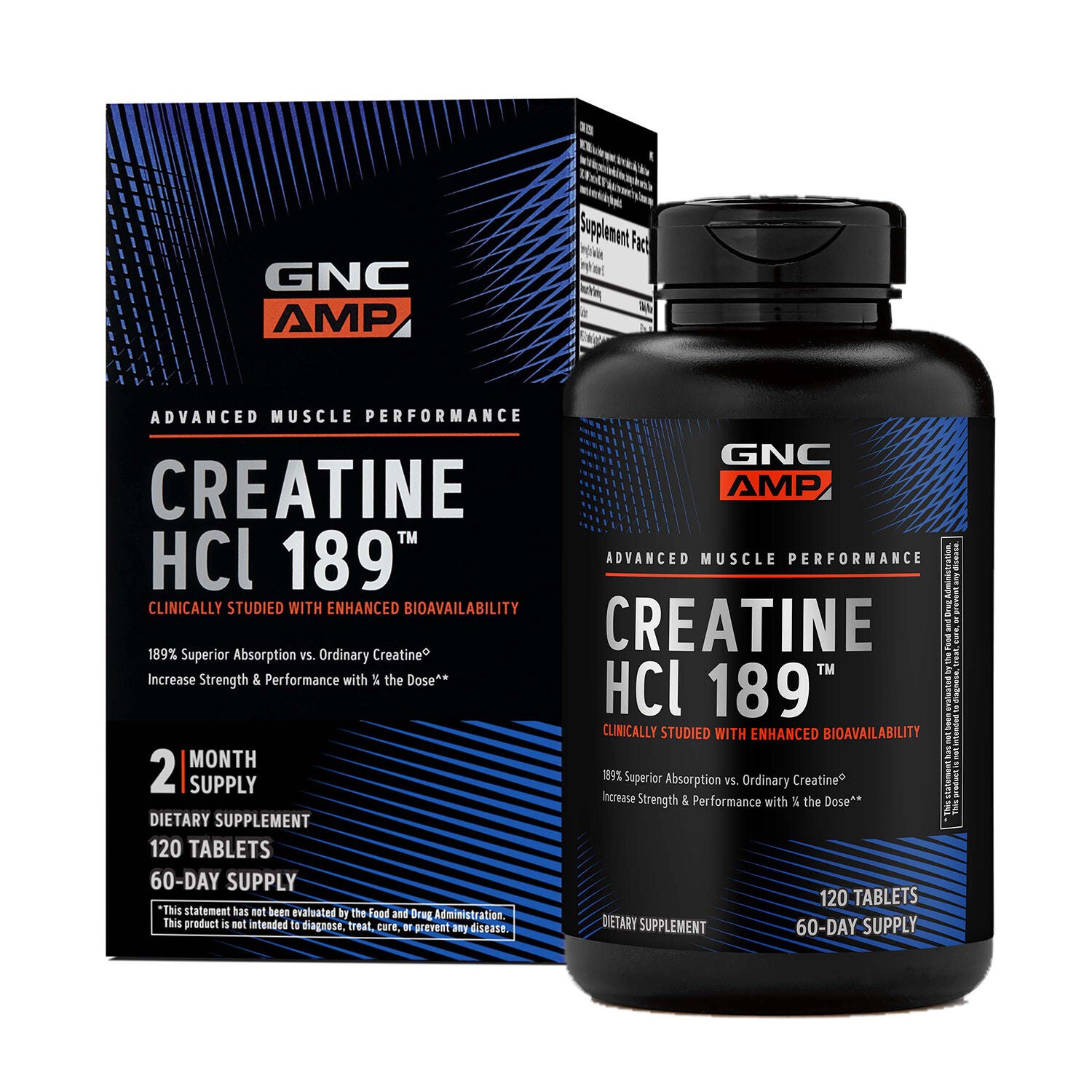
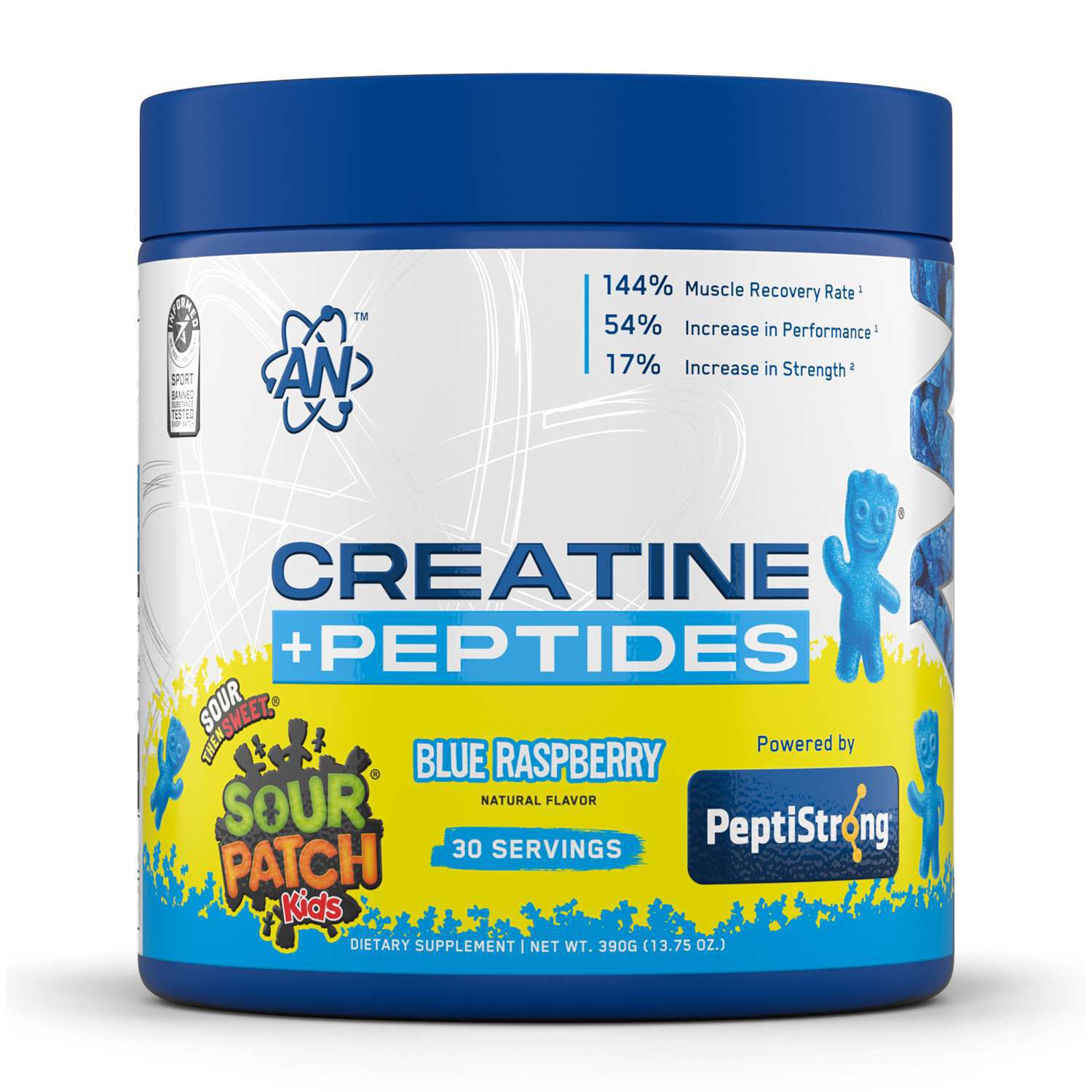
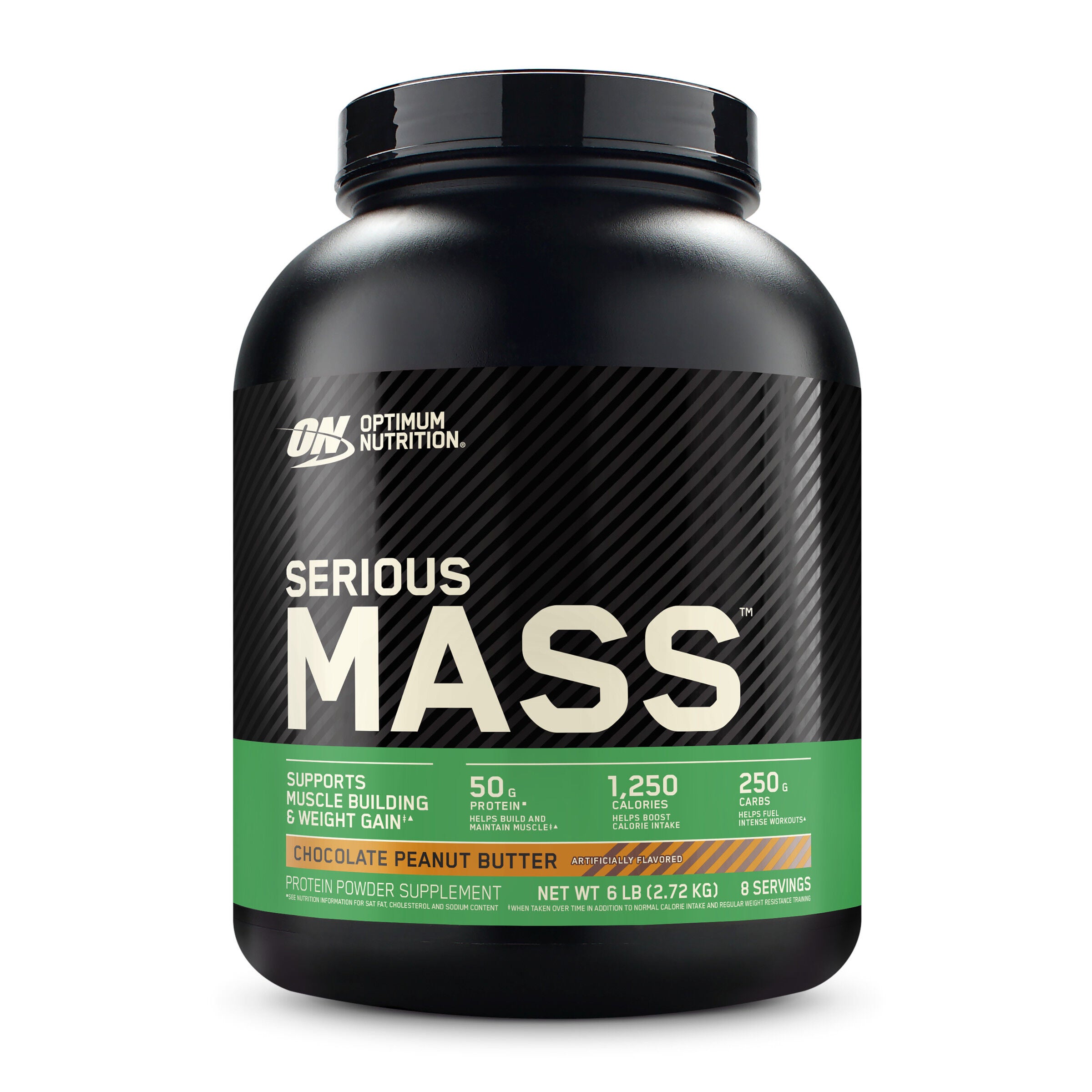
Creatine and nitric oxide supplements bring together two familiar areas of sports nutrition: creatine for training-focused supplementation and ingredients commonly used in nitric oxide formulas, such as L-citrulline, L-arginine, and beetroot. These products are intended for adults building a supplement routine around resistance training, repeated bursts of effort, or other demanding workouts. Creatine may support performance during short, high-intensity exercise, while nitric oxide–focused ingredients may support the sensation of a muscle pump during training. A combined formula puts those ingredients in one serving format, though the exact composition varies from one label to another. The distinction matters: a creatine supplement does not necessarily contain nitric oxide–focused ingredients, and a nitric oxide formula does not necessarily include creatine. Some formulas also contain caffeine, flavoring, sweeteners, or additional amino acids, so the category name alone does not describe everything inside the container. Creatine monohydrate and creatine hydrochloride are examples of forms shoppers may encounter, while citrulline may appear as L-citrulline or citrulline malate. Those names describe different ingredient forms, not interchangeable serving amounts. For a shopper comparing two containers before a new training block, the useful details are the named ingredients, their amounts per serving, the serving size, and the directions for use. A formula with a longer ingredient list is not automatically a better match than one with a narrower focus. Someone who already uses a pre-workout may prefer a straightforward creatine option, while someone who wants fewer separate containers may be interested in a combined formula. Neither format replaces the practical foundations of a training routine, including regular meals, hydration, rest, and a realistic schedule. The strongest starting point for comparison is a clear understanding of what the formula contains and how its intended use fits the workouts already on the calendar, rather than an expectation that every supplement in this category will produce the same experience.
Powders, capsules, and tablets offer different everyday experiences, and those differences can matter as much as the ingredient panel. A powder involves measuring a serving and mixing it with the amount of liquid specified on the label. Flavor, sweetness, texture, and mixing directions all become part of that choice, especially for someone who plans to drink the same formula repeatedly. A fruit-flavored powder mixed in a shaker before an afternoon lifting session has a different place in a routine than an unflavored option mixed according to its directions. Unflavored does not necessarily mean tasteless, and the amount of water used may change how concentrated a drink tastes. Capsules and tablets do not require mixing, but their serving sizes can involve several pieces rather than one. Comparing serving counts without checking that distinction can give an incomplete picture of how long a container is intended to last. Packaging also deserves attention. A larger tub needs space in a cabinet or gym bag, while individually packaged servings, where offered, involve less measuring away from home. For powders, a dry scoop, a securely closed lid, and storage that follows the package directions are practical considerations during everyday handling. A container left open beside a steamy shower or stored in a damp locker faces different conditions than one kept in an appropriate indoor cupboard. Check the package for storage instructions and its date marking rather than treating a durable-looking container as a sign of indefinite shelf life. Ingredient preferences also shape the fit. Labels may identify sweeteners, colors, animal-derived capsule materials, or dietary attributes that matter to a particular shopper. Anyone comparing formulas for those attributes should look for explicit package statements rather than infer them from the front label. For a gift recipient, a familiar format and known ingredient preferences are more useful reference points than a dramatic product name. Supplements are personal purchases, and an established preference offers a more thoughtful basis for selection than guessing at someone’s training goals.
The most meaningful comparisons within creatine and nitric oxide supplements come from reading the formula as a whole while keeping individual ingredient amounts in view. An amount listed for a blend is not necessarily the amount of each ingredient within it, and a scoop measurement is not the same thing as the quantity of creatine in that scoop. Some labels disclose each ingredient separately; others group ingredients together. That difference affects how directly two formulas can be compared. Caffeine content is another important distinction for shoppers sorting through workout supplements. A nitric oxide–focused formula is not automatically a caffeinated pre-workout, and a creatine combination is not automatically made without stimulants. Someone heading to the gym after work may have different preferences from someone training before breakfast, making clear caffeine labeling especially relevant to the shopping process. Product directions also differ: some formulas are positioned around a workout, while others are intended for a regular daily routine. The package directions, rather than the broad category name, establish the intended serving and use. When comparing a combination formula with supplements already in the cupboard, ingredient overlap deserves attention so that the same ingredient is not mistaken for a new addition simply because it appears under a different product description. Shoppers interested in another creatine pairing can also explore Creatine HMB Supplements, a related category that pairs creatine with a different companion ingredient rather than centering on nitric oxide formulas. Across these options, a useful match balances ingredient transparency with the practical details of preparation, taste, storage, and serving format. During the cooler months, when workouts may shift toward indoor lifting sessions or a more structured gym schedule, those small details remain relevant. A formula that fits comfortably beside a shaker, training log, and packed change of clothes has a clear role in the routine. The decision ultimately rests on the composition and intended use shown on the label, with realistic expectations about what a sports nutrition supplement may contribute.
Best Sellers
-
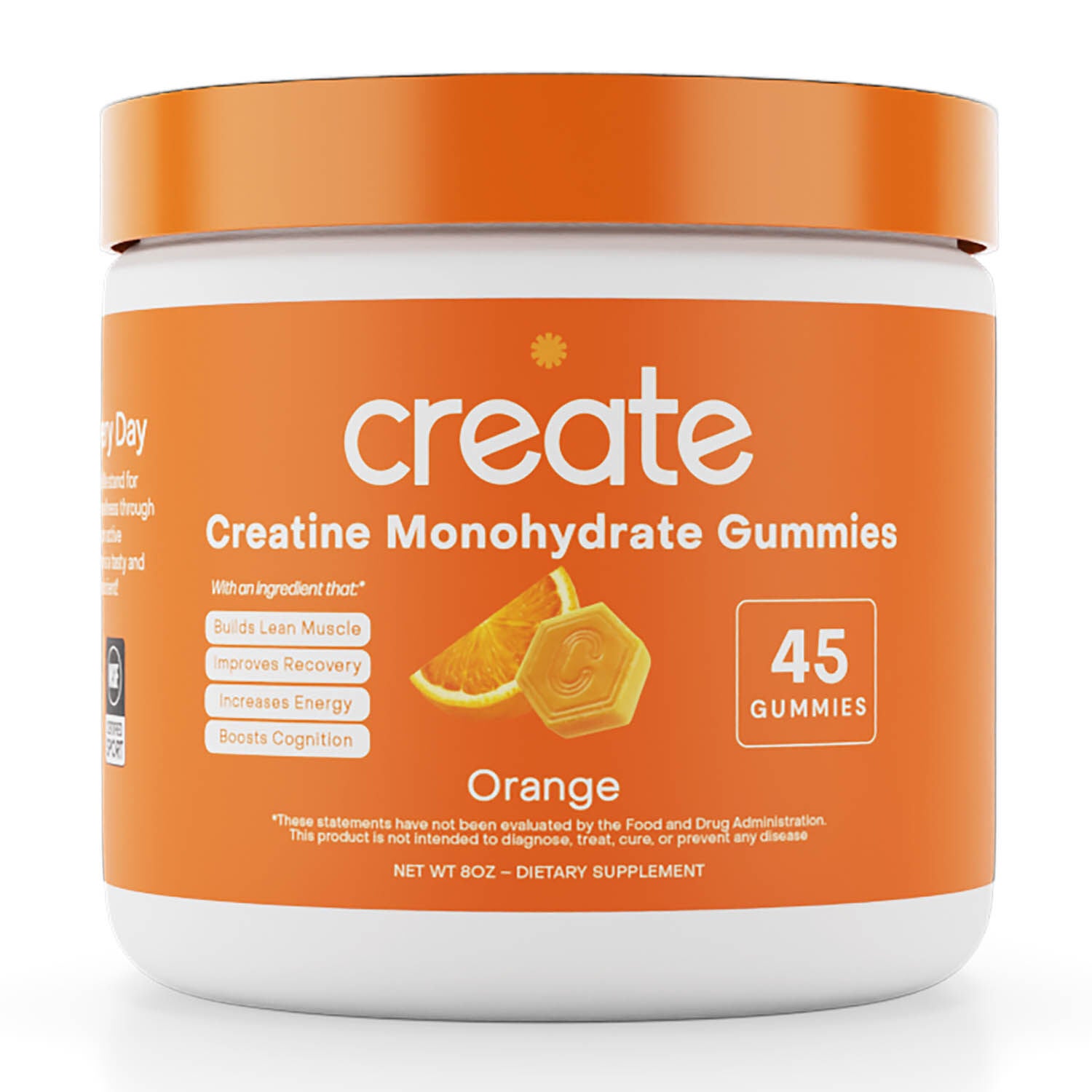 Create Wellness
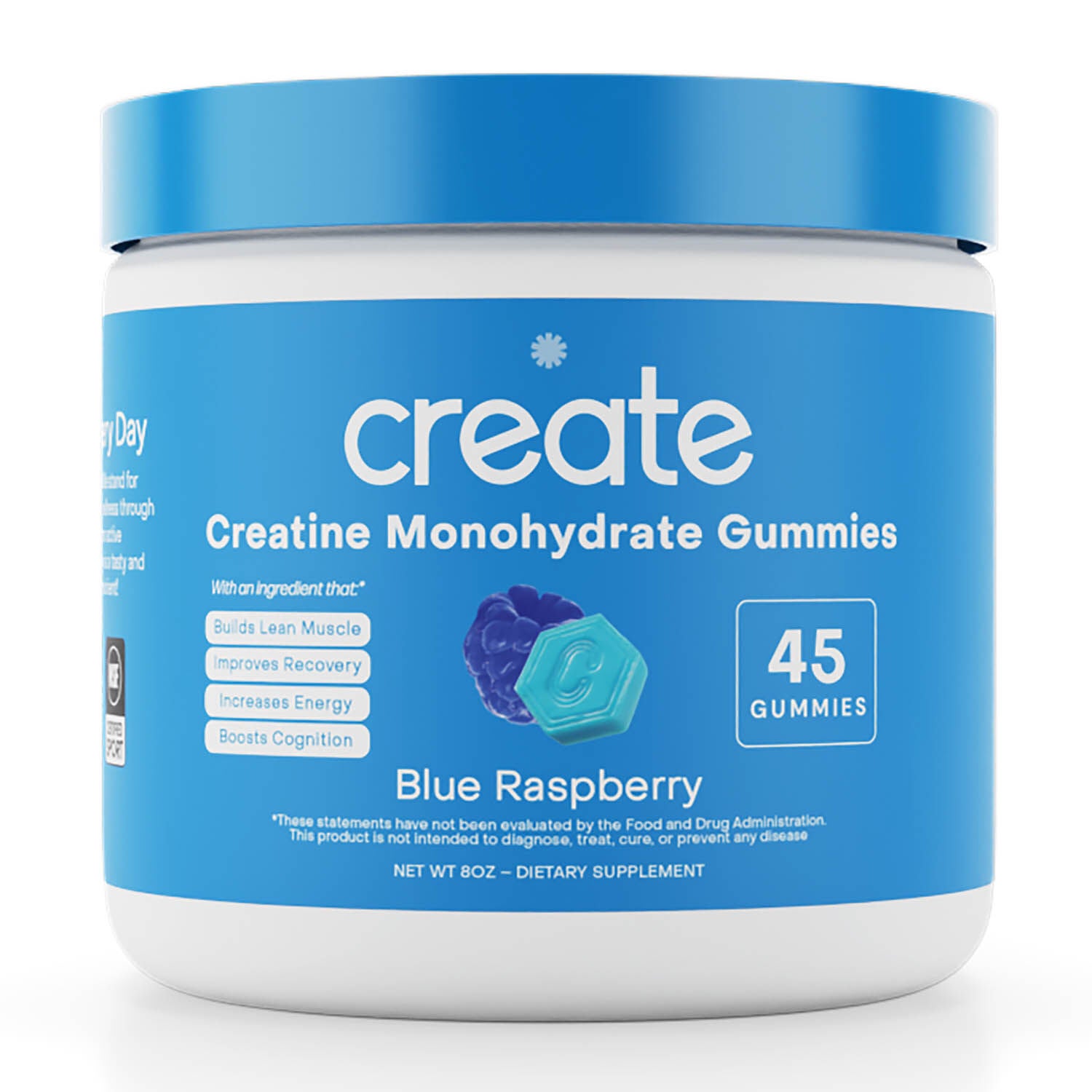
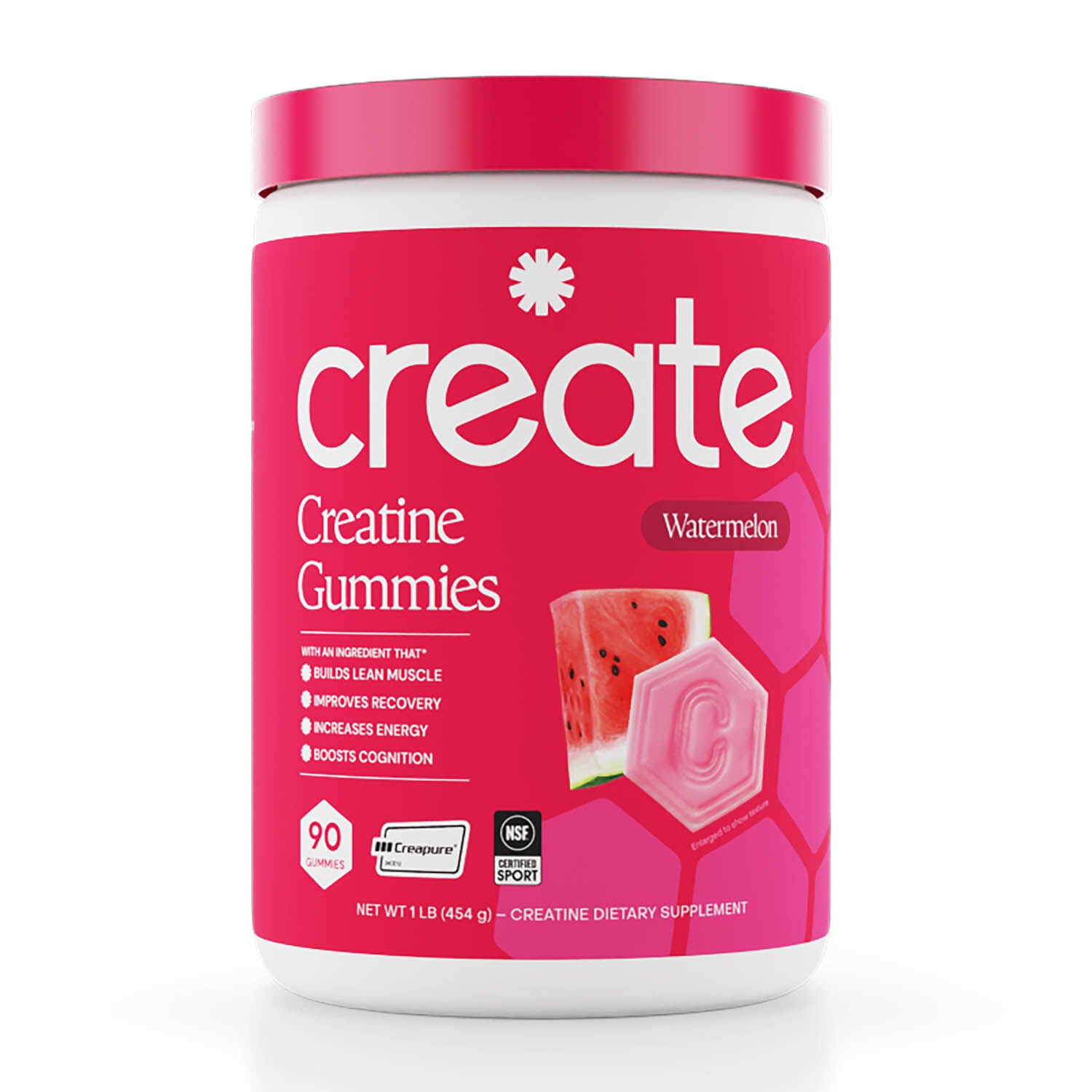


.jpg?sw=305&sh=305&sm=fit "Creatine HMB Supplements | GNC")