Daily Calcium And Vitamin D3 Caplets
(0 Results)
Daily calcium and vitamin d3 caplets could be a convenient addition to your wellness routine for those looking to support their nutritional goals. These caplets are designed for individuals who want an easy way to incorporate important nutrients into their day. Explore options that may fit your lifestyle and preferences, and discover how daily calcium and vitamin d3 caplets might help you stay on track with your health journey.
-

-
-

-

-
 Portions Master$29.99


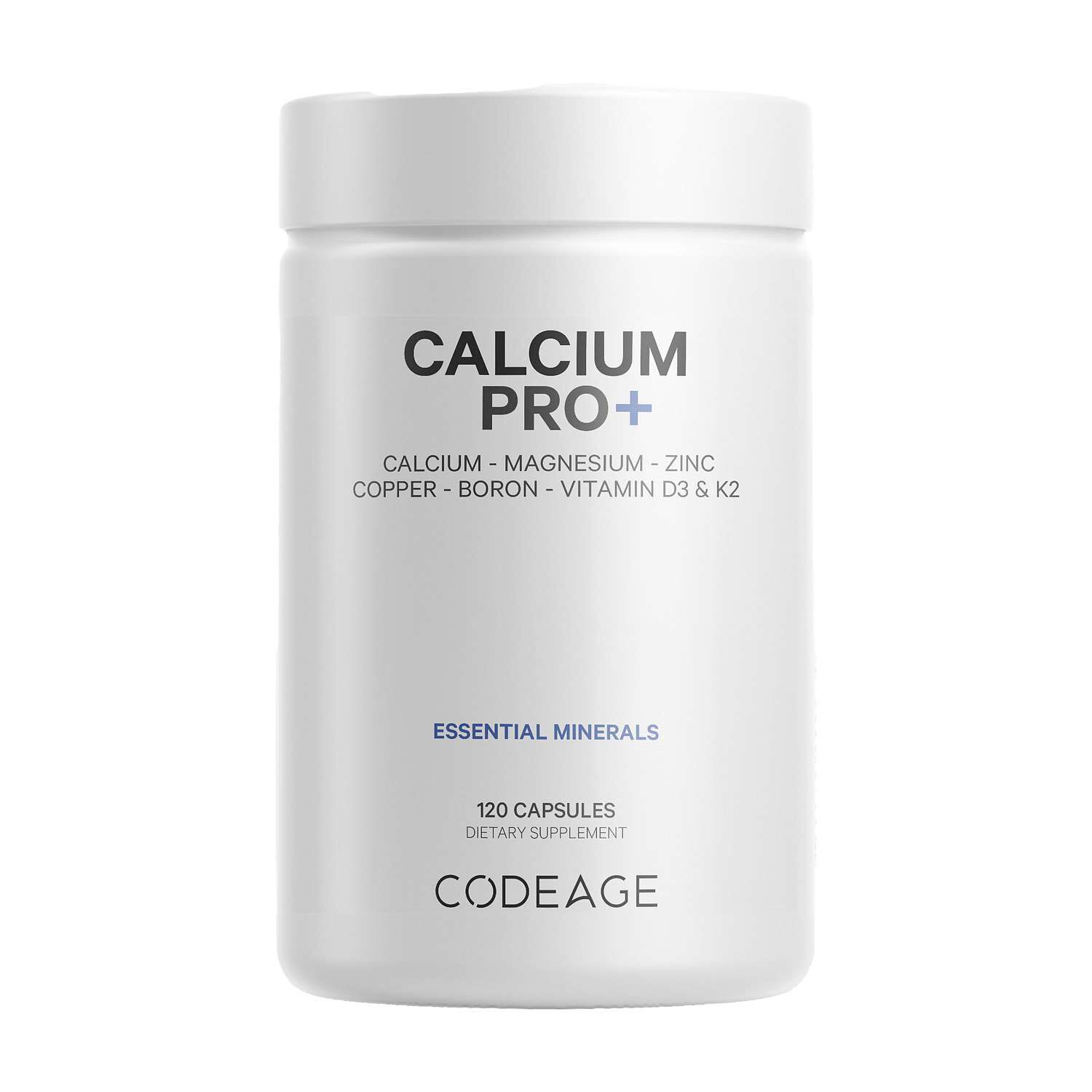
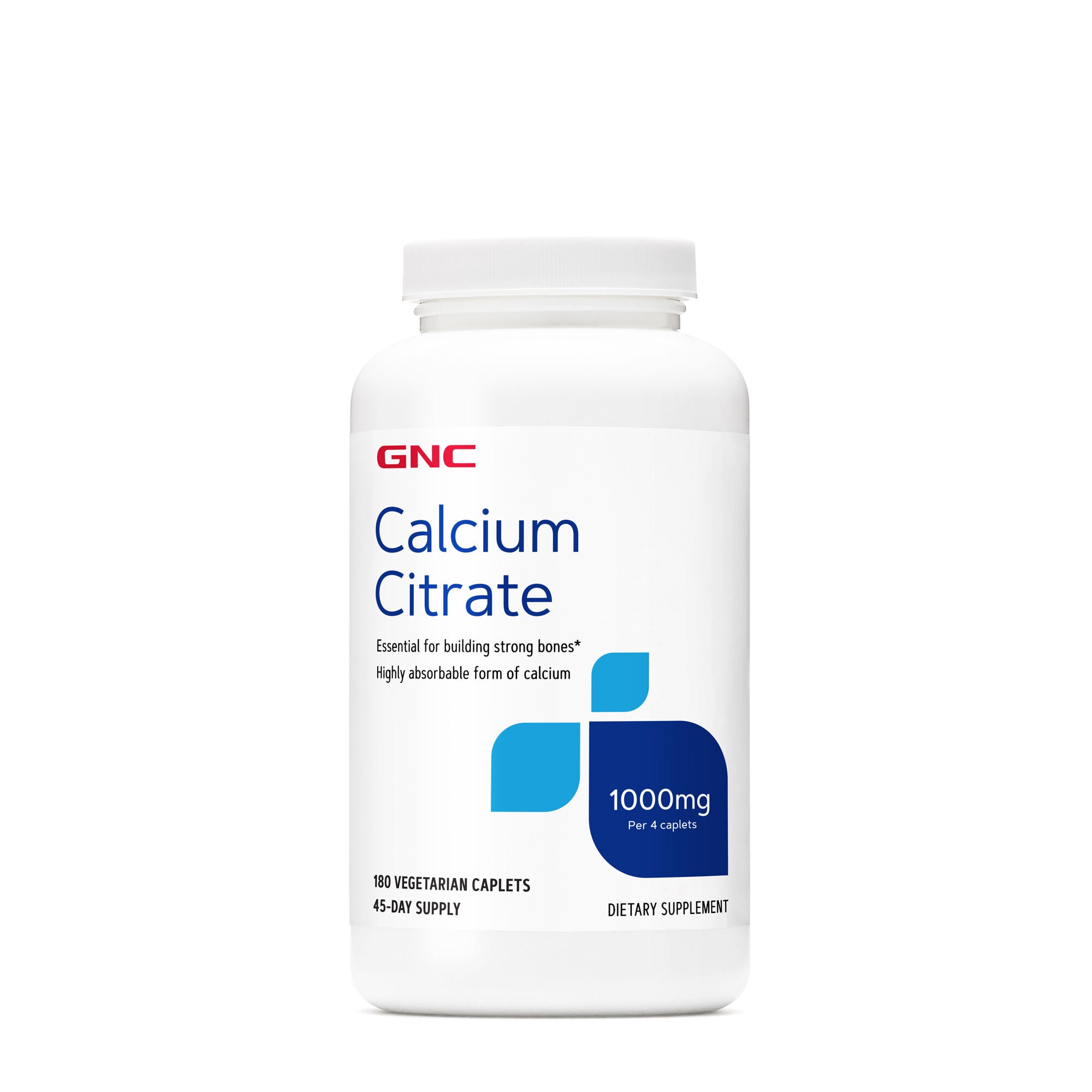
Daily calcium and vitamin D3 caplets bring a mineral and a vitamin together in a solid dietary supplement format intended to complement everyday food choices. The category centers on paired nutrient amounts, an elongated tablet shape, and labeled directions for routine use. Unlike a powdered supplement that requires measuring and mixing, a caplet comes in a preformed portion, although a labeled serving may contain more than one caplet. That distinction matters when comparing formulas: the amount printed prominently on a bottle may describe the serving rather than a single tablet. Calcium amounts are generally expressed in milligrams, while vitamin D amounts appear in micrograms and may also appear in international units. These measurements describe different nutrients and are not directly interchangeable. The Supplement Facts panel provides a clearer picture of the pairing, including the serving size, the amount of each nutrient per serving, and the corresponding Daily Value percentages. Those percentages are labeling reference points, not a personalized intake target. Vitamin D3 may also appear under the ingredient name cholecalciferol, so both terms can identify the same vitamin form on a label. Calcium may come from calcium carbonate, calcium citrate, or another named source. A formula’s identity therefore extends beyond the words “calcium and D3” on the front of the package. The calcium source, vitamin D3 amount, serving size, and other ingredients together describe what the formula contains. For adults who already prefer solid supplements, this paired format may offer a convenient way to organize two nutrients within one labeled routine. Someone comparing a bottle beside a breakfast cereal box or reviewing supplement labels before organizing a pantry shelf has several concrete details to consider beyond package size. The most useful comparison is between clearly stated servings and ingredients, rather than an assumption that every daily calcium and vitamin D3 caplet contains the same amounts or uses the same formulation.
The physical design of a caplet is another meaningful part of the category. Caplets are typically elongated rather than round, but their dimensions, surface finish, and coating can differ. An oblong shape does not necessarily mean a small tablet, and a photograph alone may not communicate its actual size. Calcium-containing formulas can have a substantial tablet size, making published dimensions and package descriptions particularly relevant for shoppers with a strong preference about supplement format. A smooth coating may make a caplet easier to swallow for some people, though individual preferences vary. Caplets are distinct from chewables, gummies, and softgels; their directions should not be assumed to match those other formats. Likewise, a line across a tablet is not, by itself, a substitute for explicit directions about dividing it. Beyond the featured nutrients, the other-ingredients list may name binders, coating materials, and ingredients used during manufacturing to help form the tablet. These details matter to shoppers who evaluate a supplement by its full ingredient composition rather than its front label alone. Dietary preferences call for similar attention. Vitamin D3 can come from different sources, and its name alone does not establish whether a formula meets a particular vegetarian or vegan preference. Capsule materials are not the central consideration for a caplet, but coatings and other formulation ingredients still deserve a close look when those preferences matter. Some calcium and D3 formulas also include additional vitamins or minerals, while others focus on the named pair. Neither a longer ingredient list nor a larger number on the label automatically makes a formula a better match for someone’s routine. For a broader view of this tablet format, Calcium Supplement Caplets provides a related category to explore. Within the paired calcium and D3 category, comparisons remain clearest when the nutrient sources, serving amounts, physical format, and dietary attributes are considered together.
Intended use and packaging help distinguish daily calcium and vitamin D3 caplets just as much as their ingredient panels. “Daily” describes a routine-oriented product category, but it does not establish a universal number of caplets or a schedule shared by every formula. The package directions specify how a particular formulation is intended to be used, including any instructions about meals. A bottle containing sixty caplets, for example, represents sixty servings only when the labeled serving is one caplet. When the serving is two caplets, that same count represents thirty servings. This simple distinction may make it easier to compare bottle sizes without confusing tablet count with the length of a routine. The intended age group also belongs in that comparison, since an adult formula is not automatically intended for every member of a household. For a person who already uses a multivitamin or another mineral supplement, separate labels provide visibility into ingredients that appear in more than one place; that comparison is descriptive, not a basis for inventing a new serving schedule. Food remains part of the context as well. Calcium and vitamin D appear in a variety of foods and fortified beverages, and caplets are supplements rather than substitutes for a varied diet. Everyday practicality extends to how the bottle is handled between uses. The original container keeps the product name, directions, ingredient information, lot identification, and expiration date together. A securely closed lid and storage consistent with the package instructions help maintain the intended storage conditions. A shelf away from sink splashes offers a different setting from a bathroom counter exposed to frequent moisture, and storage out of children’s reach is an important household consideration. Packaging seals, readable labels, and a clearly marked expiration date are useful details to inspect when evaluating any bottled supplement. For shoppers seeking daily calcium and vitamin D3 caplets, the category is ultimately defined by a straightforward pairing with meaningful differences beneath the surface: nutrient forms, amounts per serving, tablet characteristics, ingredient sourcing, and labeled use. Those specifics provide a grounded basis for finding a format that fits established preferences and everyday organization.