Calcium Supplement Caplets
(0 Results)
Calcium is a crucial mineral that plays a vital role in maintaining strong bones and teeth, as well as supporting proper muscle function and nerve signaling. Our Calcium Supplement Caplets offer a convenient way to ensure you are meeting your daily calcium needs, especially if your diet may be lacking in this essential nutrient. With easy-to-swallow caplets, you can easily incorporate this supplement into your daily routine to support overall bone health and well-being.
-

-
 Portions Master$29.99
 -

-
-

-

-


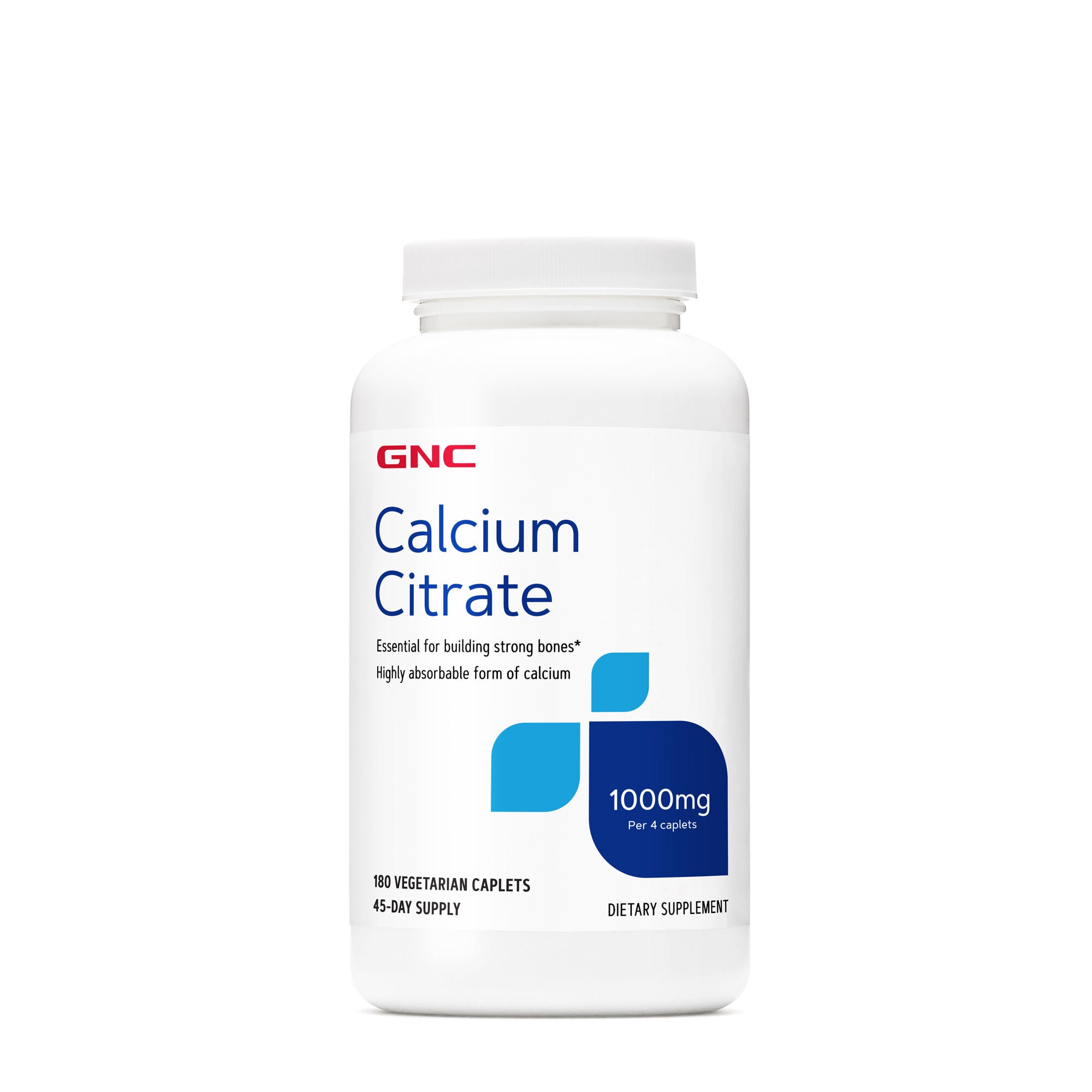
Calcium supplement caplets offer a convenient way to add calcium to a daily wellness routine, especially for shoppers who prefer a measured serving in a compact, easy-to-store format. Calcium is a mineral found in foods such as dairy products, fortified plant beverages, tofu, canned fish with edible bones, and certain leafy greens. Dietary needs can vary with age, eating habits, activity patterns, and individual health considerations, so a supplement may serve as a practical option when food choices do not consistently provide the amount a person is looking for. These caplets may support the maintenance of bones and teeth as part of a balanced lifestyle that includes nourishing meals and regular movement. When comparing calcium supplement caplets, begin with the Supplement Facts panel rather than judging a bottle by its size. Look for the amount of elemental calcium per serving, since that figure reflects the calcium supplied by the formula. Serving size matters as well: some products call for one caplet, while others use two or more caplets to provide the listed amount. A larger serving does not automatically make one option a better fit, particularly for shoppers who value a simple routine or have difficulty swallowing multiple caplets. A full glass of water may make caplets easier to take, and following the label directions may help keep the routine consistent.
The two forms shoppers will most often see are calcium carbonate and calcium citrate. Calcium carbonate generally provides a higher amount of elemental calcium per caplet and is commonly taken with a meal. Calcium citrate may be taken with or without food and could be a consideration for people who prefer more flexibility around meals. Labels may also feature vitamin D3, a nutrient that could help the body use calcium as part of normal nutrient processing. For shoppers comparing formulas, checking both the calcium form and the vitamin D3 amount can make it easier to find a product that fits personal preferences. Some formulas use a slow-release design, while others provide calcium in a standard caplet format. A slow-release option may suit someone who prefers a gradual, scheduled approach, though label directions still matter. Since the body may absorb only a limited amount of calcium at one time, many labels divide larger daily servings into separate portions. A shopper considering a higher-serving formula may want to review the suggested timing and choose a product that works naturally with breakfast, lunch, or dinner. For an assortment centered on formulas featuring calcium and vitamin D3, browse High Potency Calcium D3 Caplets. It may also help to consider caplet size, coating, count per container, storage needs, and how often the product must be taken. A smaller bottle may work well for a desk drawer or travel bag, while a larger count may be convenient for someone who prefers fewer shopping trips. Keeping the container in a cool, dry place and reading the serving directions before use can support a neat, dependable routine.
These products may appeal to adults building a steady supplement schedule, older shoppers reviewing their nutrient intake, or anyone whose food preferences make calcium-rich choices less frequent. They could also be a thoughtful addition to a care package for a parent, partner, or relative who already uses calcium and has shared a preference for a particular form or serving style. Because supplement needs are personal, gifting is best approached with attention to the recipient’s existing routine, dietary preferences, and advice from a qualified healthcare professional. A caplet may fit someone who likes a familiar, no-mixing format; another shopper may prefer a chewable, powder, or food-based option. Calcium can also interact with the way certain prescription medicines are absorbed, including some antibiotics and other commonly used treatments. Anyone who takes prescription medicine or has questions about the appropriate amount may wish to speak with a doctor or pharmacist before choosing a calcium supplement. It is also worth reviewing the full ingredient list for added nutrients, sweeteners, colorants, or other components that may not suit individual preferences. Some people may notice digestive discomfort when adding a new calcium product, so following the serving directions and discussing concerns with a healthcare professional could be helpful. During the warmer part of the year and into the cooler months, a straightforward caplet can fit beside a morning beverage, a packed lunch, or an evening meal without requiring special preparation. With attention to calcium form, elemental calcium, vitamin D3, serving size, caplet count, and daily convenience, shoppers can narrow the selection to an option that feels comfortable and realistic for their routine.