





Easy To Swallow Calcium Caplets
(0 Results)
Easy to swallow calcium caplets could offer a convenient way to support your daily wellness routine. Designed for those who prefer an alternative to larger tablets or chewables, these caplets may fit seamlessly into your supplement regimen. Explore options that might help you maintain your calcium intake with ease and comfort.
-
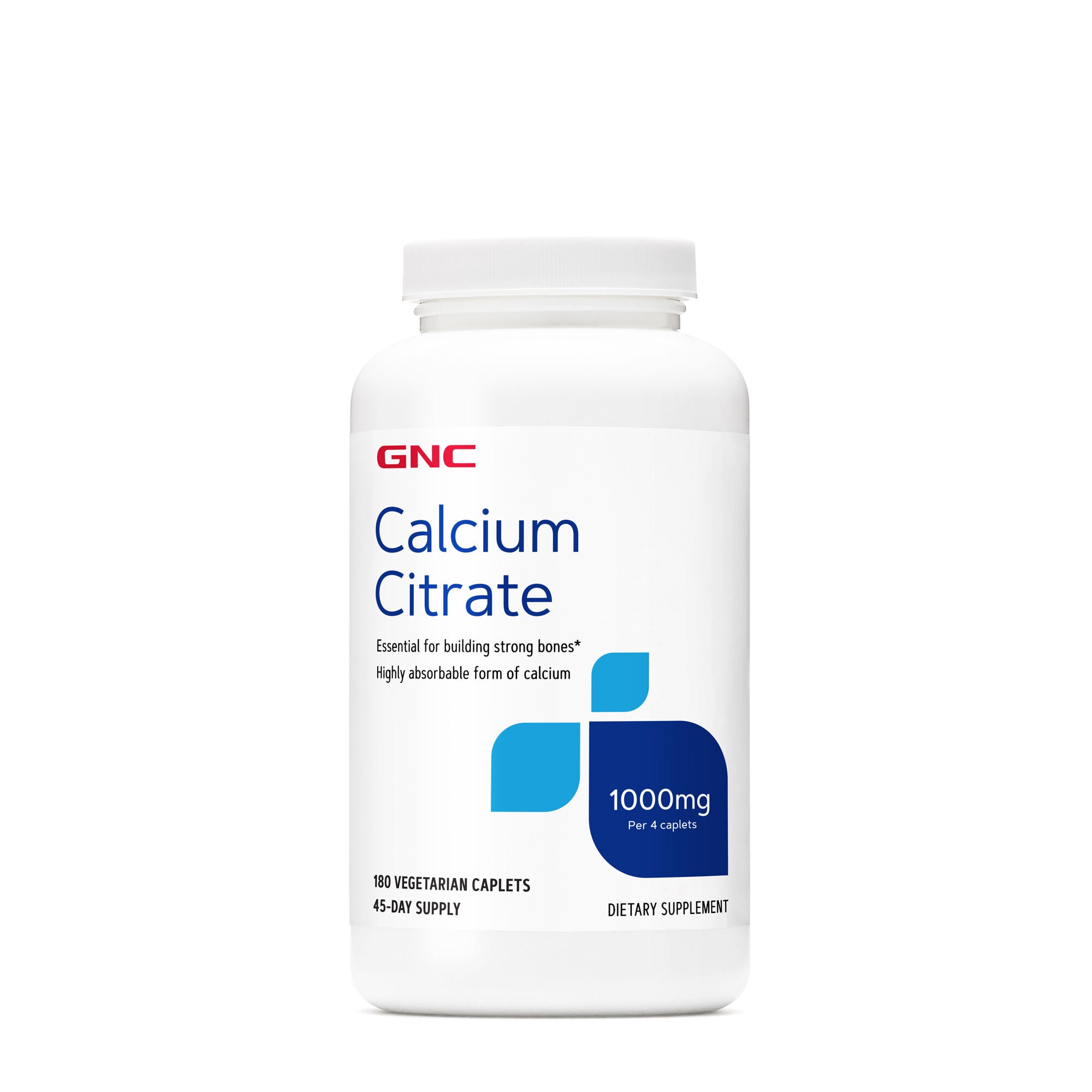
-
 Portions Master$29.99
 -
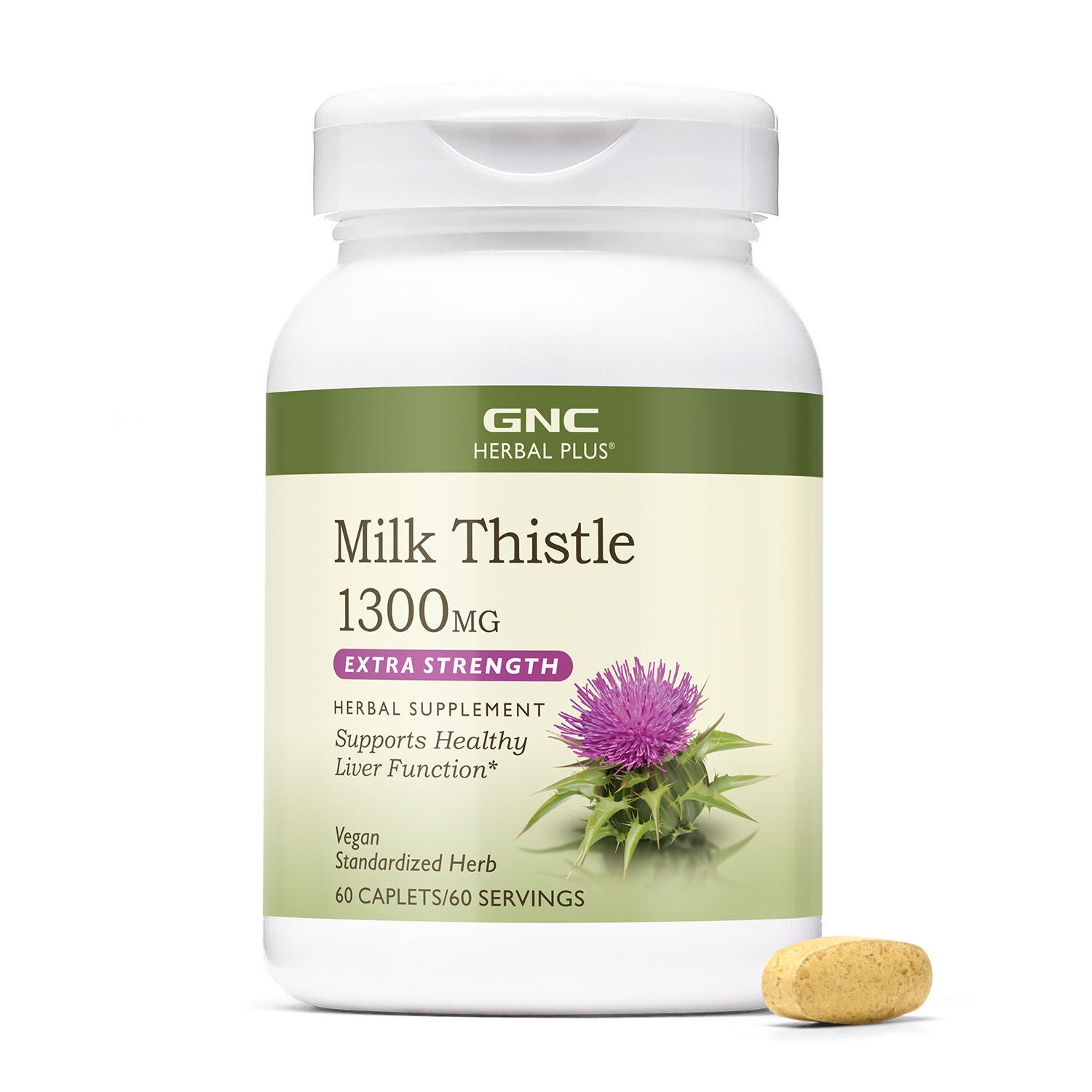
-

-
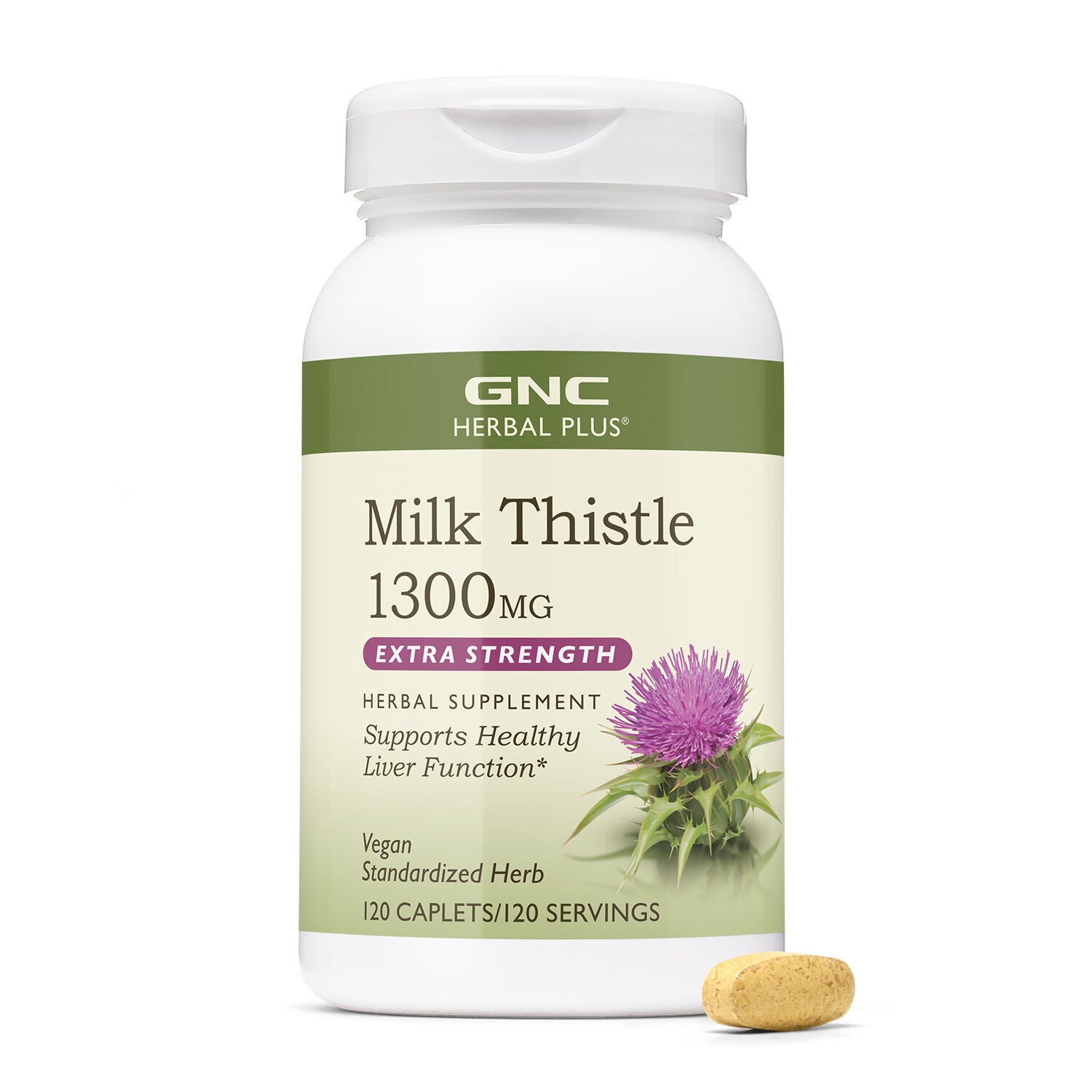
-

-

-

-


Easy-to-swallow calcium caplets are an elongated tablet format for shoppers who want to compare compact sizes, smooth surfaces, and straightforward serving information. A caplet is a compressed tablet, not a capsule with a separate outer shell, and its shape is often narrower than a traditional round tablet. That distinction matters when the physical feel of a supplement is an important part of choosing it. Rounded ends and a smooth coating may make a caplet feel more manageable, while a smaller overall size may appeal to someone who finds larger tablets cumbersome. Descriptions such as petite, mini, or small refer to physical design, but those terms do not represent one standard set of dimensions. Length, width, thickness, and surface finish all contribute to how a caplet looks and feels, so a product photograph alone cannot tell the whole story. Two similarly shaped tablets may differ noticeably in thickness, and a compact caplet may still require several tablets per labeled serving. For someone organizing a breakfast routine or setting out a bottle alongside other daily supplements, that balance between individual size and serving count may be just as relevant as the calcium amount. The broader category of Calcium Supplement Caplets provides context for comparing this format, including differences in calcium source, accompanying nutrients, and package directions. An easy-to-swallow description is best understood as a design feature rather than an assurance that the same tablet will suit every person. Preferences vary, and the smallest-looking option is not necessarily the most practical fit for every routine. Clear size information, readable labeling, and a well-defined serving size offer a more useful basis for comparison than a photograph showing a tablet without a familiar object beside it. These details distinguish a genuinely compact format from a larger caplet that simply has rounded edges or a glossy surface, while keeping the focus on the physical characteristics that matter to the shopper.
Calcium citrate and calcium carbonate are common calcium sources in caplet formulas, but those names describe the ingredient rather than the tablet’s dimensions. Neither source, by itself, establishes whether a caplet is petite, slender, coated, or especially thick. The calcium amount shown in the Supplement Facts panel is another separate consideration: it identifies the amount of calcium per labeled serving, which is not necessarily the amount in one caplet. A serving consisting of several smaller caplets may list a similar calcium amount to a serving consisting of fewer larger tablets. That makes the serving-size line particularly useful when comparing packages with similar numbers on the front. The number of caplets in a bottle and the number of servings are also different measurements, and both contribute to understanding the format. Calcium citrate formulas may be labeled for use with or without food, while calcium carbonate formulas often include directions for use with a meal; an individual package’s directions describe the intended use of that particular formula. Some calcium caplets also contain vitamin D, sometimes identified as vitamin D3, or additional minerals such as magnesium. These ingredients belong in the comparison alongside caplet size, rather than replacing it. A longer ingredient list does not establish that a formula is better suited to a shopper’s preferences, and added nutrients do not necessarily indicate a smaller tablet. Coating ingredients, binders, and other components can differ as well. For someone who prefers vegetarian ingredients or has specific dietary requirements, the ingredient list and relevant label statements provide information that the shape of a caplet cannot reveal. Allergen statements deserve the same attention, since a polished surface or simple-looking tablet says little about its ingredients. Calcium is also found in foods such as dairy products, certain leafy greens, and fortified beverages, so a supplement is one part of a broader food-and-supplement routine. The most informative comparison keeps the calcium source, labeled amount, serving count, accompanying nutrients, and physical design together rather than treating any one feature as the deciding factor.
Easy-to-swallow calcium caplets may interest adults who prefer a solid supplement without a flavored chewable, a powder to mix, or a liquid to measure. They may also appeal to shoppers who already use caplets and want a smaller or smoother format. An elongated tablet has a different feel from a softgel, and a coated caplet remains distinct from a chewable even when both contain calcium. Those differences are practical rather than cosmetic: taste preferences, texture, package size, and the number of units in a serving all influence how a format may fit into everyday life. Someone with a neatly arranged kitchen cabinet may value a bottle with a readable label and a closure that stays secure between uses. A person packing for a weekend away may care more about a compact container that keeps the ingredient information and directions together. For a shared household, clear labeling may make one supplement easier to distinguish from other bottles without relying on tablet color or shape. Care and storage matter, too, because caplets are intended to retain their original form inside their packaging. Package instructions describe appropriate storage, and an intact closure helps keep the contents contained. A bathroom shelf exposed to frequent moisture is a different setting from a dry storage cabinet, while a loose tablet carried in a bag no longer has its label immediately beside it. Expiration information, package condition, and legible directions are therefore useful parts of evaluating the whole presentation, not just the caplet itself. Smaller does not mean chewable, and a smooth coating does not establish that a tablet is intended to be divided or dissolved. Those characteristics depend on the labeled format and directions. For shoppers comparing easy-to-swallow calcium caplets, the most relevant details remain concrete: the actual dimensions when provided, the contour of the tablet, the presence of a coating, the calcium source, and the number of caplets in each serving. Together, these features offer a clear picture of the product’s intended use and how its format may suit an established daily routine.


