


Digestive Support For Children
(0 Results)
Digestive support for children is crucial for maintaining overall health and well-being. A balanced digestive system might help children absorb nutrients more effectively, which could contribute to their growth and development. Incorporating supplements designed for digestive support into a child's routine may assist in promoting a healthy gut environment. Explore a range of options that could provide the necessary support for your child's digestive health needs.
-
 $15.99
 -
 $22.99
 -
 $13.99
 -

-
 $24.99
 -
 $29.99
 -
 $26.99
 -

-
_Front.jpg?sw=305&sh=305&sm=fit "Kidophilus Plus - Berry - 90 Tablets (90 Servings) | GNC")
-

-

-

-




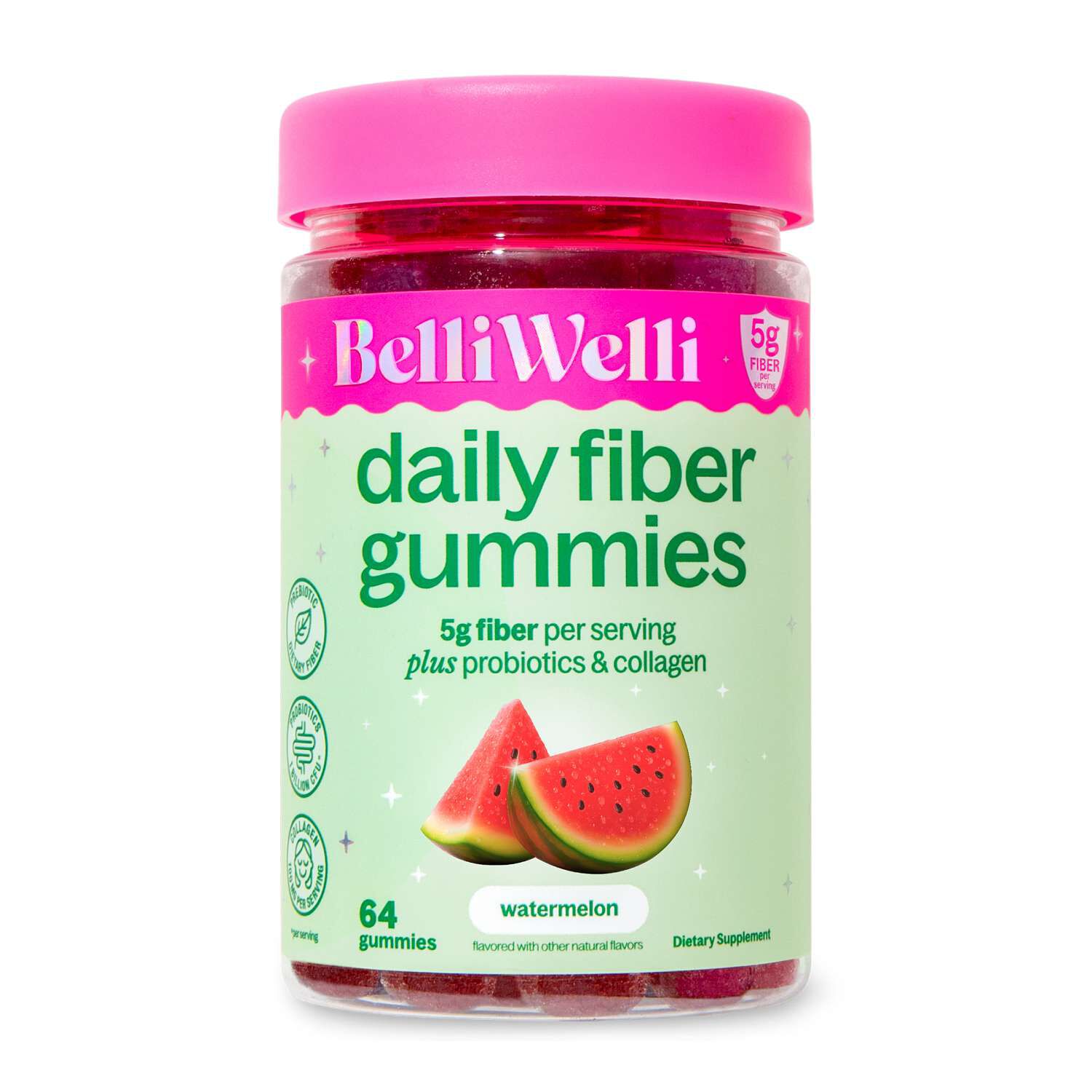
Digestive support for children may fit into a broader routine built around varied meals, water, movement, and familiar foods. Families often look for these products when a child has a selective appetite, has trouble getting enough fiber from meals, or needs a convenient option for busy school mornings and after-school activities. Children’s digestive supplements may include fiber powders, chewables, gummies, probiotics, or blends designed for younger age groups, with formats that can be easier to add to a family routine than another item on the dinner plate. Before choosing a product, caregivers may want to review the suggested age range, serving size, ingredient list, flavor, texture, dietary preferences, and storage instructions. A child who enjoys a soft chew may be more willing to use that format, while another may prefer an unflavored powder stirred into oatmeal or a smoothie. Families seeking plant-based options may explore Children's Vegan Digestive Supplements. A thoughtful approach starts with food: fruits such as berries, pears, and bananas; vegetables; beans and lentils; oats and other whole grains; and seeds may add fiber to everyday meals. Foods such as oats, bananas, garlic, and onions may provide prebiotic fibers that support the microorganisms naturally found in the digestive tract. Yogurt and kefir with live cultures may offer another food-based option, when they fit a child’s preferences and dietary needs. Water also deserves a place in the daily rhythm, especially when children are moving between classrooms, sports practices, playground time, and cooler-weather indoor activities. Keeping a reusable bottle within reach may make sipping throughout the day feel as ordinary as putting on a coat before heading outside. Some families may choose to limit highly processed snacks, sugary drinks, and foods with heavy artificial coloring while making room for satisfying choices such as sliced fruit, roasted chickpeas, whole-grain crackers, or a simple yogurt cup. These changes do not need to happen all at once; a gradual shift may feel more manageable for both children and caregivers.
When considering digestive support for children, age and individual needs matter. Infants, toddlers, children with ongoing digestive concerns, and children with a condition affecting immune function should only receive a new vitamin, fiber, or probiotic product after a conversation with a pediatrician or another qualified healthcare professional. Caregivers may also wish to ask about a product before use if a child takes prescription or over-the-counter treatments, follows a restricted eating pattern, or has difficulty swallowing particular textures. A healthcare professional may help a family decide whether a supplement belongs in the routine and which format, serving amount, and ingredients may be appropriate. Product labels can make comparison easier: look for clear directions, age guidance, allergen information, dietary certifications when relevant, and storage details. It may help to introduce one new product at a time and observe how the child responds, while following the package directions rather than adding extra servings. Supplements are not a substitute for meals, water, or professional guidance, and a child may not need a digestive product simply because one is available. They could be useful for families seeking an occasional convenience alongside a balanced eating pattern, but product selection should remain personal and age-appropriate. During the transition into cooler months, routines may shift from outdoor play and fresh picnic foods to packed lunches, school snacks, and warm breakfasts at home. A small basket with oats, dried fruit, whole-grain options, and water bottles can make nourishing choices easier to spot on rushed mornings. Digestive-support products may also be considered by grandparents, relatives, or family friends looking for a practical gift for a child, although checking with the child’s caregiver first helps ensure the flavor, ingredients, age range, and dietary approach are a good match. With patient guidance and realistic expectations, families may find a routine that feels as natural as washing hands before a meal: simple, consistent, and shaped around the child’s everyday life.


 Chewable Tablets_Front.jpg?sw=305&sh=305&sm=fit "ChildCalm - 60 Chewable Tablets (30 Servings) | GNC")