Natural Digestive Support
(0 Results)
Discover a world of natural digestive support options that could help you maintain a healthy gut and promote overall wellness. Whether you're seeking relief from occasional discomfort or looking to nurture your digestive system, these supplements might offer gentle yet effective solutions. Rich in ingredients like probiotics, enzymes, and herbal extracts, these products are designed to harmonize your body's natural processes. Explore how incorporating these natural aids into your daily routine might contribute to improved digestion and enhanced vitality.
-

-

-
 $29.99
-

-

-

-

-

-

-

-

-

-

-

-

-

-
 $35.99
-

-
 $19.99
-

-

-
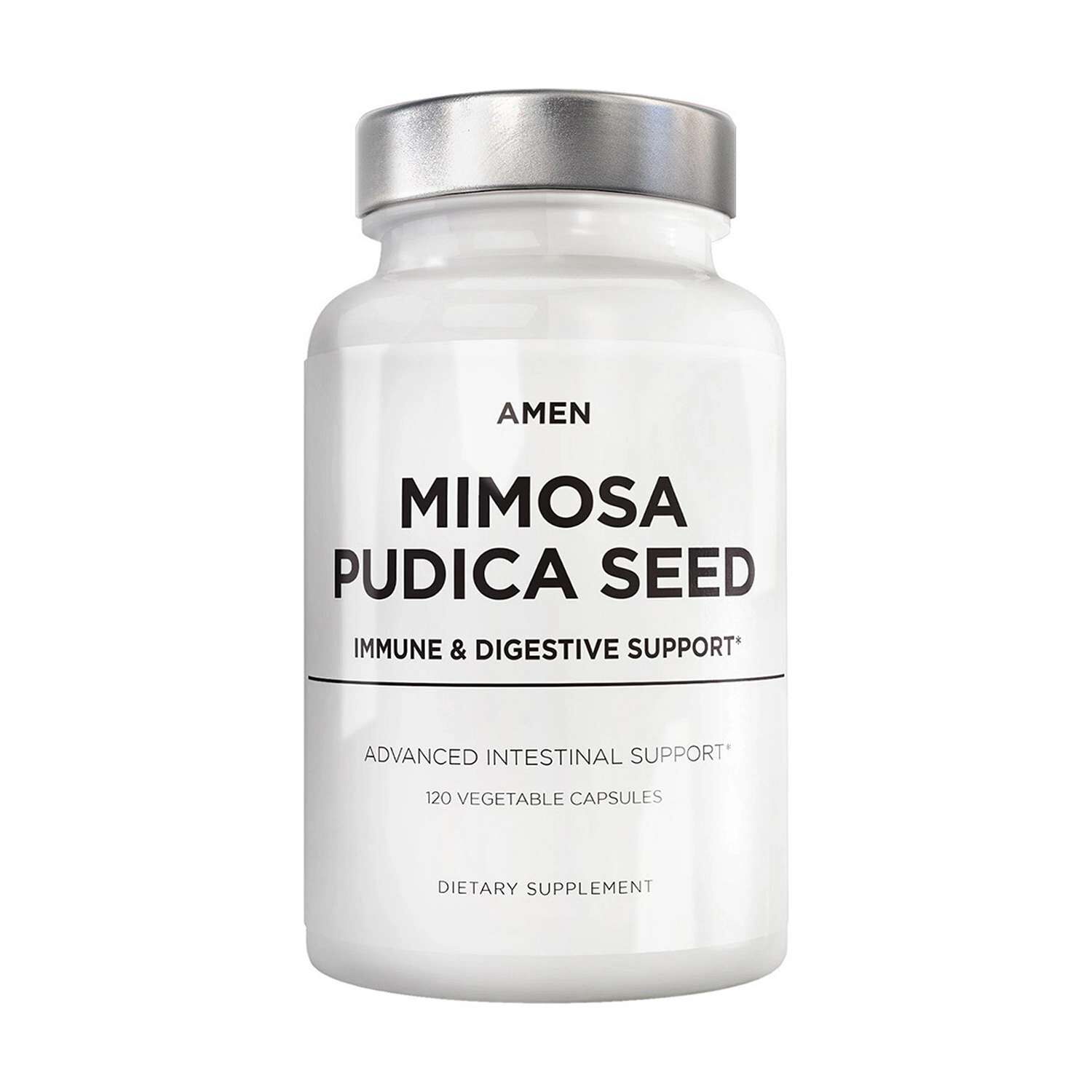

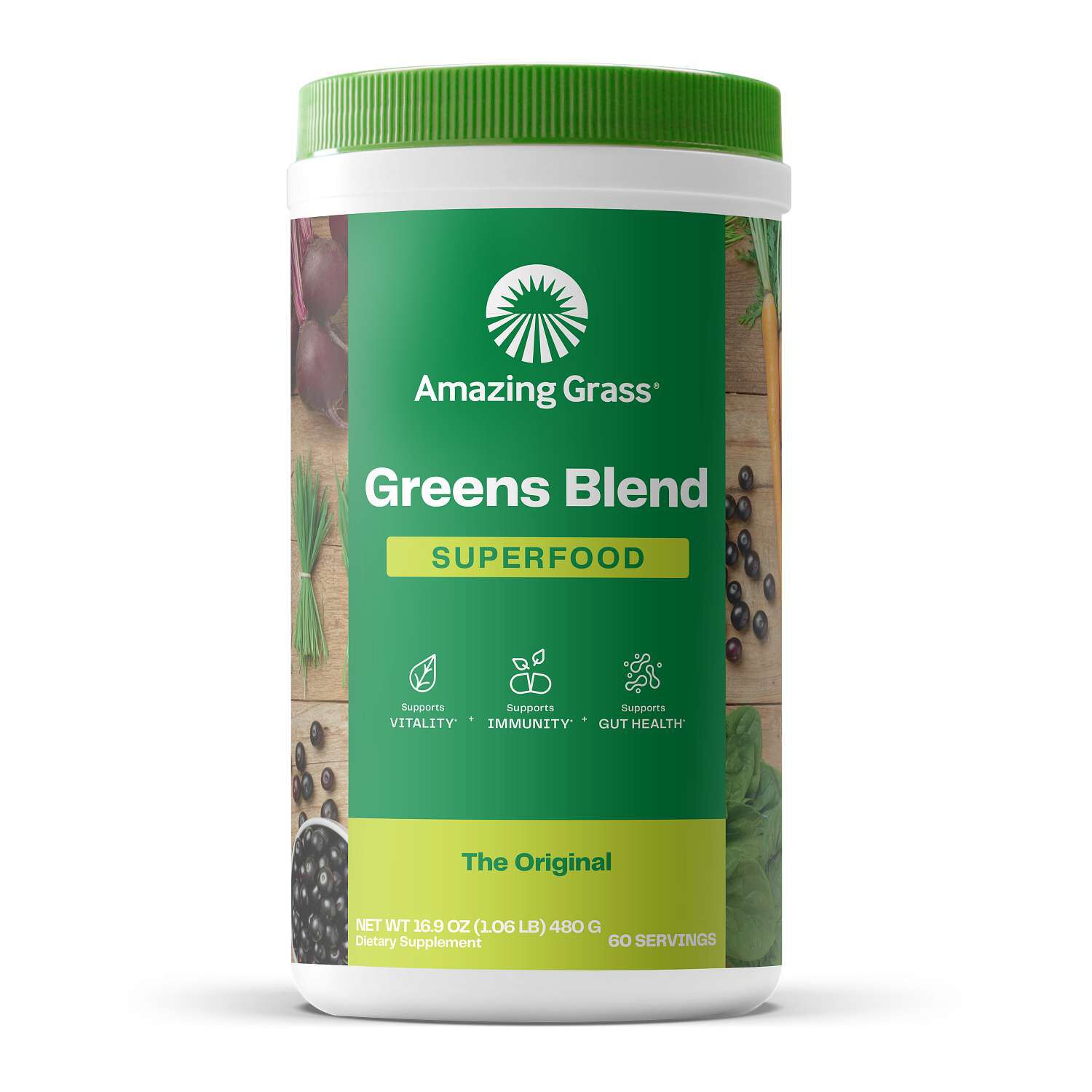
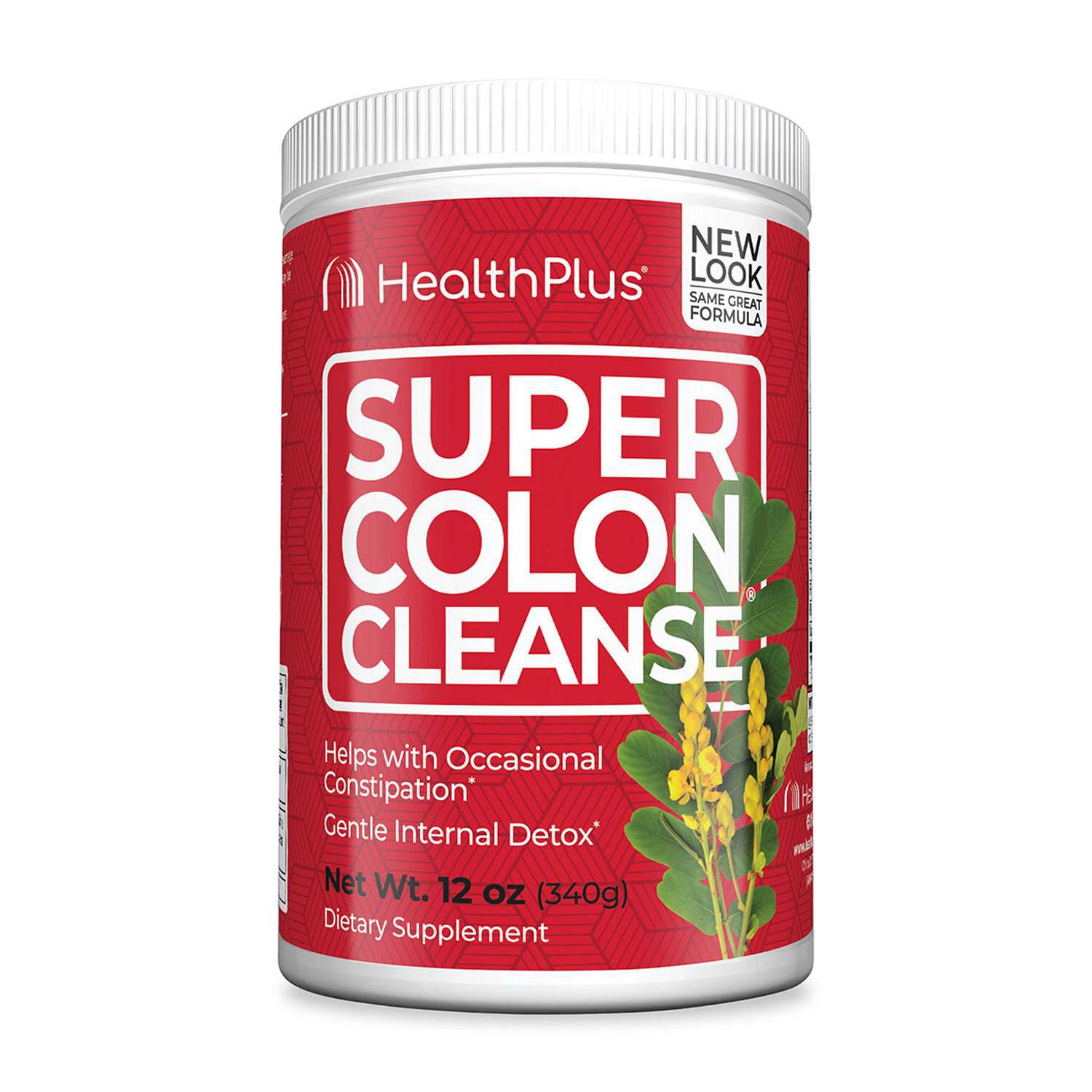
Natural digestive support products include fiber supplements, probiotic formulas, digestive enzymes, and botanical blends intended for everyday wellness routines. These categories differ in their ingredients, formats, and intended use, so the ingredient panel often provides more useful detail than the word “natural” alone. Fiber formulas may complement dietary fiber intake, while probiotic supplements contain live microorganisms and may support everyday digestive wellness. Prebiotic ingredients, including certain fibers, may nourish beneficial bacteria already present in the gut. Digestive enzyme formulas may support the normal breakdown of dietary proteins, carbohydrates, or fats, depending on the enzymes included. Botanical formulas bring another set of ingredient choices, with plant sources and preparation methods that can vary considerably. Natural digestive support also has a connection to familiar foods: oats, beans, fruits, and vegetables contain fiber, while some fermented foods contain live cultures. Pineapple and papaya are associated with bromelain and papain, respectively, which also appear as ingredients in some enzyme formulas. These food connections provide context for the category, but a supplement made with an ingredient derived from a food is not the same as eating that food. The amount, preparation, and other ingredients can differ. Someone comparing natural digestive supplements might be interested in a straightforward fiber powder, a capsule containing identified probiotic strains, or a blend featuring several ingredient categories. Each represents a different approach rather than an interchangeable option. Products in this category may complement a varied eating pattern and an established daily routine; they are not replacements for meals or the range of nutrients foods provide. Ingredient origin is another useful distinction. A formula described as natural may still include capsule materials, flavorings, sweeteners, or processing aids. Plant-derived ingredients also do not necessarily mean that every component is suitable for a vegetarian or vegan preference. Clear labeling makes it easier to understand what a formula contains, how it is presented, and whether its intended use matches the kind of product being considered.
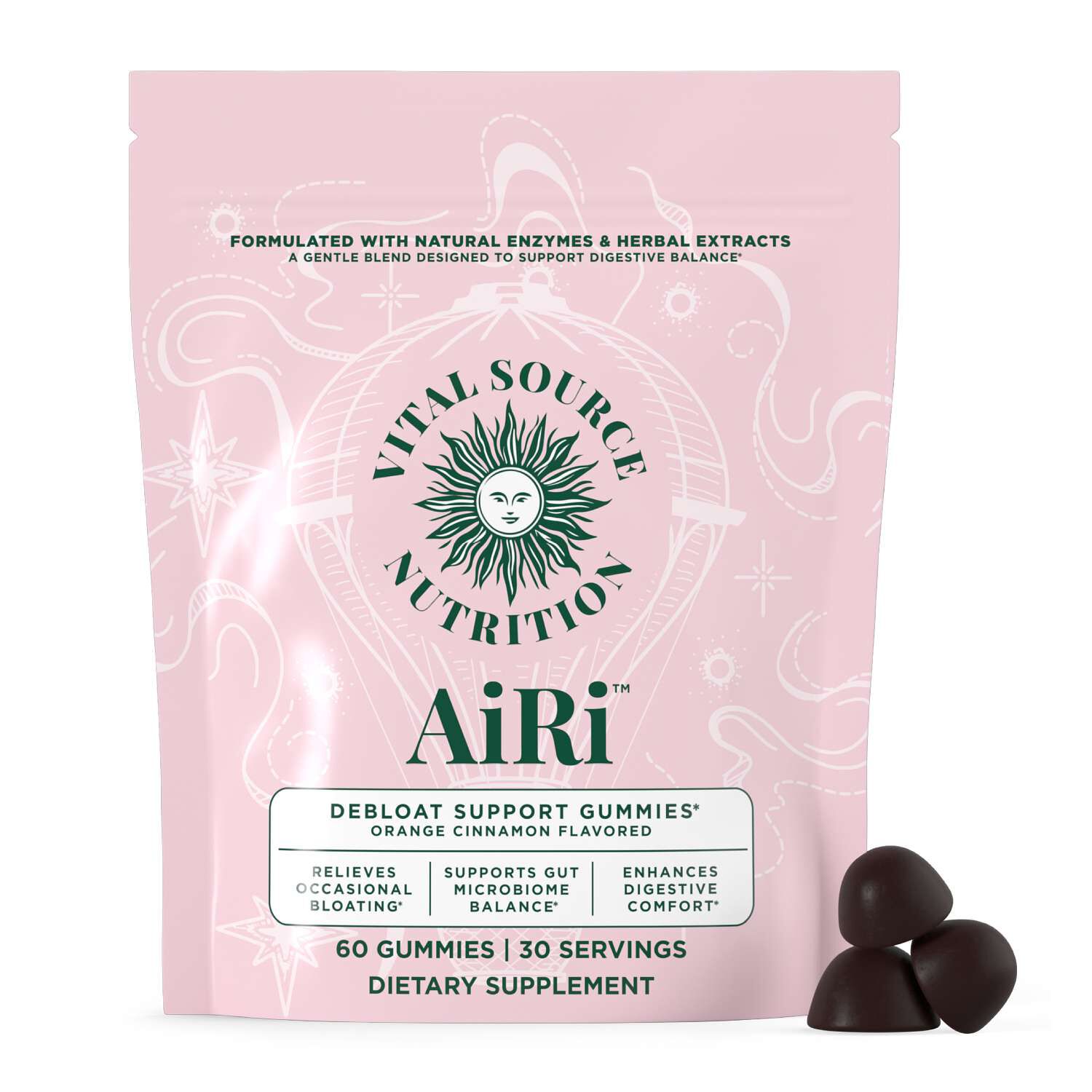
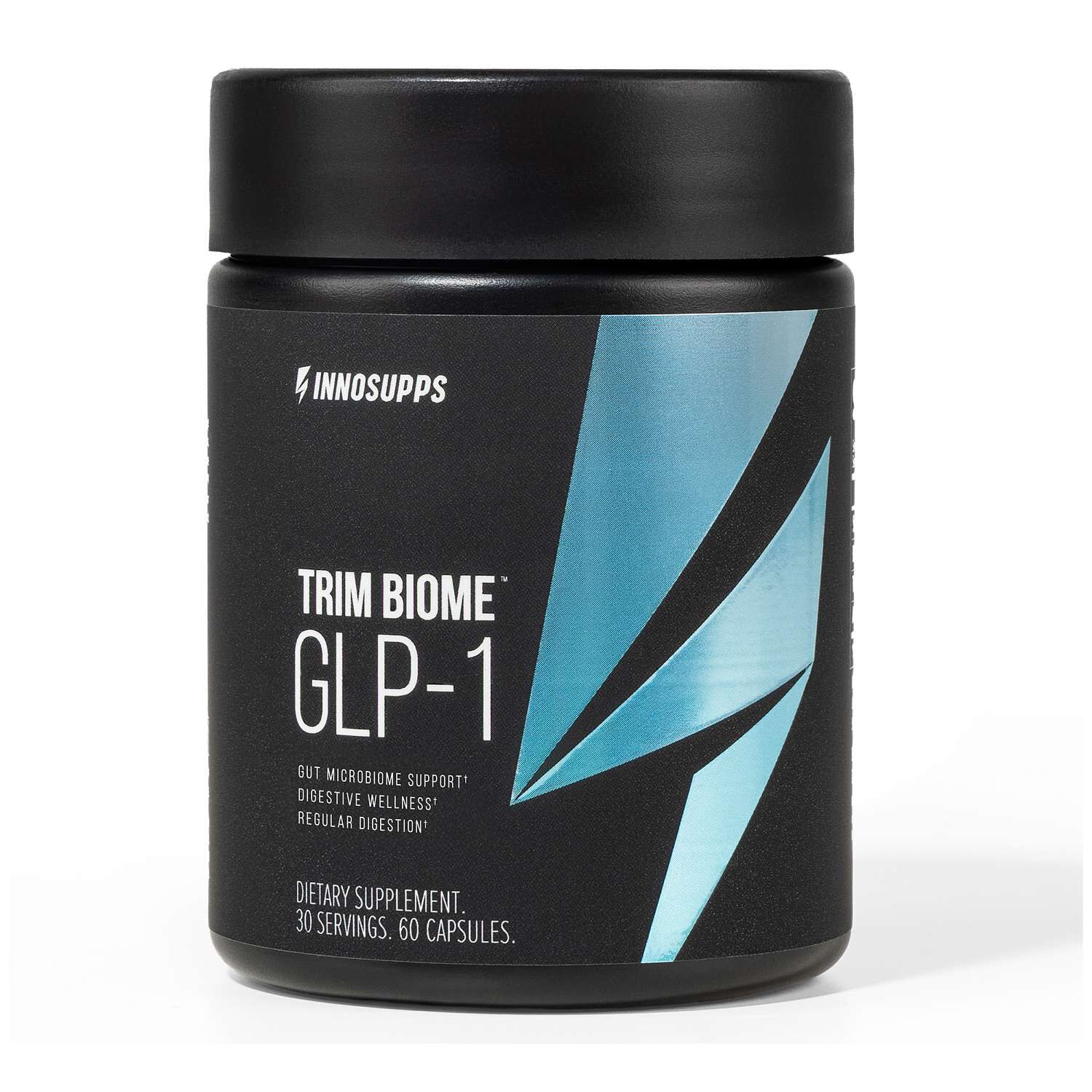
Format is a practical consideration when browsing digestive support supplements, especially for a product that may become part of a familiar routine. Powders offer a different experience from capsules, tablets, gummies, and chewables. A powder can bring flavor, texture, and preparation time into the decision: some formulas are unflavored, while others have a noticeable fruit flavor or sweetness. Fiber powders may develop a thicker texture when mixed, and the preparation directions describe the intended amount of liquid and mixing method. Someone who already prepares a morning smoothie may find that format familiar, while someone packing a work bag may prefer a format that does not require a cup or stirring utensil. Capsules and tablets have their own physical characteristics, including size, coating, and the number included in a labeled serving. Gummies and chewables add considerations such as texture, flavor, sugar content, and sweetener type. A format that looks convenient in a photograph may feel different in everyday use, making those details worth comparing. Serving information also matters when reviewing ingredient amounts: a listed serving may consist of more than one capsule or chewable. For probiotics, genus, species, and strain information describe the microorganisms included, while the label may also identify a culture count and storage conditions. A larger number on the front of a package does not explain all of those details. For enzyme formulas, the label may identify individual enzymes and activity units, which provide a different kind of information from ingredient weight. Blends can contain several components, so the amount of one ingredient should not be assumed from the overall serving size. Packaging and care deserve attention, too. Depending on the formula, storage directions may address moisture, light, refrigeration, or keeping the container securely closed. A bathroom shelf, a kitchen cabinet beside a sink, and a bag carried throughout the day create different storage environments. The package directions provide the relevant reference for maintaining the product as intended, and an expiration date adds another useful detail when considering how a container fits a daily routine.
Comparing natural digestive support products becomes more straightforward when the focus stays on composition, intended audience, and everyday usability rather than broad front-label language. A short ingredient list may appeal to someone who prefers a simple formula, while another shopper may be interested in a combination of fiber, probiotics, or enzymes. Neither approach explains suitability on its own. Ingredient sources, serving details, age guidance, and preparation instructions offer a fuller picture. For example, two fiber formulas may use different plant sources and have noticeably different flavors or textures, even when both belong to the same category. Two probiotic formulas may identify different strains, and two enzyme blends may contain different combinations of enzymes. Those distinctions are more informative than treating all digestive supplements as alike. Dietary preferences add another layer: capsule shells may use gelatin or plant-derived materials, and flavored formats may contain ingredients that matter to someone reviewing a personal ingredient checklist. Allergen statements and other label details are part of that comparison, rather than something the word “natural” can resolve. Families browsing the category can also explore Digestive Support For Children for a separate view of products intended for younger audiences. Adult formats and serving information should not be assumed to apply to children, and the stated audience remains an important distinction. For adults, the practical match may involve a product’s portability, its preparation requirements, or how clearly its label explains the contents. A container kept beside a breakfast bowl serves a different routine from a packet tucked into a lunch bag, yet both bring attention back to the same details: what is inside, what the labeled serving involves, and how the product should be stored. Natural digestive support is a varied product category, not a single ingredient or uniform experience. Thoughtful comparison centers on transparent information and a format suited to the intended use, with everyday digestive wellness as the broader context.