





Energy Boosting Prebiotic Supplements
(0 Results)
Fuel your day with energy boosting prebiotic supplements, designed to support your wellness routine and help you feel your best. These innovative formulas may offer a convenient way to complement an active lifestyle and provide nutritional support for those looking to stay energized. Explore a range of options that could fit seamlessly into your daily regimen, whether you're tackling a busy workday or gearing up for your next workout. Discover how energy boosting prebiotic supplements might be the extra boost you’ve been searching for on your journey toward wellness.


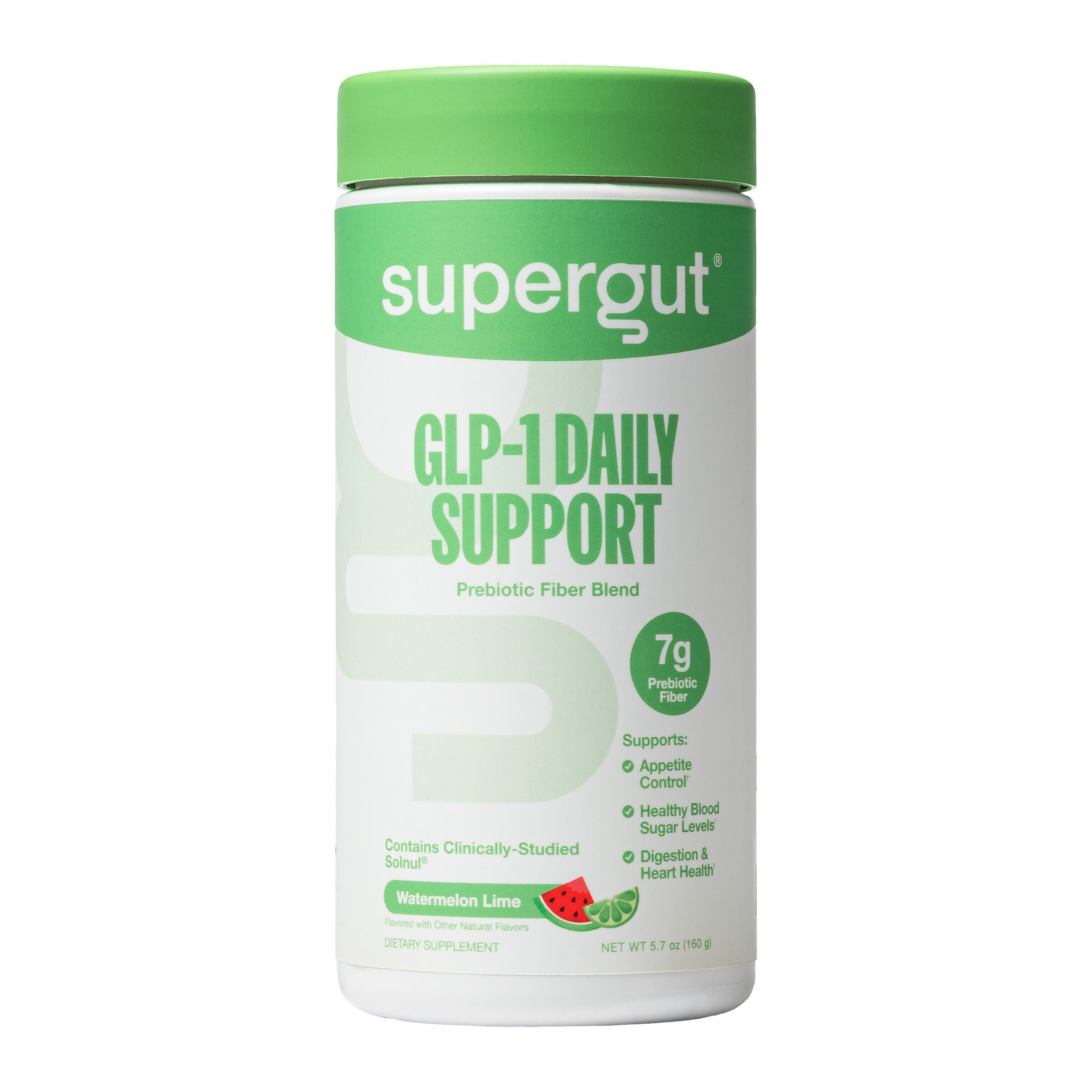


Energy-focused prebiotic supplements bring together ingredients associated with digestive wellness and nutrients commonly included in everyday energy formulas. Their defining feature is the prebiotic component: ingredients such as chicory root inulin, fructooligosaccharides, galactooligosaccharides, or certain resistant starches. These ingredients may serve as nourishment for beneficial microorganisms in the digestive tract. Through fermentation, those microorganisms may produce compounds called short-chain fatty acids. That relationship helps explain the connection between prebiotics and the gut environment, but it does not make every fiber supplement an energy supplement. The energy-oriented part of a formula often comes from additional ingredients, such as B vitamins, rather than from prebiotic fiber alone. Certain B vitamins may support the normal conversion of food into usable energy; they are not interchangeable with caffeine or the calories supplied by a meal. A formula might also contain beetroot, botanical ingredients, or greens, although those additions do not establish a particular effect on their own. The ingredient list and serving amounts offer more useful context than a broad category name. Some blends combine prebiotics with probiotics, which are live microorganisms, while others include digestive enzymes. These are different ingredient categories, not alternate names for the same thing, and their presence does not establish the same experience across formulas. Prebiotic content also differs from the dietary fiber amount shown on a nutrition panel, so both details deserve attention when comparing labels. An energy-focused blend may contain caffeine, or it may rely on vitamins and other ingredients without added caffeine. That distinction matters for someone choosing between a morning drink mix and an option intended to accompany an afternoon meal. The category is best understood as a range of nutritional formulas with different compositions, rather than a single ingredient or a uniform source of immediate energy. A clearly stated prebiotic source, an identifiable amount per serving, and a readable ingredient panel make those differences easier to assess.
Format shapes how a prebiotic supplement fits into an ordinary day. Powders are designed around preparation, with serving directions that specify the amount of liquid and the appropriate measuring method. A scoop mixed into water before breakfast creates a different routine from a capsule taken according to its package directions with lunch. Flavor, sweetness, texture, and serving volume all become part of that choice. A fruit-flavored powder may suit someone who already keeps a shaker bottle nearby, while an unflavored option may appeal to someone who prefers fewer competing flavors in a permitted beverage. Unflavored does not necessarily mean tasteless, particularly when a blend includes botanical powders or fiber ingredients. Some powders may remain slightly cloudy or textured after mixing, depending on their composition. The package instructions are the reference for suitable liquids and preparation methods, since a formula containing live microorganisms may have different handling directions from a fiber-only powder. Capsules remove the mixing step, but capsule size and the number required per serving still matter. A serving may involve more than one capsule, making the serving count more informative than the capsule count alone. Capsule shells may contain gelatin or plant-derived cellulose, another practical distinction for shoppers with dietary preferences. For those comparing this format with other energy-oriented options, energy supplement capsules offer a related category, though prebiotic content remains something to confirm on each label. Single-serving packets offer another format for a desk drawer or travel bag, while larger containers require space for storage and measuring. Neither packaging style establishes a different nutritional result by itself. The useful comparison is the stated ingredient amount in the serving actually used, along with the preparation involved. A compact package with several servings and a larger tub with a scoop represent different routines, even when the ingredient names look similar. Those everyday details can matter as much as flavor when choosing a format for repeated use.
The intended use of an energy-focused prebiotic supplement is another important distinction within the category. Someone who already uses a fiber powder may be comparing the convenience of a combined formula, while someone with an established vitamin routine may be looking closely at overlapping nutrients. A busy commuter might favor a format that requires little preparation; someone who enjoys a measured morning beverage might prefer a powder with clearly stated mixing directions. Neither preference establishes which formula will suit every person. Ingredient sources, serving amounts, dietary preferences, and the rest of the daily routine provide the more relevant context. Labels may list milk, soy, wheat, or other food allergens, and capsule materials or flavor ingredients may also influence a selection. Added sugars, sweeteners, and caffeine content are separate considerations from the prebiotic source. A product described around digestive wellness can still contain ingredients associated with energy formulas, making the full panel more informative than the front label alone. Likewise, a blend containing several vitamins does not necessarily provide a meaningful amount of prebiotic fiber; the stated amounts help distinguish a central ingredient from a small addition. These supplements belong alongside ordinary meals and daily habits, rather than in place of food or rest. Storage and handling also deserve attention because powders, capsules, and formulas containing live microorganisms can have different package requirements. Container directions specify whether refrigeration or other storage conditions apply. A tightly closed lid, dry measuring utensils, and retention of the original label help keep preparation and handling consistent with those directions. Individually wrapped servings retain their ingredient information most conveniently when kept with the outer packaging. Date markings, serving instructions, and any directions for use after opening remain relevant throughout the container’s use. Across formats, the most informative choices are grounded in visible details: the named prebiotic ingredient, its stated amount, any accompanying nutrients, the serving format, and the care required by the package. Those details give energy-focused prebiotic supplements a practical context within an everyday nutrition routine.
Best Sellers
Related Pages


Top Collections
- Daily Collagen Supplements | Top Brands & Deals | GNC
- Cortisol Supplements
- Top Rated Collagen | Shop Customer Favorites | GNC
- Vitamins For Hair Loss
- NAD+ Supplement Tablets
- Peptide Supplements
- Best Brand of Magnesium Glycinate
- Protein Powders For Muscle Growth Support
- Vitamins That Help Support Weight Gain
- Peptide Supplements for Muscle Growth