Energy Supplements For Long Study Sessions
(0 Results)
Energy supplements for long study sessions may offer support when you’re looking to stay focused and alert. Whether you’re preparing for exams, tackling research projects, or powering through late-night assignments, finding the right supplement could help you make the most of your study time. Explore options that may fit into your routine as you work toward your academic goals.


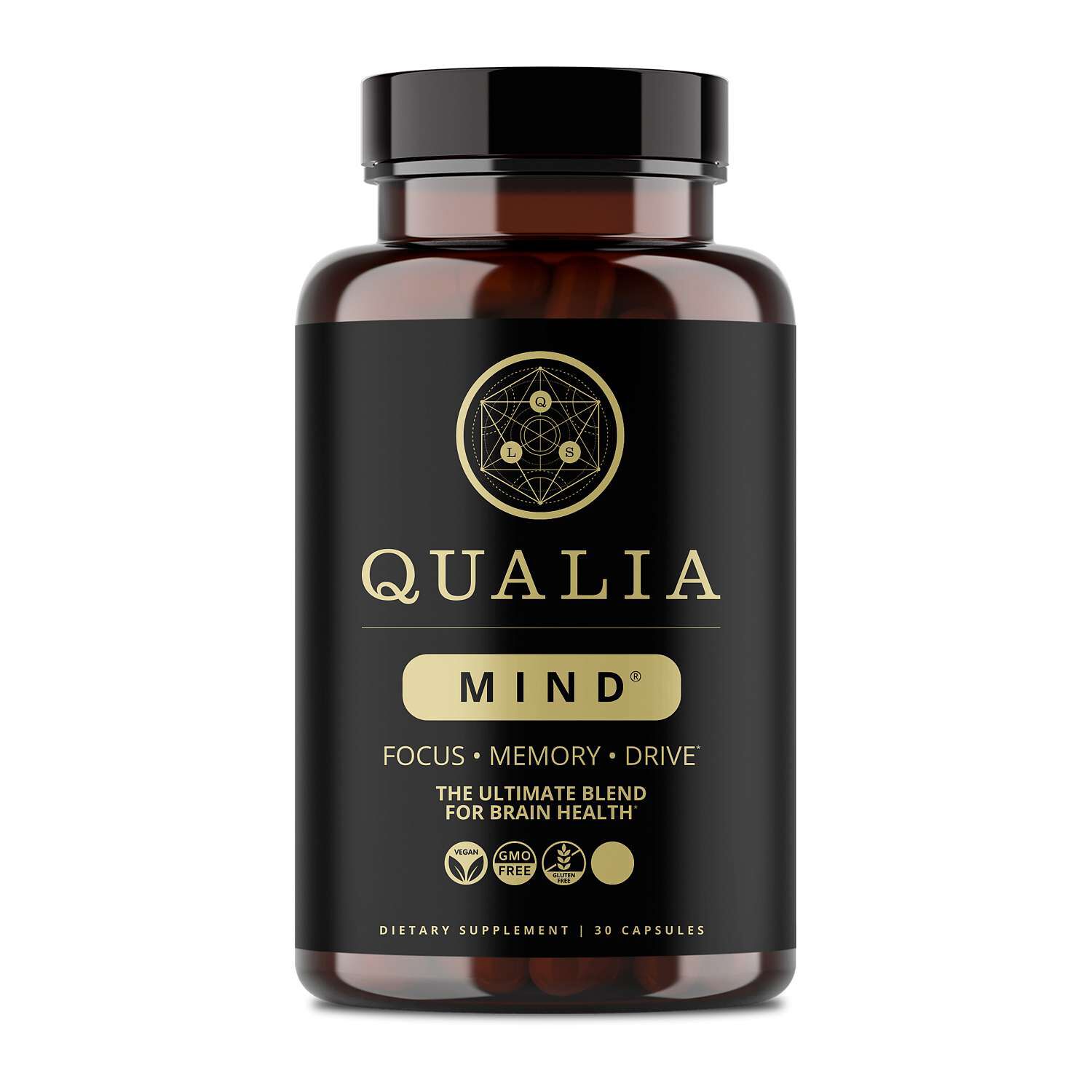




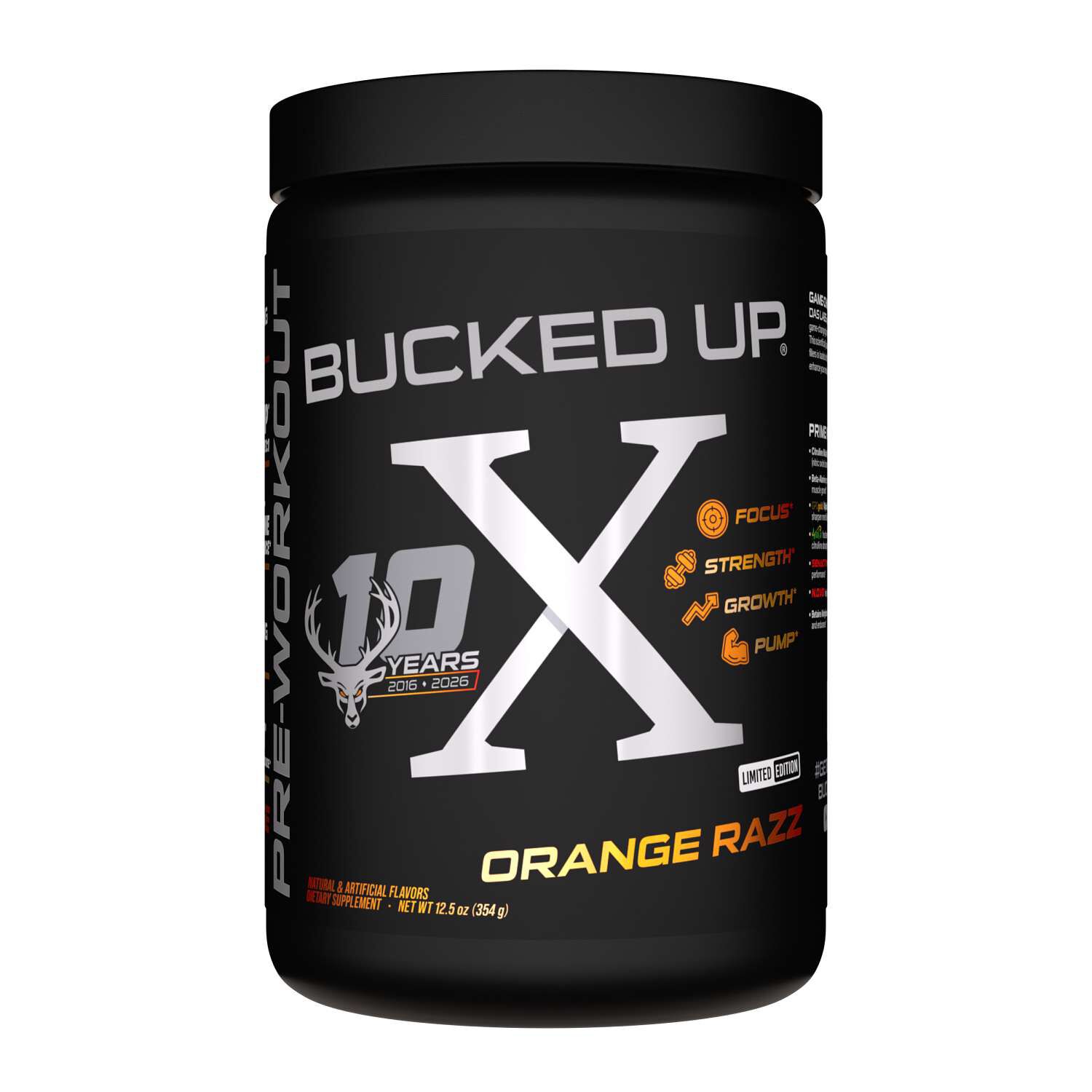

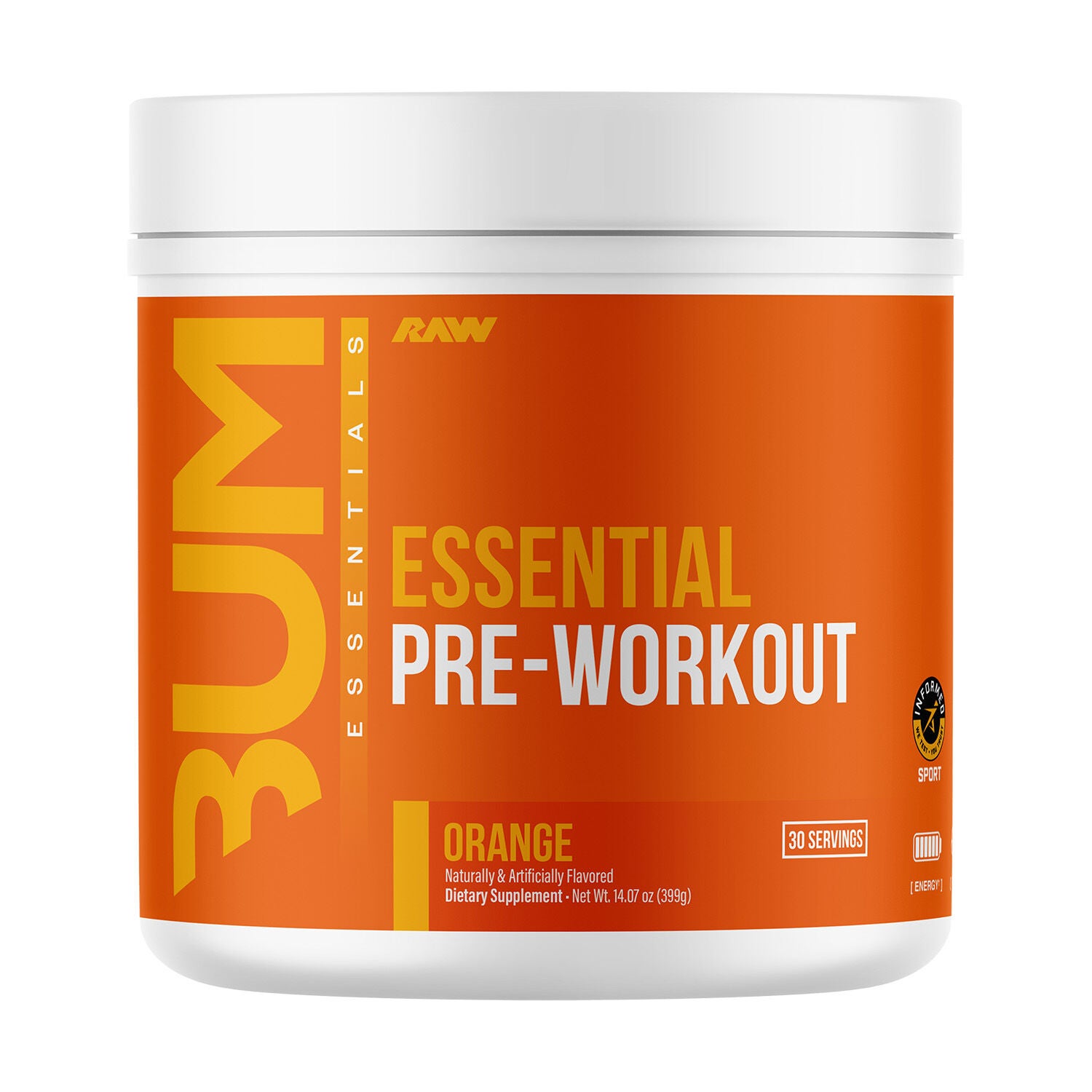


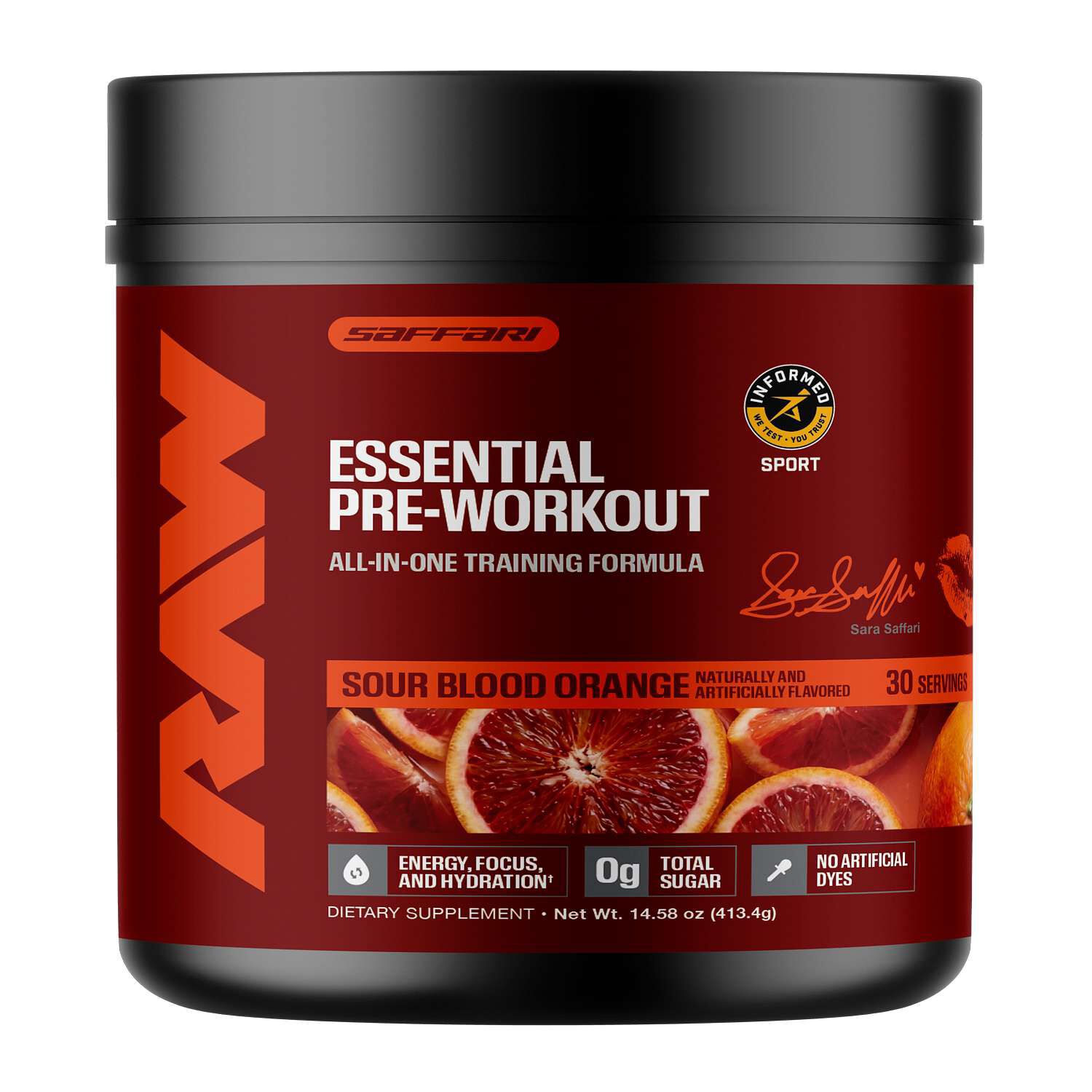
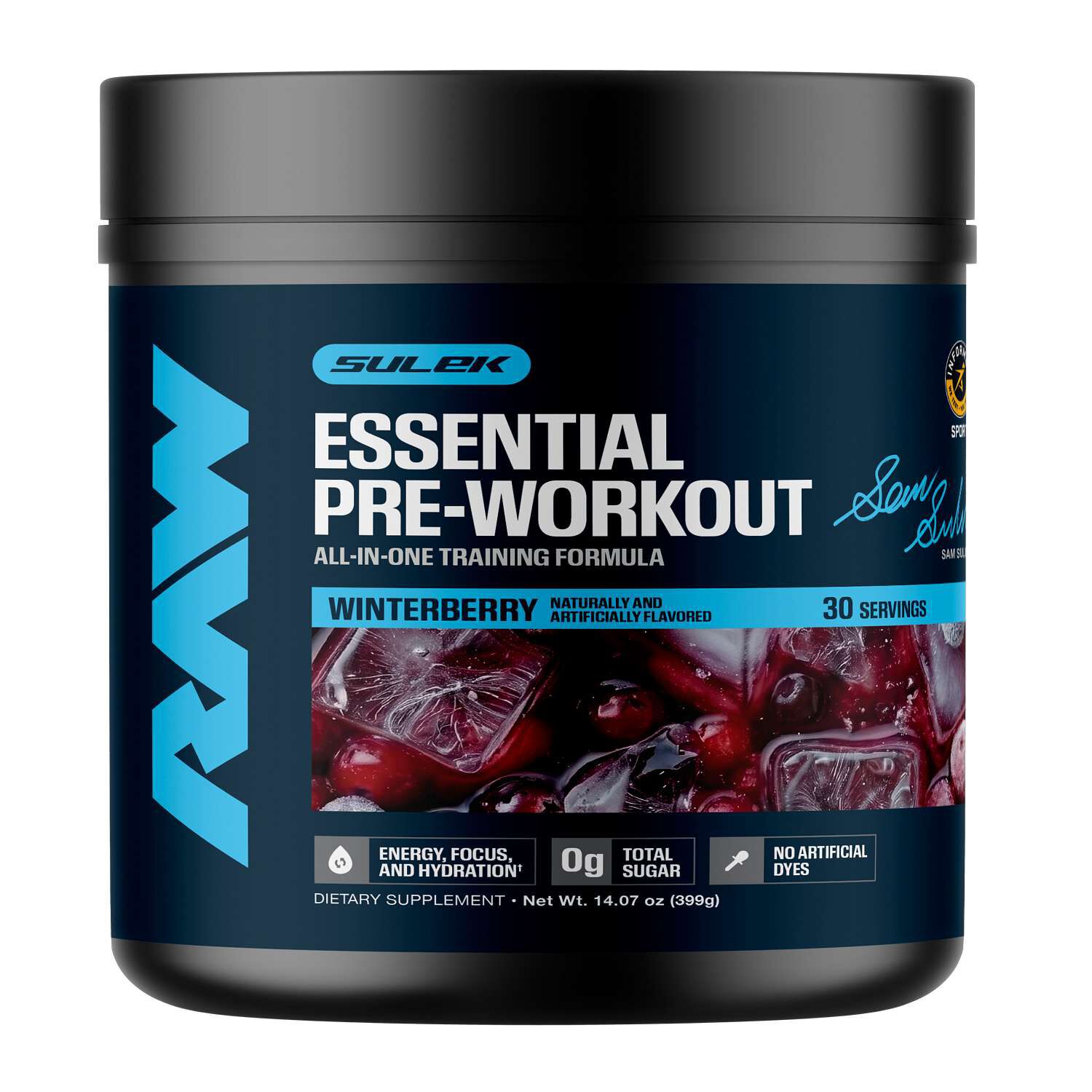





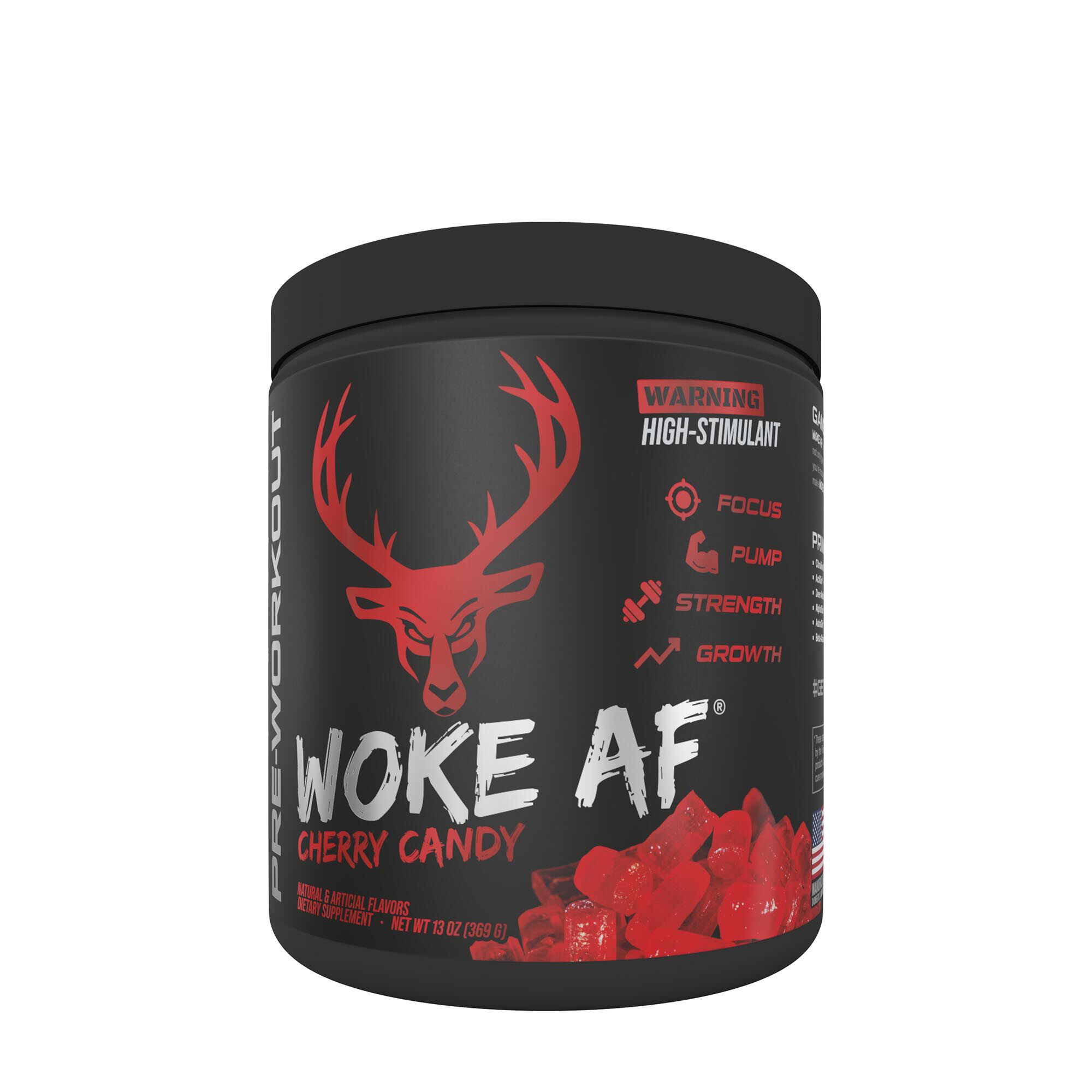




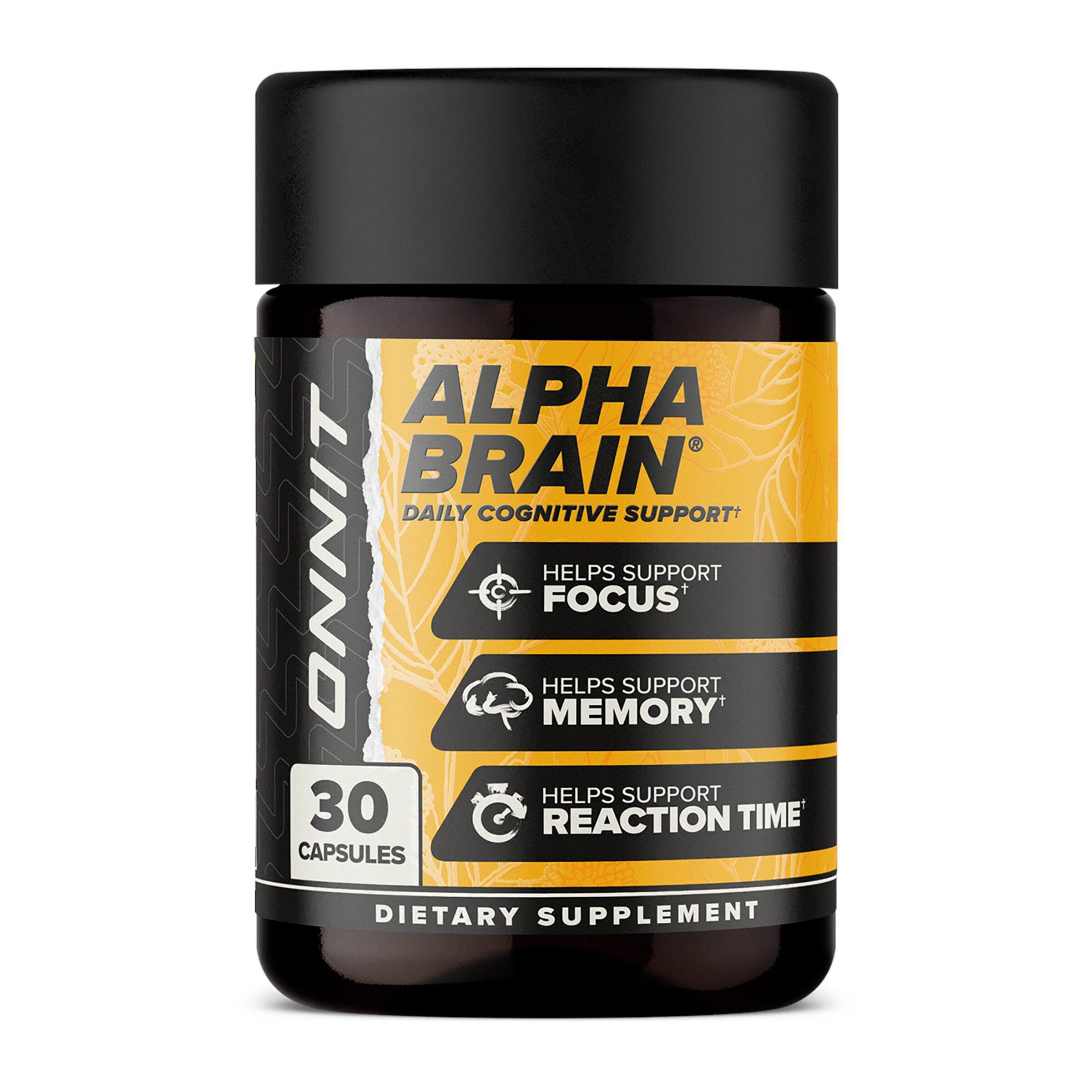
Energy supplements for long study sessions are designed for adults looking for a convenient addition to a demanding academic or professional routine. That might mean a graduate student reviewing research papers, a college student working through practice problems, or a working adult preparing for a certification exam after a full day on the job. These products come in several formats and ingredient combinations, with some centered on caffeine and others built around vitamins, amino acids, or botanical ingredients. Caffeine may support alertness during focused work, while L-theanine, an amino acid naturally present in tea, often appears alongside caffeine in formulas intended for concentration. The pairing is worth understanding as a formulation choice rather than a universal answer: ingredient amounts, serving sizes, and individual preferences all matter. B vitamins, including B6 and B12, may support normal energy metabolism, which is a different role from the alertness associated with caffeine. A vitamin-based formula and a caffeine-containing formula should not be treated as interchangeable simply because both use energy-related language. Some formulas also include mushroom ingredients such as lion’s mane, although the presence of a particular ingredient alone does not establish how a finished formula might affect a study session. The most meaningful comparisons come from the actual ingredient list and Supplement Facts panel, not an ambitious name or a dramatic description. A clearly stated caffeine amount, a readable serving size, and individually listed ingredients provide useful context when considering different options. For someone settling into a library carrel with a textbook, a notebook, and several chapters to review, that clarity can matter more than a long list of unfamiliar ingredients. Energy supplements may have a place in an adult study routine, but they are not substitutes for sleep, regular meals, water, or a realistic workload. Their intended role is narrower than the demands of an entire exam period, and expectations should reflect that distinction.
Format is another practical part of choosing supplements for studying, especially when the same study routine moves between a kitchen table, a campus library, and a shared office. Capsules and tablets are compact and do not require mixing, although serving sizes can differ considerably between formulas. A single serving might contain more than one capsule or tablet, so the front of a container does not always tell the whole story. Powders and drink mixes involve different considerations: flavor, sweetness, the amount of liquid specified on the label, and whether preparation requires a shaker or simply a glass and spoon. A formula with a bold fruit flavor creates a different drinking experience from an unflavored option mixed with water. Texture matters, too, particularly for someone who prefers a light beverage while reading rather than a thicker drink beside a laptop. Chewable formats have their own serving sizes, ingredient lists, and storage requirements; their familiar appearance does not make them equivalent to ordinary snacks. Across formats, dietary preferences may shape the choice just as much as convenience. Capsule shells can contain gelatin or plant-derived materials, while flavored products may contain sweeteners, colors, or ingredients that deserve a closer look. Clear labeling makes those distinctions easier to recognize without relying on assumptions about the format. Packaging also plays a practical role in everyday use. A securely closing container, legible directions, and packaging suited to the product can matter when a supplement travels in a backpack or sits among books and chargers on a desk. Storage directions are especially relevant for products exposed to moisture from an open water bottle or steam from a nearby mug. Original packaging keeps ingredient information and serving directions with the product, while the labeled date provides another point of reference. These details are less dramatic than an ingredient headline, but they help distinguish a format that suits a particular routine from one that adds unnecessary preparation or inconvenience.
The best fit for a long study session also depends on what the rest of that day looks like. Someone reviewing notes before an afternoon seminar may have different preferences from an adult taking an online course after dinner. Caffeine-containing supplements may support alertness, but caffeine can also interfere with sleep, making timing an important consideration rather than a minor detail. Coffee, tea, energy drinks, and supplements can all contribute caffeine to the same day, so the amount listed on one label belongs in a broader picture. A formula without caffeine offers a different ingredient profile, not an assurance of the same experience through another route. Likewise, a larger serving or a longer ingredient list does not establish that a product is better suited to more demanding coursework. Label directions, stated serving limits, and the intended adult audience remain important regardless of whether the task is memorizing vocabulary, checking calculations, or organizing a presentation. The broader Supplements For Studying category provides another way to explore formats and ingredient approaches alongside energy-focused options. For adult students, a useful comparison often centers on a few concrete details: what each serving contains, whether caffeine is present, how the product is prepared, and whether its format matches the setting. Gift selection deserves the same attention. A supplement for an adult returning to school or preparing for a professional exam is a personal choice, particularly when caffeine preferences, dietary requirements, and flavor preferences are involved. Familiarity with those preferences matters more than choosing the most elaborate formula. Whether the routine involves an hour of reading or an extended block of practice tests, a supplement is only one part of the setting. A manageable schedule, a proper meal, water within reach, and time away from the screen belong in that picture as well. A thoughtfully chosen formula may complement an established routine without becoming the centerpiece of it.