Energy Capsules For Students
(0 Results)
Energy capsules for students might be the perfect companion during those demanding study sessions and hectic schedules. These capsules could help support focus and vitality, potentially making it easier to tackle assignments and exams with confidence. Formulated with a blend of ingredients that may promote alertness and mental clarity, energy capsules for students offer a convenient option for those needing an extra push to power through their academic challenges. Explore options designed to fit seamlessly into a student's lifestyle, providing a potential edge in concentration and stamina when it's needed most.
-
-
-
-

-
-

-
-

-

-

-
-

-
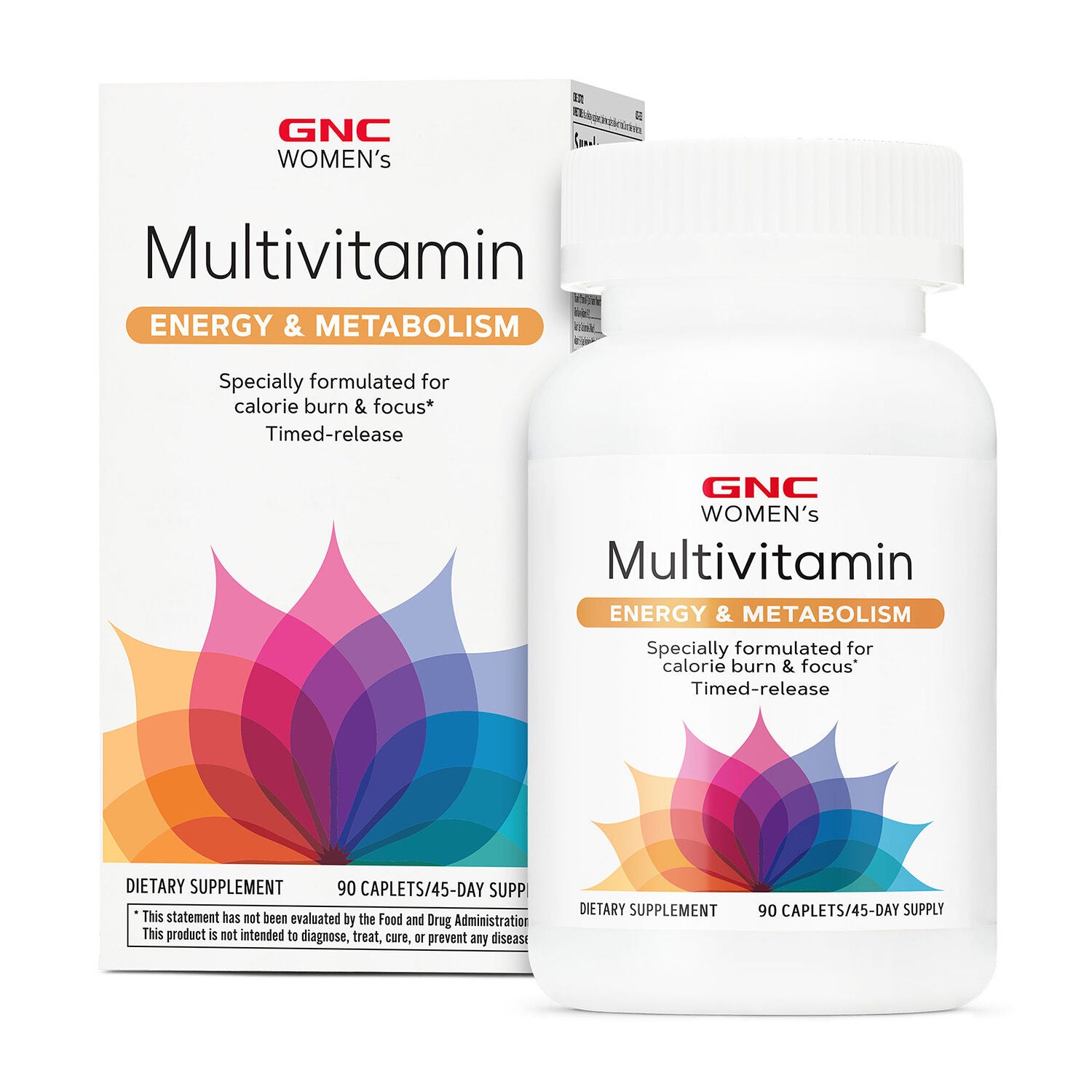
-
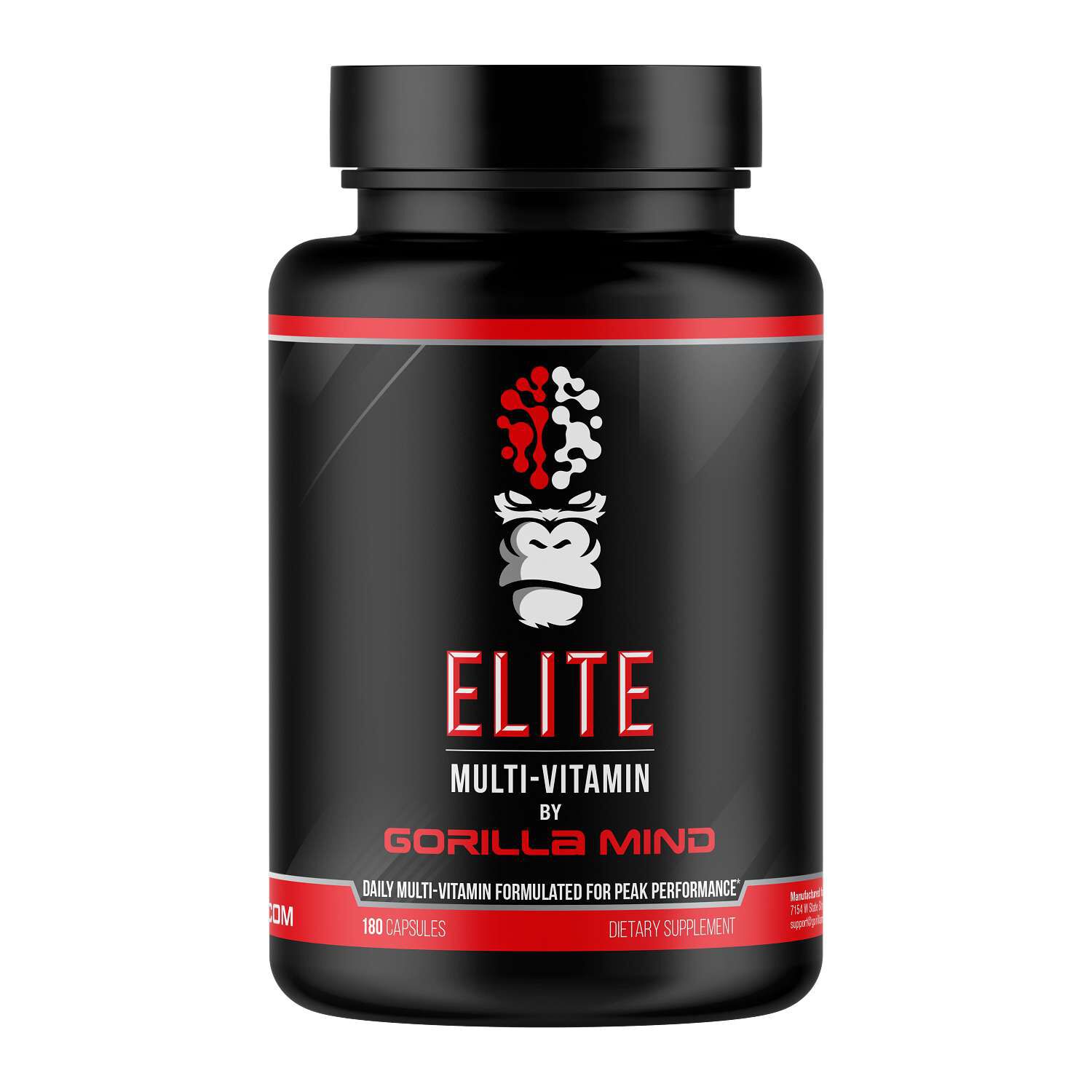
-
 185$24.99
-
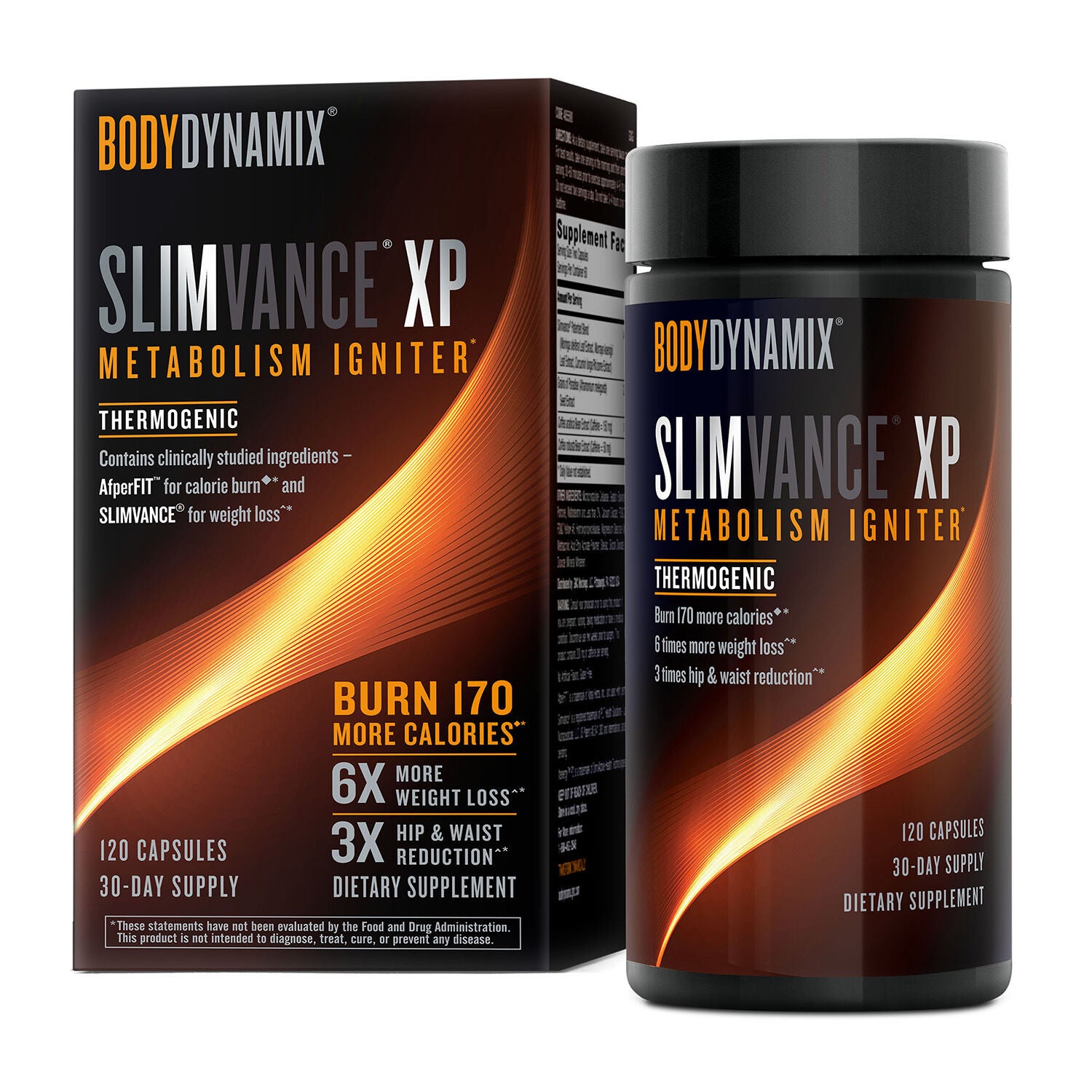
-
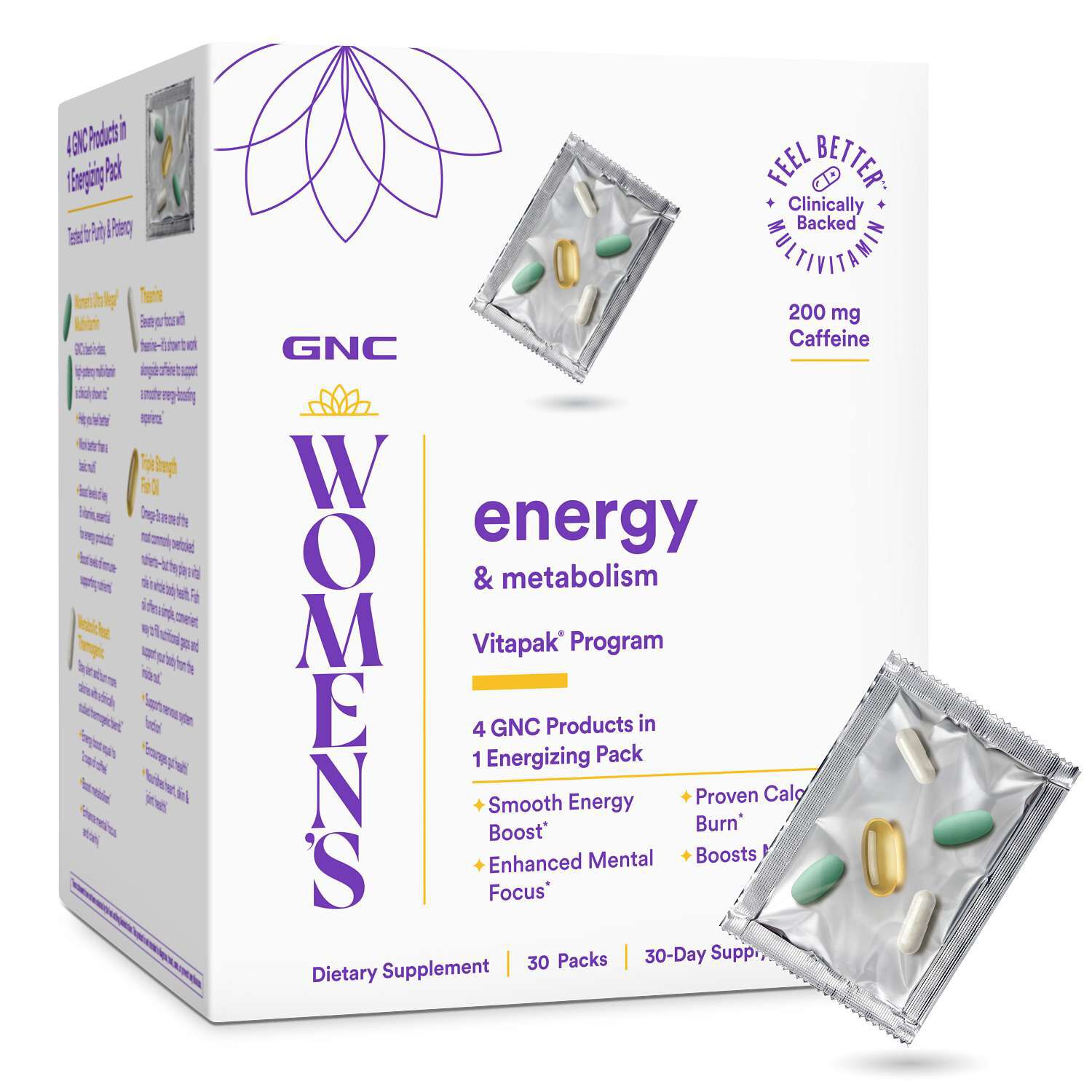
-

-
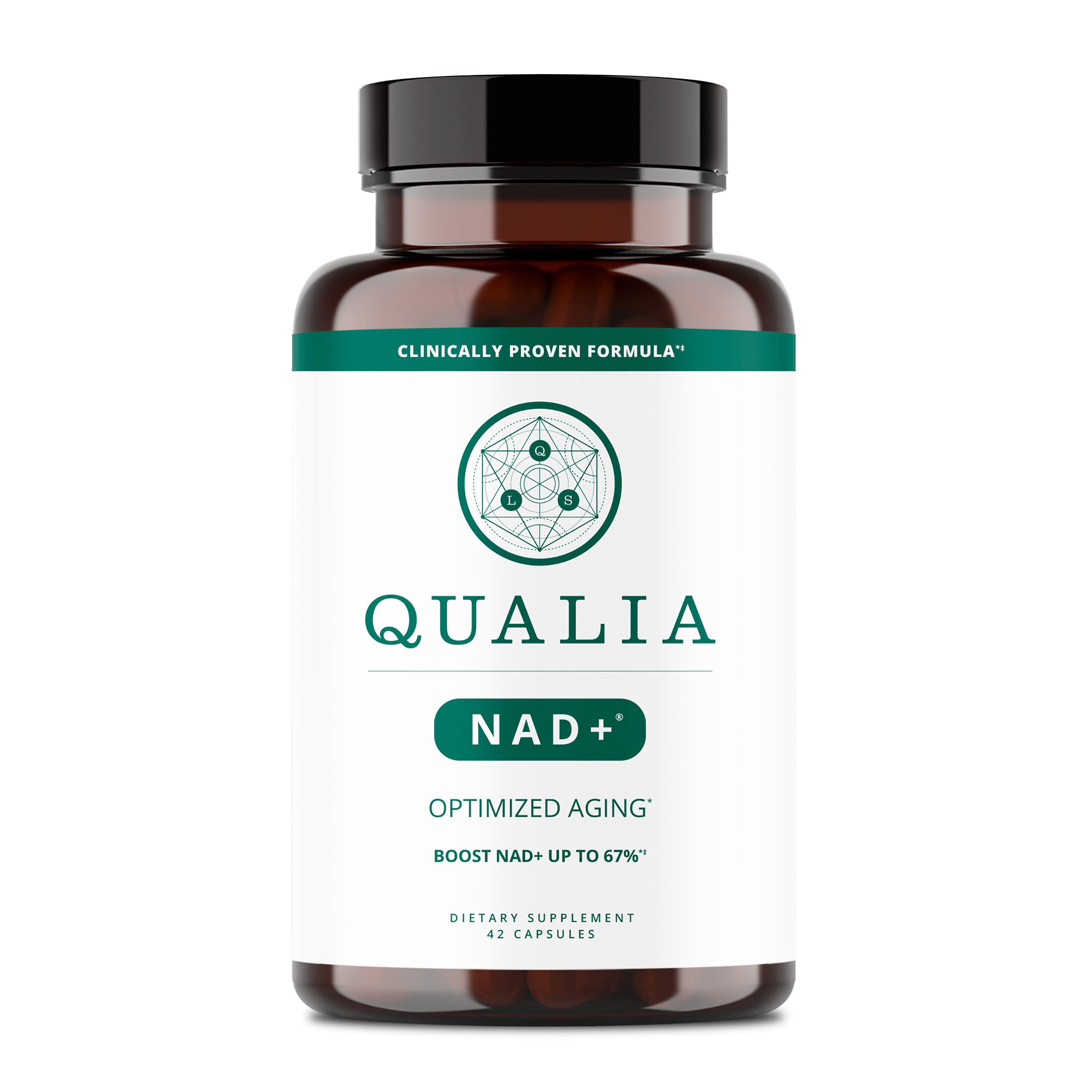
-
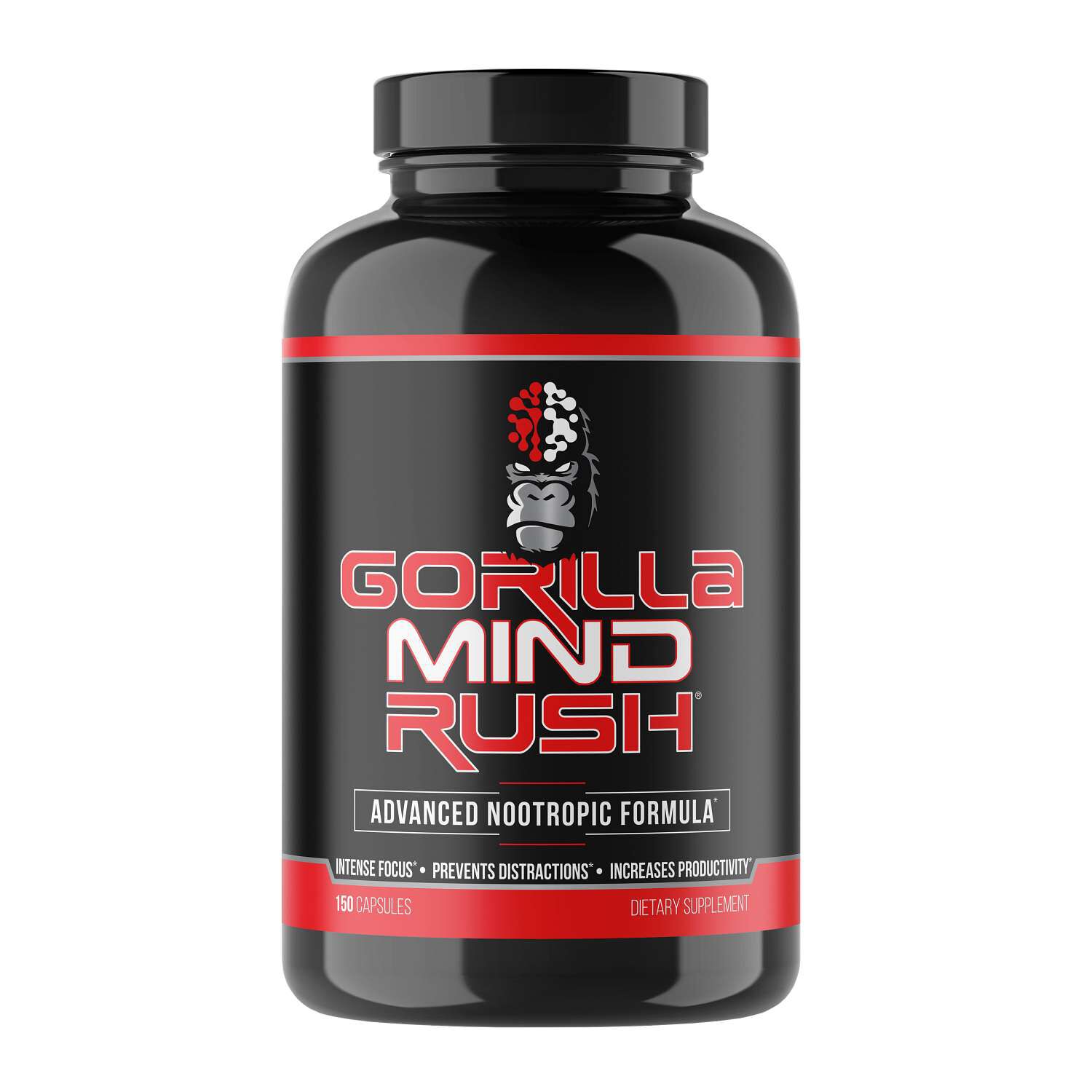
-
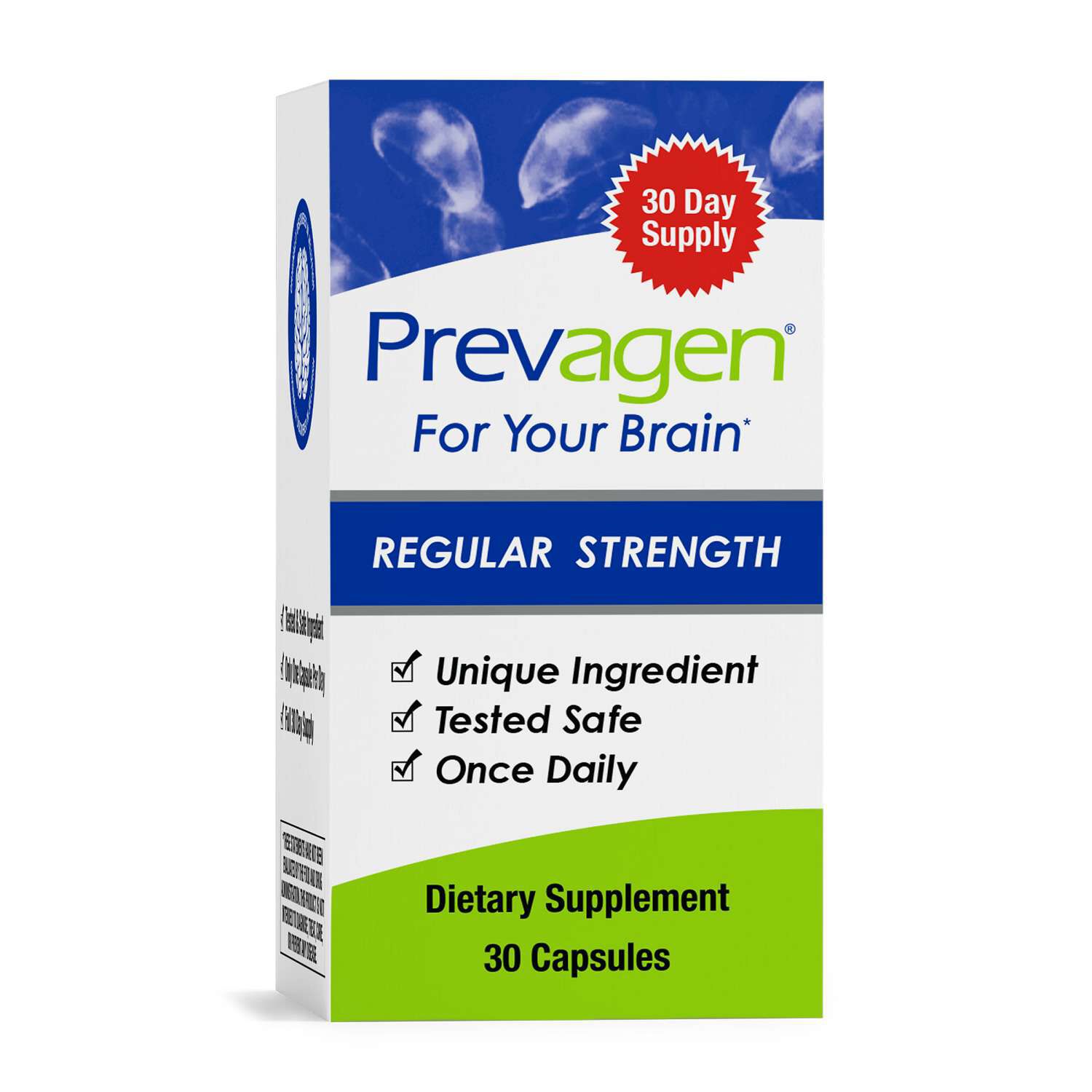
-
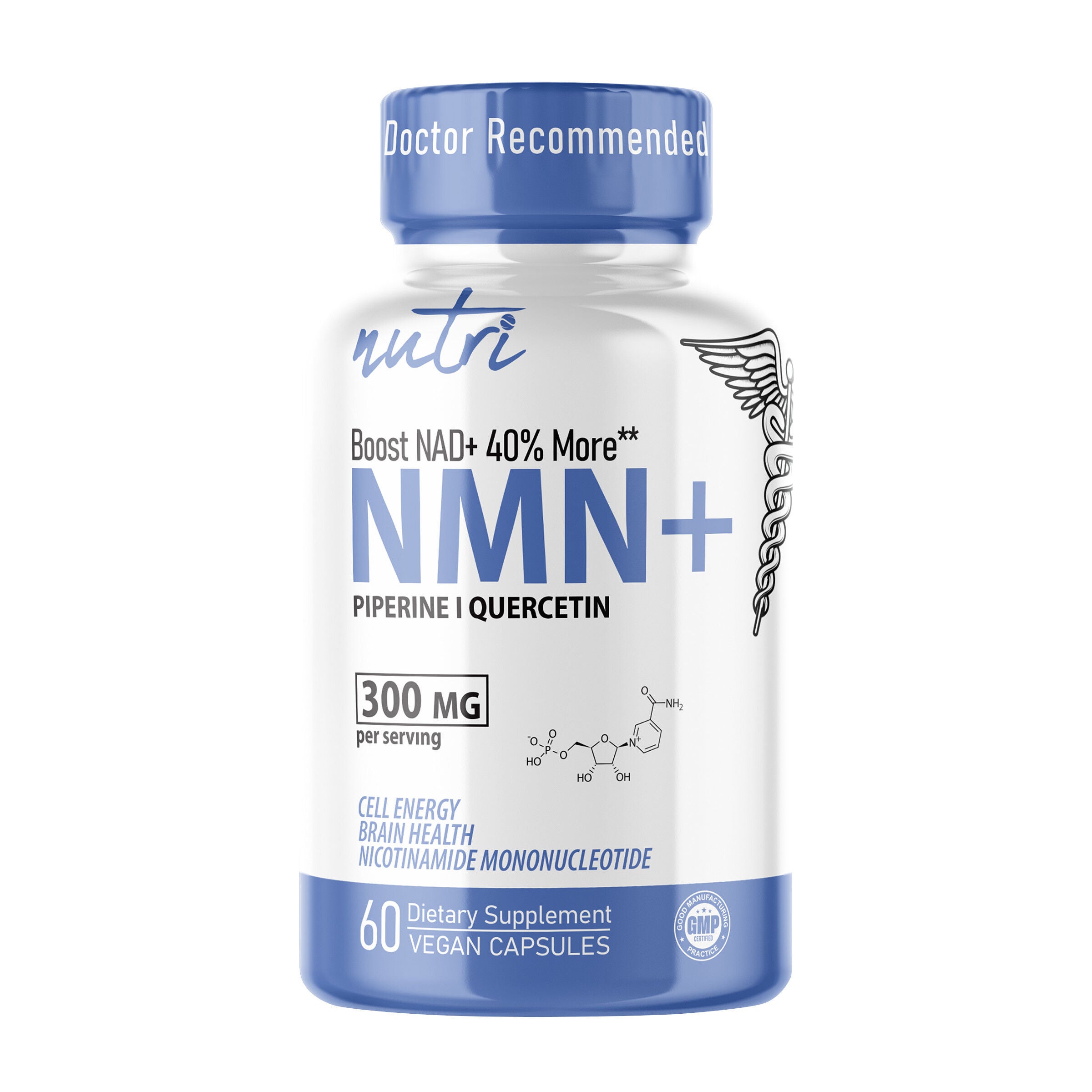
-

-
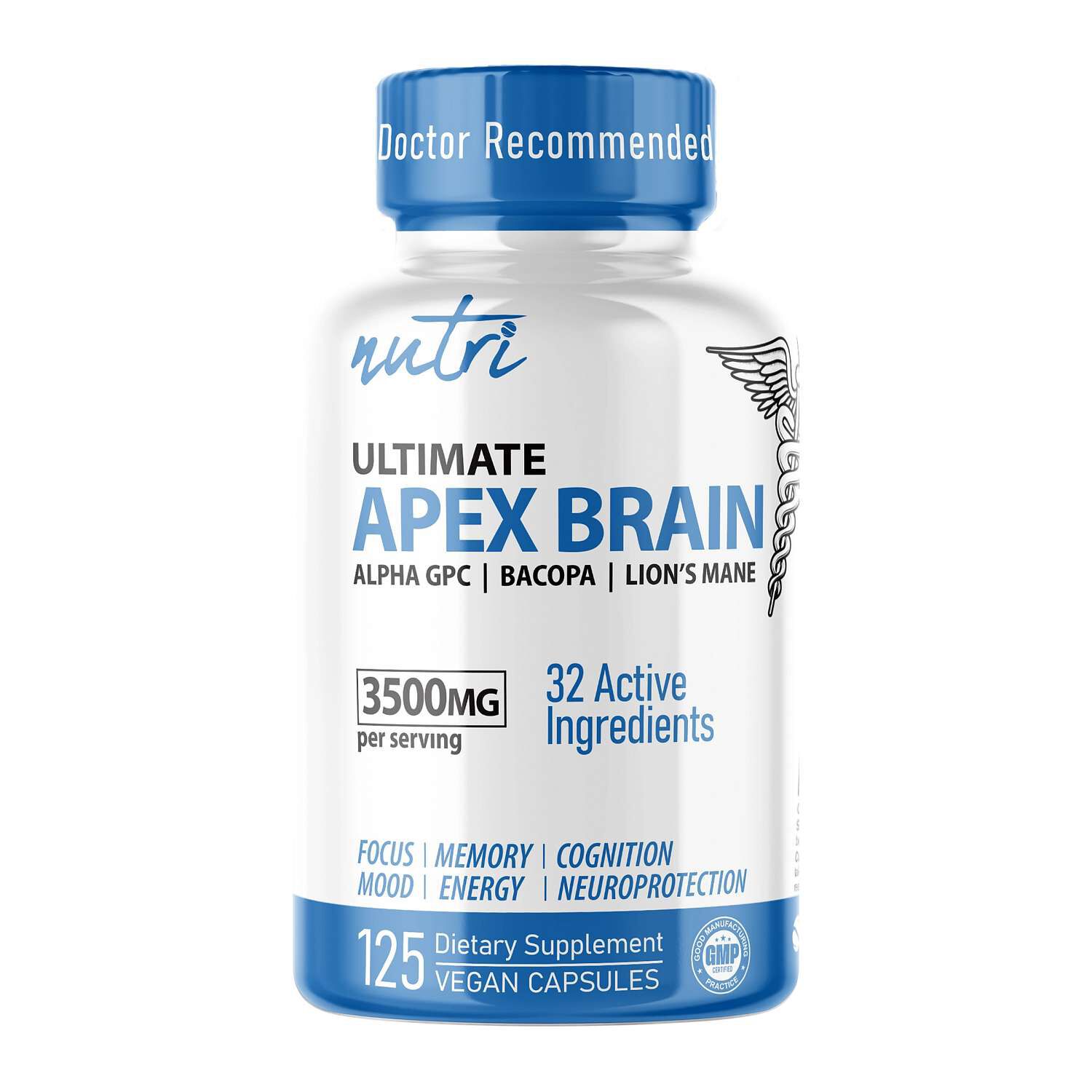
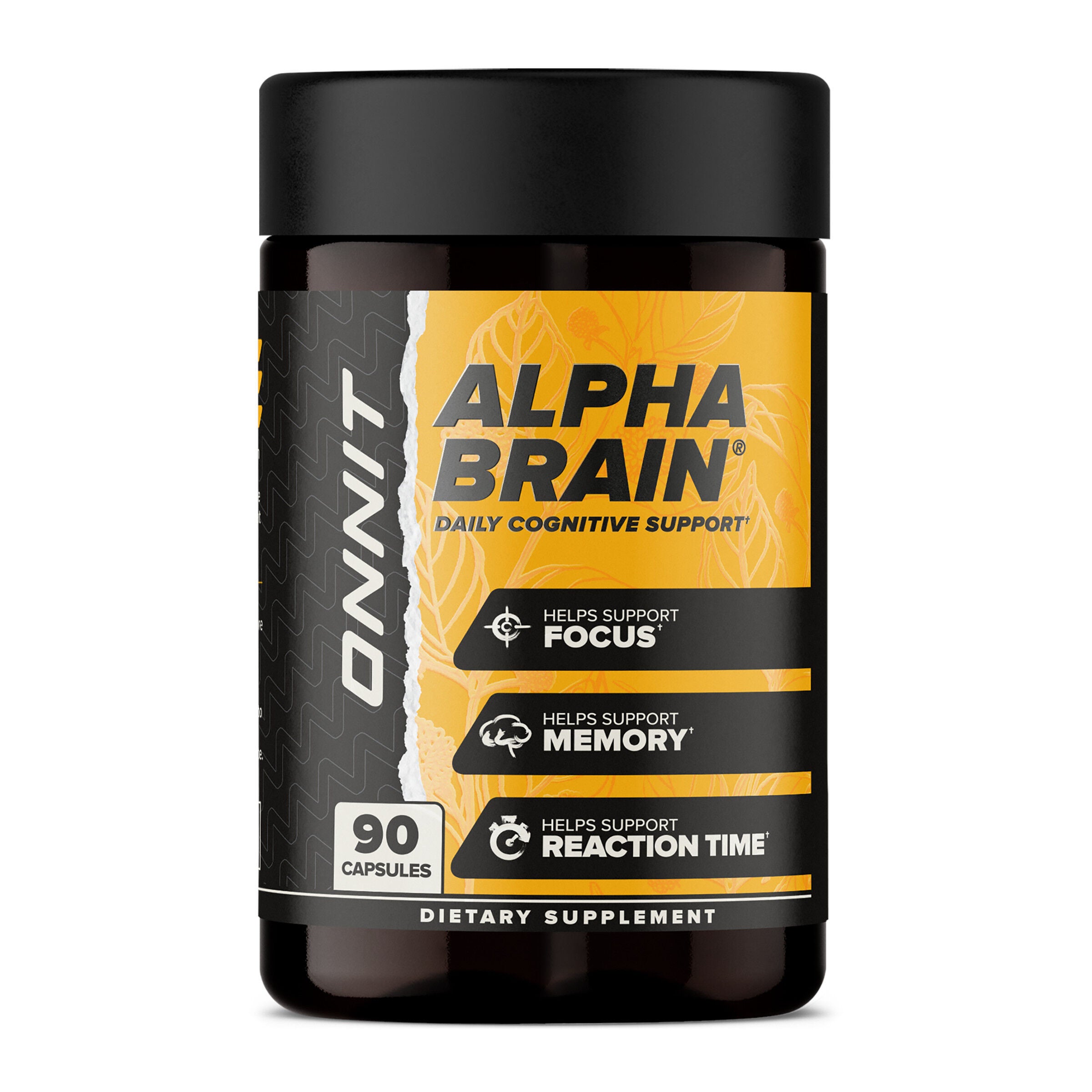
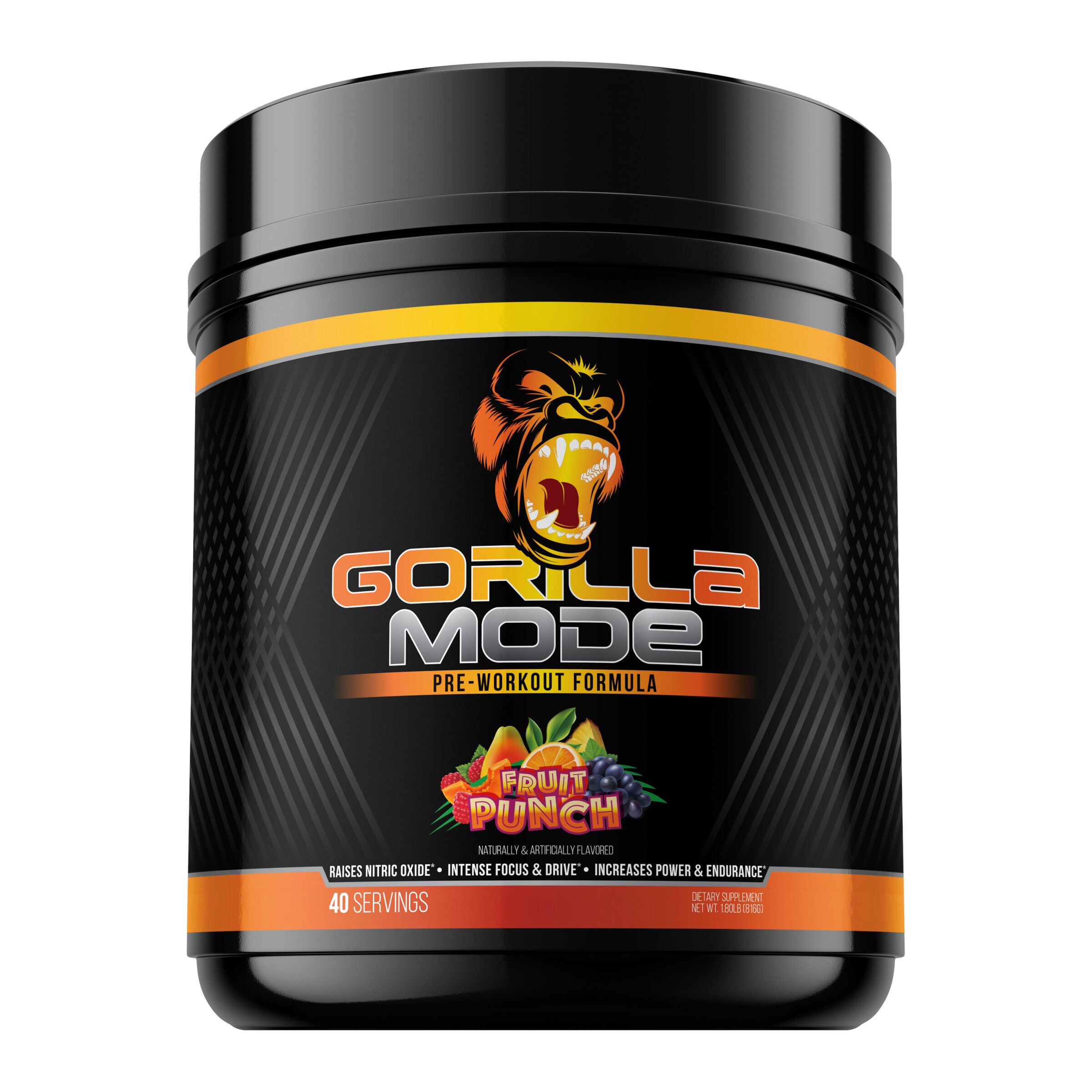
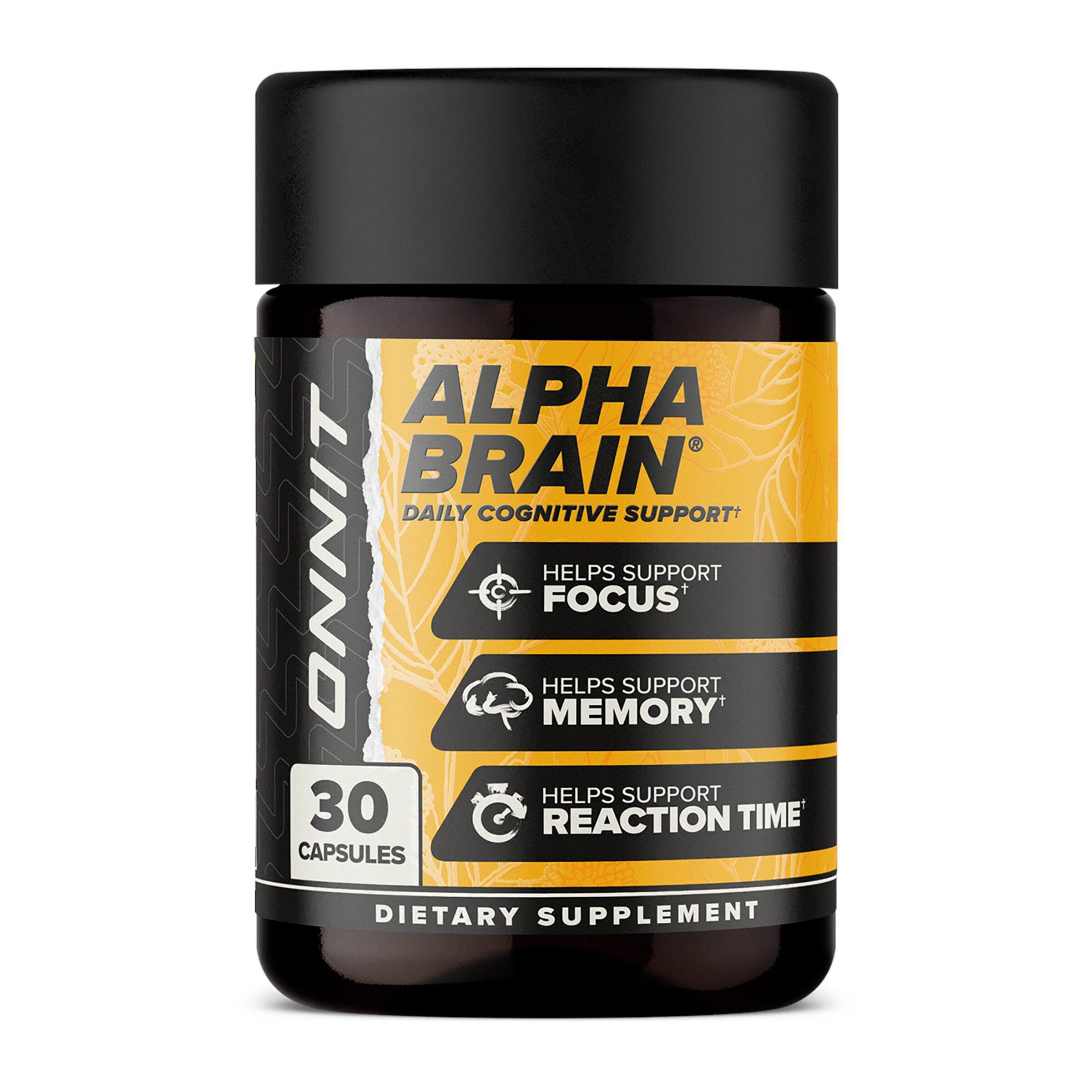
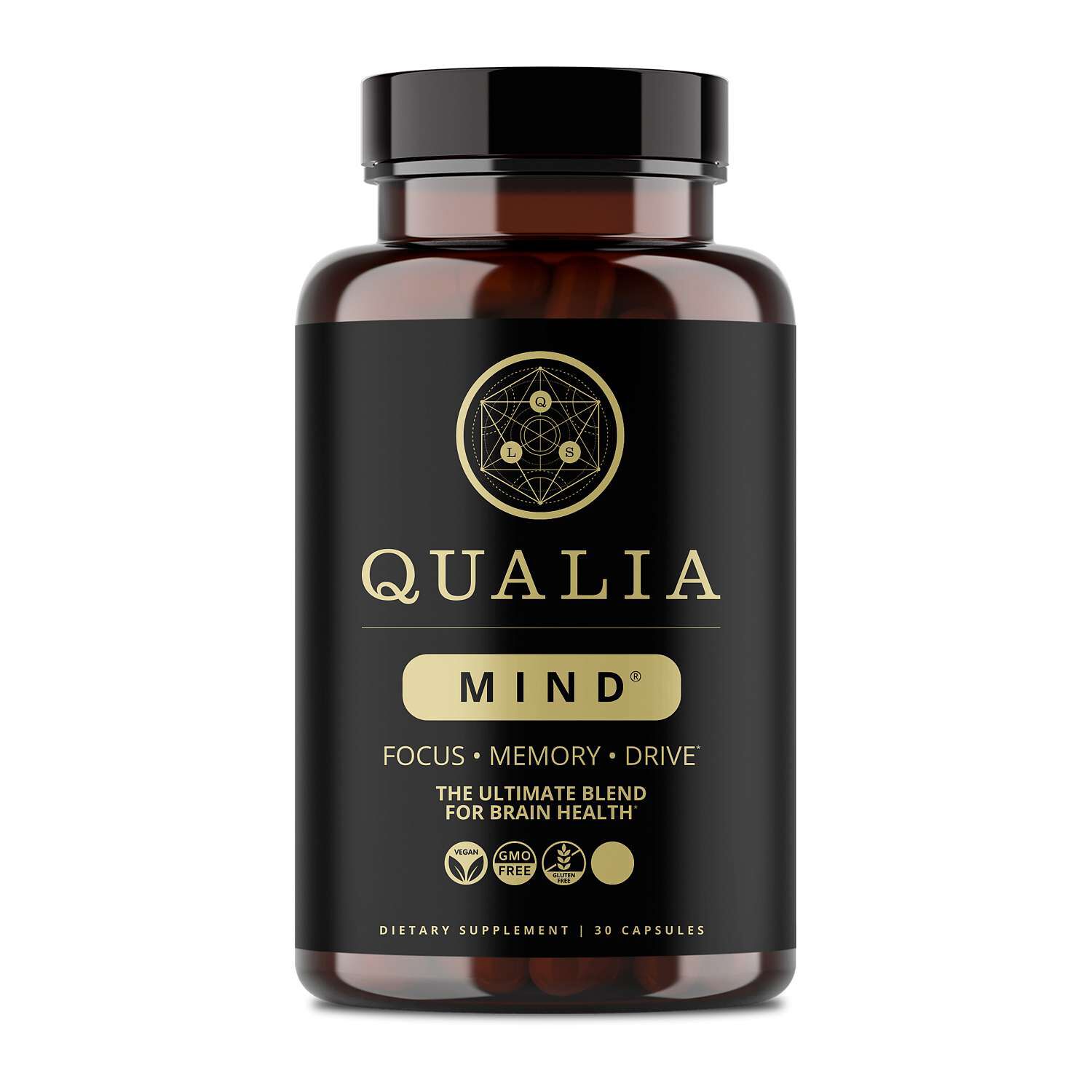
Energy capsules for students are dietary supplements in capsule form, a format that may appeal to adults balancing lectures, independent study, campus activities, and part-time work. Within this category, formulas can differ considerably: some contain caffeine, some feature B vitamins, and others combine amino acids or botanical ingredients. The shared theme is energy support, but that description does not mean every formula has the same ingredients or intended use. A student commuting to an early seminar may have different preferences from someone organizing an afternoon of reading between classes. Caffeine-containing formulas may support alertness, while certain vitamin-based formulas may support normal energy metabolism. Those are different purposes, and neither should be confused with a substitute for sleep, regular meals, or a workable study schedule. The capsule format also has practical distinctions. Unlike a flavored beverage or powder, capsules do not require mixing, a shaker, or a choice of flavor. They still have their own serving directions, capsule dimensions, and ingredient considerations. For an adult student who prefers a compact supplement format, those details can matter as much as the wording on the front of the bottle. The broader Energy Capsules category provides additional context for comparing formulations beyond a student-centered theme. Across these options, the most useful distinctions are concrete ones: whether caffeine is present, how much is listed per serving, which other ingredients appear, and how many capsules make up that serving. A simple formula may appeal to someone who values a short ingredient list, while a combination formula may appeal to someone seeking several ingredients in one format. More ingredients do not automatically make a formula better suited to a packed class schedule. Student-focused shopping is ultimately about understanding the supplement itself, rather than assuming that an academic setting changes what its ingredients may do. The intended audience is adults, not younger students simply because they also have homework or exams.
Ingredient details help explain why energy capsules can look similar on a shelf yet represent different choices. Caffeine may appear as a clearly named ingredient or alongside botanical sources such as guarana or green tea extract. A botanical name alone does not communicate the caffeine amount, so the stated amount per serving is an important comparison point when provided. Coffee, tea, and other caffeinated beverages are also part of many adult students’ routines, making a capsule’s caffeine content relevant beyond the bottle itself. B vitamins, including B6 and B12, belong to a different ingredient group. They may support the body’s normal process of using nutrients for energy, but their presence does not mean a formula will feel like a caffeinated beverage. L-theanine is an amino acid that may appear alongside caffeine, while botanical ingredients such as rhodiola or ashwagandha can appear in broader blends. Their inclusion identifies a formulation choice, not a certain study outcome. Descriptions centered on concentration or mental energy are best understood alongside the actual ingredient panel; no capsule establishes how much reading someone will finish or how well a presentation will go. The Supplement Facts panel lists serving size and declared ingredient amounts, while the other ingredients list describes components used to make the capsule and its contents. Some blends identify their ingredients without listing a separate amount for each, a distinction that matters to shoppers who prefer more detailed quantities. Milligrams and micrograms also represent different units, so a larger printed number is not a meaningful comparison on its own. A bottle’s capsule count is another separate detail: a bottle containing sixty capsules does not necessarily contain sixty servings. For an adult student comparing options between a lab session and a library appointment, these straightforward differences provide more useful context than a dramatic product description. Clear labeling makes it easier to distinguish format, composition, and intended use without treating every energy-focused supplement as interchangeable.
The physical construction of an energy capsule deserves attention alongside its contents. Capsule shells may be made with gelatin or plant-derived materials such as cellulose, and that distinction can matter for dietary preferences. A plant-derived shell, however, describes the shell rather than every ingredient inside it; a vegetarian designation depends on the formulation as a whole. Other ingredients may include materials used during manufacturing to maintain consistency or help ingredients move through production equipment. Allergen statements and dietary labels provide additional information, particularly for shoppers with established food preferences or restrictions. Fit, in this category, is about both the capsule format and how the labeled serving fits an adult’s existing routine. Capsule size, the number required per serving, and whether the directions specify use with food are practical details that can differ across formulas. A small bottle may tuck neatly into a desk drawer, but portability does not replace the storage requirements printed on the package. Original packaging keeps the ingredient list, directions, cautions, and date markings together, which is useful when a bottle moves between an apartment and a campus bag. A secure closure and storage consistent with the label matter more than treating a supplement container like an ordinary pencil case accessory. Shared living spaces bring another practical consideration: a personal supplement is different from a communal snack, and its labeling should remain attached and readable. Durability here concerns the container and proper handling, not an expectation that the contents will remain suitable indefinitely. These details are especially relevant to students whose belongings travel through lecture halls, study rooms, and work shifts in the same backpack. Energy capsules may have a place in some adults’ personal supplement routines, but academic demands alone do not establish a need for them. A thoughtful comparison keeps the focus on transparent ingredient information, capsule materials, serving format, and labeled use. That approach leaves room for individual preferences while keeping the category grounded in what the products are, rather than what a demanding school schedule might make someone hope they could accomplish.