Energy Vitamins For College Students
(0 Results)
Balancing classes, studying, and campus life can be demanding, which is why many students look for support from energy vitamins for college students. These supplements may help you stay focused and keep up with your busy schedule. With options designed to fit a variety of routines and preferences, finding the right energy vitamins for college students could be a helpful addition to your daily regimen. Explore choices that might complement your efforts as you take on each day’s challenges.
-

-

-

-
 185$24.99
-

-

-
-
-

-

-
-
-
-
-

-

-

-

-

-
 Raw Nutrition$44.99
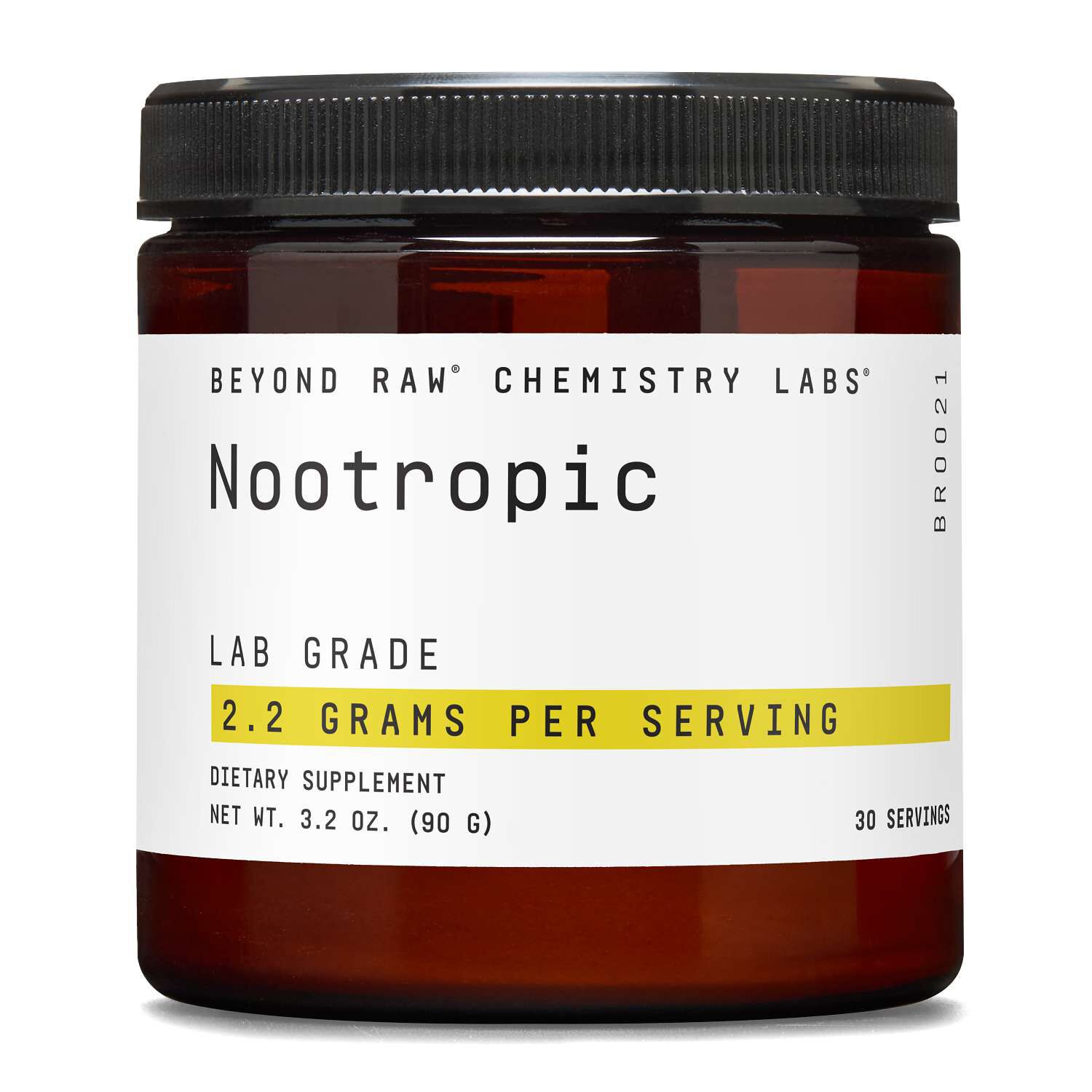
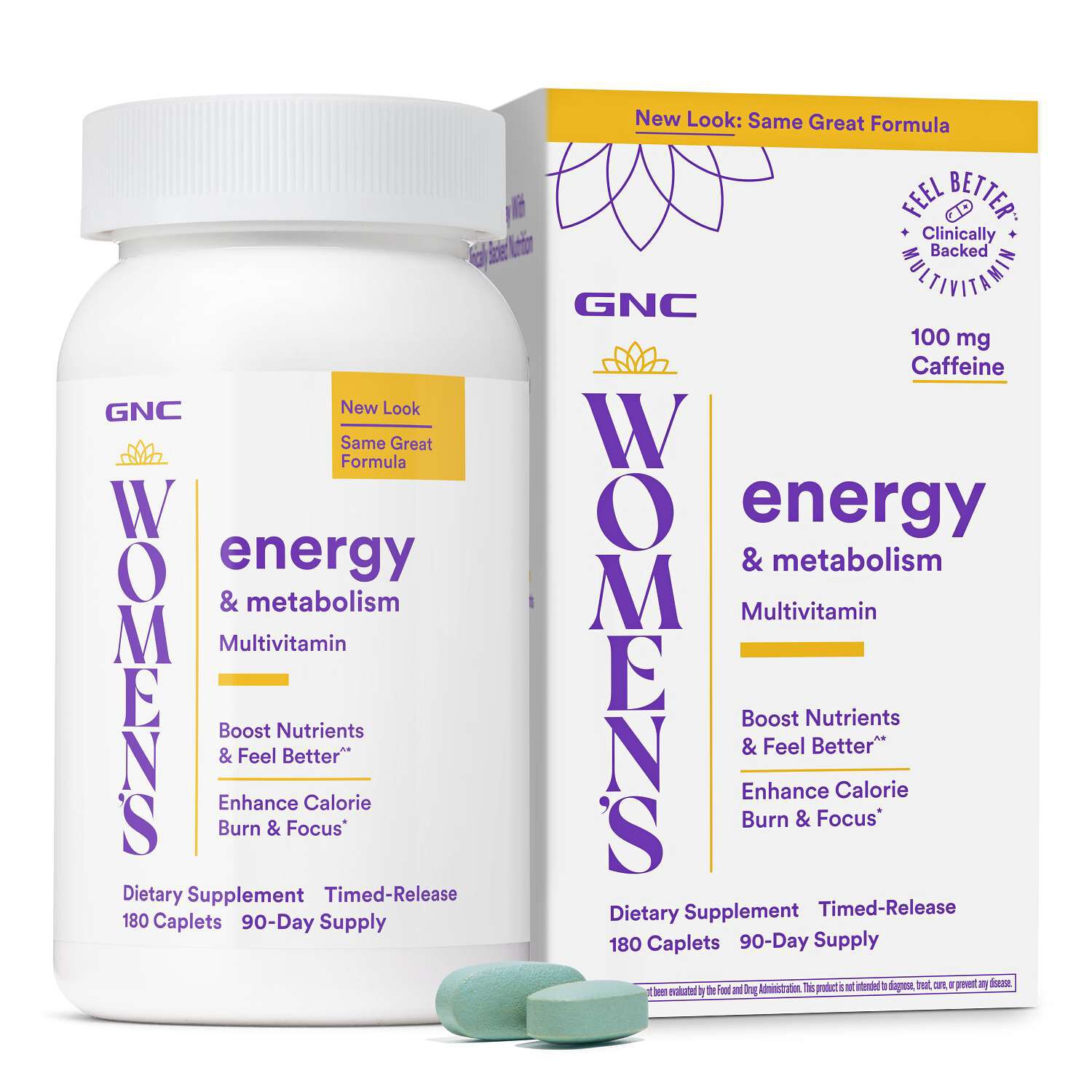
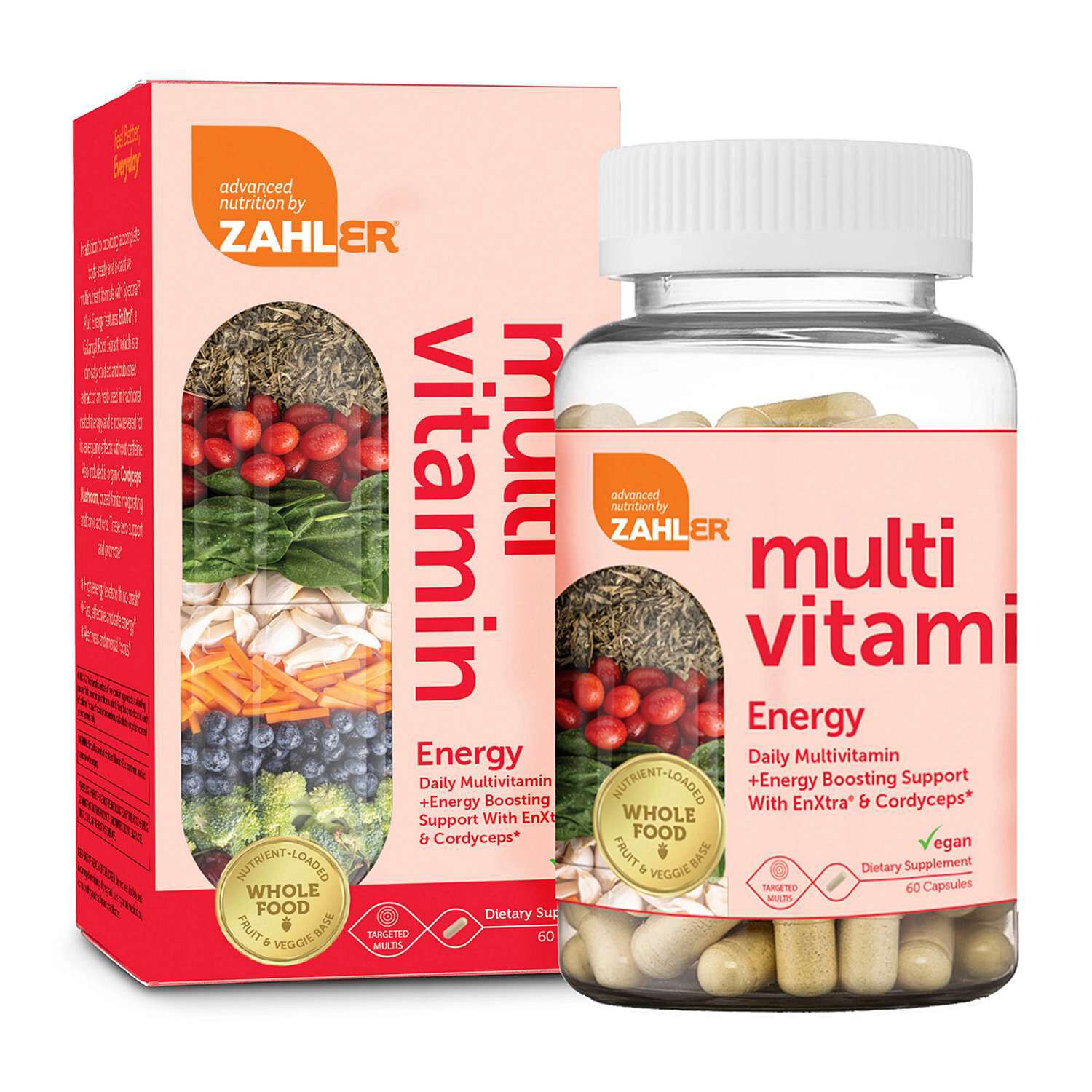
Energy vitamins for college students may support everyday nutrition and normal energy metabolism within a routine that also includes regular meals and adequate sleep. Vitamins themselves do not supply calories, and a vitamin formula is different from a caffeinated beverage or a preworkout supplement. B vitamins, including thiamin, riboflavin, niacin, vitamin B6, and vitamin B12, may support the body's normal process of converting nutrients from food into usable energy. That role is a useful distinction when comparing products labeled for energy: nutritional support is not the same thing as an immediate stimulant effect. College schedules can bring early lectures, afternoon laboratory sessions, evening shifts, and study groups that run past dinner. A student carrying a laptop between buildings may have very different meal patterns from someone commuting from home or cooking in an apartment, even when their class schedules look similar. These supplements are intended to complement food, not replace breakfast, make up for missed sleep, or serve as a meal on a crowded day. Campus dining preferences also vary, from plant-based meals and familiar comfort foods to whatever fits between a seminar and a work shift. For someone comparing vitamins, that everyday context matters more than the image of an all-night study session. A B-complex formula generally combines several B vitamins, while a multivitamin includes a broader assortment of vitamins and may also contain minerals. A formula centered on one nutrient has a different scope from either category. The category name alone does not describe every ingredient, serving size, or suggested use, so the label provides important context for what is inside. Some products pair vitamins with caffeine or additional ingredients; others focus on vitamins without those additions. The word energy on the front of a package does not establish whether caffeine is present. Ingredient details help distinguish a straightforward vitamin supplement from a blend designed around a different experience, making the comparison more relevant to an individual student's routine.
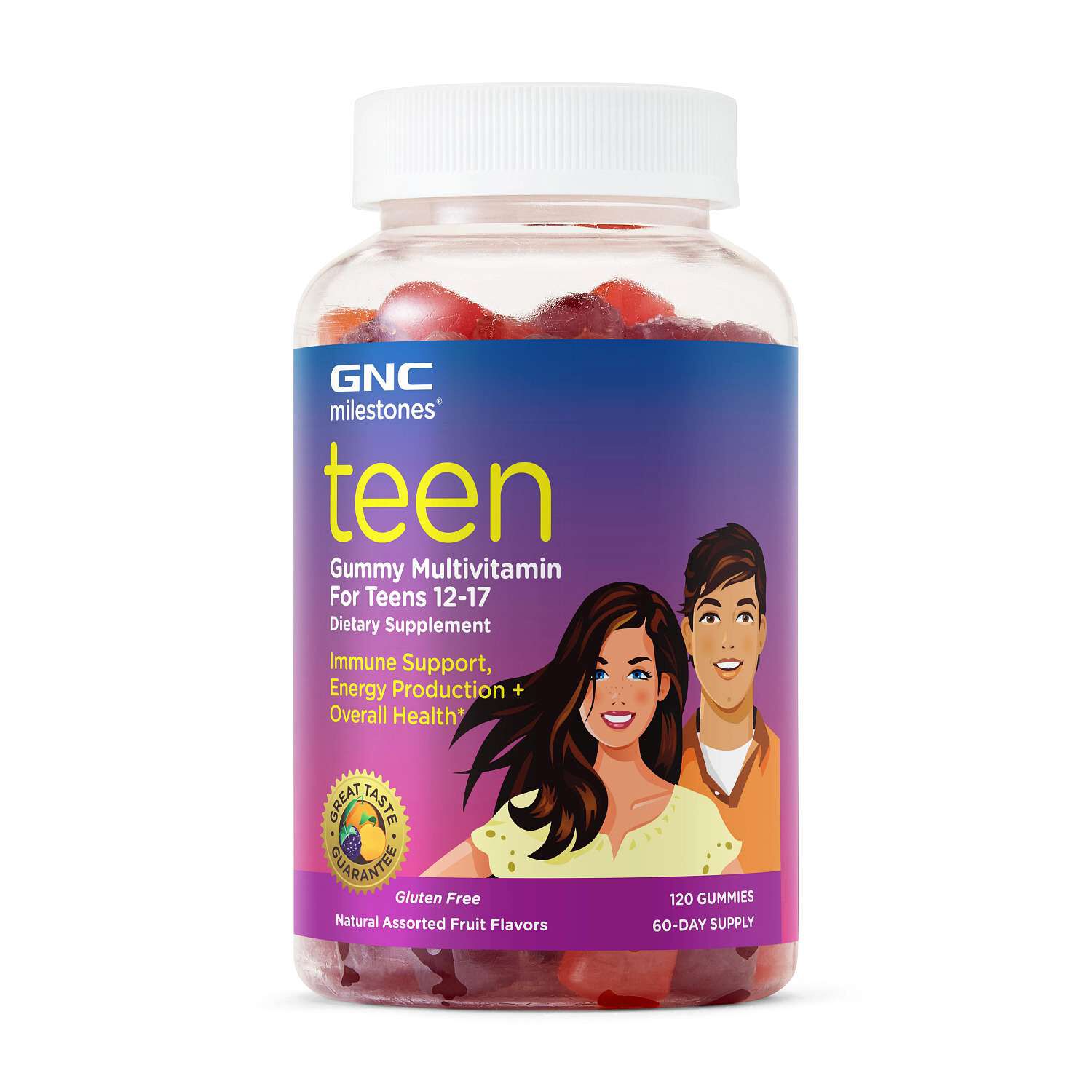
Format is another meaningful part of shopping for energy vitamins for college students, especially when storage space and daily routines are shared with roommates. Tablets, capsules, gummies, and drink-mix formats each have different textures, serving instructions, and packaging considerations. A capsule or tablet may suit someone who prefers an unflavored format, while a chewable gummy may appeal to someone who values taste and texture. Gummies can contain added sugars, sweeteners, colors, and ingredients such as gelatin or pectin, depending on the formula. Capsule shells and other inactive ingredients also vary, making the full ingredient list relevant for students with dietary preferences. A drink mix may fit a routine that already includes carrying a reusable bottle, although it also involves preparation and cleaning rather than simply opening a bottle of tablets. Serving size deserves attention across formats because one serving is not always one tablet, capsule, or gummy. The nutrient amounts listed on the Supplement Facts panel refer to the stated serving, and the percentage of Daily Value provides a standardized point of comparison. Front-label wording does not replace that information. Product labels also describe suggested use, intended age group, storage requirements, and other directions specific to the formula. Those details help clarify whether a product belongs in an adult student's routine without assuming that every supplement fits every person. Bottle dimensions, closure style, and the amount of shelf space required are practical considerations in a dorm room with one narrow drawer and a shared desk. Original packaging keeps the ingredient list, directions, and date information together. Storage according to the label matters more than whether the container looks convenient beside a coffee maker or in a bathroom cabinet. A secure closure and a designated storage spot may be more practical than carrying a full bottle through every class. For students who move regularly between campus housing and home, keeping the original container and its label together may also make packing and unpacking simpler.
The most relevant energy vitamin format is often the one that matches an ordinary day rather than an unusually demanding one. An adult undergraduate with breakfast in a residence hall, a graduate student teaching morning sections, and a commuter heading from class to an evening job may all approach the category differently. Someone with a consistent meal schedule may prefer a product that fits alongside that established routine, while someone sharing a small apartment may place more emphasis on compact packaging and minimal preparation. Students participating in recreational sports may also be comparing several nutrition categories at once, making the distinction between vitamins, protein products, hydration products, and caffeinated options useful. These categories serve different intended purposes and are not interchangeable simply because their labels refer to an active lifestyle. For a broader look beyond vitamin formats, Energy for College Students provides another place to explore the theme. Within the vitamin category, comparisons are most meaningful when the ingredients, serving sizes, and intended uses are considered together. A longer ingredient list does not automatically make a formula a better match, and a familiar flavor does not describe its nutrient content. Personal preferences remain relevant, from avoiding a particular capsule material to wanting a format that does not require a shaker or a sink nearby. Supplements are also personal gift choices. A parent assembling a college care package may find that a student's stated preferences, familiar formats, and existing routine offer better direction than a surprise assortment. The same consideration applies to a graduation gift or a package sent to a student living away from home for the first time. Vitamins may have a place in everyday nutritional support, but their intended role remains modest and specific. Meals, rest, class commitments, and personal preferences provide the context for choosing a supplement that fits college life without treating a bottle as a substitute for the rest of that routine.
What are energy vitamins and how may they support college students?
Energy vitamins typically refer to nutrients like B vitamins, vitamin C, and certain minerals that play a role in the body's process of converting food into usable fuel. For college students, these vitamins may help support normal vitality during busy schedules and periods of increased mental or physical activity.
Which vitamins are commonly found in energy supplements for college students?
Energy supplements for college students often include B-complex vitamins (such as B6, B12, thiamine, riboflavin, and niacin), vitamin C, and sometimes minerals like magnesium and iron that play a role in the body's metabolic processes.
Can energy vitamins be taken alongside a regular multivitamin?
Some people choose to take energy vitamins in addition to a daily multivitamin. Because formulas may include overlapping nutrients, reviewing labels and speaking with a healthcare professional may help you choose a supplement routine that fits your needs.
When do college students commonly take energy vitamins?
Some people take energy vitamins in the morning or early afternoon as part of a daily routine. If a supplement includes caffeine or other stimulant ingredients, reviewing the label directions and checking with a healthcare professional may help you decide what timing fits your routine.
Do energy vitamin supplements contain caffeine or other stimulants?
Some energy vitamin supplements may be formulated with added caffeine or herbal extracts like guarana for an extra pick-me-up, while others focus solely on vitamins and minerals. Always review product labels to understand what ingredients are included.
Best Sellers
-
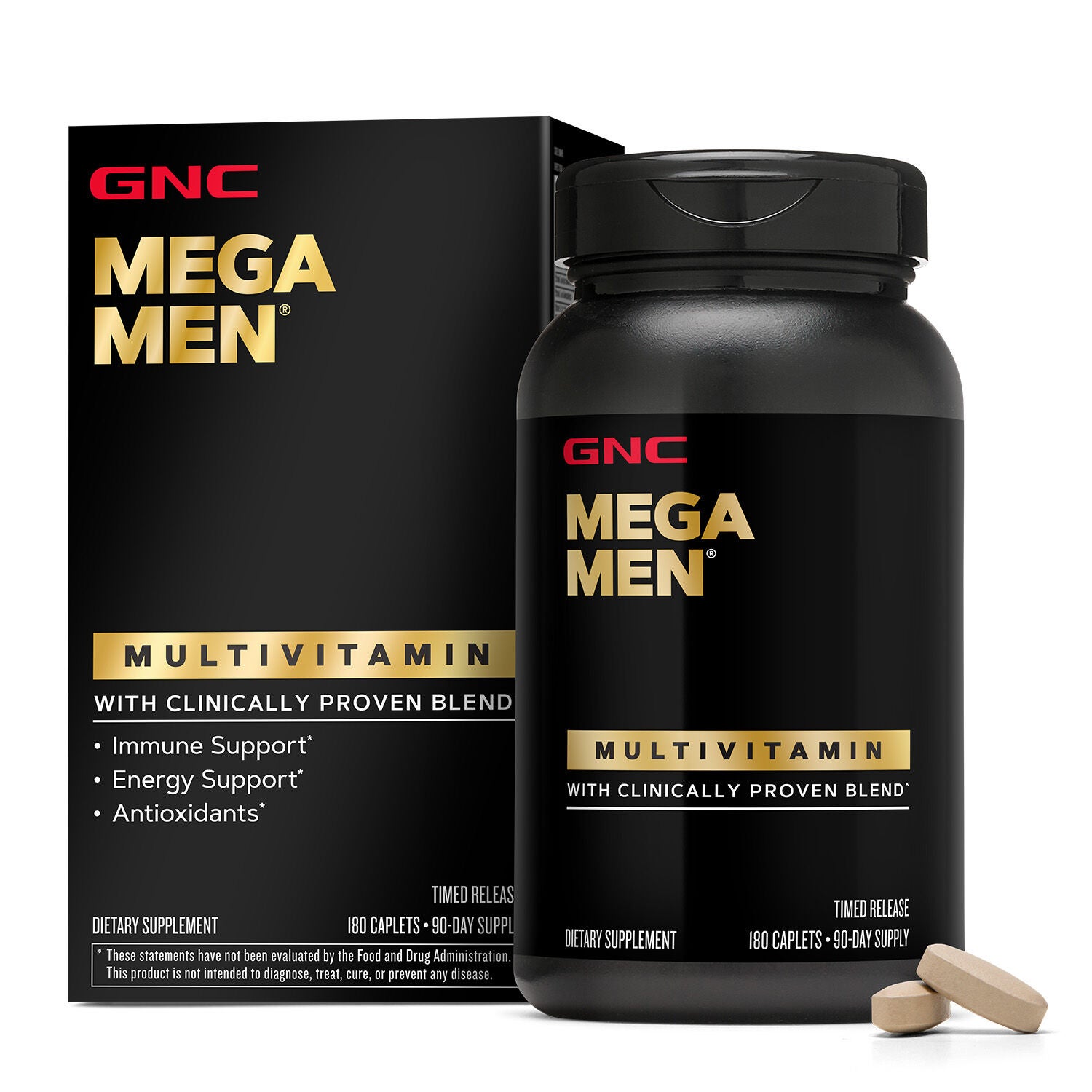 GNC Mega Men
-
 GNC Mega Men
-
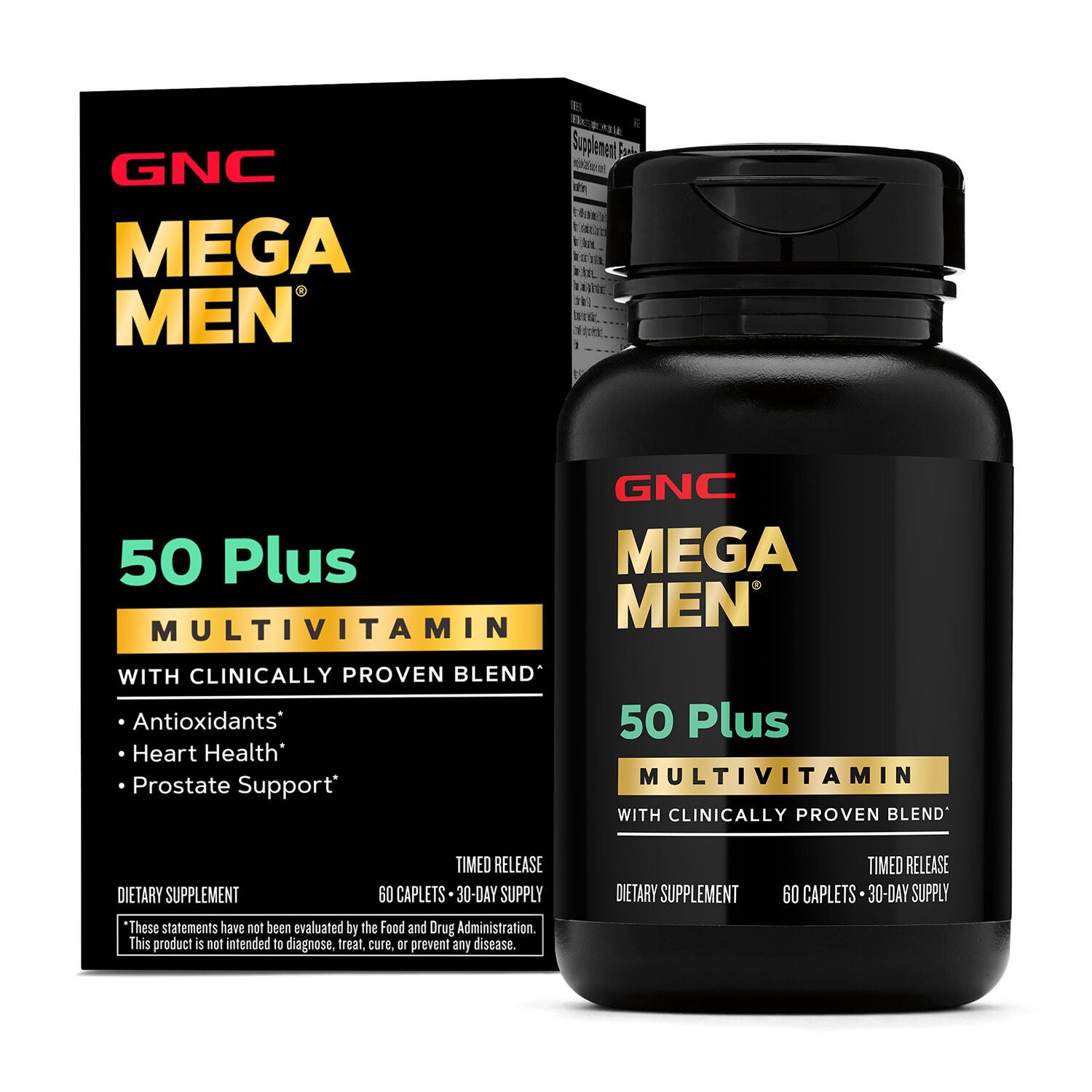 GNC Mega Men
-
 GNC Mega Men