Natural Energy For College Students
(0 Results)
Natural energy for college students is all about supporting a vibrant and active lifestyle, even during the busiest semesters. Whether you’re navigating early morning classes, late-night study sessions, or campus activities, finding options that may help you feel refreshed and focused could make a difference. Explore a variety of choices designed to fit your routine and that may help you stay on top of your academic and social commitments. With natural energy for college students in mind, discover products that could support your daily hustle without disrupting your wellness goals.
-

-
-

-
-
-

-
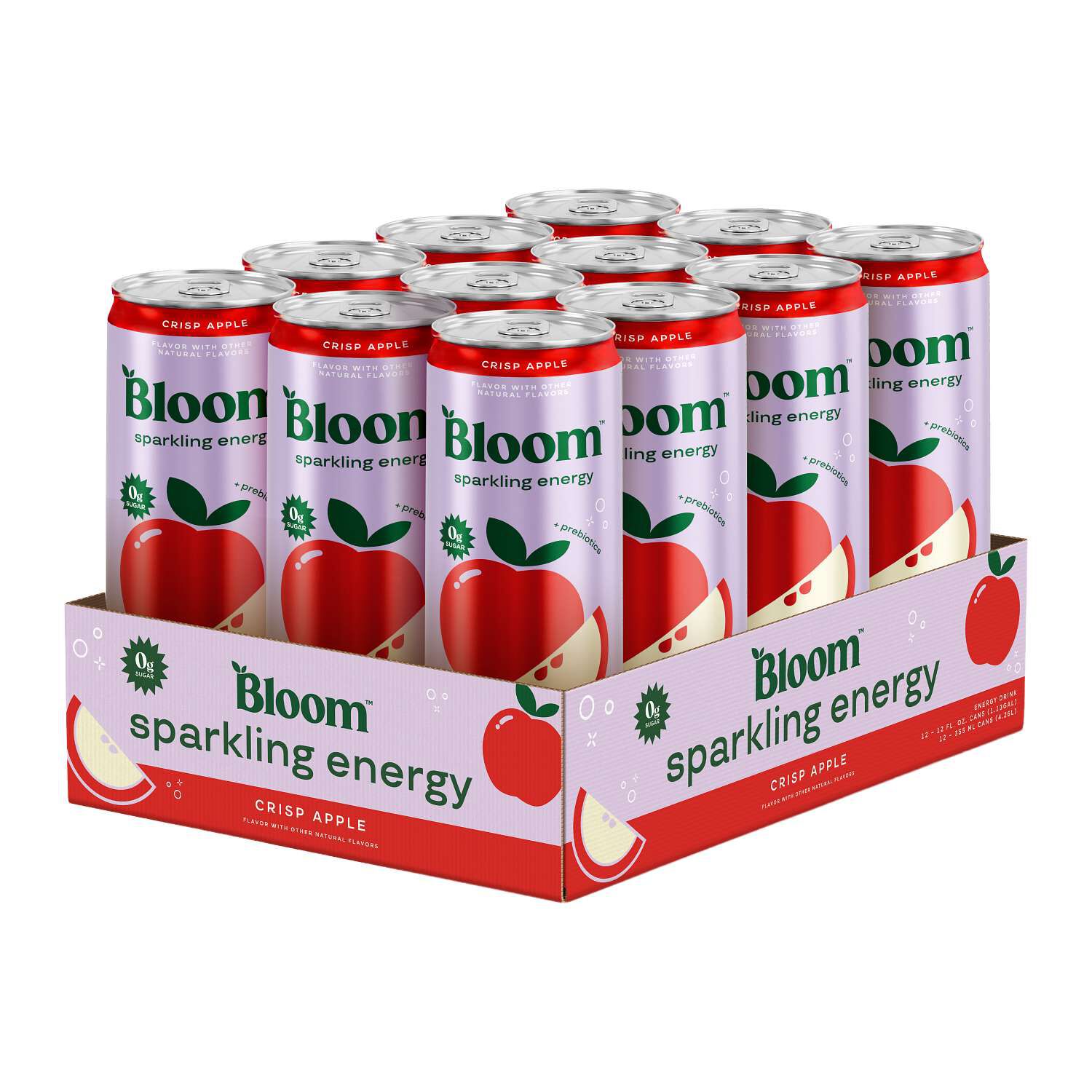 $27.99
-
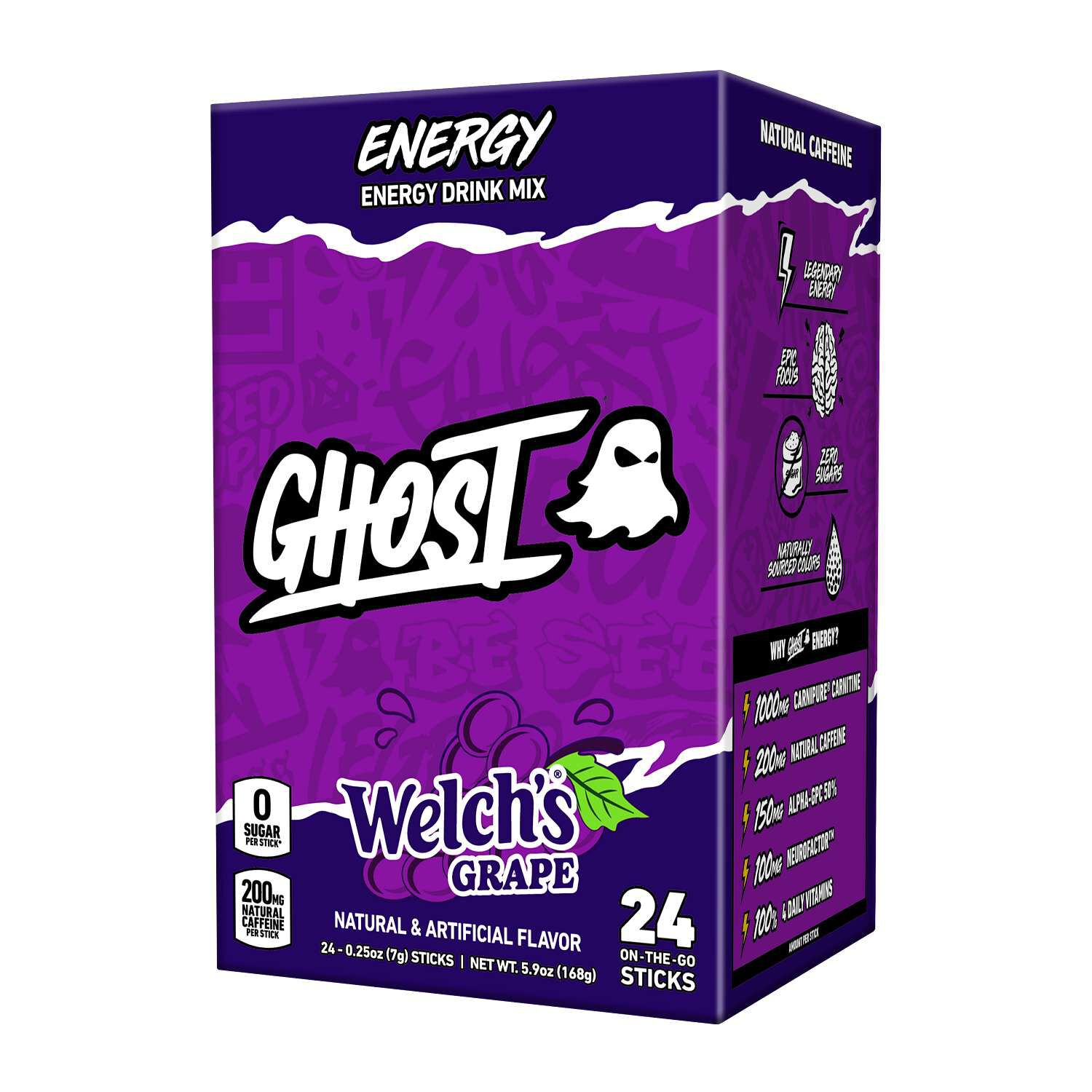 $29.99
-
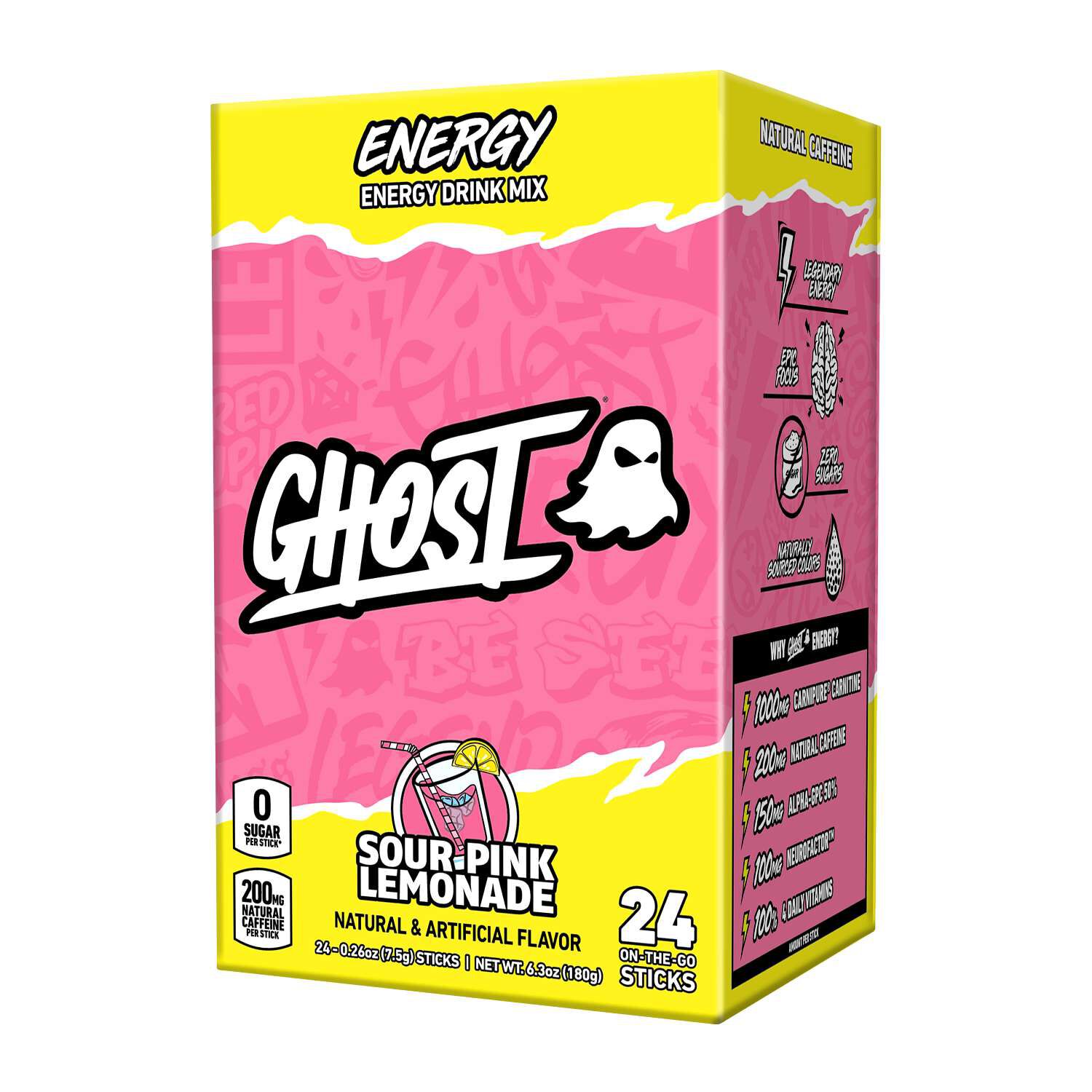
-
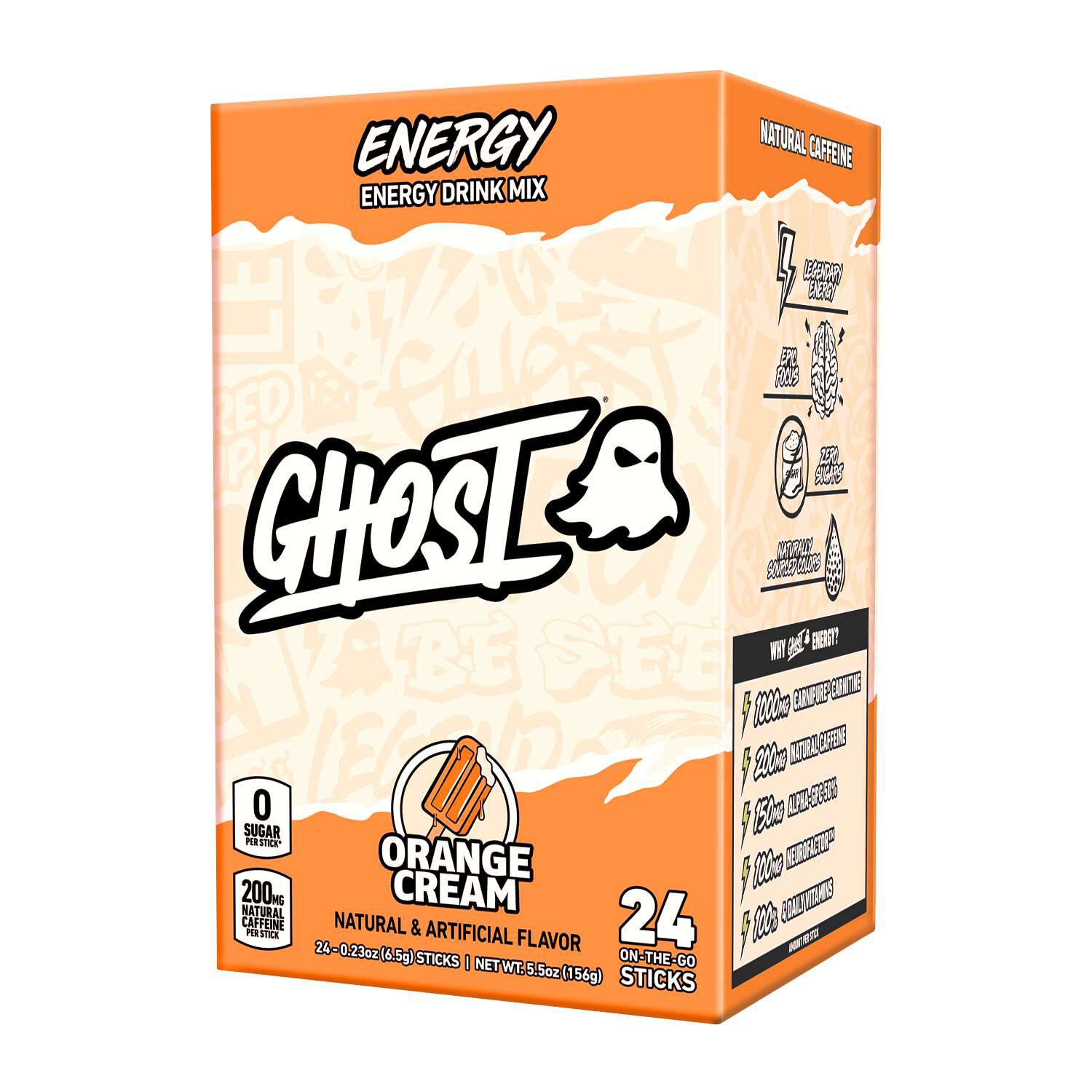
-
-

-
-

-

-
-

-
-

-

Natural energy for college students belongs in the context of everyday campus life: an early lecture, a long lab session, a walk across campus, and an afternoon spent working through a reading assignment. Products in this category may include nutrition powders, ready-to-drink beverages, snack bars, vitamin supplements, and formulas with plant-sourced ingredients. For adult students, the appeal often comes down to a manageable format and a clear ingredient list rather than an elaborate routine. A drink mix may fit into a backpack pocket, while a shelf-stable snack may suit the gap between classes when the dining hall is across campus. The word “natural” deserves a closer look, though. It can describe an ingredient’s source without explaining the amount in a serving, the other ingredients in the formula, or whether the format matches a particular student’s preferences. Tea-derived caffeine, for example, is still caffeine; its plant origin does not describe its quantity. Natural energy products also belong alongside ordinary food, water, and time for sleep, not in place of them. Familiar combinations such as oatmeal with nuts, yogurt with fruit, or whole-grain toast with nut butter offer context for a food-centered routine. Packaged nutrition options may complement that routine when carrying a meal is impractical, but a beverage or capsule is not interchangeable with breakfast. Students balancing coursework with a campus job, commuting, rehearsals, or recreational sports may have different priorities for portion size, preparation, and portability. Someone heading directly from home to class might prefer a prepared beverage, while a student with access to a kitchen may prefer a powder measured and mixed before leaving. The most relevant choice is not necessarily the most complicated formula. It is a format with understandable labeling, suitable ingredients, and an intended use that makes sense within the student’s actual day.
Ingredient details matter more than the imagery on the package. When comparing natural energy supplements for college students, the useful distinctions include serving size, caffeine content, nutrient amounts, added sugars, and the number of servings in the container. A single bottle and a single serving are not always the same, and powders may call for a particular scoop size or amount of liquid. Caffeine can appear through coffee, tea, guarana, or other botanical ingredients, so the ingredient list and any stated caffeine quantity deserve attention together. A formula with several plant ingredients is not automatically a lower-caffeine choice than a simpler one. Coffee from the dining hall, tea carried from home, and a packaged beverage can also be part of the same day, making the amount in each serving relevant to the comparison. Some students prefer options without added caffeine; others are specifically looking for clearly labeled plant-sourced caffeine. Those are different shopping preferences, even when both sit under the broader natural energy theme. Vitamin-focused formulas are another distinct category, often featuring B vitamins or combinations of vitamins and minerals. For a closer look at that category, Energy Vitamins for College Students offers a related place to browse. A vitamin listing does not, by itself, describe a product’s caffeine content or make it equivalent to a caffeinated drink. Ingredient transparency also includes allergen statements, sweeteners, flavorings, and dietary labeling. Students who prefer plant-based ingredients or avoid particular food ingredients can compare those details without relying on a product name alone. Label directions, intended age information, and storage instructions are part of the selection, too. Clear amounts and straightforward serving information may make a product easier to evaluate than broad language about a demanding schedule. For someone packing food before a full day on campus, knowing exactly what goes into the bag is a practical consideration in its own right.
Format and care can be just as important as ingredients when a product has to travel between a residence hall, a lecture room, and a library desk. Powdered options vary in texture, flavor, mixing directions, and container size. Some call for water, while others allow a choice of liquids according to the label. A student mixing a drink in a shared kitchen may prefer a resealable container; someone commuting by bus may prefer a single-serving packet that takes up less space. Ready-to-drink formats involve less preparation, although their storage requirements can differ before and after opening. Bars and other packaged snacks have their own texture and ingredient considerations, particularly when a student wants something that can be eaten between scheduled activities rather than prepared at a counter. Packaging matters here: a secure closure, a readable serving panel, and a container that fits a backpack compartment are practical details worth comparing. Care is straightforward but product-specific. Original packaging keeps directions and ingredient information together, and the label is the reference for storage conditions, refrigeration, and use after opening. Powders belong in properly closed containers, with clean, dry measuring tools rather than a damp scoop returned from a sink. Reusable bottles and shakers need washing according to their care instructions, especially when used with mixtures containing protein or other food ingredients. These everyday details may make a portable nutrition routine more manageable without turning it into another assignment. For gifting, individually wrapped snacks or a thoughtfully chosen nutrition format may suit an adult student moving into a residence hall or beginning a new academic term, provided their ingredient preferences are known. Personal taste matters: a familiar flavor and a manageable serving size may be more welcome than a large assortment selected only for its packaging. Across natural energy products for college students, the strongest practical match comes from clear information, suitable preparation requirements, and a realistic place within meals, water breaks, and sleep—not the expectation that one product can stand in for all three.
What are natural energy supplements for college students?
Natural energy supplements for college students typically include products made with ingredients like green tea extract, B vitamins, ginseng, and adaptogenic herbs. These ingredients may help support alertness and vitality without relying on artificial stimulants.
How do natural energy products support a busy college lifestyle?
Natural energy products may help support mental focus and physical stamina, which are important for managing classes, studying, and extracurricular activities. They often contain nutrients that may help the body convert food into energy.
Are there options available for natural energy that don't contain caffeine?
Yes, many natural energy supplements are available without caffeine. These may use ingredients like B vitamins, rhodiola, or ashwagandha that may help support day-to-day energy without the jitters associated with caffeine.
Can natural energy supplements be taken alongside a regular diet?
Natural energy supplements are designed to complement a balanced diet and healthy lifestyle. They may provide additional support when dietary intake may not be enough to meet the demands of a busy college schedule.
What types of natural ingredients are commonly found in energy supplements for students?
Common natural ingredients include green tea extract, guarana, maca root, B-complex vitamins, ginseng, and adaptogens like rhodiola. These ingredients may be selected for their traditional use in supporting energy and mental clarity.
Best Sellers
-
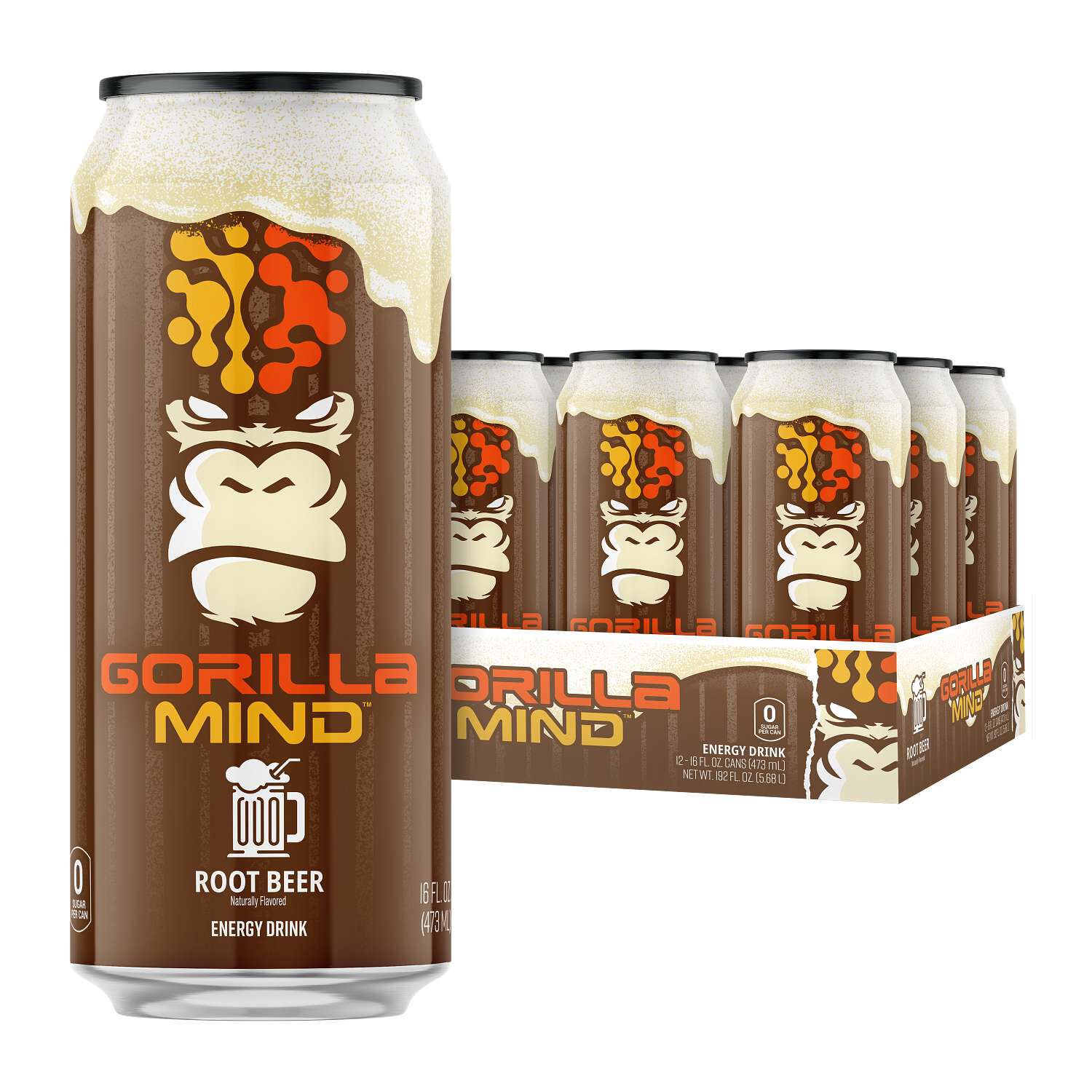 Gorilla Mind
-
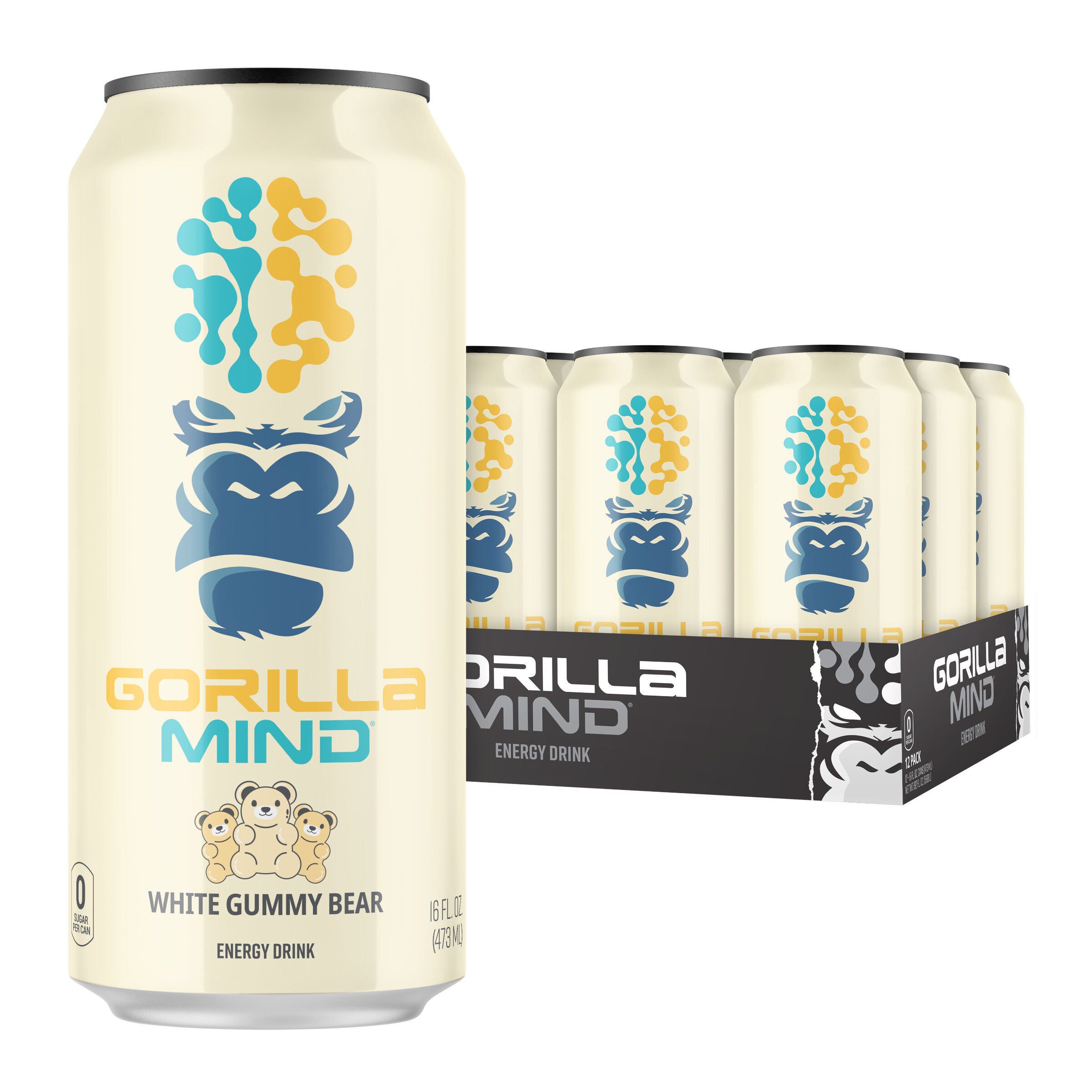 Gorilla Mind
-
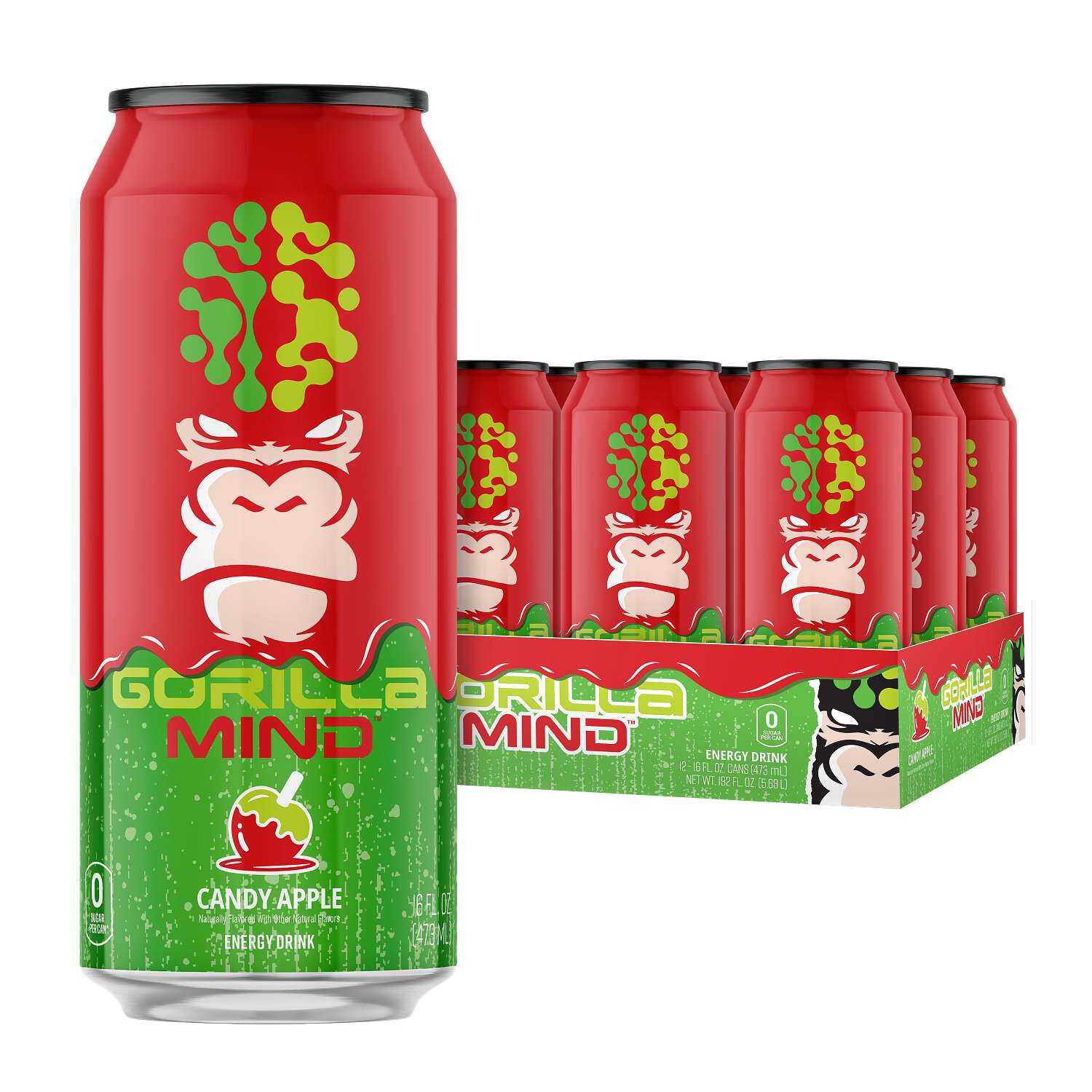 Gorilla Mind