Energy For College Students
(0 Results)
Energy for college students is all about finding ways to stay motivated and focused through busy days filled with classes, studying, and extracurricular activities. Balancing a packed schedule may require extra support to help you feel your best both in and out of the classroom. Whether you’re gearing up for exams or powering through group projects, explore options that could fit seamlessly into your routine and help you tackle each day with confidence.
-
-
-
-
-
-
 Optimum Nutrition461$24.99
-

-
-

-

-

-

-

-

-

-

-

-
-
 Raw Nutrition$44.99
-
 Raw Nutrition$44.99
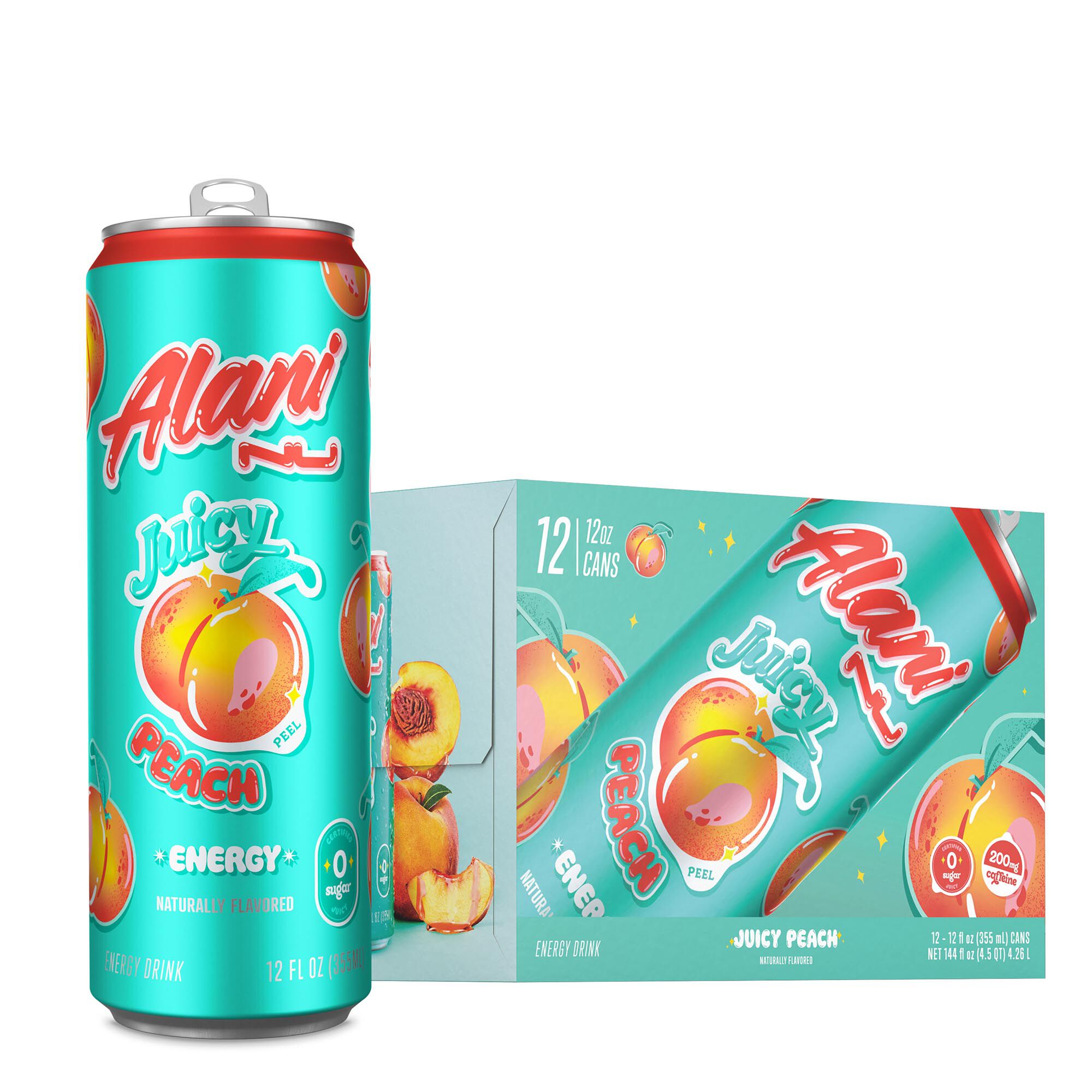
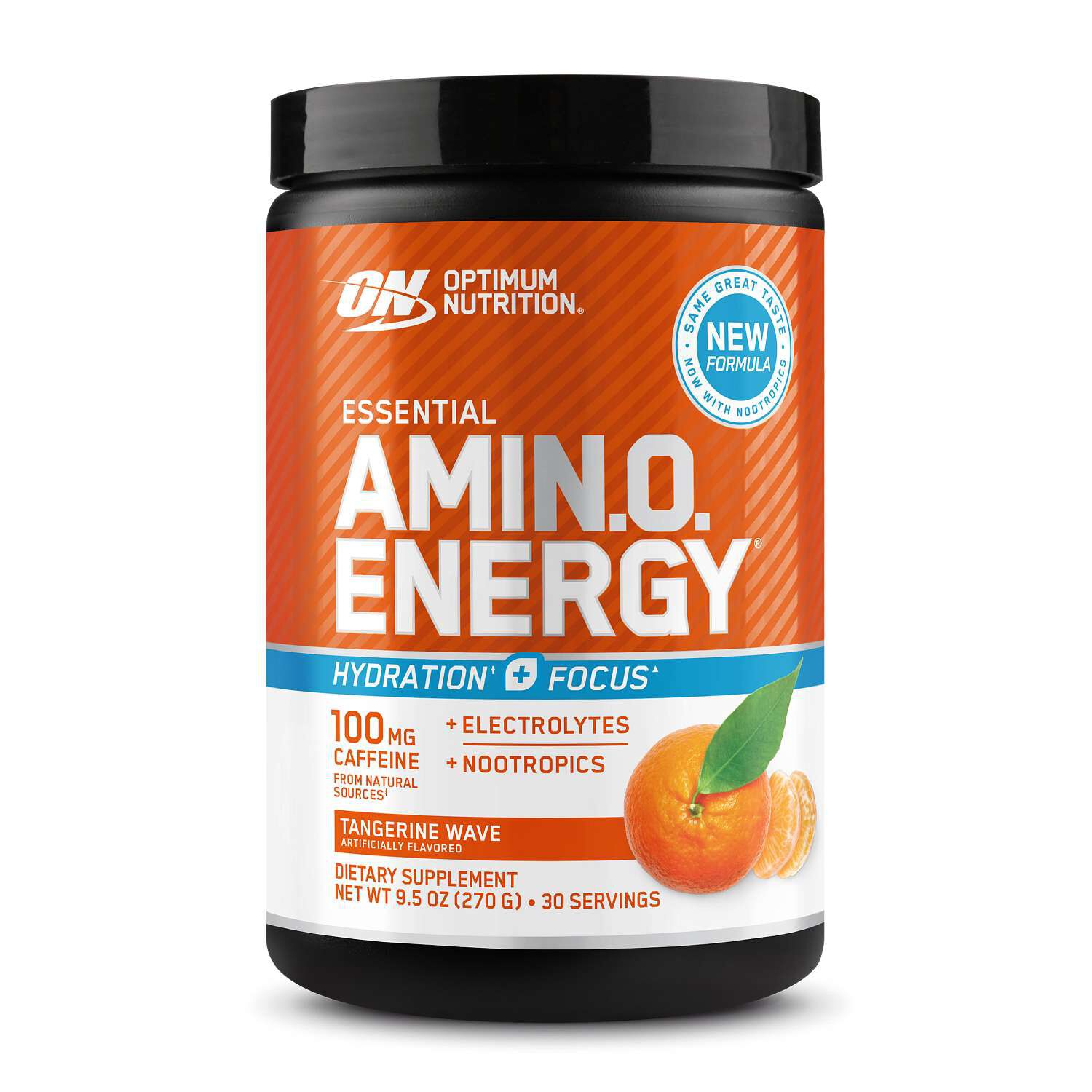
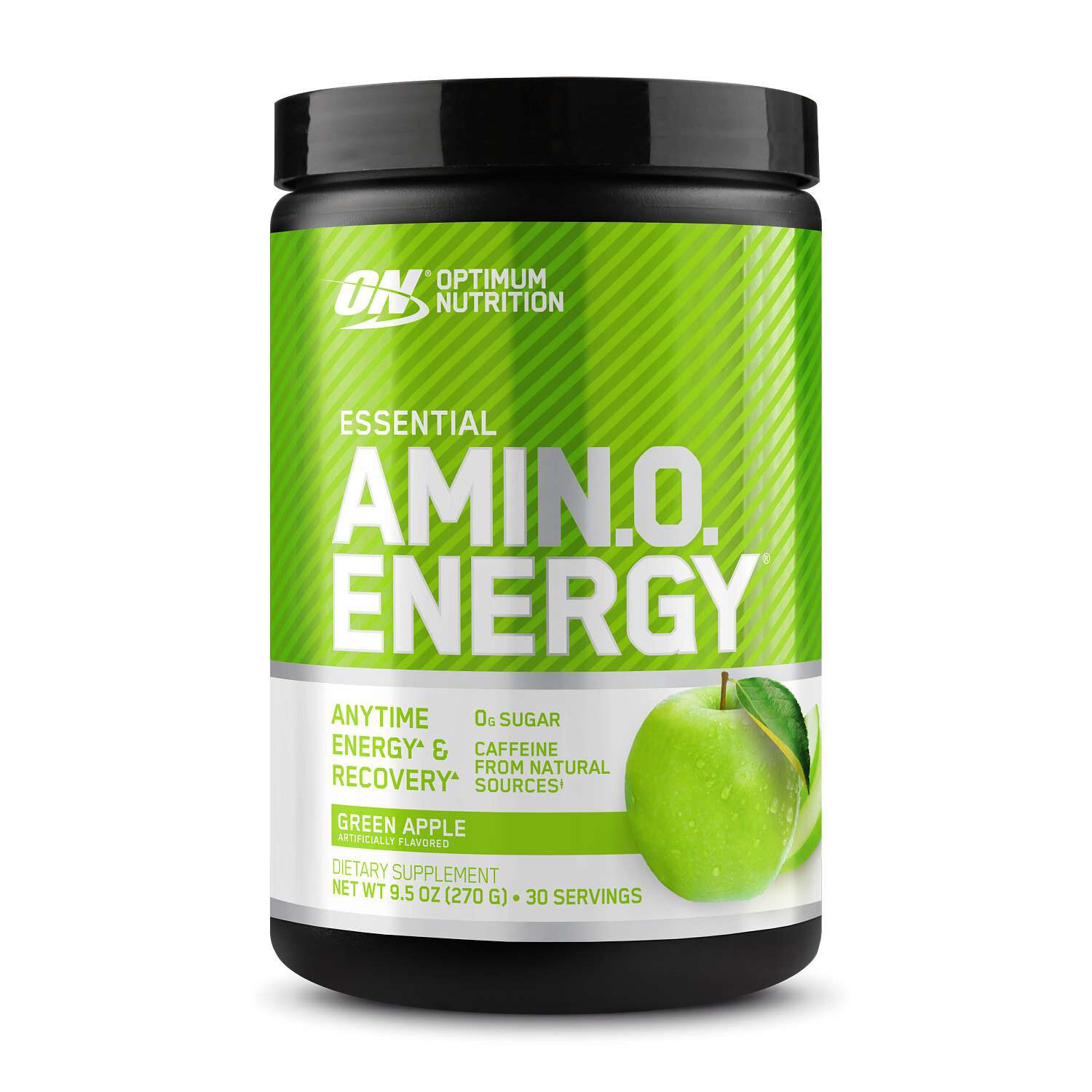
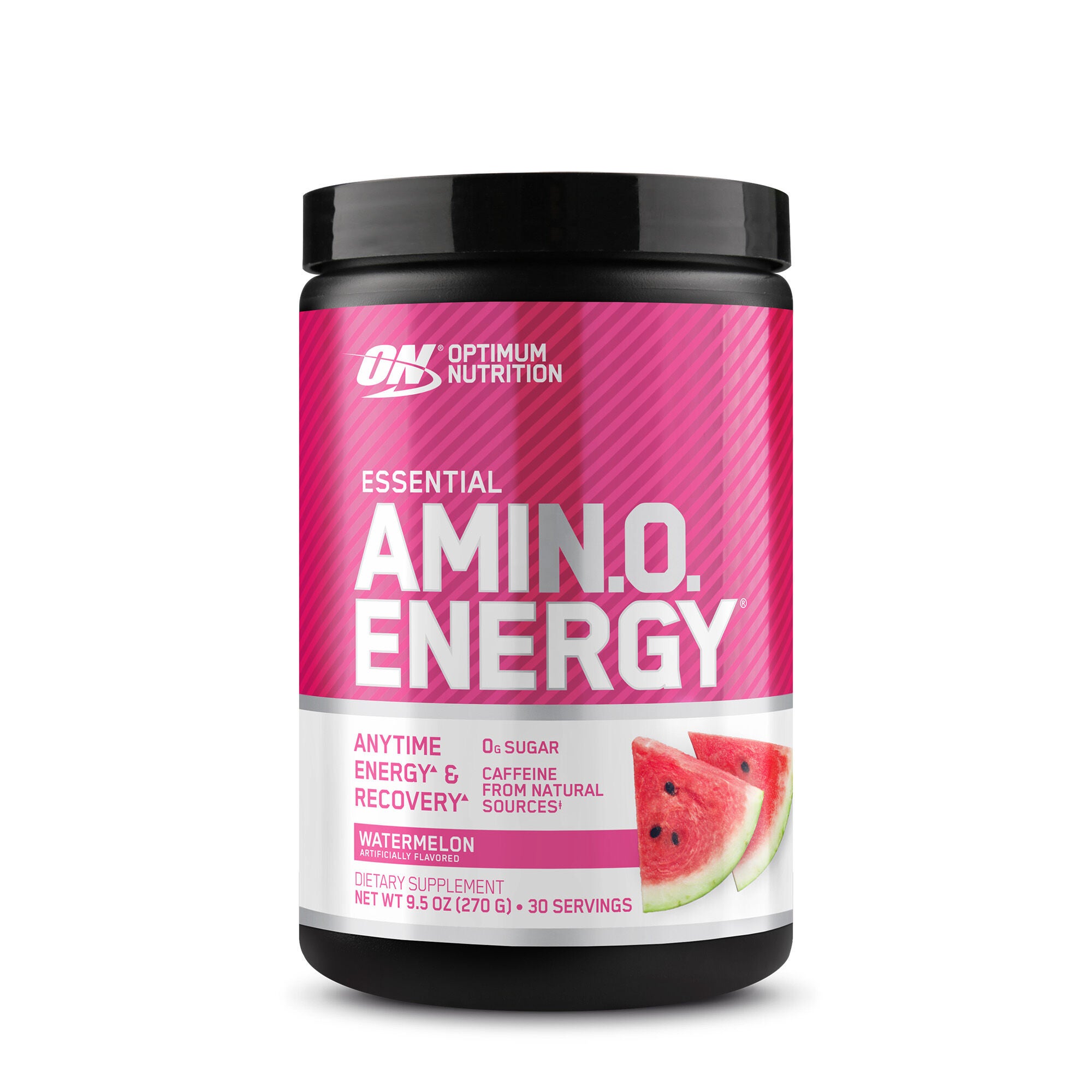
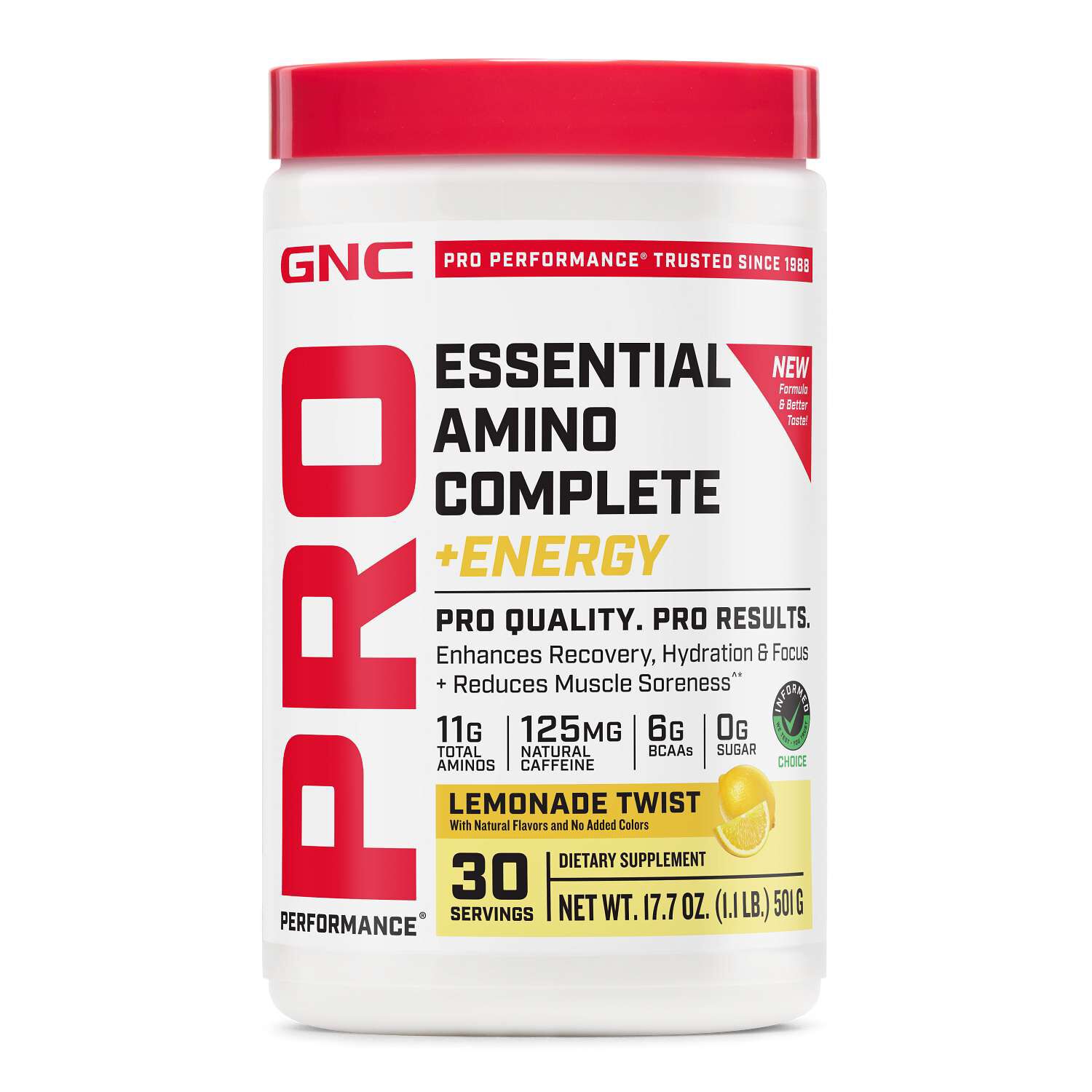
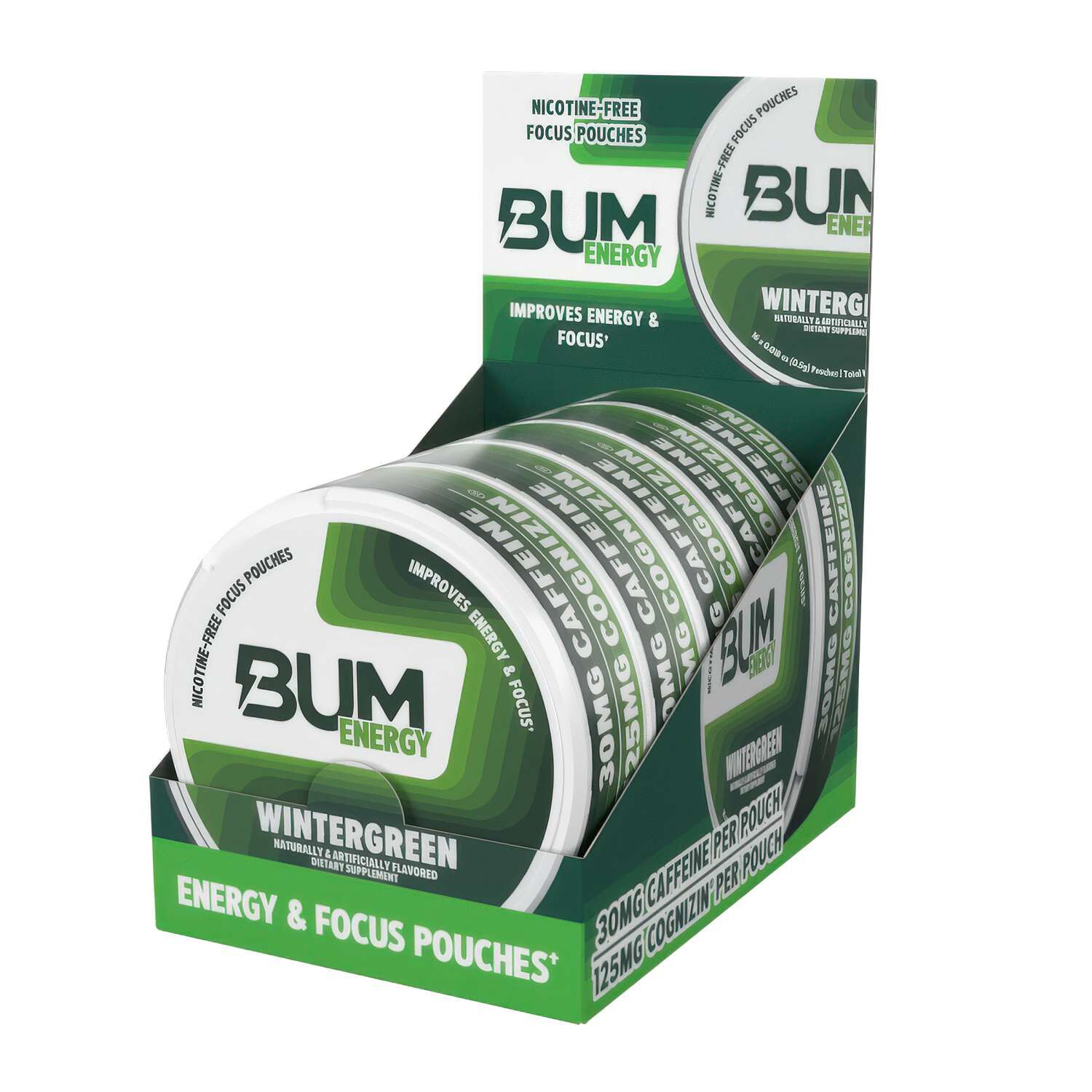
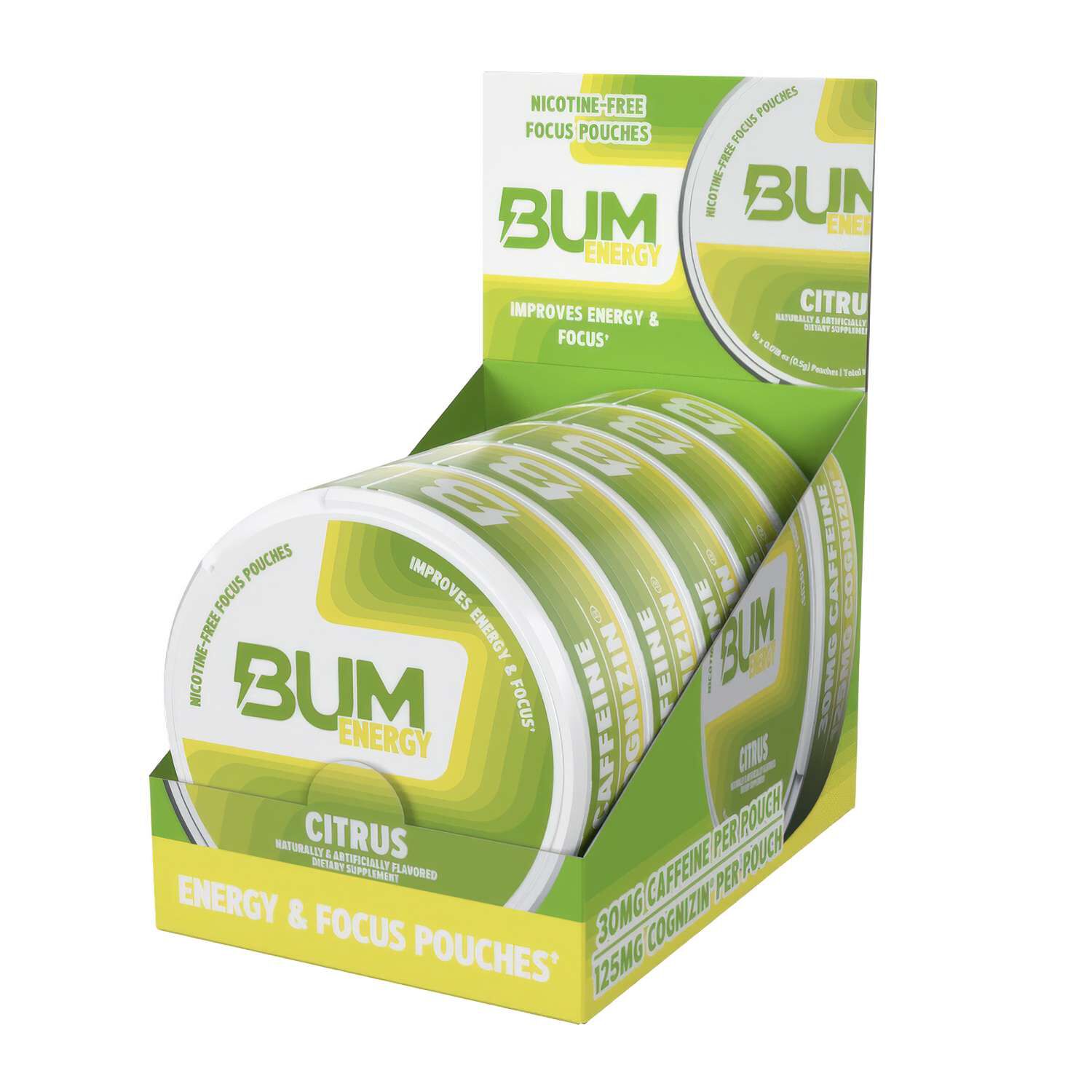
Energy for college students often centers on finding practical options for days that move from an early lecture to a library table, a campus job, and an evening club meeting. Energy drinks, drink mixes, compact shots, and portable snacks represent different approaches to that routine, with differences in caffeine content, serving size, ingredients, flavor, and preparation. For adult students, caffeine-containing products may support alertness, while food-based options may contribute nourishment between regular meals. Those are different purposes, and the distinction matters when comparing a small beverage with a snack that contains protein, carbohydrates, or fats. A compact format is not necessarily a smaller serving of caffeine, just as a larger container is not necessarily intended for a single sitting. The amount listed per serving, the number of servings in the package, and any additional caffeine sources named among the ingredients give a clearer picture than package size alone. Coffee, tea, and other beverages already included in the day also belong in that comparison. Taste preferences add another layer: fruit-forward drinks, coffee-style flavors, lightly flavored powders, and familiar snack textures suit different routines. Some students prefer something to sip with breakfast; others want a portioned option that fits beside a notebook without requiring a trip to a kitchen. Energy products may fit into those moments, but their role is alongside regular meals, water, and time for sleep rather than as a substitute for them. A useful comparison therefore includes both what a product contains and how it fits the day. A commuter carrying everything from morning through evening has different practical needs from a student returning to a residence hall between classes. Preparation space, access to drinking water, package size, and the distance between stops all help shape which format makes sense. This category brings those everyday considerations together without treating every busy schedule as the same or every energy product as interchangeable.
Format makes a noticeable difference when a backpack already holds a laptop, chargers, textbooks, and lunch. Ready-to-drink beverages involve no mixing, while powders require water and a suitable container. Individually packaged portions offer a different packing experience from a larger container kept in a residence hall or apartment. Students comparing smaller beverage formats can explore Energy Shots for College Students, with attention to the labeled serving size and caffeine amount rather than the dimensions of the bottle. A small package may be convenient for a commuter bag, but its size alone says little about its contents. For drink mixes, preparation directions, the suggested amount of water, and the type of closure on a shaker or bottle are relevant details. A narrow bottle opening, for example, may make adding powder less convenient than using a wider opening at a kitchen counter. Packaging materials and construction also matter during everyday handling. Resealable caps, intact seals, and clearly printed storage directions are worth considering for anything carried between a classroom and a shared study space. A carton that sits neatly in a refrigerator serves a different purpose from a packet tucked into an organizer pouch. Drinks and snacks also have different storage requirements, so room-temperature suitability should come from the package rather than assumptions about portability. Once opened or mixed, handling and storage remain product-specific. For reusable containers, the manufacturer’s washing and care directions are part of the routine, especially around lids, threads, and mixing components. Durability is less about rugged-looking packaging than whether the container and closure suit repeated carrying and normal use. Flavor and texture matter here, too: a drink mixed at a residence hall desk has a different preparation experience from a sealed beverage opened beside a lecture notebook. The right match is often the format that fits an ordinary day with the least extra equipment, preparation, or cleanup, not simply the smallest package.
Ingredient information gives the category more definition than broad energy language on the front of a package. Caffeine amount is one comparison point; serving size, added sugars, calories, protein, ingredient sources, and allergen statements are others. Some beverages contain caffeine along with vitamins or other ingredients, while some portable foods emphasize carbohydrates, protein, or a combination of nutrients. A vitamin list and a caffeine statement describe different features, so they deserve separate attention rather than being treated as equivalent signs of strength. Products without caffeine may appeal to students who are primarily looking for portable nutrition rather than a caffeinated beverage. For a long afternoon on campus, a snack may serve a different purpose from a flavored drink, particularly when lunch and dinner are several hours apart. Familiar foods such as fruit, oats, yogurt, and nuts provide context for those choices: taste, texture, portion size, and compatibility with regular meals remain relevant even when the packaging is designed for carrying. Preferences and dietary requirements also shape the experience, including whether a student wants a plant-based option, avoids particular ingredients, or needs clearly identified allergens. Package directions, age-related labeling, and caution statements belong in the comparison, and products intended for adults are distinct from those suitable for younger students. Timing is another practical consideration; a beverage chosen before a morning class occupies a different place in the routine from one considered near bedtime. For a college care package, familiar flavors and formats the recipient already uses are more personal than selecting by bold packaging alone. Individually wrapped snacks or other shelf-stable choices may be practical when their storage directions match the recipient’s space. Across the category, thoughtful selection comes down to a readable label, an appropriate format, and an intended use that reflects actual campus life, whether that means breakfast before a seminar, a commute across town, or an afternoon working through notes.
What types of supplements may help support energy for college students?
Supplements that may help support energy for college students include multivitamins, B-complex vitamins, iron, and products containing natural caffeine sources like green tea extract or guarana.
How do energy supplements differ from traditional caffeinated beverages?
Energy supplements may combine vitamins, minerals, amino acids, and herbal extracts that could support alertness and focus, while traditional caffeinated beverages often provide caffeine by itself.
Are there specific ingredients to look for in energy supplements for studying?
Common ingredients in energy supplements for studying may include B-vitamins, L-theanine, ginseng, rhodiola rosea, and moderate amounts of caffeine, which could support mental clarity and focus.
Could protein powders contribute to better energy throughout the day?
Protein powders may provide a convenient source of protein as part of a balanced diet, which could help support energy throughout the day.
How can college students incorporate energy-supporting supplements into their daily routine?
College students can incorporate energy-supporting supplements by taking them with breakfast or before study sessions as directed on the label, alongside a healthy diet and regular hydration.
Best Sellers
-
 Gorilla Mind
-
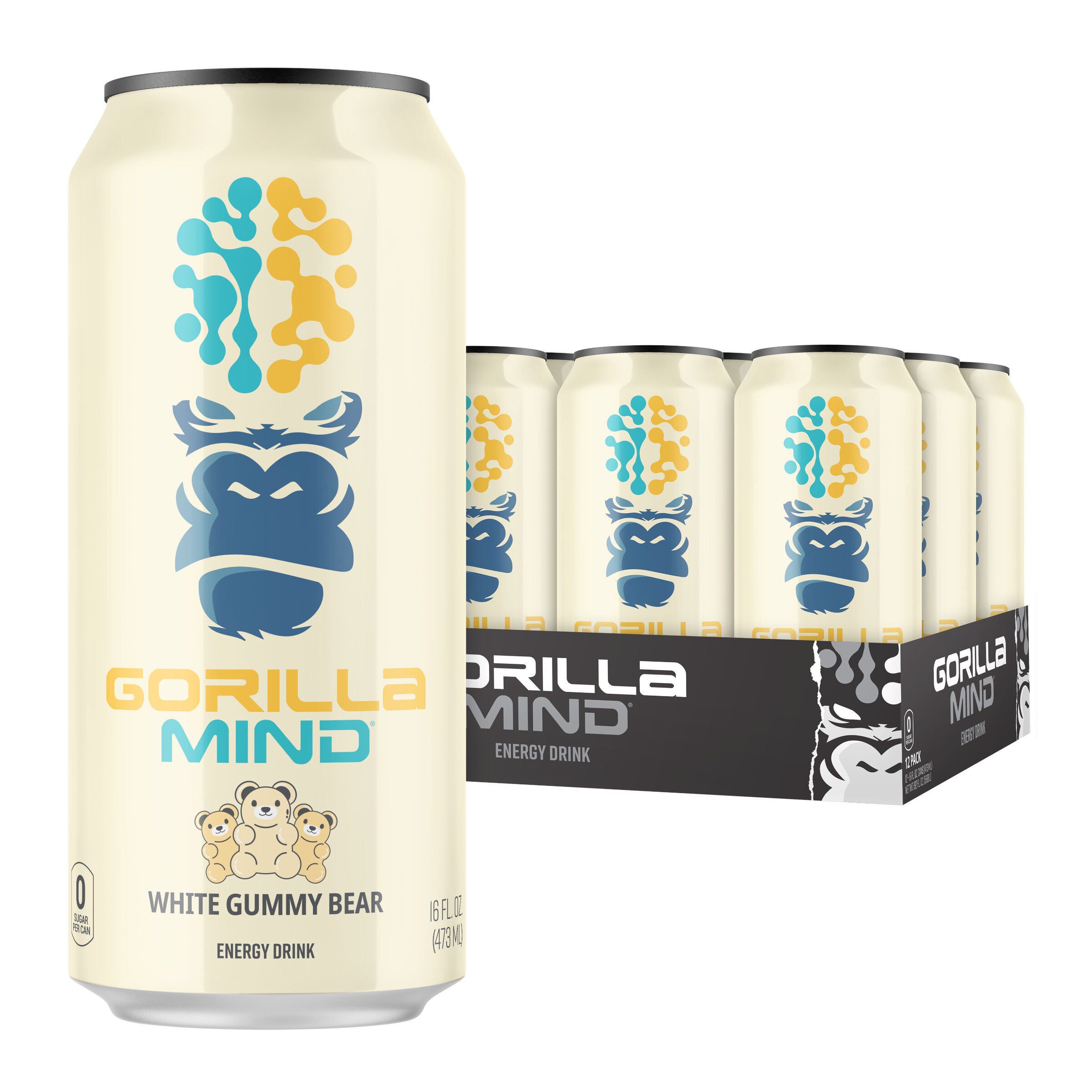 Gorilla Mind
-
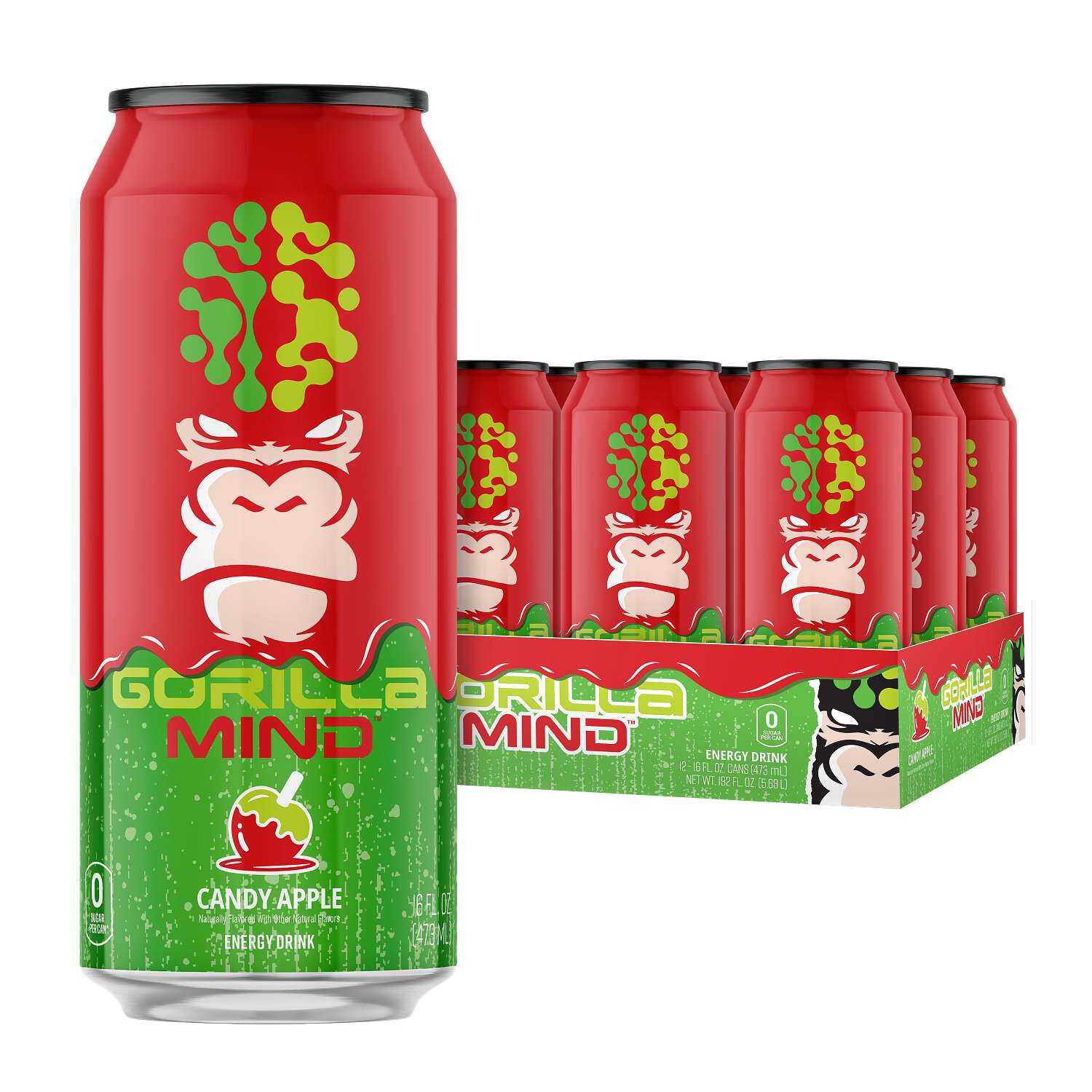 Gorilla Mind