Natural Supplements For College Students
(0 Results)
Natural supplements for college students could offer support for busy days and active lifestyles. With the demands of coursework, extracurricular activities, and social commitments, many students look for convenient options that may fit into their daily routines. Explore a selection of natural supplements for college students that might align with your wellness goals during the school year.
-
-

-

-

-
-

-
 185$24.99
-

-

-
-

-

-
-

-

-
-

-


Natural supplements for college students span vitamins, minerals, botanical ingredients, and nutrition powders in formats that may fit a busy campus routine. The category includes options such as multivitamins, magnesium, vitamin D, omega-3 supplements, and plant-based protein powders, each with different ingredients and intended uses. For someone moving between a residence hall, a dining commons, a library desk, and a recreation center, convenience may matter as much as the ingredient list. A capsule, chewable, or scoopable powder comes with different considerations for carrying, preparation, and storage. These products may complement everyday eating habits, but they are not interchangeable with meals, sufficient rest, or one another. A protein powder has a different nutritional purpose from a mineral supplement, while a multivitamin combines several nutrients in a single formula. The word “natural” also deserves context: it can refer to ingredient origins, but it does not describe every part of a finished supplement. Plant extracts, fermented ingredients, algae-derived oils, and minerals represent distinct sources, and a formula may also contain capsule materials, flavorings, sweeteners, or other ingredients. Students with vegetarian or vegan preferences may be interested in both the featured nutrient and the material used for its capsule. Those comparing powders may pay closer attention to the protein source, texture, flavor, and preparation directions. College life also brings a wide range of eating patterns, from regular dining hall meals to packed lunches between classes, so there is no single supplement assortment that suits every student. The most relevant distinctions are often straightforward: what the formula contains, how much is listed per serving, how it is intended to be used, and whether its format matches the setting where it will be kept. A product that requires mixing has a different place in a daily routine than a small bottle stored in a desk drawer.
Ingredient details give this collection more meaning than broad front-label descriptions alone. A vitamin or mineral name identifies only part of a formula; the ingredient form, serving size, and accompanying nutrients add useful context. For example, magnesium supplements can contain different forms of the same mineral, while omega-3 options can differ in their source and the amounts of individual fatty acids listed on the label. Plant-based protein powders may use peas, rice, soy, or blends, with varying textures and flavor profiles. None of those differences, by itself, establishes which option belongs in a particular student’s routine. A short ingredient list may appeal to someone who prefers a simpler formula, while another shopper may be comparing several nutrients within one serving. Students exploring mineral options may also browse Magnesium Supplements for College Students with attention to ingredient forms, serving information, and preparation preferences. Format is especially relevant in shared living spaces. A powder requires a suitable container and a way to measure and mix it, whereas capsules and tablets generally need less preparation. Chewables have their own serving directions and ingredient considerations, including flavorings and sweeteners. For someone who spends most of the day away from a residence hall, package dimensions and closure design may influence portability. For a commuter who returns home each evening, a larger container may be less of a practical concern. Students with food allergies or dietary restrictions also have reasons to examine the full ingredient list and allergen statements rather than relying on a familiar flavor name or a plant pictured on the package. Serving information matters when comparing similar-looking containers, since one serving may consist of more than one capsule, tablet, chewable, or scoop. These details describe the actual product more clearly than broad language about fitting an active lifestyle. They also help distinguish a straightforward single-nutrient formula from a blend containing several nutrients, extracts, or other ingredients.
Natural supplements for college students also come with practical considerations beyond the formula itself, particularly when personal storage space consists of one shelf, a small cabinet, or a drawer beside a shared desk. Package storage directions provide the reference for conditions such as light, moisture, and refrigeration requirements. A bathroom shelf, a parked car, and a closed desk drawer are different environments, so the label matters more than convenience alone. Keeping the original container preserves access to the ingredient list, serving directions, date information, and any handling instructions. For powders, the texture and preparation method are part of the experience: some are intended for mixing with water, while others include directions for different beverages or foods. A tightly closing lid, a dry measuring scoop, and a clean mixing container are everyday care considerations, particularly in a communal kitchen. Flavor can be equally personal. An unflavored powder may appeal to someone who prefers a familiar beverage without an added flavor, while another student may prefer a flavored option prepared on its own. Container weight and size also matter when carrying supplies between home and campus, although portability should be considered alongside the storage directions. For students who participate in organized athletics, third-party testing information may be another point of comparison, with the exact certification and its scope deserving attention. When supplements are considered as a gift for an adult college student, the recipient’s stated preferences, dietary requirements, and familiarity with the category are more useful than assumptions based on a demanding class schedule. Campus routines vary widely, and the contents of a care package are personal. Across this assortment, meaningful distinctions come from transparent labeling, clearly identified ingredients, suitable formats, and realistic intended use. Those details may make it easier to find options that belong comfortably alongside meals, classes, activities, and the ordinary rhythms of college life.
What are natural supplements and how can they fit into college students' routines?
Natural supplements are products made from plant, mineral, or animal sources that may support overall wellness. For college students, these supplements may help fill nutritional gaps, support energy, and support focus during busy academic schedules.
Which types of natural supplements are popular among college students?
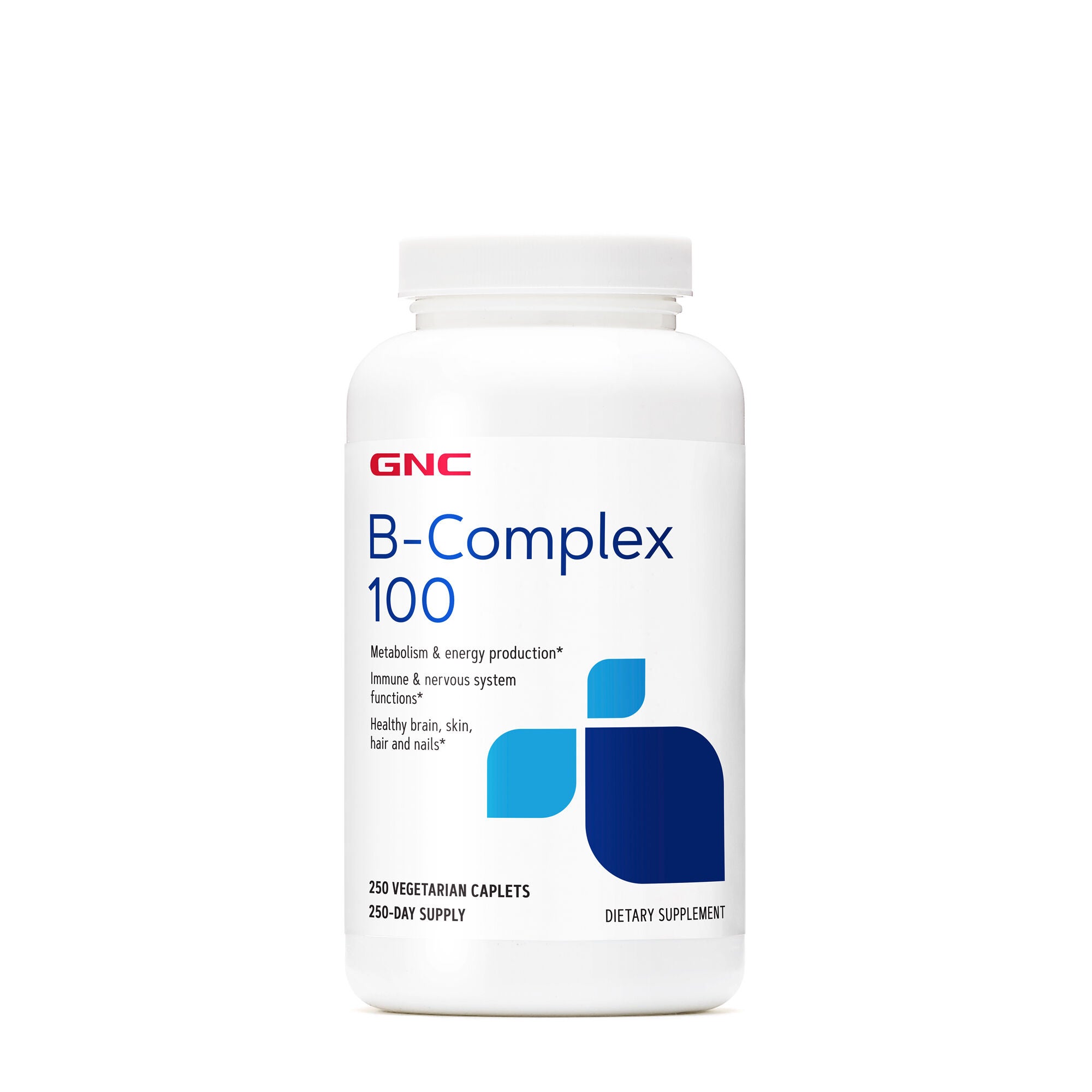
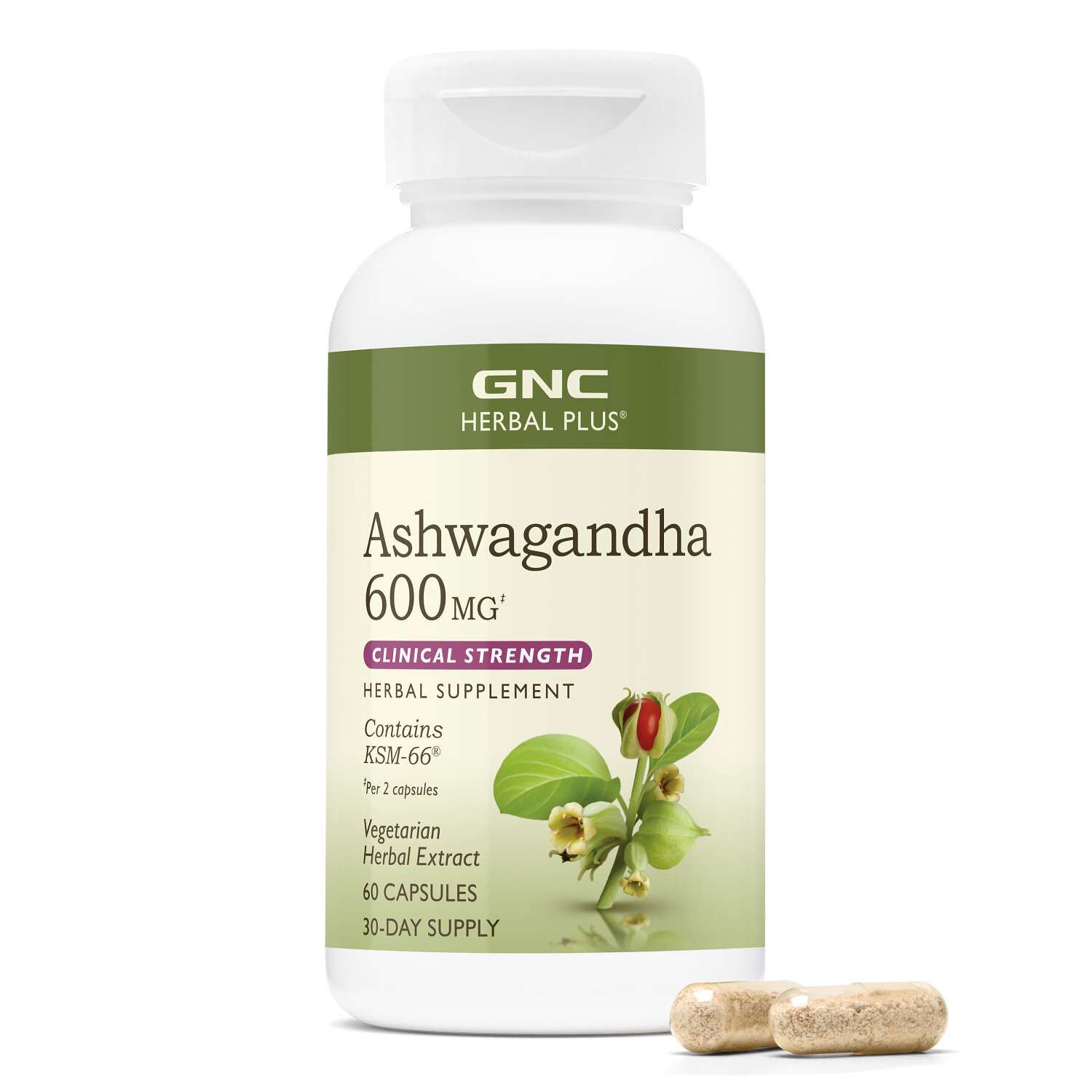
Popular natural supplements for college students include multivitamins, omega-3 fatty acids, adaptogenic herbs like ashwagandha and rhodiola, probiotics, and B-complex vitamins that may help maintain balanced nutrition and support daily wellness.
How can natural supplements fit into a busy college lifestyle?
Natural supplements often come in convenient forms such as capsules, gummies, powders, or drink mixes. This makes it easy for college students to incorporate them into their daily routines, even with a hectic class schedule.
Are there specific times of day when it's best to take natural supplements?
The ideal time to take natural supplements depends on the type. For example, multivitamins are often taken with breakfast or lunch, which may support absorption. Always check the product label for recommended usage instructions.
Can natural supplements be combined with a regular diet as part of a wellness routine?
Yes, natural supplements are designed to complement a balanced diet. They may help fill nutritional gaps but should not replace whole foods. Pairing them with balanced meals may support overall well-being.