Supplements For Busy College Students
(0 Results)
Supplements for busy college students could offer support for those balancing classes, late-night study sessions, and extracurricular activities. With packed schedules and on-the-go lifestyles, finding ways to help maintain wellness routines may be essential. Explore a variety of options designed to fit into a student’s active day—supplements for busy college students might be the extra boost needed to stay focused and energized throughout the semester.
-
-
-
-

-
 $29.99
-
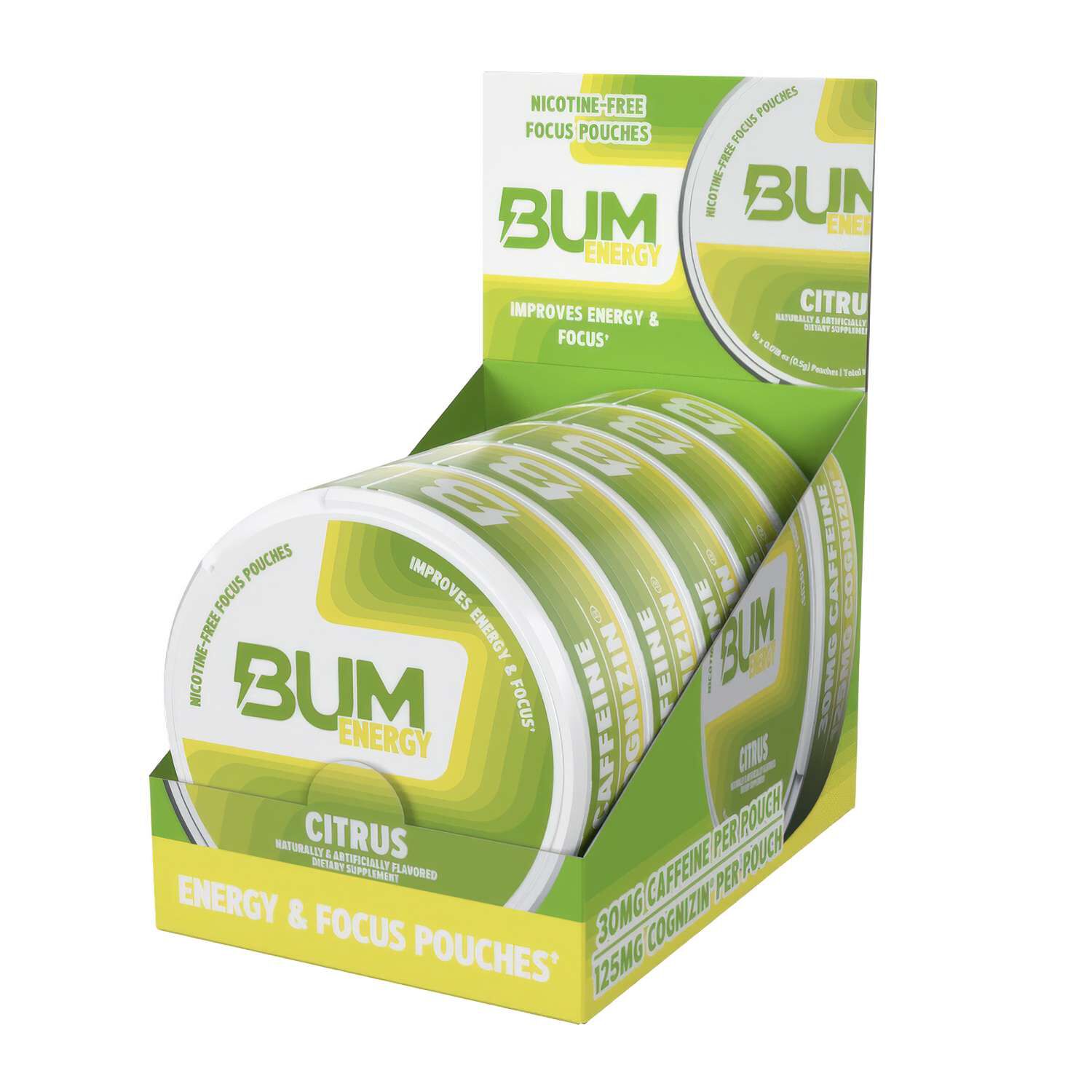 Raw Nutrition$44.99
-
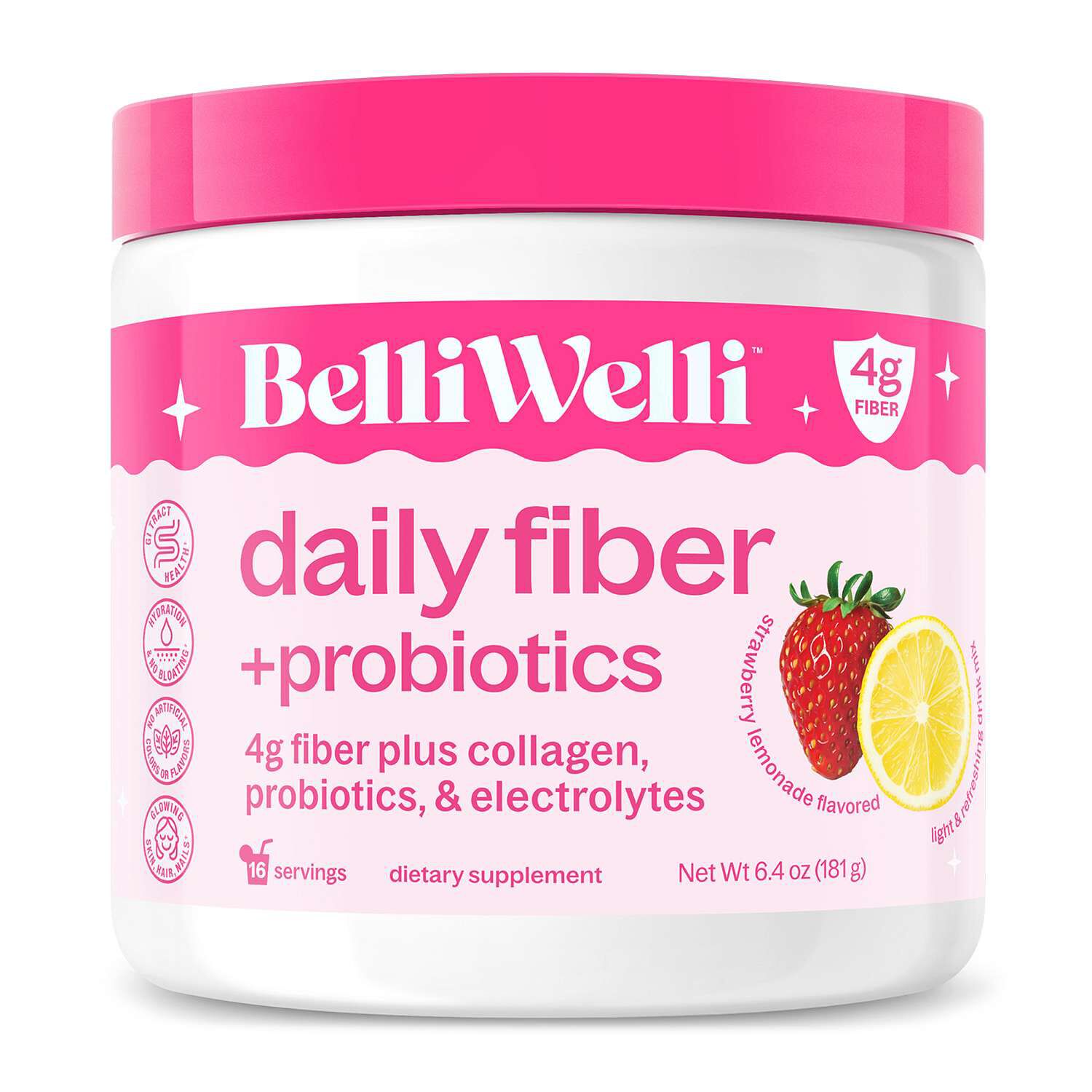 $26.99
-
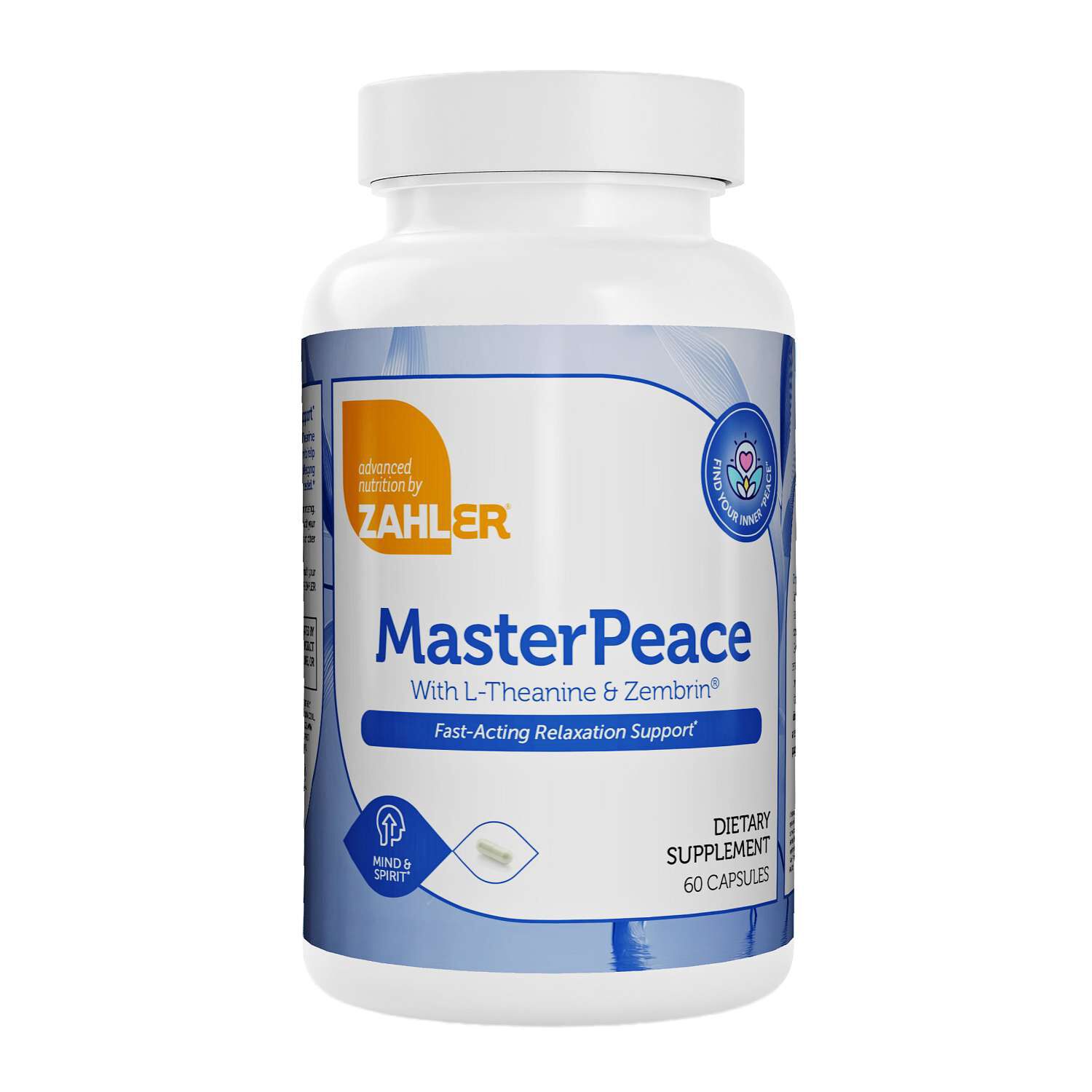 $49.99
-
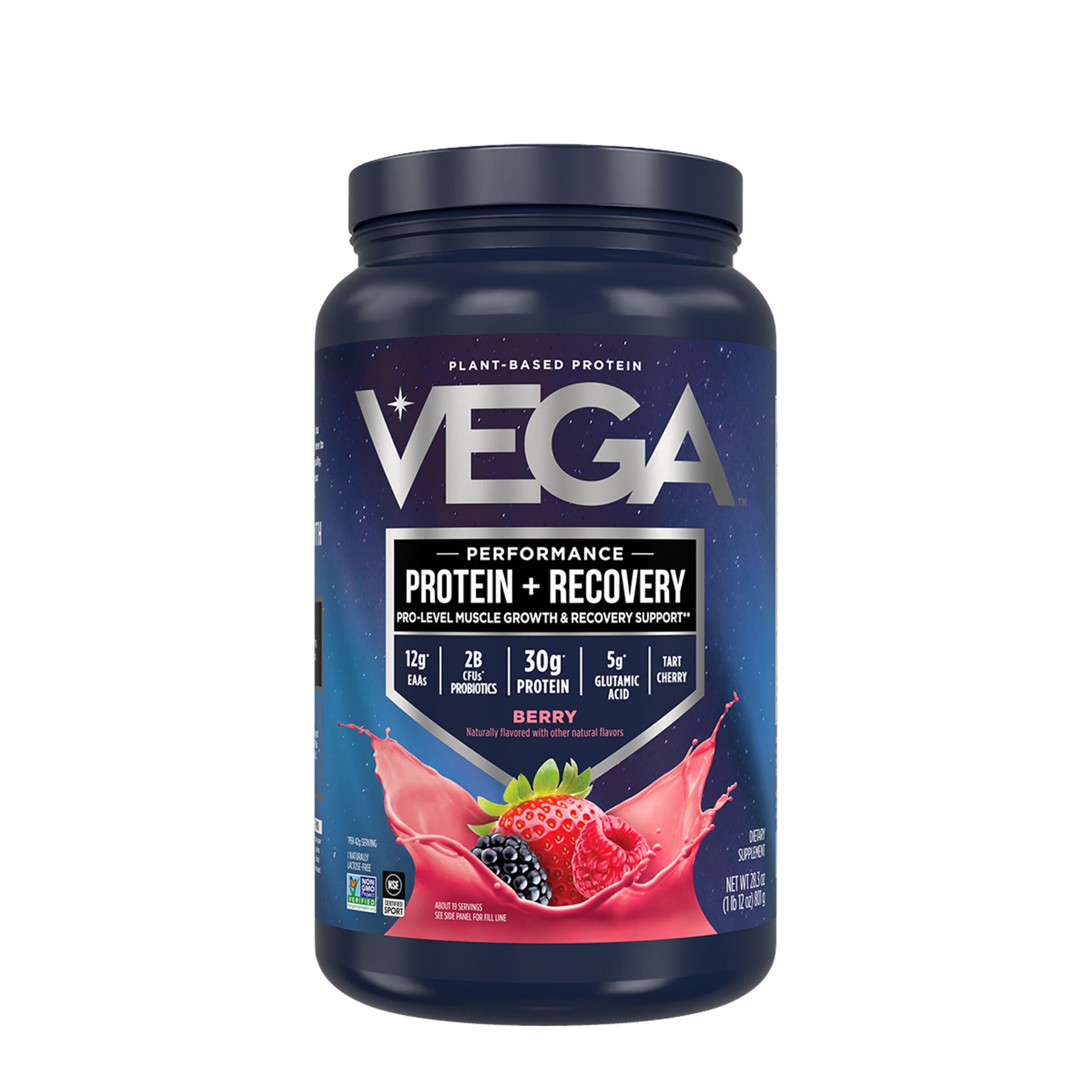
-

-
-
-
-

-

-
 $24.99
-
-

-

-

-
-
-

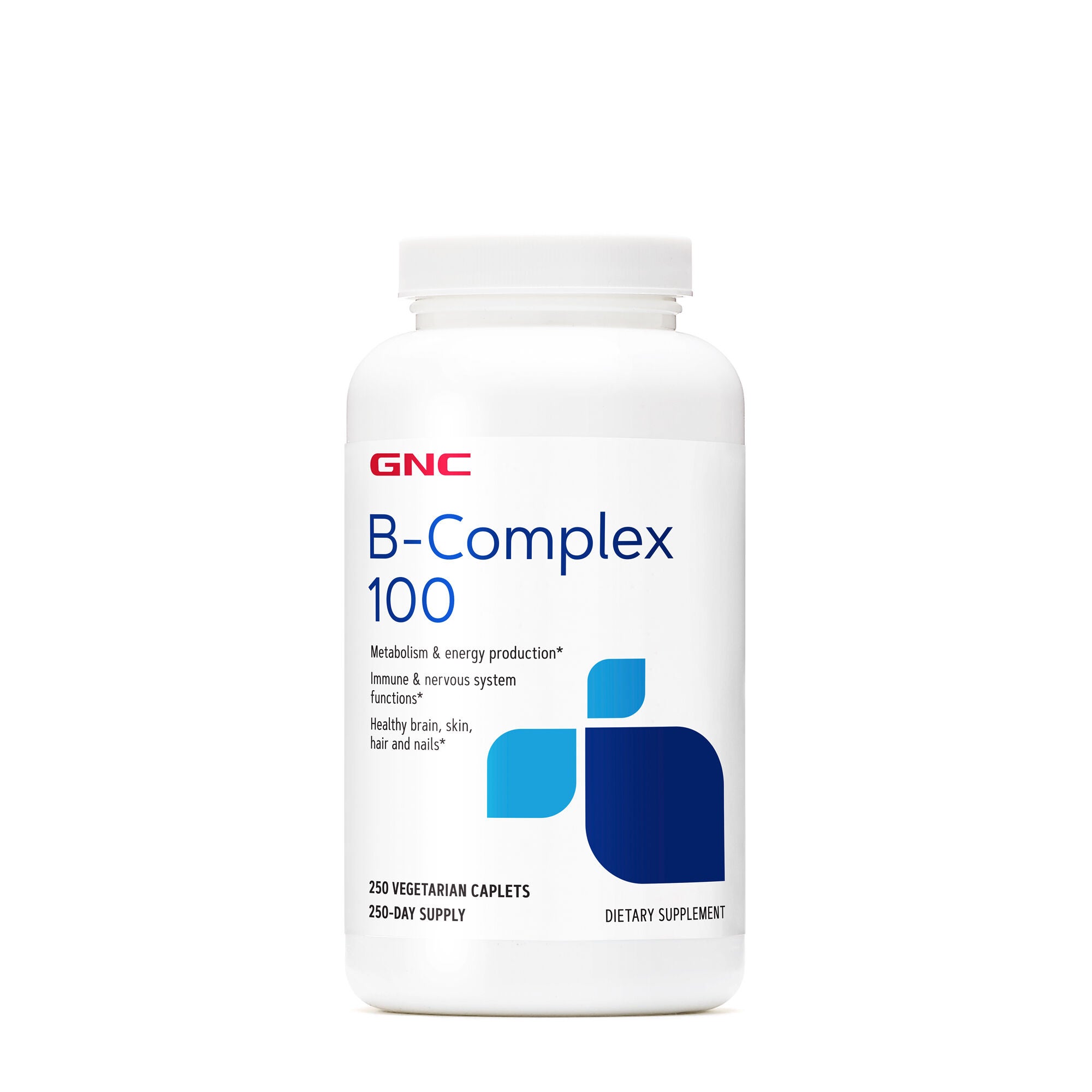
Supplements for busy college students sit at the intersection of nutrition, convenience, and a schedule that rarely looks the same two days in a row. Between an early lecture, a campus job, an afternoon lab, and an evening at the library, even familiar meal routines can become inconsistent. Dietary supplements may complement everyday eating patterns, but they are not substitutes for varied meals, regular rest, or time to eat. This category includes multivitamins, individual vitamins and minerals, omega-3 supplements, probiotics, and protein powders, with different formats and ingredient sources to consider. Multivitamins combine several vitamins and minerals in one formula, while individual nutrients, such as vitamin B12 or vitamin D, offer a narrower ingredient profile. A B-complex formula contains a group of B vitamins rather than a single vitamin. Magnesium supplements differ by the form of magnesium used, and omega-3 labels may identify fish or algae as the source, along with the amounts of EPA and DHA per serving. Probiotic labels often identify organisms by genus, species, and strain, making the details more meaningful than a broad category name alone. These distinctions matter when comparing supplements for college life because similar-looking packages can contain quite different formulations. A student with a dependable dining hall routine may have different preferences from someone preparing meals in an apartment or commuting with a packed lunch. The useful comparison is not simply the number of ingredients in a container, but how its contents, serving size, and intended use relate to an existing routine. Ingredient lists and nutrition panels provide a more grounded starting point than packaging language about academic performance. No supplement replaces preparation for an exam, and a crowded schedule does not automatically call for a crowded supplement shelf. For this collection, the strongest connection to student life is practicality: clearly described formulas, understandable serving information, and formats that make sense alongside ordinary meals and campus commitments.
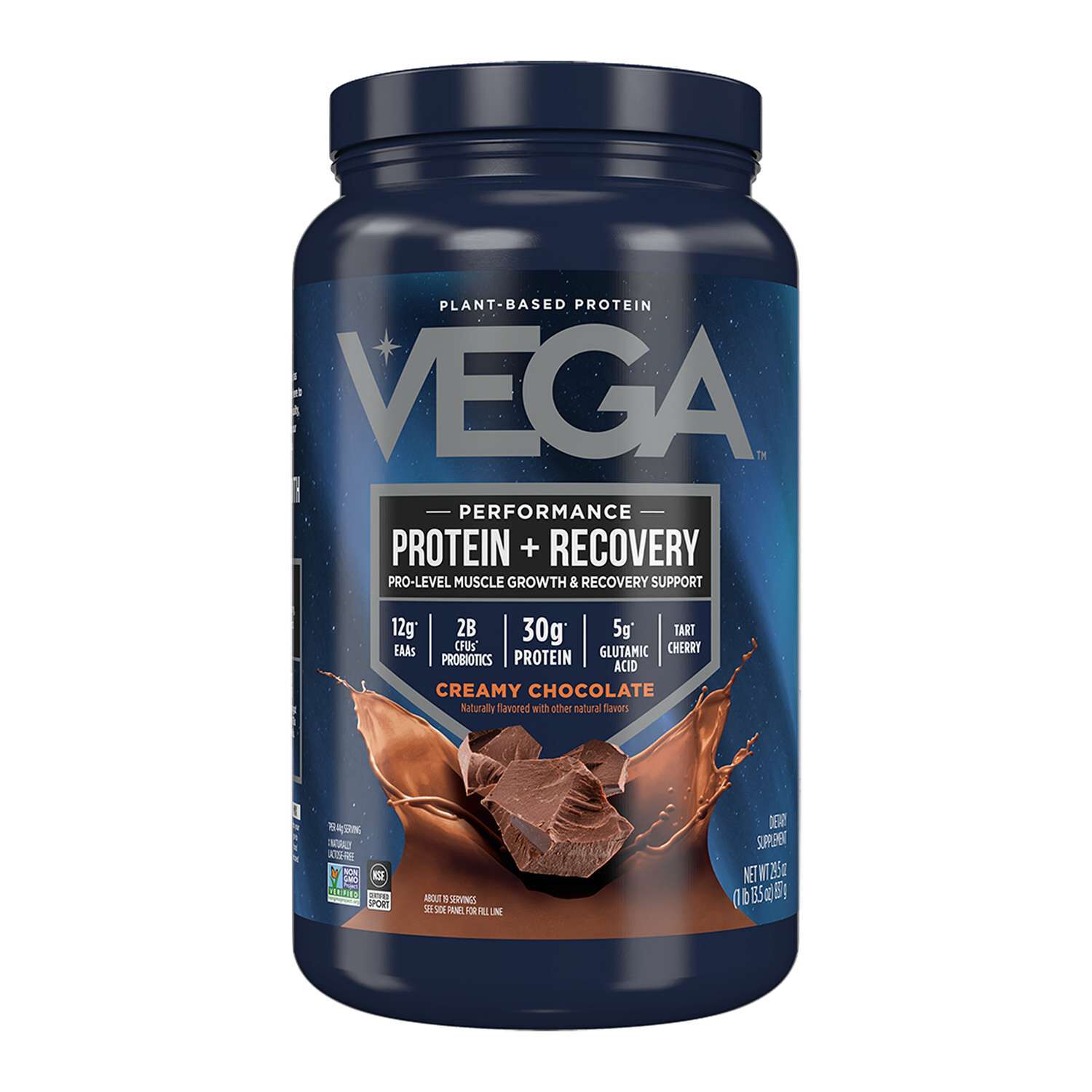
Format is a significant part of that practical fit. Capsules and tablets generally require little preparation, while powders involve measuring, mixing, and access to a suitable cup or bottle. Chewable formats have their own texture, flavor, and serving-size considerations, including how many pieces make up one labeled serving. A small container may suit a compact residence hall cabinet, while individually packaged portions offer a different approach to carrying a serving between home and campus. Packaging dimensions, closure design, and storage directions are worth comparing when desk drawers also hold notebooks, chargers, and snacks. A label that calls for refrigeration creates a different storage requirement from one intended for a dry cabinet, especially in shared housing with limited refrigerator space. Original packaging keeps ingredient information, directions, and date markings together rather than separating the contents from their identification. For powders, care also includes keeping the scoop and container dry and closing the lid as directed. A mixing bottle adds another consideration: a wide opening, clearly marked measurements, and parts that can be washed according to their care instructions. Protein powders are one category where these everyday details are particularly noticeable. They may offer a convenient way to add protein to an eating routine, whether mixed into a beverage or incorporated into a suitable food preparation. Whey, casein, soy, pea, and other plant proteins differ in source, texture, and flavor, and those differences can matter as much as the grams of protein listed per serving. A powder mixed with water between commitments offers a different experience from one blended with fruit and yogurt in an apartment kitchen. Serving size, mixing directions, and the nutrition information for any added ingredients all contribute to that comparison. Flavor preferences deserve attention, too: a strongly flavored powder may suit one preparation but seem out of place in another. The most relevant format is one whose preparation, storage, and cleanup match the student's actual surroundings rather than an imagined routine with unlimited counter space and unhurried mornings.
Ingredient preferences bring another layer to choosing college student supplements. Vegan, vegetarian, and other dietary patterns can influence both the main ingredients and less prominent components, such as capsule shells, coatings, and flavorings. A formula with a plant-derived featured ingredient is not necessarily vegan, so the full ingredient list and any stated dietary designation matter. Omega-3 supplements illustrate this distinction: fish-derived oils and algae-derived oils have different sources, while their labels provide the specific fatty acid amounts for comparison. Capsule materials may also differ, even among formulas within the same category. Students exploring plant-based options can browse Vegan Supplements For College Students for a collection centered on that dietary preference. Protein sources warrant similar attention, particularly when a student's food choices exclude milk, soy, or other ingredients. Allergen statements, added sugars, sweeteners, and flavor components add context beyond the ingredient highlighted on the front of a package. For someone already using several nutritional products, viewing their labels together makes repeated ingredients easier to recognize; multivitamins, drink mixes, and individual nutrient formulas may contain some of the same vitamins or minerals. More variety in a cupboard does not necessarily mean a better match for an individual. Clear labeling and a defined reason for considering a category are more useful than treating every part of campus life as a reason to add another supplement. That same personal fit matters when supplements are considered for a college care package. Familiar formats and known dietary preferences are more relevant than assumptions about what a student might want during a demanding semester. A commuter carrying everything in one backpack, a student sharing a small kitchen, and someone balancing coursework with recreational sports may value different package sizes and preparation styles. Across those situations, supplements for busy college students may complement an established nutrition routine when their ingredients and practical requirements align with the person using them. The category is best understood through those concrete differences: what is inside, how a serving is measured, where it belongs, and how it fits into everyday college life.