

Vegan Supplements For College Students
(0 Results)
Vegan supplements for college students offer a convenient way to support a balanced lifestyle while navigating busy schedules, late-night study sessions, and campus dining options. Whether you’re looking to fill potential nutritional gaps or simply want plant-based options that fit your dietary preferences, there are a variety of choices available. Explore vegan supplements for college students that may align with your wellness goals and help you stay energized throughout the semester.
-

-
-

-
-
-

-
-
-

-
-

-

-
 143$34.99
 -
-
-

-
-

-
-
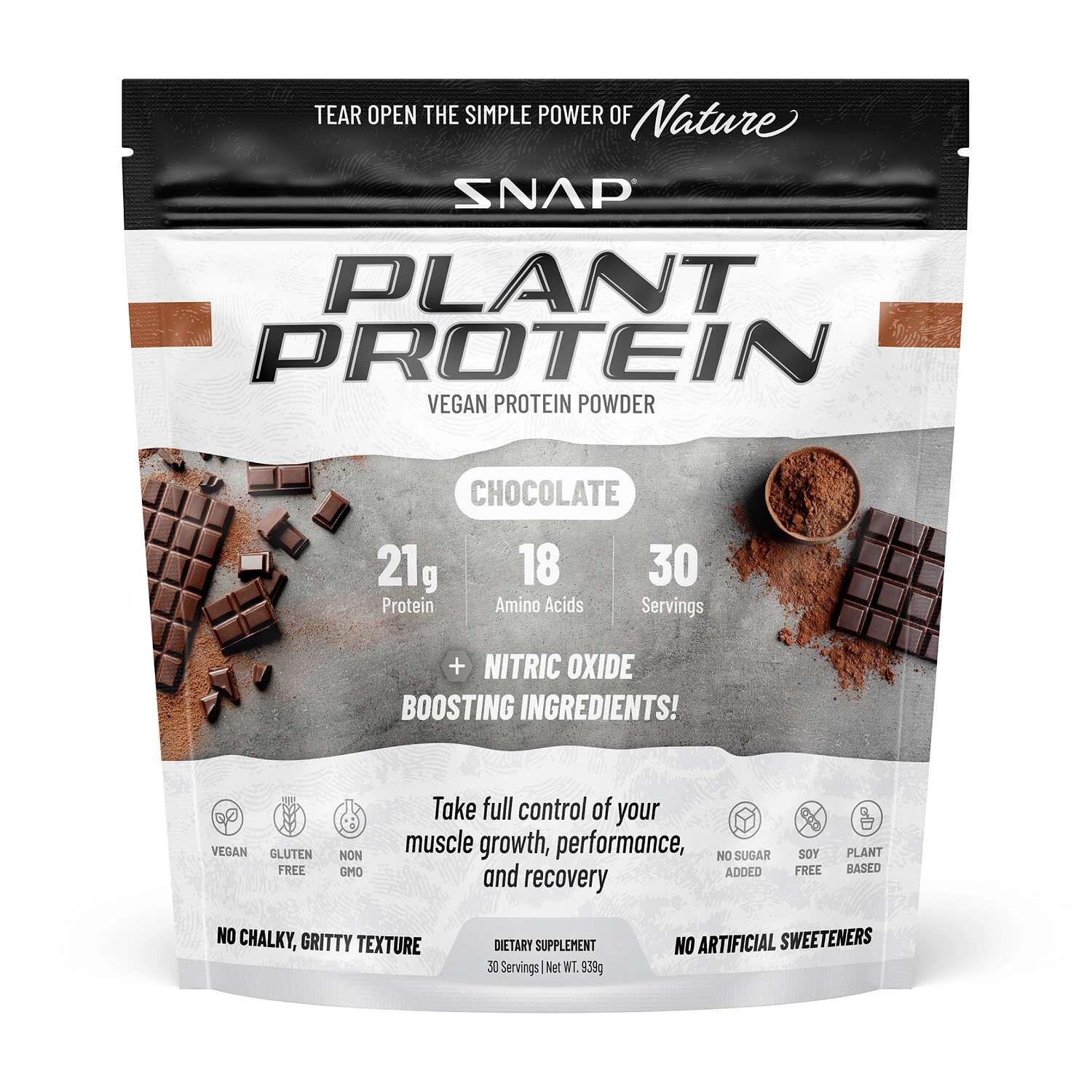
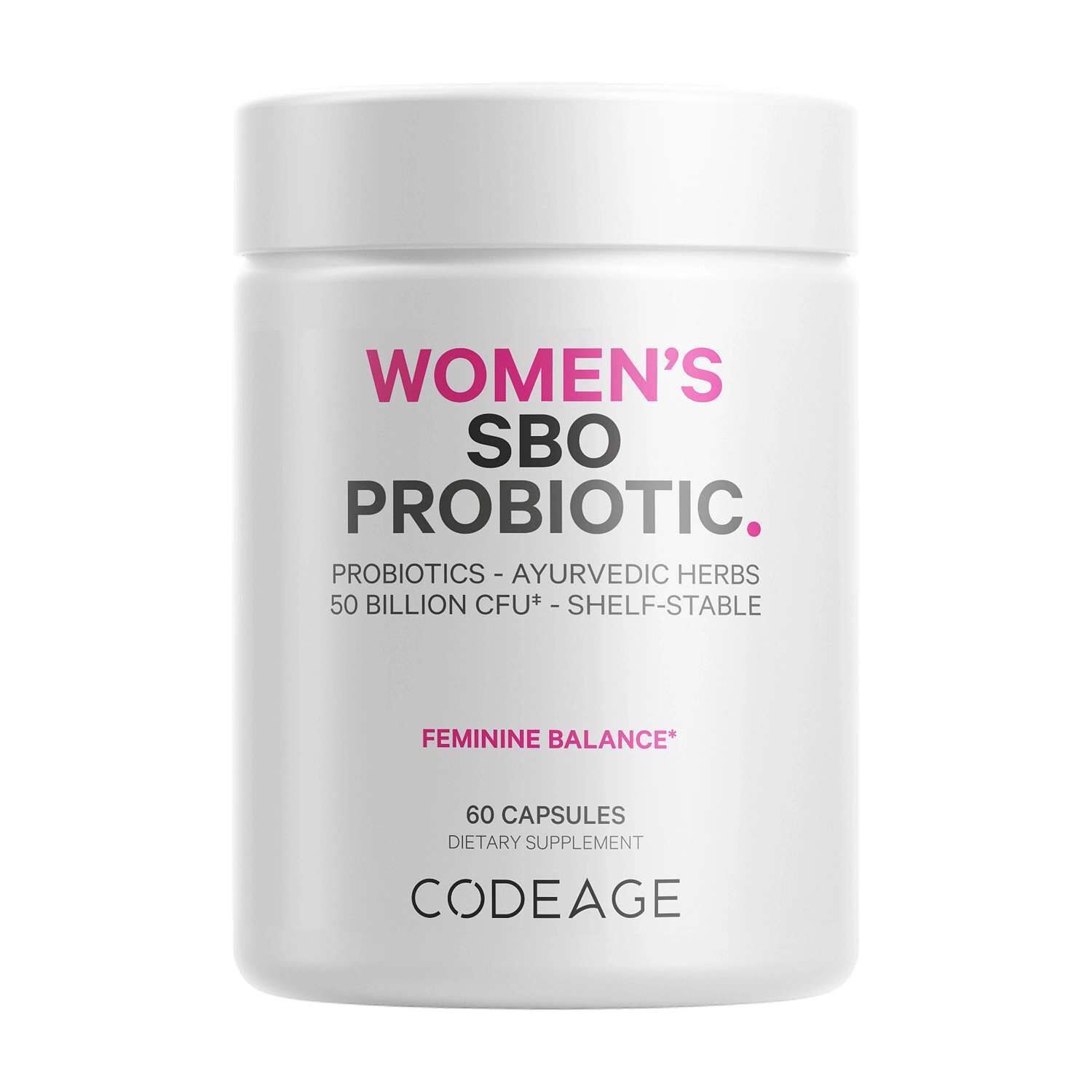
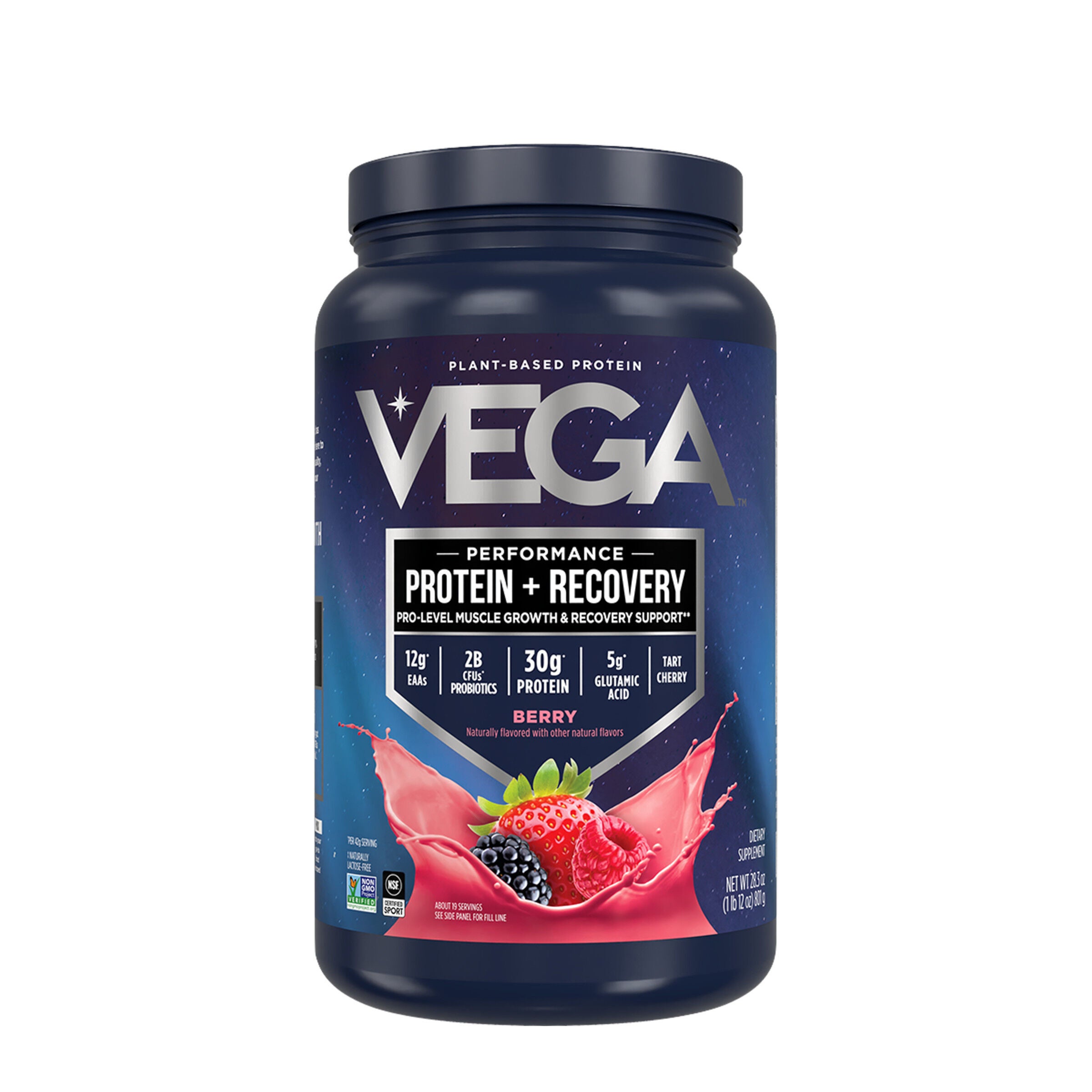
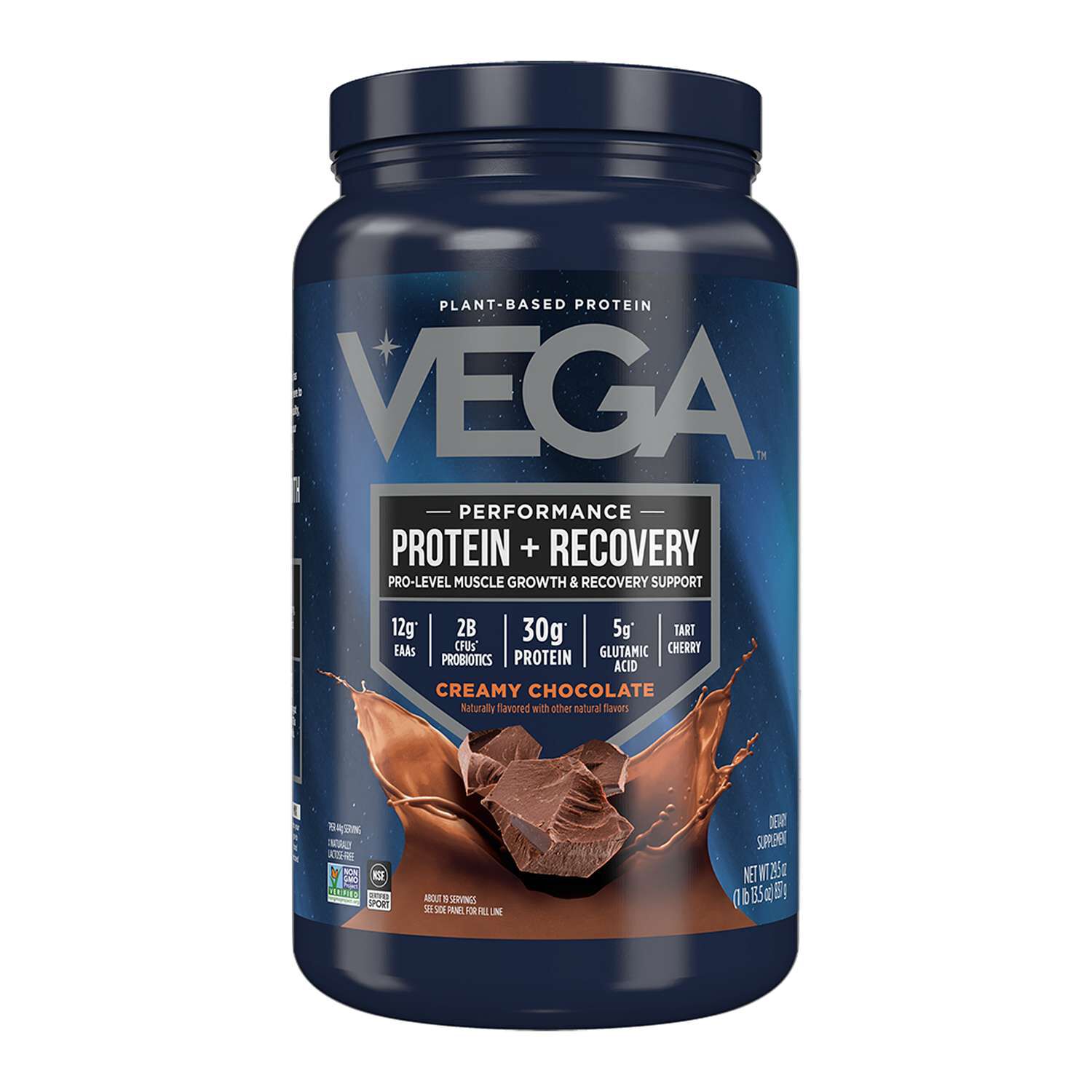
Vegan supplements for college students bring plant-based preferences into the everyday details of campus life, from breakfast in a residence hall to a shake mixed between an afternoon seminar and a recreation center visit. The category includes vegan multivitamins, vitamin B12, vitamin D from vegan sources, algae-based omega-3 supplements, and plant-based protein powders. Each represents a different type of product, with its own ingredients, serving format, and intended use; a vegan label does not make these options interchangeable. For students who avoid animal-derived ingredients, the source of a nutrient matters alongside the capsule shell, flavorings, and other ingredients in the formula. Gelatin, for example, is animal-derived, while some capsules use cellulose and some gummies use pectin. Vitamin D3 can come from lichen or animal-derived sources, so the nutrient name alone does not establish whether a formula is vegan. Omega-3 products made with algae offer an alternative to fish-derived formulas, and protein powders made with peas, soy, rice, or blends of plant ingredients provide options outside the dairy category. These distinctions are especially relevant to students navigating shared kitchens, campus dining menus, and limited cupboard space. Someone following a vegan eating pattern may prefer clearly identified ingredient sources, while a student exploring more plant-based choices might be interested in a powder that fits familiar recipes. Neither situation calls for an elaborate collection of containers. A single product category may be the starting point, depending on personal preferences and the foods already part of a student’s routine. Clear labeling, a manageable serving format, and storage requirements that suit a dorm room or apartment are practical considerations across the category. Vegan certification, when present, offers another point of reference, although vegan labeling and allergen information answer different questions. A formula made without animal-derived ingredients can still contain soy, tree nuts, or other allergens, making the full label more informative than a front-panel description alone.
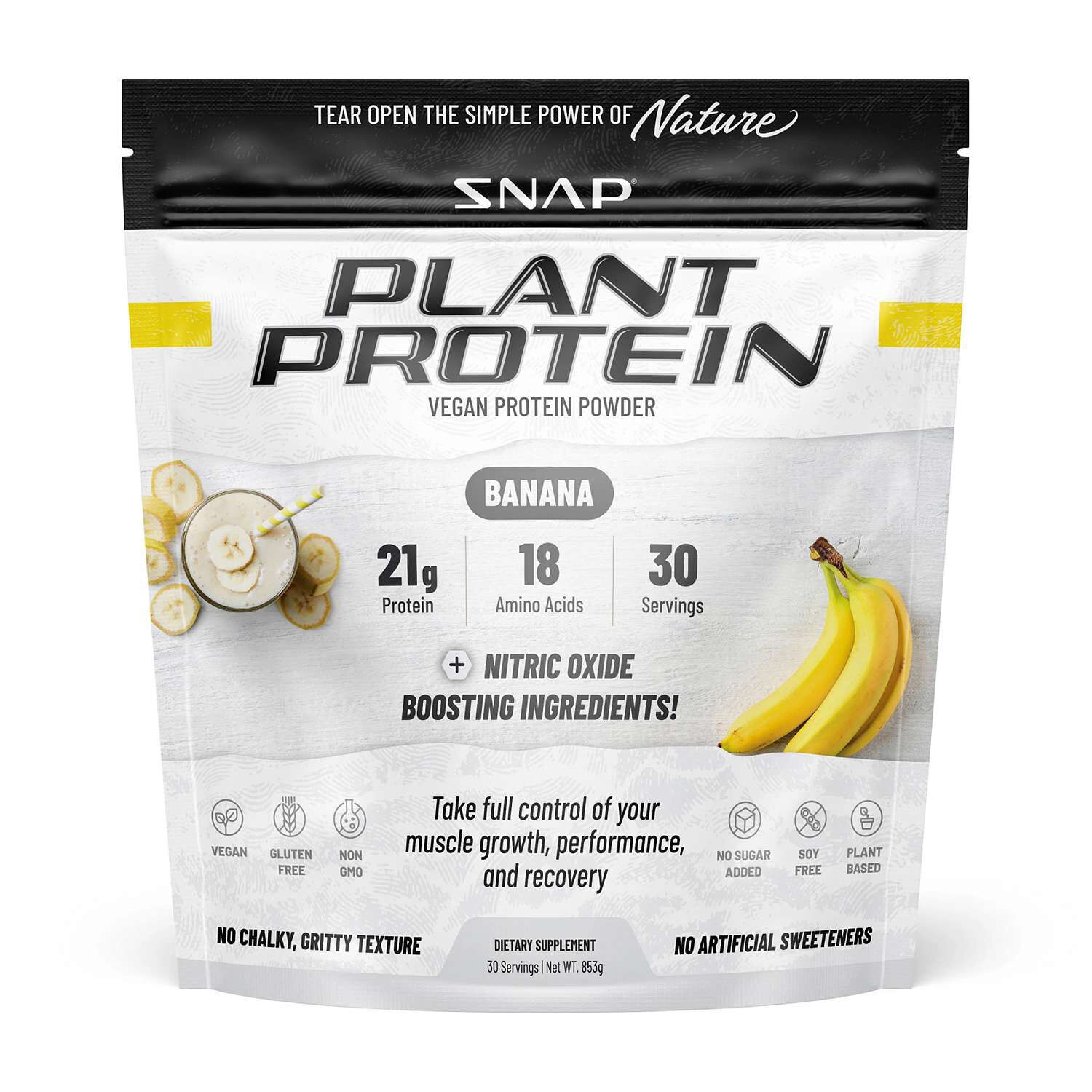
Ingredient details give vegan vitamins and supplements their individual character. Vitamin B12 is a frequent consideration in discussions of vegan eating because naturally occurring B12 is found primarily in animal-derived foods; fortified foods and supplements are other sources. Within the supplement category, B12 appears in standalone formulas and multivitamins, with formats such as tablets, chewables, and liquids. The amount per serving and the suggested serving size distinguish one formula from another, even when the product names sound similar. Vegan vitamin D supplements also differ by source and form, including D2 and lichen-derived D3. Algae-based omega-3 supplements can contain DHA, EPA, or a combination, so the specific fatty acids listed on the label provide more detail than the broad term omega-3. A vegan multivitamin combines several vitamins and minerals in one formula, but the nutrient selection and amounts vary. These are separate product categories, not a checklist that applies to every college student. Plant-based protein powder has a different place in the assortment: it is a powdered food supplement often mixed with water, a plant-based beverage, or other ingredients. Pea protein, soy protein, rice protein, and blended formulas differ in flavor, texture, and amino acid composition. Some powders have a noticeable earthy flavor; others use cocoa, vanilla, or fruit flavorings. An unflavored formula may fit oatmeal or a smoothie more easily for someone who prefers to choose the other flavors, while a flavored powder may suit a simple shaker-bottle preparation. The grams of protein per serving, number of scoops per serving, and mixing directions provide useful context beyond the flavor name. A powder that calls for a blender involves a different setup from one intended for a shaker cup. In a residence hall with a mini refrigerator and little counter space, that distinction matters. For a student living off campus with a kitchen, recipe flexibility may matter more. The most relevant comparisons center on what the formula contains and how it fits everyday use, rather than assumptions about grades, study stamina, or athletic results.
Format and packaging can be just as meaningful as the ingredient list when vegan supplements become part of a college routine. Capsules and tablets generally occupy less shelf space than a large powder container, while liquids involve measuring and may have storage directions after opening. Gummies and chewables offer another format, with flavor, texture, sweeteners, and serving size shaping the experience. A serving is not always one piece or one capsule, which makes the directions important when comparing package sizes. For powders, a secure lid, a readable label, and enough space to reach the scoop are small but noticeable details in a crowded apartment cabinet. Individually packaged servings can suit a backpack or an overnight bag, while a larger container is more likely to stay beside the breakfast supplies. Packaging durability matters during a move into student housing or a trip between home and campus; an intact closure keeps the contents contained, and the original label preserves ingredient and use information. Storage and care follow the package directions, including any instructions about refrigeration after opening. Shaker bottles and measuring accessories have their own cleaning instructions, a practical consideration for anyone sharing a sink with roommates. Students buying for themselves may prioritize a familiar texture or a clearly stated ingredient source. A family member considering a care package has a different task: matching the recipient’s known dietary preferences rather than guessing about a supplement routine. Broader browsing through Natural Supplements for College Students offers another way to compare categories, with vegan suitability determined by each formula’s ingredients and labeling rather than the word natural. Across these choices, the college connection is practical: portable formats, straightforward preparation, readable ingredient information, and packaging that fits a shared living space. Vegan supplements may complement a varied eating pattern, but they are not a substitute for meals or a shortcut to academic performance. Their place in campus life is as individual as the student choosing them.