Capsule Eye Health Supplements For Women
(0 Results)
Capsule eye health supplements for women offer a convenient way to support overall wellness and help maintain healthy vision. Designed to fit seamlessly into daily routines, these supplements are formulated with a variety of ingredients that may nourish the eyes and complement a balanced lifestyle. Explore options that could align with your personal wellness goals and discover how capsule eye health supplements for women might become a valuable addition to your supplement regimen.
-

-

-
-

-

-

-
-

-
 Purity Products$39.99
 -
 Nature's Fusions$39.99
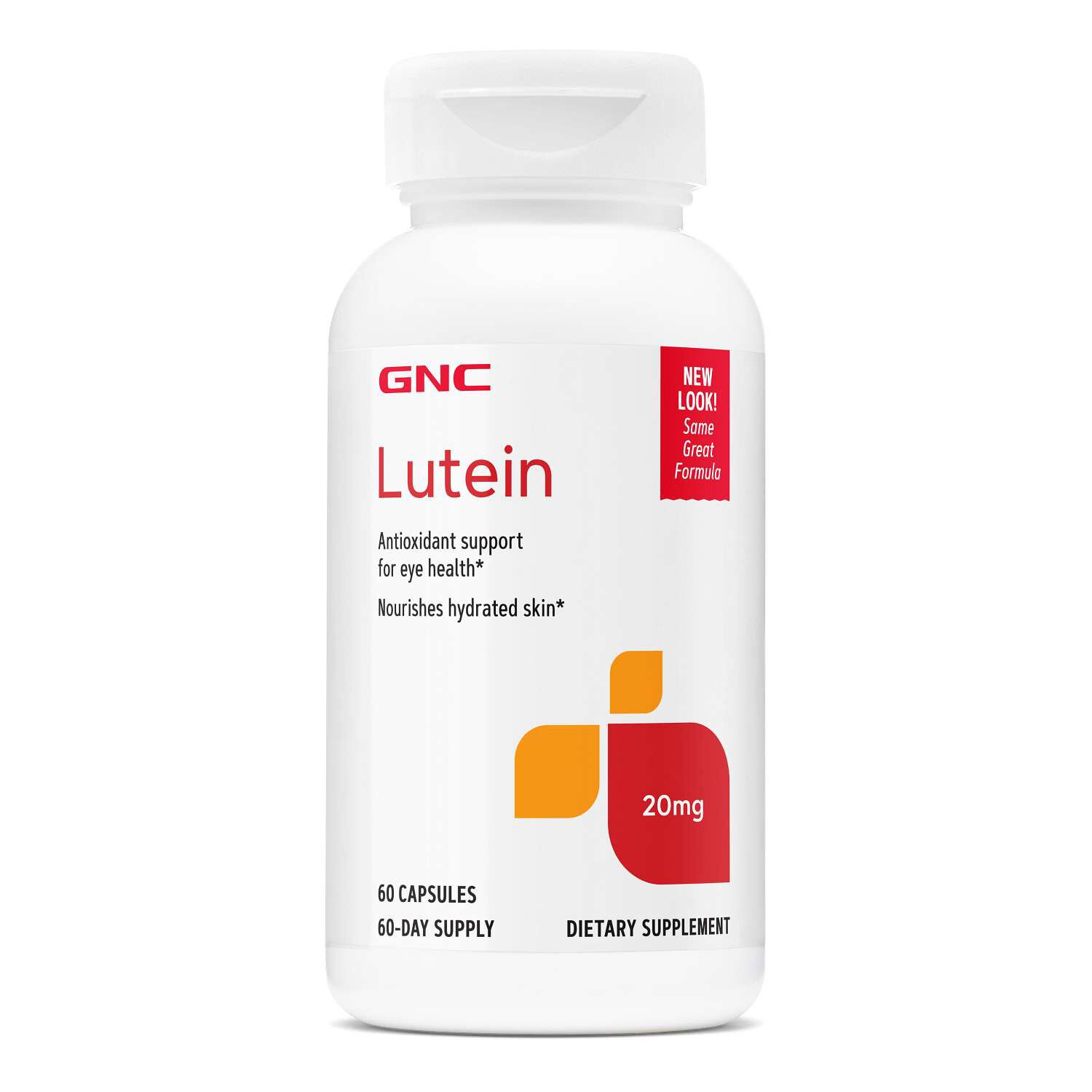
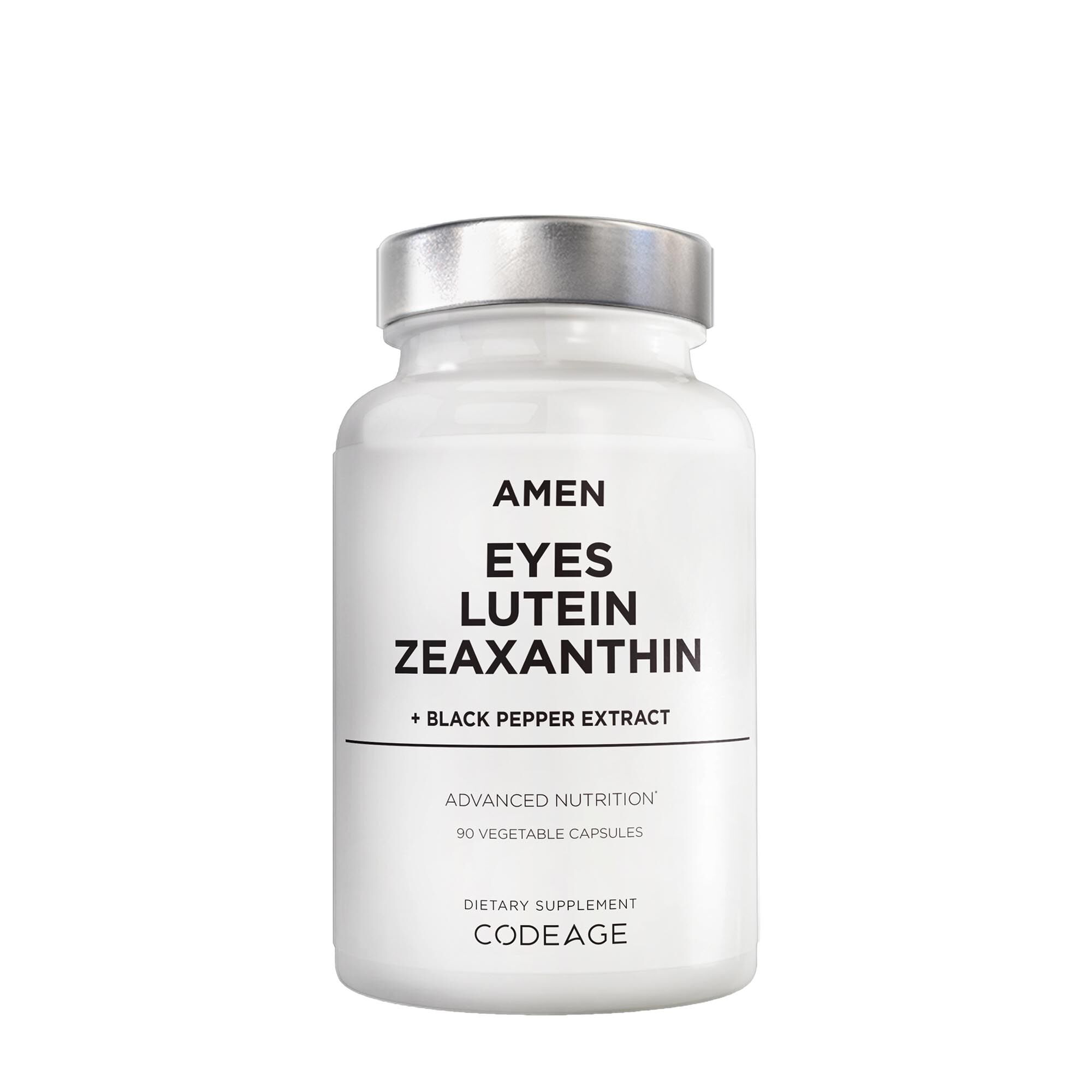
Capsule eye health supplements for women offer a convenient way to add selected nutrients to a daily wellness routine, especially for shoppers who prefer a simple, measured format. Many formulas feature carotenoids such as lutein and zeaxanthin, antioxidant vitamins including C and E, minerals such as zinc and copper, or omega-3 fatty acids like EPA and DHA. These ingredients are often chosen for their connection to the nutritional needs of the eyes, and they may support normal eye tissue, macular function, tear-film comfort, and the body’s natural defenses against oxidative stress. A capsule may fit easily beside a morning coffee, tucked into a travel case, or placed near a toothbrush as a reminder during busy workdays. Women who spend long hours moving between spreadsheets, phones, tablets, and evening television may appreciate having a focused eye wellness option within a broader routine that includes balanced meals, regular rest, hydration, and breaks from close-up screens. During the cooler months, when indoor heating and dry air can make personal comfort a bigger consideration, some shoppers may also look for formulas that include omega-3s or other nutrients associated with the tear film. These products are not a substitute for routine eye care, and anyone managing a diagnosed eye condition, taking prescription products, pregnant, nursing, or considering a high-potency formula may wish to review the label and discuss suitable choices with an eye-care professional.
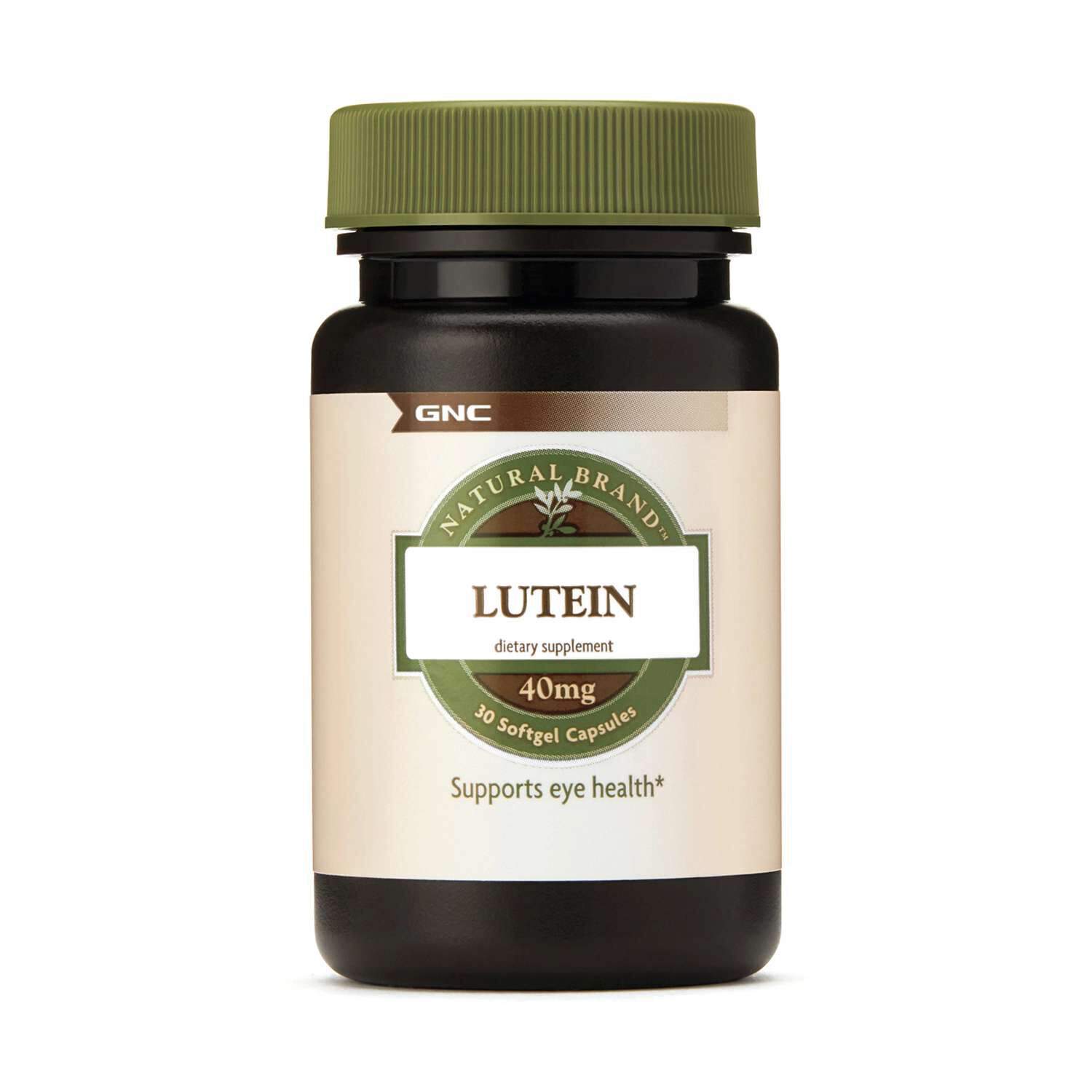
When comparing capsule eye health supplements, start with the Supplement Facts panel rather than relying only on the front of the package. A clear panel makes it easier to compare the amount of each nutrient, serving size, capsule count, and whether the product is intended for one or more capsules per day. Lutein and zeaxanthin frequently appear together in eye-focused formulas because they are carotenoids found in the macula, the central area of the retina involved in detailed vision. Vitamins C and E may offer antioxidant support, while zinc and copper are sometimes paired in carefully balanced formulas for shoppers who want a broader mineral profile. Omega-3 formulas may list EPA and DHA separately, so checking the actual amount of each is useful when comparing options. Some shoppers prefer a streamlined blend with a handful of familiar nutrients, while others look for a wider combination that fits an established supplement routine. Capsule size, coating, suggested serving, storage instructions, dietary preferences, and third-party quality information may also shape the decision. Anyone already using a multivitamin or another eye-focused product may want to compare labels to avoid unnecessary overlap, particularly when several products contain the same vitamins or minerals. For a wider selection organized around adult wellness needs, browse Adult Eye Supplements and consider which format feels easiest to use consistently.
These supplements may suit women building a practical self-care routine, supporting an active lifestyle, or shopping for a thoughtful wellness gift for a mother, sister, partner, friend, or colleague. They can be especially fitting for someone who enjoys organized daily habits, keeps a supplement container beside the kitchen window, or spends much of the day in a bright office and wants to pay closer attention to overall eye nutrition. A capsule-based option may also work well in a care package assembled for a frequent traveler, a remote worker, a graduate student, or someone settling into a new seasonal routine. Gift shoppers should keep personal preferences in mind: some recipients may prefer a smaller capsule, a once-daily serving, a vegetarian option, or a formula without certain ingredients. The best choice may be one that matches the recipient’s existing habits, dietary considerations, and comfort with supplement routines rather than the most elaborate label. As with any nutrition product, reading directions carefully may help shoppers understand serving size and storage, while consistent use according to the label may make the product easier to incorporate into everyday life. A capsule beside breakfast can become part of a steady rhythm, like sunlight across the kitchen counter or the familiar pause between a morning commute and the first screen-based task. Eye health supplements may complement nourishing food choices that include colorful produce, leafy greens, seafood, nuts, and seeds, along with sensible screen breaks and regular eye-care visits. During the transition from warmer days into cooler weather, a thoughtfully selected capsule may provide a convenient addition to a woman’s personal wellness shelf without adding another complicated step to the day.
Best Sellers
-
 Rho Nutrition
 -
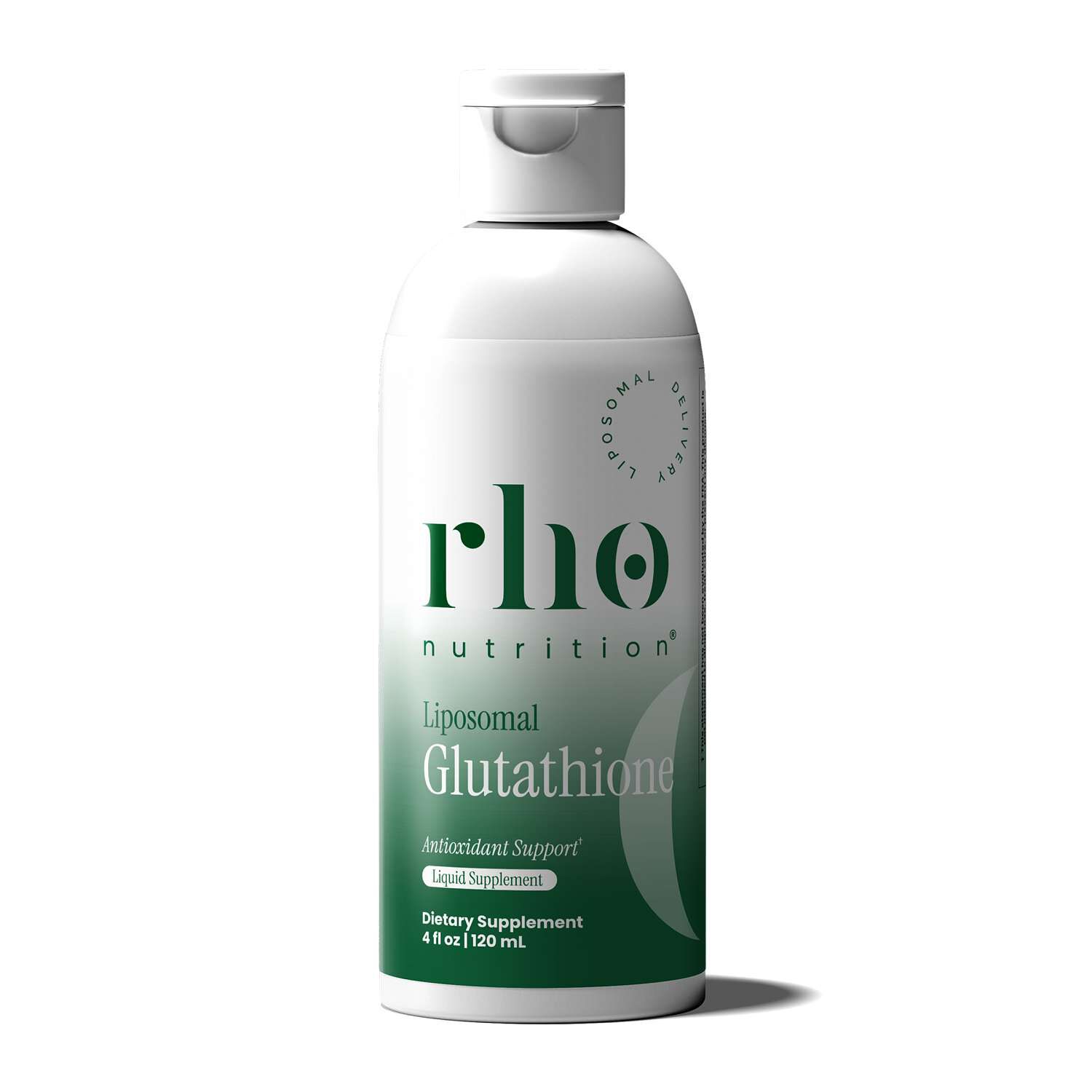 Rho Nutrition
 -
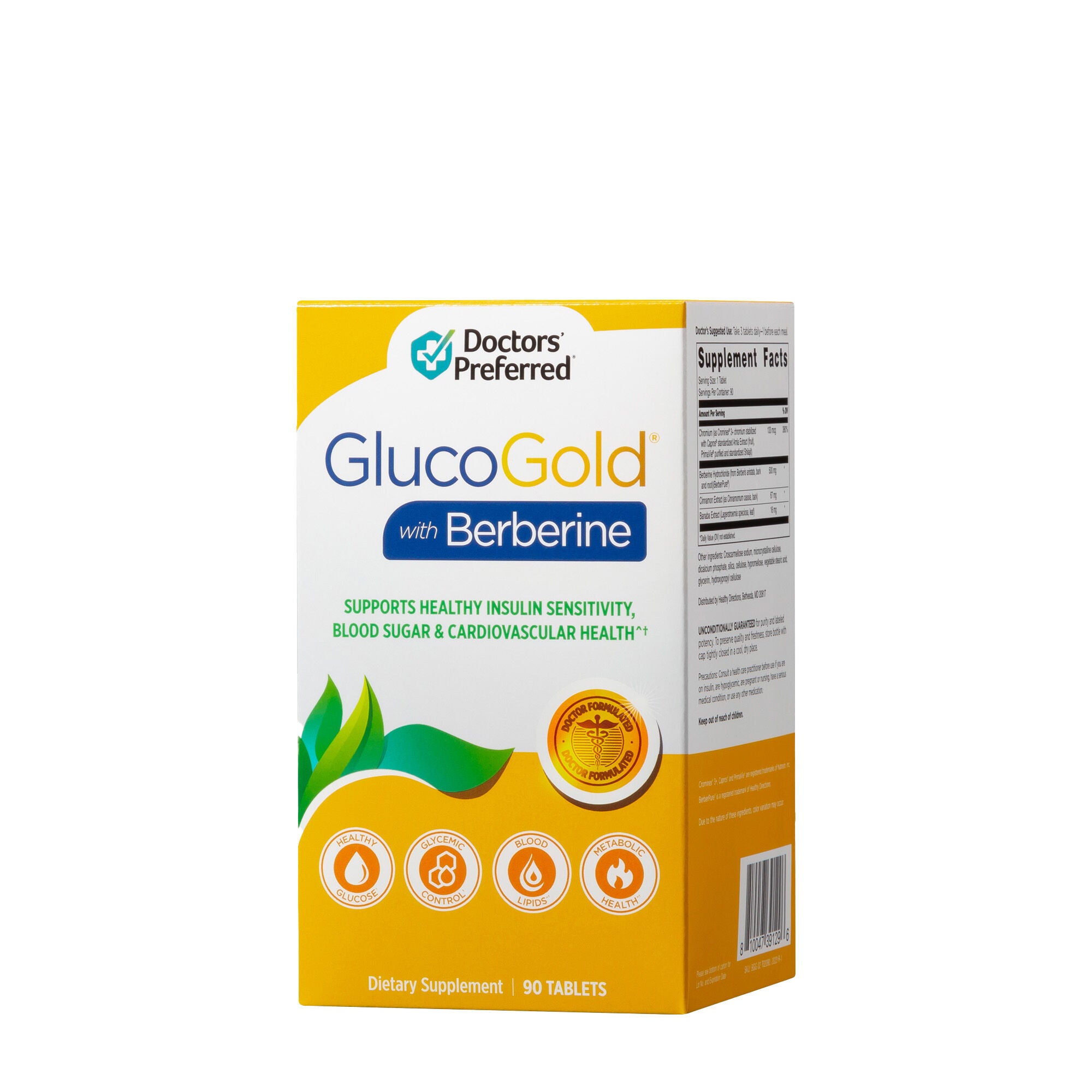 Doctors' Preferred