





Lutein Supplements For Women
(0 Results)
Lutein supplements for women could be an easy addition to your daily wellness routine. Sourced from nutrient-rich ingredients, these supplements may support a balanced lifestyle and help you meet your nutritional goals. Explore options that fit your needs and discover how lutein supplements for women might complement your overall approach to health and wellness.
-
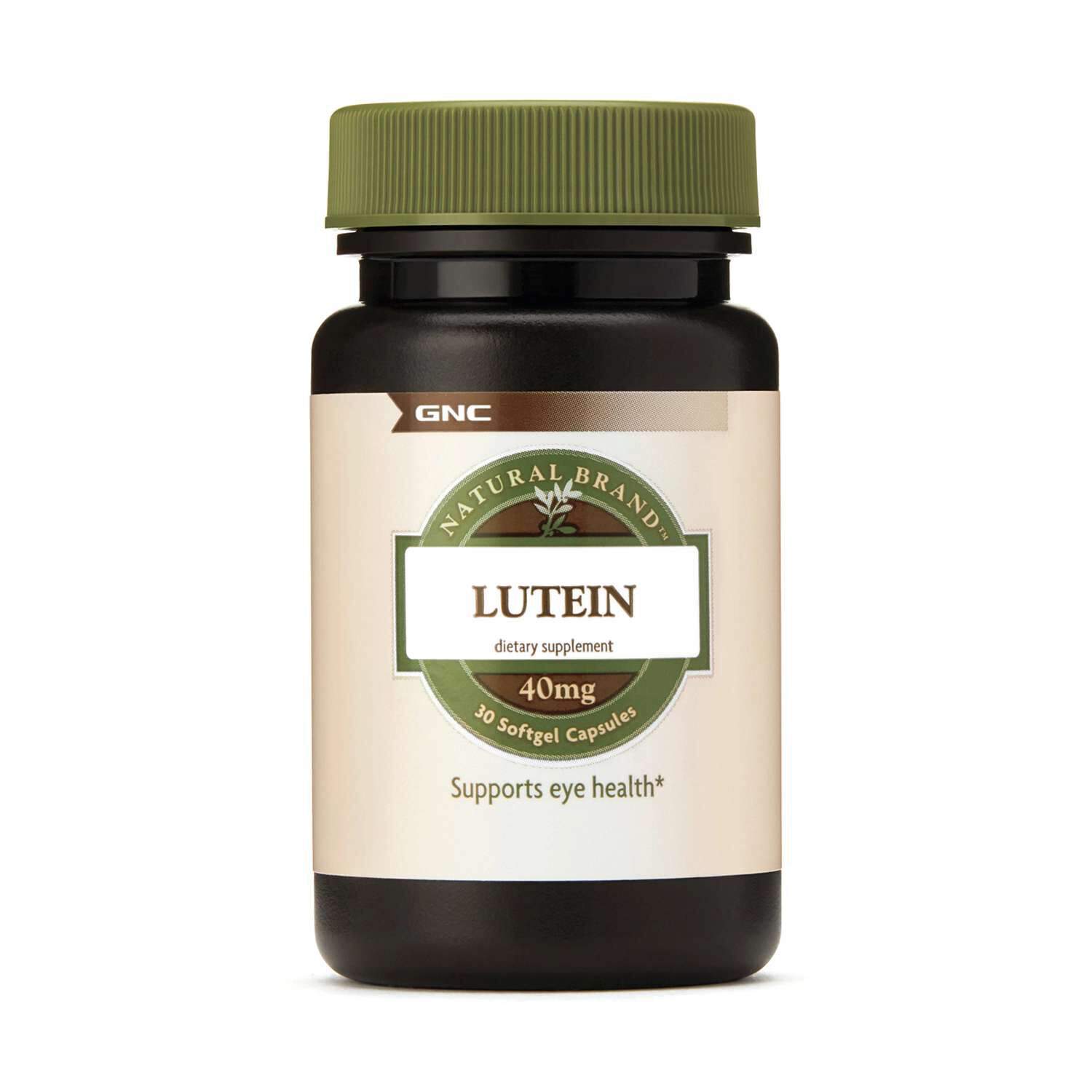
-

-
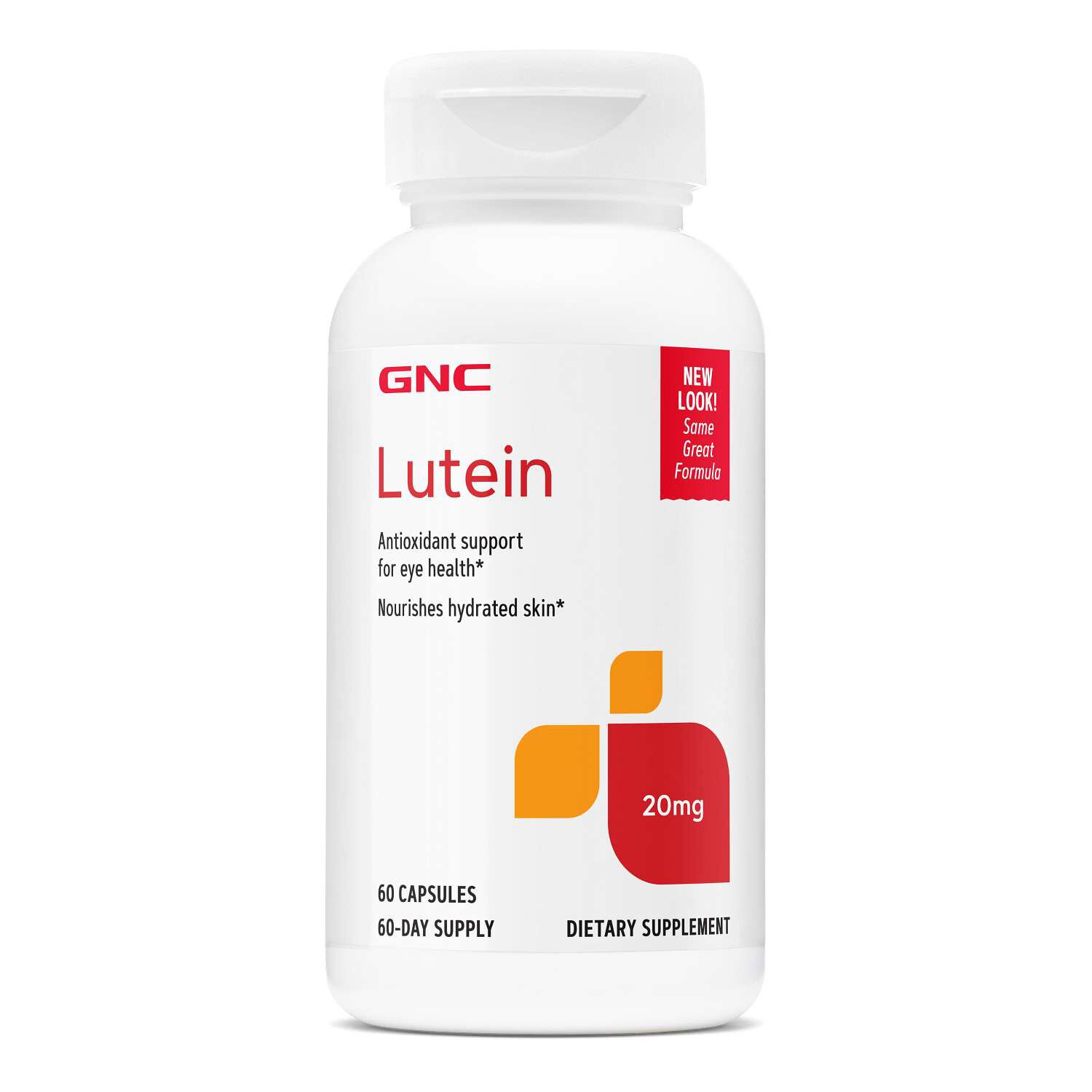
-

-
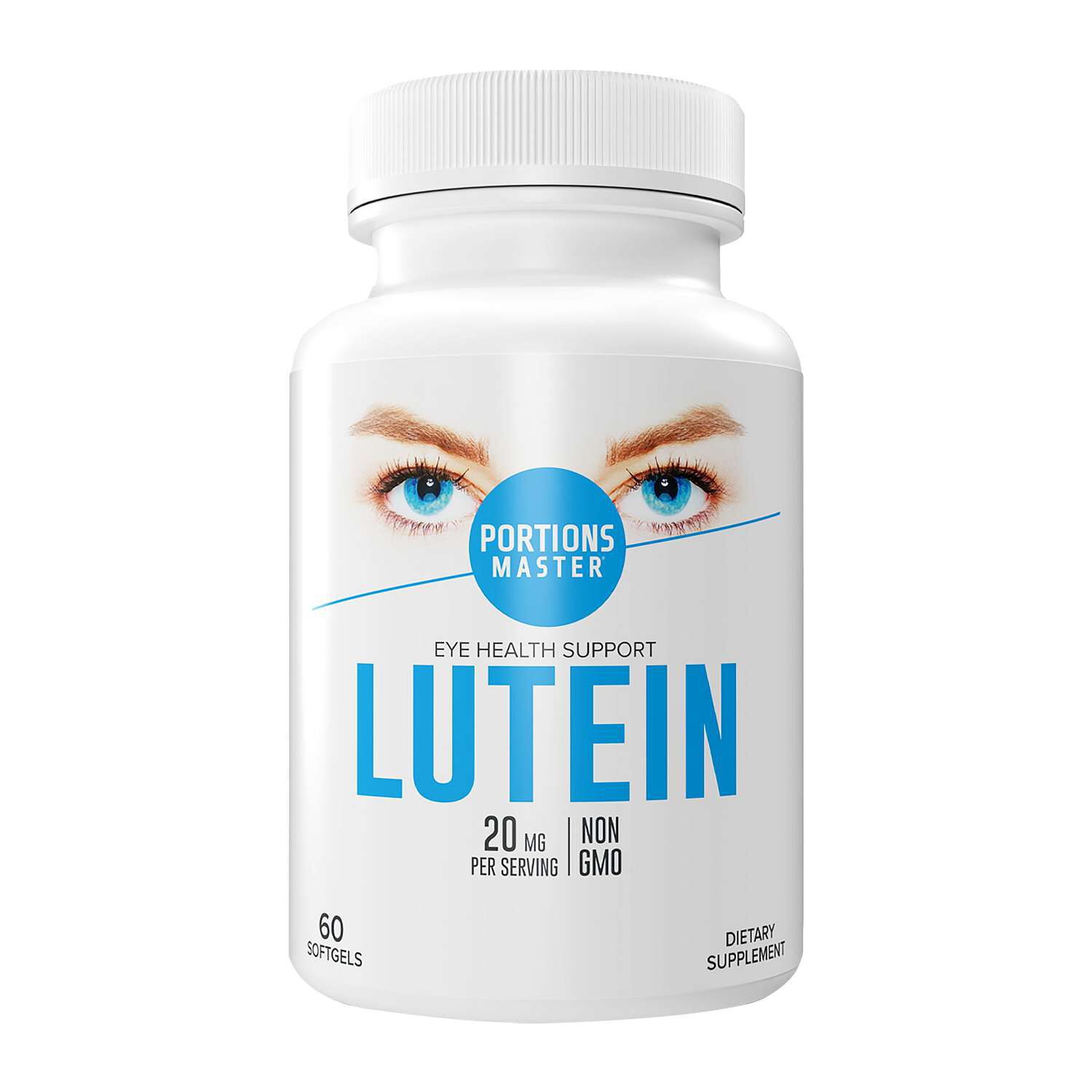 Portions Master$24.99
 -
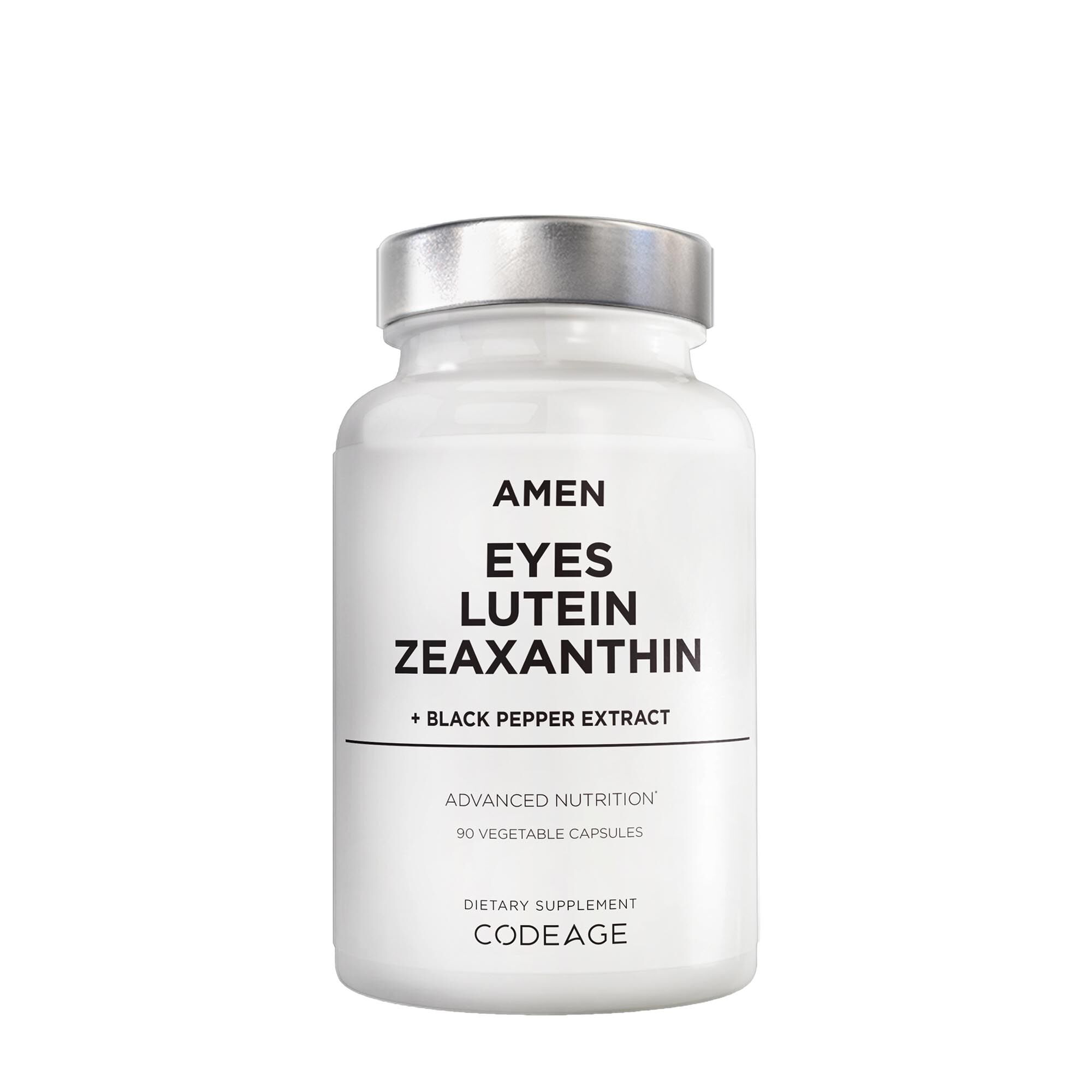
-
-

-

-

-

-

-
 $59.99
 -
-
-

-
-

-

-
 $99.99
 -
-

-

Lutein supplements for women bring a familiar food-derived carotenoid into a measured supplement format. Lutein is a yellow pigment found in foods such as spinach, kale, corn, and egg yolks, and it is also naturally present in the retina, including the macula, the central area involved in detailed vision. That connection explains why lutein often appears in conversations about eye-focused nutrition. The body does not make lutein, so dietary intake comes from foods and supplements. For women comparing these supplements, the most useful distinctions are often straightforward: the amount of lutein per serving, the other ingredients in the formula, the serving size, and the format. A bottle labeled for women does not, by itself, establish a different lutein requirement from one labeled for adults. The Supplement Facts panel provides a more meaningful comparison than the audience named on the front of the package. Some formulas feature lutein as the main ingredient, while others pair it with zeaxanthin, another carotenoid found in foods and in the retina. Broader formulas may include vitamins and minerals as well. These differences describe the composition of a supplement, not a reason to assume that a longer ingredient list is a better match. A woman who already has an established supplement routine may be interested in a simpler formula, while someone comparing broader blends may want to examine each ingredient separately. Neither approach makes the supplement a substitute for a varied diet. Leafy greens folded into an omelet, a spinach salad at lunch, and corn served alongside dinner remain familiar examples of foods that contain lutein. Supplements offer a separate, labeled source rather than reproducing the full nutritional composition of those foods. Keeping that distinction in mind gives this category a practical context: it is about comparing concentrated sources of a particular dietary pigment, with attention to what each serving actually contains.
The details of the capsule, tablet, or softgel matter just as much as the wording on the front label when choosing a format that fits personal preferences. Softgels commonly contain an oil-based filling enclosed in a shell, whereas capsules and tablets have different ingredient and manufacturing requirements. Lutein is fat-soluble, and some formulas include a carrier oil as part of their composition. The type of oil, the shell material, and the additional ingredients are worth noting, especially for shoppers with dietary restrictions. A plant-derived lutein source does not necessarily mean that the finished supplement is vegan; the shell may contain gelatin, and other ingredients may have different origins. Marigold extract is a common source of supplemental lutein, but source information and the declared lutein amount are separate details. A label may name a botanical extract while listing the actual lutein content elsewhere on the panel. Comparing the declared lutein amount rather than simply comparing extract weights makes the distinction clearer. Serving size deserves the same close reading. An amount listed for a two-softgel serving is not the amount in a single softgel, and the number of servings in a container is different from the number of capsules inside it. Milligrams, shown as mg, identify the quantity of lutein; a separate line may identify the quantity of zeaxanthin. For a blend, each listed nutrient contributes another point of comparison with any other supplements in the routine. The ingredient list also identifies materials used for the shell, texture, color, or stability, details that may influence a shopper’s preference even when the lutein amounts look similar. Clear dietary labeling can be useful, but the full ingredient statement provides the surrounding context. Format and physical size are personal considerations, too. Someone who prefers a compact softgel may evaluate a formula differently from someone who usually chooses tablets. Package images alone do not always convey dimensions, so any stated size information can be more informative than a photograph.
Intended use is another meaningful way to compare lutein supplements for women without relying on sweeping descriptions. These are dietary supplements, and their directions, ingredients, and labeled audience establish the context for use. A general adult formula and a women-focused formula may share similar ingredients, while two supplements with nearly identical names may differ in serving size or composition. Shoppers interested in that broader comparison can also explore Lutein For Adults, keeping the same attention on the label rather than assuming that category names describe equivalent formulas. Everyday fit often comes down to small, tangible details: whether the serving involves one capsule or several, whether the container is easy to keep organized, and whether the directions fit an existing routine. A woman sorting a weekly organizer might notice that a new blend repeats nutrients already listed on her multivitamin. Someone packing an overnight bag may place more value on a secure closure and a readable original label than on decorative packaging. Those scenarios illustrate why convenience is about more than the supplement’s shape. Packaging and care also deserve attention. The original container carries the ingredient information, directions, lot information, and any date marking, so retaining it preserves useful reference details. Storage instructions vary by formula, and the label is the appropriate source for handling requirements. Exposure to moisture, an improperly closed cap, or storage outside the stated conditions may affect the condition of capsules and softgels. A supplement bottle also has a different kind of longevity from a reusable accessory: the number of labeled servings and the date information matter more than the apparent sturdiness of the package. For gifting, supplements are a personal choice, particularly when ingredient preferences and existing routines are unknown. A recipient’s stated interest and familiarity with a format provide more useful context than assumptions based on age or gender. Across this category, thoughtful comparison stays grounded in a few concrete facts: the lutein source, the amount per serving, companion ingredients, dietary suitability, and package directions. Those details make it easier to distinguish formulas while keeping expectations centered on their role as dietary supplements.
Best Sellers
-
 Rho Nutrition
 -
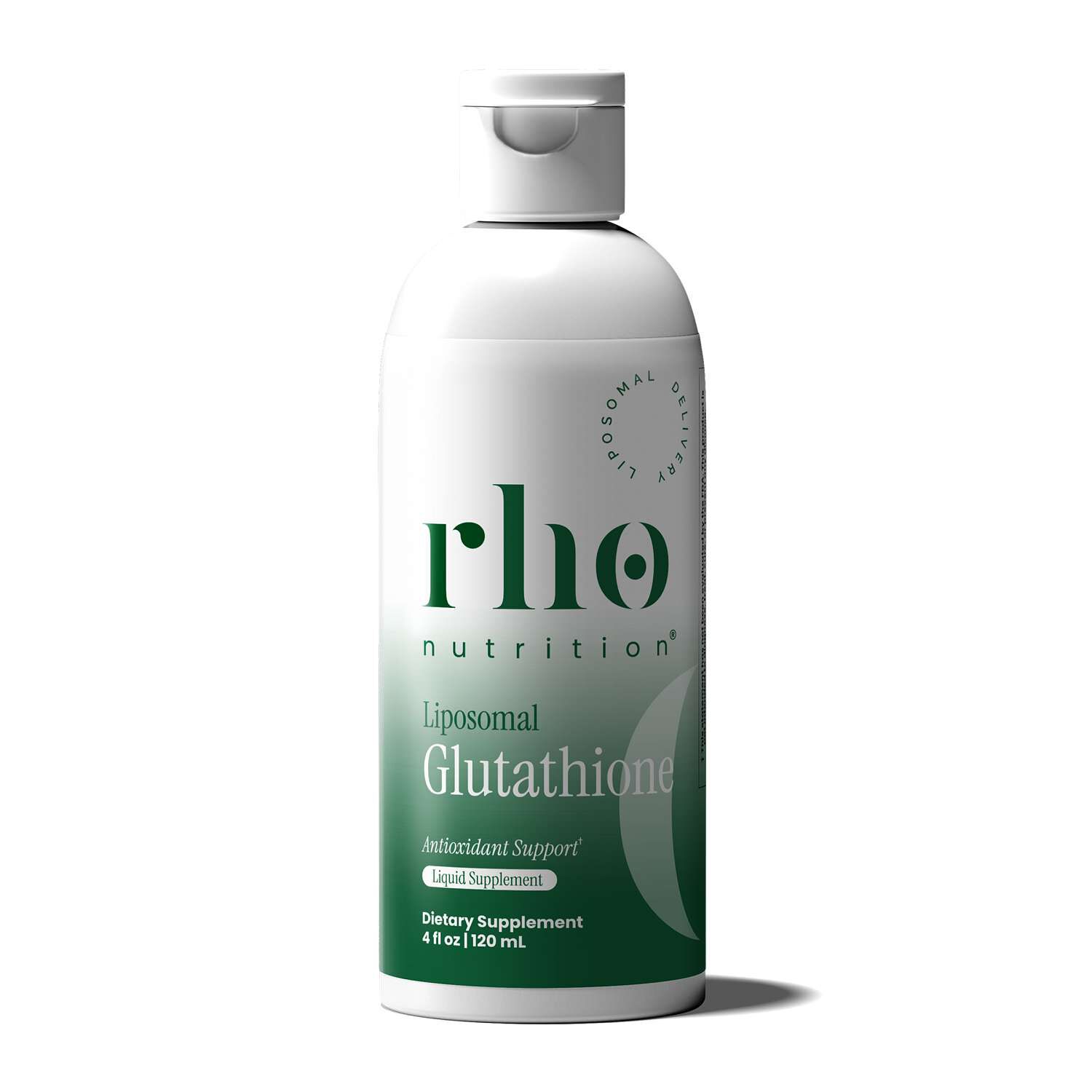 Rho Nutrition
 -
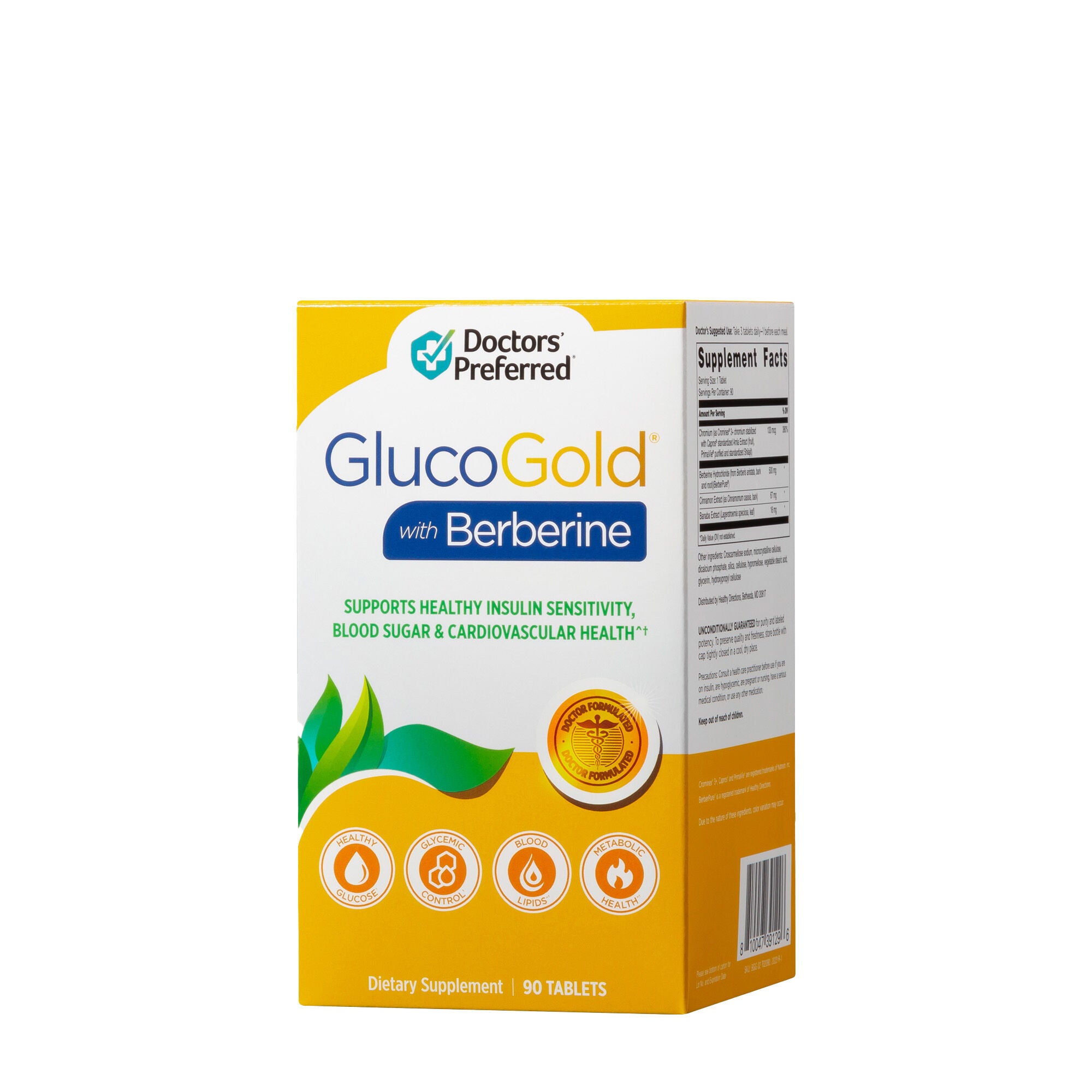 Doctors' Preferred
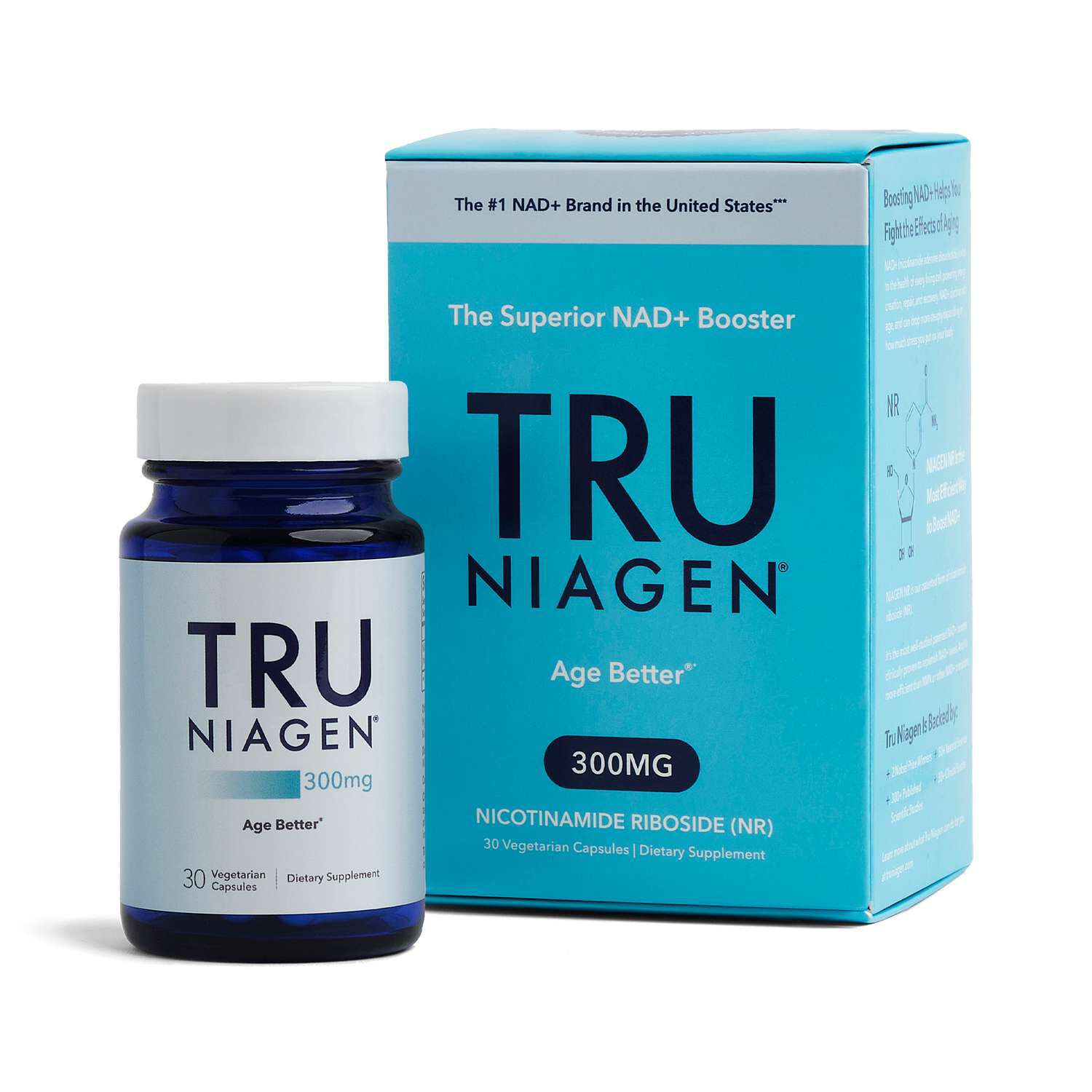
Related Pages
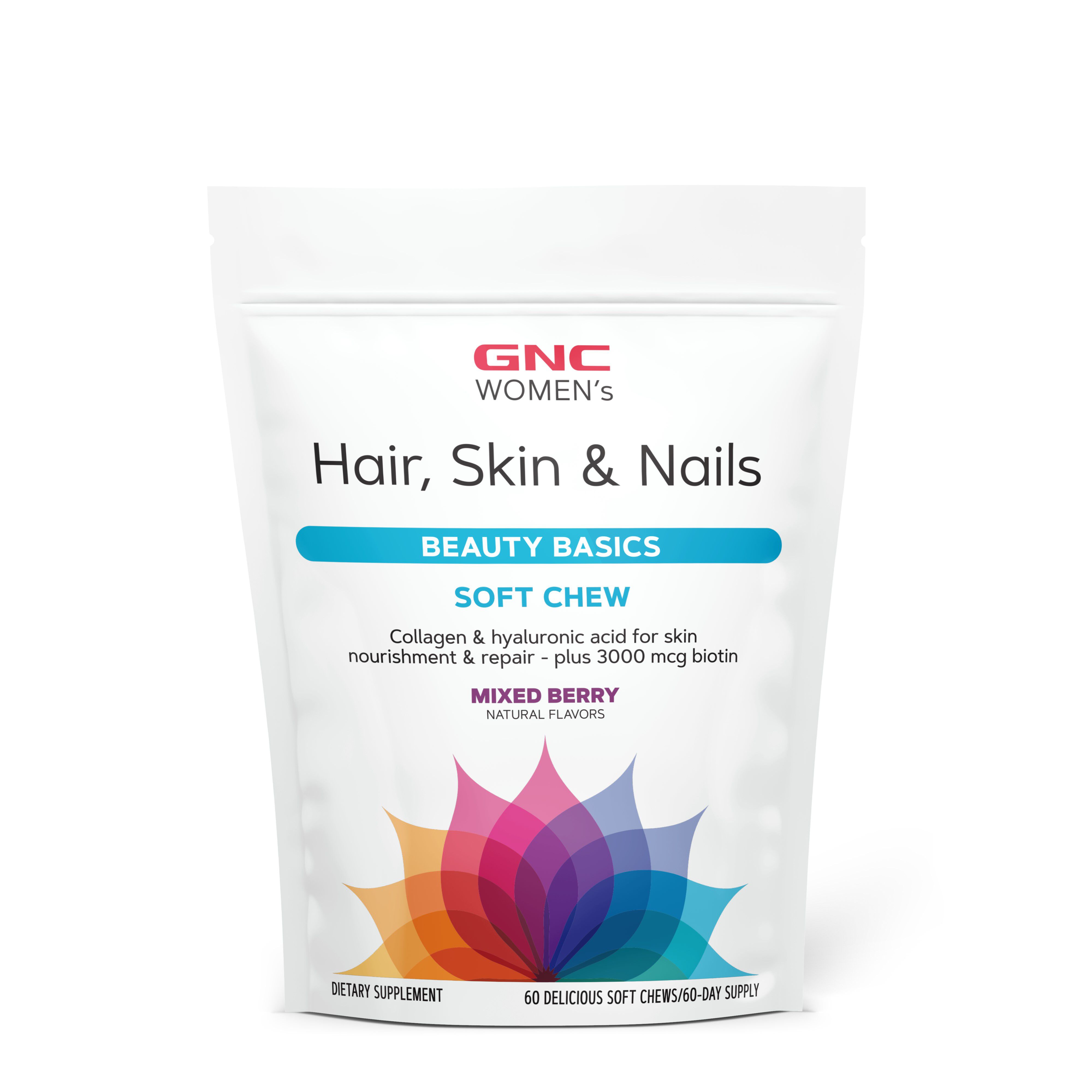
Top Collections
- Daily Collagen Supplements | Top Brands & Deals | GNC
- Natural Collagen Supplements | Top Brands & Deals | GNC
- Top Rated Collagen | Shop Customer Favorites | GNC
- Cortisol Supplements
- Vitamins For Hair Loss
- Spirulina Tablets
- NAD+ Supplement Tablets
- Peptide Supplements
- Best Brand of Magnesium Glycinate
- Vitamins That Help Support Weight Gain