Lutein Supplements For Antioxidant Protection
(0 Results)
Lutein supplements for antioxidant protection may offer support for those looking to enhance their daily wellness routine. Featuring a range of options to suit different lifestyles and preferences, these supplements are designed to fit seamlessly into your regimen. Explore a variety of lutein formulas that could help you prioritize your overall health and well-being.
-

-

-

-

-
-
-

-

-
-

-

-
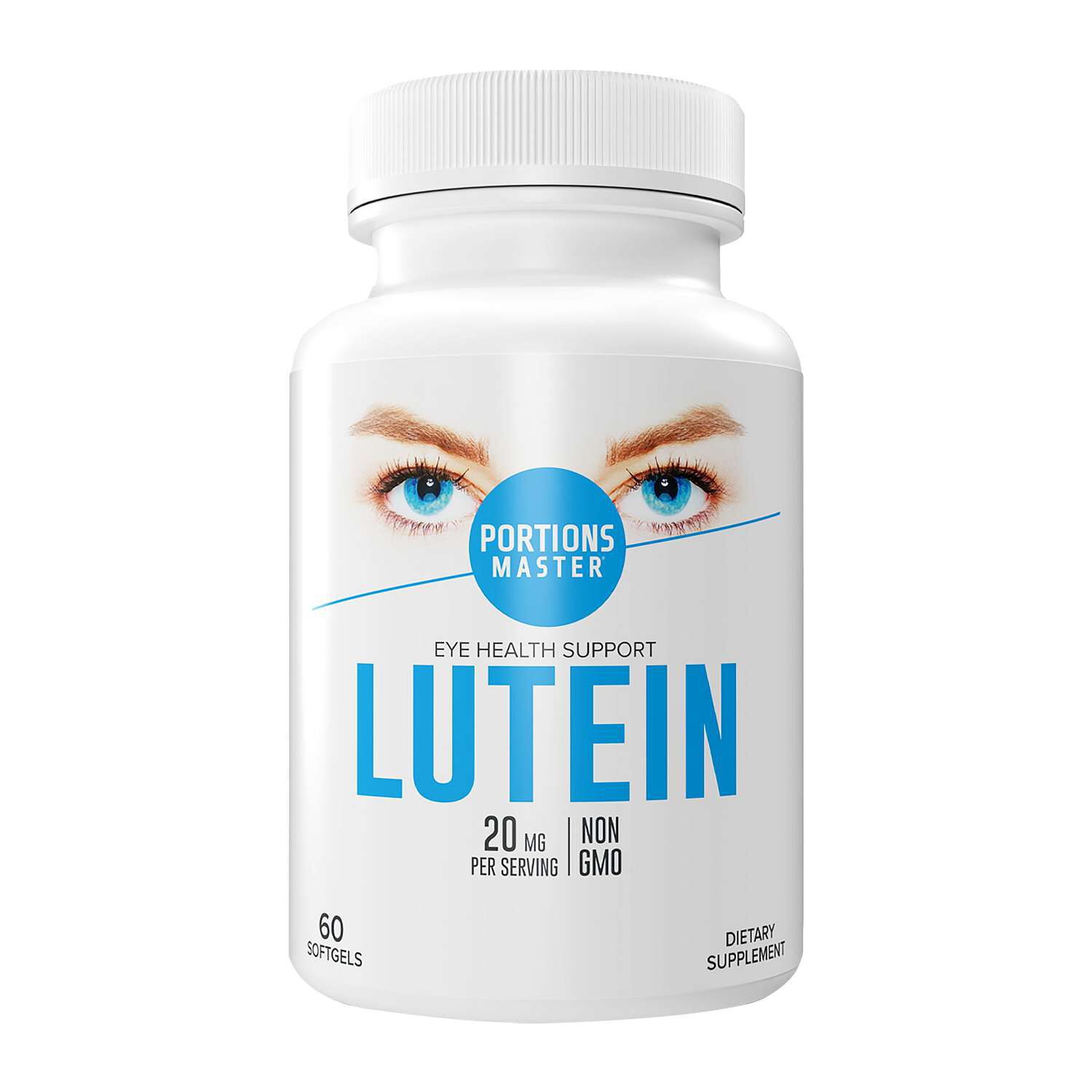 Portions Master$24.99
 -
 $59.99
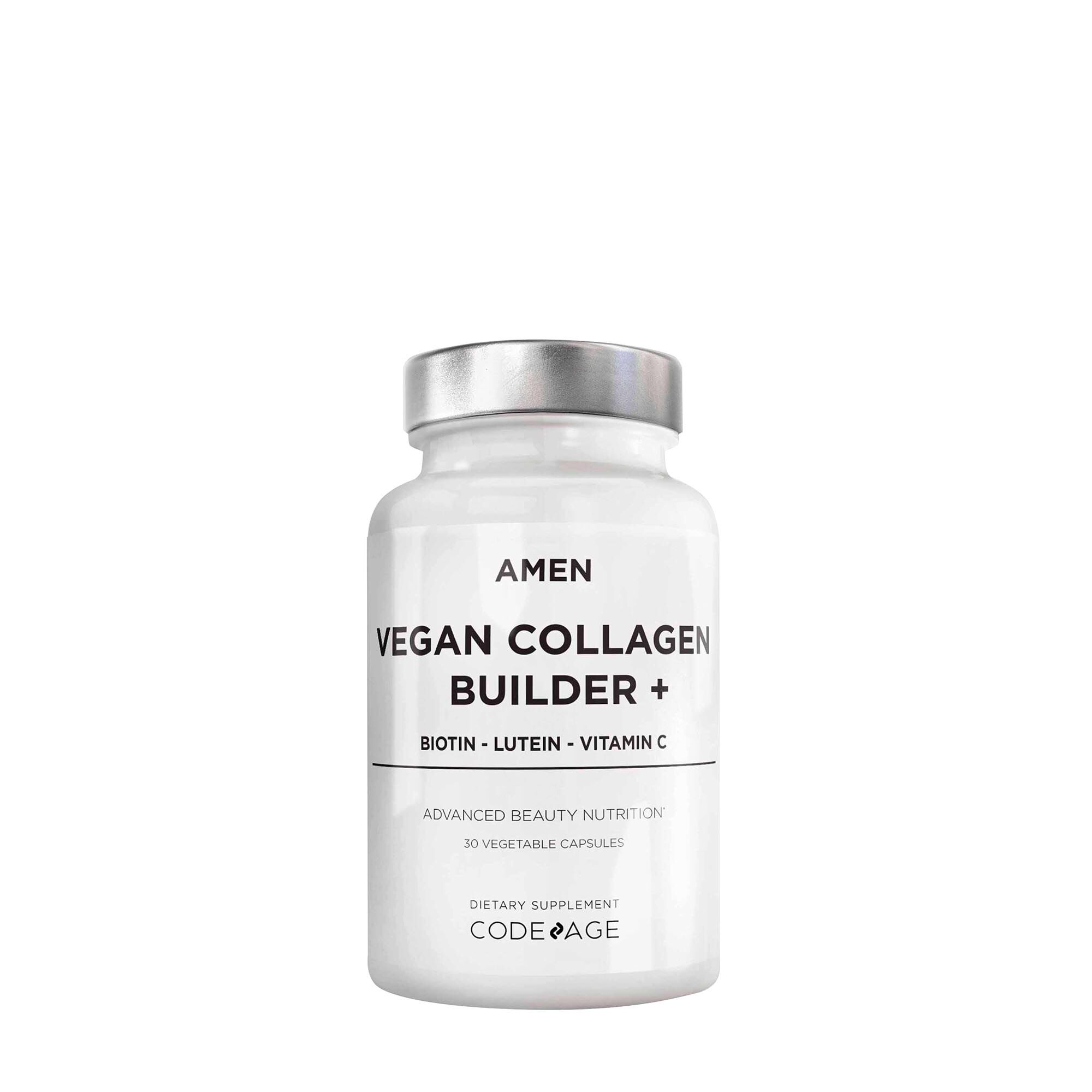
Lutein supplements for antioxidant protection bring a naturally occurring plant pigment into focus for adults exploring nutrition and everyday wellness. Lutein belongs to the carotenoid family, a group of pigments responsible for yellow, orange, and red colors in many foods. More specifically, it is a xanthophyll, a type of carotenoid also found in leafy green vegetables, where chlorophyll masks its yellow color. Spinach, kale, collard greens, and egg yolks are familiar dietary sources. The human body does not produce lutein, so it comes from food or supplements. As part of a varied eating pattern, supplemental lutein may contribute to antioxidant support. That possibility is the central consideration in this category, rather than a change someone can necessarily see or feel. Antioxidants are studied in connection with oxidative stress, a term describing an imbalance involving reactive molecules and the body’s defenses. Lutein is also naturally present in the macula, a small area near the center of the retina, which explains its frequent association with eye-focused nutrition. Its presence there does not mean that every supplement has the same purpose or composition. Some formulas focus on lutein alone, while others pair it with zeaxanthin, a related carotenoid, or additional vitamins and minerals. For shoppers, those differences make the ingredient panel more useful than broad front-label language. A person who prefers a short ingredient list may be drawn to a single-carotenoid formula; someone comparing several nutrients in one serving may spend more time reviewing a blend. Neither approach makes food sources less relevant. A plate of sautéed greens, an egg alongside breakfast, or a salad with a little olive oil provides context for understanding lutein as part of ordinary nutrition. Supplements offer another format for incorporating this ingredient, with the label defining what each serving actually contains.
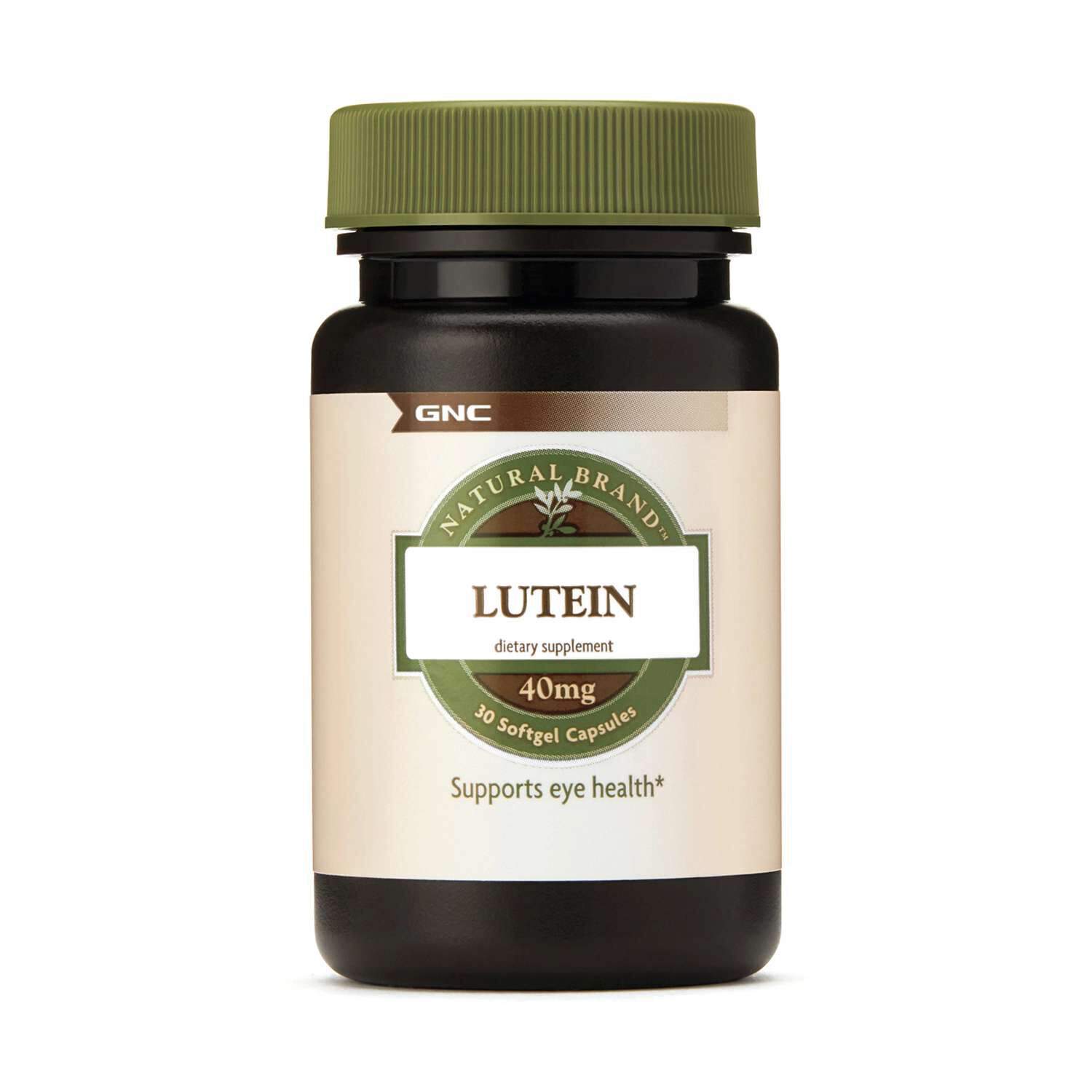
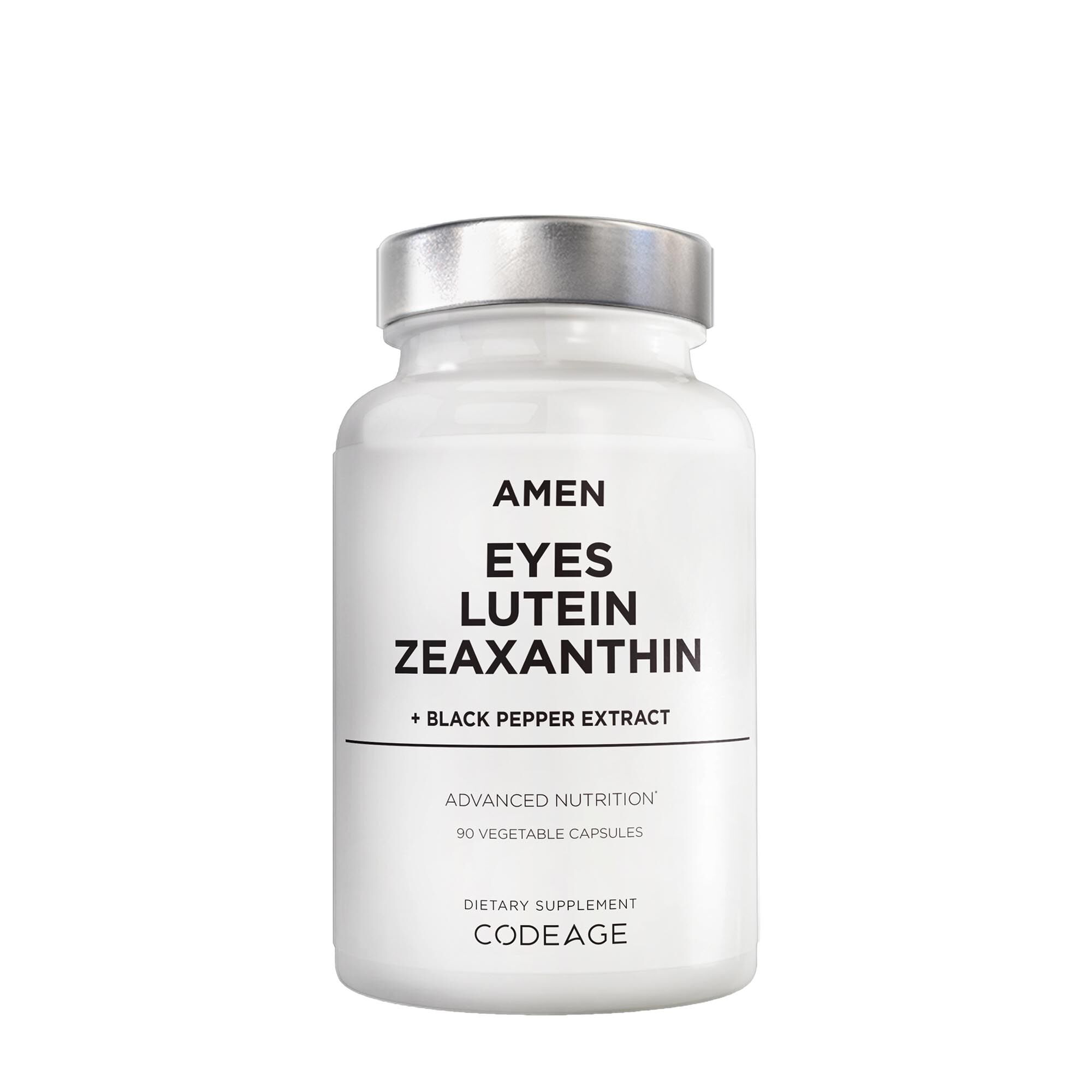
Comparing lutein supplements starts with three details: the amount of lutein per serving, the number of capsules or softgels in that serving, and the other ingredients included. Amounts are typically expressed in milligrams, abbreviated as mg. The number printed prominently on a package may refer to a serving rather than an individual capsule, so two bottles with similar front labels can represent different routines. Serving size also puts bottle count in context: a bottle containing sixty capsules does not necessarily contain sixty servings. When zeaxanthin appears alongside lutein, its amount deserves a separate look instead of being treated as part of the lutein amount. There is no reason to assume that a larger number or a longer ingredient list is automatically a better match for every shopper. Blends may include vitamin C, vitamin E, zinc, or other carotenoids, and those additions change the formula’s nutritional profile. For someone already comparing a multivitamin with a separate antioxidant supplement, reviewing both panels makes overlapping ingredients easier to identify without relying on similar package descriptions. The physical format matters, too. Softgels often contain an oil-based filling, while capsules and tablets use different combinations of shells, powders, and supporting ingredients. Lutein is fat-soluble, and formulation details may influence its absorption; an oil-containing softgel should not be assumed to perform the same way as every other delivery format. Directions on the package provide the relevant serving and meal instructions for that formula. Shell materials are another practical distinction. A softgel may contain gelatin, while some capsules use plant-derived materials. A plant-derived lutein source does not, by itself, establish that the finished supplement suits a vegetarian eating pattern. Marigold extract is one source used in supplements, but the shell, carrier oils, colors, and other ingredients still deserve attention. For shoppers with dietary preferences or ingredient sensitivities, the full label and stated allergen information offer more detail than a botanical image on the bottle. Clear labeling makes these differences easier to compare, especially when several formulas initially appear alike.
An everyday fit involves more than the ingredient amount. Capsule dimensions, serving frequency, package design, and readable directions can all affect how convenient a supplement feels within an established routine. For an adult who prefers fewer steps at breakfast, a formula with a straightforward serving format may be more appealing than one requiring several capsules. Someone who travels often may pay closer attention to the closure and the space a bottle occupies in an overnight bag. Those are usability considerations, not measures of nutritional performance. Packaging care matters as well: the original container keeps the ingredient information, lot identification, storage instructions, and expiration date together. A securely closed bottle stored according to its label is a more useful reference than loose capsules in an unmarked container. A readable expiration date and intact packaging are concrete details to check when evaluating a supplement’s condition. Quality descriptions deserve similarly careful reading. If independent testing or certification is stated, the named organization and the scope of that assessment matter; a testing statement should not be interpreted as evidence of a particular personal outcome. Transparent ingredient amounts, clearly identified sources, and accessible directions provide practical comparison points without relying on dramatic claims. Adults interested in carotenoids may also encounter collections organized around different wellness interests, including Lutein Supplements for UV Protection. A collection name is a browsing category, not evidence that an oral supplement replaces sunscreen, sunglasses, or other sun-protective measures. Across related collections, the same careful comparison remains useful: distinguish lutein from accompanying nutrients, check the serving format, and consider how the ingredient list fits personal preferences. A blend with several components and a simpler lutein formula can look similar on a shelf while differing substantially on the back label. The most informative details are often the least dramatic ones—the precise amount per serving, the capsule material, the carrier ingredients, and the directions that explain intended use. Together, those details give shoppers a grounded way to explore lutein supplements as a possible addition to a varied nutrition routine, without treating an antioxidant label as a prediction of individual results.
Best Sellers
-
 Rho Nutrition
 -
 Rho Nutrition
 -
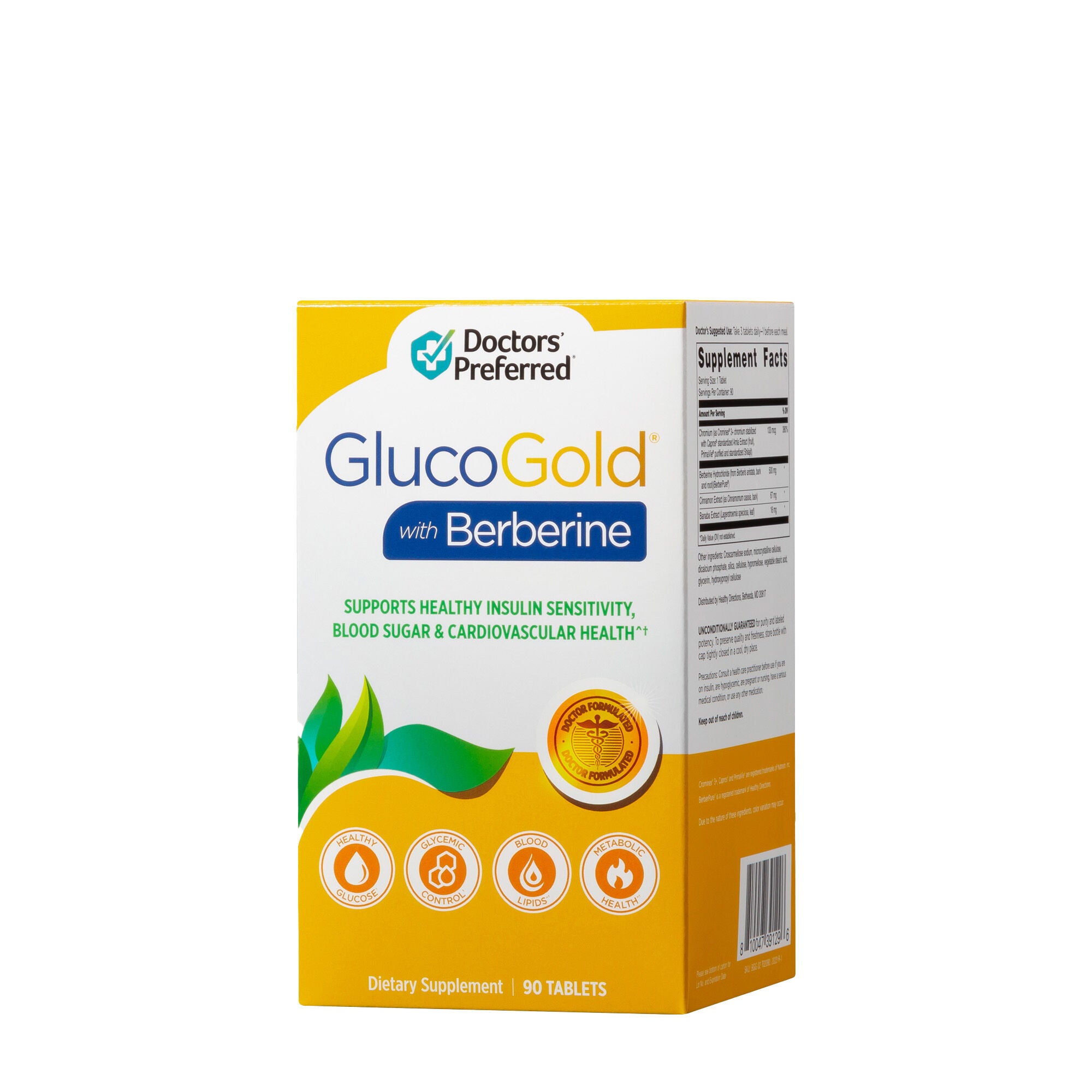 Doctors' Preferred