Lutein Supplements For Cell Protection
(0 Results)
Lutein supplements for cell protection are a popular choice for those looking to support their overall wellness routine. Packed with this naturally occurring carotenoid, these supplements may play a role in helping your body combat everyday stressors. Whether you’re seeking to add extra nutrients to your daily regimen or aiming to maintain your health as you age, lutein supplements for cell protection could be a valuable addition to your supplement lineup. Explore a variety of options and find the right fit for your lifestyle and wellness goals.
-

-

-

-

-
-
-

-

-
-

-

-
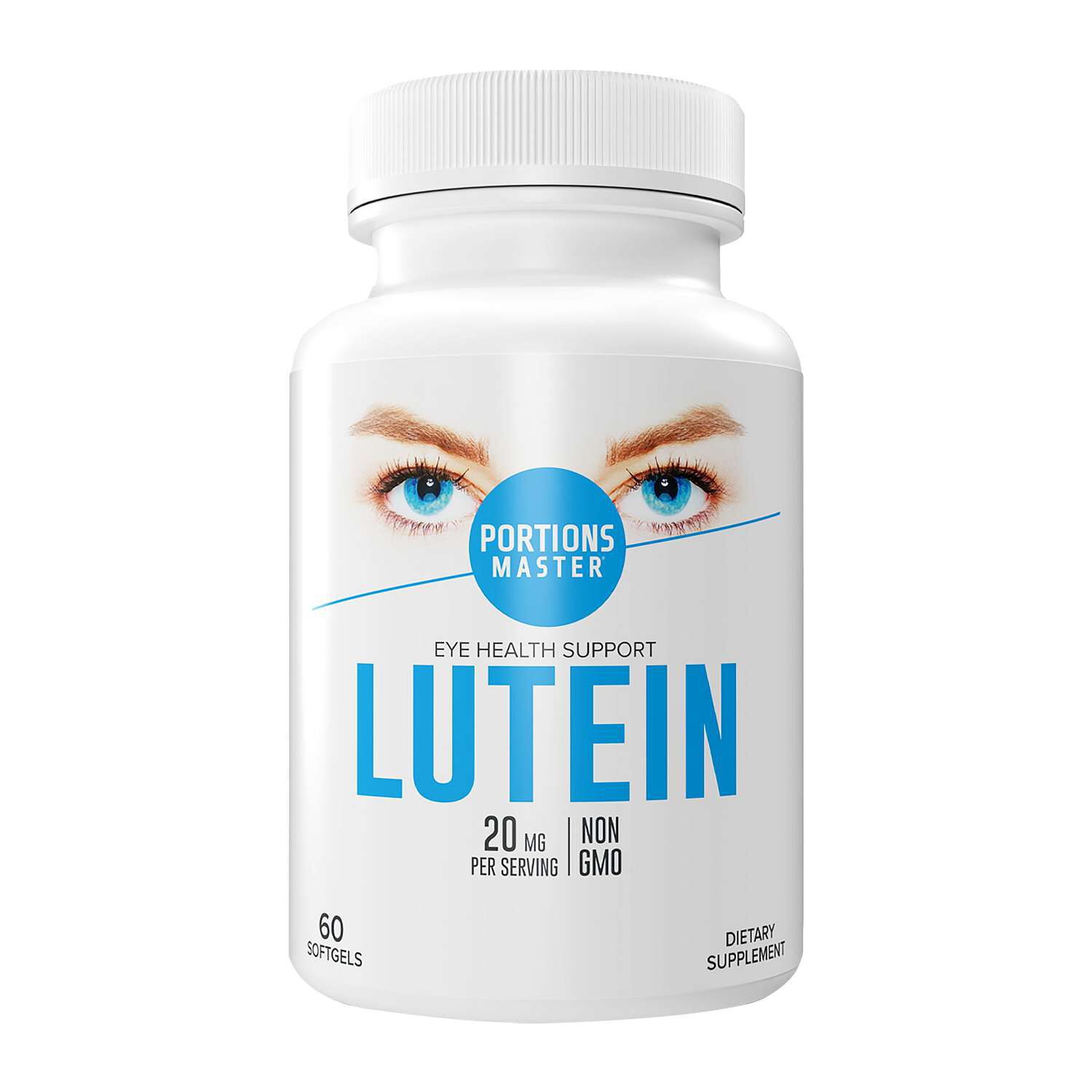 Portions Master$24.99
 -
 $59.99
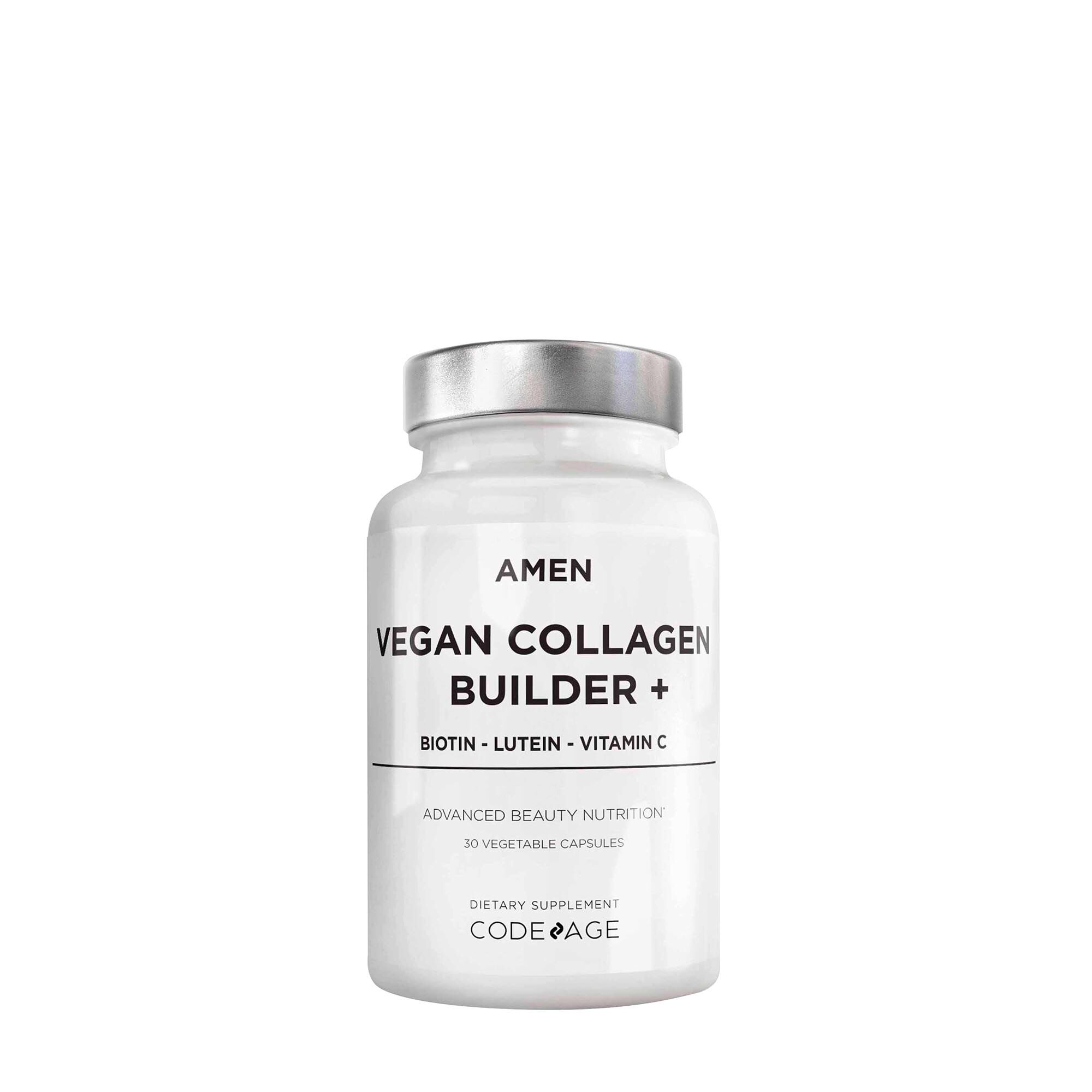
Lutein supplements for cell protection bring a familiar plant pigment into a convenient nutritional format, with options suited to different ingredient preferences and daily routines. Lutein is a carotenoid, part of the family of pigments responsible for many of the yellow, orange, and red colors found in nature. It also occurs in green vegetables, where chlorophyll masks its color, and in foods such as spinach, kale, broccoli, and egg yolks. In the body, lutein is found in several tissues, including the macula, the small central area of the retina associated with detailed vision. That connection explains why lutein appears so often in supplements positioned around eye nutrition, even when the broader shopping focus is cellular wellness. As a dietary antioxidant, lutein may support normal cellular antioxidant activity. Here, cell protection describes a nutritional focus rather than a physical shield or a certain outcome. Supplements provide a measured amount of lutein in each labeled serving, making their ingredient content easier to compare than the varying amounts in individual foods. They are intended to complement a varied eating pattern, not stand in for vegetables, balanced meals, or everyday wellness habits. For someone who already keeps leafy greens in the refrigerator, a lutein supplement may be another consideration within an established nutrition routine. For another shopper, the appeal may be a straightforward formula with clearly stated ingredients and a format that fits an existing supplement organizer. Neither situation calls for the most elaborate blend by default. A focused lutein formula and a blend containing several nutrients represent different approaches to the same category, and the distinction matters more than the length of the ingredient list. The most useful comparisons begin with what the supplement contains, how that content is measured, and whether its intended use matches the shopper’s preferences. Clear labeling helps keep the emphasis on those concrete details rather than on broad language about cellular wellness.
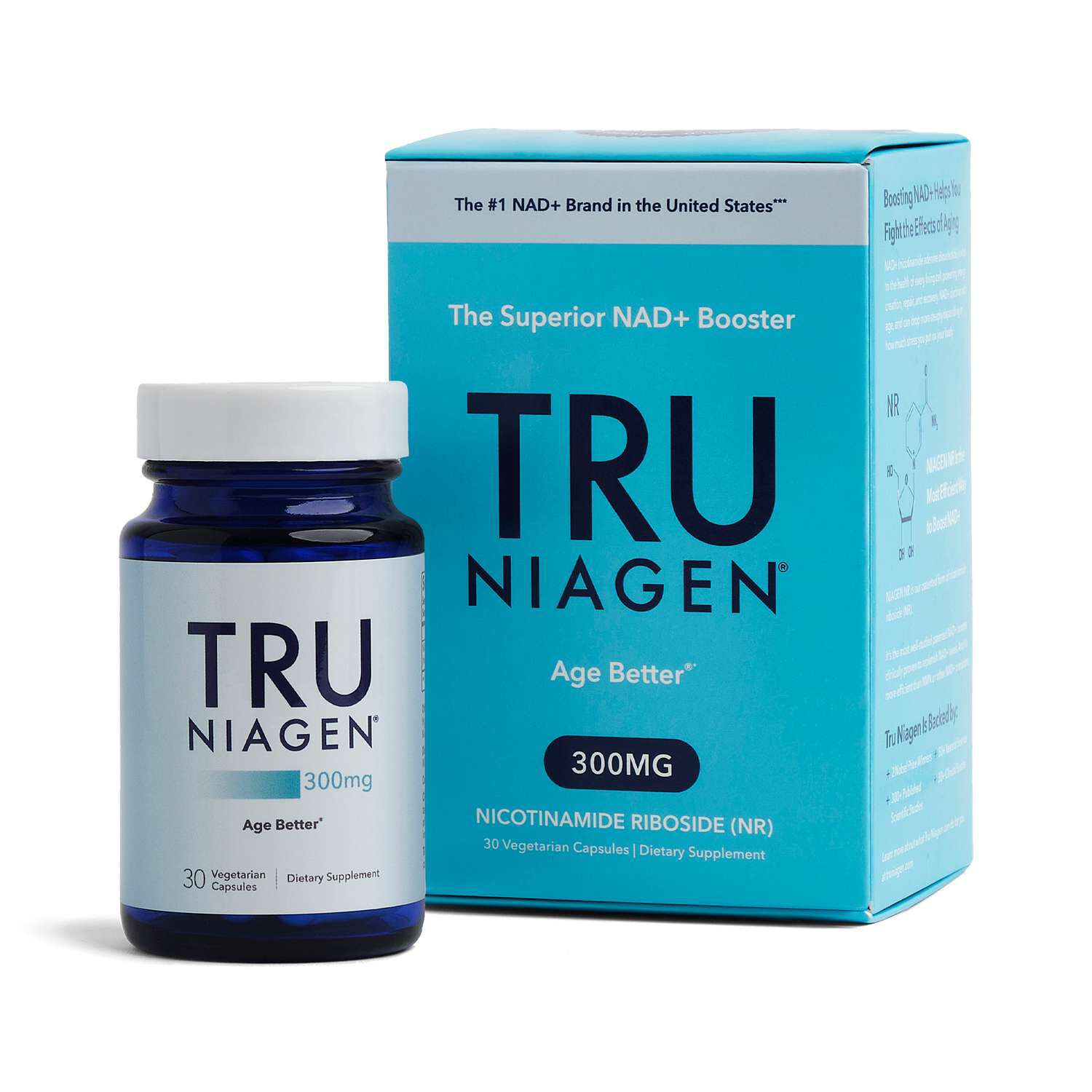
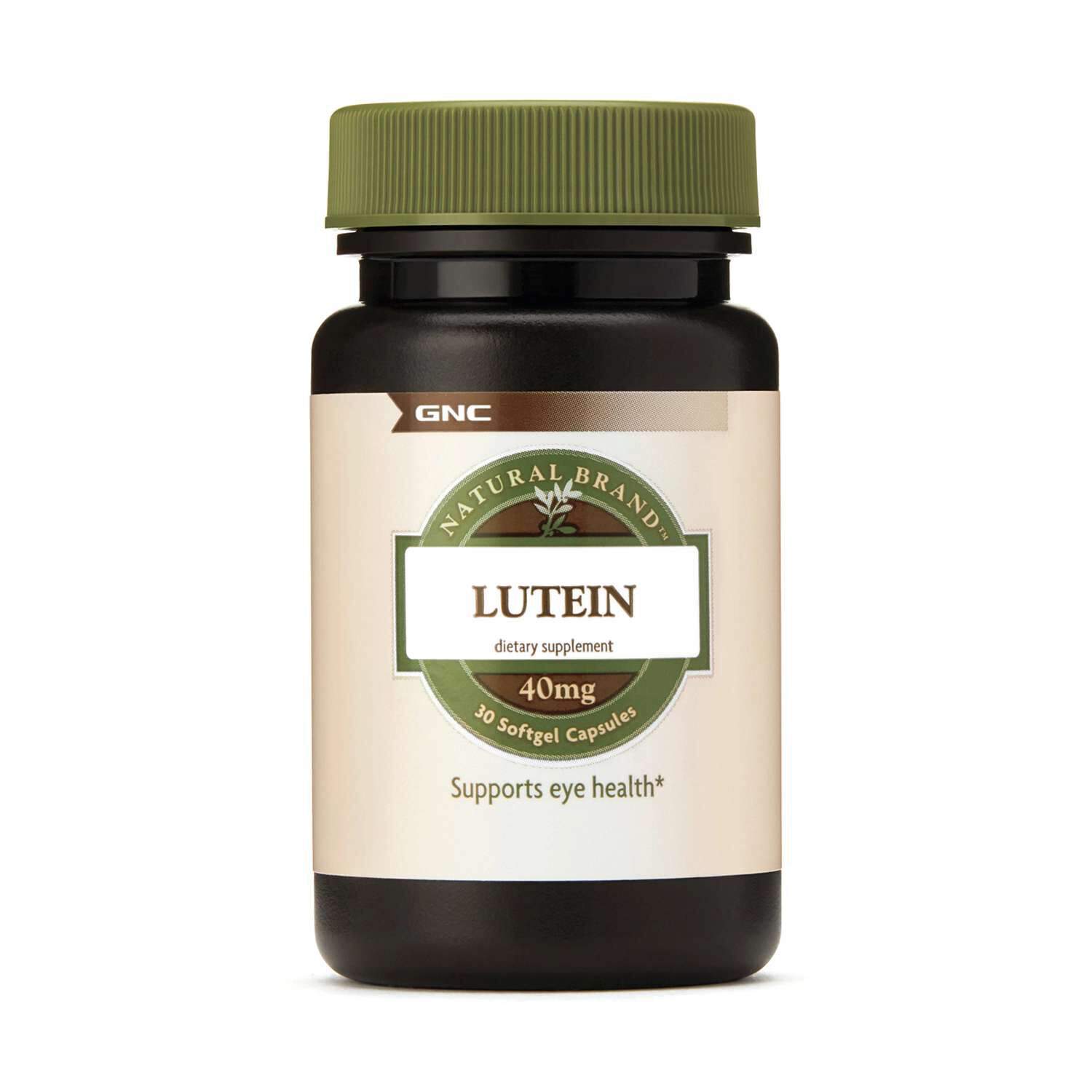
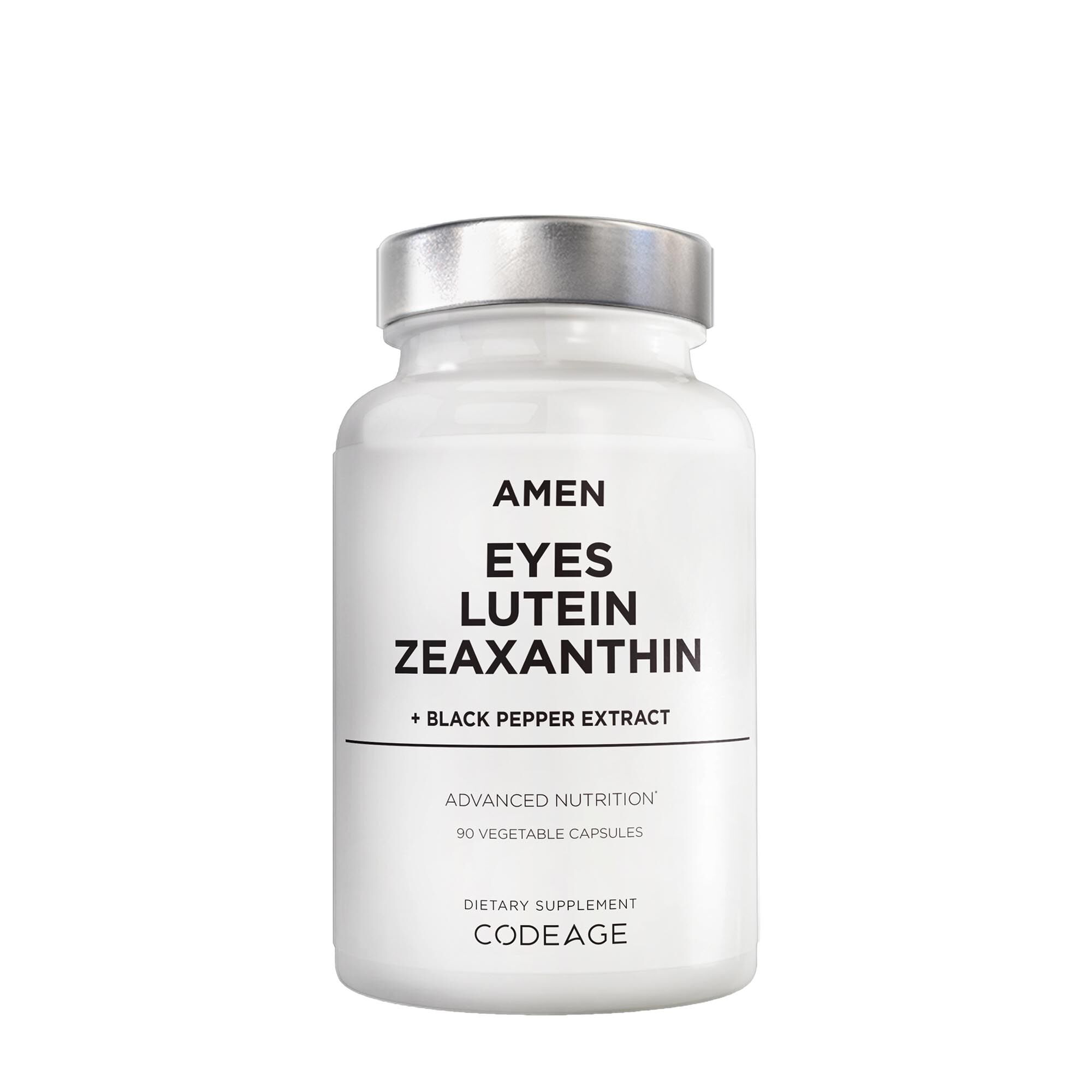
Across lutein supplements, the differences extend beyond the number printed on the front of the bottle. Lutein content is typically listed in milligrams, while serving size identifies how many capsules, softgels, or tablets provide that amount. A bottle labeled with a one-softgel serving is not directly comparable to a bottle that lists its lutein content across two capsules without accounting for that distinction. Some formulas pair lutein with zeaxanthin, another carotenoid found alongside lutein in the macula. Others include vitamins or minerals, creating a broader ingredient profile that deserves attention when considered alongside an existing multivitamin. More ingredients do not automatically make one formula a better match. A single-ingredient focus may appeal to shoppers who prefer a simpler supplement lineup, while a combination formula may suit those looking for several nutrients in one format. Lutein used in supplements is often sourced from marigold flowers, although the source and processing details vary by formula. Labels may identify lutein or lutein esters, which describe different ingredient forms; the declared lutein amount remains an important comparison point. The capsule or softgel materials also matter. Gelatin, plant-derived capsule materials, carrier oils, colors, and other ingredients can influence whether a supplement aligns with personal dietary preferences. A plant-derived lutein source does not necessarily mean every part of the finished supplement is plant-derived. Softgels commonly contain an oil-based mixture, whereas tablets and hard capsules have different constructions and textures. Lutein is fat-soluble, a characteristic relevant to how it is formulated and how the body handles it. Product-specific directions provide the appropriate context for intended use, including any meal-related instructions on the label. For a shopper comparing bottles at the kitchen counter, these details turn a broad category into a more practical choice: the amount per serving, the number of units in that serving, the accompanying nutrients, and the materials used to deliver them. None requires choosing a formula simply because its front label carries a larger number.
Everyday fit also depends on the small physical details that become noticeable after a bottle joins the routine. Capsule dimensions, softgel shape, tablet texture, and the number of units per serving can affect personal preference. Someone who favors a compact supplement organizer may prioritize a different format than someone who keeps each bottle in its original packaging beside the breakfast dishes. Product images can help show the format, but written serving information and packaging details offer a firmer basis for comparison. Bottle size alone does not indicate how many servings it contains, and a larger container does not necessarily represent a longer-lasting supply. Storage and care deserve similar attention because nutritional ingredients and their packaging are not designed for unlimited exposure to light, moisture, or heat. The labeled storage directions, a securely closed cap, and the printed date are more meaningful measures of product care than the appearance of the bottle. Original packaging also keeps the ingredient panel and directions close at hand. For adults shopping around eye nutrition or broader cellular wellness, lutein offers a category with a recognizable ingredient and several formulation choices, rather than a single format that suits everyone. Those exploring the relationship between carotenoids and skin-focused nutrition may also be interested in Lutein Supplements for UV Protection, a related collection for comparing another nutritional focus. That interest is separate from the role of sunscreen, clothing, and shade in sun care; a supplement is not a substitute for those measures. Within a lutein selection, a clear statement of intended use is more useful than sweeping language that suggests one bottle can address every wellness priority. The same restraint applies to gifting: supplements are a personal purchase, so a recipient’s stated preferences matter more than attractive packaging. Whether selected for an established routine or considered alongside other nutritional products, lutein supplements are best understood through their actual composition, labeled serving information, and everyday practicality. Those details give shoppers a grounded way to compare the category while keeping expectations centered on nutritional support.
Best Sellers
-
 Rho Nutrition
 -
 Rho Nutrition
 -
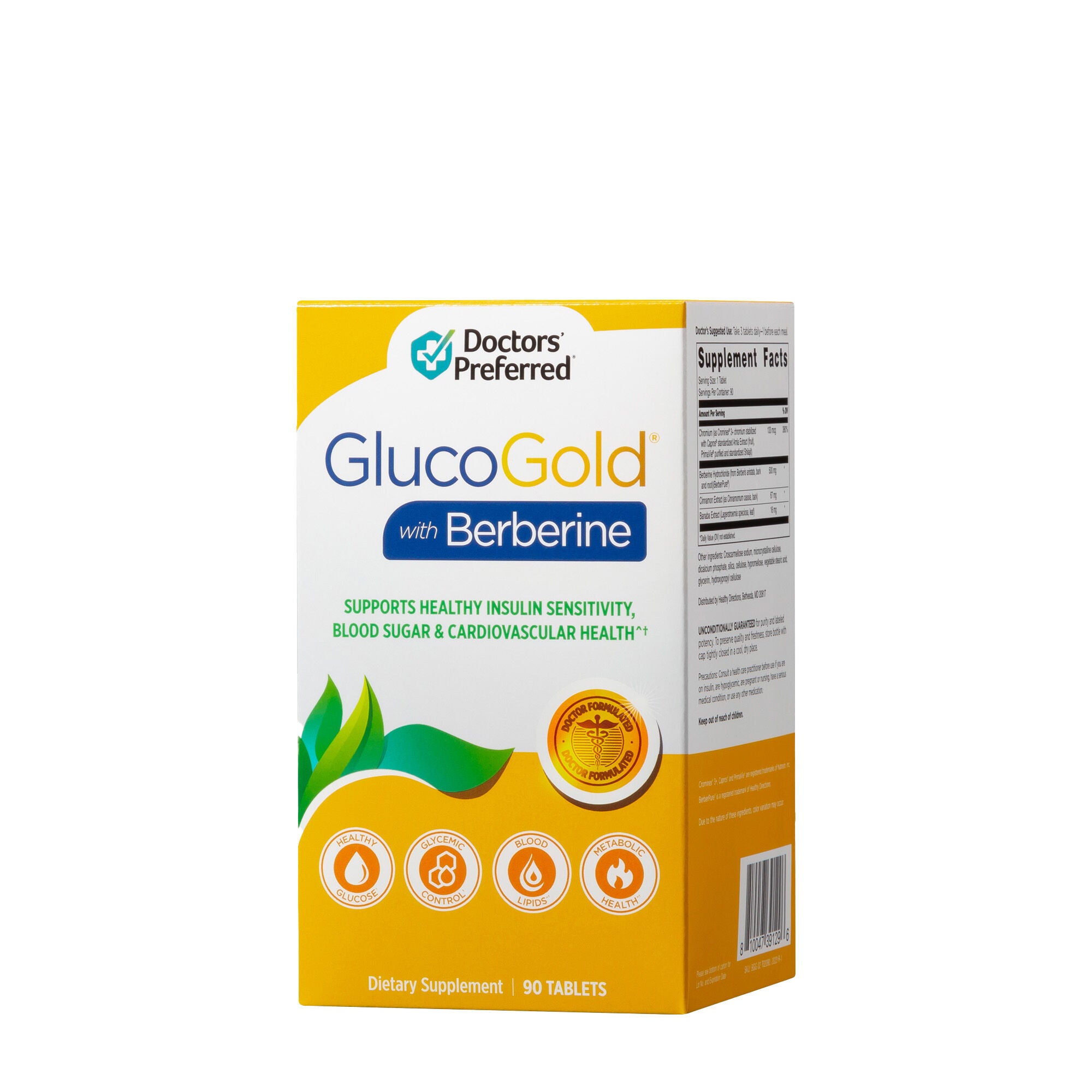 Doctors' Preferred