





Lutein Supplements For UV Protection
(0 Results)
Lutein supplements for UV protection may offer support for those looking to care for their eyes in the face of everyday exposure to sunlight. Packed with lutein, these supplements are a popular choice for individuals who spend time outdoors or are mindful of their overall eye wellness. Explore a range of options that could fit into your daily routine as part of your approach to supporting your body’s natural defenses against environmental stressors. Discover how lutein supplements for UV protection might become a valuable addition to your wellness regimen.
-
-
-
-

-

-
-
-
 Portions Master$24.99
-

-

-

-
-
 $59.99
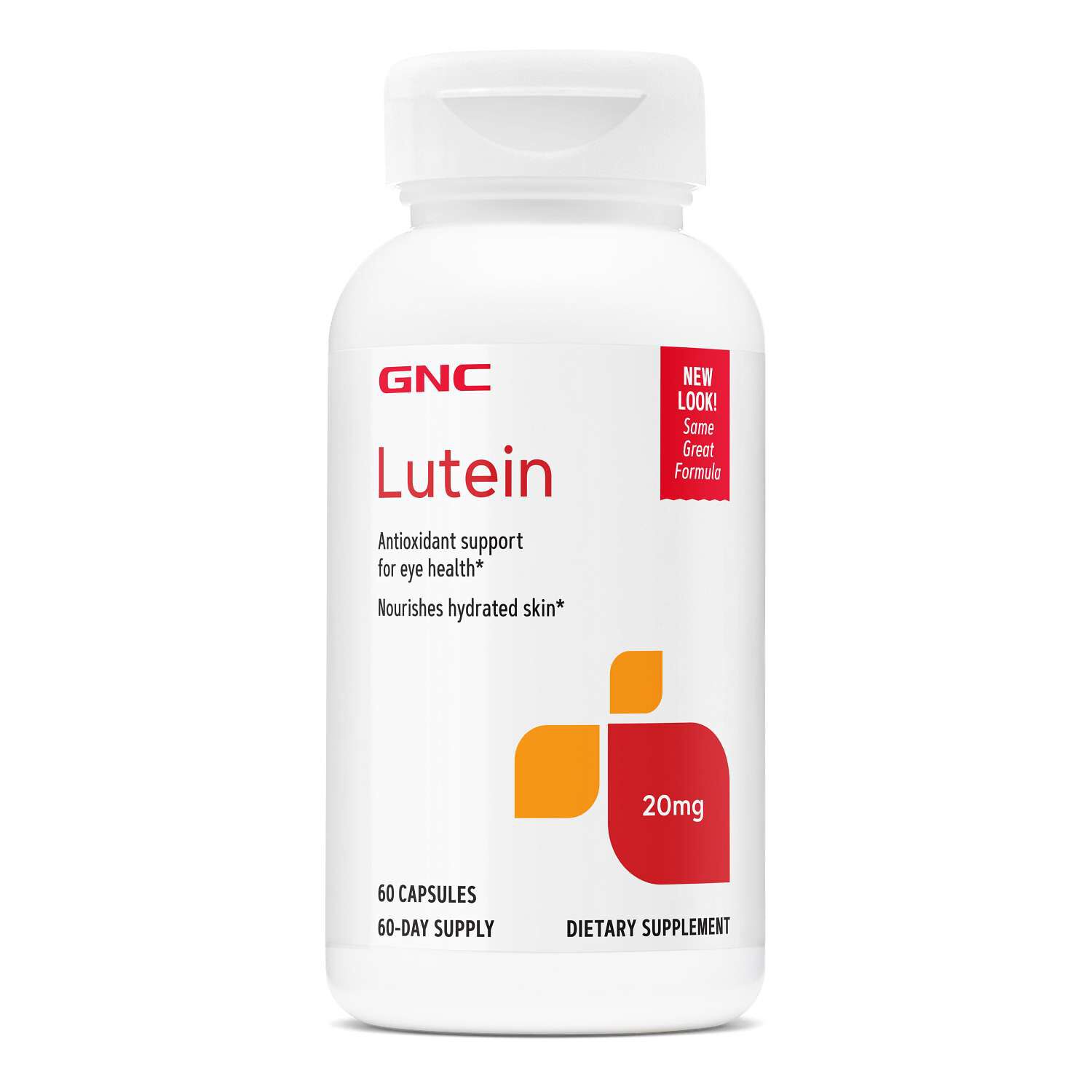
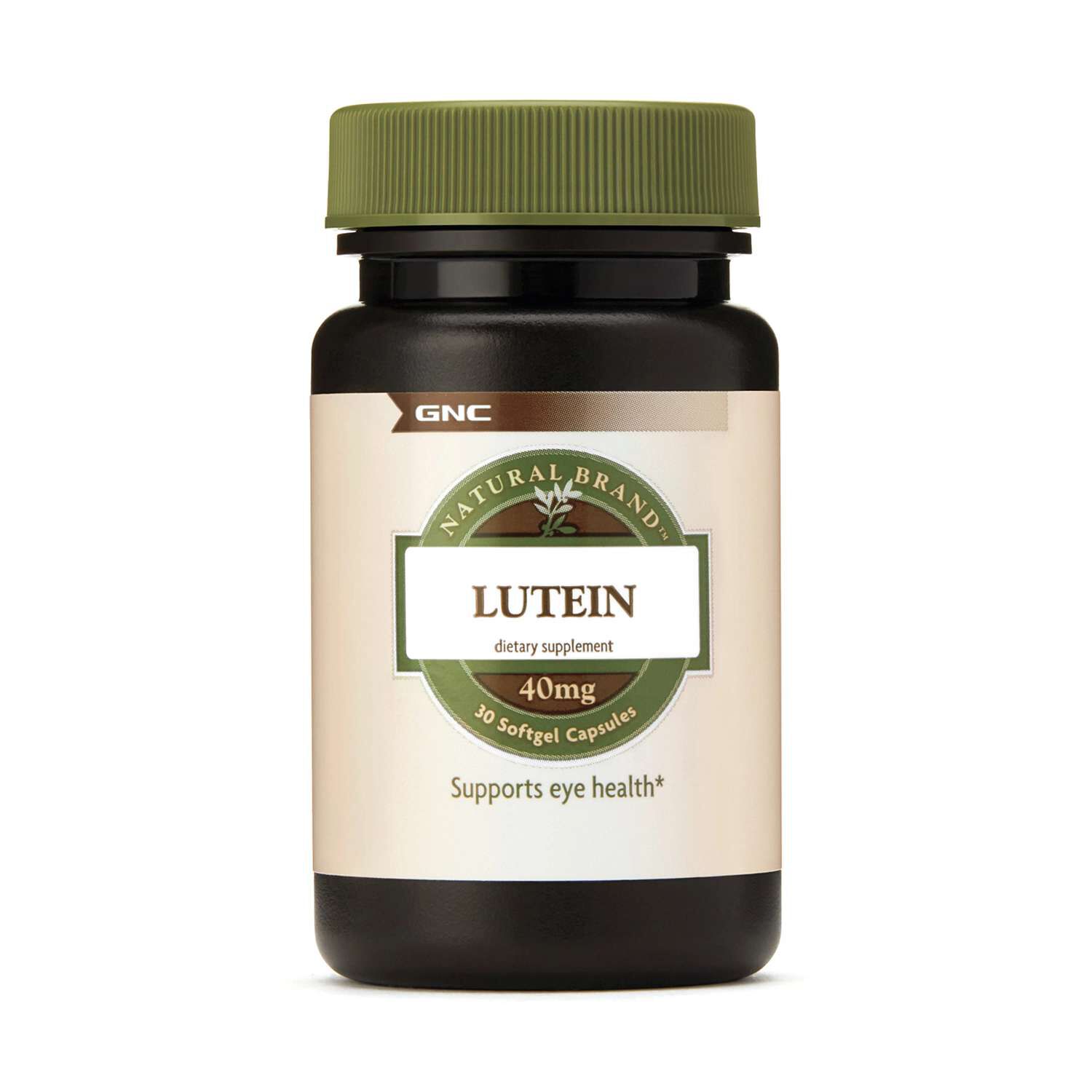
Lutein supplements may support everyday eye and skin wellness within a balanced nutrition routine, but nutritional support and UV protection are different things. Lutein is a naturally occurring yellow carotenoid found in foods such as spinach, kale, corn, and egg yolks. The green color of leafy vegetables comes from other pigments, so a food does not have to look yellow to contain lutein. In the eye, lutein is found in the macula, a small central region of the retina associated with detailed vision. This connection helps explain its place in eye-focused nutritional formulas. Lutein may also contribute to antioxidant activity, although that potential nutritional role is not the same as preventing sunburn or shielding skin from ultraviolet radiation. Lutein supplements are not sunscreen, have no SPF rating, and are not a substitute for sunscreen, protective clothing, sunglasses labeled for UV protection, or shade. This distinction matters when comparing lutein supplements for UV protection: an ingredient’s relationship with light does not establish that a capsule blocks UV rays. Blue light is part of the visible light spectrum and differs from ultraviolet radiation, so these terms are not interchangeable in a product description. For an adult who enjoys walking, gardening, or spending an afternoon at an outdoor sporting event, lutein may fit into a broader nutrition routine rather than serve as sun-protection equipment. A serving amount printed in milligrams describes the quantity of an ingredient, not an SPF value or a permitted length of time in direct sunlight. Dietary supplements also do not replace the variety found in meals that include vegetables, fruit, and other nutrient-containing foods. A plate with leafy greens, colorful vegetables, and eggs has a different nutritional composition from a single-ingredient capsule. Food sources and supplement formats offer different ways to incorporate lutein into daily life, with dietary supplements intended to complement rather than replace a varied eating pattern.
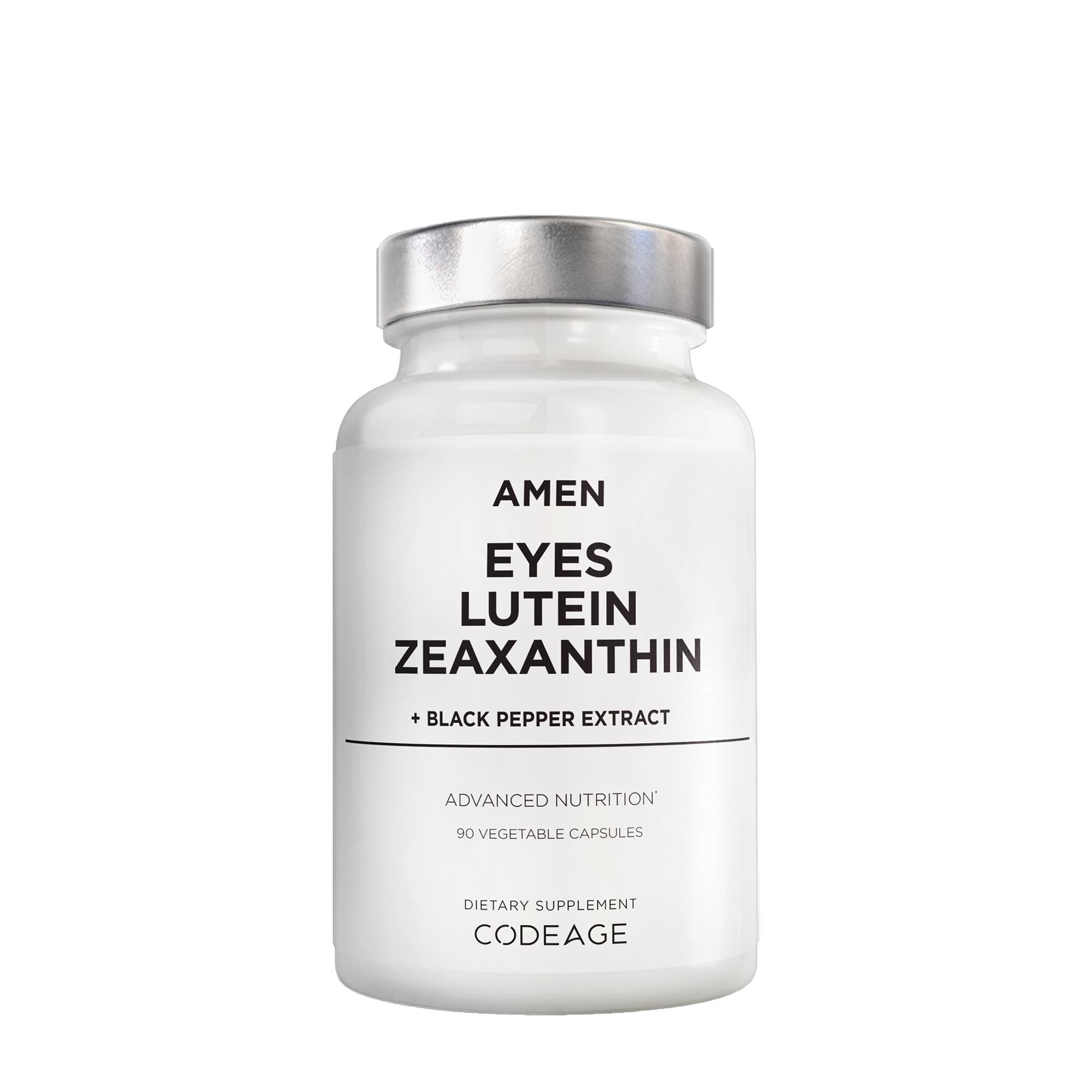
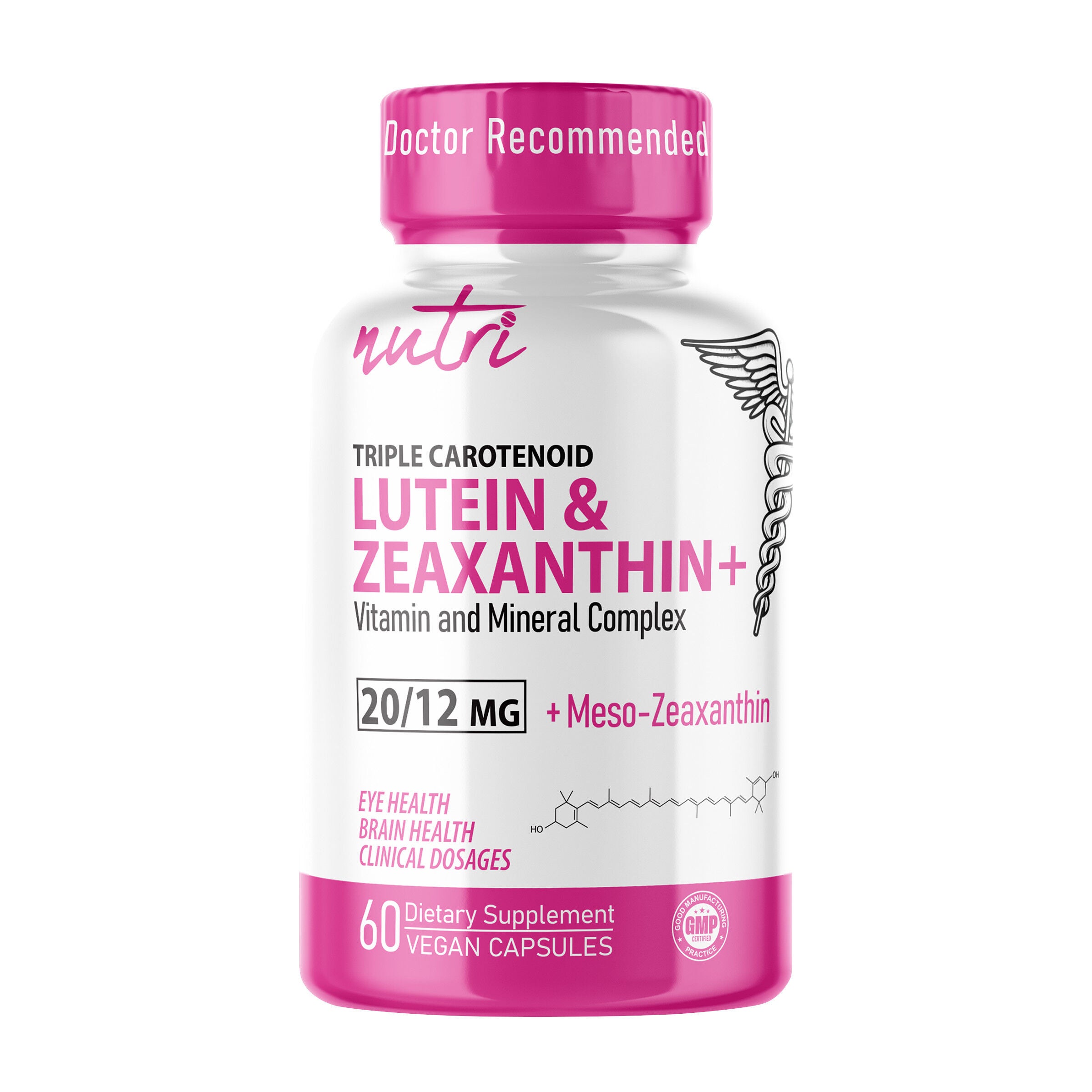
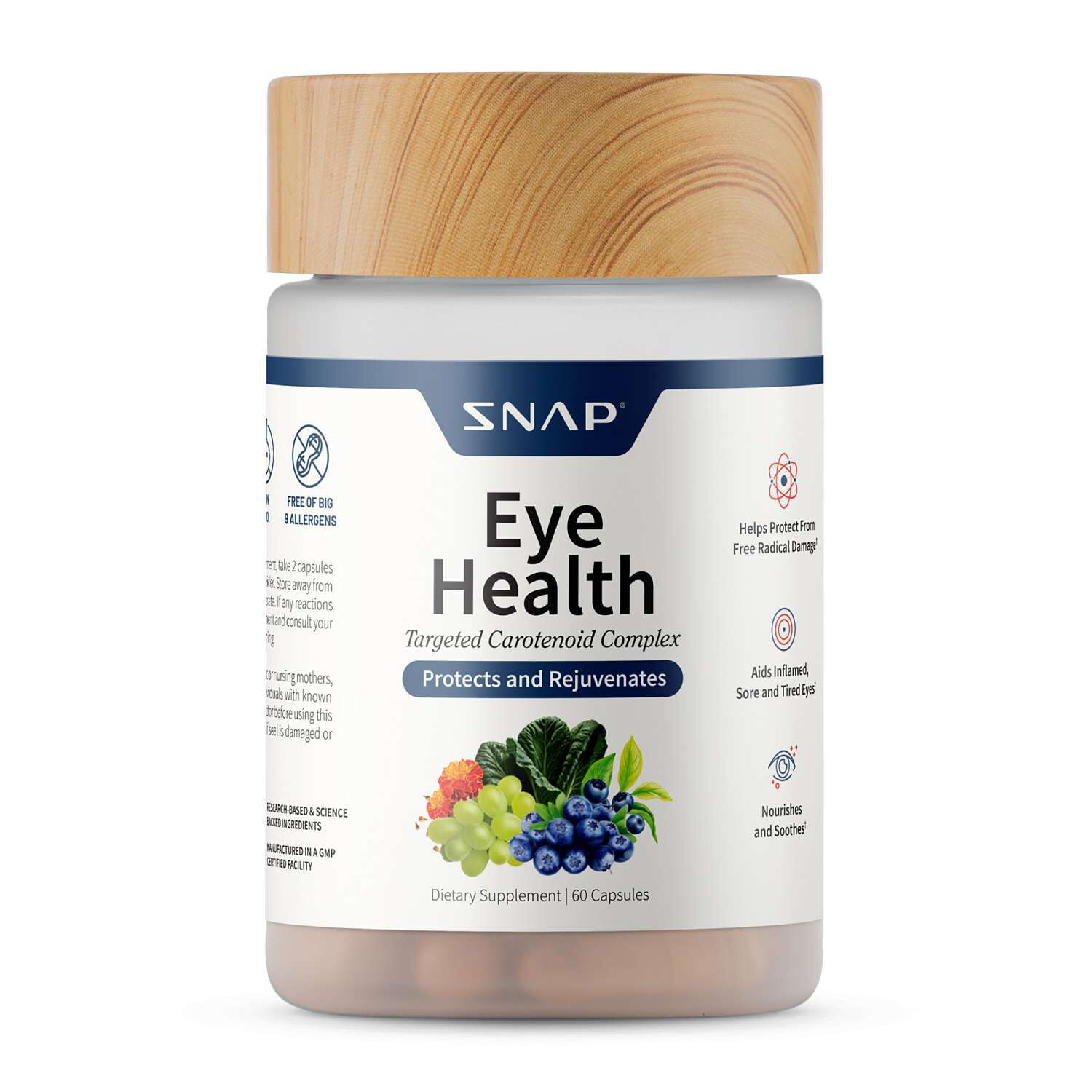
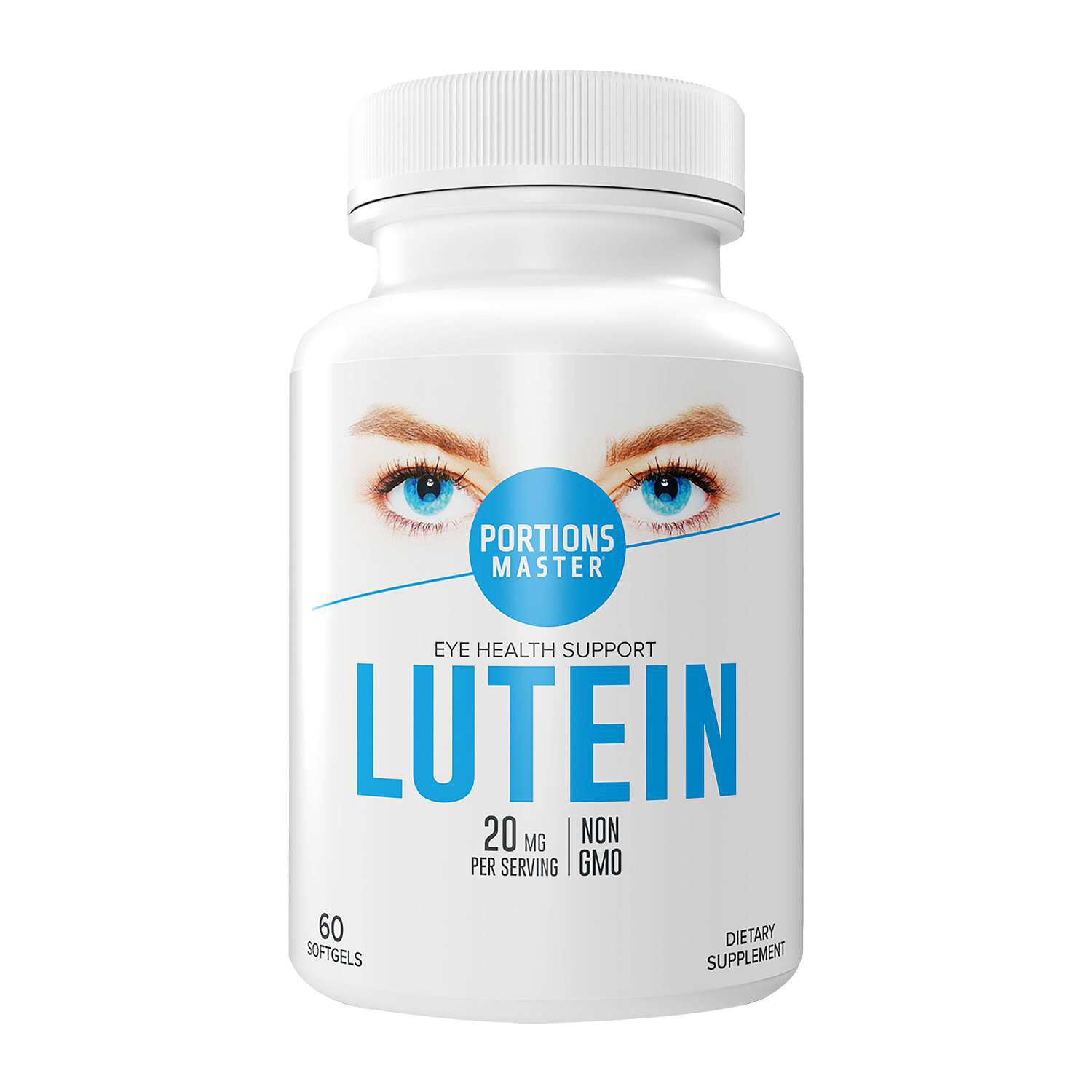
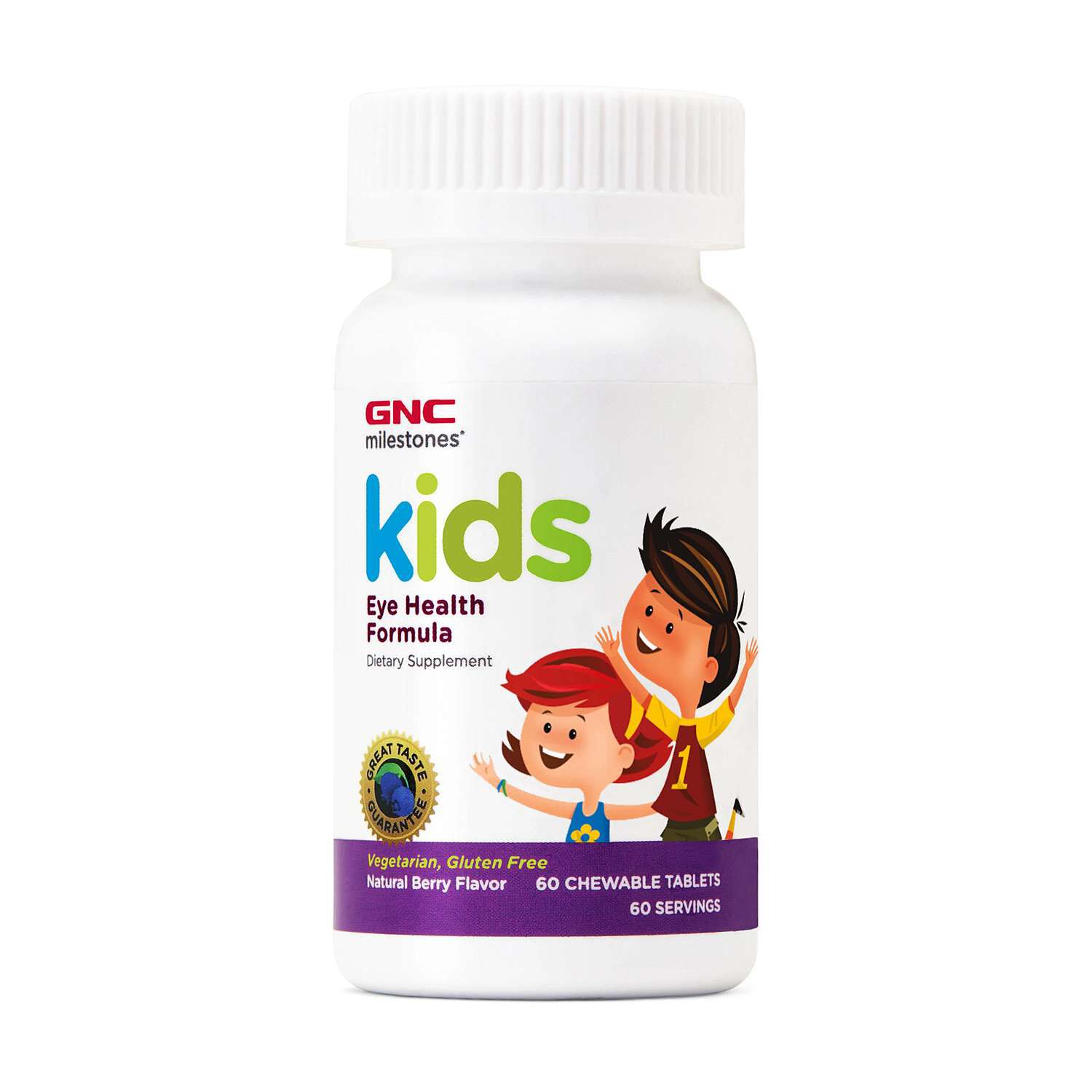
The differences between lutein supplements extend beyond the amount printed on the front of a bottle. Capsules, softgels, and chewable formats have different textures, sizes, and ingredient requirements, making the delivery format a practical part of the comparison. Someone who prefers a small capsule may approach the category differently from someone who favors a chewable option with a stated flavor. Softgels commonly contain a liquid or oil-based filling, while capsules may contain powdered ingredients. Lutein is fat-soluble, and some formulations include carrier oils or label directions that specify taking the serving with food. Those details belong to the individual formulation rather than a universal schedule for every lutein supplement. Shell materials also deserve attention: lutein may come from a plant source, such as marigold flowers, while the surrounding softgel shell may contain gelatin. A botanical source alone therefore does not establish that the finished supplement matches a vegetarian preference. The ingredient list, allergen statement, and dietary designations provide more useful detail than an image of flowers or vegetables on the package. Lutein may appear by itself or alongside zeaxanthin, another carotenoid found in the eye, as well as selected vitamins and minerals. A shorter ingredient list may appeal to someone seeking a focused formula, while a combination format may suit someone comparing several nutritional ingredients in one serving. Neither approach establishes a greater degree of UV protection. Labels may display amounts such as 10 mg or 20 mg of lutein per serving; these figures describe ingredient quantities, not a universal intake target. Serving size matters just as much as the number beside lutein, because one serving may consist of more than one capsule or softgel. Comparing the Supplement Facts panel with the directions clarifies that distinction. For anyone already using a multivitamin or another eye-focused supplement, the combined ingredient lists provide a clearer picture of overlap than the front labels alone. Sweeteners, colors, flavorings, and carrier ingredients are additional considerations for shoppers with particular preferences.
Everyday practicality matters when choosing a format intended for an ongoing nutrition routine. A clearly printed label, readable serving directions, and packaging that closes securely are useful details, especially when several household members keep supplements in the same cabinet. Storage instructions vary by formulation, but the original container preserves access to the ingredient list, lot information, and date marking. A bathroom shelf exposed to shower steam or a bottle left in a parked car presents a different storage environment from a dry indoor cabinet; the package directions provide the relevant conditions for that formula. Keeping the lid closed and handling the contents with dry hands are straightforward care considerations. Capsules and softgels are not designed for the kind of wear associated with outdoor equipment, so packaging integrity and storage conditions are more relevant than toughness or weather resistance. For travel, retaining access to the original label can make the serving information easier to reference than carrying unidentified capsules in an unmarked pouch. Personal fit also includes preferences about serving count, texture, flavor, and the number of ingredients in an existing routine. An adult seeking a focused lutein formula may value simplicity, while someone comparing broader eye-wellness formulas may spend more time reviewing the accompanying nutrients. The related Lutein Supplements For Cell Protection collection offers another place to compare lutein-centered formats and ingredient combinations. Across these options, a larger milligram number, a longer ingredient list, or a sun-themed package does not establish stronger protection from UV exposure. Lutein may have a place in a nutrition-focused approach to everyday wellness, but its potential benefits remain distinct from the role of sunscreen, clothing, sunglasses, and shade. The most meaningful product differences are the ones clearly described on the label: lutein content, serving size, delivery format, additional ingredients, dietary attributes, and storage directions. Those concrete details make comparison more useful than treating a nutritional supplement as another form of sunscreen.
Best Sellers
-
 Rho Nutrition
-
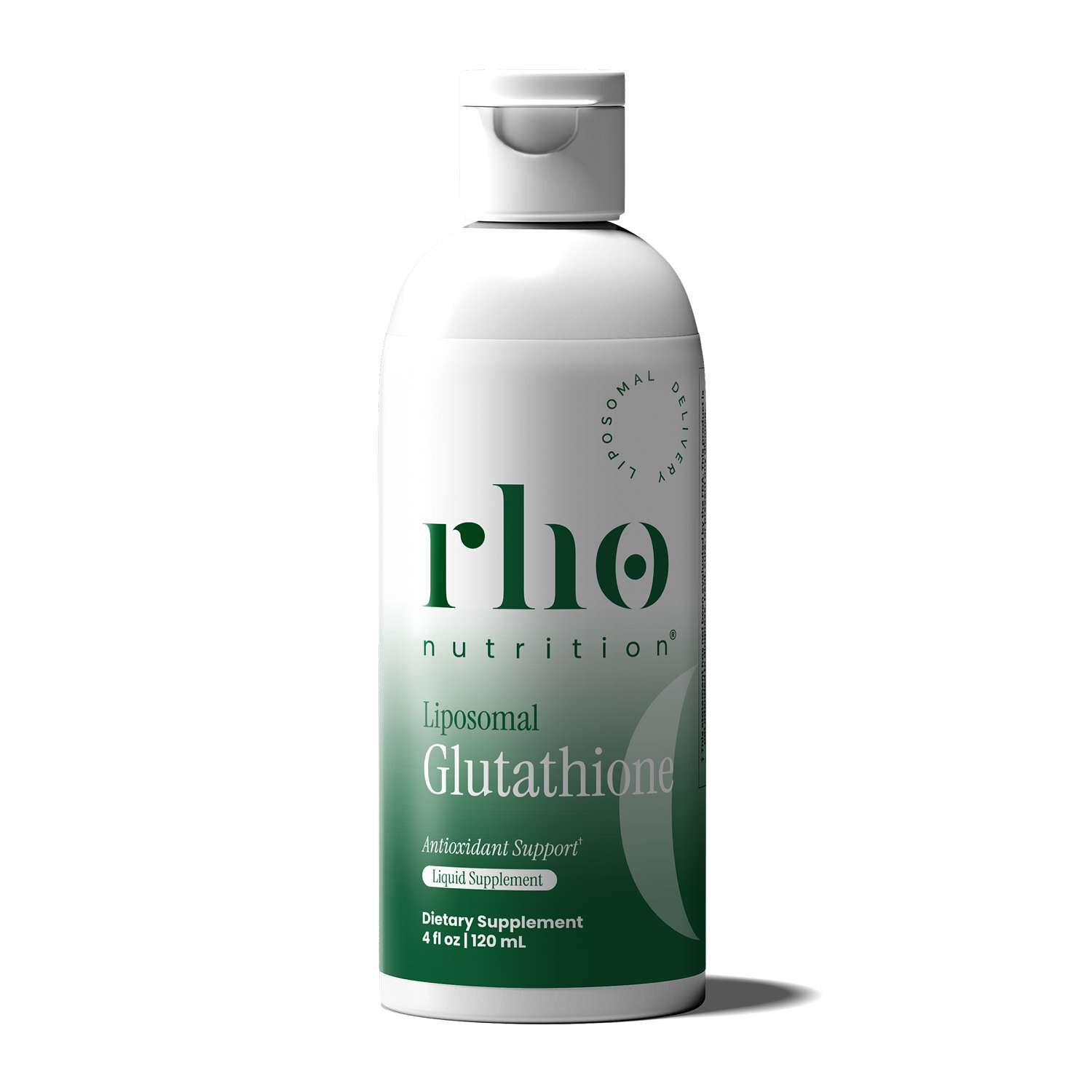 Rho Nutrition
-
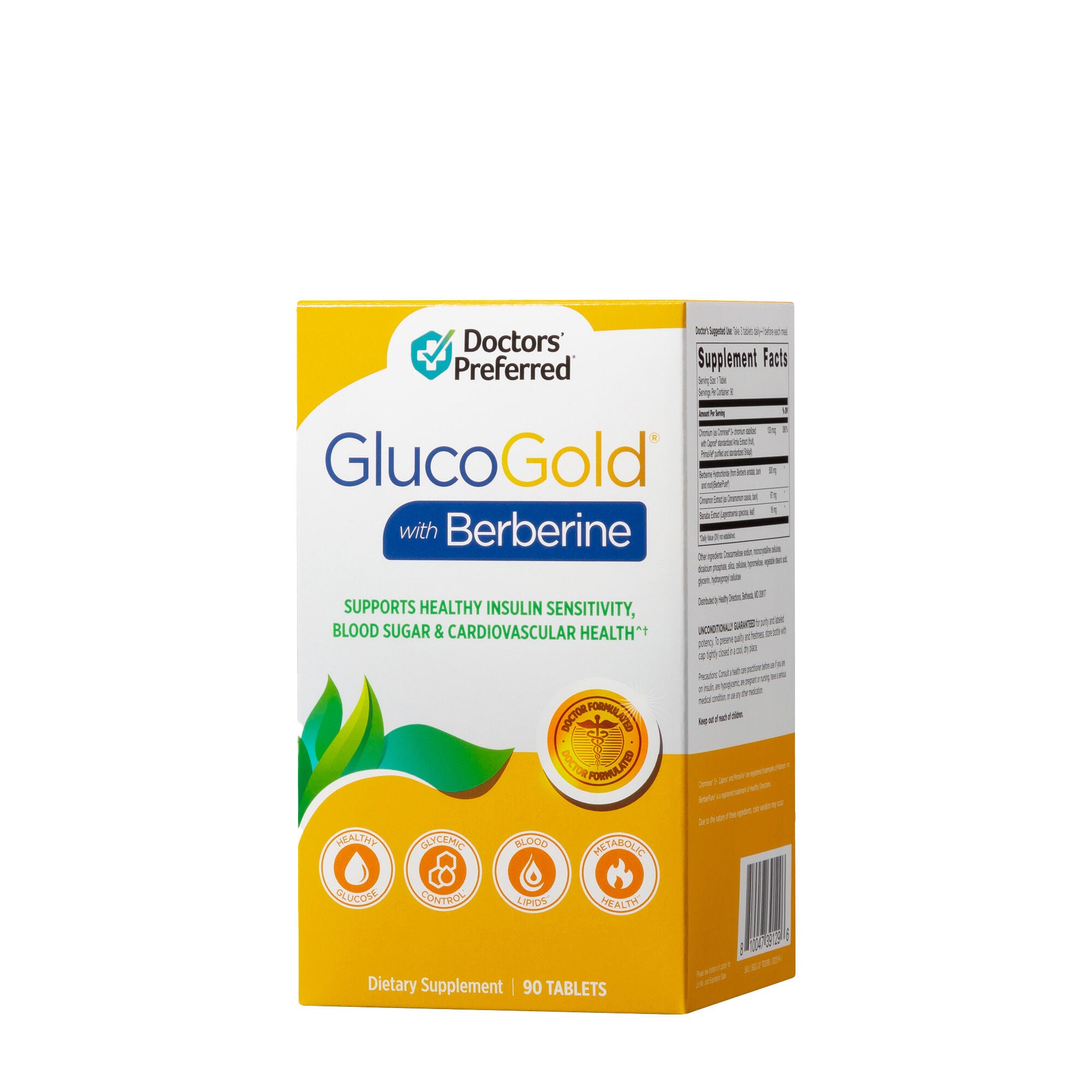 Doctors' Preferred
Related Pages
Top Collections
- GLP 1 Support For Adults
- Supplements For Yoga Joint Flexibility
- Supplements For Balance
- Joint Mobility Supplement Packs
- Zinc Supplements | Top Brands at Great Prices | GNC
- Capsule Supplements For Energy And Stamina
- Supplements For Anxiety Relief Support
- Chronic Fatigue Supplements
- Zinc Supplements For Men
- Iron Supplements