Family Planning Supplements
(0 Results)
Family planning supplements may offer nutritional support for individuals and couples as they prepare for important milestones. With a variety of options available, family planning supplements could be a helpful addition to daily routines focused on overall wellness. Explore choices that might align with your personal goals and discover options designed to fit different lifestyles and preferences.


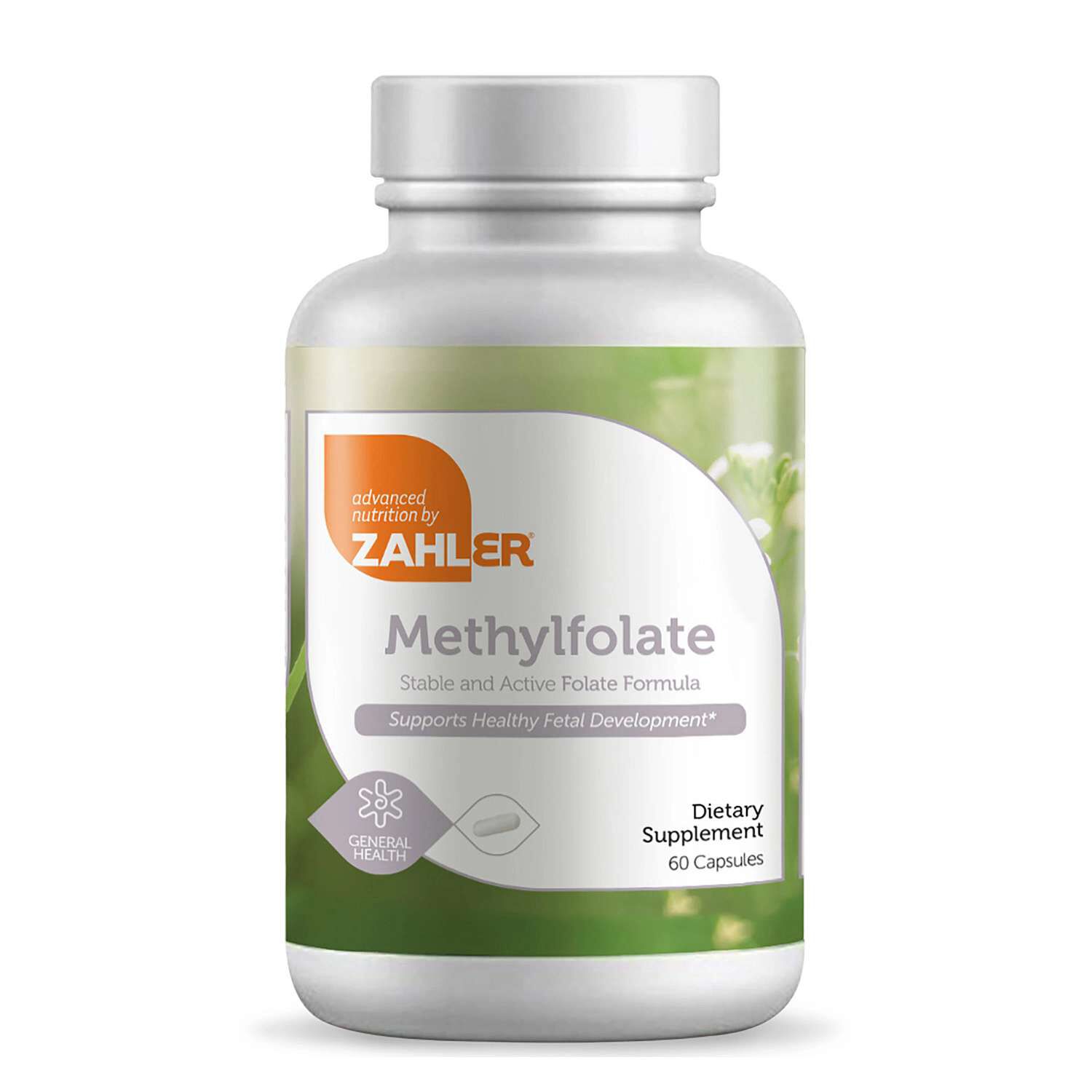
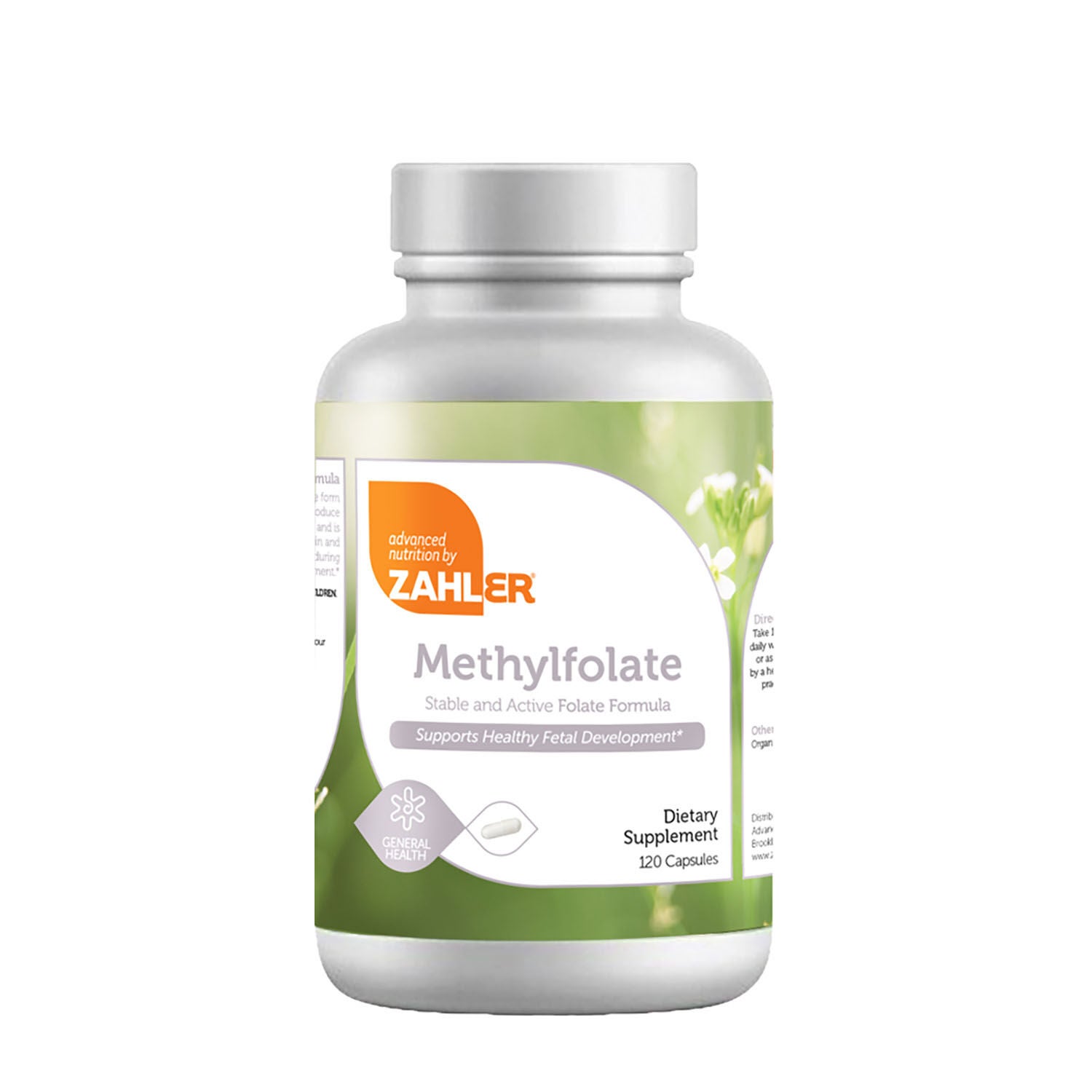
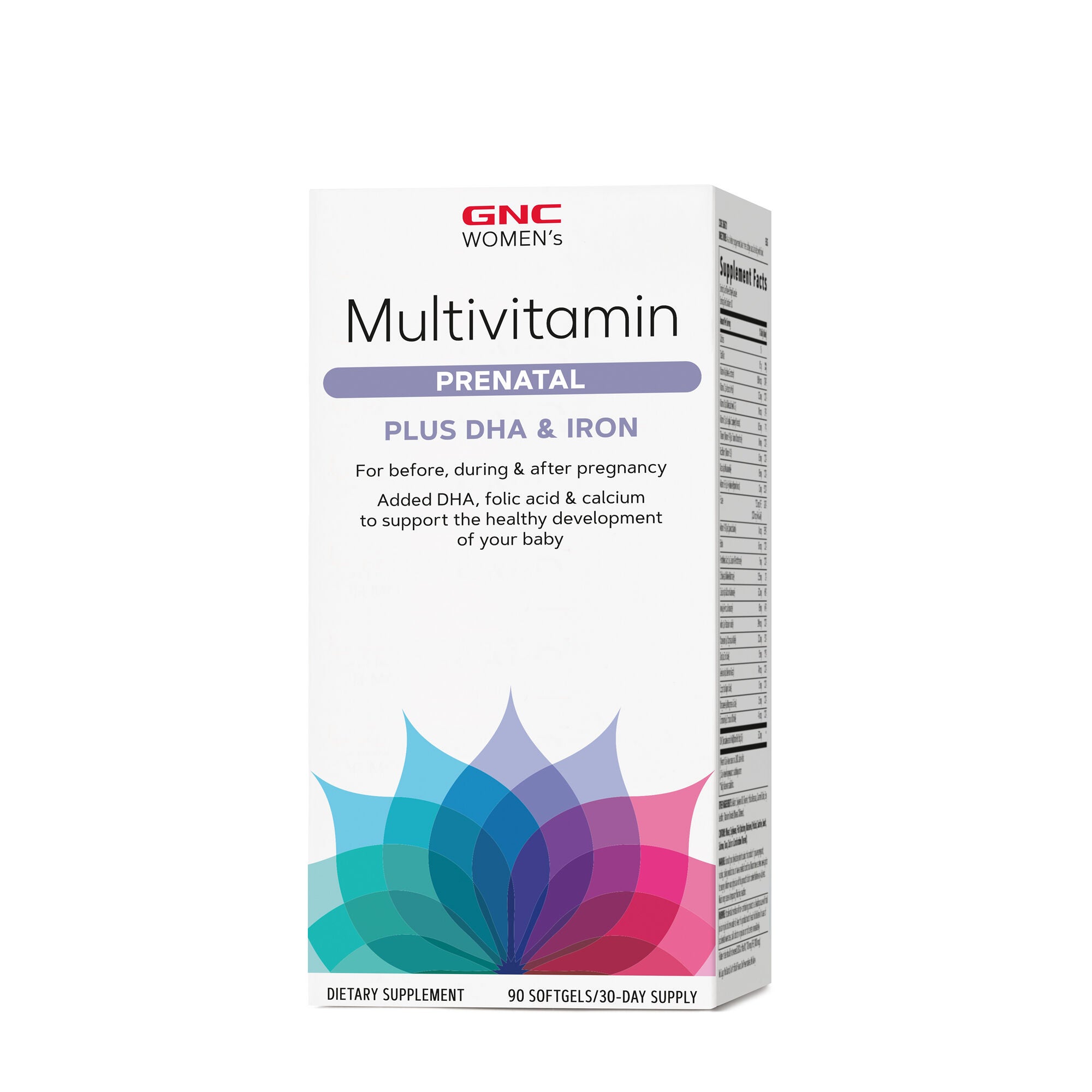
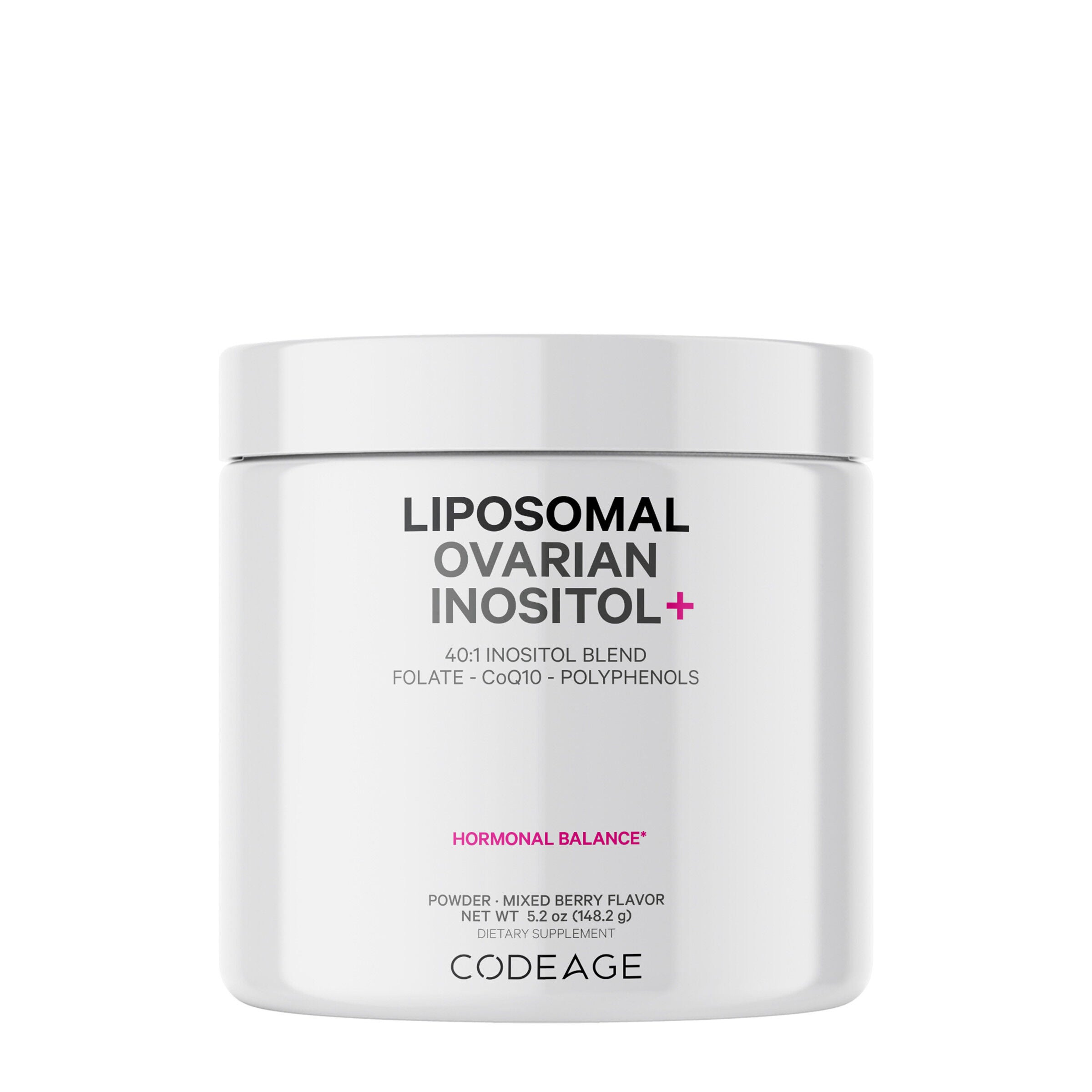


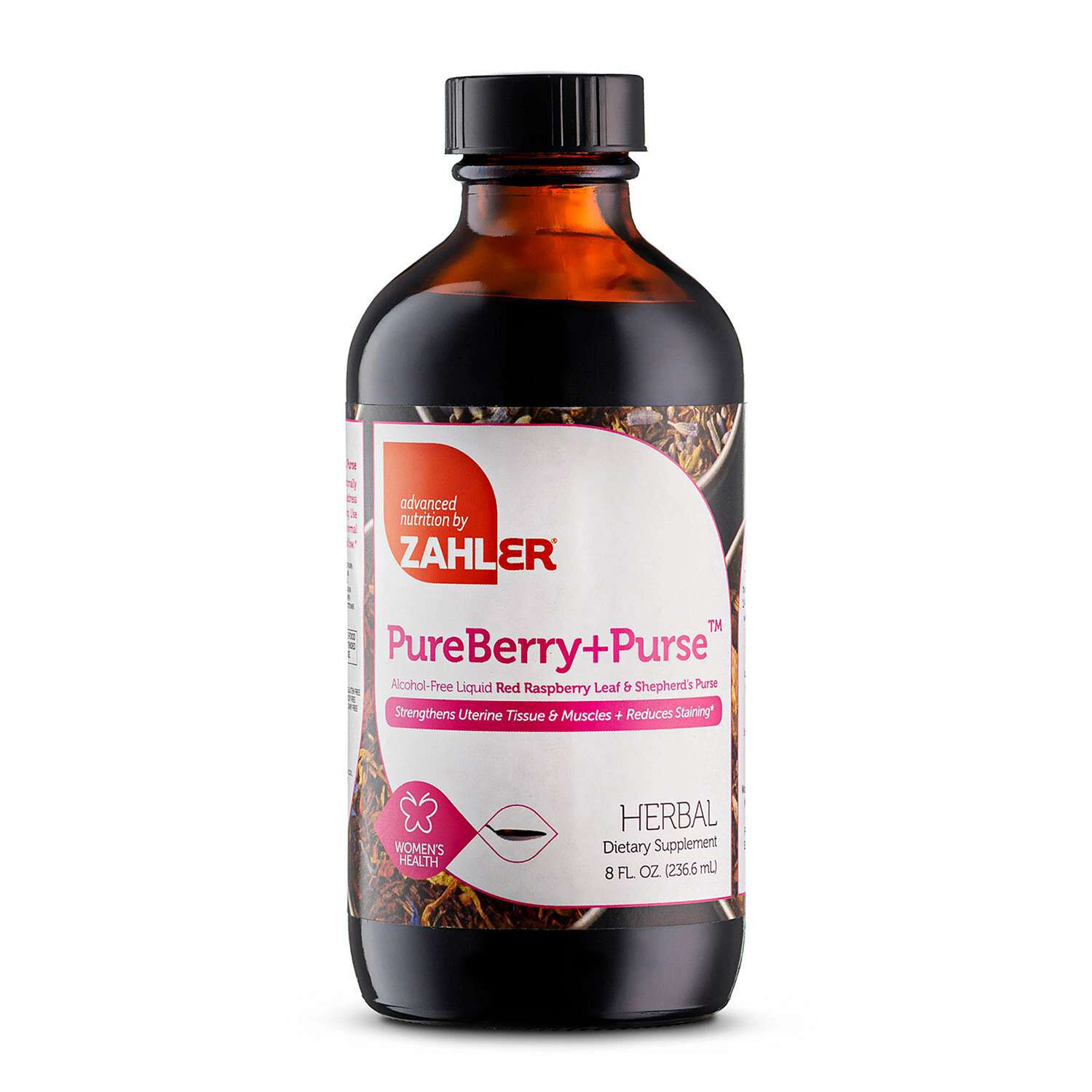


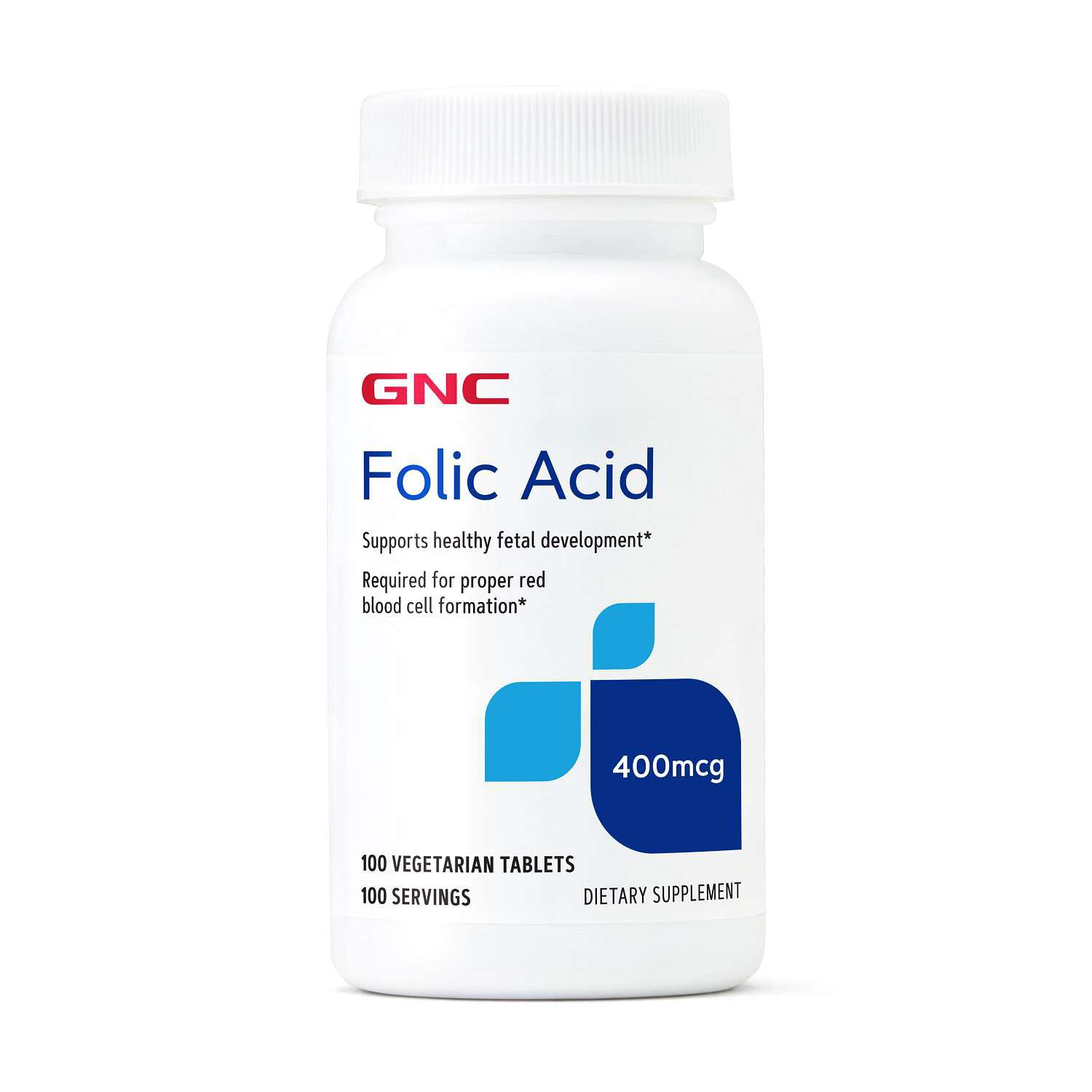
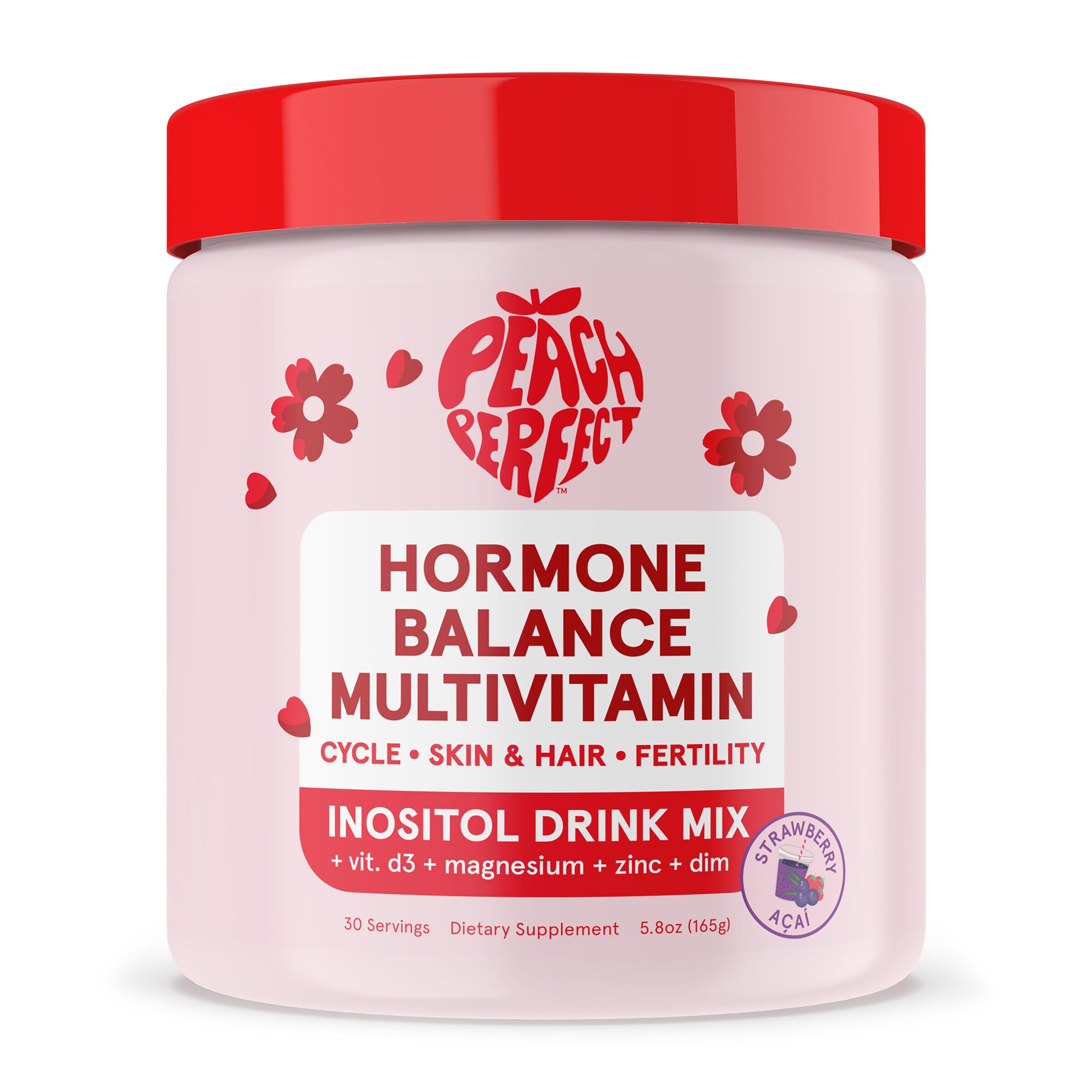
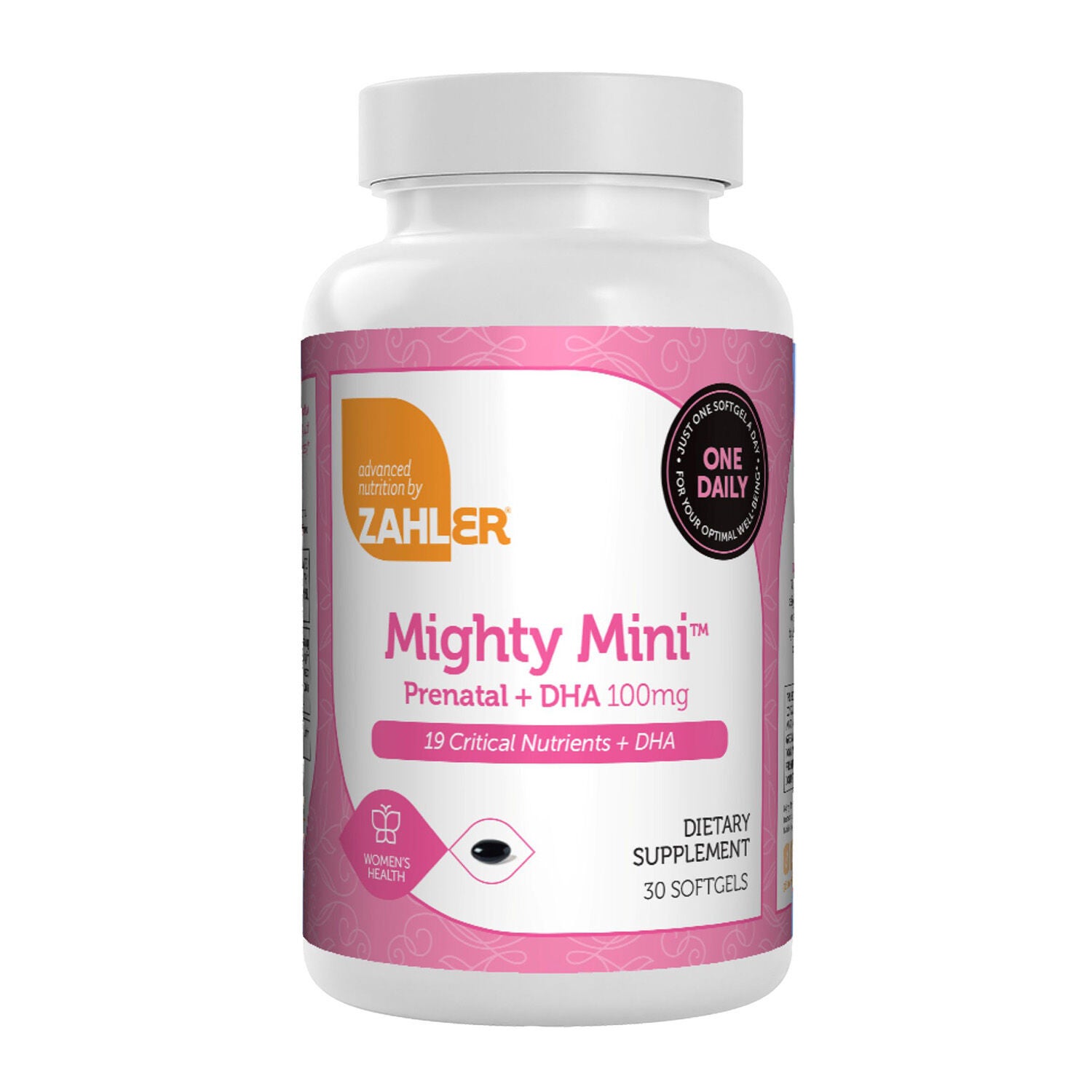
Family planning supplements are vitamins, minerals, and other nutritional products marketed for people considering pregnancy or building a supplement routine around plans to grow their family. The category commonly includes prenatal multivitamins, folate supplements, omega-3 products, and formulas marketed for women’s or men’s reproductive nutrition. Depending on the formula, ingredient lists may feature folic acid or methylfolate, vitamin D, iron, choline, coenzyme Q10 (CoQ10), or the omega-3 fatty acids DHA and EPA. These ingredients do not all appear in every product, and products grouped under family planning can differ considerably in their composition and intended audience. A prenatal multivitamin generally combines a range of vitamins and minerals, while a single-ingredient supplement offers a more focused selection. Some shoppers arrive with a particular nutrient in mind; others are comparing formats and ingredient lists before discussing their options with a qualified healthcare professional. For either approach, the most useful information is usually on the label rather than in a broad category name. The Supplement Facts panel identifies the nutrients, their amounts per serving, and the serving size, while the other-ingredients list provides details about capsule materials, sweeteners, flavorings, and similar components. Folate is a good example of why that detail matters: folic acid and methylfolate are different forms that may appear on labels, and a product’s front panel does not always tell the whole story about its formulation. Omega-3 supplements likewise vary in their listed amounts of DHA and EPA, even when their packaging looks similar. Family planning supplements may help round out nutrient intake, but their place in a personal routine depends on individual circumstances. Their presence in this category is not evidence that they can bring about conception or that every formula is suitable during pregnancy. Understanding those distinctions makes the assortment easier to browse without treating every bottle as interchangeable.
Shopping for family planning supplements often comes down to the practical details of a routine as much as the ingredient list. Capsules, tablets, softgels, gummies, liquids, and powders offer different experiences, and available formats vary by formula. Someone who prefers a short morning routine may pay close attention to the number of pieces in a serving; someone who dislikes a particular texture may prioritize the format before comparing flavors. A bottle containing sixty capsules could represent thirty servings or fewer, depending on its directions, so the package count alone is not a reliable measure of how long it will last. Price per serving offers a clearer basis for comparing products with different serving sizes. For gummies and flavored liquids, the amount of added sugar and the choice of sweeteners can also be relevant purchasing details. Dietary preferences bring another layer of distinction: capsule shells may contain gelatin, while omega-3 ingredients may come from fish or algae. Allergen statements and clearly identified ingredient sources are more informative than assumptions based on a product’s appearance. Packaging deserves attention, too. A tightly packed bathroom shelf, a shared kitchen cabinet, and an overnight bag each present different storage considerations, but the label’s storage directions remain the reference point. Containers should remain properly labeled and out of children’s reach. Clear expiration information, legible directions, and documented third-party testing or certification, where provided, give shoppers additional details to evaluate; those features do not establish a particular reproductive outcome. When comparing a prenatal formula with separate nutrient products, ingredient overlap is another useful subject for a conversation with a qualified healthcare professional, rather than a reason to assemble a larger assortment automatically. Shoppers exploring a pregnancy-focused selection can also browse Pregnancy Safe Supplements and review each product’s individual labeling. A collection title is a browsing aid, not a substitute for assessing the suitability of a specific formula. The better comparison is between the actual contents, directions, and format of each option, not simply the words on the front of the bottle.
People browsing family planning supplements may be preparing for a first pregnancy, thinking about another child, or looking for a product their healthcare professional has already discussed with them. Partners may shop together, but shared plans do not necessarily mean shared nutritional products. Formulas marketed for men and women can contain different ingredients and amounts, and a prenatal product has a different emphasis from a general adult multivitamin. Even within one household, preferences can be surprisingly specific: one person may want an unflavored capsule, while another may prefer a chewable format with clearly described ingredients. Those ordinary details matter when choosing something intended for regular use. Picture the familiar moment of comparing two labels at the kitchen table, with a grocery list nearby and a calendar open to the coming weeks. The meaningful differences may be small in print but substantial in practice—a serving of several capsules instead of one, a fish-derived ingredient instead of an algae-derived ingredient, or a flavor that does not suit the person taking it. During the cooler months, when travel and changing household schedules can make routines less predictable, package size and storage instructions may become especially relevant. A smaller container may fit more easily into luggage, although travel convenience should not take priority over the product’s handling requirements. Family planning supplements are also a particularly personal purchase, which makes surprise gifting less straightforward than it might be for other wellness items. They may be a welcome gift when the recipient has named an exact preference, but they can also carry assumptions about private plans. Following the recipient’s stated wishes keeps the gesture considerate and avoids choosing a formula on someone else’s behalf. Whether shopping individually or as a couple, the most grounded approach is to compare transparent product information with personal preferences and any professional guidance already received. This category offers a way to explore nutritional products connected with family planning while keeping the focus on clear labeling, manageable formats, and thoughtful purchasing decisions.