





Pregnancy Safe Supplements
(0 Results)
Pregnancy safe supplements are thoughtfully formulated to support your wellness journey during this important time. Choosing supplements that are designed with expectant parents in mind may help you feel confident about what you’re adding to your daily routine. Explore a variety of pregnancy safe supplements that are crafted to complement a balanced lifestyle, so you can focus on what matters most.
-
-
-

-

-
-

-

-

-
-

-
 Portions Master$24.99
-
 $18.99
-

-

-
-
-
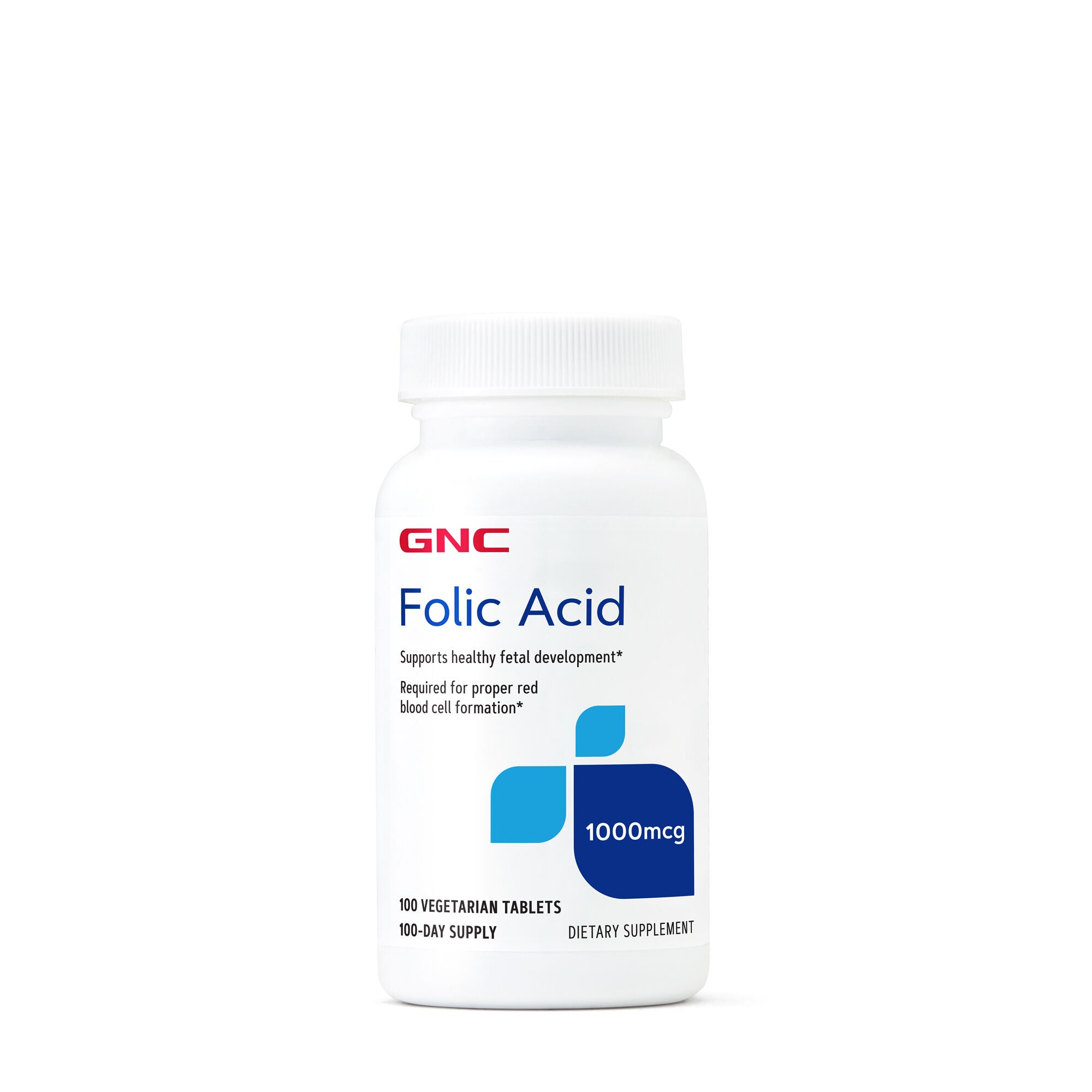
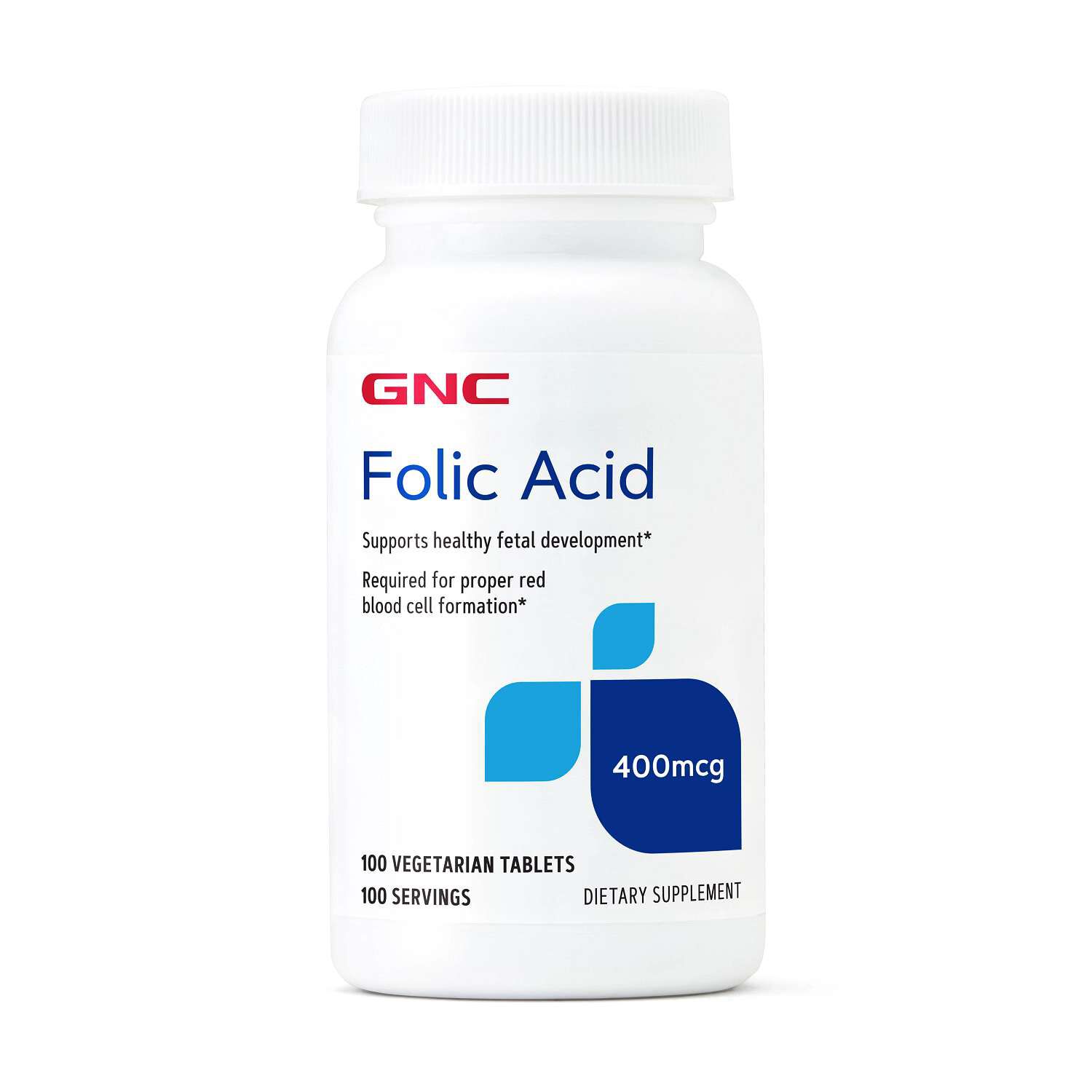

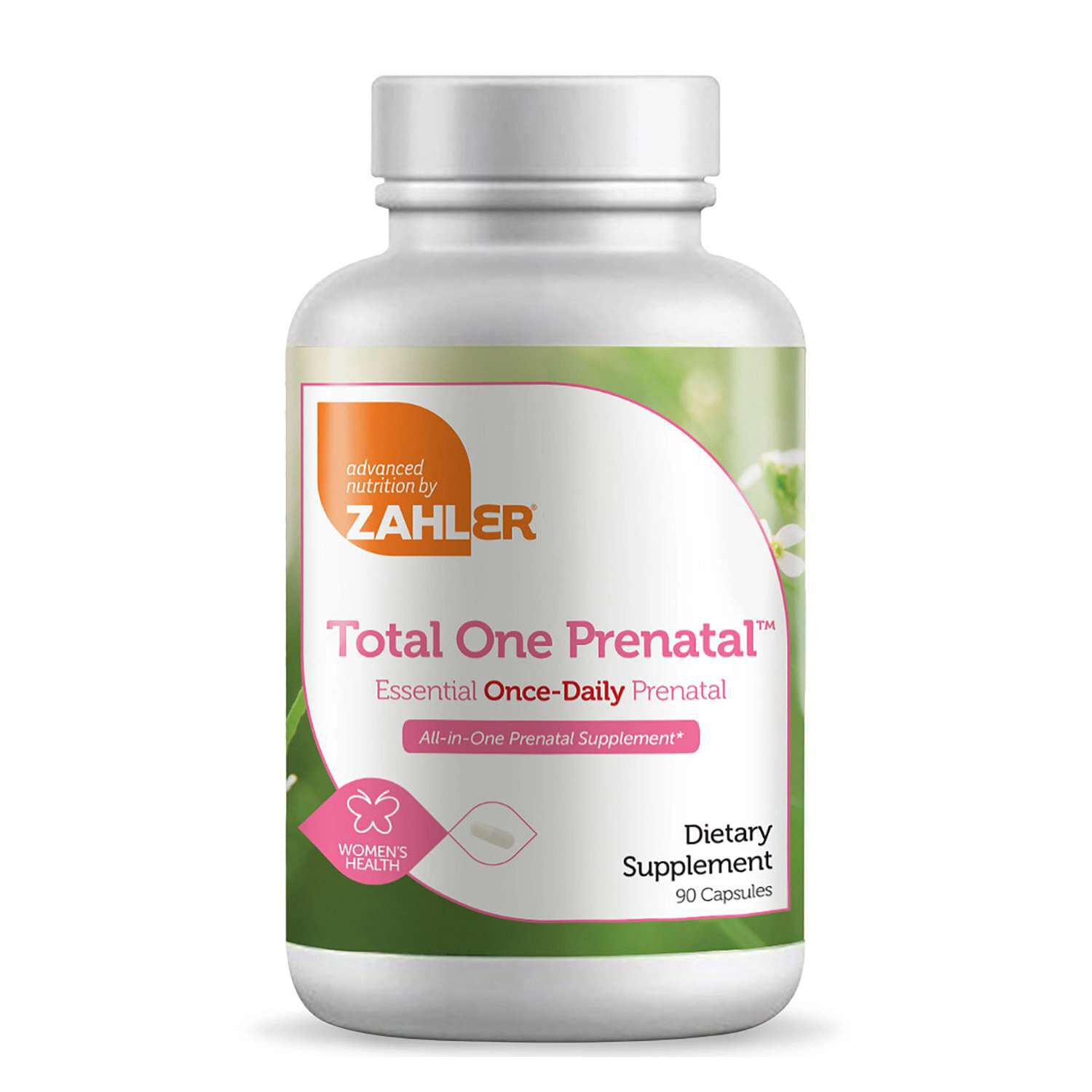
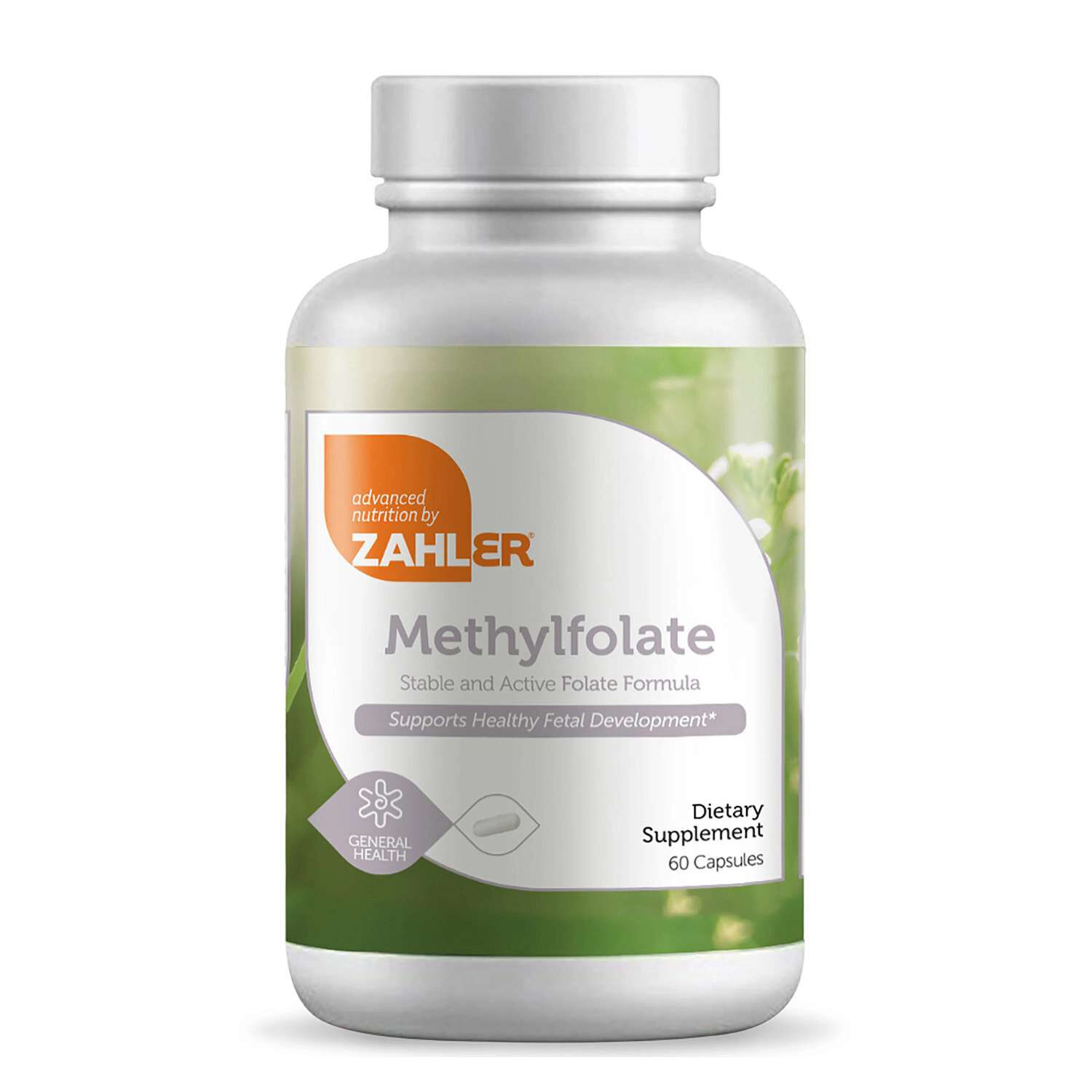
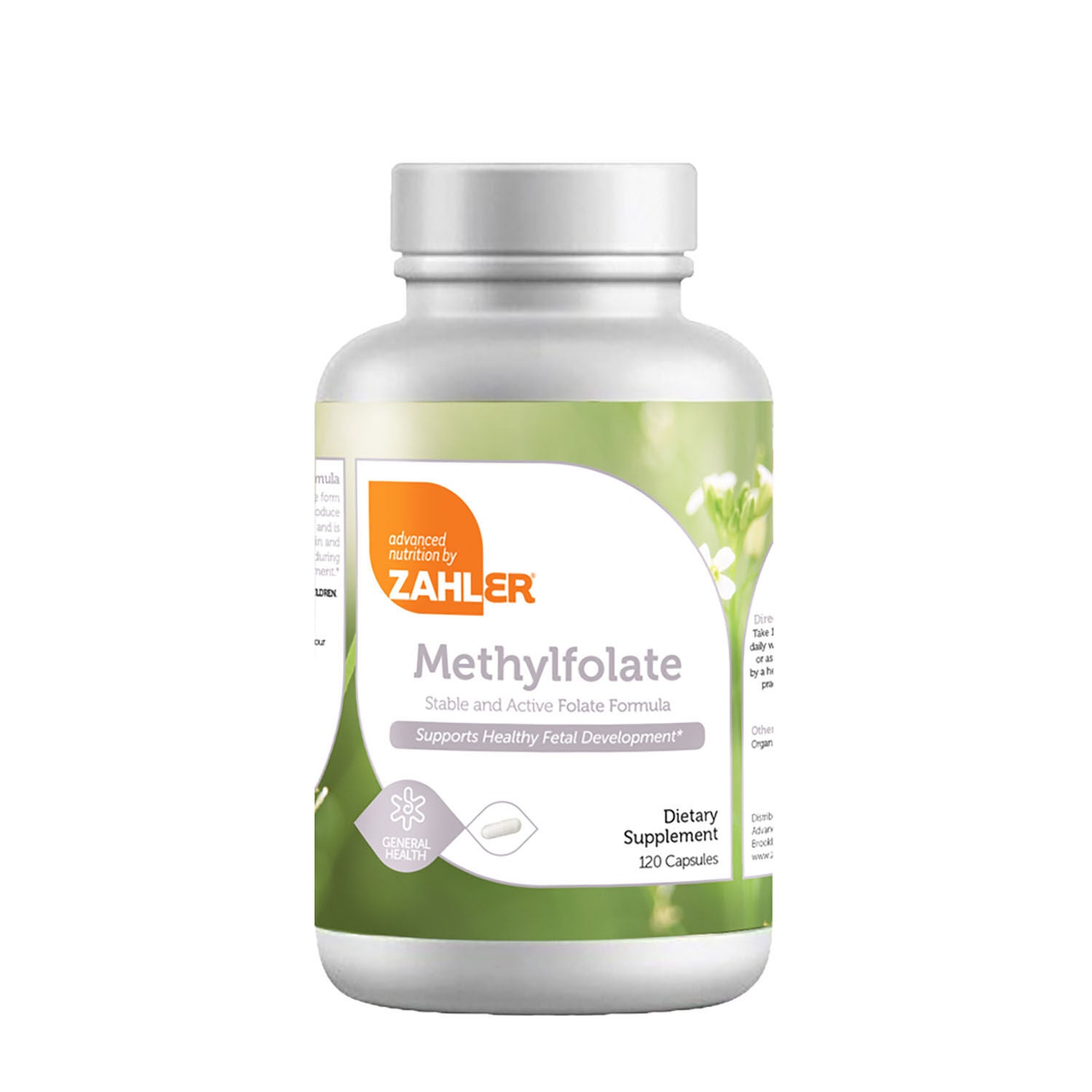
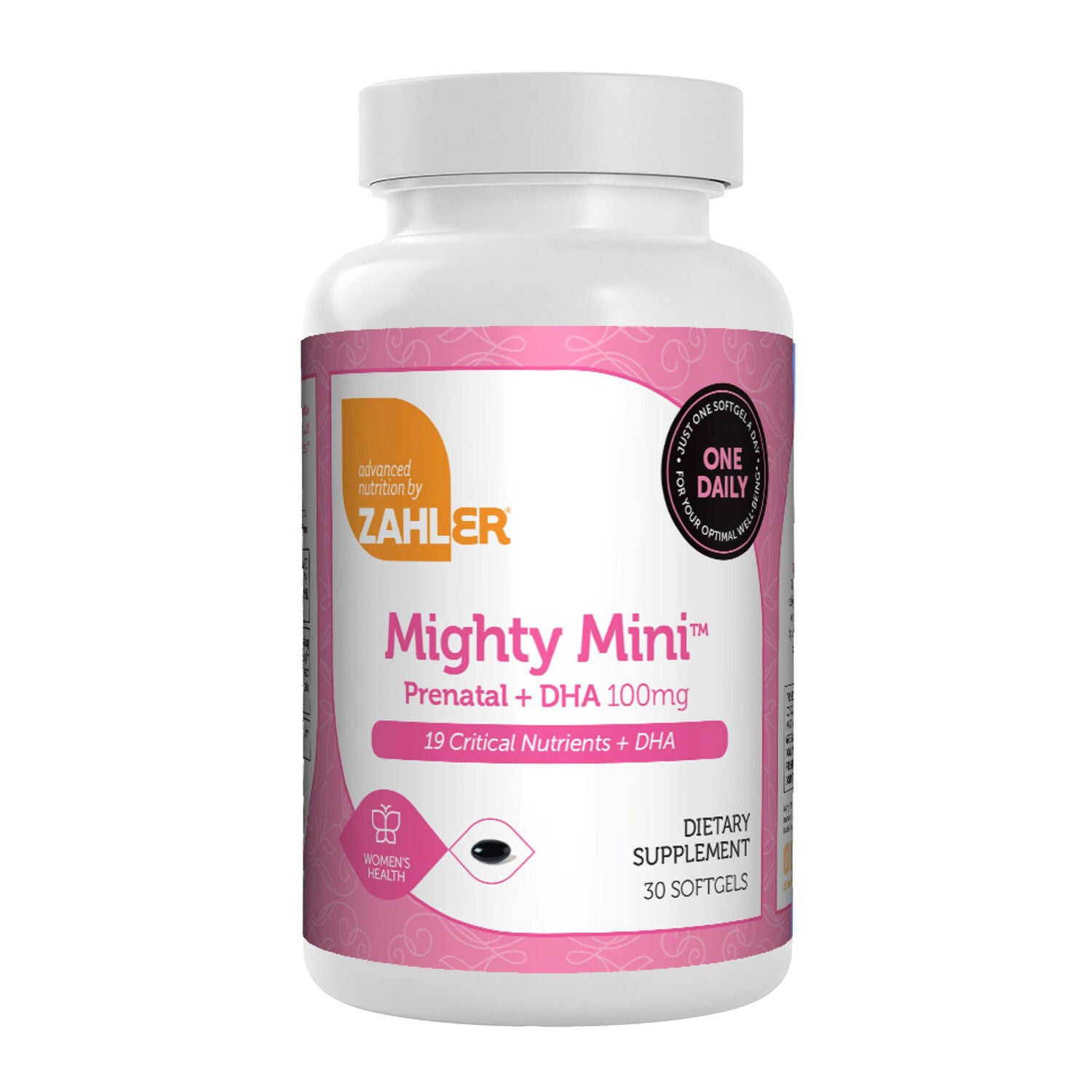
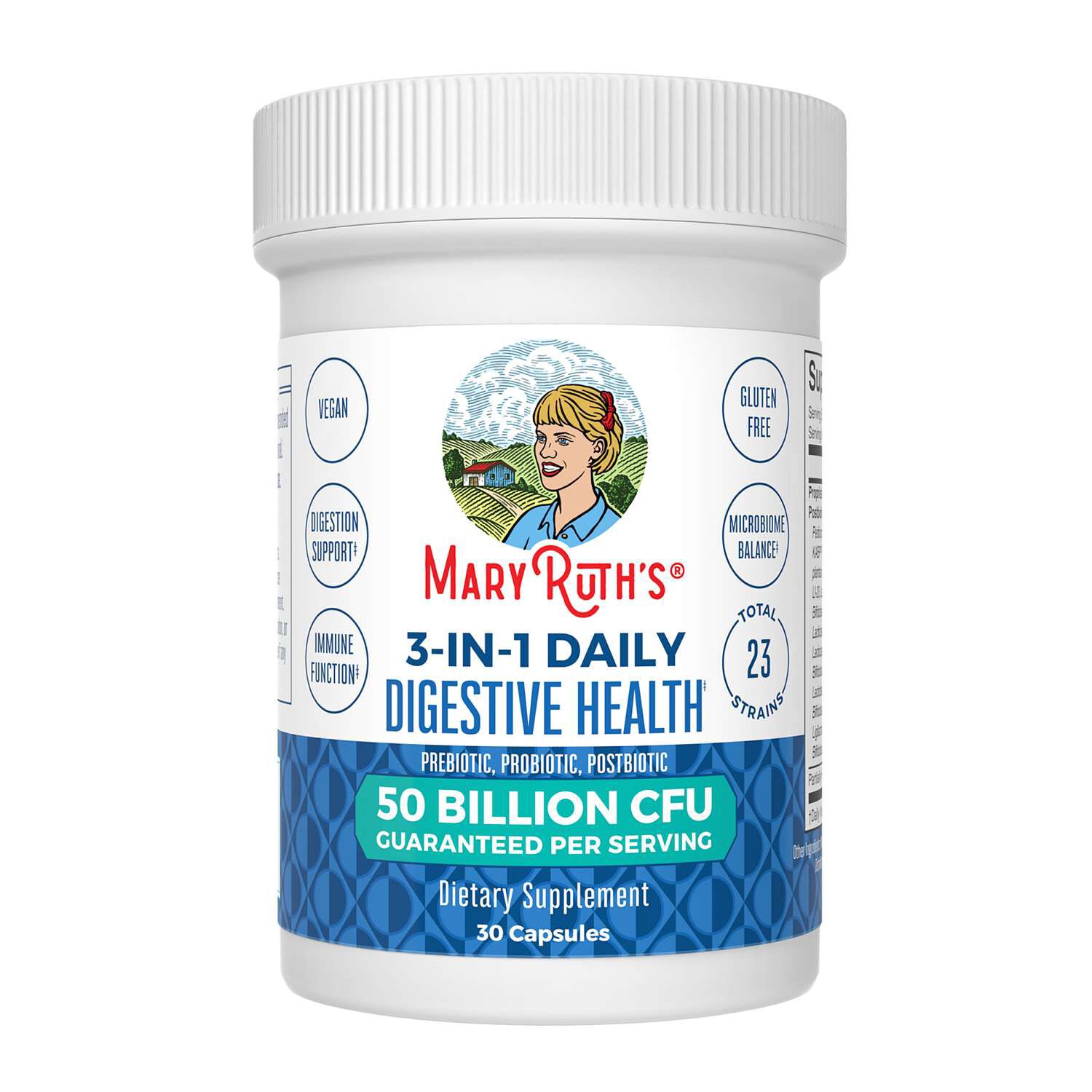
Shopping for pregnancy safe supplements brings together prenatal multivitamins, individual vitamins and minerals, and other formulas marketed for pregnancy-related nutritional routines. The category name is a starting point for browsing, not a determination that every formula is appropriate for every person or every stage of pregnancy. A prenatal designation describes intended use; personal suitability involves considerations beyond the front label and belongs in a conversation with an obstetric care professional familiar with the individual. Within this category, labels often feature nutrients such as folate, iron, iodine, vitamin D, and vitamin B12. Choline and DHA also appear in pregnancy-focused assortments, either within combination formulas or as separate supplements. DHA is an omega-3 fatty acid, and its listed source may be fish oil or algal oil. These ingredient names help distinguish formulas, but the presence of a familiar nutrient does not make two products interchangeable. One prenatal multivitamin might include a wider assortment of nutrients, while another might have a shorter ingredient list or a different serving format. Some formulas contain folic acid, while others identify another form of folate; the Supplement Facts panel provides more detail than a broad statement on the front of the package. The amount listed per serving also matters when interpreting a label, particularly when a serving contains more than one capsule or gummy. A bottle count describes the number of pieces inside, not necessarily the number of servings. These distinctions give shoppers a clearer picture of what they are comparing without turning a category page into an individualized nutrition plan. Supplements are intended to complement food rather than replace meals, and a longer ingredient list is not, by itself, a measure of suitability. For someone organizing a pregnancy-related routine, a clearly printed ingredient list, an understandable serving description, and transparent source information provide a more useful basis for comparison than broad language about a formula’s benefits. Intended-use statements also distinguish products marketed for the time before pregnancy, pregnancy itself, or the period after birth, although those labels do not resolve individual questions.
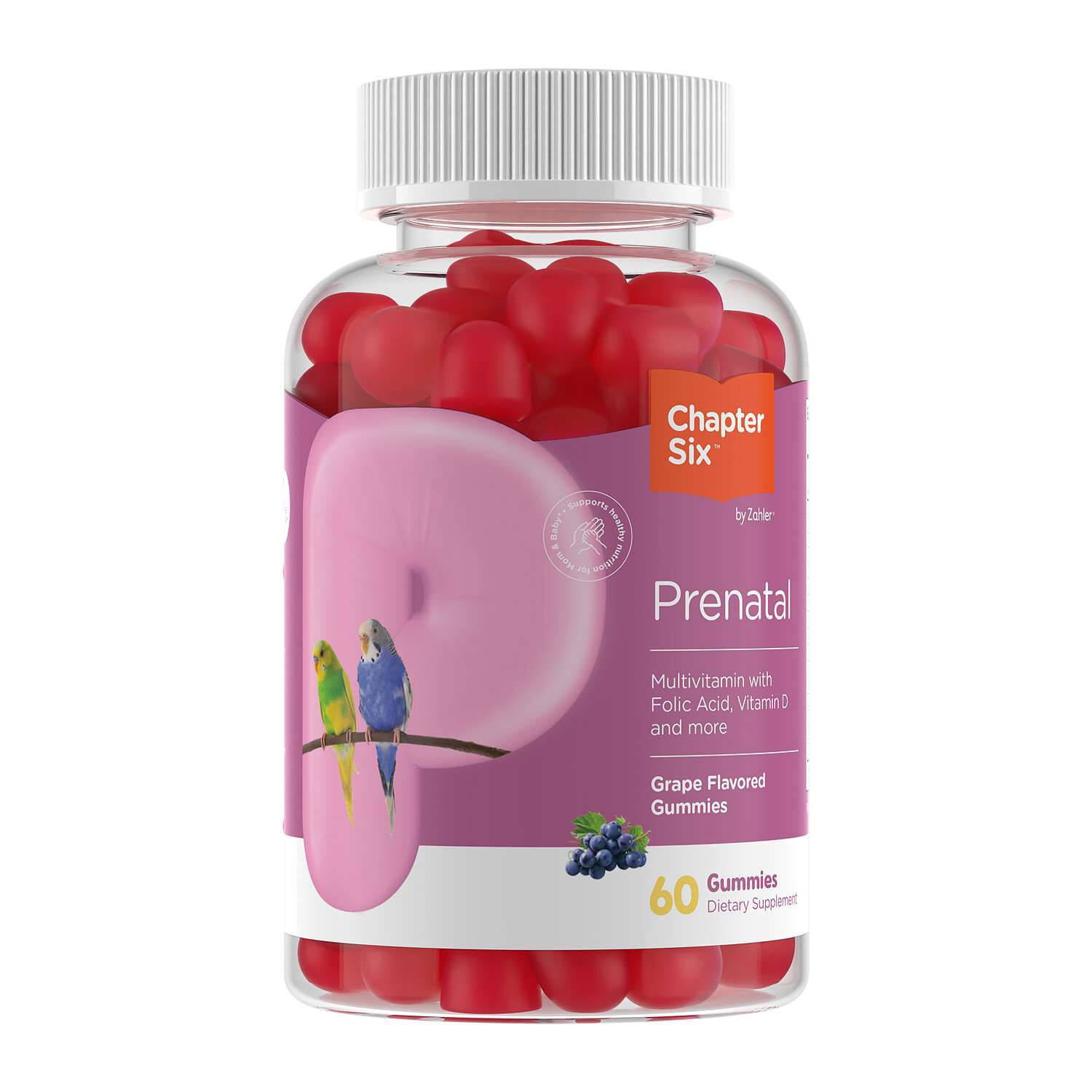
Format is another practical difference across pregnancy-focused supplements. Tablets, capsules, softgels, gummies, chewables, and powders each have distinct textures, packaging needs, and preparation requirements. Someone who prefers a chewable format might be drawn to a gummy, while another shopper might prefer an unflavored capsule or a powder prepared according to its label. Flavor descriptions, piece size, and the number of units in a serving help make those differences more concrete. Gummies and chewables may contain sugars, sweeteners, colors, or flavoring ingredients, and their nutrient selections can differ from those found in tablets or capsules. Softgels often have shell ingredients listed separately from the contents, while powders may include ingredients related to texture or mixing. These details belong alongside the nutrient panel when comparing formats. A berry flavor or a soft texture describes the experience of using a product, not its suitability for pregnancy. The full ingredient list also identifies components that do not appear as vitamins or minerals in the Supplement Facts panel. Packaging deserves similar attention, especially for a bottle that will be opened repeatedly or carried between home and an appointment. Clear serving directions, legible expiration information, and a closure that remains secure are practical features worth comparing. A larger container requires more storage space, while an individually portioned format has a different packaging footprint. Care depends on the manufacturer’s storage directions, including instructions about moisture and keeping the container properly closed. Original packaging keeps the ingredient list, lot information, and serving directions together instead of separating loose capsules from their identifying details. For powders, the included measuring device and preparation directions are part of the format rather than optional accessories. These everyday considerations help describe how a supplement fits into someone’s household routine without assuming that one texture, package size, or delivery method suits everyone. They also make comparisons more tangible than a front-label description alone.
Dietary preferences and ingredient sourcing add another dimension to the assortment. Shoppers may look for vegetarian capsule materials, an algal source of DHA, or certification that aligns with a household’s food practices. Capsule shells can contain gelatin or plant-derived materials, and the source is a separate consideration from the vitamins and minerals inside. Likewise, an omega-3 formula’s source and a prenatal multivitamin’s certification answer different questions. For shoppers whose dietary practices include kosher certification, Kosher Pregnancy Supplements offers a related category for comparison. Kosher certification concerns conformity with kosher requirements; it is not a pregnancy-specific suitability assessment. A certification mark, an ingredient list, and a Supplement Facts panel each communicate a different kind of information, so none substitutes for the others. Dietary descriptions also deserve precise reading: a plant-derived capsule shell does not necessarily describe every ingredient in the formula, and an ingredient’s source does not establish the certification status of the finished product. Allergen statements and manufacturer disclosures provide additional context for households with particular ingredient requirements. These distinctions are especially relevant when one person researches supplements and a partner or family member handles the purchase. Sharing the exact label and preferred format keeps the comparison grounded in the intended recipient’s preferences rather than assumptions about what any prenatal product contains. Similar-looking bottles may differ in nutrient forms, serving size, flavor, shell materials, or the inclusion of additional ingredients. Pregnancy-focused shopping often involves that kind of close comparison: a bottle beside a grocery list, two labels open on a phone, or ingredient information gathered for a conversation with an obstetric care professional. The most useful product information is specific enough to distinguish formulas without implying that a familiar name settles every question. Clear labeling, identifiable ingredient sources, suitable packaging, and an understandable intended-use statement give this category its practical context. Together, those details allow pregnancy-related supplements to be considered as individual formulations rather than treated as interchangeable because they share a place on the same page.
- Q: What types of supplements are commonly chosen during pregnancy?
A: Many people select prenatal multivitamins, folic acid, iron, calcium, and vitamin D supplements during pregnancy to help support their nutritional needs. - Q: How do prenatal vitamins differ from regular multivitamins?
A: Prenatal vitamins are often formulated with nutrients like folic acid, iron, and calcium in amounts that may be suited for those who are pregnant or planning to become pregnant. - Q: Can omega-3 supplements be included in a pregnancy wellness routine?
A: Omega-3 supplements, such as those containing DHA, are sometimes chosen by individuals during pregnancy to help support overall wellness. - Q: Why might someone consider taking a choline supplement during pregnancy?
A: Choline is an important nutrient that may play a role in supporting the health of both the individual and the developing baby during pregnancy. - Q: Are there any nutrients that people commonly look for in pregnancy-focused supplements?
A: Folic acid, iron, calcium, vitamin D, iodine, and DHA are some of the nutrients that are often included in supplements selected by those who are pregnant.
Best Sellers


Related Pages
Top Collections
- Active Supplements
- Chronic Fatigue Supplements
- Supplements For Yoga Joint Flexibility
- Zinc Supplements | Top Brands at Great Prices | GNC
- Joint Mobility Supplement Packs
- Adult Mobility Supplements
- Supplements For Anxiety Relief Support
- Zinc Supplements For Men
- Capsule Supplements For Energy And Stamina
- Vitamins For Hair Loss