Kosher Pregnancy Supplements
(0 Results)
Expecting mothers looking for kosher pregnancy supplements could find a variety of options tailored to their unique dietary needs. Maintaining optimal health during pregnancy might be supported by these specially formulated supplements, which may cater to both nutritional requirements and kosher dietary laws. Explore how these products might contribute to overall wellness during this important stage of life.


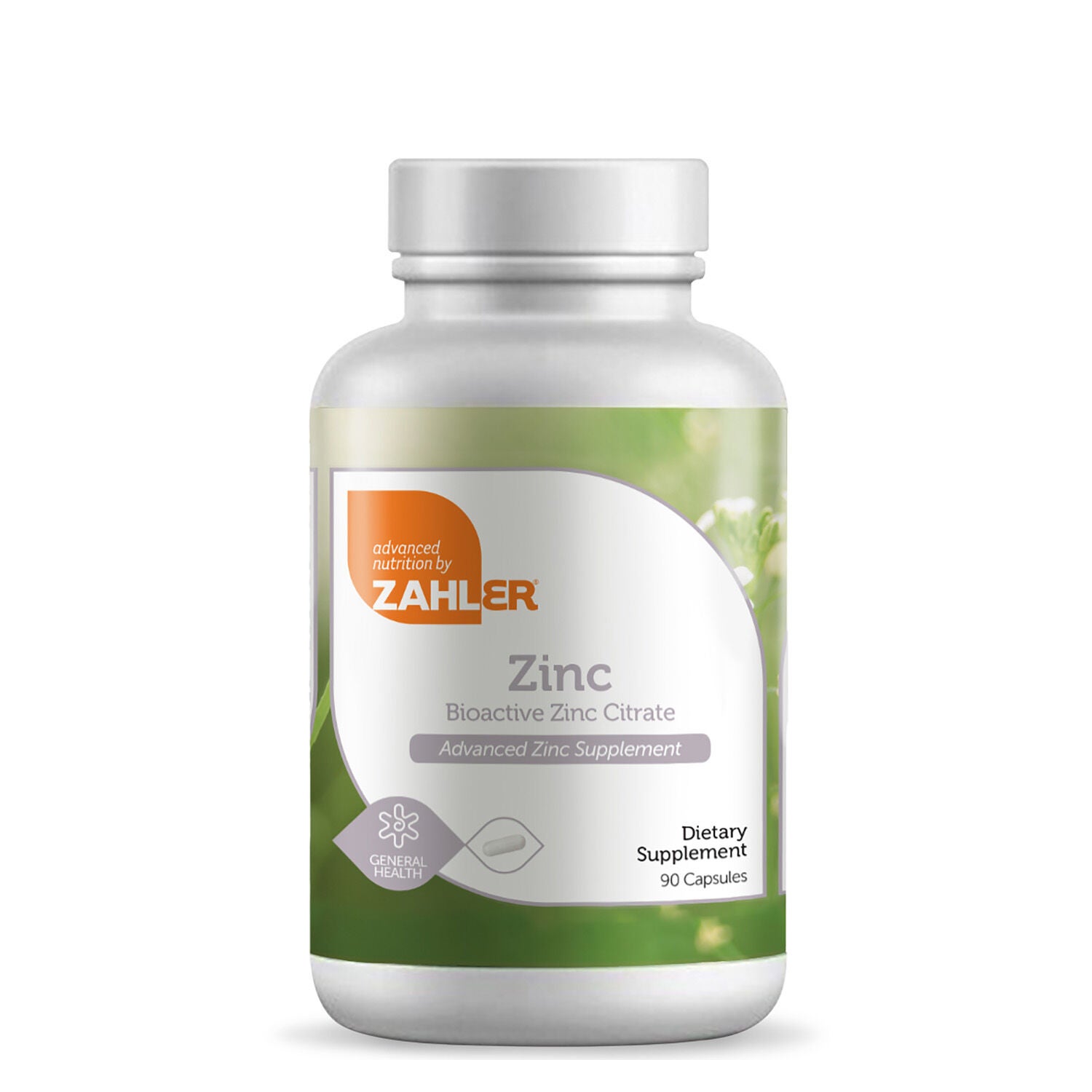

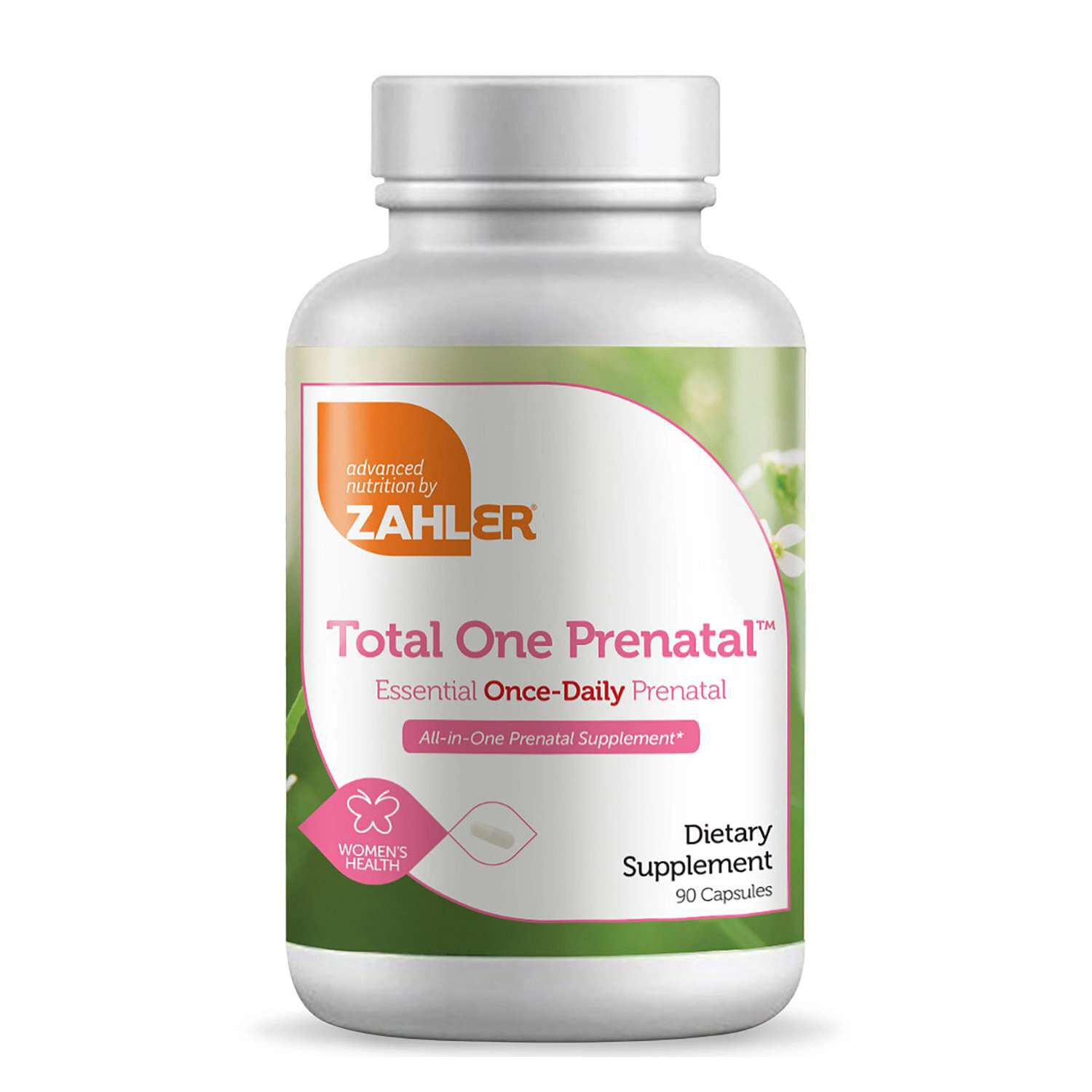


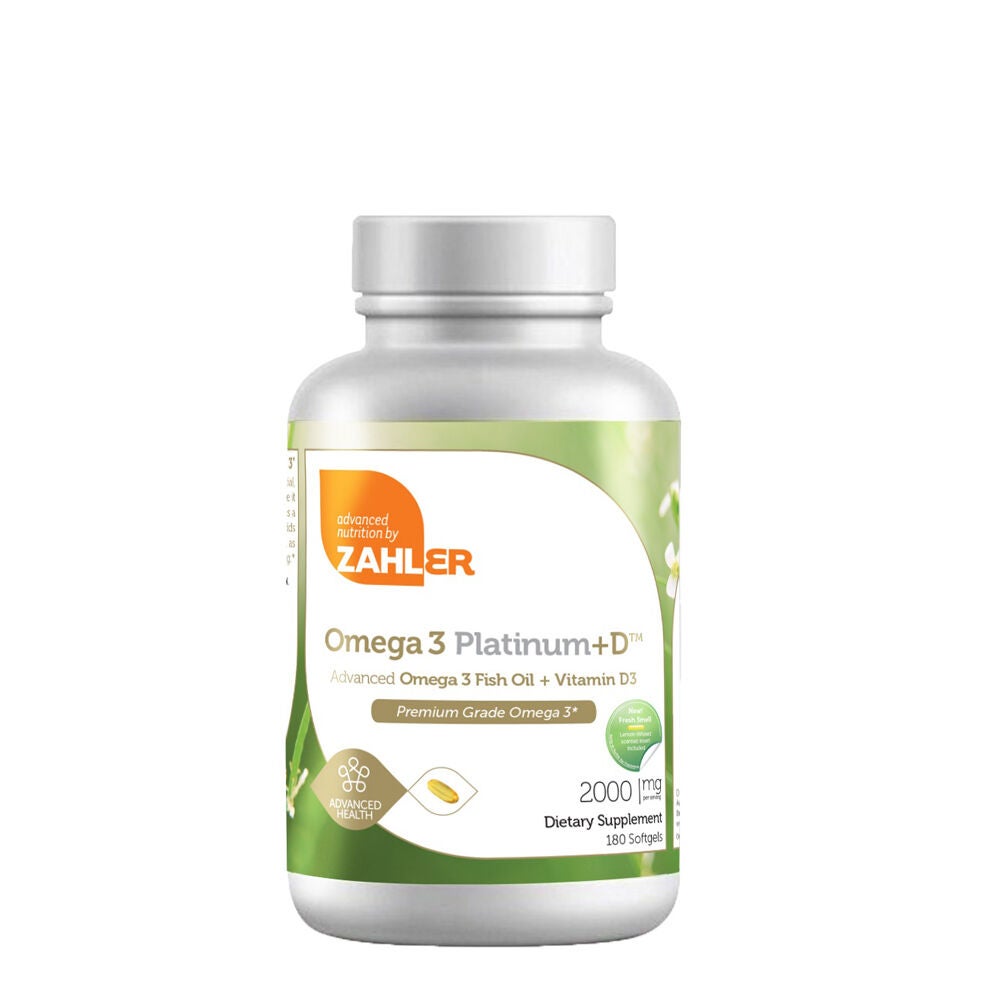
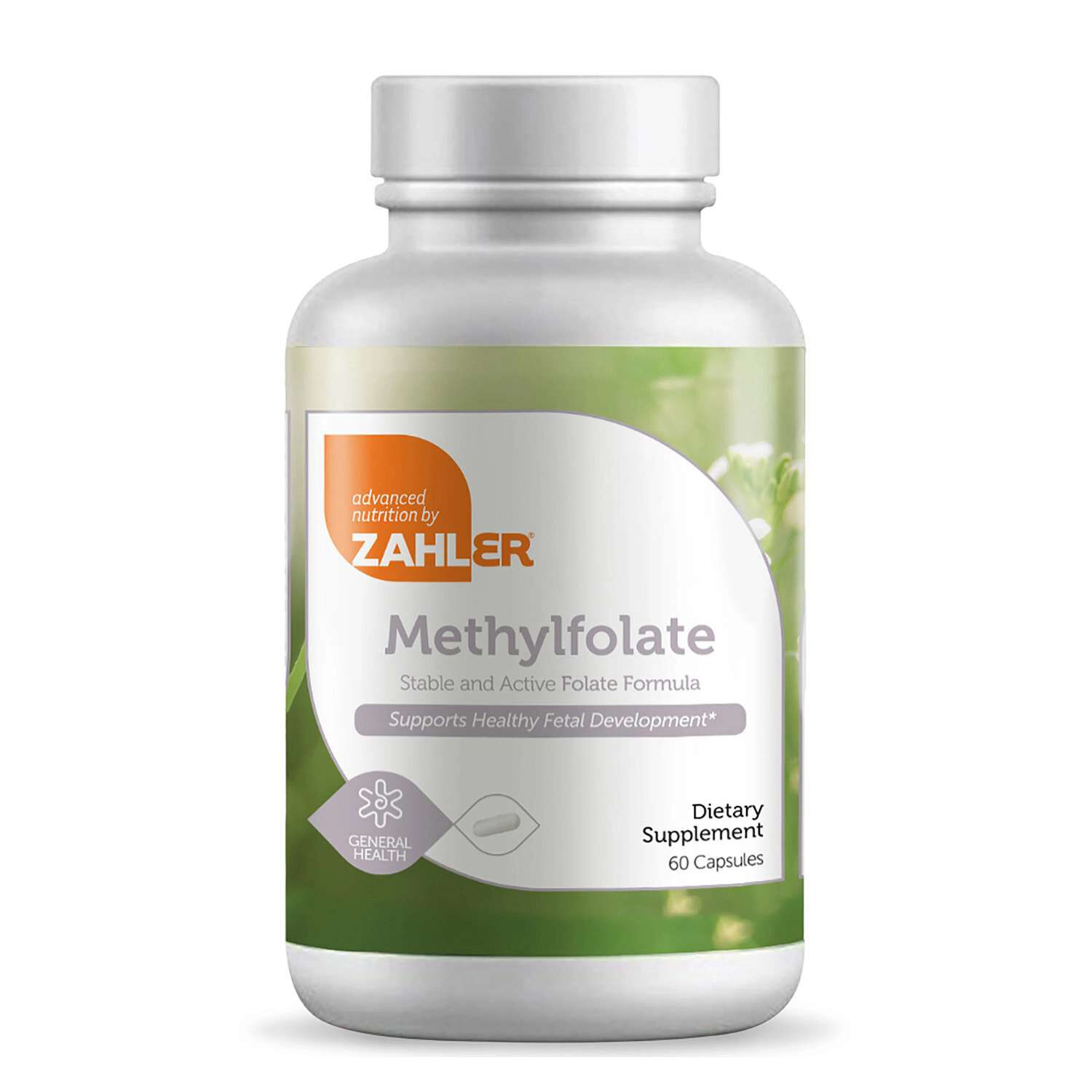
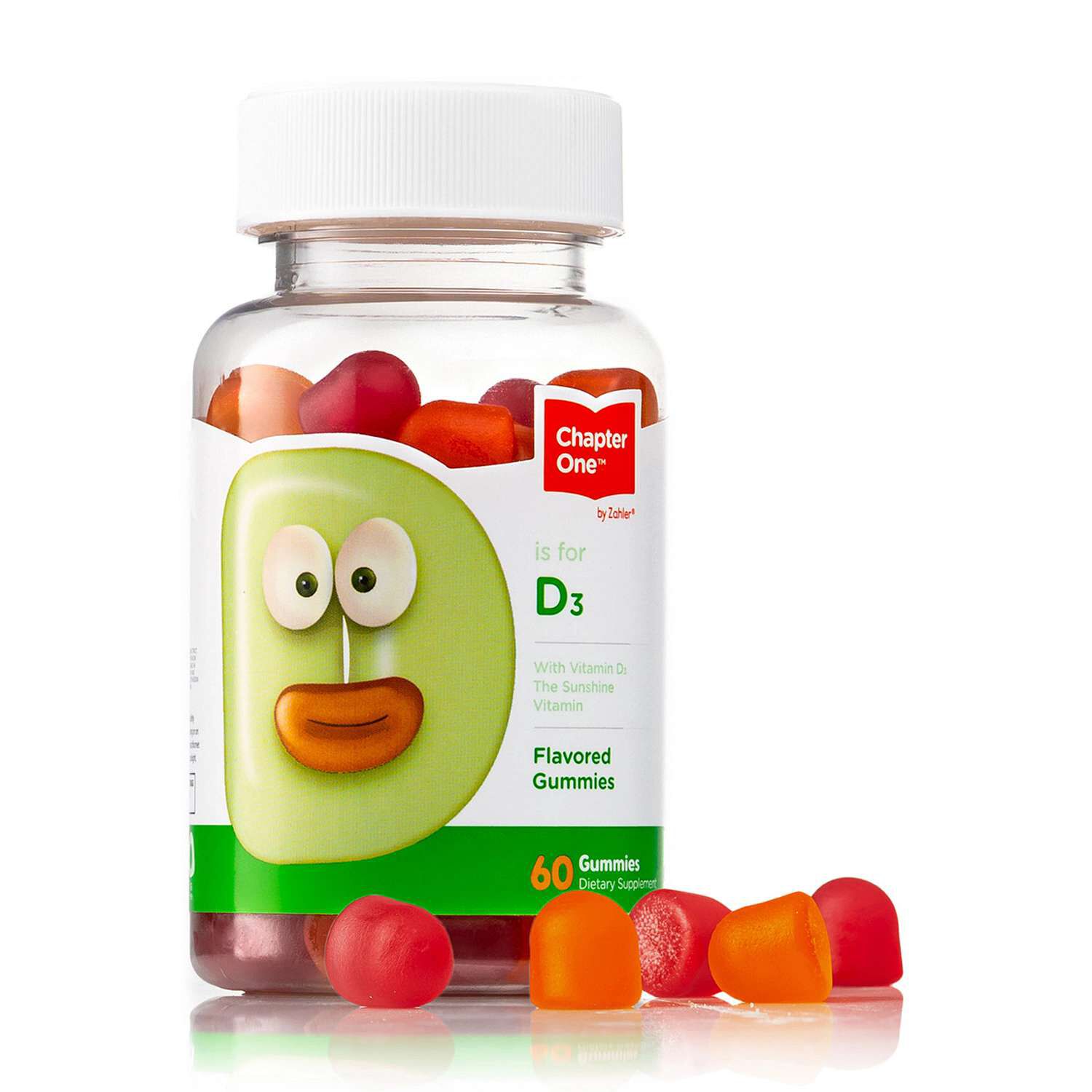
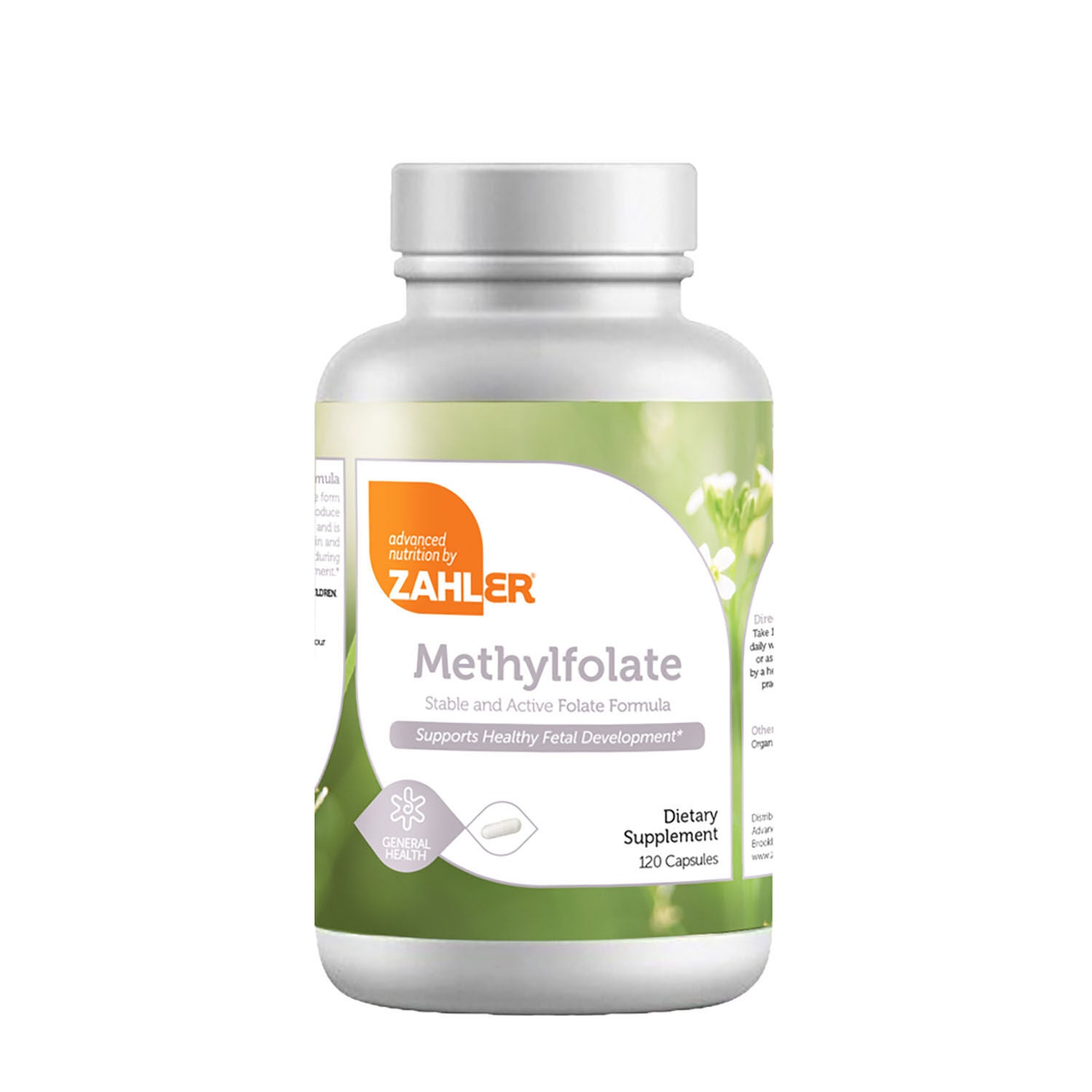
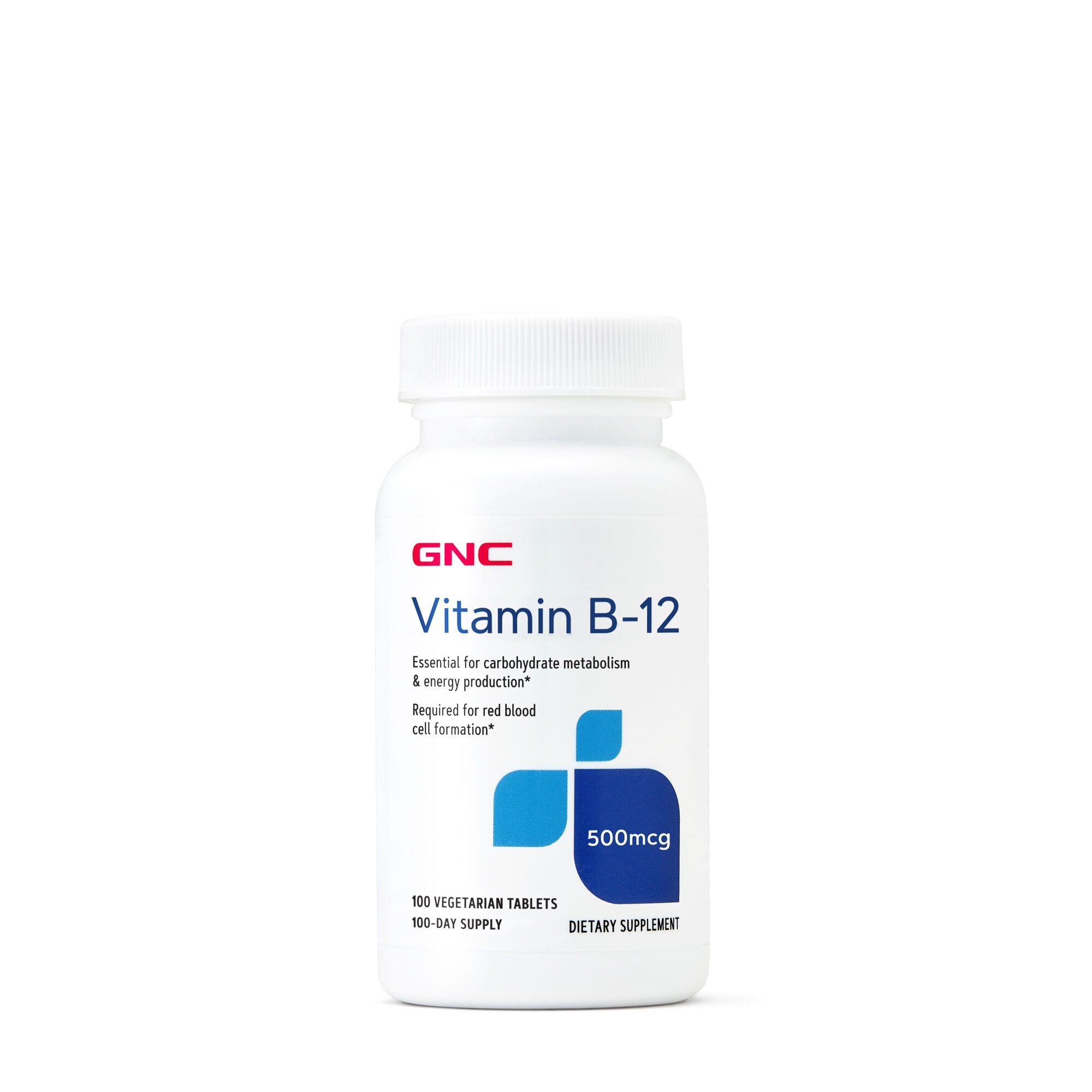
Kosher pregnancy supplements are prenatal vitamins and other nutritional supplements that carry kosher certification and are marketed for use during pregnancy. Their defining features are the intended use described on the label and certification addressing ingredient sources and manufacturing practices. These are separate considerations: a prenatal label does not establish kosher status, and a kosher symbol does not establish that a formula is intended for pregnancy. For shoppers who observe kashrut, both details matter. Certification generally involves more than checking whether the ingredient list contains an obvious animal-derived component. Capsule shells, flavorings, processing aids, and production equipment may also fall within a certifying organization’s review. Gelatin, for example, is not automatically nonkosher; its source and certification matter. Likewise, a vegetarian or vegan designation is not a substitute for kosher certification. Recognized certification symbols provide a useful starting point, while the certifying organization’s documentation offers additional context about the designation. Depending on the formulation and certification, packaging may identify a supplement as dairy or pareve. Pareve generally indicates that a product is classified as neither meat nor dairy under the certifier’s standards, a distinction that matters in households with established food and kitchen practices. The relevant designation belongs to the particular formulation, not automatically to every supplement from the same manufacturer. Package images and written descriptions are helpful for comparison, but the label on the container remains an important reference because ingredients, packaging, and certification details may change. Some shoppers also look for information about fish-derived ingredients, the source of capsule materials, or the organization behind an unfamiliar symbol. Those details give the category its practical meaning: pregnancy-focused supplements considered alongside the dietary standards observed at home. Kosher status describes a certification standard, not a supplement’s effects or its suitability for every individual. Keeping those distinctions clear makes product descriptions more useful and prevents broad terms such as “prenatal,” “plant-based,” or “natural” from standing in for the certification information a shopper actually wants.
Within the category, formulations differ in nutrient selection, ingredient forms, serving size, and the way the supplement is presented. Prenatal multivitamins may list folate, iron, iodine, vitamin D, vitamin B12, and other nutrients, while separate formulas may center on choline or DHA. Not every prenatal formula contains the same ingredients, and a familiar nutrient name on the front of a bottle does not describe the entire formula. The Supplement Facts panel shows the listed amounts per serving, while the ingredient list identifies additional components such as capsule materials, sweeteners, colors, and flavorings. Folate may appear under different ingredient names, and omega-3 ingredients may come from fish or algae; those source details are also relevant when reviewing kosher documentation. Tablets, capsules, softgels, gummies, and powders offer different physical formats without being interchangeable descriptions of nutritional content. A gummy format, for instance, does not reveal which nutrients are included or how many pieces make up a labeled serving. Similarly, a bottle’s capsule count is not necessarily its serving count. These distinctions are especially useful when comparing two containers that look similar at a glance. A shopper picturing a familiar morning routine may pay attention to tablet dimensions, the number of pieces in a serving, or whether a powder requires mixing. Another may prefer an unflavored format over a fruit-flavored chewable, or want clearer information about gelatin, pectin, or other ingredients used to create the texture. Flavor and texture preferences are personal, and photographs rarely tell that whole story. Detailed descriptions of coatings, capsule shells, and preparation requirements are more informative than broad claims about convenience. The most useful comparison considers the certification mark, the full ingredient panel, the labeled serving, and the format together. A longer ingredient list or a larger container does not, on its own, explain how two formulas differ. Side-by-side label reading brings those differences into view without assuming that every supplement carrying the word “prenatal” has the same composition.
Practical details also matter when kosher pregnancy supplements become part of an established household routine. A container intended for a kitchen cabinet has different handling considerations from individual packets carried in a work bag, even when both hold the same general format. Storage directions on the packaging identify the conditions intended for that supplement, including any instructions about moisture, light, or refrigeration. A tightly closing lid, readable label, and clearly marked expiration date are useful details to examine alongside the formula itself. For powders, preparation directions and the included measuring utensil, when provided, belong in the comparison; for individually wrapped formats, the packet labeling and condition of the outer packaging also matter. Keeping the original container retains the ingredient list, certification symbol, lot information, and storage directions in one place. In a shared kitchen, that information gives household members a straightforward reference rather than leaving them to identify loose capsules or an unmarked container. Packaging deserves attention for another reason: the material used for the bottle is separate from the materials used in a capsule shell, coating, or gummy base. A description of one does not establish the composition of the other. Pregnancy-related purchases are also personal, so supplements are generally a more thoughtful gift when the recipient has already named a preferred formula and format. An agreed-upon choice respects both individual preferences and the kosher standards followed in that household, without making assumptions based on packaging or a general category name. Shoppers browsing dietary certification across other parts of a supplement collection may also explore Kosher Focus Supplements as a separate category with its own intended uses and formulations. For pregnancy-focused shopping, the clearest picture comes from the details that remain meaningful beyond the front label: documented kosher status, ingredient sources, serving information, physical format, and package care. Together, those details provide a grounded way to understand the category while keeping personal preferences and household dietary practices in view.