Supplements For Kosher Diets
(0 Results)
Supplements for kosher diets offer a convenient way to support your wellness goals while aligning with dietary preferences. Whether you’re looking to fill potential nutritional gaps or simply want options that fit your lifestyle, finding supplements that meet kosher standards could help you stay on track. Explore a wide selection of vitamins, minerals, and specialty formulas designed for those who follow kosher guidelines.
-
-
-
 $29.99
 -

-

-

-
-
-

-
 $34.99
 -

-

-
-

-
 _Front.jpg?sw=305&sh=305&sm=fit "Magnesium: Bioactive Magensium Citrate - 60 Capsules (60 Servings) | GNC")
-
 _Front.jpg?sw=305&sh=305&sm=fit "Magnesium: Bioactive Magensium Citrate - 120 Capsules (120 Servings) | GNC")
-

-

-
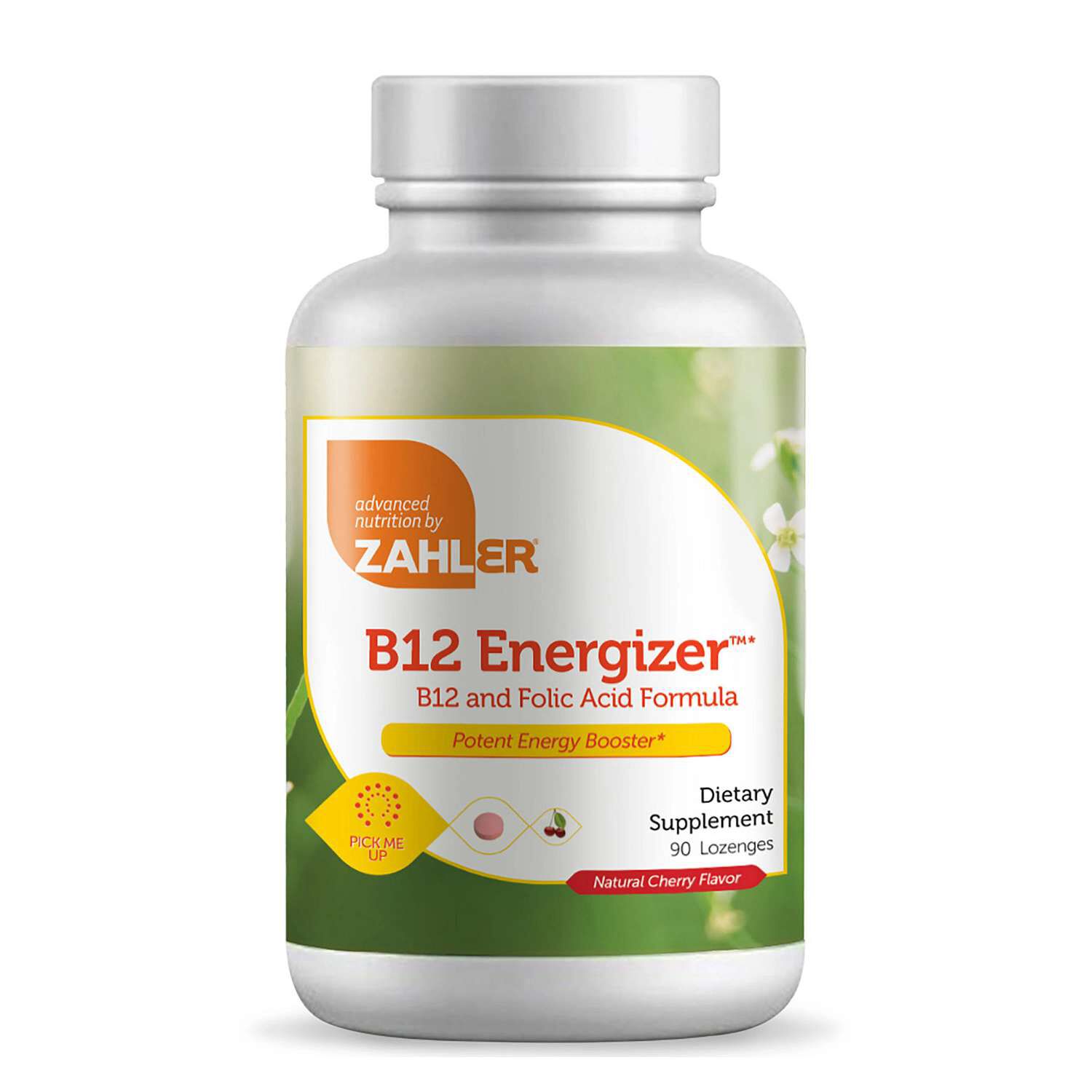
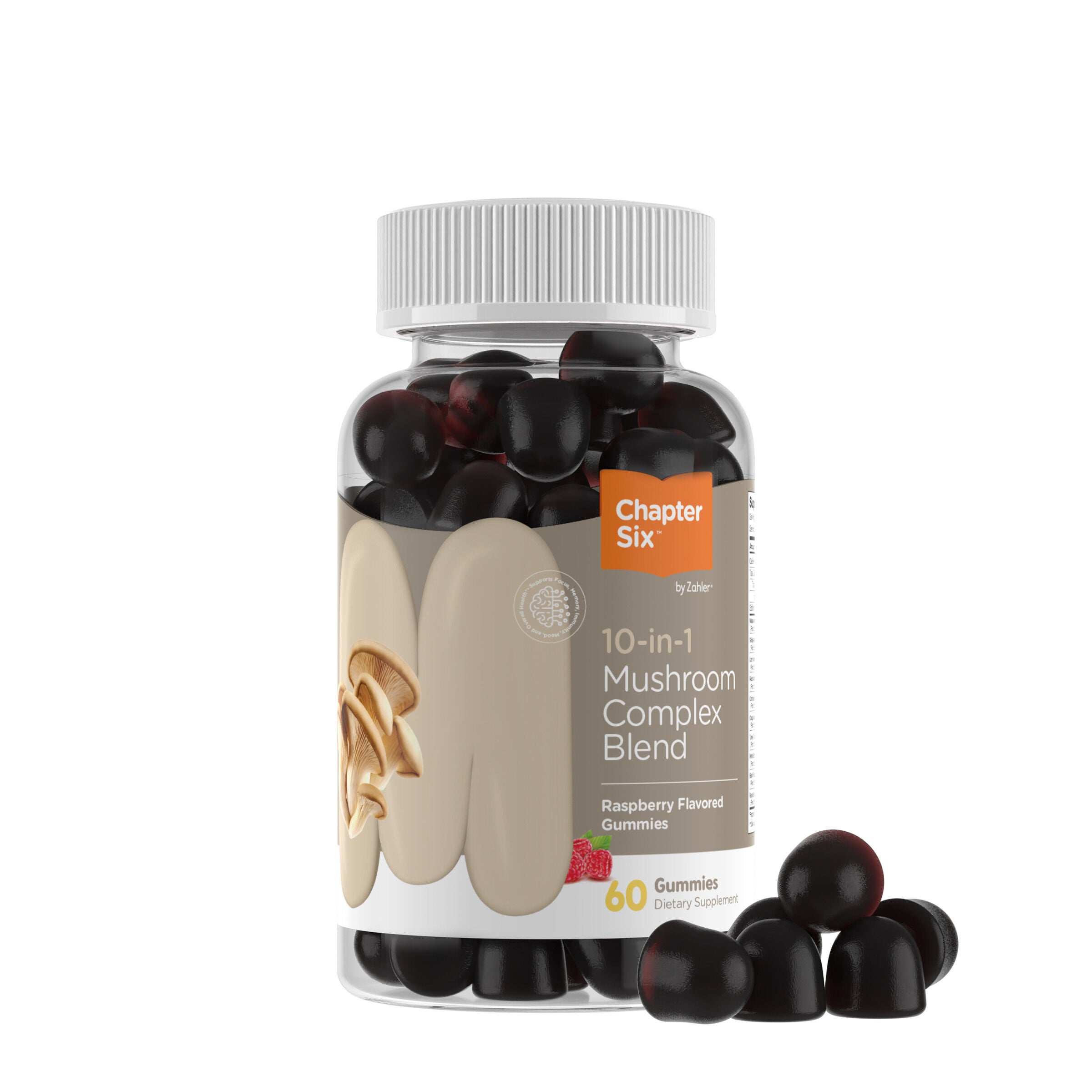

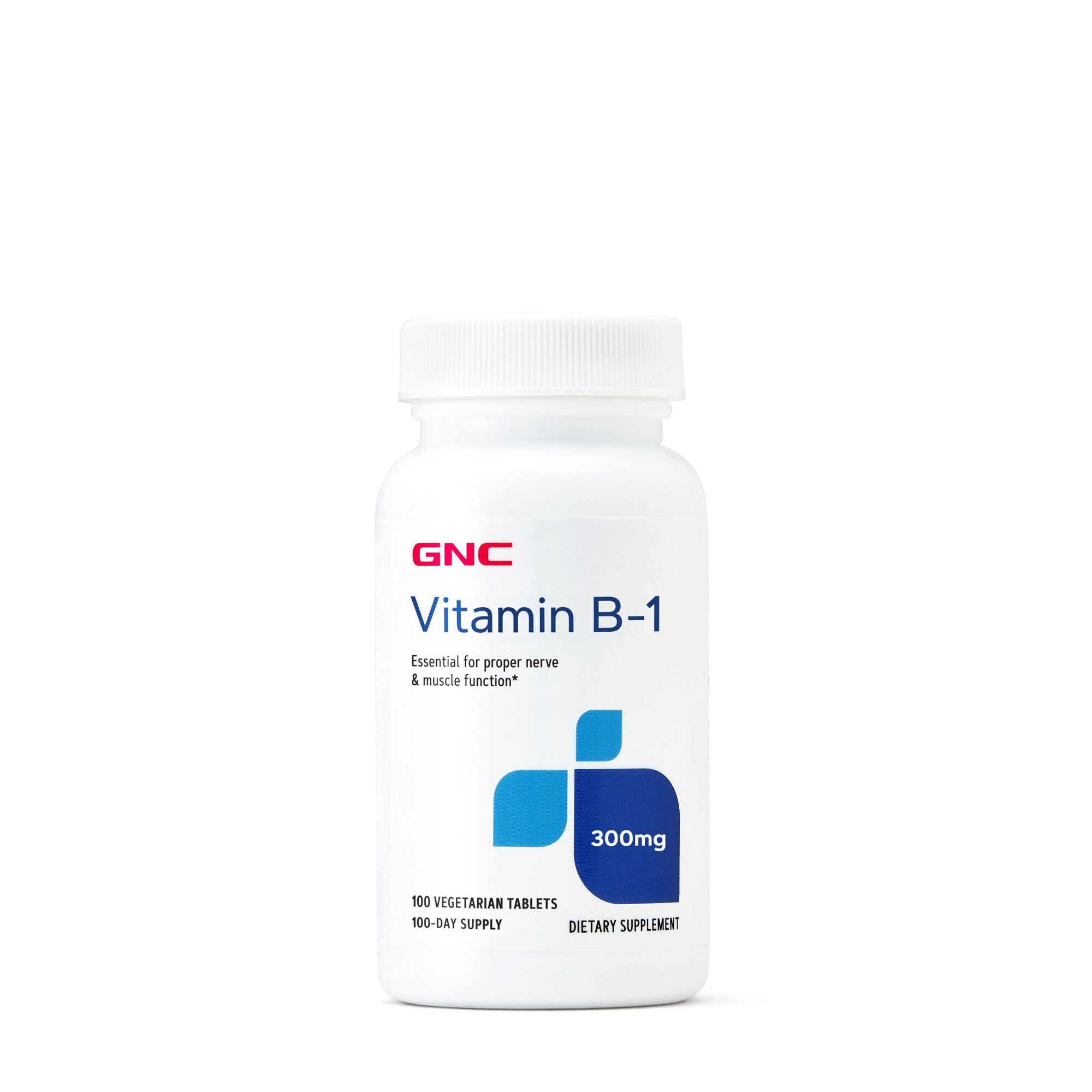

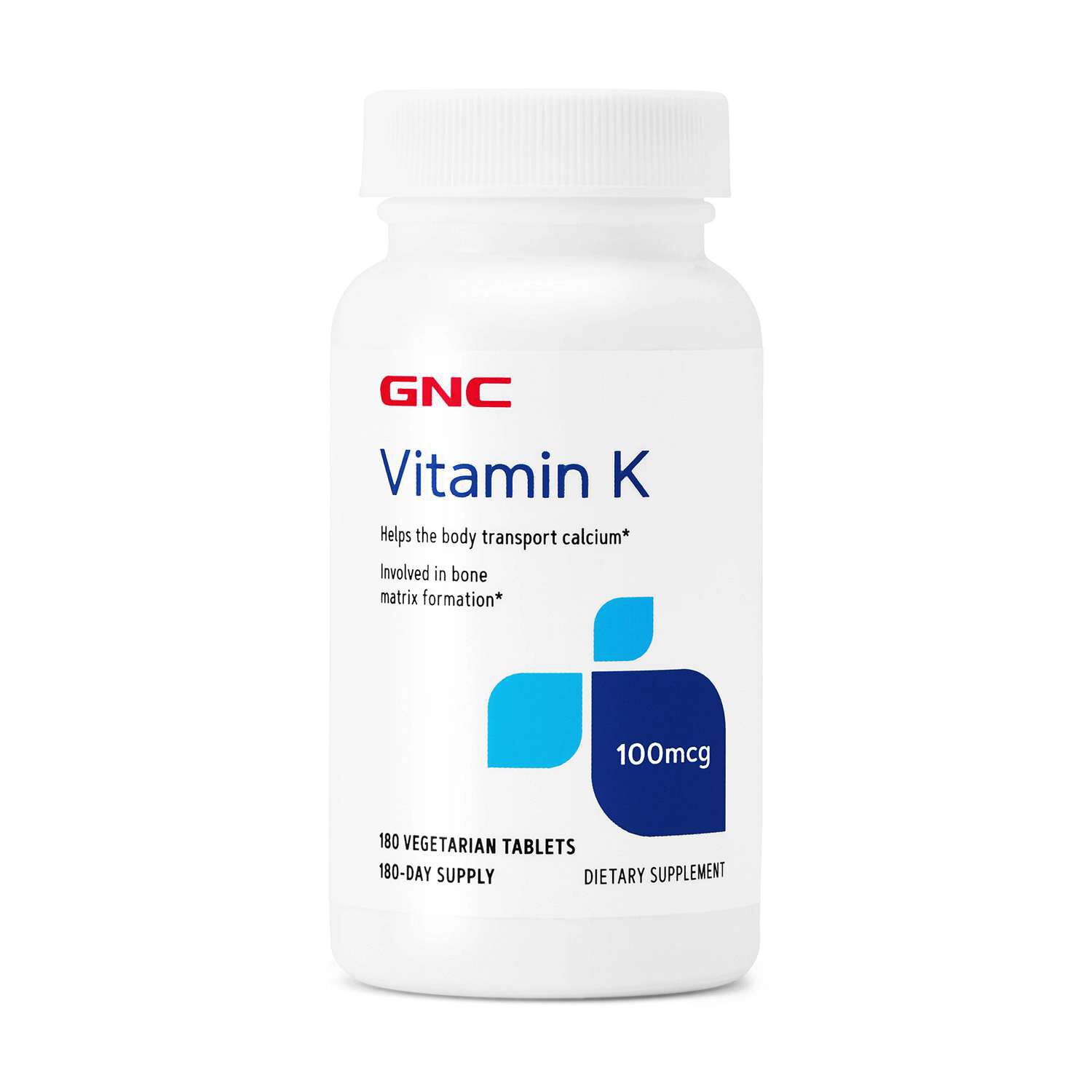
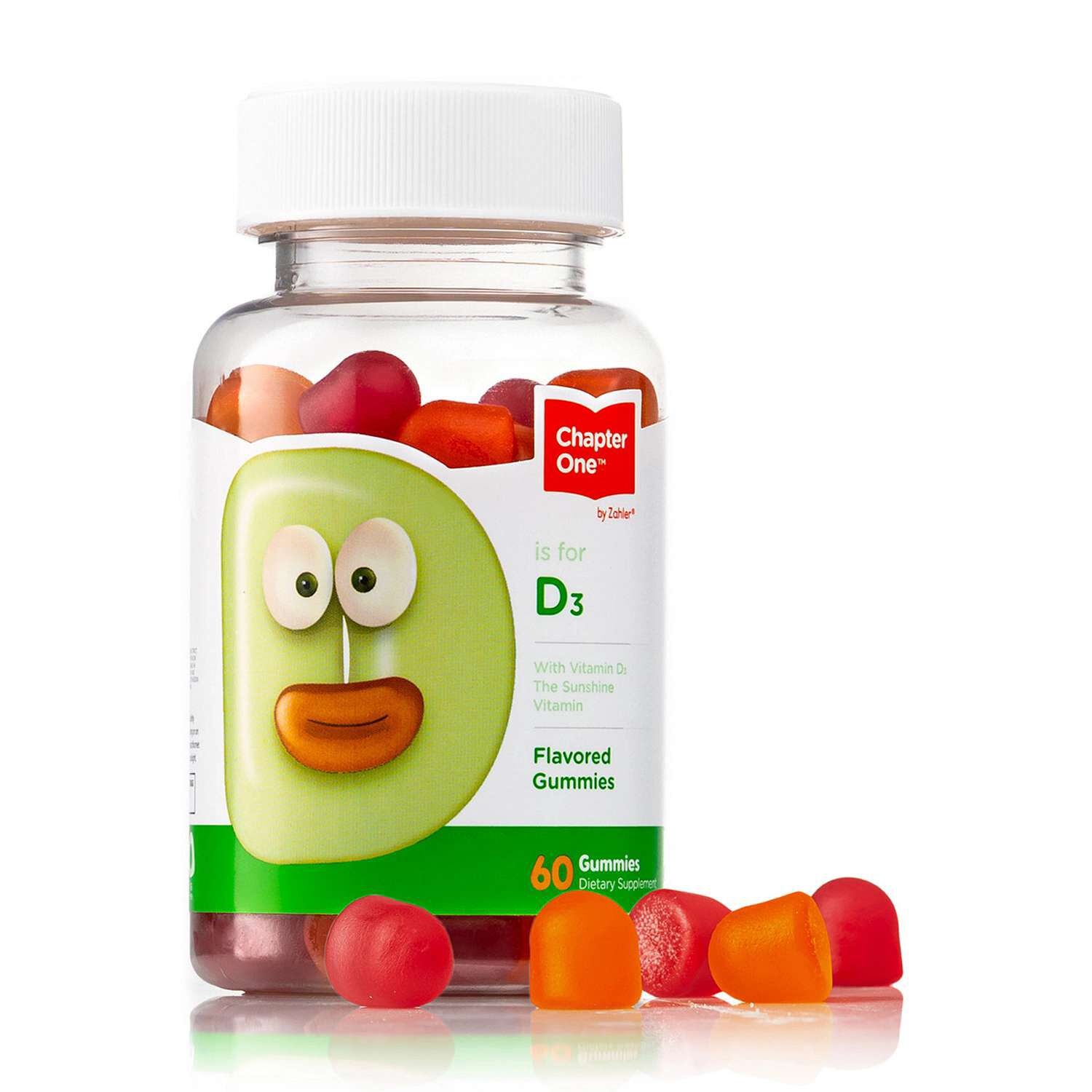
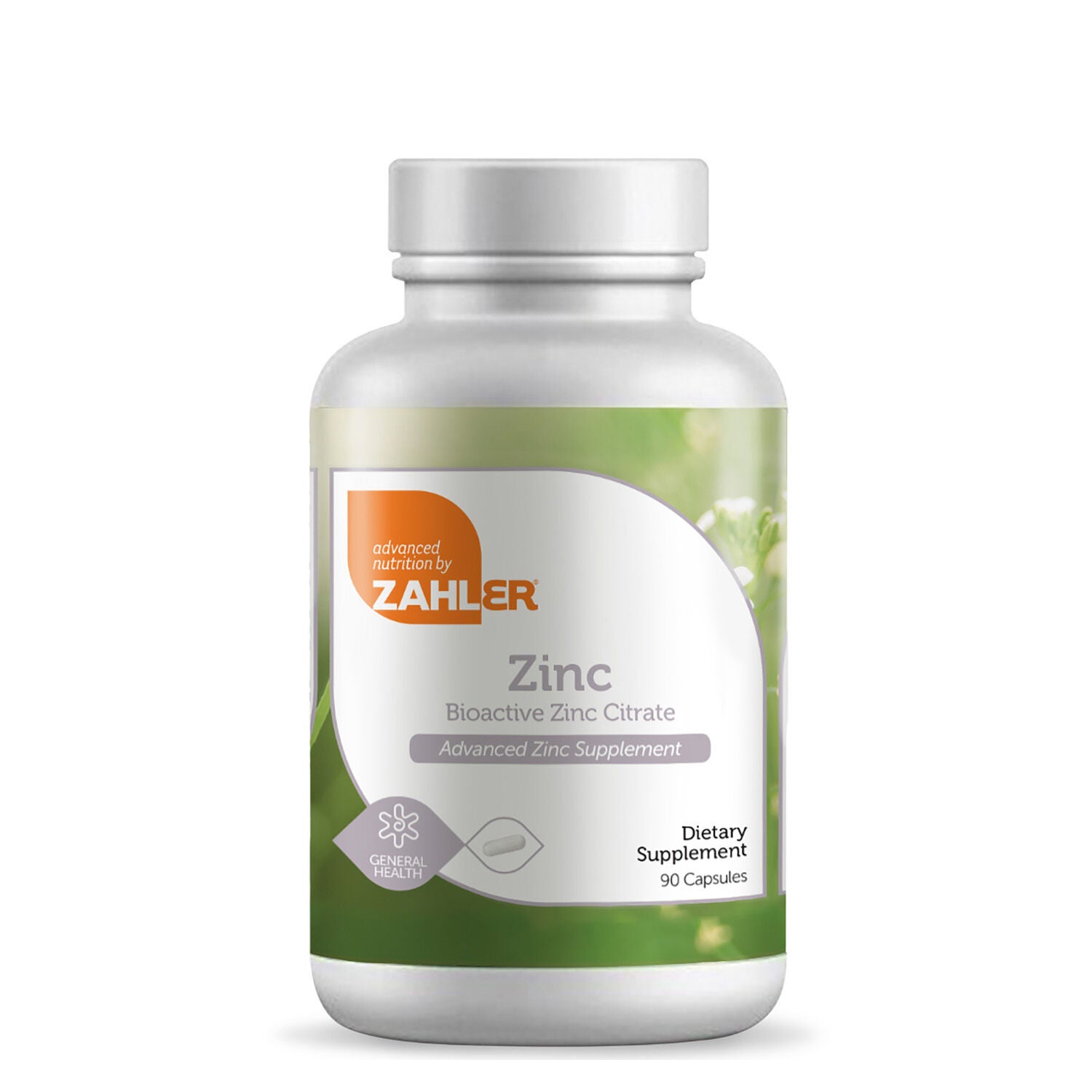
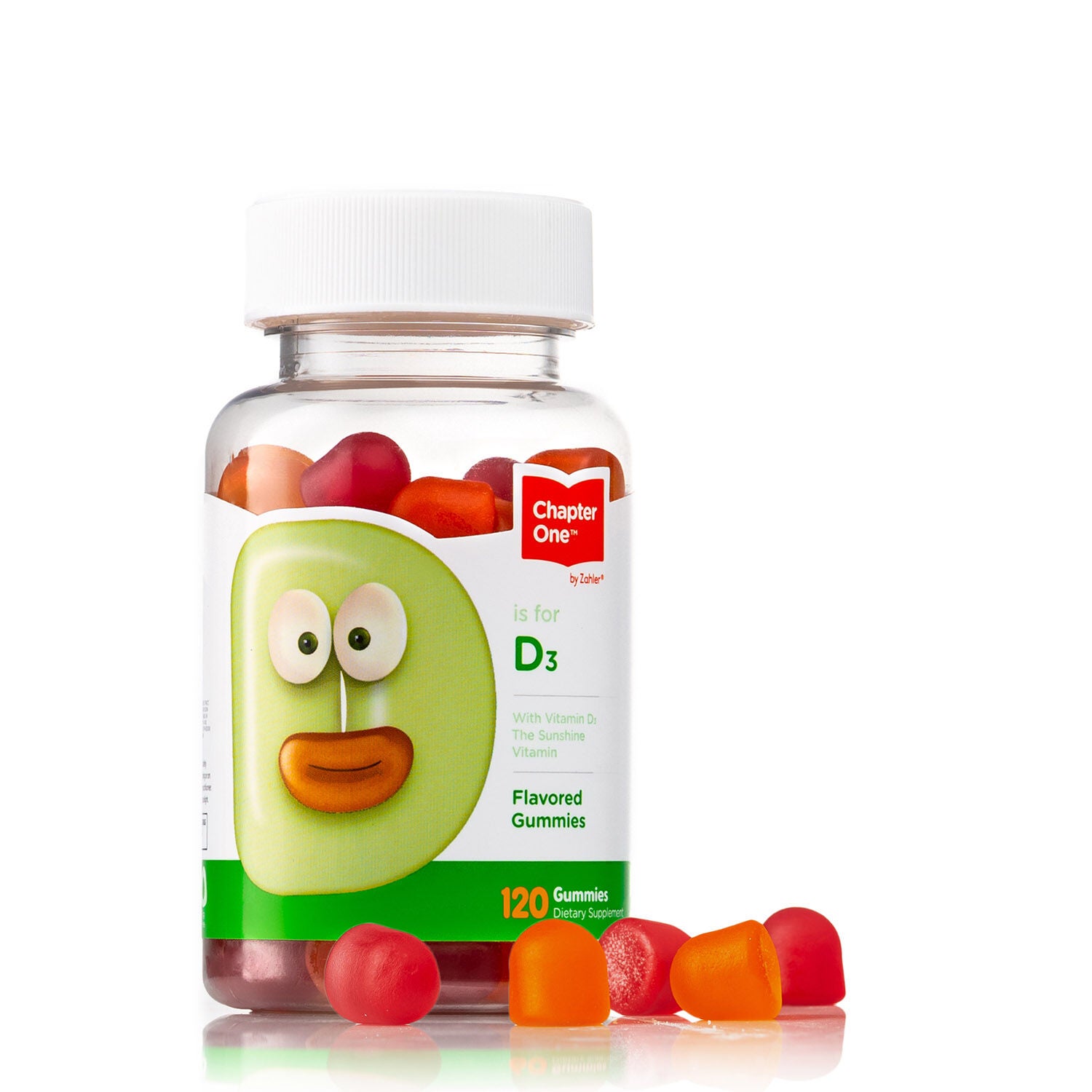
Choosing supplements for a kosher diet often begins with the same thoughtful label review used for any packaged food: look for a recognized kosher certification symbol, read the ingredient panel, and consider the form that best fits a person’s routine. Certification marks from organizations such as the Orthodox Union (OU), STAR-K, or the Chicago Rabbinical Council (cRc) may help shoppers identify products reviewed according to kosher standards. The details can vary by formulation, so a symbol on the package may be especially helpful for chewables, gummies, flavored powders, liquid drops, and other formats that are treated more like food. Tablets and caplets may be viewed differently by some kosher authorities, particularly when they are swallowed whole, yet practices and preferences can differ among households and communities. Anyone following a particular standard may wish to check the product’s package, visit the certifying organization’s guidance, or ask a trusted rabbi about an unfamiliar ingredient or format. This extra moment of attention can make shopping feel more straightforward, whether the supplement is being added to a morning routine, packed for a busy day, or placed in a family member’s cabinet. Ingredient lists may include gelatin, flavorings, sweeteners, colorants, oils, or capsule materials, and each detail can matter when choosing an option that aligns with personal observance. Shoppers who prefer a pareve selection may also want to confirm that designation on the package, especially when a product is intended to be used alongside meals or in a household with carefully separated food practices.
The selection of supplements for kosher diets may include multivitamins, individual vitamins and minerals, herbal formulas, protein powders, digestive products, and daily wellness options in capsules, tablets, powders, liquids, or chewable formats. Rather than focusing only on the front of the container, compare the serving information, dietary details, flavor, capsule material, and storage instructions. A person who travels between work, school, and home may appreciate a compact tablet format, while someone who prefers a softer routine may look for a powder that can be stirred into a breakfast drink or a certified chewable that fits easily into a bag. Families may also look for straightforward labels and familiar serving directions when selecting products for more than one household member. During the cooler months, a pantry shelf or bedside drawer may become a convenient place to keep a daily supplement near other routine items, although storage instructions on the package should always take priority. Supplements can also be a considerate gift for a friend, relative, student, or coworker who follows kosher dietary practices, especially when the giver checks the certification mark and chooses a format that suits the recipient’s preferences. A gift selection may feel more personal when it reflects how that person actually lives: a simple capsule for someone who values a no-fuss morning, a single-serve powder for an active schedule, or a certified chewable for someone who prefers a flavored option. Because dietary needs and personal standards differ, a gift card or a conversation about preferred certifications may be more fitting than making assumptions about what someone should take.
For shoppers comparing options online, product pages and package images may provide useful details about certification, ingredients, serving size, flavor, and format before a purchase is made. Look for the kosher symbol on the actual label whenever possible, since certification can apply to a specific formula, size, flavor, or production facility rather than to every item in a product line. A formula may change over time, so checking the package at the time of purchase can help keep information up to date. Those seeking options for a particular stage of life may also explore Kosher Pregnancy Supplements while reviewing certification and ingredient information with the guidance of a qualified healthcare professional and a trusted rabbinic authority. Shoppers may want to keep a short list of symbols accepted by their household, note whether they prefer capsules or food-like formats, and save product labels for future reference. These small habits may make it easier to return to familiar choices while leaving room to discover new formats that fit a changing schedule. With careful label reading and attention to kosher standards, this collection may help individuals and families find dietary supplements that align with their routines, preferences, and observance throughout the year.


 Chewable Tablets_Front.jpg?sw=305&sh=305&sm=fit "ChildCalm - 60 Chewable Tablets (30 Servings) | GNC")