Zinc Supplements For Kosher Diets
(0 Results)
Zinc supplements for kosher diets offer a convenient way to support your wellness routine while aligning with your dietary preferences. Carefully formulated to meet kosher standards, these supplements may fit seamlessly into a variety of lifestyles. Whether you’re looking to complement your daily nutrition or seeking options that respect your dietary needs, zinc supplements for kosher diets could be a valuable addition to your supplement regimen. Explore a range of choices designed to help you stay on track with your health and wellness goals.
-
-

-

-
-
_Front.jpg?sw=305&sh=305&sm=fit "Junior Multi - 180 Tablets - 180 Tablets (180 Servings) | GNC")
-
_Front.jpg?sw=305&sh=305&sm=fit "Junior Multi - 90 Tablets - 90 Tablets (90 Servings) | GNC")
-
-

-
-

-
-
-

-

-

-

-

-

-

-
 MRI Performance$15.99
-
 Angry Supplements$11.99


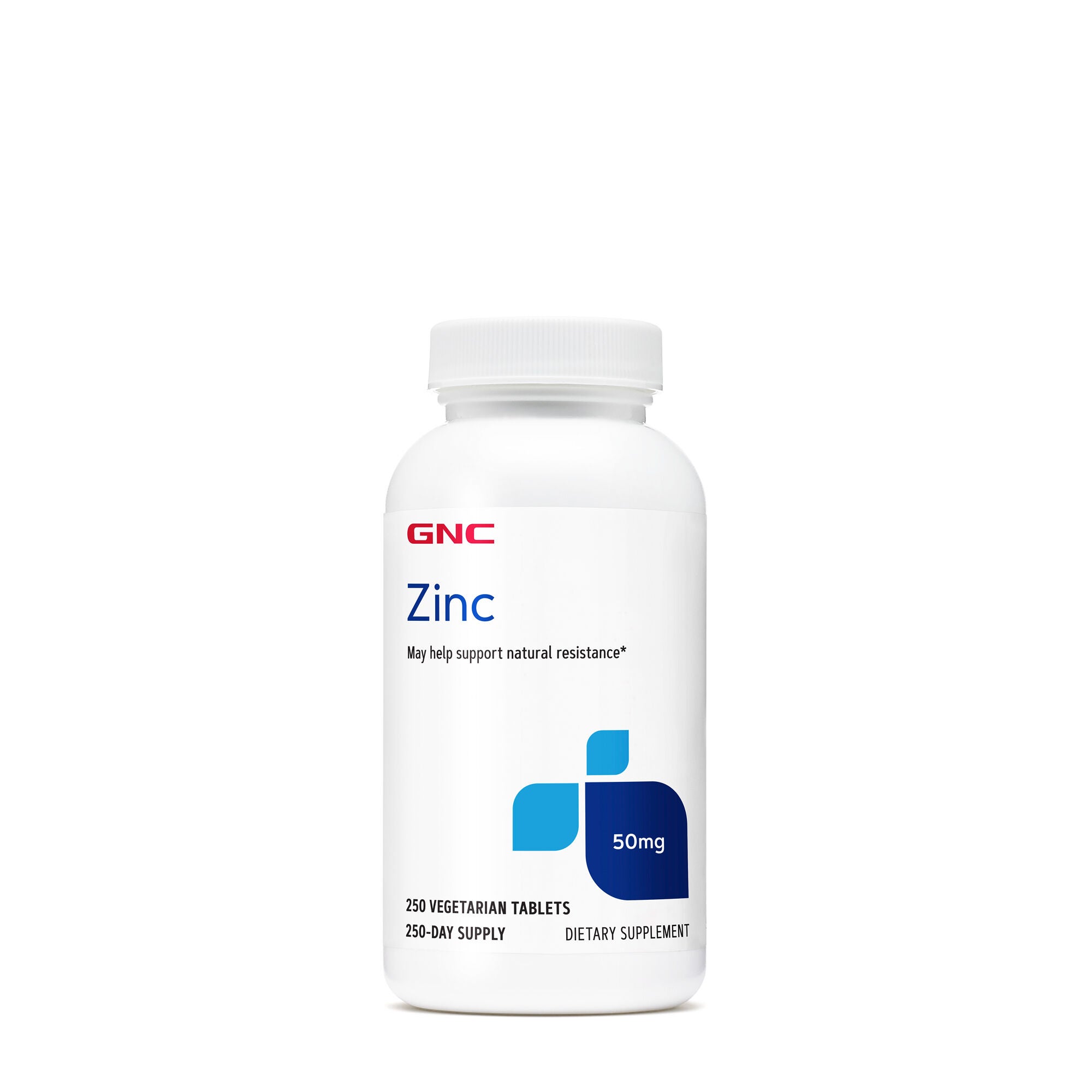
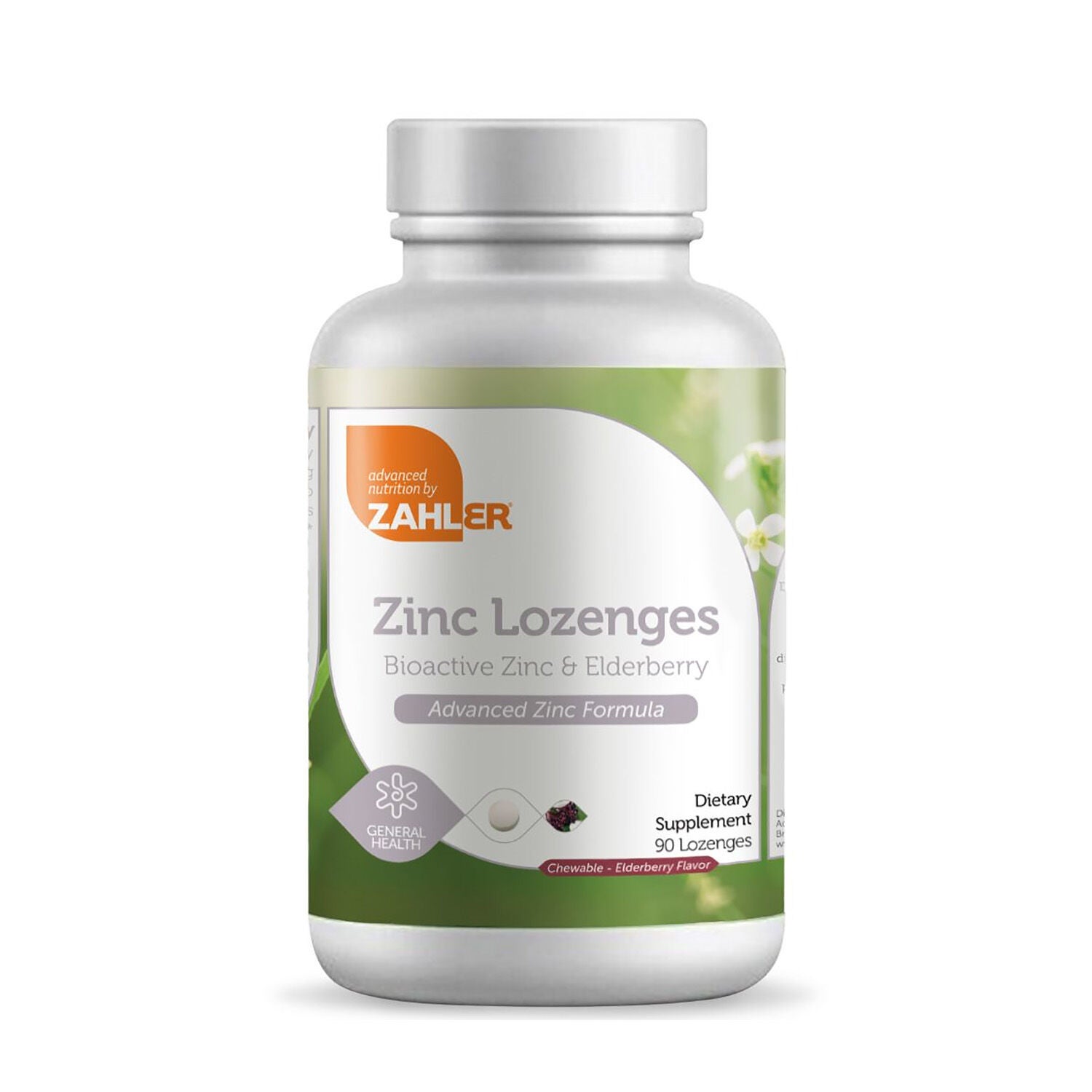
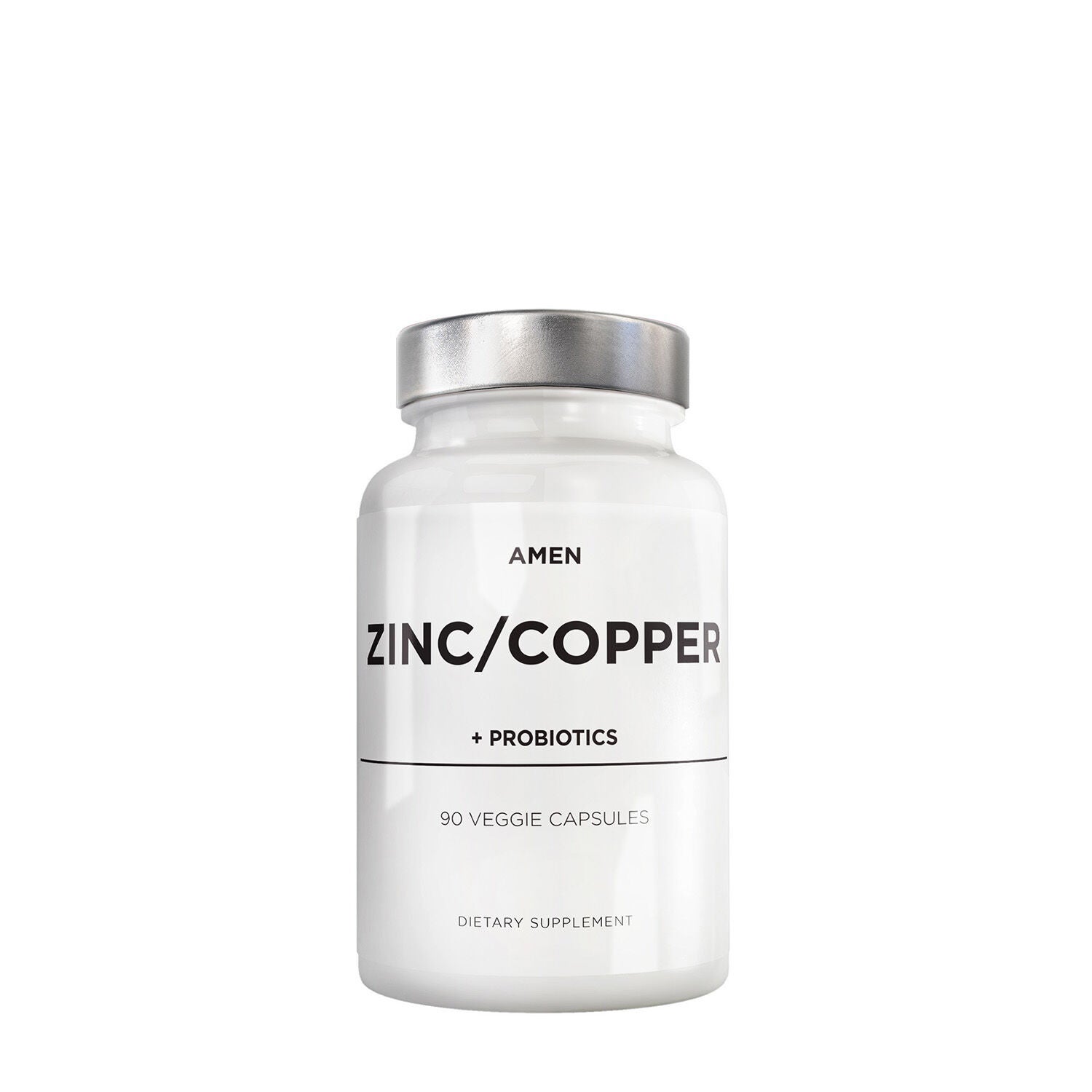
Zinc supplements for kosher diets bring together two distinct shopping considerations: the mineral listed on the label and the dietary standards used to evaluate the finished formula. Zinc is a mineral found in foods such as meat, beans, nuts, and dairy, and supplements offer a separate, labeled source in several formats. For shoppers who keep kosher, the zinc ingredient is only one part of the picture. Capsule shells, tablet coatings, flavorings, processing aids, and manufacturing practices can also matter to kosher status. A recognized kosher certification mark on the exact package is more informative than a general description such as plant-based or vegetarian. Common certification symbols include OU, OK, Star-K, and Kof-K, though households may follow different preferences regarding certifying organizations. The certification should apply to the finished supplement, not merely to one ingredient used to make it. Two bottles with similar names or matching zinc amounts can differ in format, supporting ingredients, or certification, so the details of each formulation deserve attention. Likewise, a kosher claim associated with one formula does not establish the status of every supplement from the same manufacturer. This distinction is especially useful when comparing a tablet with a capsule or a flavored chewable with an unflavored option. Label designations may also indicate dairy or pareve status, depending on the certifier and formula. Pareve status does not, by itself, establish that a product is vegan, and vegan labeling does not establish kosher certification. These terms address different standards rather than serving as substitutes for one another. For a household that organizes purchases around both ingredient preferences and religious observance, clearly identified certification makes the comparison more straightforward. If a symbol or designation is unfamiliar, the certifying organization’s directory can provide context about its meaning and the formula it covers. The most relevant details are the certification attached to the exact formulation, the ingredient list, and any additional designation that matters to the household.
The format of a kosher zinc supplement shapes the everyday experience of handling, storing, and using it. Tablets are pressed from a blend of ingredients and may include binders or a coating, while capsules place the formula inside a separate shell. Some capsule shells use cellulose-based materials; others use gelatin, whose source and processing are relevant to kosher review. A plant-based shell can align with an ingredient preference, but it is not a substitute for certification of the contents and finished capsule. Chewable tablets, gummies, and lozenges add other considerations, including texture, flavor, sweeteners, colors, and gelling ingredients. Gelatin should not automatically be treated as either acceptable or unacceptable without considering the certification and the standards a shopper follows. The same care applies to ingredients with unfamiliar technical names: their names alone may not reveal their origin or kosher status. Zinc itself may appear in forms such as zinc citrate, zinc gluconate, zinc picolinate, or zinc bisglycinate. These names describe different zinc compounds, not kosher designations. When comparing labels, the amount of zinc declared in the Supplement Facts panel and the stated serving size are more useful than assuming that similar compound names mean identical amounts. A serving may consist of one tablet or more than one piece, depending on the formula. Single-mineral supplements focus on zinc, while combination formulas include other nutrients and a longer set of details to review. Neither approach removes the need to check certification. For someone who prefers a short ingredient list, an unflavored tablet may be a format worth comparing; someone who dislikes tablets may be more interested in a chewable texture or a different capsule shape. Physical dimensions are not always visible in a product photograph, so package descriptions can be helpful when size matters. Flavor preferences are equally personal, particularly with a lozenge that remains in the mouth longer than a capsule. These practical differences help distinguish formats without treating one as universally suited to every shopper.
Beyond ingredients and format, useful package details include the container type, closure, serving count, storage directions, and date marking. A compact bottle may fit neatly beside other labeled supplements in a household cabinet, while individually packaged portions, where offered, create a different packing and handling experience. Container size alone does not indicate how many servings are inside; the piece count needs to be read alongside the serving size. Original packaging also keeps the ingredient panel, kosher symbol, lot information, and directions together, which is useful when several members of a household have different dietary preferences. Storage instructions deserve the same attention as the front label, and closures and seals should be handled according to the package directions. Product condition and date markings matter more than treating supplements as durable goods intended for indefinite storage. For everyday organization, a clearly labeled bottle makes it easier to distinguish zinc from other minerals without relying on tablet color or shape. For travel, retaining the labeled package also preserves the information needed to identify the formula and its certification. Shoppers building a broader selection around kosher dietary standards may also compare vitamin C supplements for kosher diets, applying the same attention to the certification mark, format, and supporting ingredients rather than assuming that certification carries across categories. Each nutrient formula has its own label and manufacturing details. Zinc supplements in this category may interest adults who already include supplements in their routine, people reviewing purchases for a kosher household, or shoppers seeking a format that matches established ingredient preferences. Choosing on another person’s behalf calls for knowing that person’s certification requirements and preferred format rather than making assumptions from a broad dietary label. A familiar certification mark, an understandable ingredient panel, and packaging suited to the intended routine provide concrete points of comparison. Together, those details keep the focus on what the supplement actually contains, how it is presented, and whether its documented kosher status matches the shopper’s requirements.