Vitamin C Supplements For Kosher Diets
(0 Results)
Vitamin C supplements for kosher diets offer a convenient way to support your wellness routine while aligning with your dietary preferences. With options that meet kosher standards, these supplements may fit seamlessly into your daily regimen. Explore a variety of forms and strengths designed to suit different needs, making it easy to find vitamin C supplements for kosher diets that could complement your healthy lifestyle.



_Front.jpg?sw=305&sh=305&sm=fit "Pure Way-C Vitamin C and Bioflavonoids 1000+ mg - 90 Tablets (90 Servings) | GNC")



 Orange_Front.jpg?sw=305&sh=305&sm=fit "Junior C - 180 Tablets (180 Servings) | GNC")
 Orange_Front.jpg?sw=305&sh=305&sm=fit "Junior C - 90 Tablets (90 Servings) | GNC")
 Orange_Front.jpg?sw=305&sh=305&sm=fit "Junior C - 500 Tablets (500 Servings) | GNC")


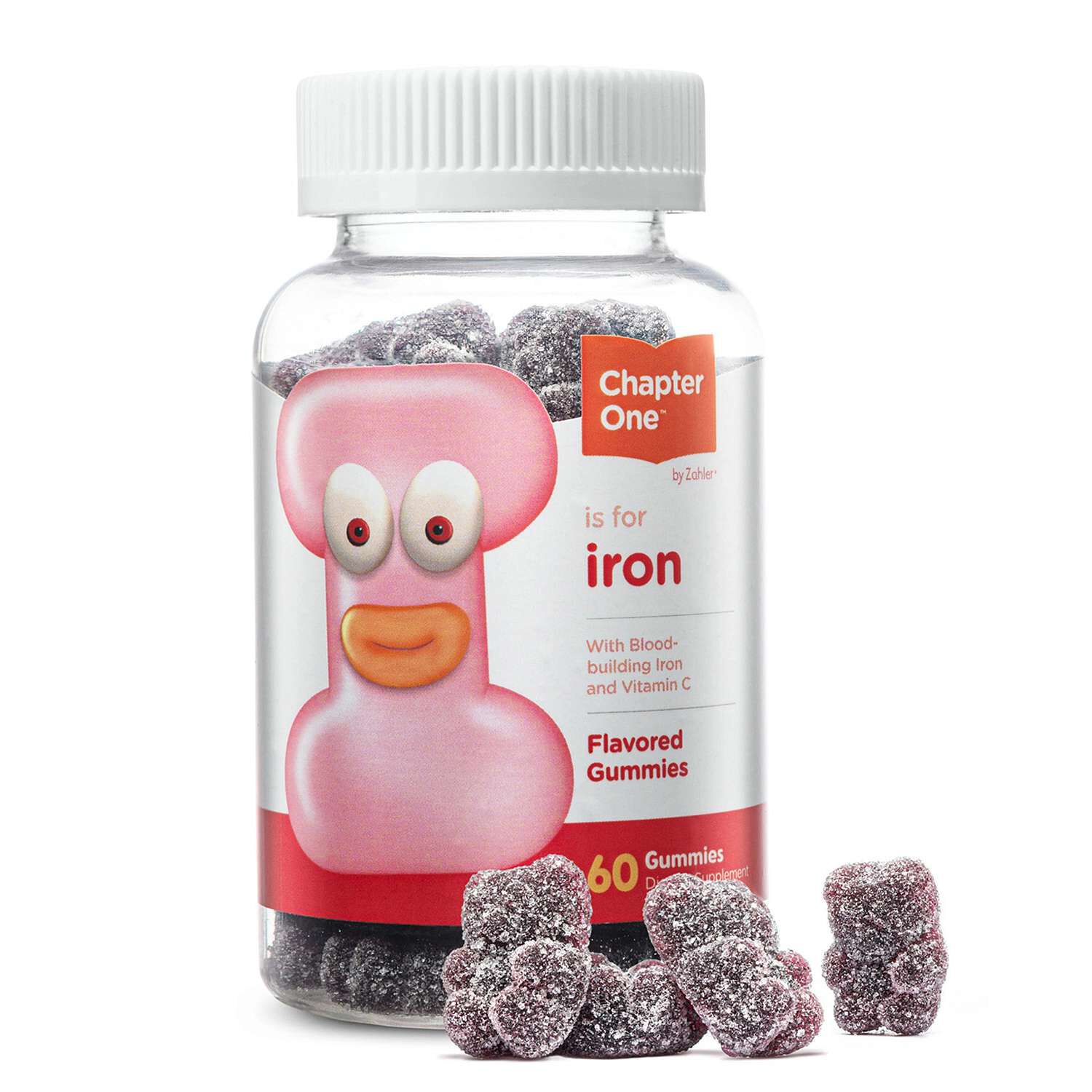

Vitamin C supplements for kosher diets bring together two distinct considerations: the vitamin formula and the dietary standards reflected in its certification. A kosher certification mark, often called a hechsher, identifies a product as certified under the standards of the organization represented by that symbol. For shoppers who keep kosher, that mark matters because the vitamin itself is only part of the finished supplement. Capsule shells, tablet coatings, flavorings, and other ingredients also belong in the picture, along with the manufacturing practices covered by certification. An ingredient list can describe what goes into a formula, but it does not replace a recognized kosher designation. Likewise, a plant-based or vegan label does not establish kosher status on its own. These distinctions are especially relevant when comparing formulas that look similar on the front of the bottle. Two vitamin C supplements may show the same amount per serving while differing in their additional ingredients, dosage form, or certifying organization. The physical package offers a useful place to confirm the certification symbol, read any accompanying designation, and match those details to the standards observed at home. Pareve and dairy designations can also influence how a supplement fits into a household’s dietary practices; the word “kosher” alone does not communicate every detail. Certification applies to the particular formula and package rather than automatically extending to every supplement from the same manufacturer. For that reason, familiar packaging or a previously purchased formula is not a substitute for checking the label on a new bottle. Kosher vitamin C supplements are intended for people seeking supplemental vitamin C while maintaining those dietary preferences, whether the purchase is for an individual routine or a shared household cabinet. The most relevant comparison starts with a clearly identified certification and continues with the serving information, format, and ingredient details that distinguish one formula from another. Dietary compatibility and everyday practicality each have a place in that comparison.
Format gives kosher vitamin C supplements much of their everyday character. Tablets, capsules, chewables, gummies, powders, and liquids each involve different ingredients and ways of measuring a serving. A tablet may appeal to someone who prefers a compact, premeasured format without a flavored experience, while a chewable puts taste and texture closer to the center of the choice. Capsules have shells whose composition deserves attention alongside the vitamin inside. Gelatin, when present, raises questions about its source and certification; a cellulose capsule offers a different material, but its composition still does not independently establish the kosher status of the finished supplement. Gummies can use gelatin or pectin to create their texture, with sweeteners, colors, and flavorings contributing to the formula as well. Pectin is plant-derived, yet a pectin-based gummy still needs its own certification for shoppers seeking a certified kosher option. Powders and liquids bring another set of practical details, including the measuring utensil, serving size, and preparation directions printed on the package. A powder intended for mixing may suit someone who already prepares a beverage as part of a regular routine, while a measured tablet may better suit someone who prefers fewer preparation steps. Neither format alone establishes how much vitamin C a serving provides. The Supplement Facts panel separates serving size from the amount of vitamin C, making it possible to distinguish a one-tablet serving from a serving that includes several chewables or gummies. Bottle count and serving count are therefore different pieces of information. Vitamin C may appear on labels as ascorbic acid or in forms such as calcium ascorbate and sodium ascorbate. Some formulas pair it with other ingredients, such as citrus bioflavonoids, while others focus on vitamin C alone. Those differences describe formulation choices rather than a universal ranking. Flavor descriptions, added sugars, capsule materials, and the presence of other nutrients help define the experience and composition without changing the need to verify kosher certification for the finished product.
A supplement that fits a kosher household also needs packaging and directions that make sense in daily use. For someone carrying a bottle between home and work, a secure closure and readable label are practical details. For someone keeping several supplements together, clearly differentiated containers make serving information and ingredient lists easier to review. Original packaging keeps the certification mark, lot information, storage directions, and expiration date connected to the contents, which is particularly useful when household members follow different dietary standards. Storage requirements vary by formula, so powders, liquids, gummies, and tablets should not be treated as interchangeable when it comes to care. The package may specify protection from moisture or direct sunlight, and some liquids have additional storage instructions after opening. Keeping closures properly secured and following the printed storage directions are part of caring for the product through its labeled use period. Package size also has a practical role: a larger container means a longer period of repeated opening, whereas a smaller container takes up less space in a cabinet or travel bag. Neither choice changes the serving directions. Age labeling is another meaningful distinction for households shopping for more than one person; an adult formula and a children’s formula are not interchangeable simply because both contain vitamin C or share a fruit flavor. A purchase for someone else is most considerate when their preferred certification, format, and ingredient preferences are already known. Beyond vitamin C, the broader selection of Supplements For Kosher Diets offers a related category for shoppers comparing dietary preferences across their supplement choices. Each formula still calls for its own label review rather than an assumption based on category placement. Across kosher vitamin C formats, the details that matter remain concrete: a certification accepted by the household, a clearly stated amount per serving, ingredients that match personal preferences, and packaging suited to the way the supplement will be stored and used. Together, those details provide a grounded basis for comparing vitamin C supplements within a kosher dietary routine.