





Kosher Bone Health Supplements
(0 Results)
Kosher bone health supplements offer a convenient option for those seeking products that align with specific dietary preferences and lifestyle choices. With a variety of formulas available, these supplements may support your wellness goals while adhering to kosher standards. Explore options that fit seamlessly into your daily routine and discover how kosher bone health supplements could be a valuable addition to your supplement regimen.




 _Front.jpg?sw=305&sh=305&sm=fit "Magnesium: Bioactive Magensium Citrate - 120 Capsules (120 Servings) | GNC")
 _Front.jpg?sw=305&sh=305&sm=fit "Magnesium: Bioactive Magensium Citrate - 60 Capsules (60 Servings) | GNC")


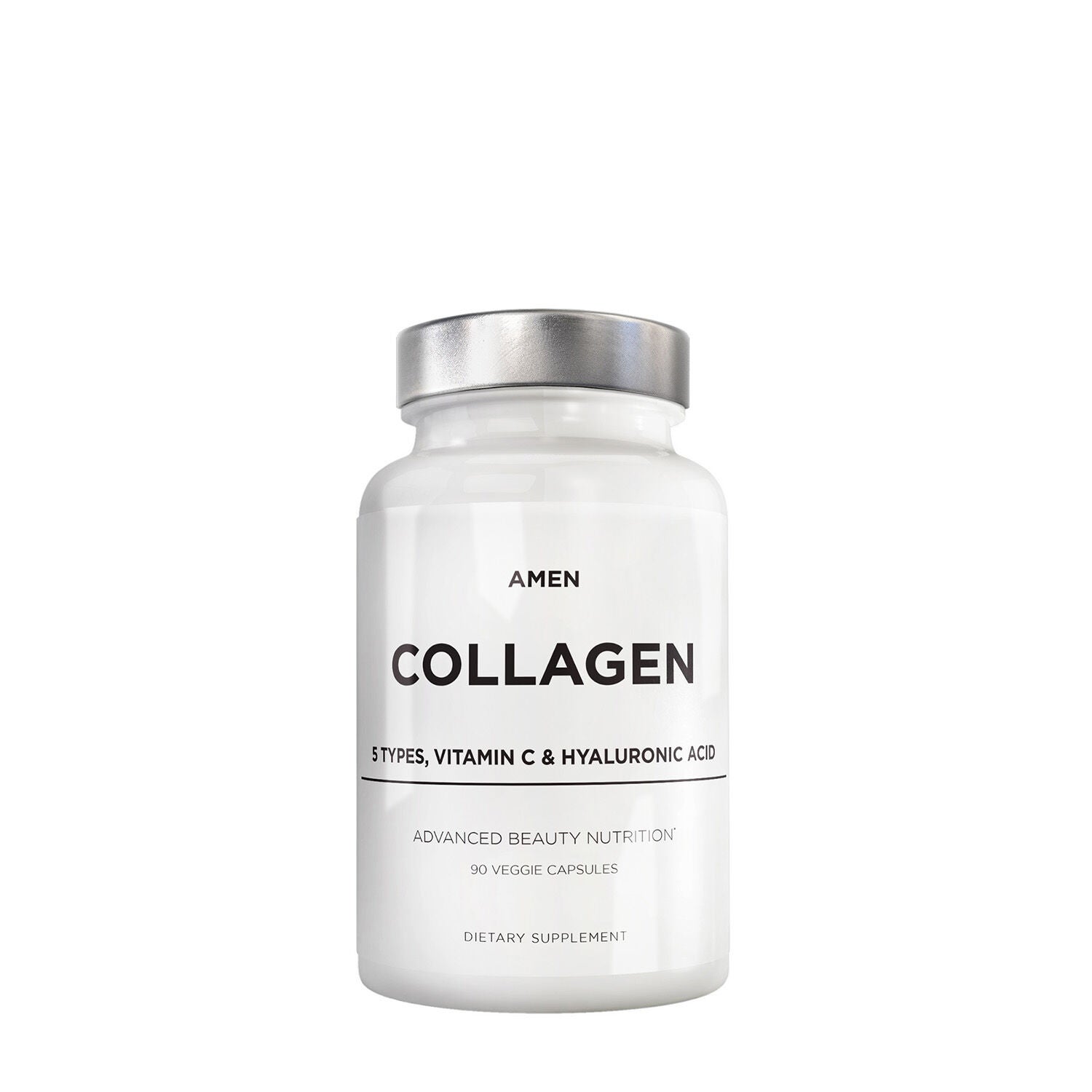
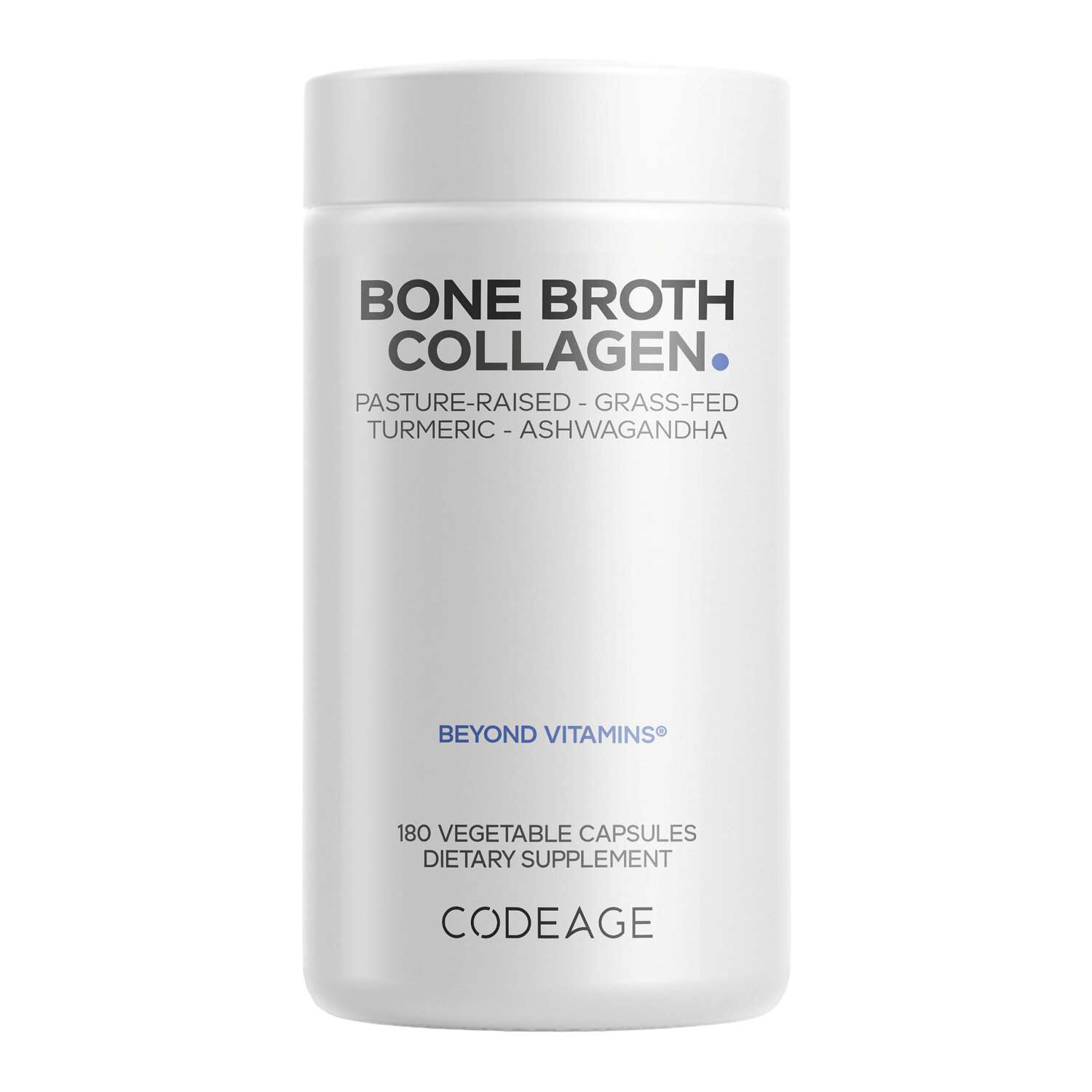


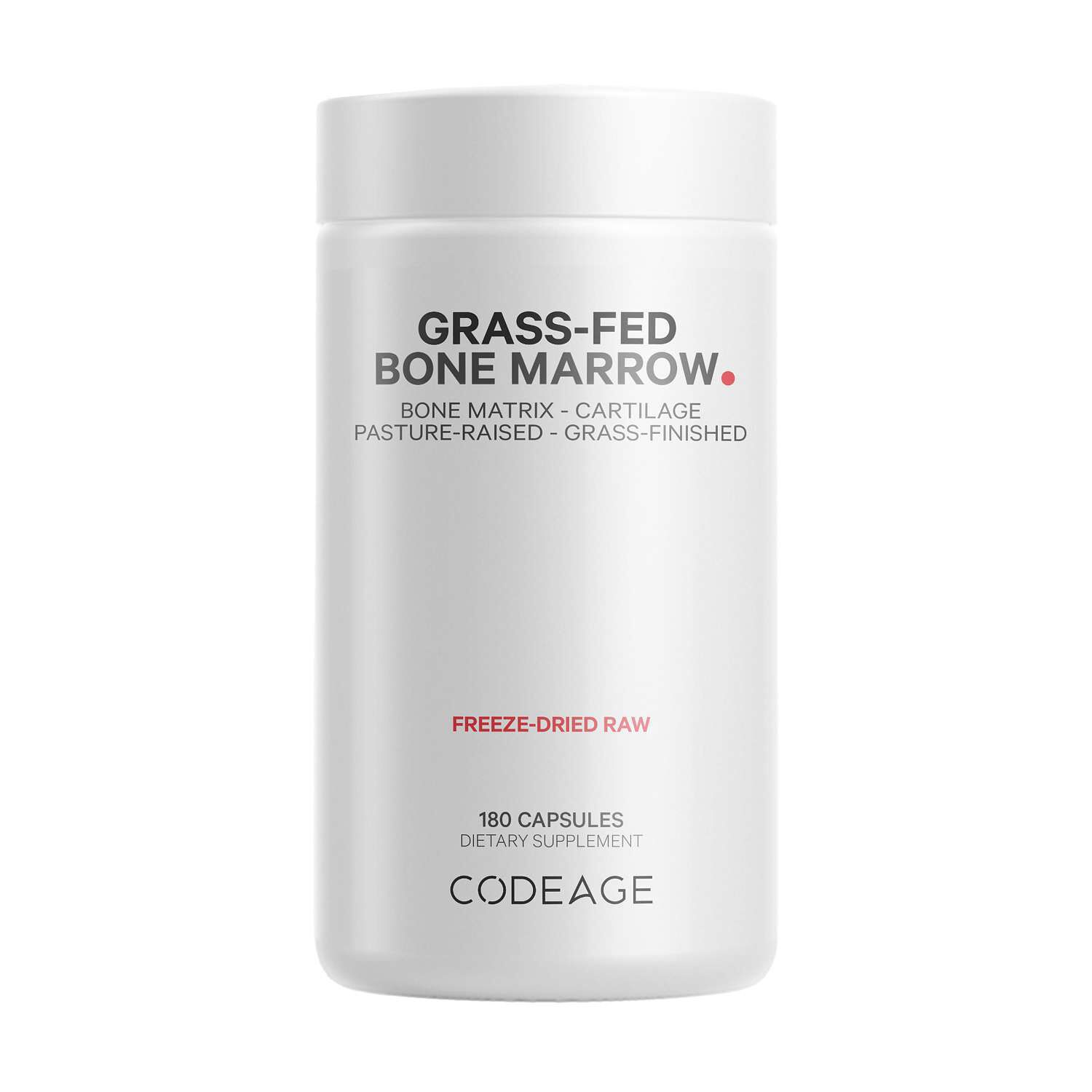


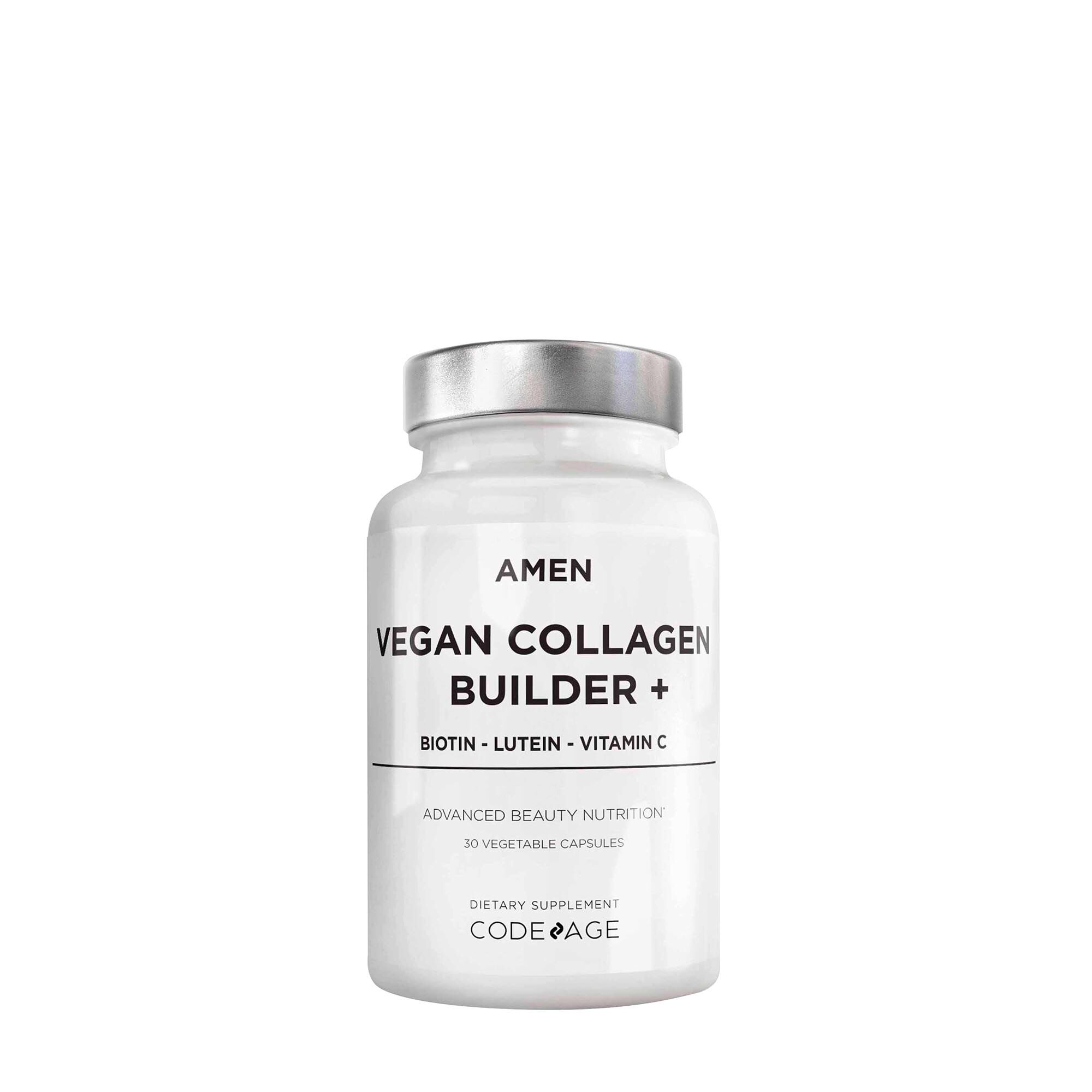
Kosher bone health supplements offer a convenient way to shop for formulas that align with kosher dietary practices while focusing on nutrients commonly associated with skeletal support. Many options feature calcium alongside vitamin D3, magnesium, vitamin K2, or trace minerals, and each nutrient may play a complementary role in a balanced nutrition routine. Calcium may help provide structural support for bones, while vitamin D3 may help the body use calcium from the diet. Magnesium may contribute to normal mineral metabolism, and vitamin K2 may be included in formulas designed to complement calcium and vitamin D. These products are not all alike, so reading the Supplement Facts panel can help you compare the amount and form of each nutrient, serving size, and directions for use. Some shoppers prefer tablets that fit easily into a morning routine, while others may choose capsules, softgels, powders, or chewables based on personal preference. A formula with several nutrients may suit someone who wants a single daily option, while a focused calcium or vitamin D supplement may work better for someone already getting other nutrients from a multivitamin or fortified foods. Since dietary habits, age, activity, and individual needs can vary, a qualified healthcare professional may help determine which nutrients and serving amounts fit a personal routine. Shoppers who follow kosher dietary standards may also want to look for a recognizable kosher symbol on the package and confirm the certifying organization if that detail matters to their household. Certification can apply to the ingredients, manufacturing process, and handling practices, while a product’s kosher status may differ from its vegetarian, vegan, dairy-free, or gluten-free designation.
When comparing kosher bone health supplements, consider the full label rather than focusing on one prominent nutrient. Calcium may appear in forms such as calcium citrate or calcium carbonate, and the label may list different amounts per serving, so comparing the actual calcium amount can make shopping more straightforward. Vitamin D3 is another common ingredient, and some formulas pair it with calcium or other minerals for a more rounded approach to dietary supplementation. Magnesium may be present in several forms, each with its own label details and serving information. Vitamin K2 may appear as a particular form, such as MK-7, which some shoppers seek when comparing formulas. The right choice can also depend on how the supplement fits into daily habits: a compact bottle may suit travel or a desk drawer, a chewable may appeal to someone who prefers not to swallow tablets, and a once-daily serving may be easier to remember than a product with several daily servings. Check for allergens, sweeteners, flavorings, and other ingredients that may not fit your preferences. Those who avoid animal-derived ingredients may wish to review the capsule material, vitamin source, and any added ingredients, since kosher certification alone does not necessarily indicate that a product is vegetarian or vegan. Similarly, shoppers avoiding dairy should review the label for milk-related ingredients and manufacturing details. Anyone taking prescription products or managing a health concern may wish to speak with a qualified healthcare professional before adding a new supplement. For a broader selection organized around kosher shopping preferences, explore Supplements For Kosher Diets.
Kosher bone health supplements may be considered by adults who want to complement a varied eating pattern, people whose diets provide limited calcium or vitamin D, or households that prefer to keep certified options available in a shared cabinet. They can also make a thoughtful gift for a parent, grandparent, partner, or friend who appreciates practical wellness items and follows kosher dietary standards. A supplement gift may feel especially personal when chosen with care around format, ingredient preferences, and certification, much like selecting a favorite tea or pantry staple for someone’s kitchen. During the warmer part of the year, an easy-to-pack bottle may fit alongside walking shoes, a water bottle, and other daily essentials; during the cooler months, a clearly labeled container may make it easier to maintain familiar routines at home. Even with a convenient format, supplements work best when used according to the package directions and considered alongside food choices, movement, and guidance from a qualified professional. Keep products stored as directed, pay attention to serving information, and check expiration details before purchase or gifting. If several people in a household use supplements, separate containers and a simple storage routine may help each person keep track of their own product. Whether shopping for a focused mineral formula or a multi-nutrient option, kosher bone health supplements provide a range of ways to align dietary preferences with a consistent supplement routine, while careful label reading helps shoppers select an option that suits their needs, values, and everyday habits.

