





Fat Burners For Stored Body Fat
(0 Results)
Fat burners for stored body fat are designed to support your wellness journey and help you pursue your fitness goals. With a variety of formulas available, these supplements may complement your active lifestyle and balanced nutrition plan. Explore options that could fit into your routine as you look for ways to support your efforts in achieving a healthier, more confident you. Discover how fat burners for stored body fat might become a part of your daily regimen.


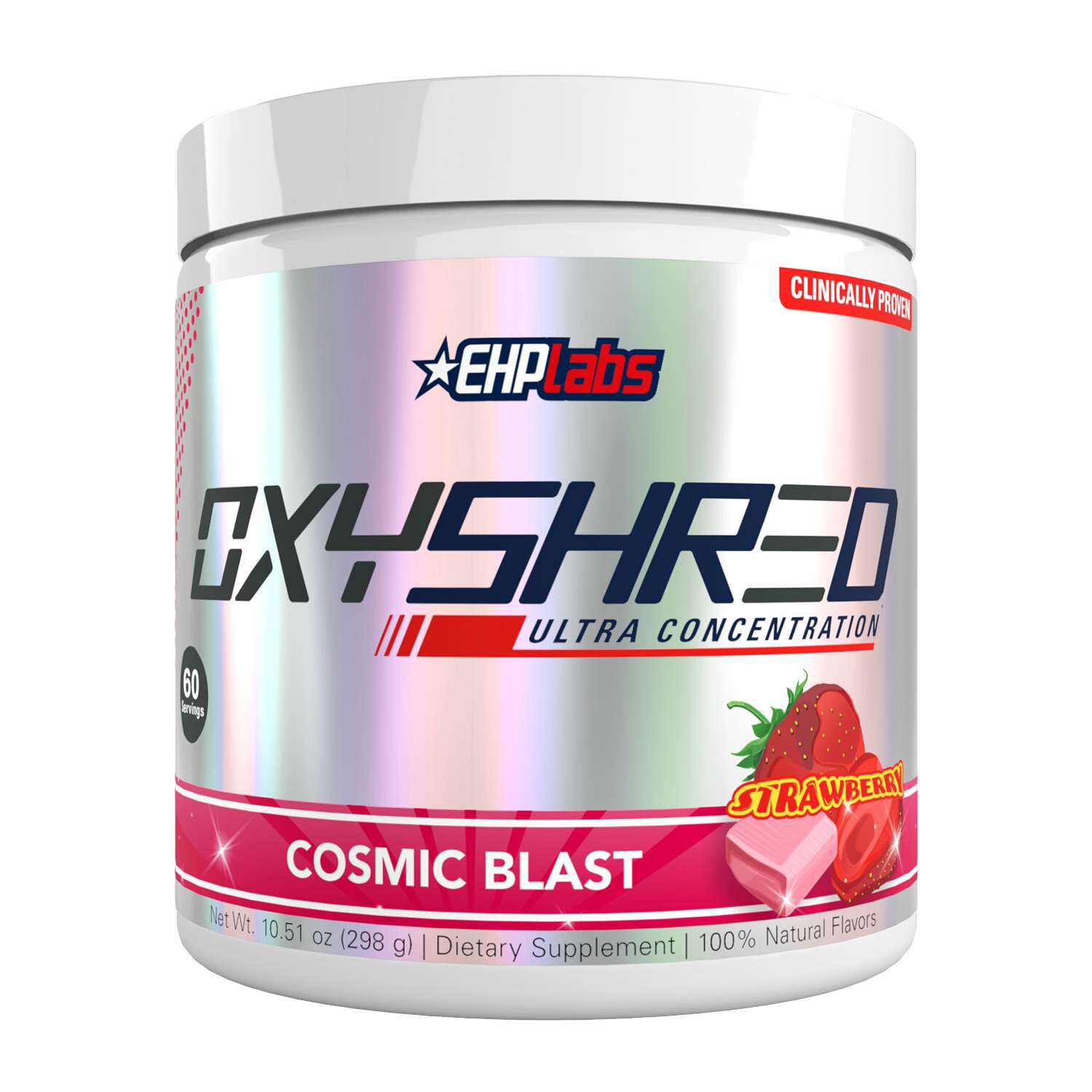
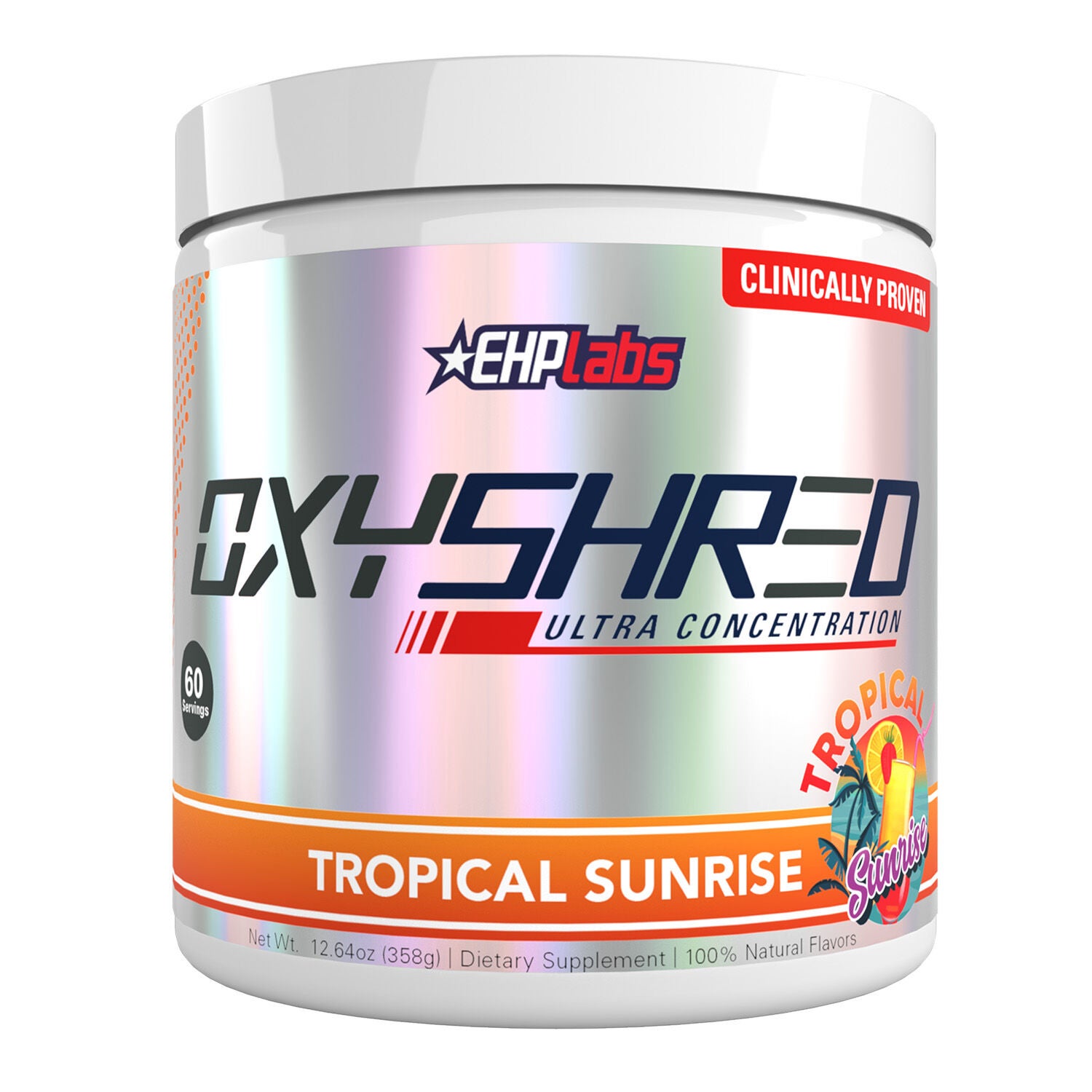
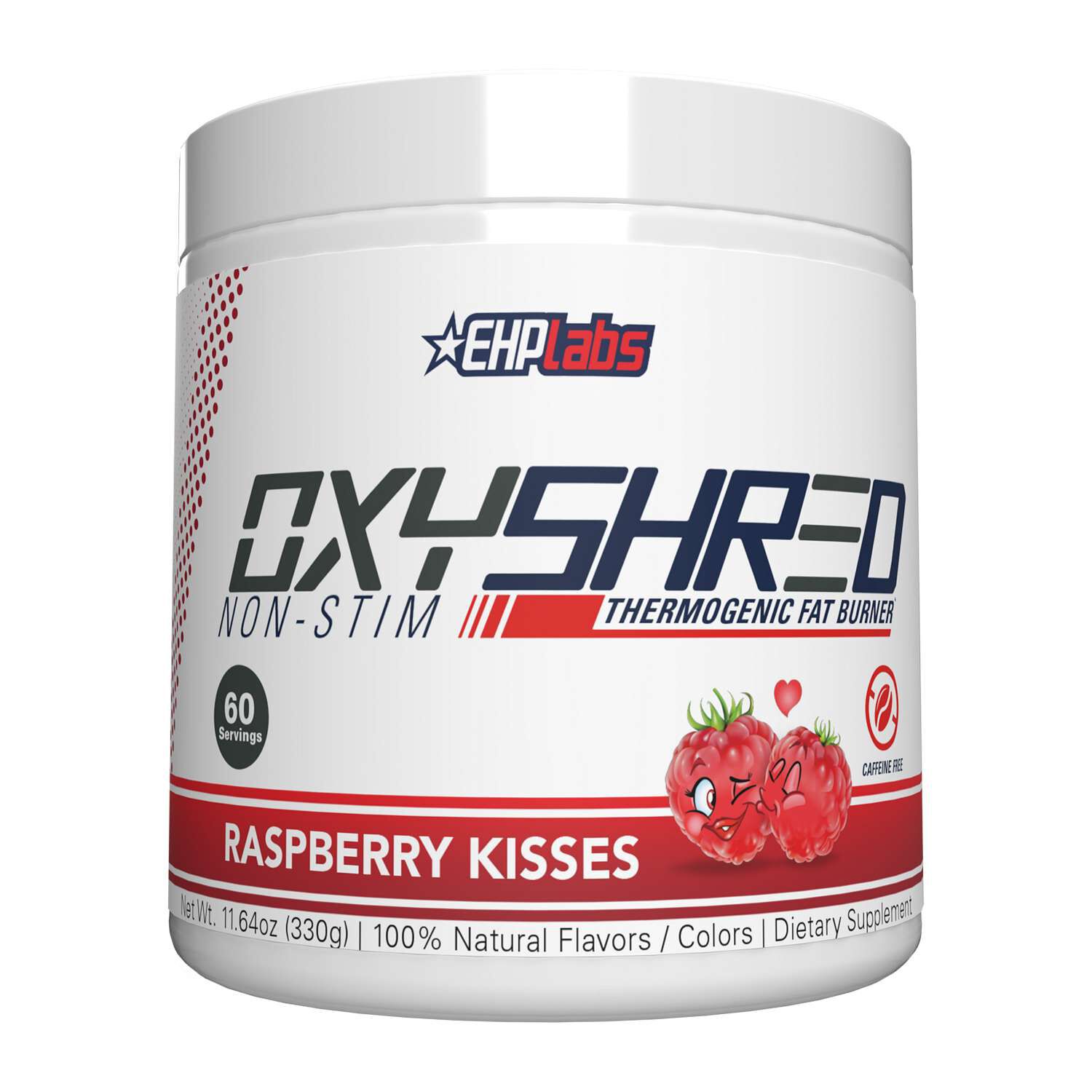

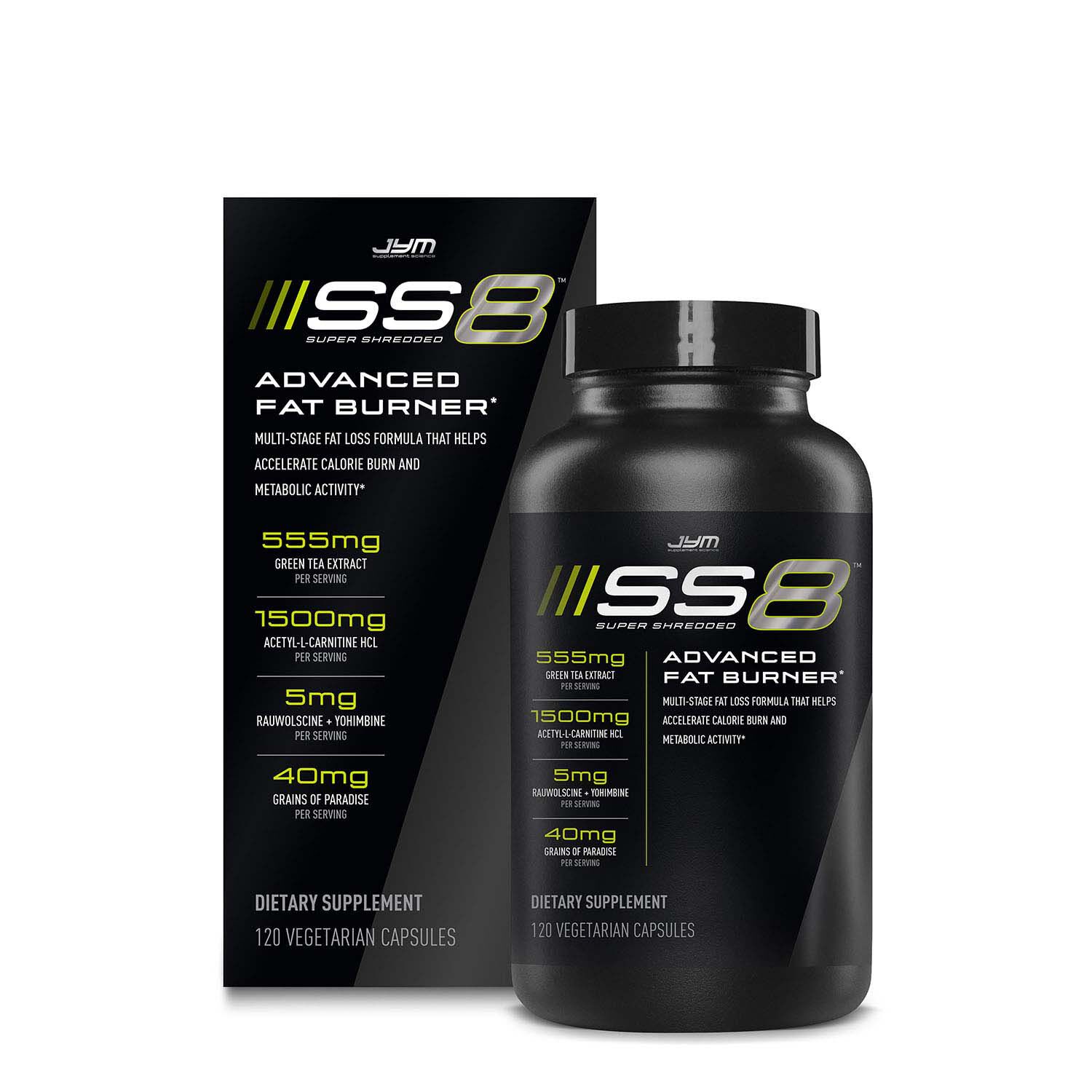


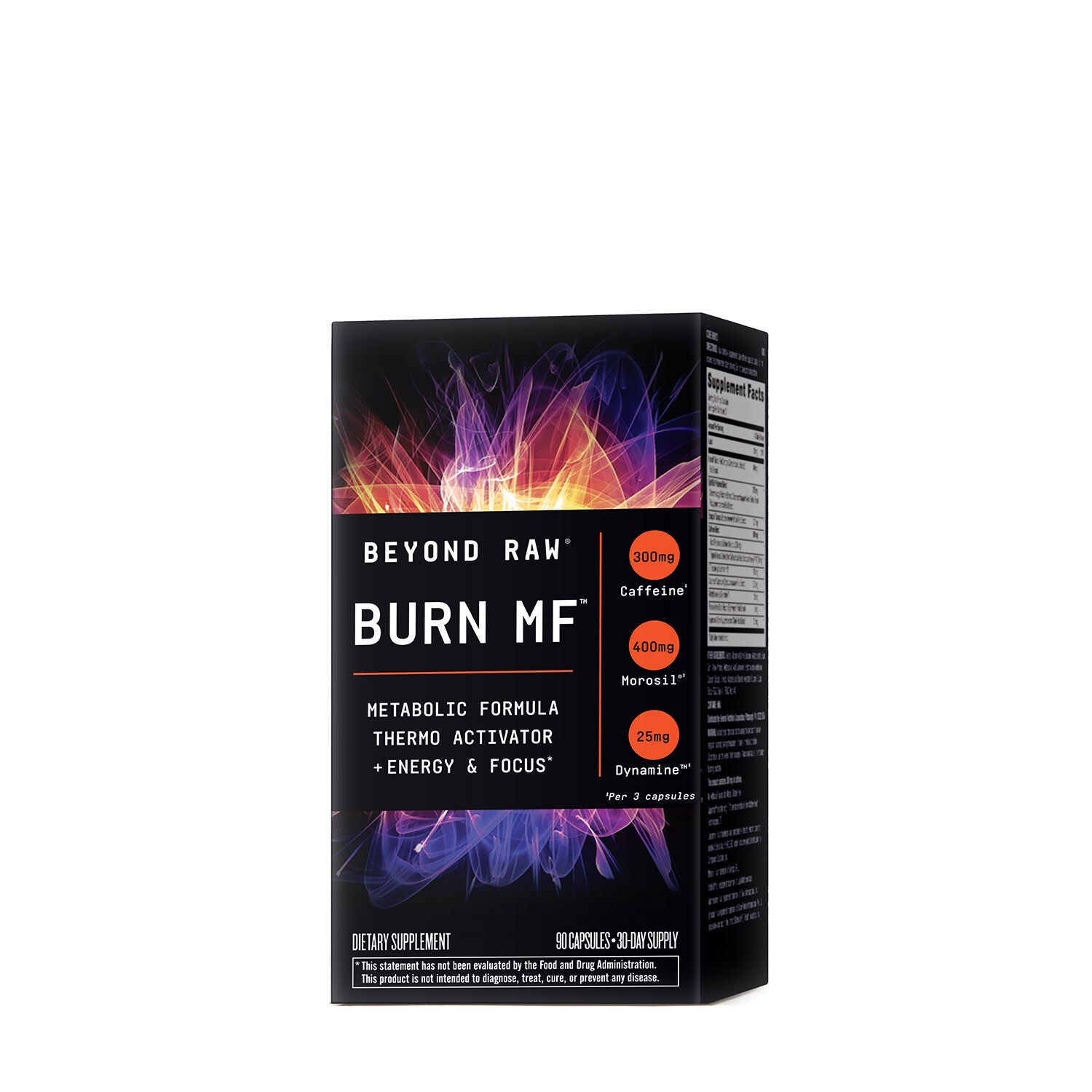
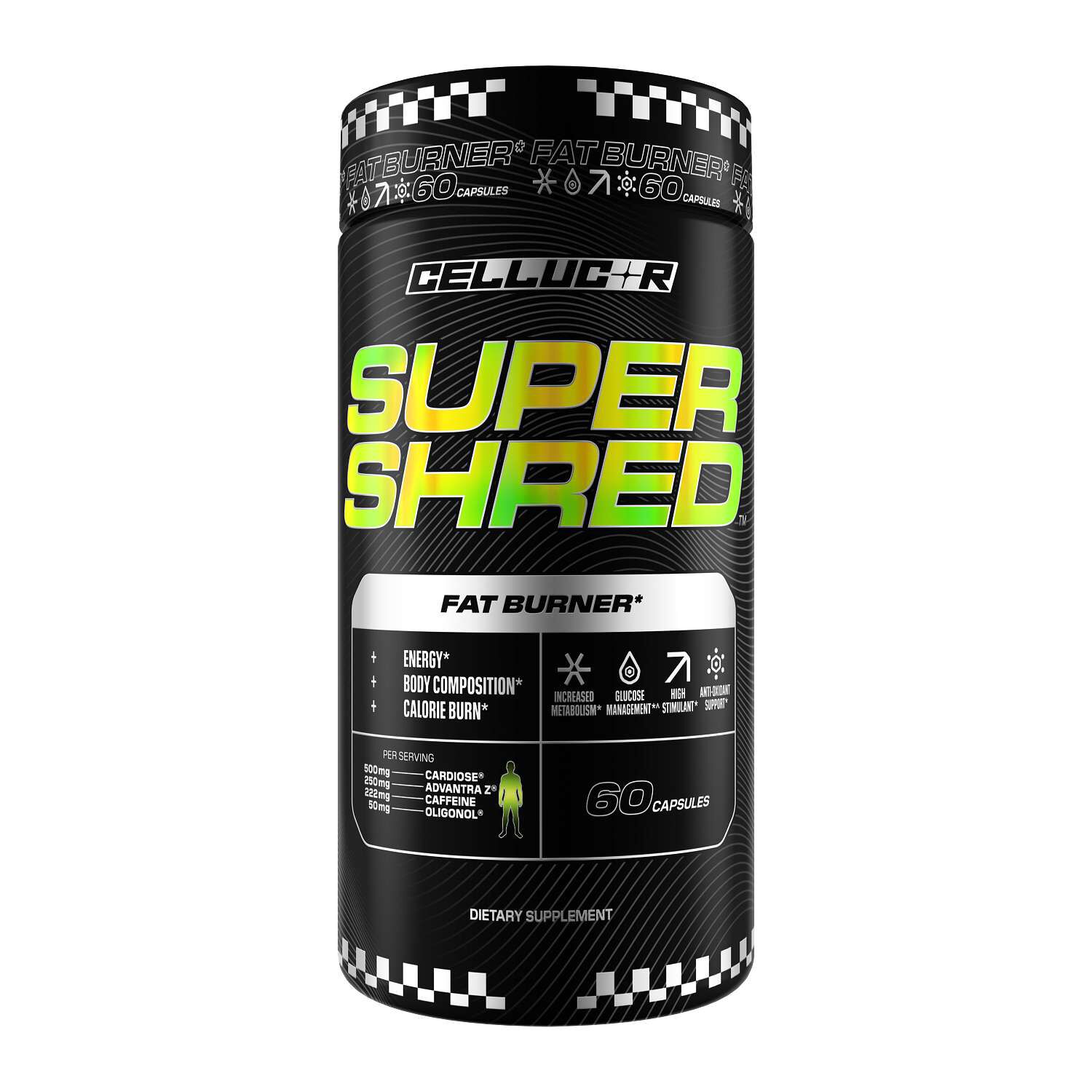

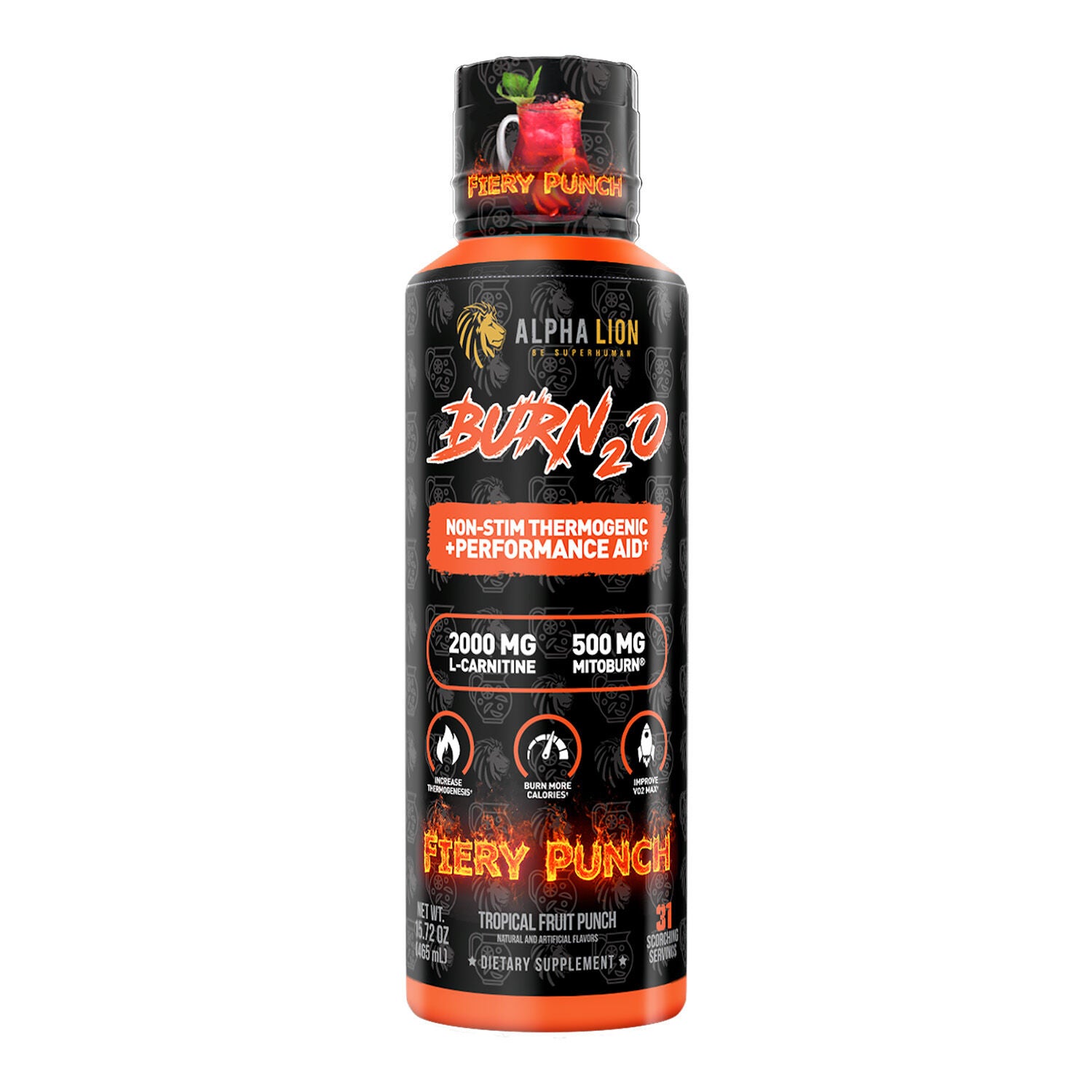

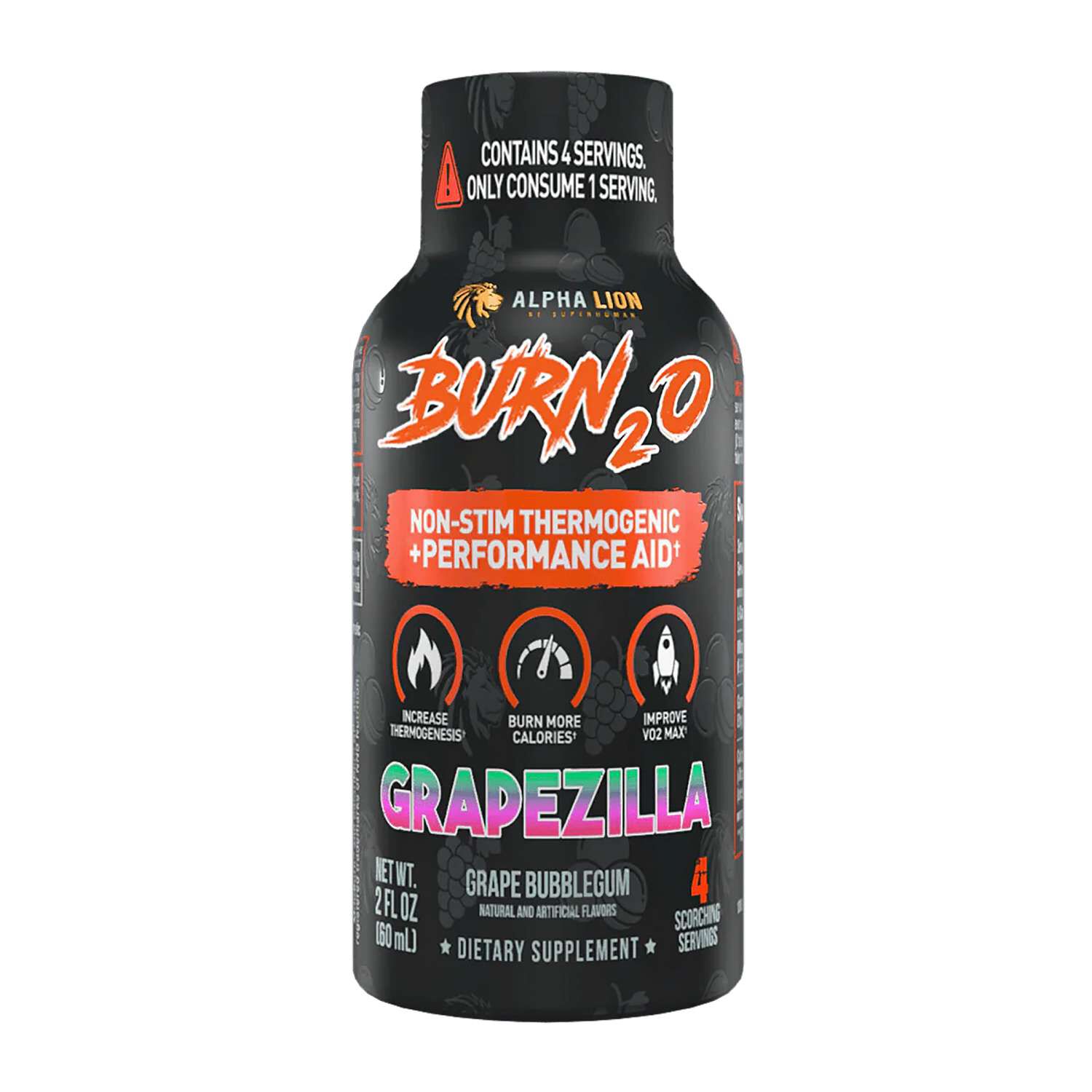
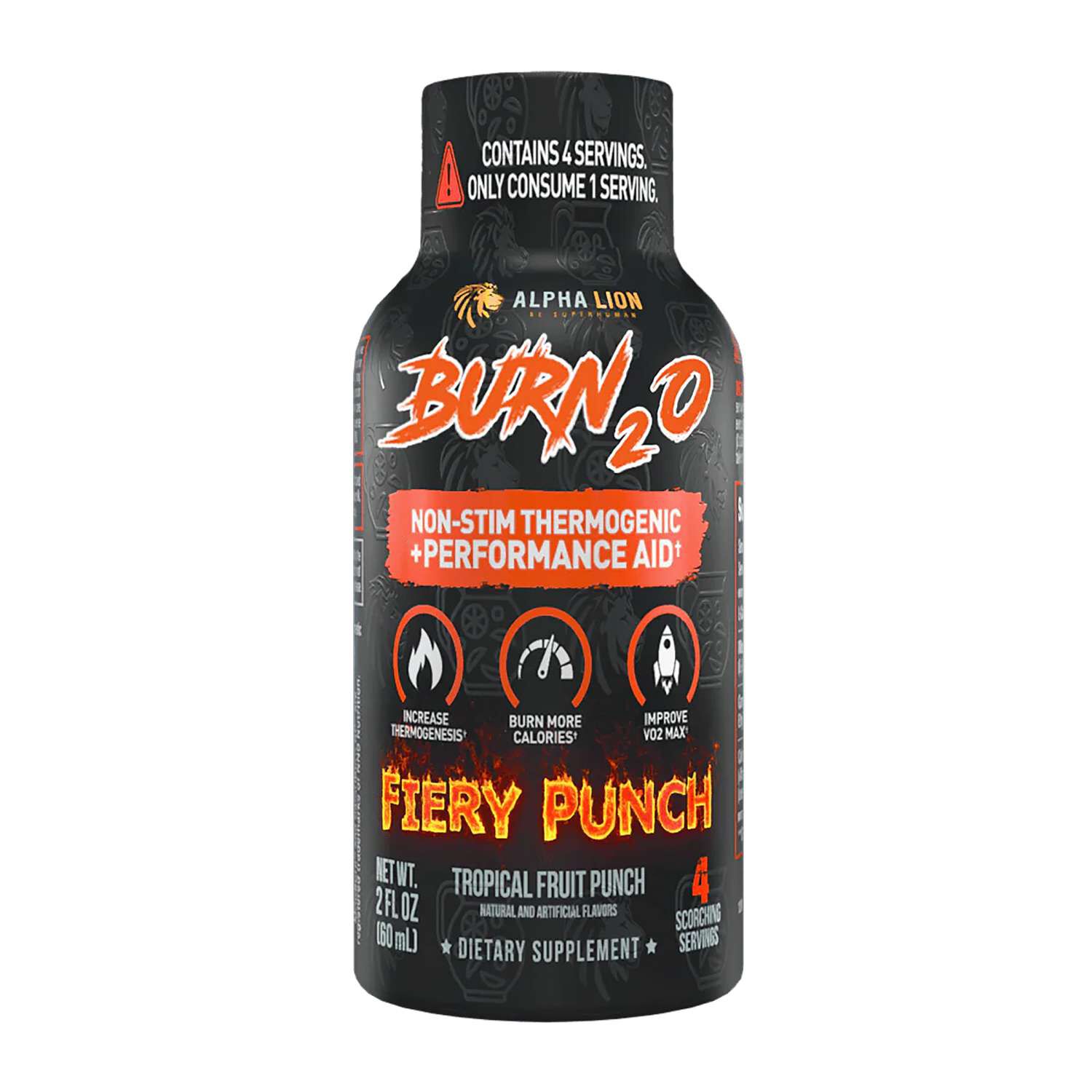
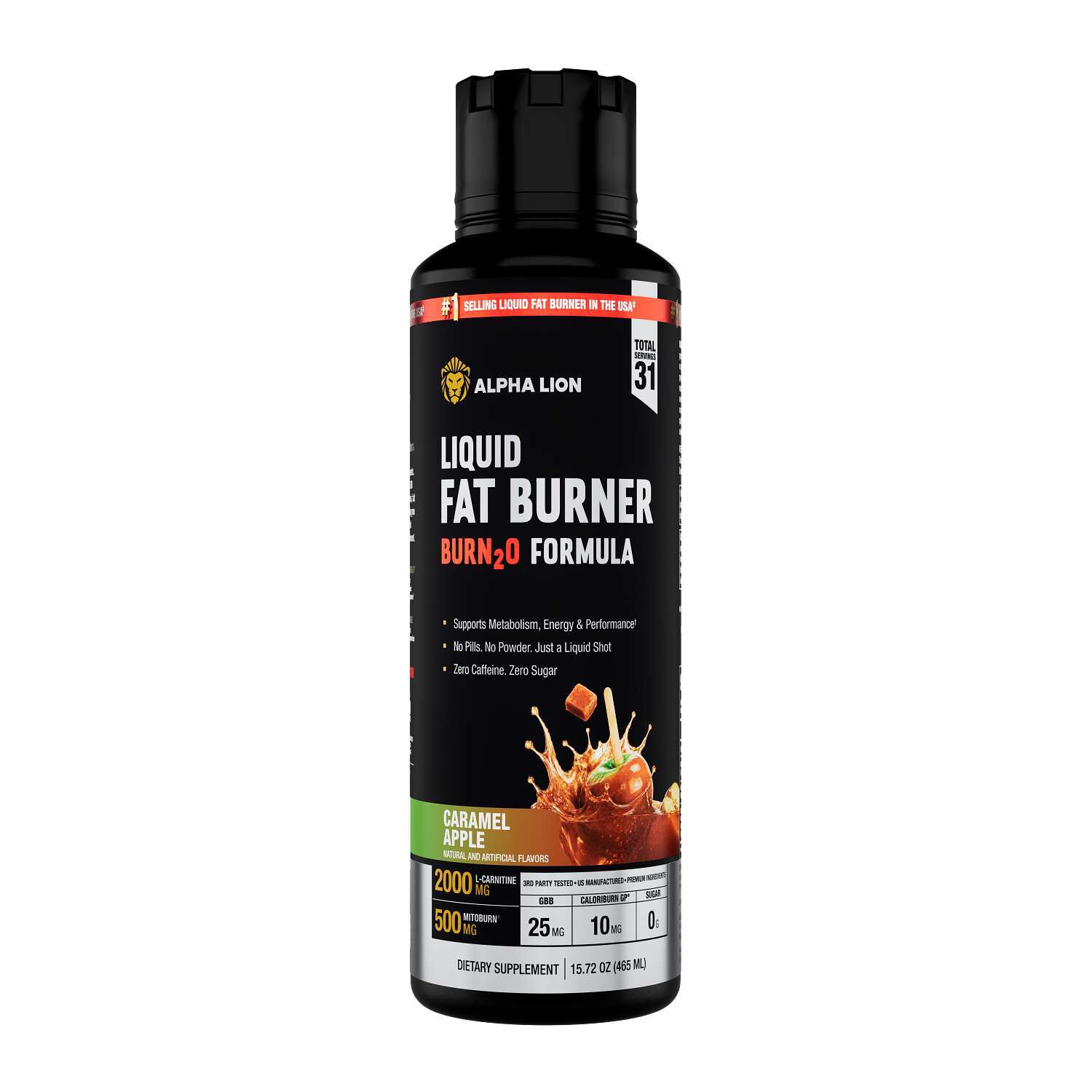
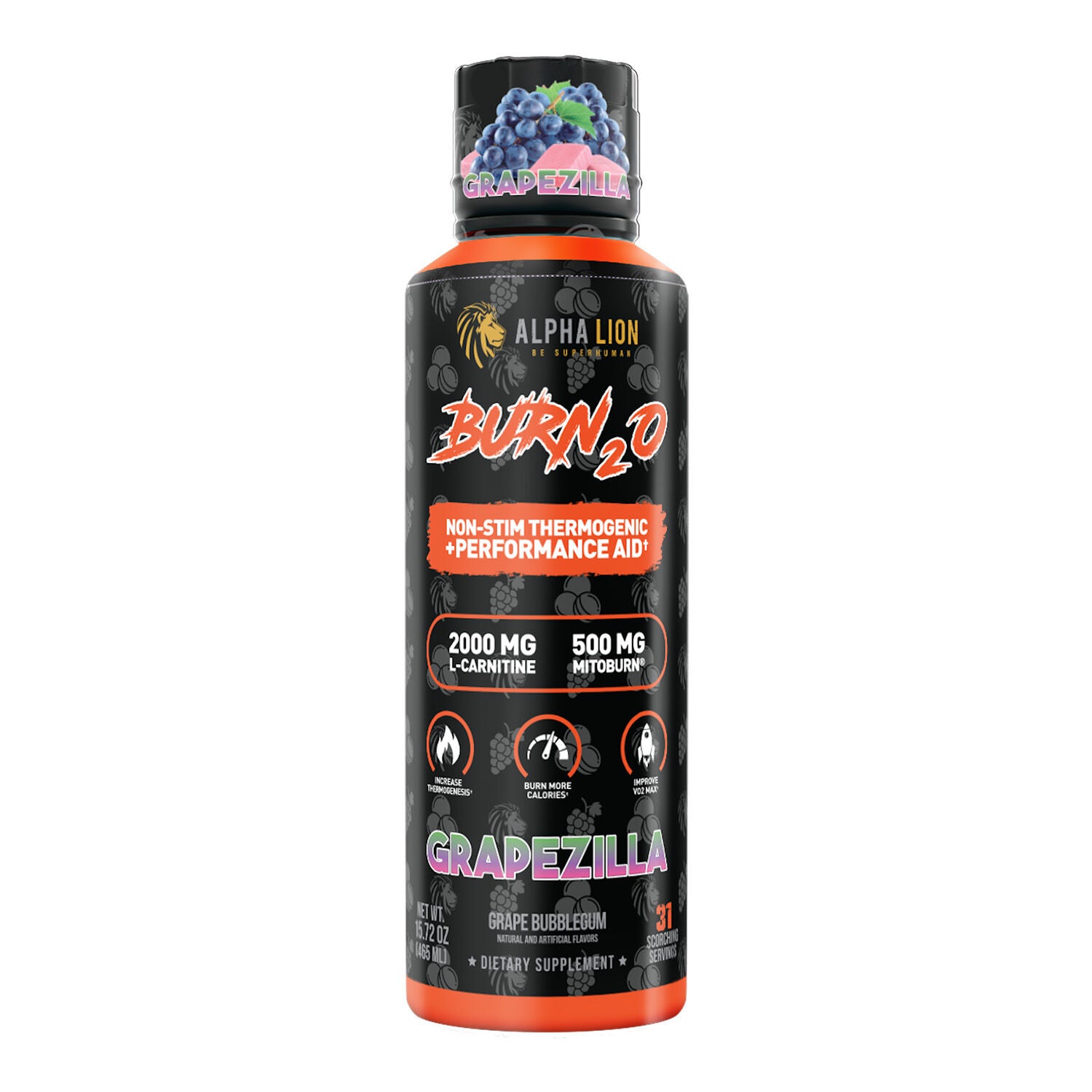
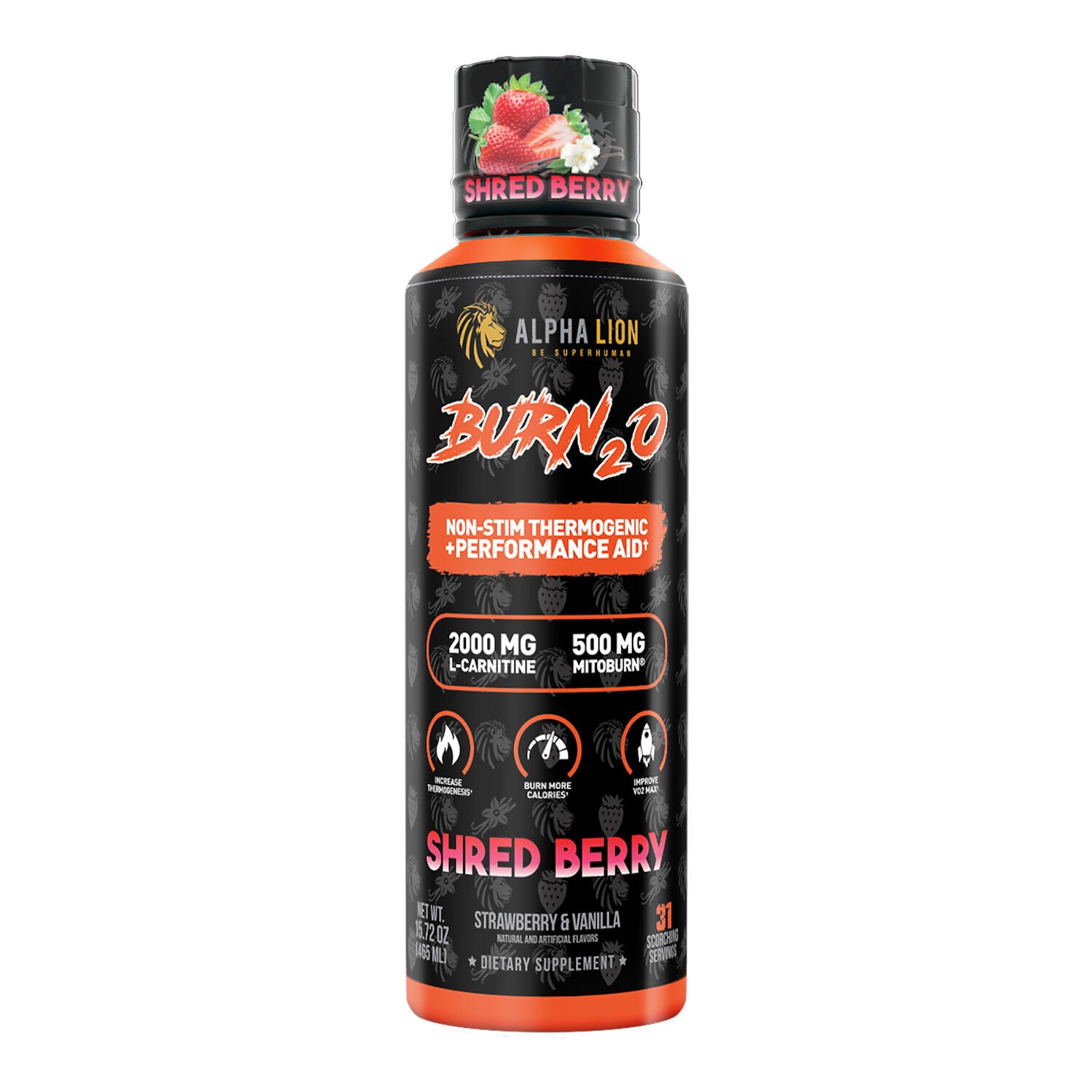
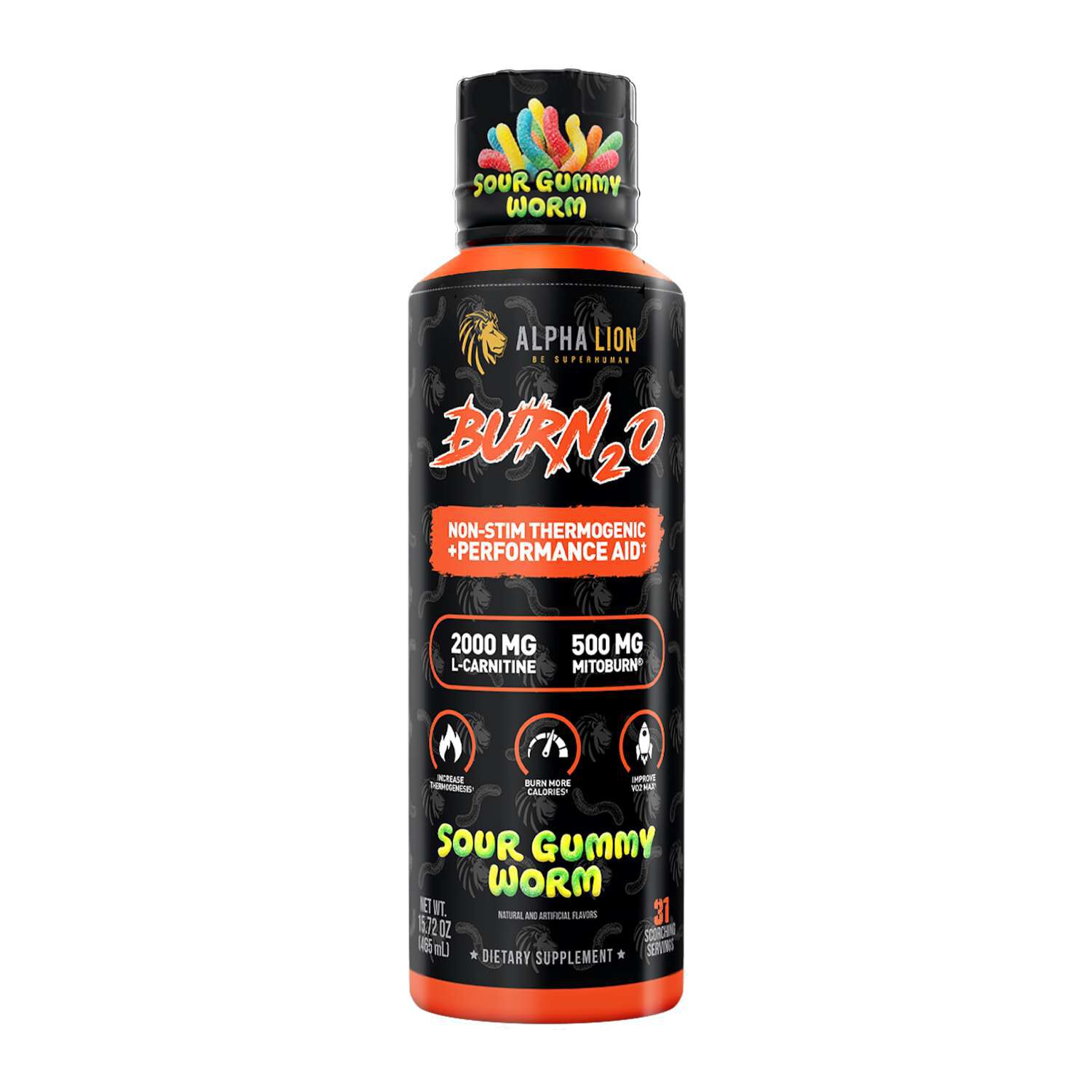
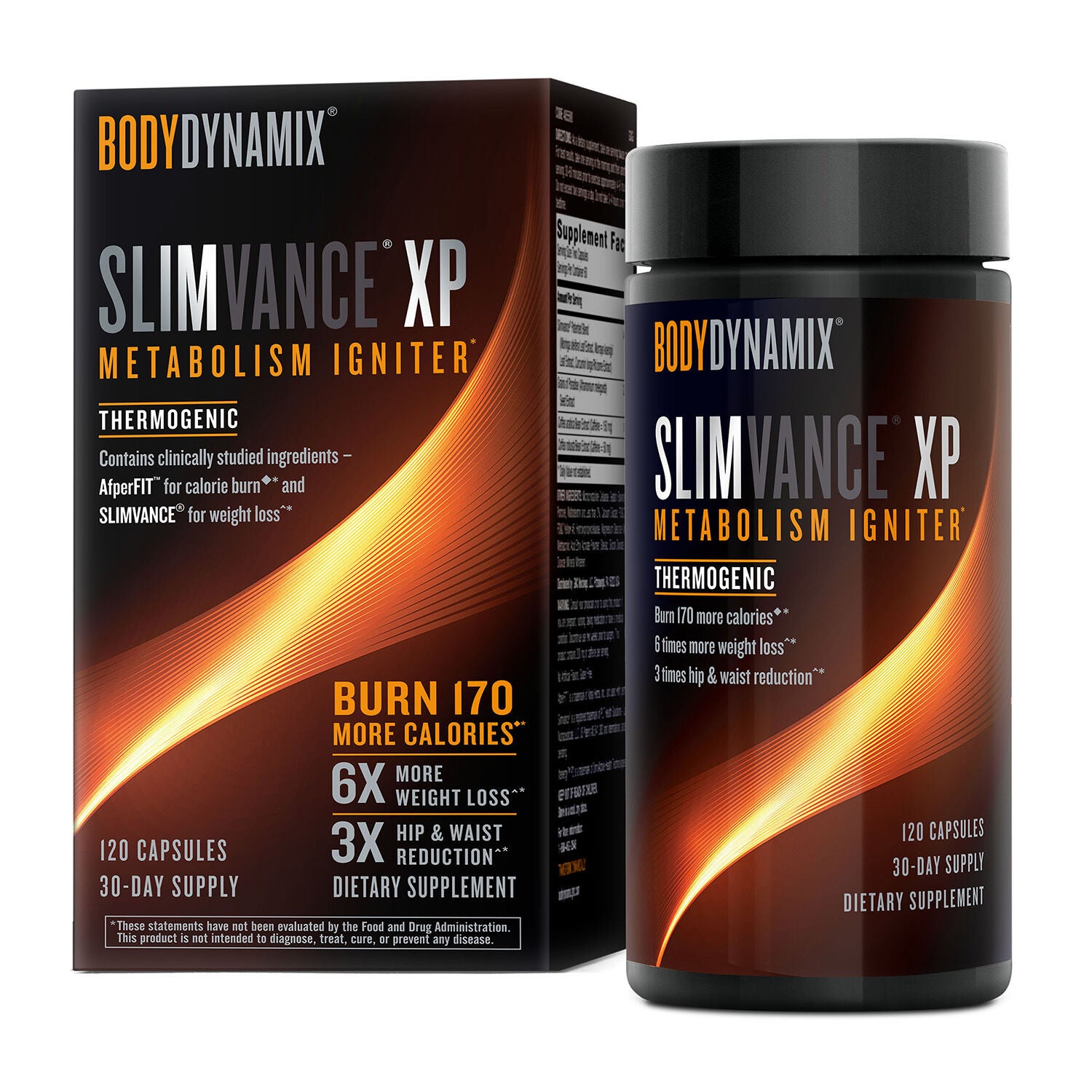
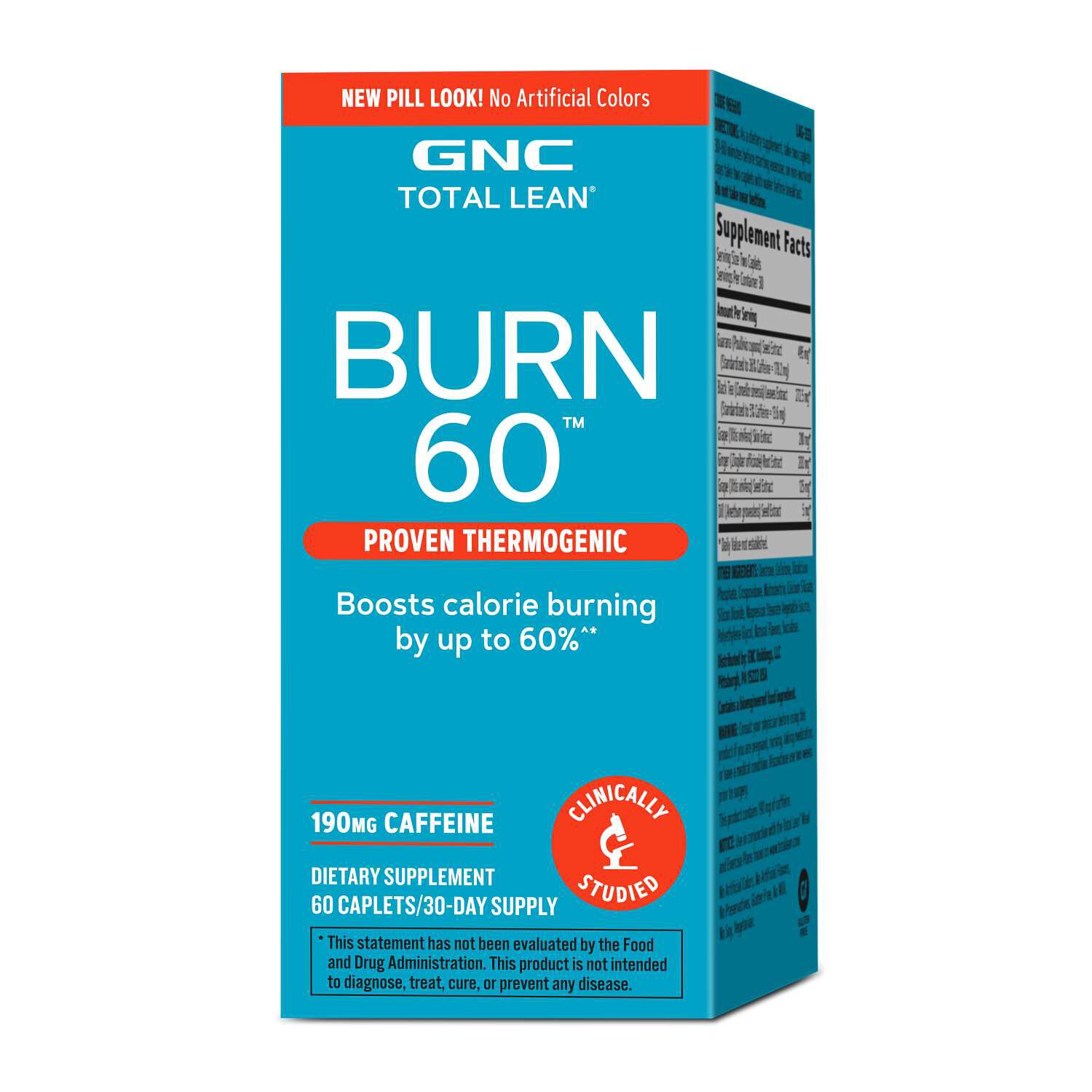
Fat burners for stored body fat are dietary supplements marketed for weight-management routines, but the category name is not proof that a formula will remove body fat or change a particular area of the body. Stored body fat serves as an energy reserve, and changes in that reserve depend on patterns of energy intake and energy use over time. An energy deficit describes a pattern in which energy expenditure exceeds energy intake; a supplement label cannot establish whether that pattern exists. The release of stored fat for energy and a lasting reduction in body fat are also different processes, which is an important distinction when reading product descriptions. A supplement may have a supporting role in an adult’s routine, but its intended purpose should not be confused with evidence of a specific outcome. Claims centered on the waist, abdomen, or other individual areas deserve particular scrutiny, since a product description is not evidence of location-specific results. These supplements are often considered by adults who already have established eating and activity habits and want to compare another component of their routine. They are not interchangeable with food, movement, or rest, and the number of ingredients in a formula says little about how well it fits an individual’s preferences. A useful comparison separates three things: what a supplement contains, what its label says it is intended to do, and what research actually supports. Research involving an isolated ingredient does not necessarily describe the finished formula, especially when the amount, ingredient form, or study circumstances differ. Even a familiar ingredient name needs context. The serving amount, other ingredients present, and intended frequency of use all matter when interpreting a label. For shoppers browsing this category, the most meaningful distinctions are usually concrete ones: whether the formula contains caffeine, how its ingredients are disclosed, what a serving involves, and whether its directions make sense alongside an existing routine. Those details offer a more grounded basis for comparison than dramatic descriptions of rapid physical change.
Formulation and serving format can make a practical difference to the shopping experience. Capsules and tablets offer a measured format without mixing, while powders require attention to scoop size, preparation directions, and any flavoring or sweetening ingredients. Softgels may use a different shell composition than capsules, making the other-ingredients panel relevant to dietary preferences. Serving size deserves a close look: one capsule is not always one serving, and a powder scoop should be interpreted according to the label rather than its appearance. The amount listed per serving is more useful than a large number printed without that context on the front of a container. Ingredient disclosure also varies. Some labels identify the quantity of each ingredient, while others list several ingredients together in a blend without stating each individual amount. That difference affects how precisely shoppers can compare formulas. Caffeine is another important point of distinction. It may contribute to alertness or a sense of energy, but those effects should not be treated as evidence of reduced stored body fat. Caffeine may appear as a named ingredient or come from botanical sources, so the entire ingredient panel matters more than a single front-label description. Coffee, tea, and other caffeinated supplements also belong in that comparison. Products described as nonstimulant still warrant the same attention to ingredients and directions; the absence of one ingredient does not establish personal suitability. Botanical extracts can differ in the plant part used, preparation method, and amount provided, so two formulas featuring the same plant name are not necessarily equivalent. Dietary preferences add another layer, including capsule-shell ingredients, flavorings, and clearly stated allergen information. Someone who prefers an unflavored capsule may prioritize a straightforward ingredient panel, while someone considering a drink mix may care more about taste, mixing directions, and the serving container. Neither format establishes a stronger effect on stored body fat. The better fit is the one whose composition and intended use are clearly understood, with questions about personal suitability directed to a qualified healthcare professional rather than answered by marketing language.
Everyday use and storage deserve as much attention as the front of the package. A container that fits neatly in a kitchen cabinet may be easier to keep with its original directions than loose capsules tucked into a gym bag. Original packaging preserves access to the ingredient panel, serving instructions, lot information, and expiration date, all of which are useful references after purchase. Closures, seals, and the condition of the container matter, too. Powders and capsules should be stored according to their labeled instructions, with the lid secured and the product kept out of children’s reach. A package’s size or appearance is not evidence of ingredient quality, and a long ingredient list does not establish a more suitable formula. Clear directions and readable disclosures provide more useful information. The same practical approach applies when considering how a supplement might fit into a daily schedule: a routine built around an early workout looks different from one centered on evening activity, and caffeine preferences may influence that decision. Label directions remain the reference for intended use; taking more than directed is not a sound basis for expecting a different result. Introducing several overlapping supplements also makes ingredient comparisons harder, particularly when similar ingredients appear under different descriptions. Shoppers exploring related terminology may also encounter Fat Burners For Hyper Lipolysis, where the same distinction between a category name and evidence of an outcome remains relevant. Lipolysis refers to the breakdown of stored fat into fatty acids and glycerol; that process alone is not the same as a lasting reduction in body fat. Across these related categories, realistic expectations begin with understanding what is in the container rather than reading a desired result into its name. A thoughtfully considered purchase rests on transparent ingredient information, a manageable serving format, appropriate storage, and an intended use that fits the adult choosing it. Those details keep the focus on an informed personal choice rather than on an expectation of immediate or targeted change.
Best Sellers

Related Pages
Top Collections
- Zinc Supplements | Top Brands at Great Prices | GNC
- Joint Mobility Supplement Packs
- Daily Collagen Supplements | Top Brands & Deals | GNC
- Cortisol Supplements
- Supplements For Yoga Joint Flexibility
- NAD+ Supplement Tablets
- Iron Supplements
- Best Brand of Magnesium Glycinate
- Chronic Fatigue Supplements
- Peptide Supplements