





Fat Burners For Bodybuilders
(0 Results)
Fat burners for bodybuilders are a popular choice for those who want to support their fitness journey and complement their workout routines. Whether you’re preparing for a competition or striving to achieve your personal goals, these products may fit seamlessly into a balanced nutrition and training plan. Explore a variety of fat burners for bodybuilders that are designed with active lifestyles in mind, offering options to suit different preferences and routines.
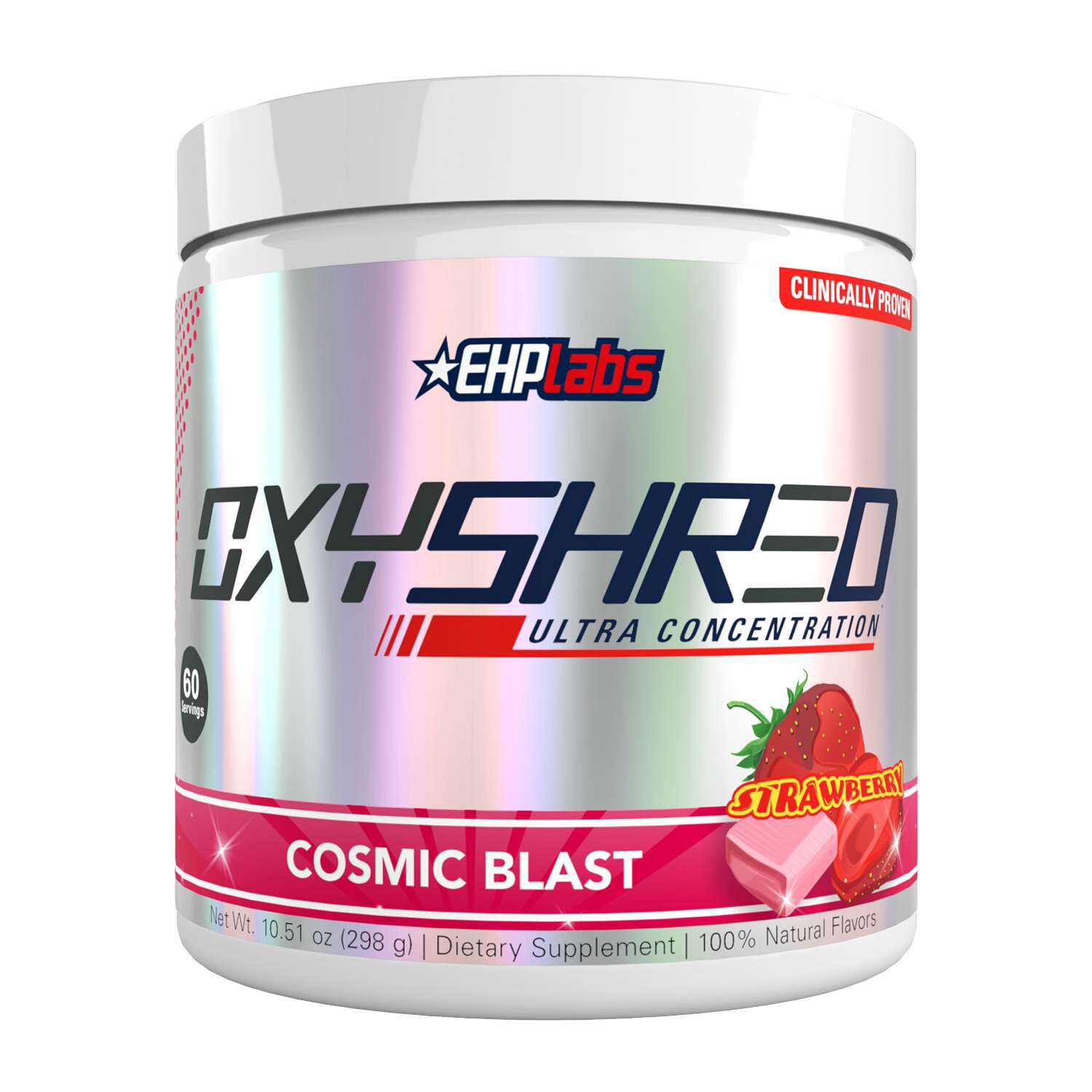

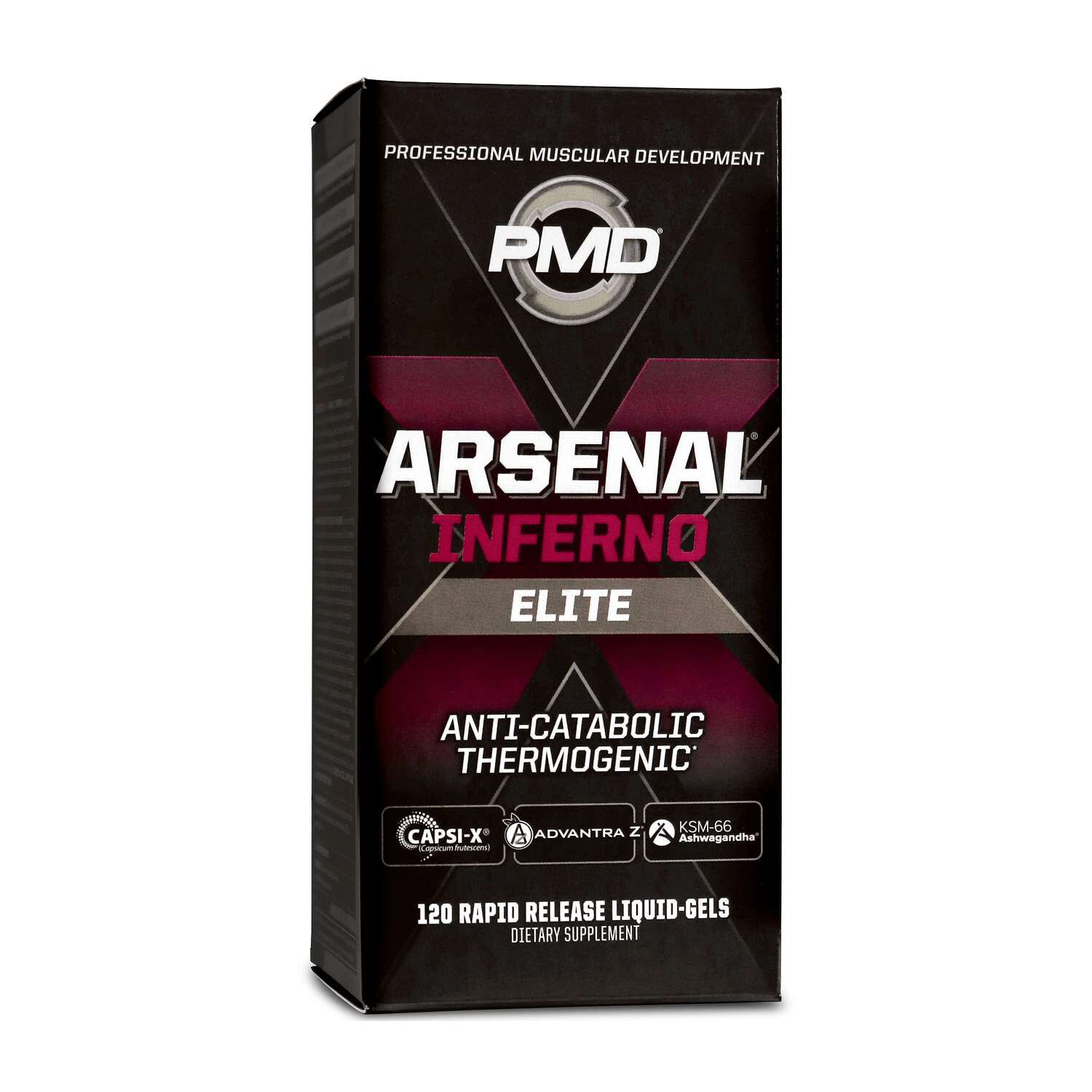
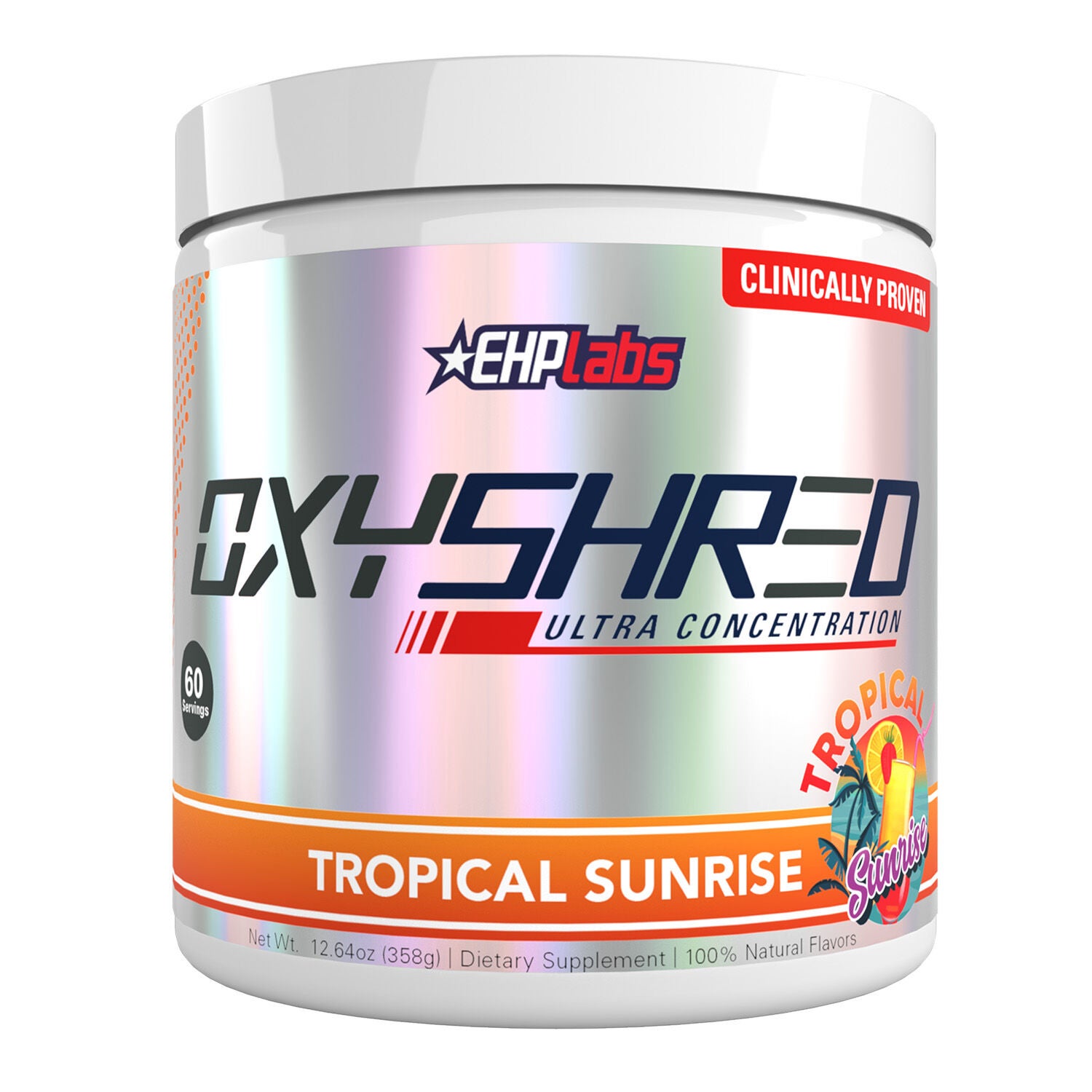
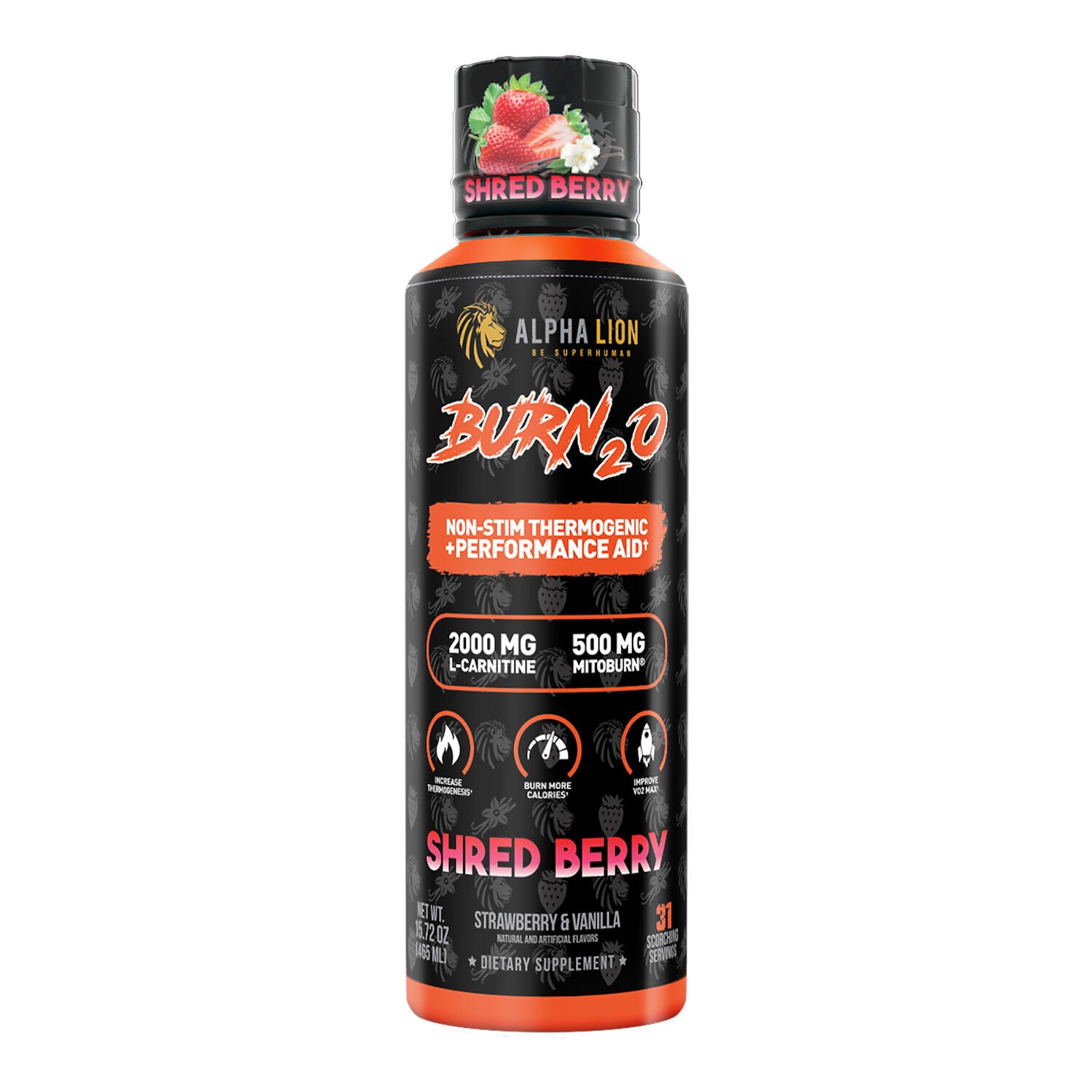
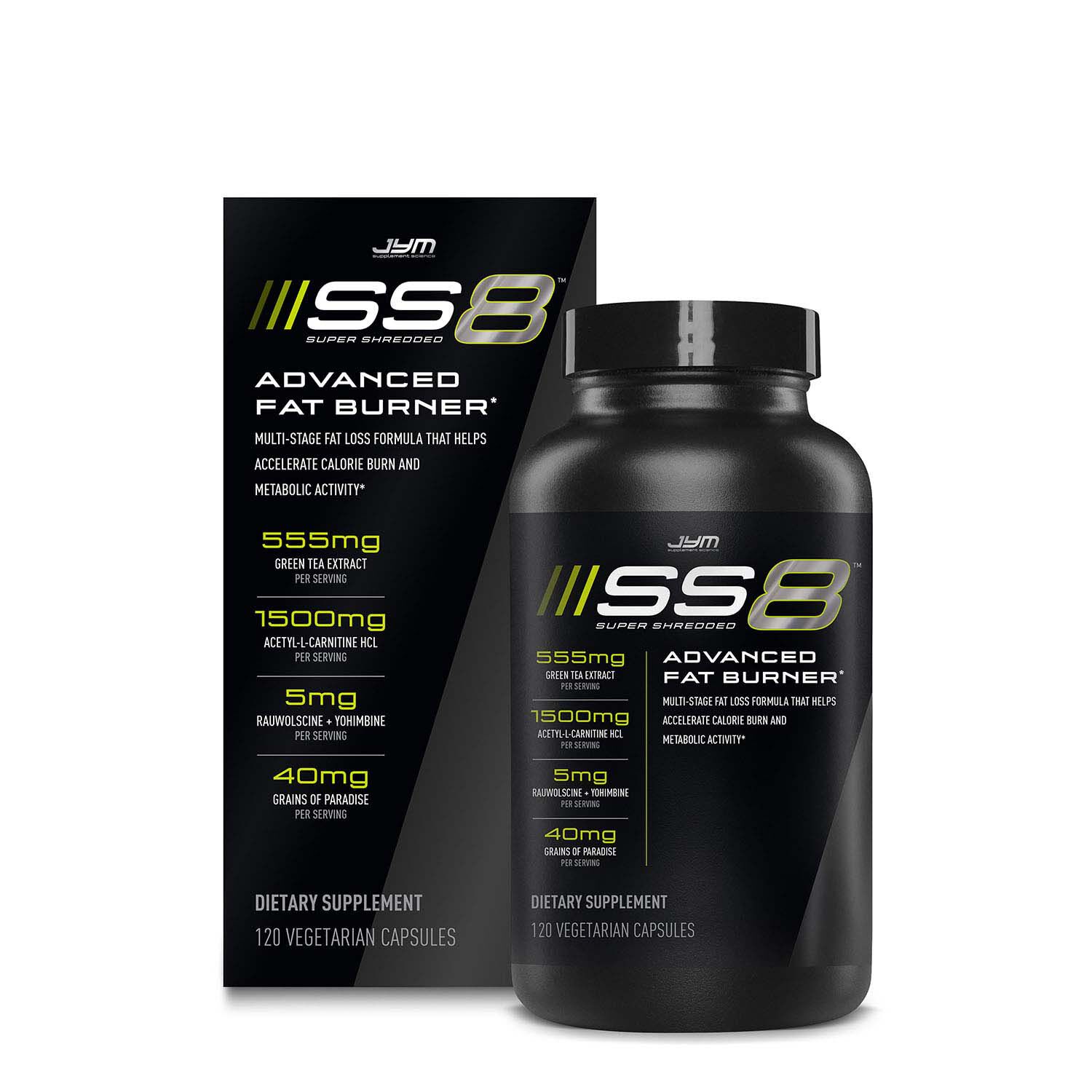


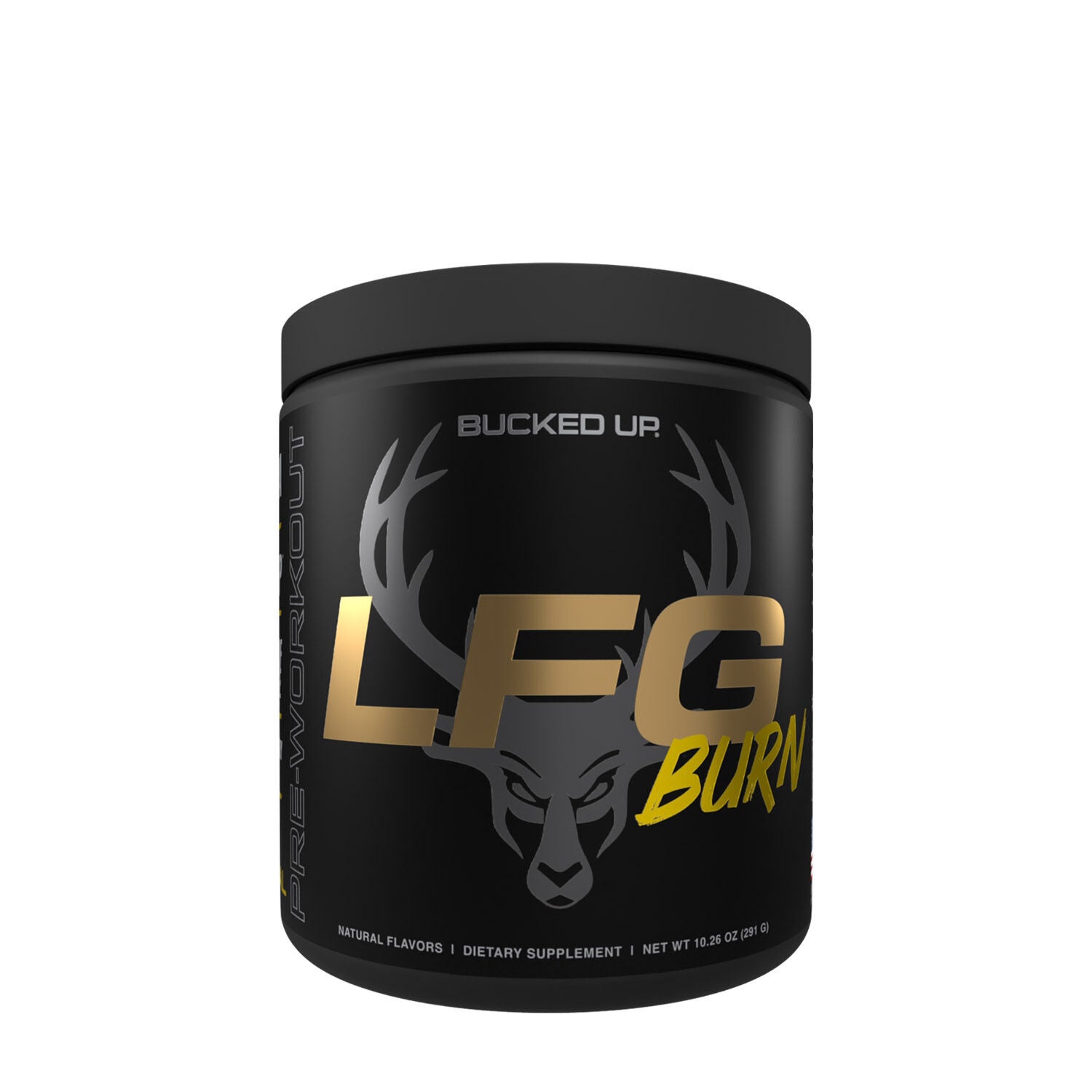

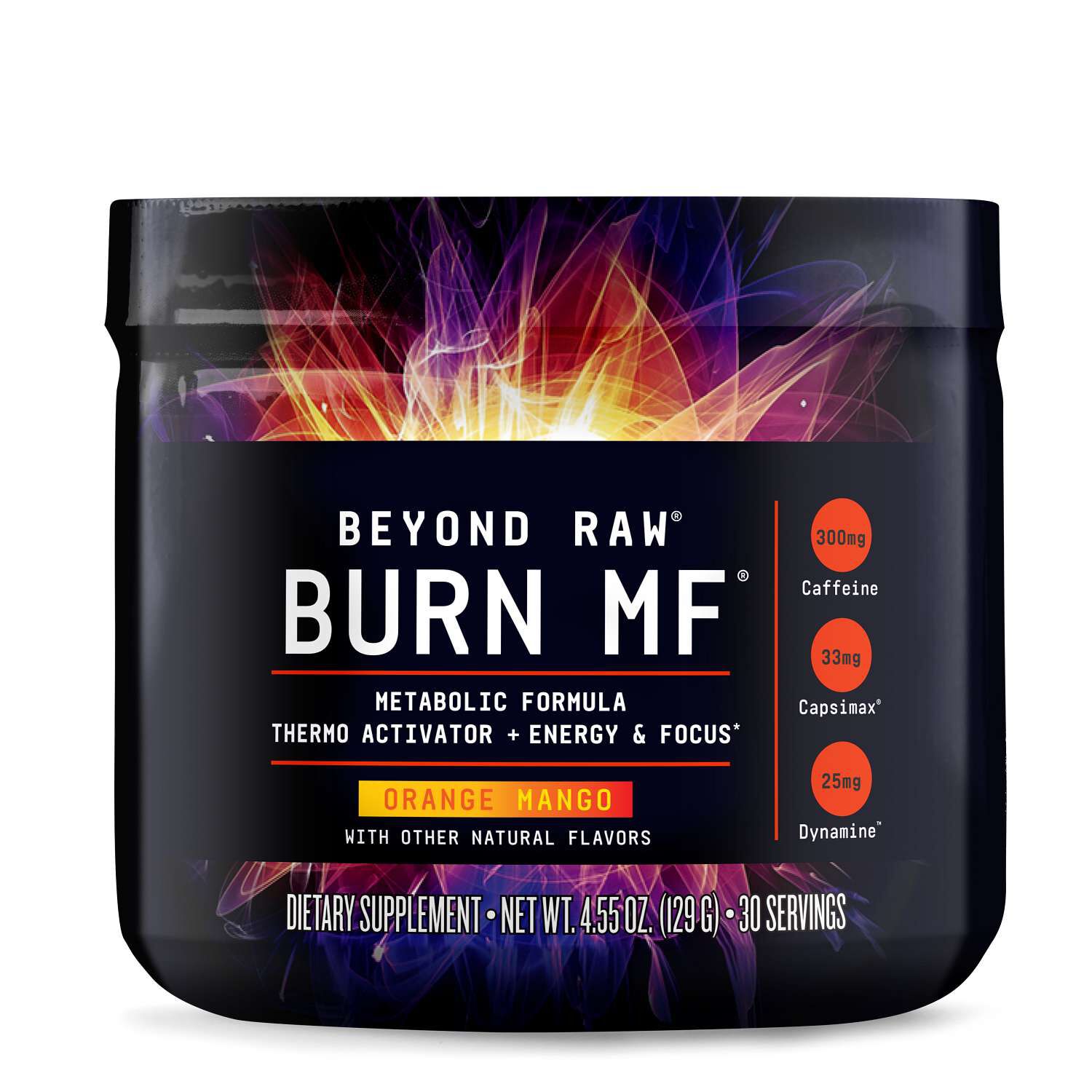
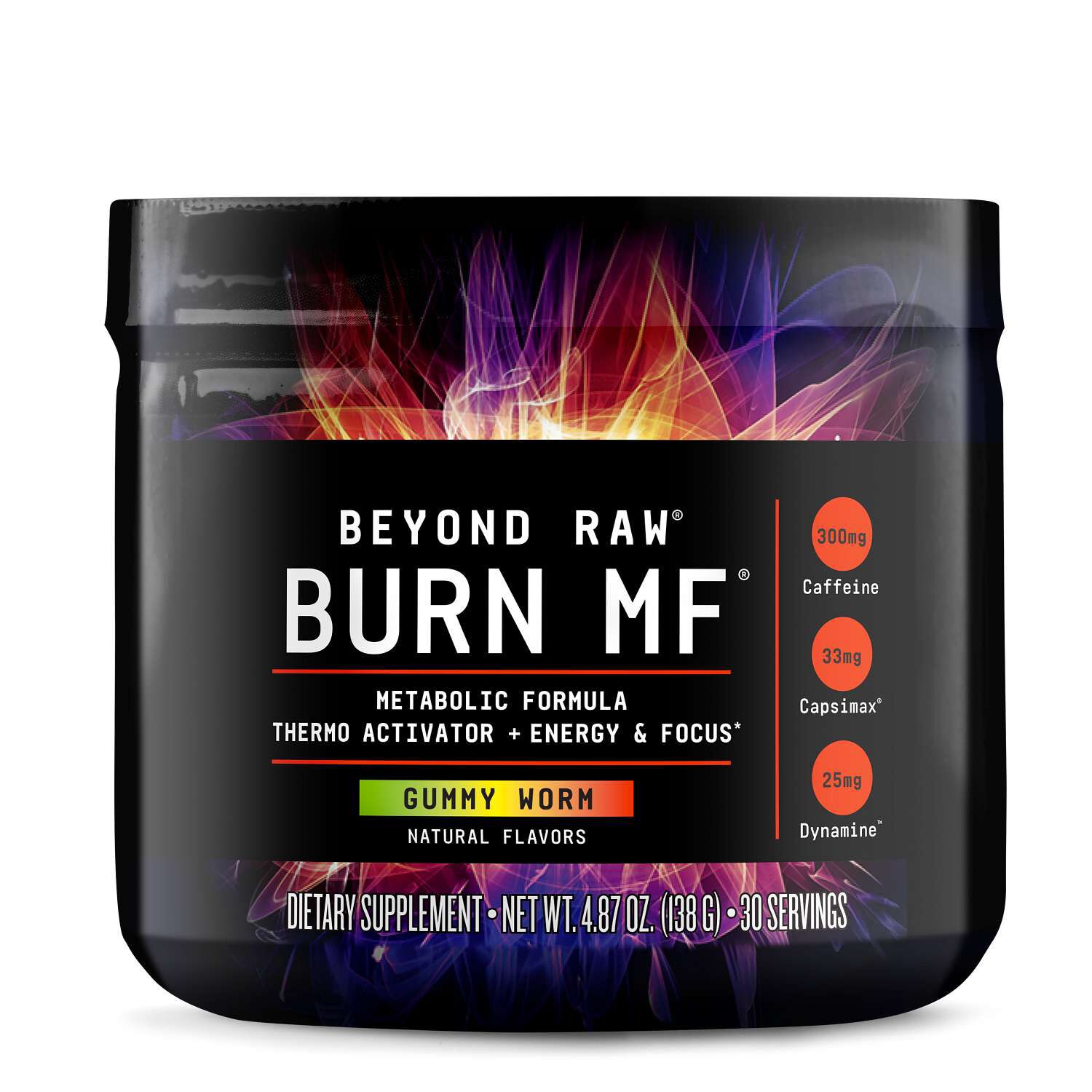


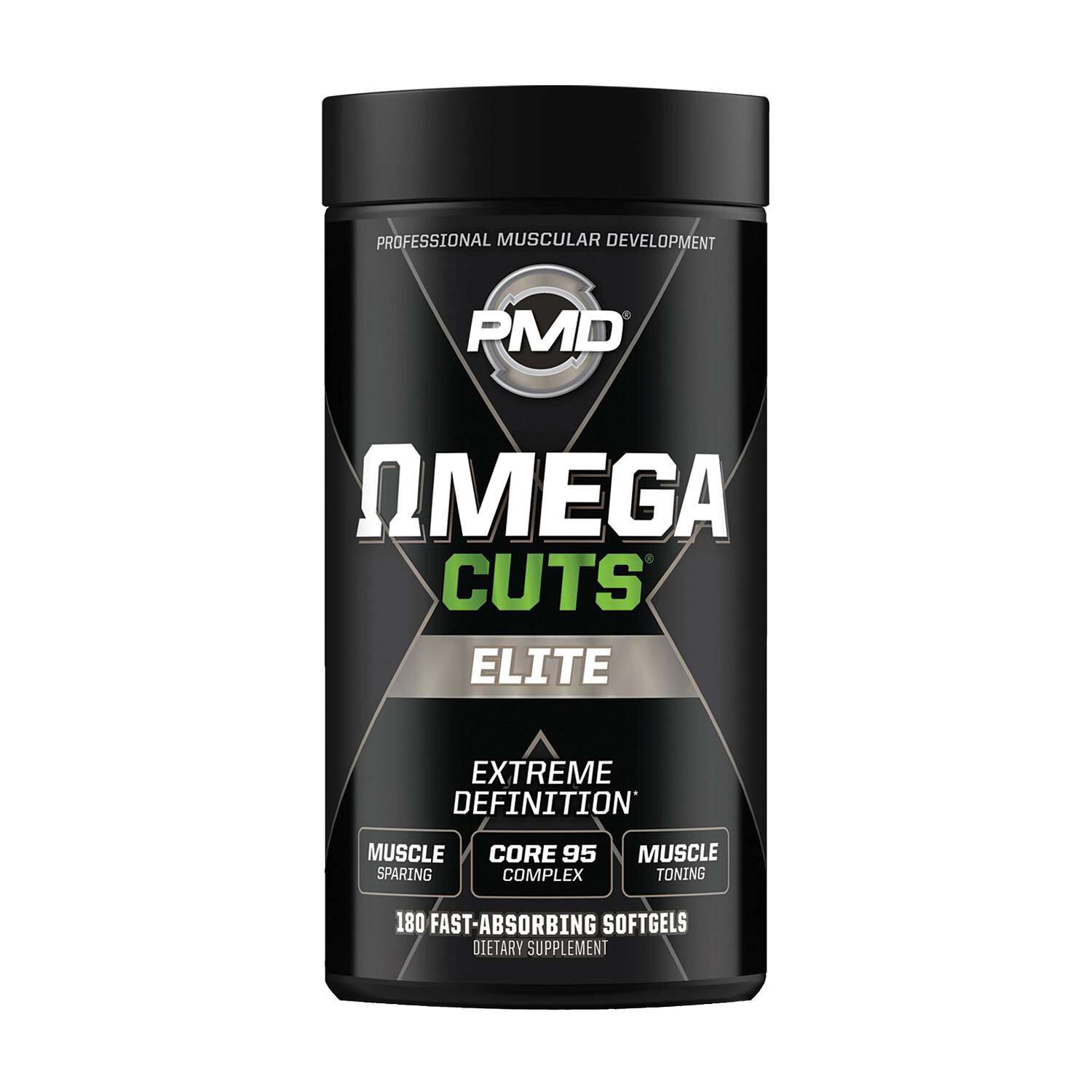


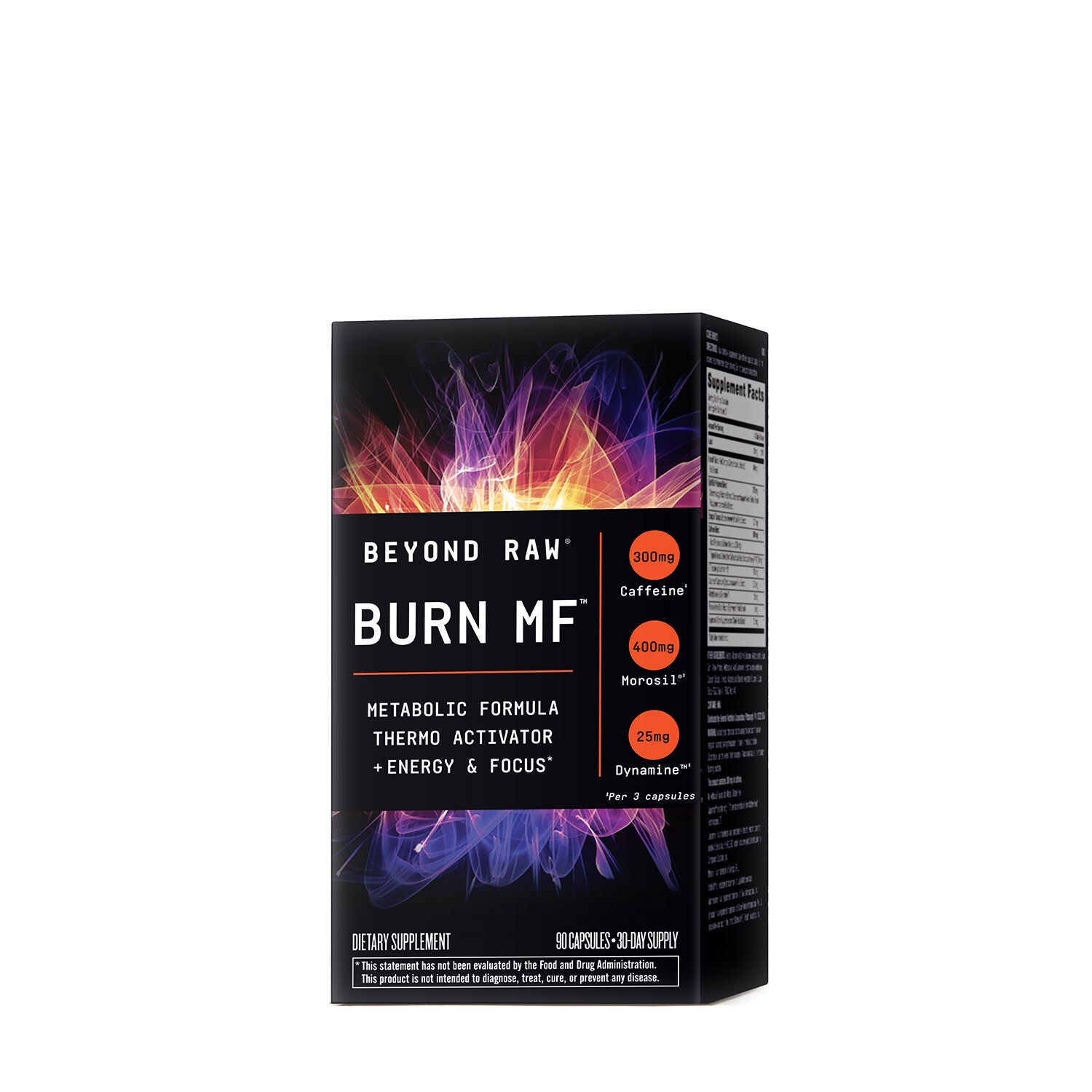

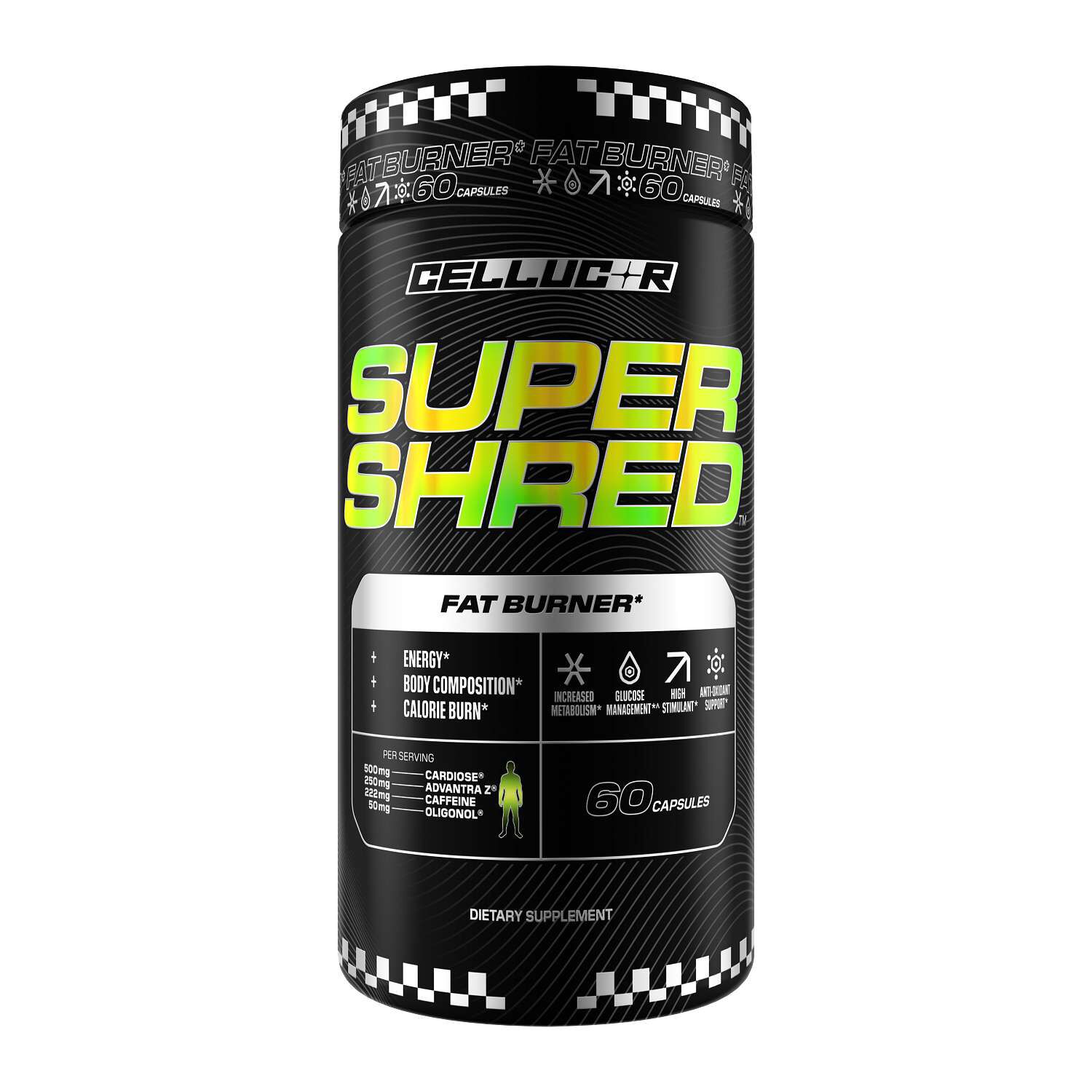
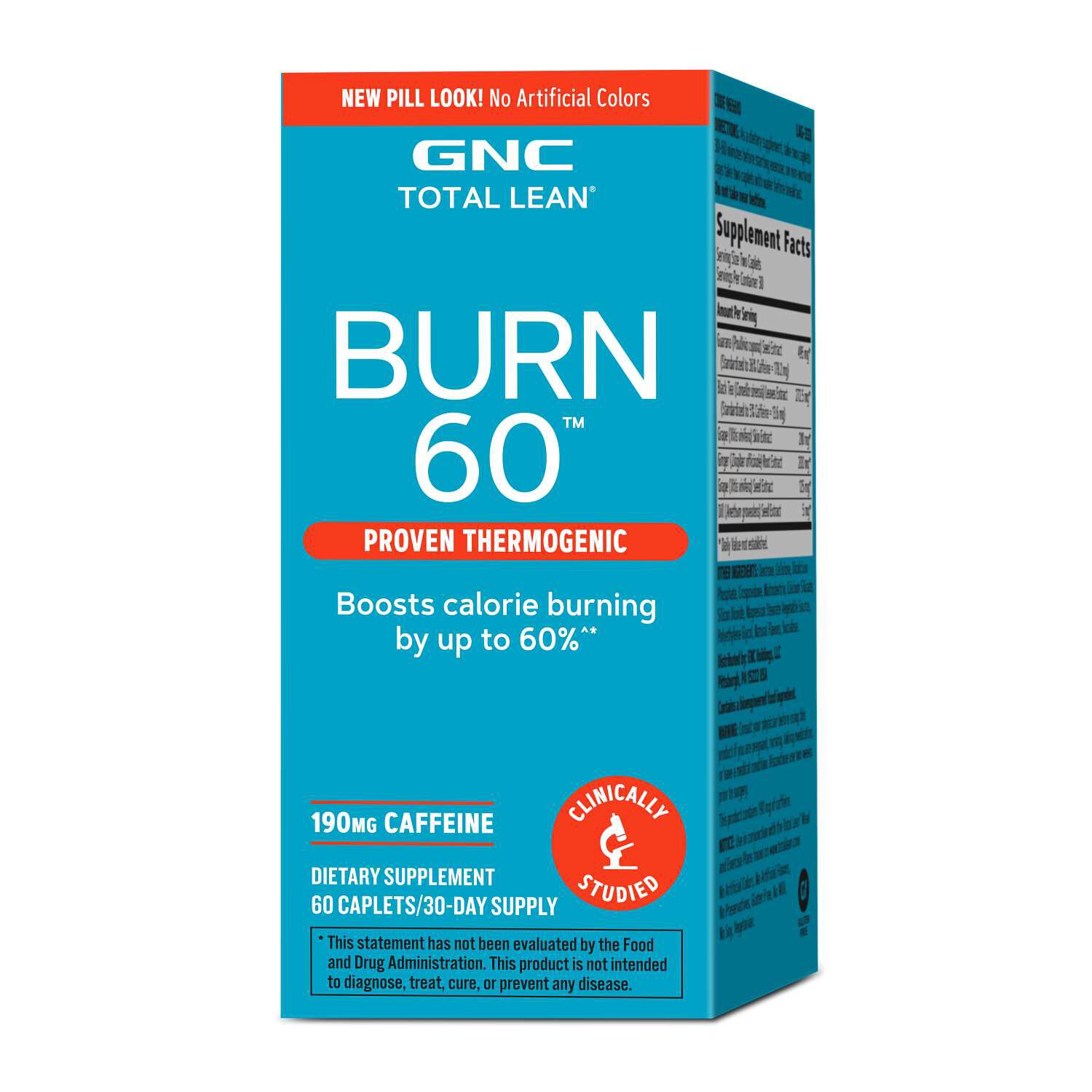
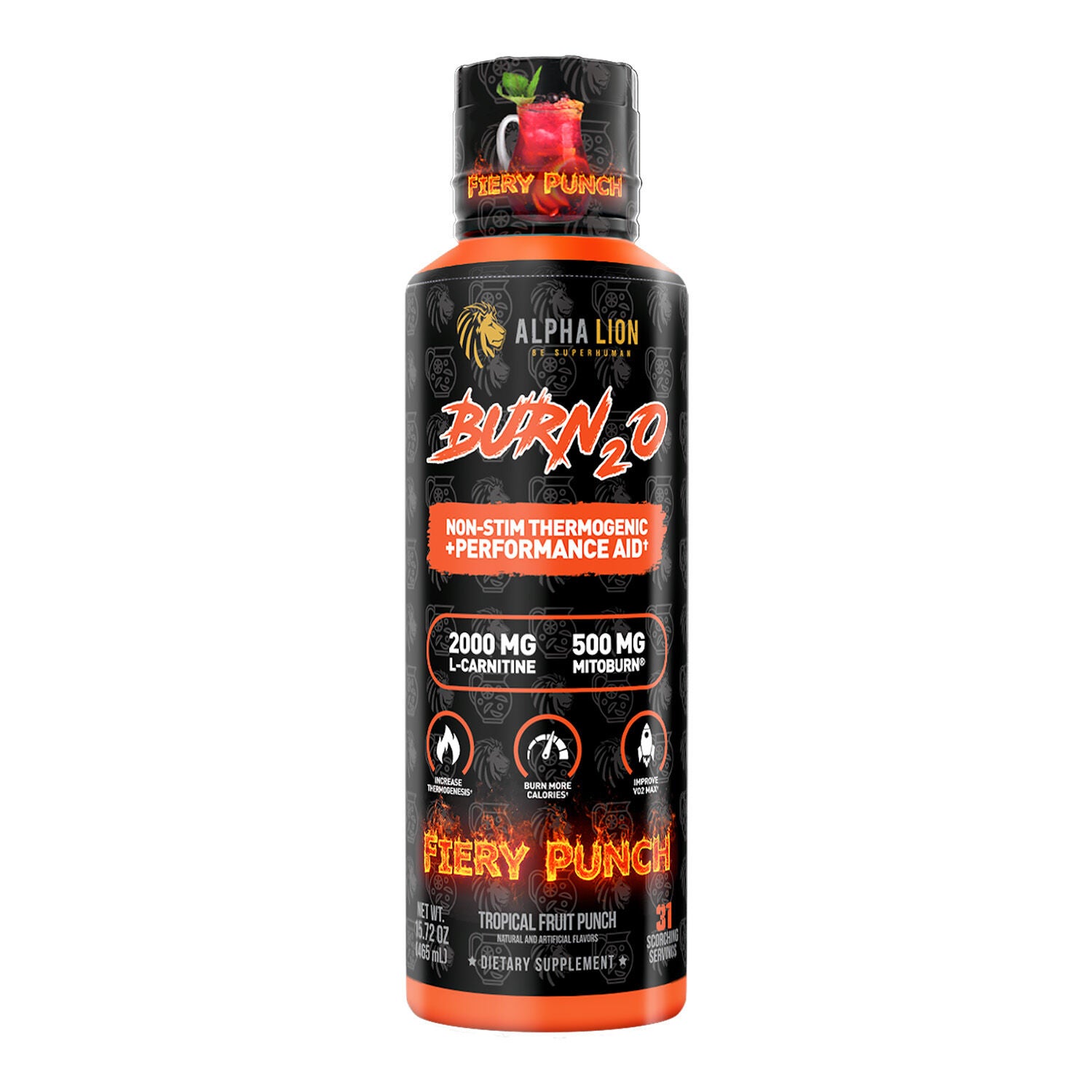
Fat burners for bodybuilders are dietary supplements that may support energy expenditure, fat metabolism, or energy during a planned cutting phase. Their intended role is supplemental to a structured eating plan, resistance training, and recovery—not a replacement for those foundations. In bodybuilding, a cutting phase generally involves adjusting food intake while continuing to train, with the goal of developing a leaner appearance while maintaining attention to muscle. That context makes formulation and everyday practicality more relevant than dramatic product names. A physique competitor preparing for the stage, an experienced lifter refining a nutrition routine, and a recreational bodybuilder working toward a personal goal may have different preferences within this category. Some shoppers prioritize clearly disclosed caffeine amounts, while others look for formulas without caffeine or a capsule format that fits an established routine. Terms such as thermogenic usually describe a formula’s intended relationship to energy expenditure, but the term alone does not explain its ingredients, serving size, or suitability for a particular person. Fat burners may contain caffeine, botanical extracts, amino acids, or combinations of ingredients, and those differences deserve attention when comparing labels. The category also includes products with different intended serving schedules, so the directions are part of understanding what a formula is designed for. For a bodybuilder juggling meal preparation, training sessions, and a demanding workday, a supplement’s fit may depend as much on straightforward directions as on its ingredient profile. Expectations around changes in body composition should leave room for individual variation rather than a fixed timeline or a particular visual outcome. A useful comparison connects the formula’s stated purpose with the shopper’s actual routine, without treating a supplement as the centerpiece of that routine. A cutting phase is not the only context for browsing these supplements, but it helps explain why serving details, caffeine content, and compatibility with other supplements often receive particular attention from bodybuilding shoppers.
Ingredient transparency gives shoppers a more concrete basis for comparing fat burners than the length of an ingredient list. The Supplement Facts panel identifies serving size and declared ingredient amounts, while the other ingredients section provides details about capsule materials, flavoring components, sweeteners, and other formulation ingredients. A serving may consist of more than one capsule, and a container’s capsule count is not necessarily the same as its number of servings. Those distinctions matter to someone organizing a daily supplement routine or comparing a powder with a capsule-based formula. Caffeine deserves particular attention because it may appear as a named ingredient or as a component of certain botanical ingredients. Coffee, energy drinks, pre-workout supplements, and other products can also contribute caffeine throughout the day. For someone who trains before an early shift, a formula’s caffeine content may be an important preference; for someone whose lifting session begins after dinner, a formula without caffeine may be a closer match to the intended schedule. Neither format is automatically the better choice for every bodybuilder. The amount per serving and the labeled directions provide more useful context than a front-label description alone. Blends also vary in how much ingredient detail they disclose, which can make comparisons less direct when several ingredients appear under a shared blend amount. Familiarity with one ingredient does not make two formulas interchangeable. Capsule shells may use gelatin or plant-derived materials, and powders may contain flavorings or sweeteners that influence personal preference. Dietary preferences and ingredient exclusions belong in the comparison alongside intended use, especially for shoppers who already examine protein powders and other supplements closely. Competitive bodybuilders may also consider their federation’s ingredient rules and any clearly identified sport-focused testing. A testing mark is most informative when its stated scope is easy to understand. Shoppers exploring related options such as Extreme Fat Burners can bring the same attention to ingredient amounts, serving format, and labeled use rather than relying on the intensity suggested by a name.
Format, packaging, and storage are practical parts of choosing fat burners for a bodybuilding routine. Capsules and tablets offer a compact format without a mixing step, although their dimensions and the number required per serving can influence personal preference. Powders involve measuring and mixing, with flavor, texture, and the labeled preparation method becoming part of the experience. Someone who already carries a shaker bottle may find that format familiar, while someone traveling between work and the gym may prefer a container that stays securely closed inside a bag. Packaging materials are relevant primarily for protecting the contents and preserving readable directions rather than for long-term wear. Closure quality, an intact seal, a legible date, and clear storage instructions are more useful considerations than the appearance of the container. For powders, a dry scoop and a tightly closed lid are ordinary care considerations; moisture from a damp shaker or a wet countertop can make handling less convenient. Capsules likewise belong in packaging that keeps their identity and directions clear. A supplement bottle left open beside a kitchen sink or carried loose among gym accessories is a different situation from a labeled container stored according to its directions. Original packaging also keeps serving information, ingredient details, and any handling cautions together, which matters when several similar-looking supplements share a shelf. Routine compatibility extends beyond portability: a format that requires mixing may suit a planned meal break, while capsules may appeal to someone who prefers fewer preparation steps. For adults purchasing these supplements for themselves, personal ingredient preferences and familiarity with the label are more relevant than another lifter’s experience. Supplements are also highly individual purchases, making them less straightforward gifts than training accessories. Across formats, the strongest basis for comparison remains a clear understanding of what is in the formula, how the product is intended to be used, and whether its practical details fit the bodybuilding routine already in place.
- Q: What are fat burners for bodybuilders?
A: Fat burners for bodybuilders are dietary supplements that may include ingredients like caffeine, green tea extract, or L-carnitine. These products are often used as part of a fitness routine to support workout goals. - Q: How do bodybuilders typically use fat burners in their routines?
A: Bodybuilders might incorporate fat burners into their daily supplement regimen, often alongside a balanced diet and regular exercise. It's common to use them during specific phases of training, such as cutting cycles. - Q: Are there different types of fat burners available for bodybuilders?
A: Yes, there are various types of fat burners that may contain different blends of ingredients. Some focus on thermogenic properties, while others might include herbal extracts or amino acids. - Q: Can fat burners be stacked with other supplements?
A: Many bodybuilders choose to stack fat burners with other supplements like protein powders or pre-workouts. It's important to read product labels and consult with a nutrition professional when considering supplement combinations. - Q: When is the best time to take fat burners for bodybuilding purposes?
A: Some individuals prefer taking fat burners in the morning or before workouts. The timing can depend on personal preference and the specific product's suggested use instructions.
Best Sellers
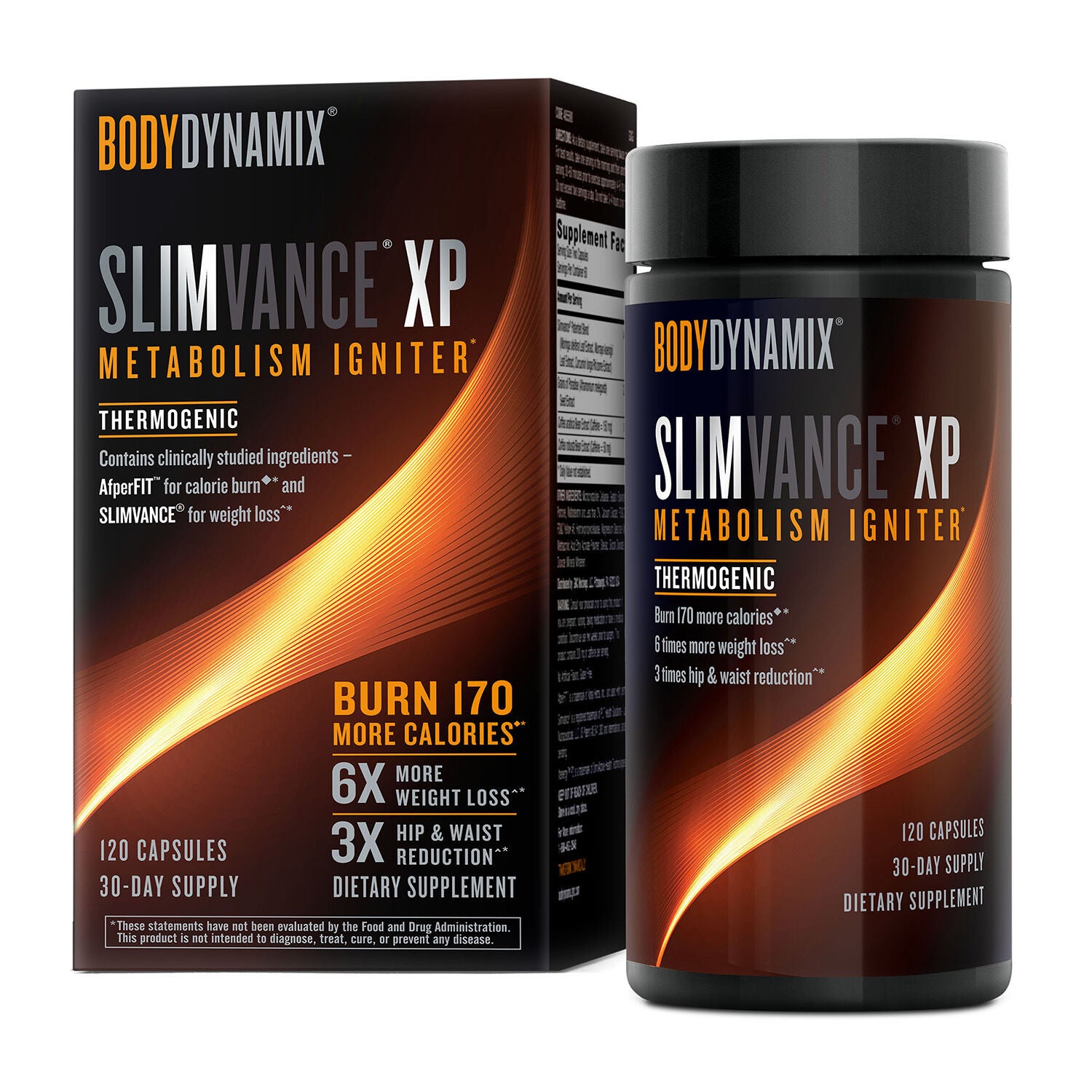

Related Pages

Top Collections
- Zinc Supplements | Top Brands at Great Prices | GNC
- Joint Mobility Supplement Packs
- Daily Collagen Supplements | Top Brands & Deals | GNC
- Cortisol Supplements
- Supplements For Yoga Joint Flexibility
- NAD+ Supplement Tablets
- Iron Supplements
- Best Brand of Magnesium Glycinate
- Chronic Fatigue Supplements
- Peptide Supplements