Fat Burning Supplements For Holiday Travel
(0 Results)
Fat burning supplements for holiday travel could be a convenient addition to your on-the-go wellness routine. Whether you’re jet-setting across the globe or embarking on a road trip, staying active and supporting your fitness goals may feel challenging during the busy holiday season. With options designed to fit into your travel plans, these supplements might help you maintain your momentum while you’re away from home. Explore choices that could complement your lifestyle as you make the most of your holiday adventures.
-

-

-
-

-
-

-
-
-

-
-
 185$24.99
 -
-

-

-
-

-

-
-
-

-

-
-
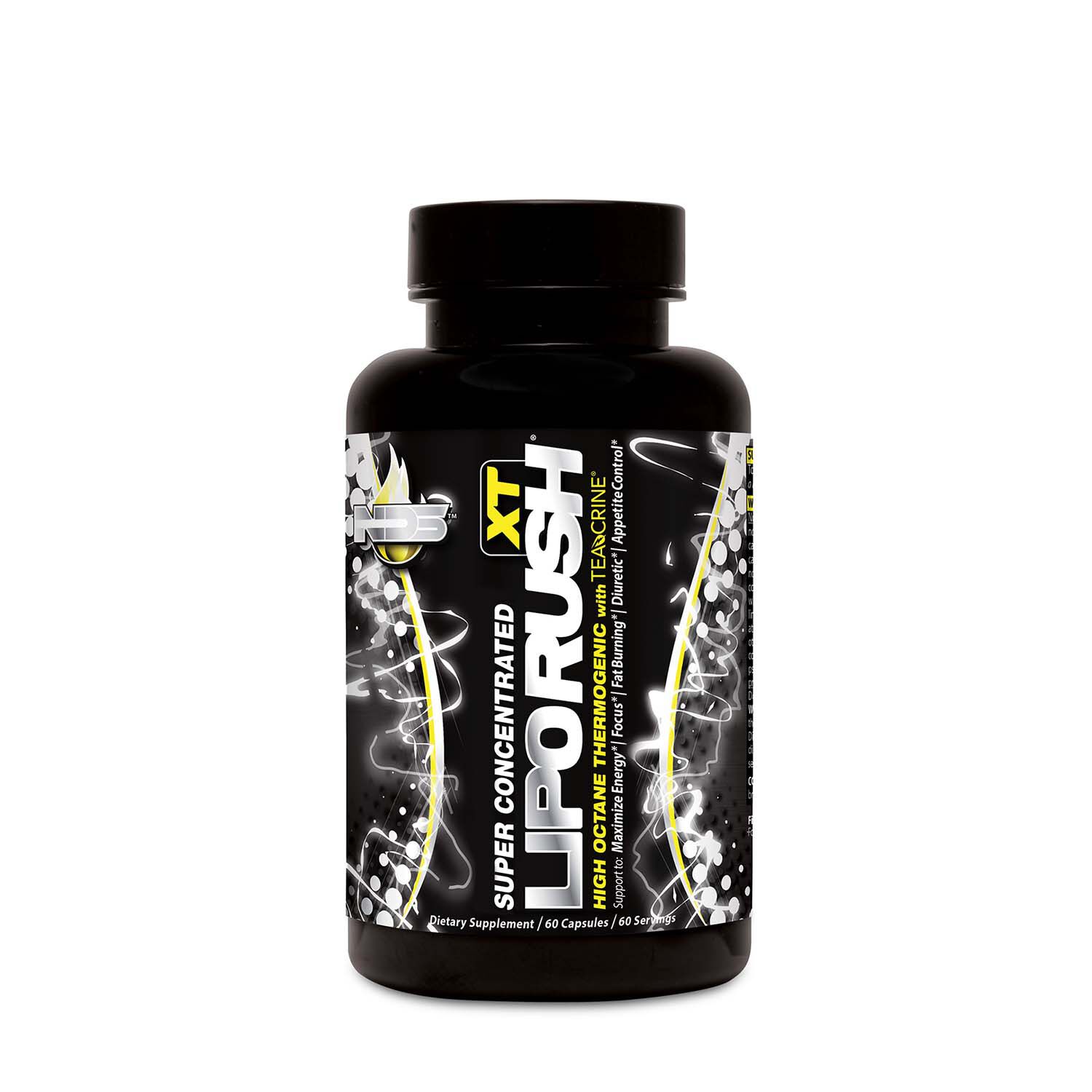
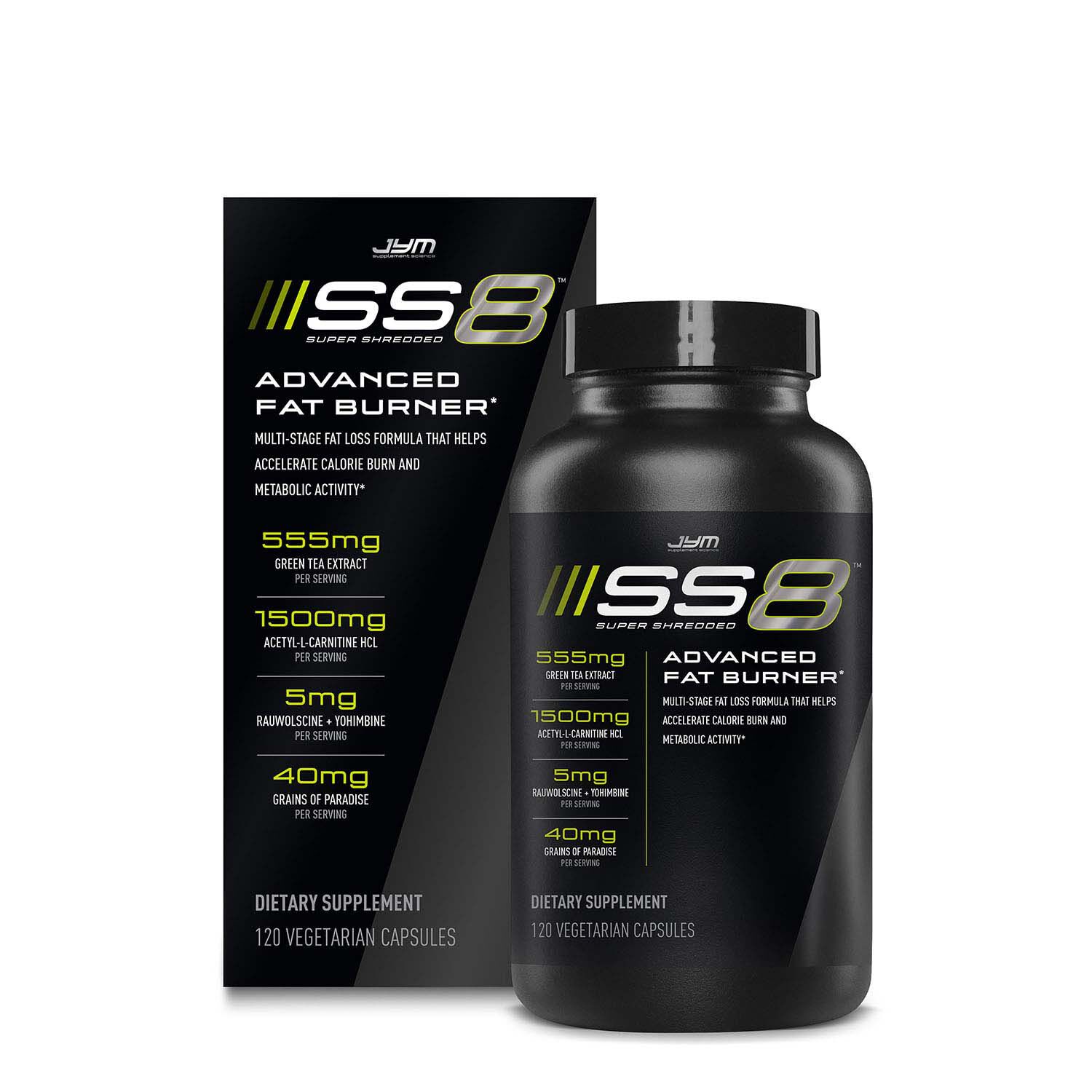
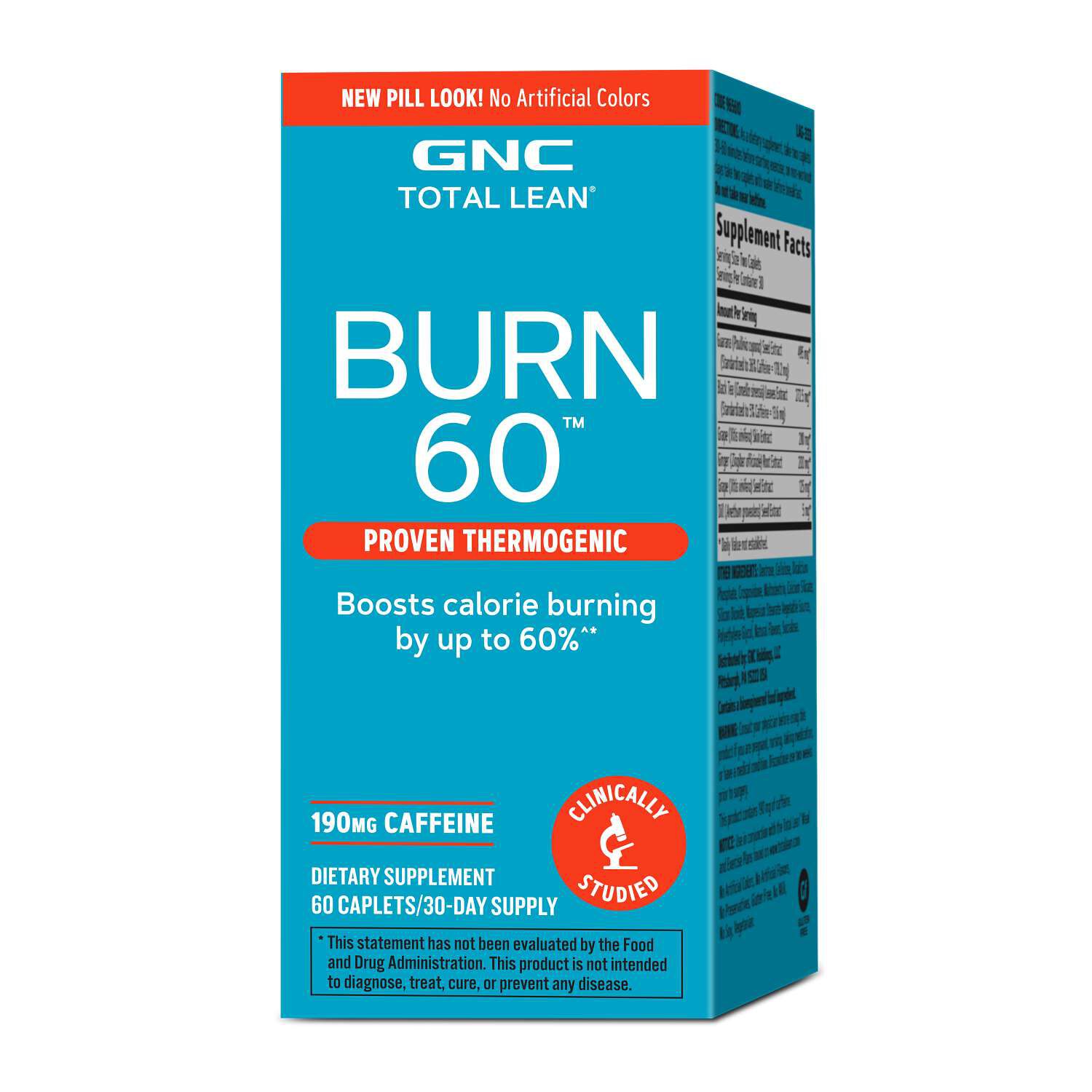
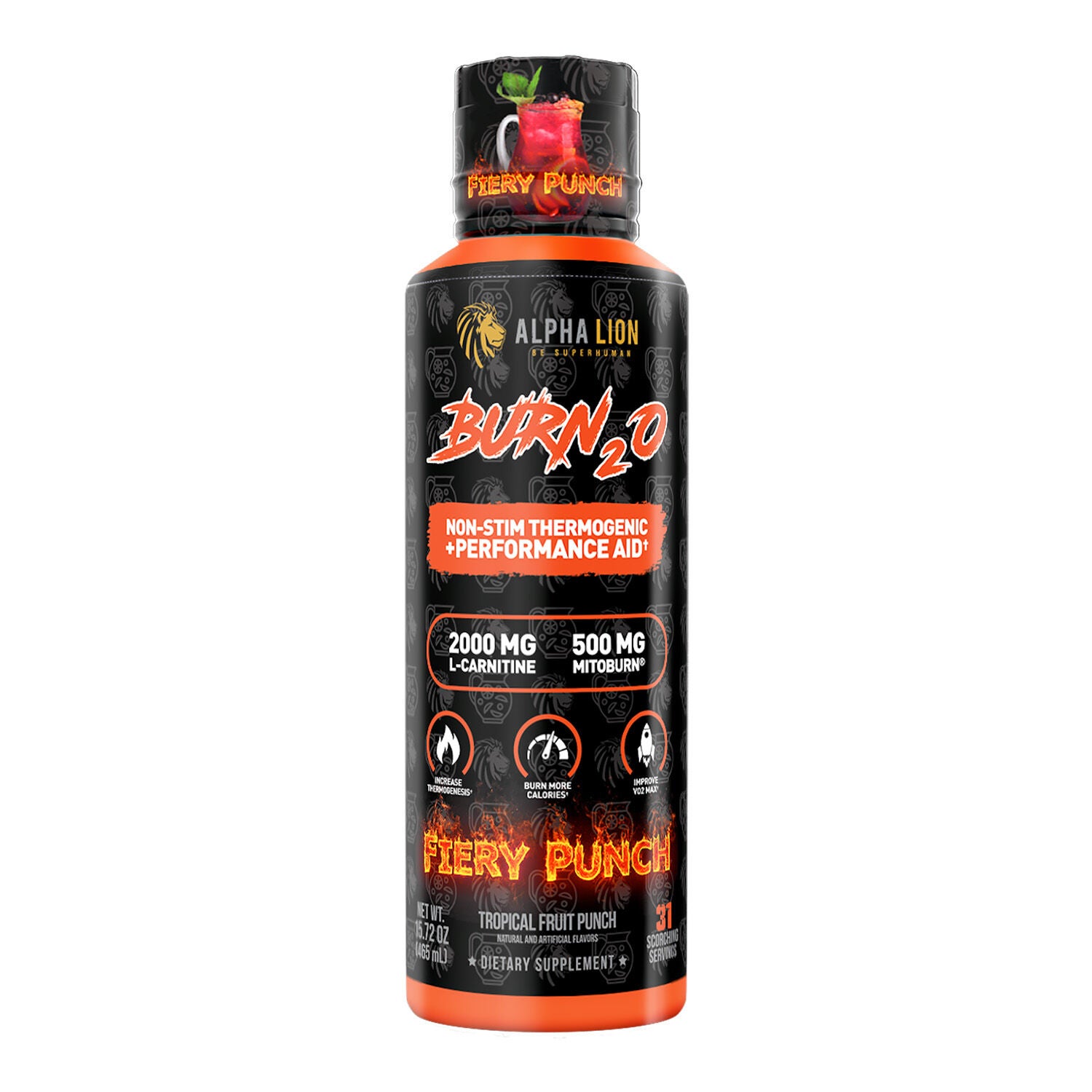
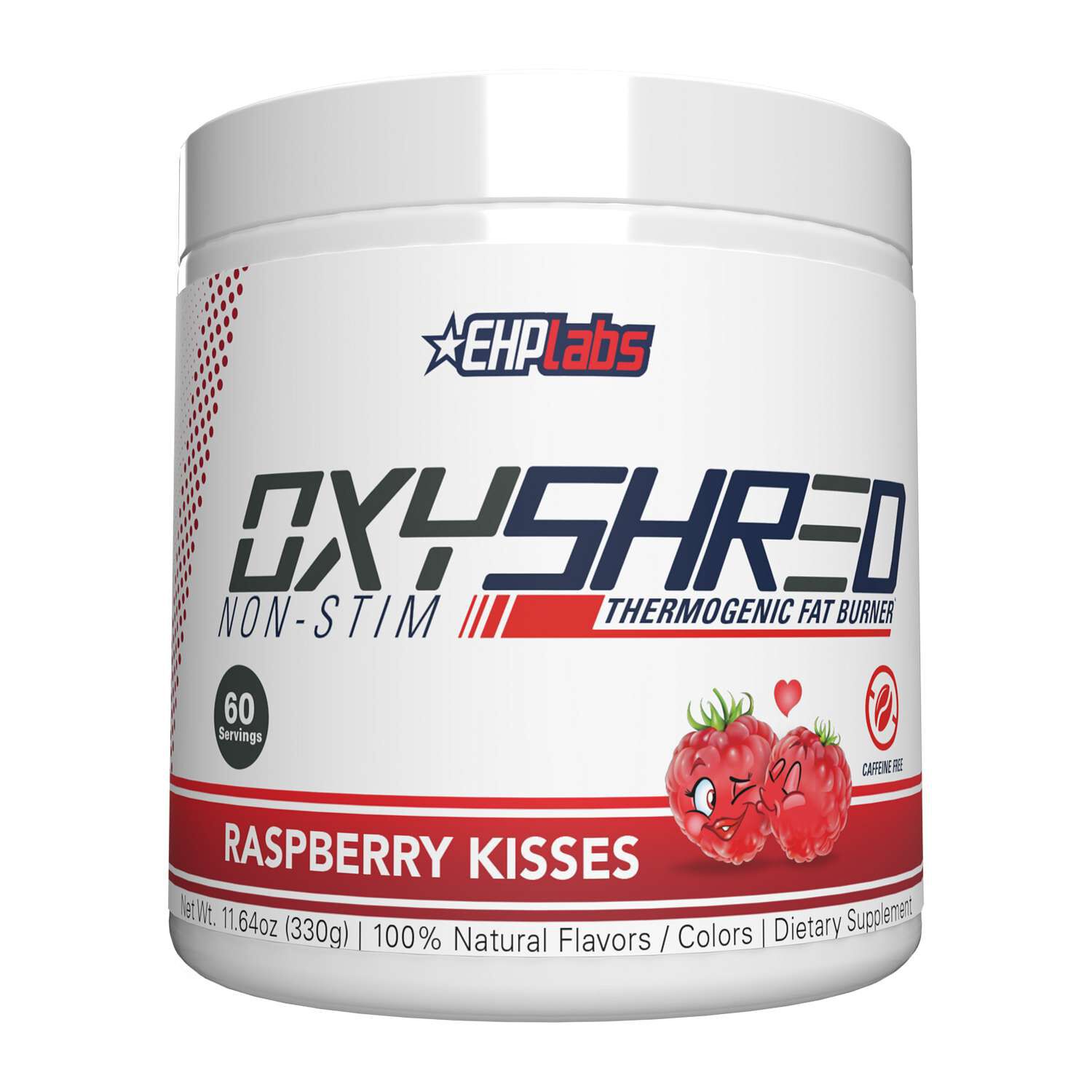
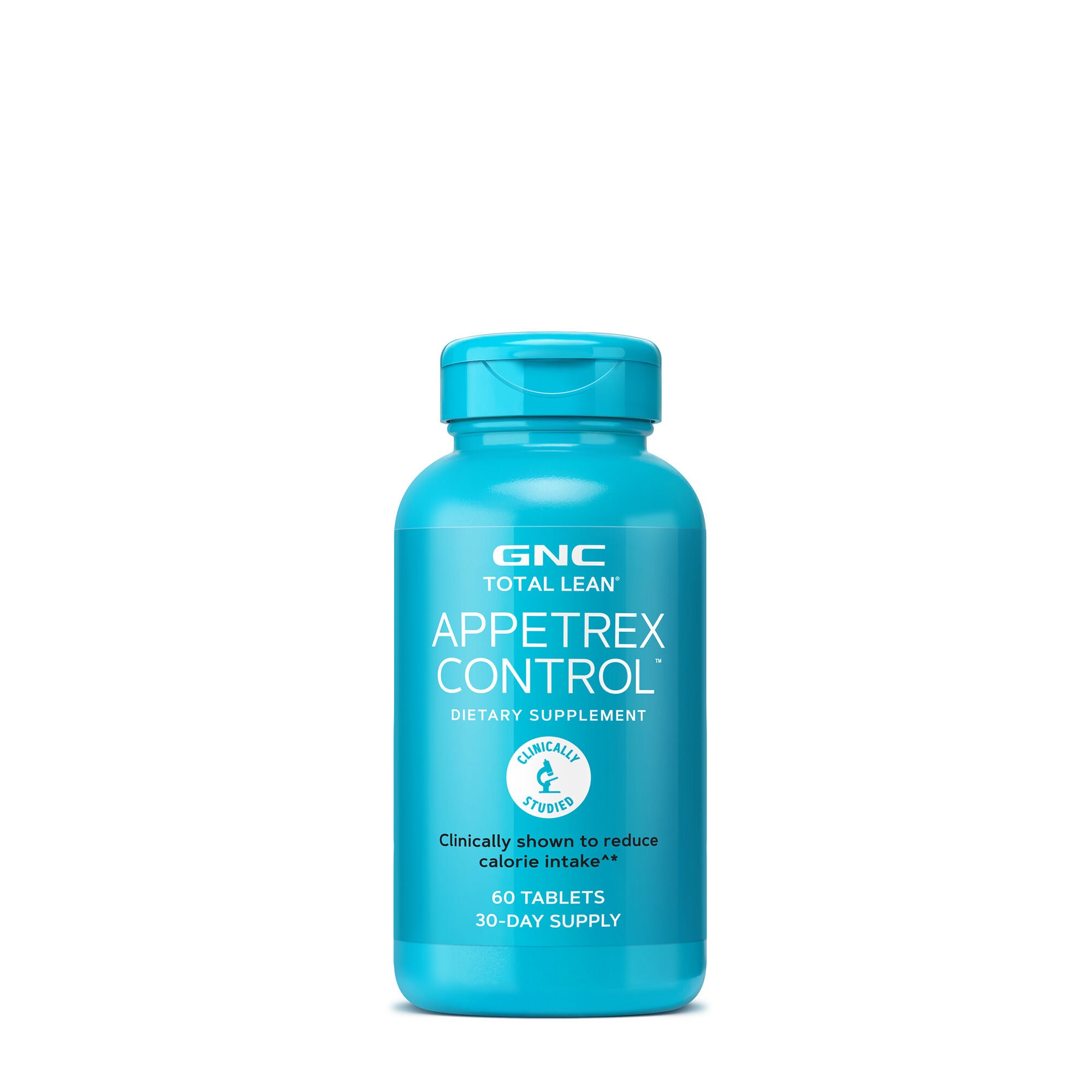
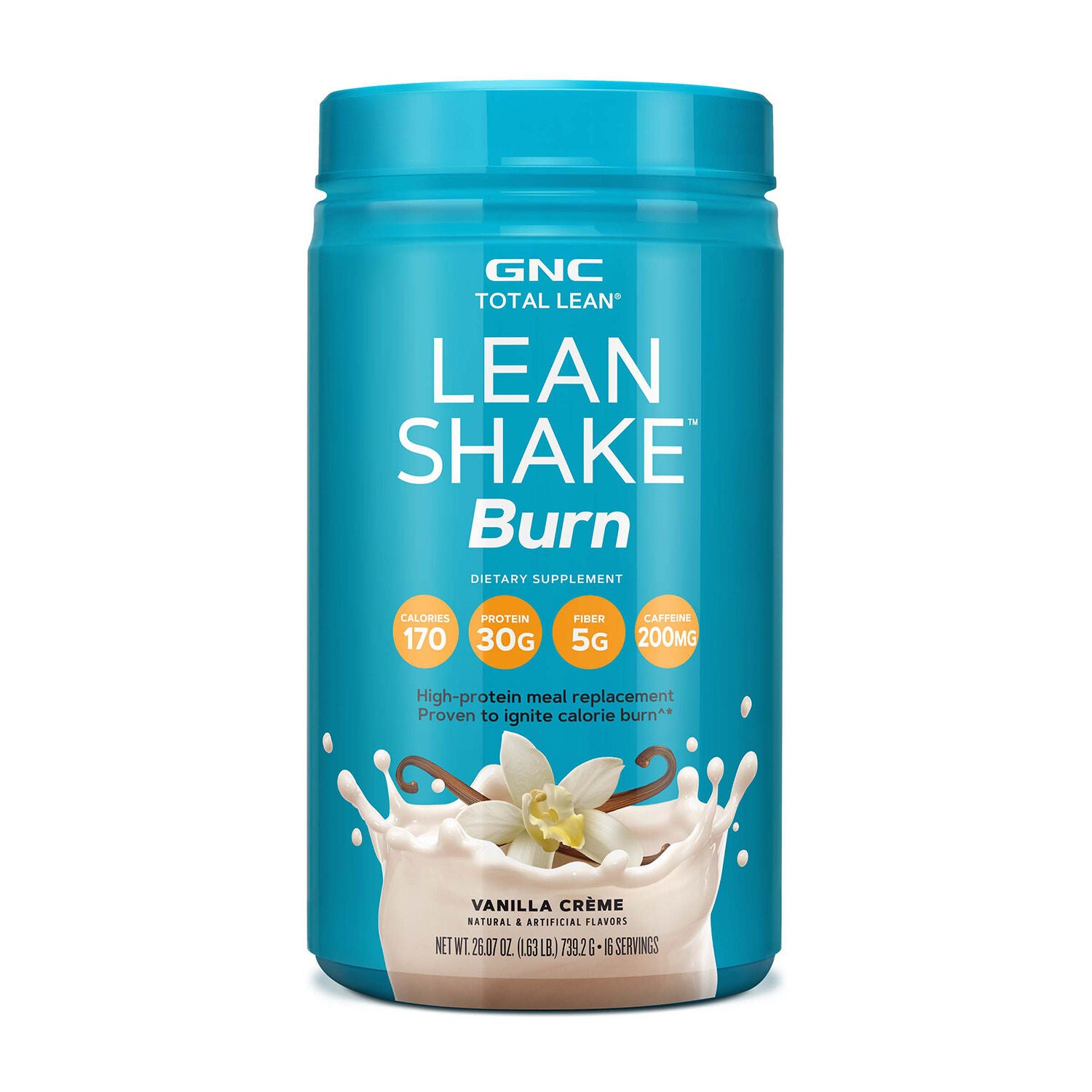
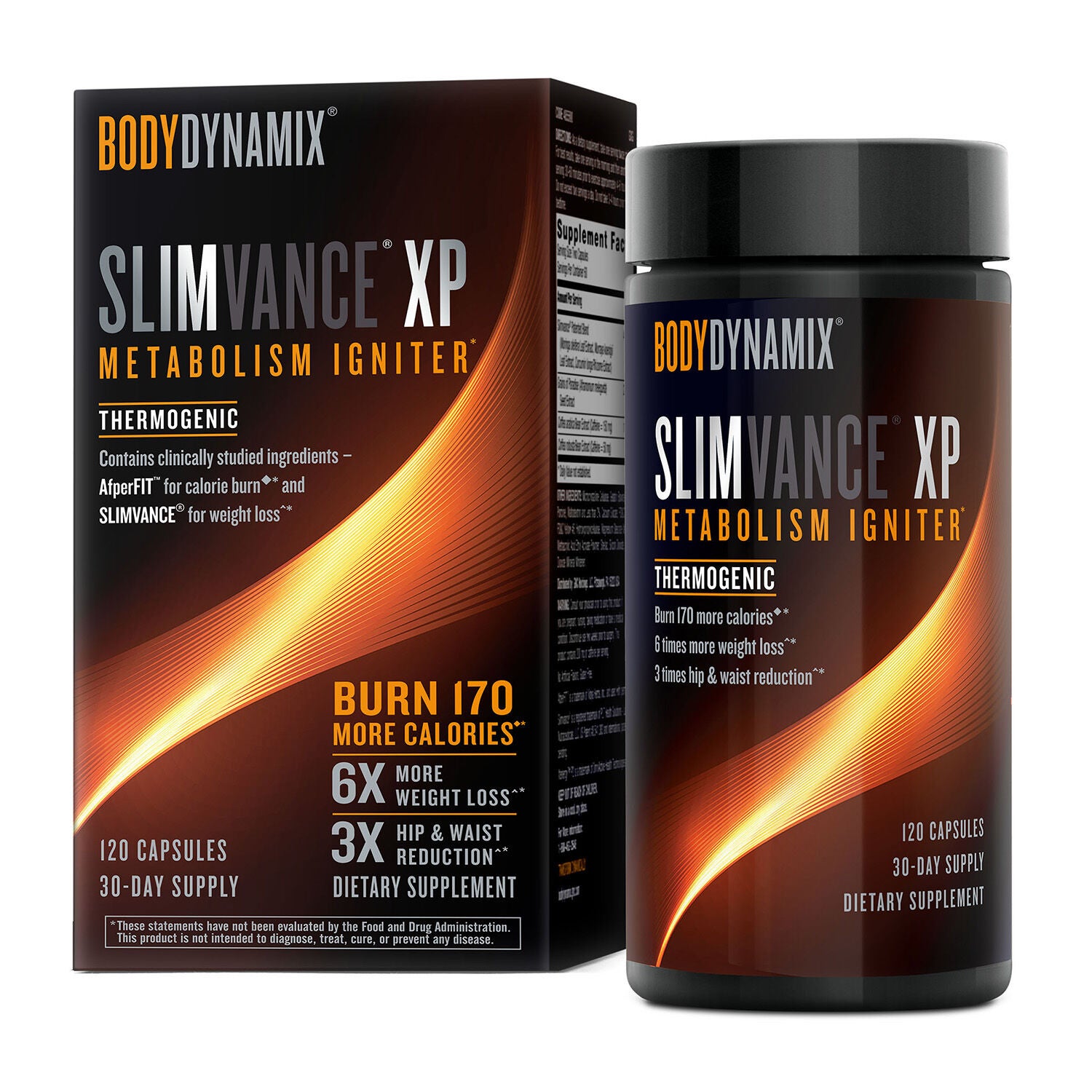
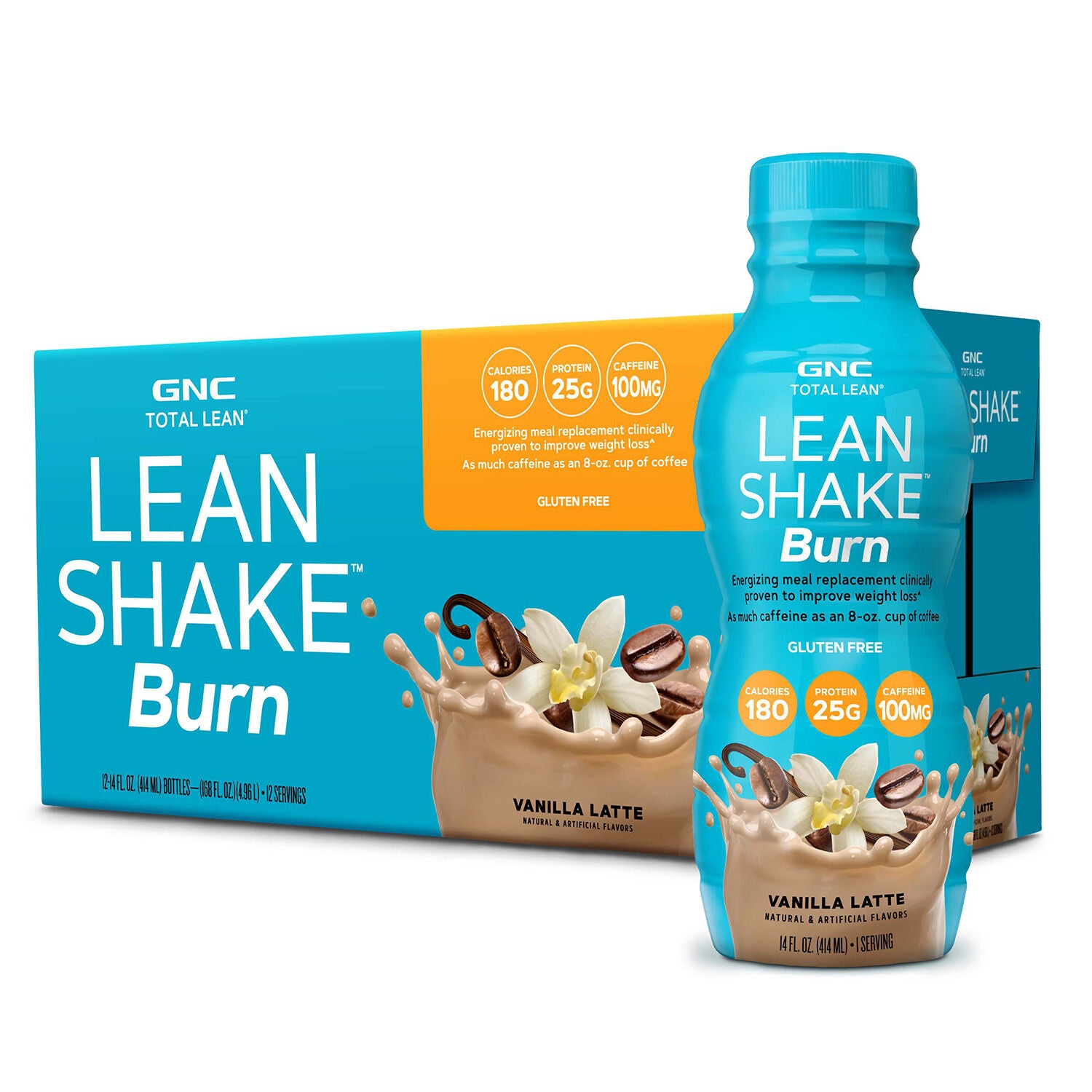
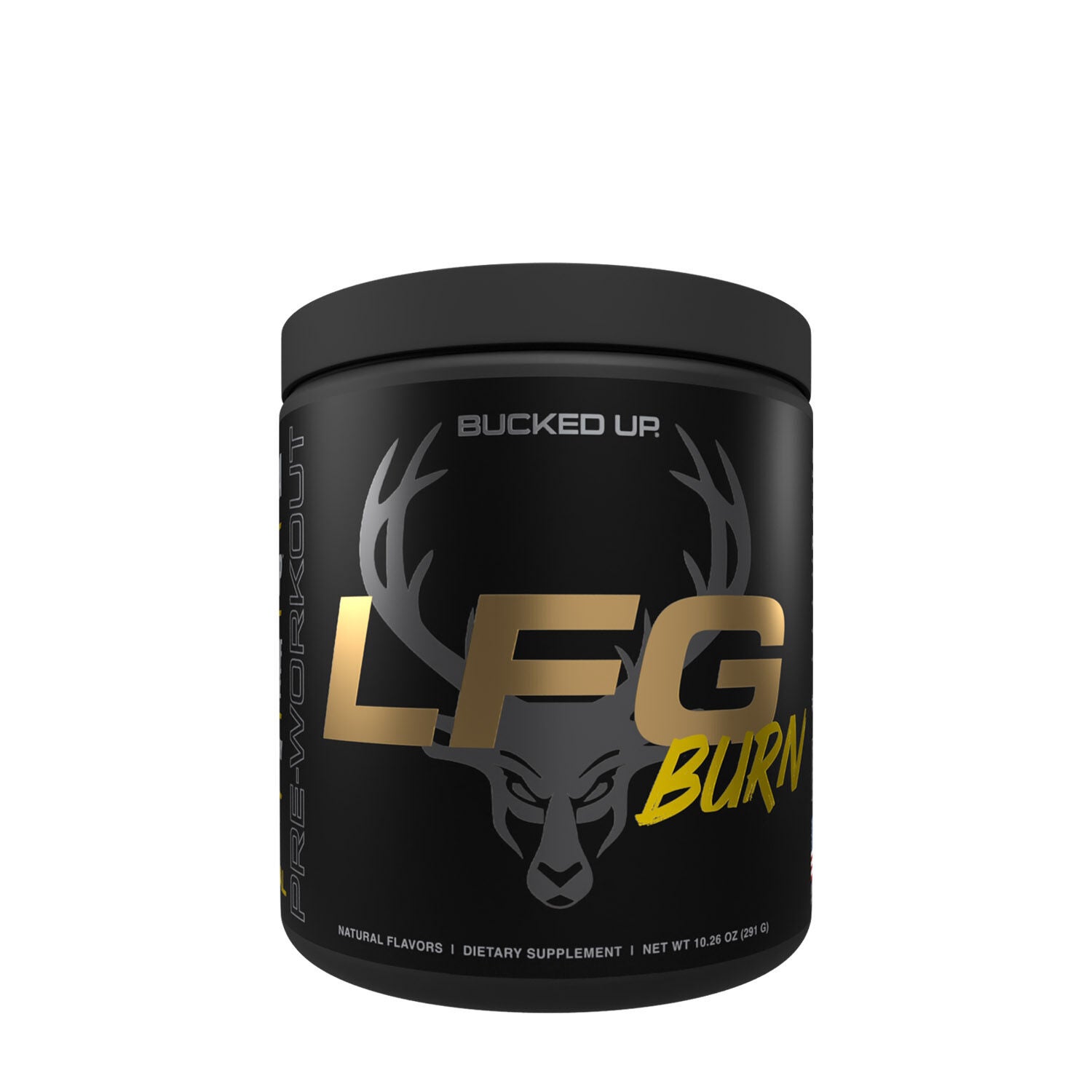
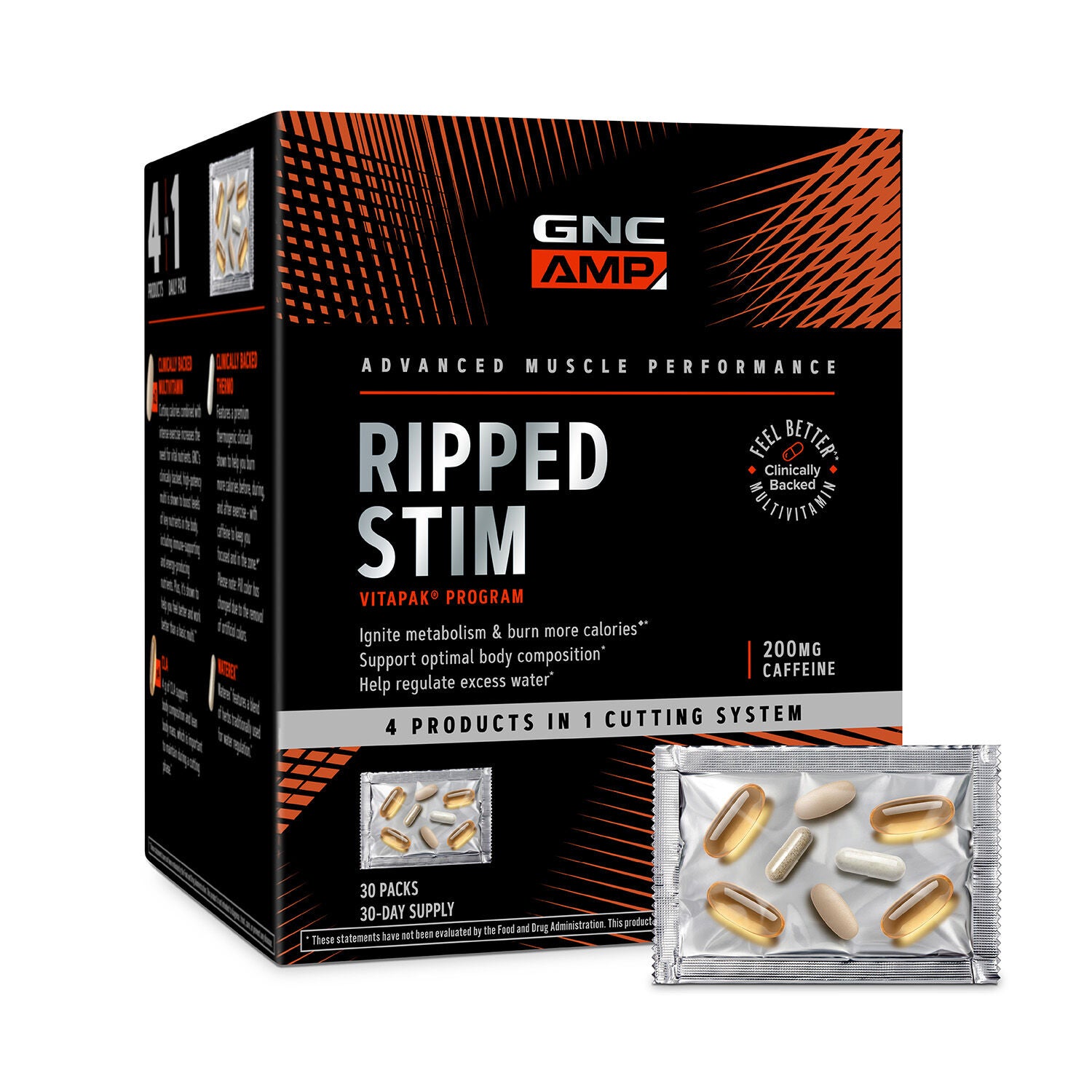
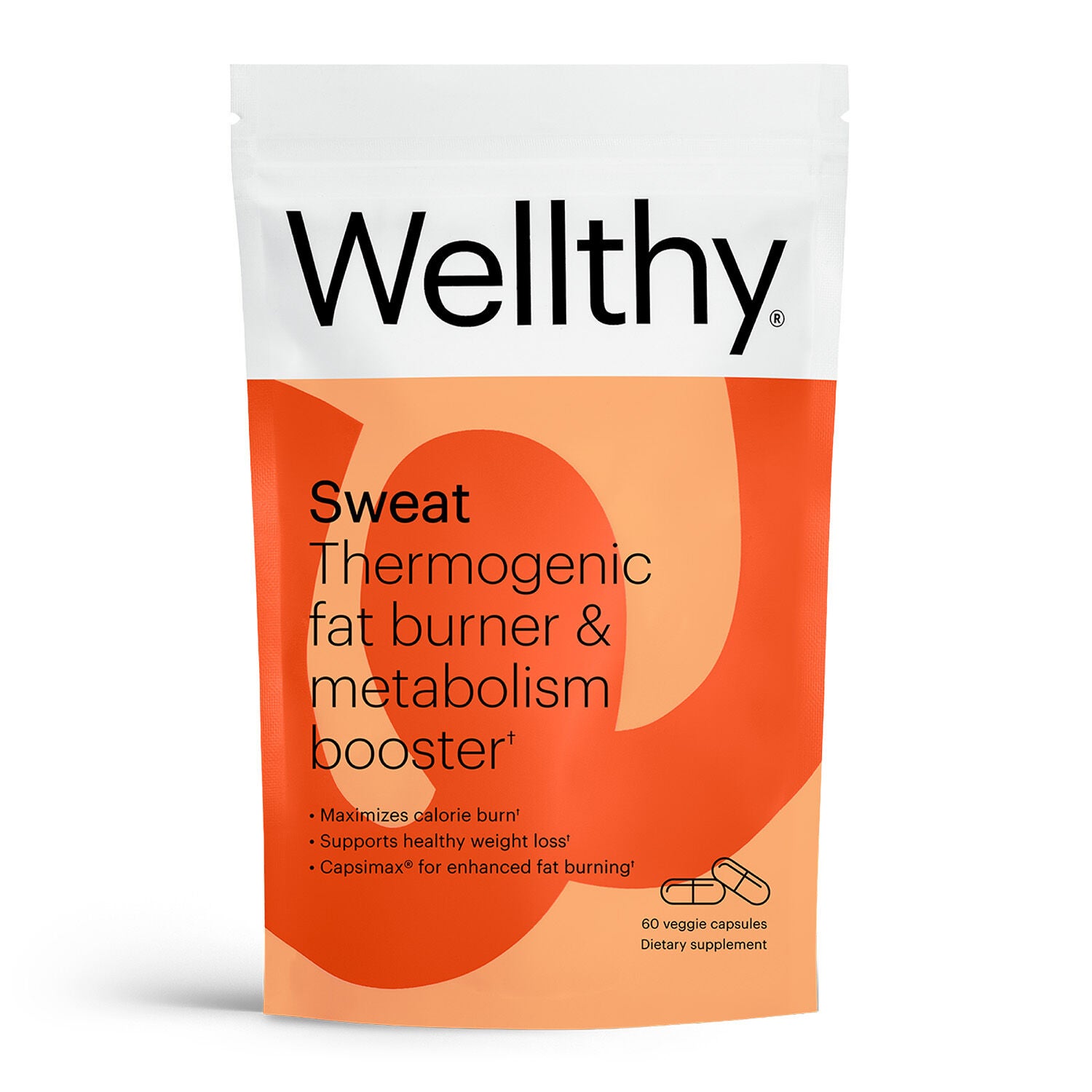
Fat burning supplements for holiday travel are generally marketed for adult weight-management routines, with formats that may fit into an overnight bag, a carry-on, or a familiar daily schedule away from home. Their place in a holiday itinerary is optional, not a substitute for balanced meals, regular movement, or adequate rest. A Thanksgiving visit with relatives, a Christmas road trip, and a New Year’s getaway each bring different packing needs and daily rhythms, but the same basic shopping considerations apply: ingredients, serving size, directions, and storage requirements. Formulas in this category may contain caffeine, green tea extract, L-carnitine, or combinations of other ingredients. Those names describe ingredients, not an assurance of a particular outcome. Green tea extracts can differ in composition, and a botanical ingredient should not be assumed to contain no caffeine simply because its name sounds familiar. For caffeinated formulas, the amount listed per serving deserves attention alongside coffee, tea, and other beverages that may already be part of a travel day. Options without added caffeine provide a different formulation choice, although the full ingredient list remains relevant. Capsules, tablets, and powders also differ in how they fit into a routine. A serving might consist of more than one capsule, while a powder may call for measuring and mixing according to the label. The container’s serving information offers a clearer comparison than its size or the number printed prominently on the front. These distinctions matter when breakfast happens at an airport gate one day and around a crowded family table the next. Fat burning supplements may complement an established weight-management routine, but individual results may vary, and a short holiday trip is not a reliable timeframe for judging a formula. The most useful category context is therefore practical rather than dramatic: what the formula contains, how it is intended to be used, and whether its format matches an adult shopper’s existing habits.
Travel suitability involves the packaging as much as the supplement format. Original labeled containers keep ingredient lists, directions, serving information, and storage instructions together, making them a practical choice for a bag that will pass through airports or cross an international border. Capsules and tablets usually require less preparation than powders, while powders introduce considerations such as a measuring utensil, a suitable beverage container, and access to water. Neither format is automatically a better fit; a person staying in a hotel with a predictable breakfast routine may have different preferences from someone moving between several family homes. Packaging materials and closures deserve a close look, especially when a bottle will share space with shoes, chargers, and toiletry bags. A securely fastened cap and a protective outer pouch may help reduce spills or damage during ordinary handling, but appearance alone does not establish how well a container will withstand a packed suitcase. Individually sealed portions, when part of a product’s packaging, may offer another way to organize servings, though they still need readable labeling and storage consistent with the directions. Holiday travel may also involve a vehicle parked outdoors, a warm room near a heater, or a bag left beside a sunny window. Storage guidance on the label matters in those settings; a suitcase is not necessarily a suitable long-term storage location. Moisture exposure and temperature extremes may affect product condition, so container care belongs in the comparison alongside ingredients and serving format. Travel rules add another layer. Airport screening requirements, airline policies, and destination entry restrictions are separate considerations, and permission to carry a supplement on one route does not establish permission on another. Official guidance for the actual itinerary is the appropriate reference, particularly for international travel. A labeled package may make its contents easier to identify, but it does not establish that every ingredient is permitted at the destination. This makes travel compatibility a matter of the formula, its packaging, and the route—not simply whether a bottle fits inside a carry-on pocket.
The intended user and the shape of the trip also influence which details deserve the most attention. An adult who already uses supplements may be looking for a familiar format that fits an established routine, while someone comparing this category for the first time may place more emphasis on transparent ingredient information and straightforward directions. Holiday schedules can be unusually fragmented: an early departure, a late family dinner, a long drive between gatherings, or several nights in different accommodations. A formula’s labeled serving schedule may be easier to accommodate on some itineraries than on others. Clear directions are more useful than a package that merely looks compact, and a smaller container does not necessarily mean fewer servings or a smaller serving size. For an earlier look at this product category, Pre Holiday Fat Burners provides a related place to compare formats and label details before departure. Across either collection, practical fit remains more meaningful than dramatic front-label language. The relevant details include ingredient amounts where listed, caffeine content, the number of portions per serving, warnings, and any preparation or storage requirements. Supplement preferences are personal, so this category is often better suited to a self-selected purchase than a surprise holiday gift. Familiarity with someone’s fitness interests alone does not establish which ingredients or serving routine they prefer. Holiday travel also need not turn every meal or outing into a weight-management project. A walk with relatives, a regular breakfast when the schedule allows, and time set aside for rest can remain part of the trip without revolving around a supplement. Products marketed as fat burners should not be treated as a way to offset a festive dinner or replace ordinary eating habits. Their potential role is narrower: they may support an existing routine when the formulation, directions, and travel circumstances are an appropriate match. For this category, a thoughtful comparison centers on readable labels, manageable preparation, suitable storage, and realistic expectations—not the assumption that a holiday itinerary calls for a different or more intensive supplement routine.