Female Sexual Support
(0 Results)
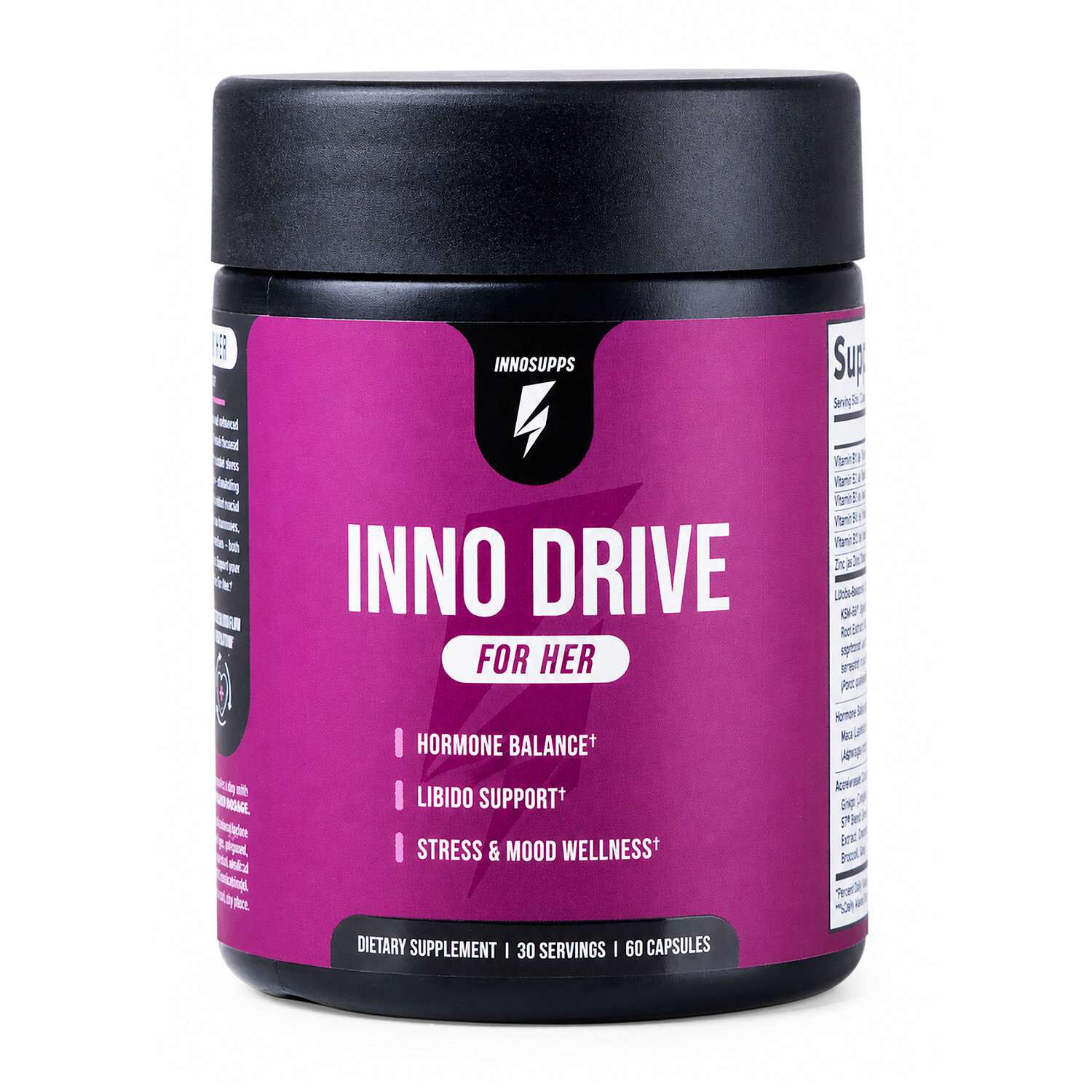
Explore a range of female sexual support products that may help you embrace vitality and confidence. Whether you're looking to balance hormones, increase energy, or support overall wellness, these options could be the key to enhancing your intimate experiences. With carefully selected ingredients and formulations, these supplements might offer the support you need for a fulfilling and vibrant lifestyle. Discover how female sexual support products could become an integral part of your wellness journey.
-

-
-

-
-
-

-

-
-
-
-
-
-
-
 Sprayology$38.99
 -
-

-

-
-
-
-

-

-
-
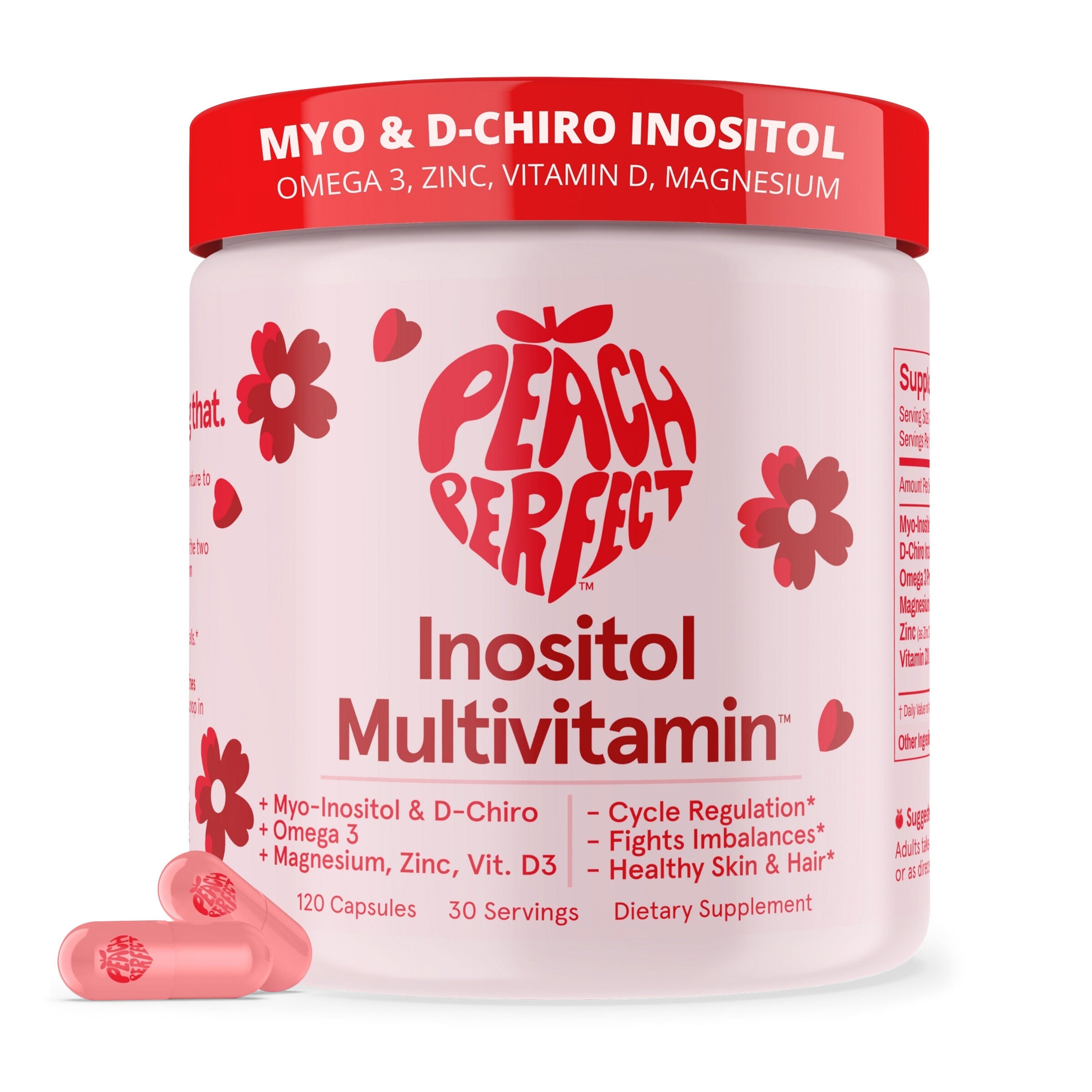
Female sexual support supplements are a category of women’s wellness products intended for adults interested in making sexual well-being part of their personal care routine. The category often centers on interests such as desire, intimacy, and satisfaction, though those experiences are personal and do not follow a single standard. For one shopper, the focus may be finding a supplement that fits an established daily routine; for another, it may be understanding the differences between a botanical formula and a broader nutrient blend. Sexual wellness also has a personal context that a bottle cannot capture, including preferences, relationships, privacy, and the amount of attention someone wants to devote to this part of life. Supplements are one consideration within that larger picture, rather than a measure of how someone should feel or what intimacy should look like. The most useful distinctions between formulas begin with what is inside them, how they are intended to be used, and how clearly those details are presented. A product name alone says less than the ingredient list, serving information, and labeled purpose. Two formulas described as women’s sexual wellness supplements can have different compositions, different serving sizes, and different directions. Some center on botanical ingredients, while others combine botanicals with vitamins, minerals, or additional dietary ingredients. A longer ingredient list is not automatically a better match for a particular preference, and a more concentrated-looking number does not tell the whole story. An ingredient’s form and the amount per serving provide context that front-label descriptions may leave out. For shoppers comparing female sexual support options, that context makes the category easier to understand without treating every formula as interchangeable. It also leaves room for personal priorities, whether those involve a shorter ingredient list, a particular supplement format, or clearly identified dietary attributes. The goal of browsing is a thoughtful match with personal preferences, not an expectation that everyone should choose the same formula or have the same experience.
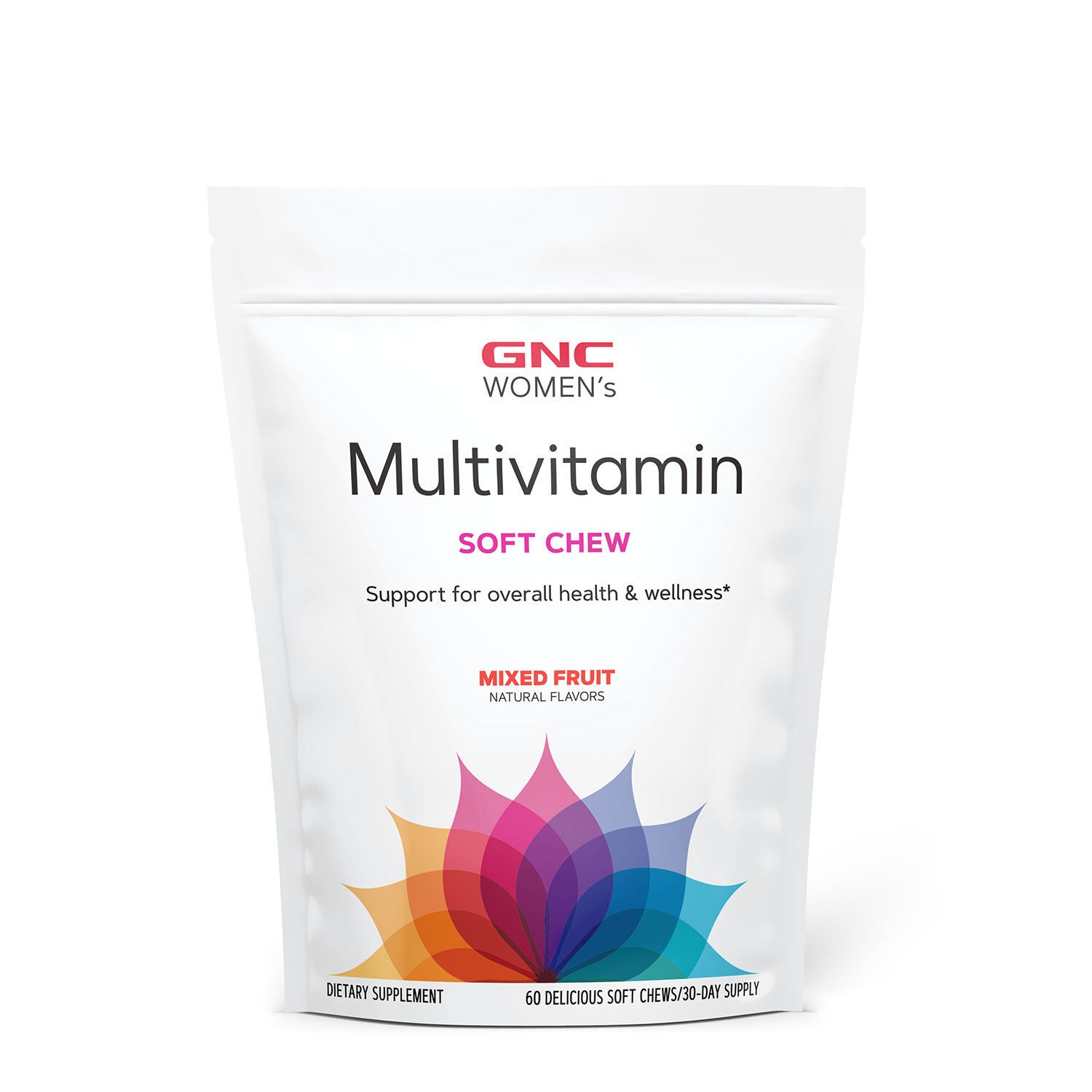
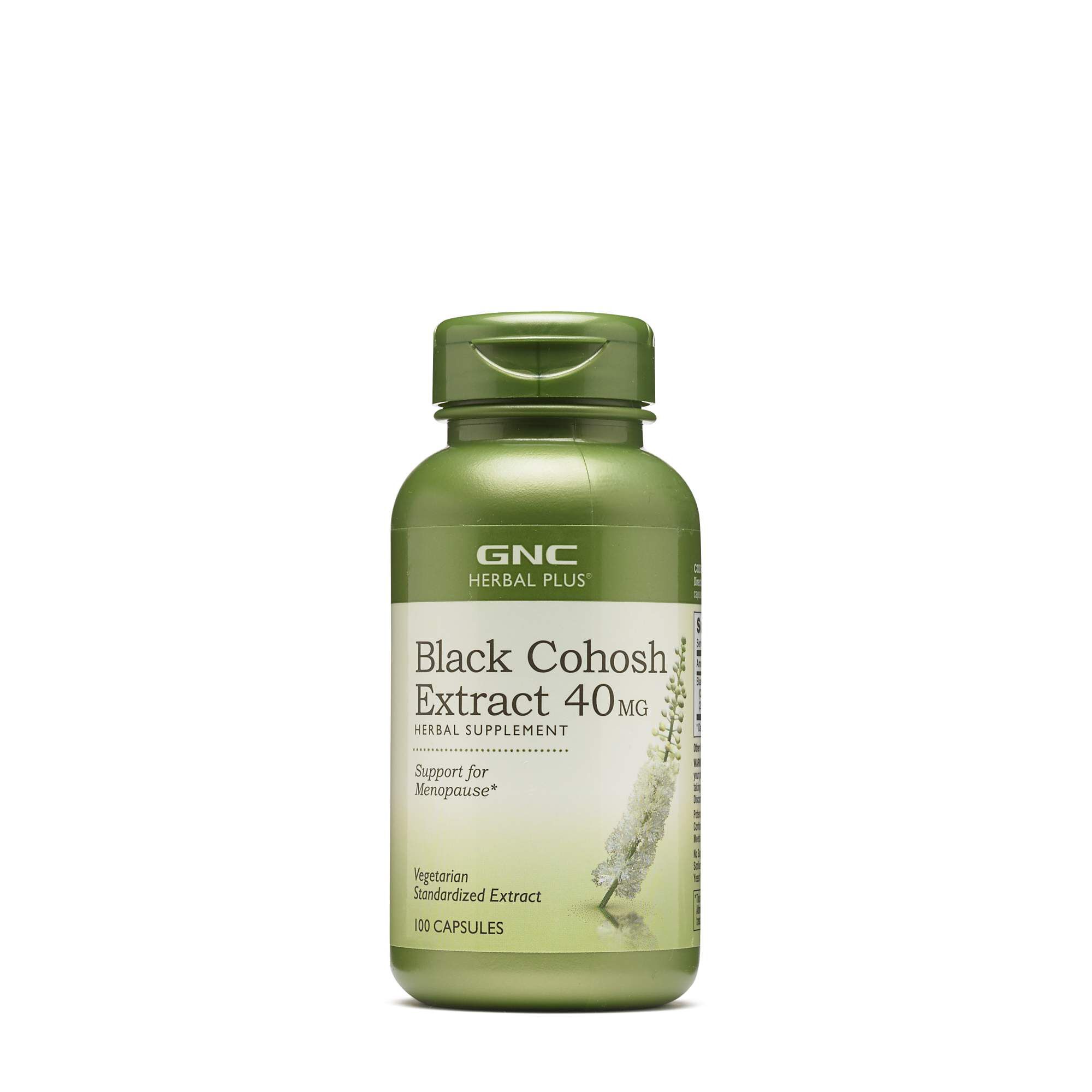
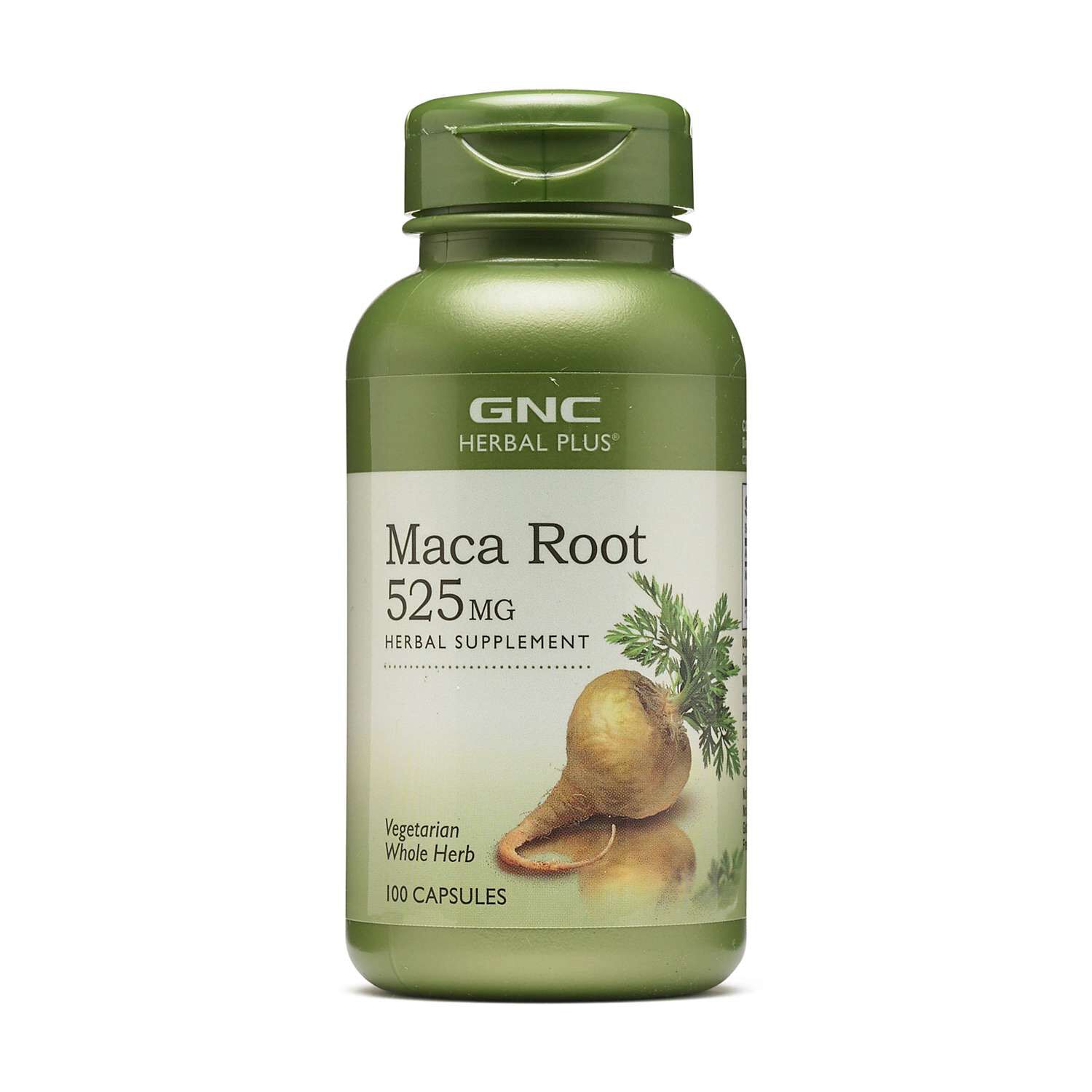
Supplement format is a practical part of that comparison, especially for something intended to become a familiar part of the day. Capsules and tablets have different dimensions, coatings, and serving requirements, while chewable formats bring flavor, texture, and sweetener choices into consideration. Someone who dislikes strongly flavored supplements may approach the category differently from someone who prefers not to take tablets. A serving may consist of more than one capsule or chewable, so the number of pieces in a container and the number of servings describe different things. The Supplement Facts panel gives amounts per serving, making it a useful reference when comparing containers with different counts. For botanical formulas, details such as the plant part, preparation, and extract description also matter to understanding what is being offered. A root powder and an extract from the same plant are not necessarily equivalent simply because their names sound similar. When a label identifies a standardized extract, the stated constituent and amount give more specific composition information; that description alone does not establish what a person will experience. The other ingredients section adds another layer of detail, covering components such as capsule materials, coatings, flavorings, colors, and sweeteners. Capsule shells, for example, may use gelatin or plant-derived materials, a distinction that can matter to shoppers with particular dietary preferences. Allergen statements and any explicitly stated dietary certifications deserve separate attention rather than assumptions based on a formula’s botanical focus. Packaging also has practical value: a clearly printed label, readable serving directions, and an identifiable date make a container easier to evaluate and keep track of over time. For consumable products, freshness, packaging condition, and storage requirements are more relevant than the durability considerations associated with reusable goods. Labeled storage and handling directions provide the reference for care, while the original container keeps ingredient details and use information together. These everyday details may feel less prominent than a formula’s name, but they are central to comparing products on more than their front-label presentation.
Intended use is another meaningful distinction within female sexual support. A formula labeled for routine use belongs in a different comparison from one presented for a particular occasion, and serving directions should not be inferred from category language or packaging imagery. Supplements are not a way to set a timetable for desire, connection, or satisfaction, and individual experiences may vary. A realistic approach leaves space for that uncertainty while keeping attention on the tangible information a label can provide. For someone with an established supplement routine, a clear list of ingredients and serving amounts also makes overlapping ingredients easier to recognize during comparison. For someone new to the category, straightforward labeling may be more useful than a densely worded blend description. Neither shopper needs to judge a formula by the number of ingredients alone. Shopping for sexual wellness is often private, and preferences around packaging, format, and personal boundaries can be just as individual as the interest that brought someone to the category. These products are generally a personal purchase rather than a casual gift; when a partner is involved, an expressly shared preference is a more considerate starting point than an assumption about what someone wants. Sexual well-being and menstrual wellness are distinct interests, even though both can be part of browsing women’s wellness categories. Shoppers exploring that separate area can also compare Menstrual Support Supplements, with attention to each formula’s own ingredients and intended use rather than assuming the categories serve the same purpose. Across either category, specific label information offers a more grounded basis for comparison than broad expectations. A well-considered selection reflects the shopper’s own priorities: a suitable format, understandable serving information, ingredient transparency, and directions that fit the intended routine. Female sexual support is ultimately a personal category, with room for different preferences and no single experience that defines what sexual wellness should mean for every adult.