Menstrual Support Supplements
(0 Results)
Menstrual support supplements could be a valuable addition to your wellness routine, offering potential relief and balance during your monthly cycle. These specially formulated supplements might help address common menstrual symptoms and promote overall well-being. Explore a variety of options that may support hormonal balance, alleviate discomfort, and contribute to a more comfortable experience. Discover how menstrual support supplements could make a difference in your daily life.
-
-
-
-
-

-

-
-
-
-
 $29.99
-
-
 $34.99
-
 BetterAlt$39.99
-
-
-
-
-

-
-

-
 BioXgenic$35.99
-

-

-
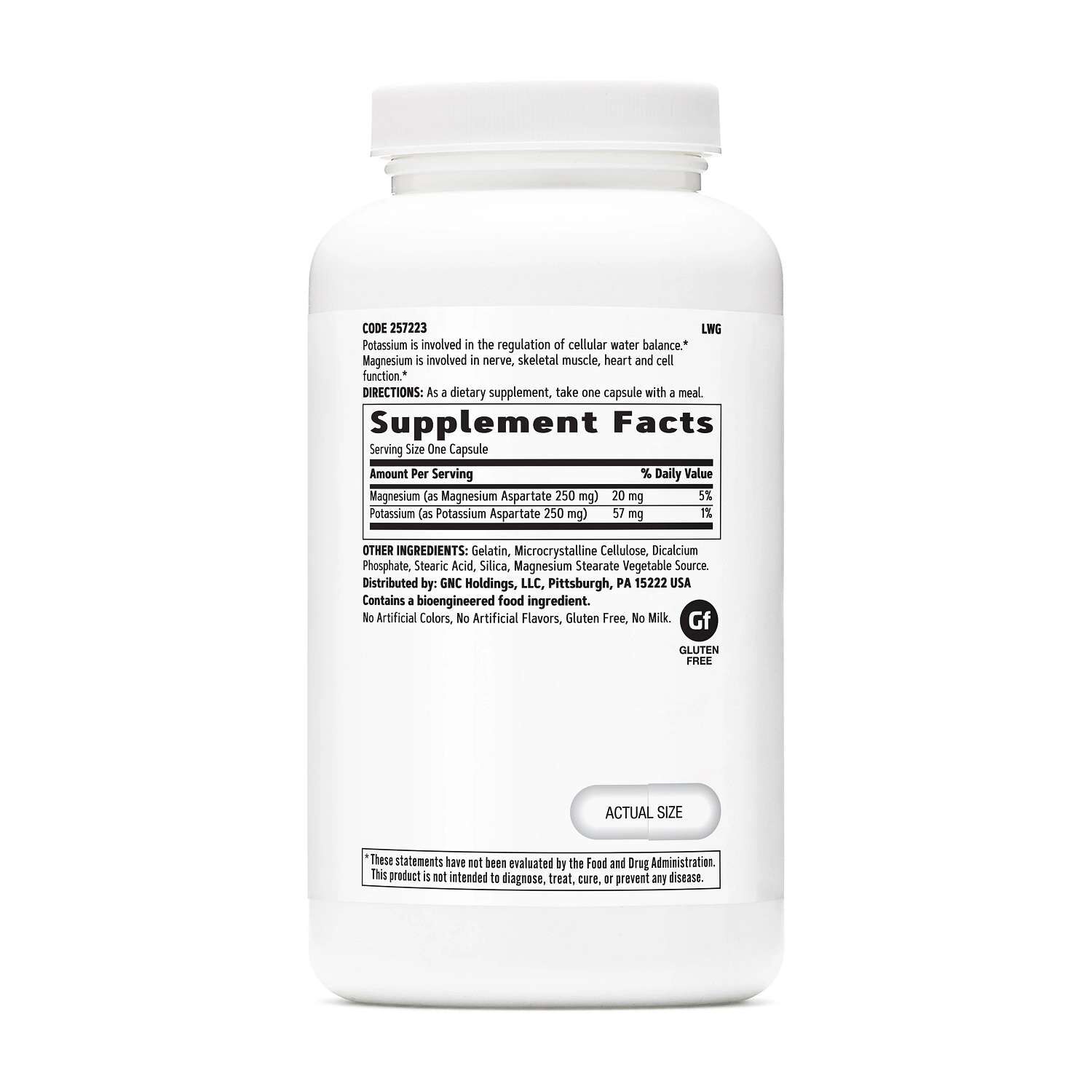
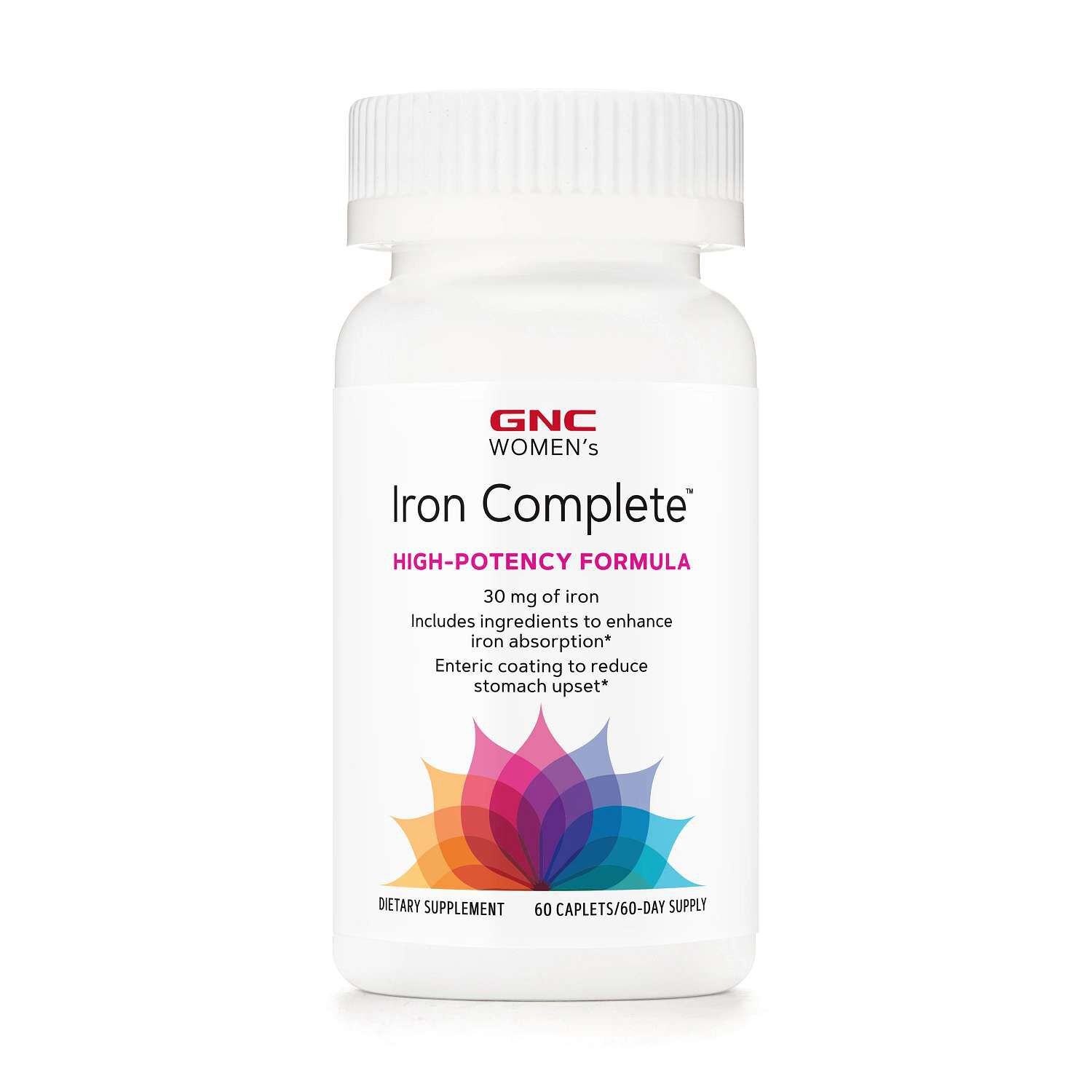
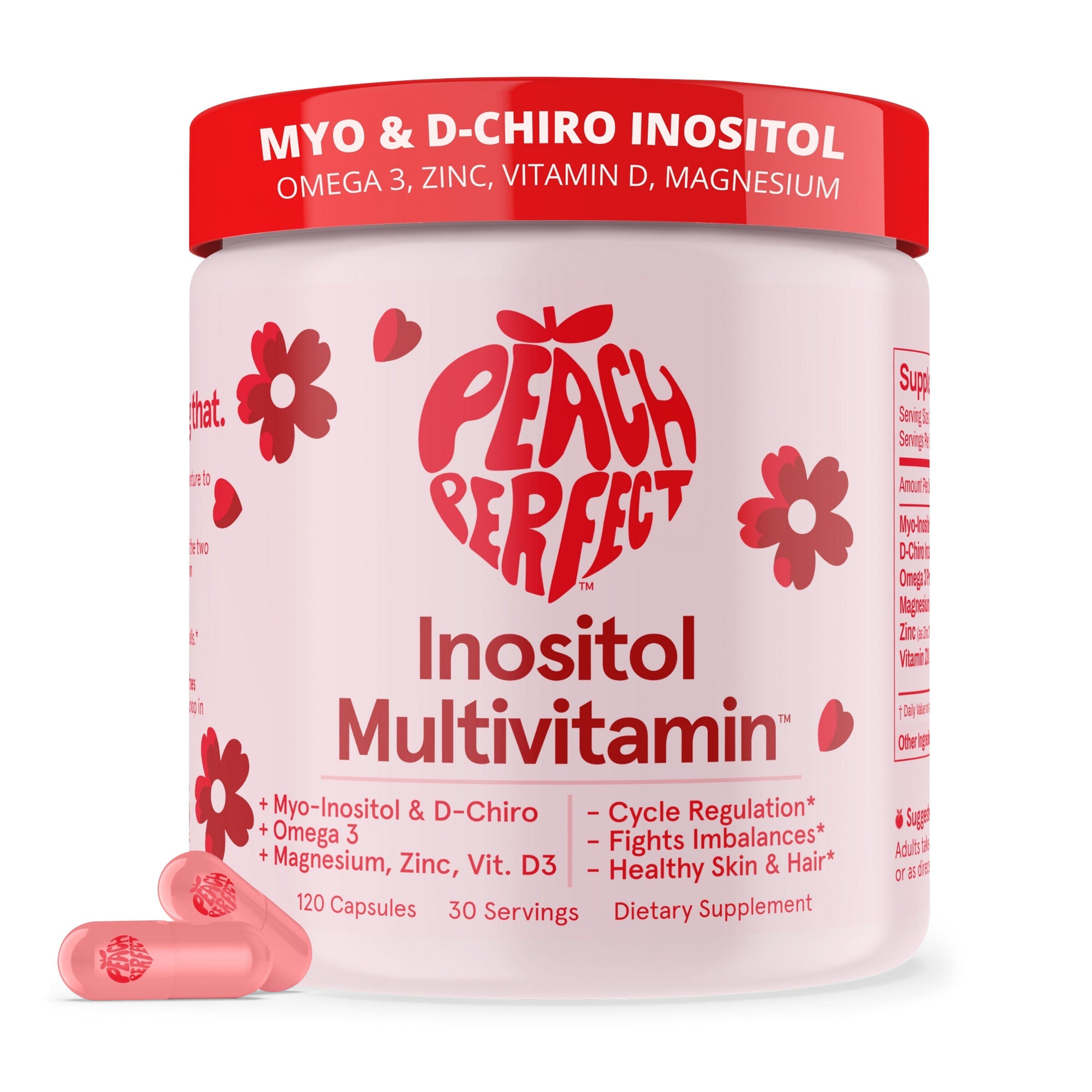
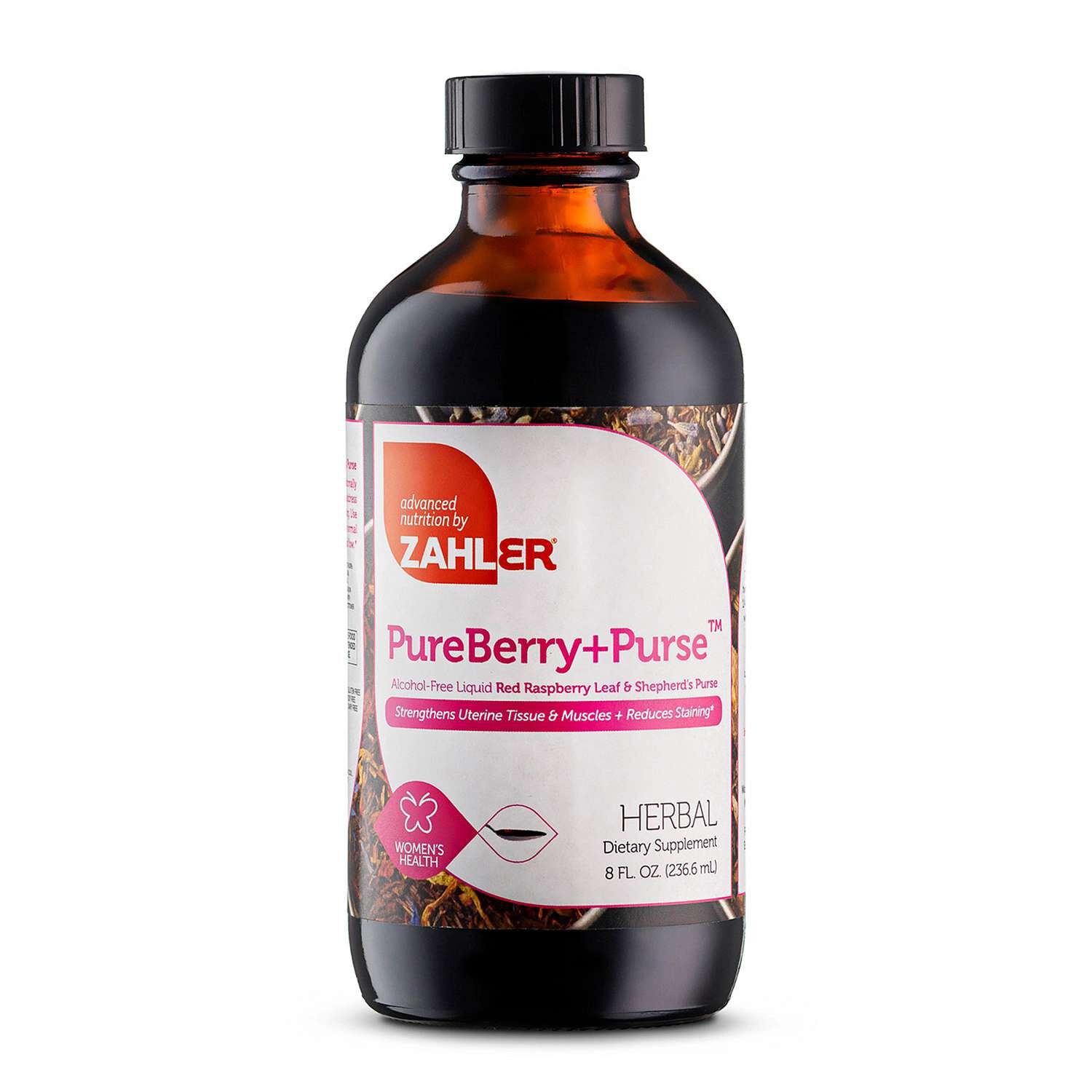
Menstrual support supplements are dietary supplements organized around menstrual wellness, with formulas that may include vitamins, minerals, botanical ingredients, or combinations of these. The category includes several approaches rather than one standard ingredient list, so two formulas with similar descriptions can have quite different contents and directions. Magnesium, vitamin B6, calcium, and iron are among the nutrients shoppers may encounter, while botanical blends may feature ingredients such as ginger or chasteberry. Their presence and amounts vary by formula; a period-focused name does not establish what is inside. These supplements may complement everyday nutrition for adults who want to include menstrual wellness in their personal care routines, but individual experiences can differ. Some shoppers prefer to compare a single nutrient with the rest of their supplement routine, while others are interested in a combination formula with several ingredients in one serving. Neither approach is automatically a better fit for everyone. A longer ingredient list describes a different composition, not necessarily a more suitable choice. The distinction between a daily supplement and a formula with cycle-specific directions also matters, because intended use comes from the label rather than the category name. Someone who already keeps a daily multivitamin beside the breakfast dishes may approach the category differently from someone looking at supplements for the first time. Existing routines, preferred formats, dietary preferences, and the amount of label detail a person wants to review all shape that comparison. Menstrual support is also a personal category: the same format, ingredient combination, or serving schedule will not suit every shopper. Clear descriptions make room for those differences without treating one menstrual experience as the standard. The most useful starting point is a straightforward understanding of what each formula contains, how its serving is defined, and how the manufacturer describes its intended use. Those details provide more substance than a familiar ingredient name or an appealing description on the front of a package.
Format is another meaningful part of comparing menstrual support supplements. Capsules and tablets offer measured portions without a mixing step, while gummies provide a chewable option and powders involve preparation according to package directions. A person who dislikes flavored supplements may prefer a capsule, while someone who prefers a chewable format may be more interested in gummies. Powders bring their own practical considerations, including serving utensils, mixing instructions, and the need for a suitable container. These differences are about the experience of using a supplement, not evidence that one format produces a better outcome. Serving size deserves a close look across every format. A bottle containing sixty capsules might provide thirty servings when the listed serving is two capsules, so the number on the front and the serving count on the back describe different things. Ingredient amounts should likewise be read in relation to the stated serving, rather than assumed to apply to each individual capsule or gummy. The Supplement Facts panel identifies listed dietary ingredients and their amounts, while the other-ingredients section provides additional details about components such as capsule shells, sweeteners, flavorings, and colors. Gelatin and pectin, for example, are different considerations for shoppers comparing gummy ingredients or looking for options aligned with vegetarian preferences. Allergen statements and dietary designations offer another layer of information, though the wording deserves attention rather than assumptions based on format alone. Botanical labels may identify the plant part, preparation, or extract amount, which helps distinguish formulas that share an ingredient name. Blend descriptions also vary in how much detail they provide about individual components. For someone already using a multivitamin or another supplement, looking at the ingredient lists together creates a clearer picture of what each contributes. Questions about personal suitability, ingredient combinations, or individual health circumstances belong with a qualified healthcare professional rather than assumptions drawn from packaging.
The practical fit of menstrual support supplements extends beyond the ingredient panel to storage, packaging, and the rhythm of an ordinary day. A container kept in a kitchen cabinet, a shared bathroom, or a travel bag faces different handling conditions, making package directions an important part of everyday care. The original container keeps the ingredient list, serving directions, date information, and storage instructions together. Secure closures and readable labels are useful details for any supplement routine, especially in a household where several people keep similar-looking bottles. For powders, the package may include instructions about keeping the contents dry and handling the serving utensil; gummies, capsules, and tablets can have their own storage requirements. A supplement left in a purse or moved between containers may become separated from the information needed to identify it, so packaging is more than a visual detail. Routine fit is equally individual. Someone who travels often may pay particular attention to container size and clear directions, while a person sharing limited cabinet space may care more about how easily the package stores upright beside other personal care supplies. A simple comparison of format, serving size, ingredient amounts, and label directions can keep those practical details in view without turning the category into a search for one formula that suits everyone. Because ingredient preferences and personal circumstances are individual, menstrual wellness supplements are often a more personal purchase than a casual gift. Shoppers considering the category alongside other areas of everyday nutrition can also explore Supplements For Women for broader context. Within menstrual support, the clearest distinctions remain the actual contents, the intended use described on the label, and the experience of incorporating a particular format into an established routine. A thoughtful comparison leaves room for personal preferences while keeping attention on concrete information rather than assuming that every period-focused supplement has the same purpose or composition.