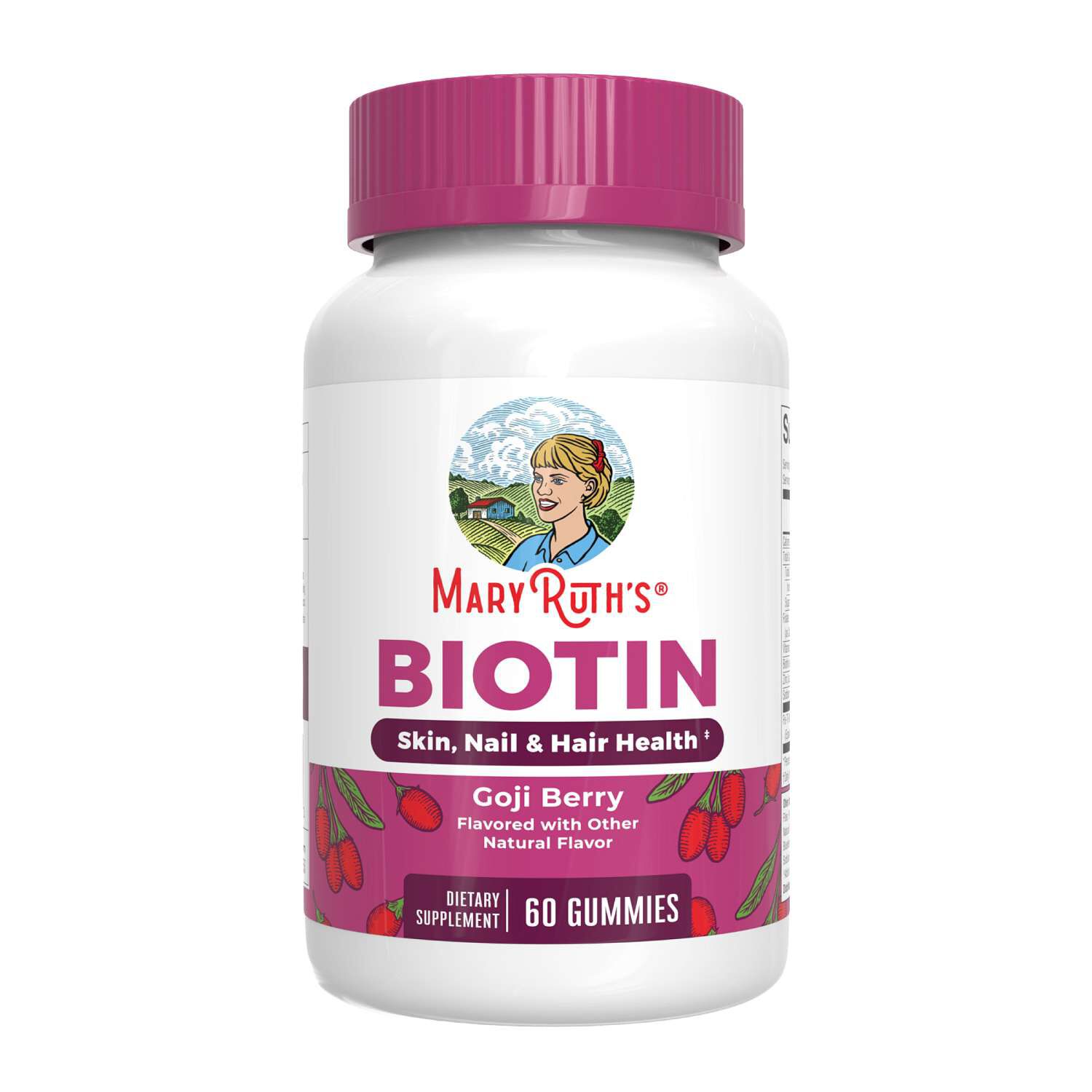
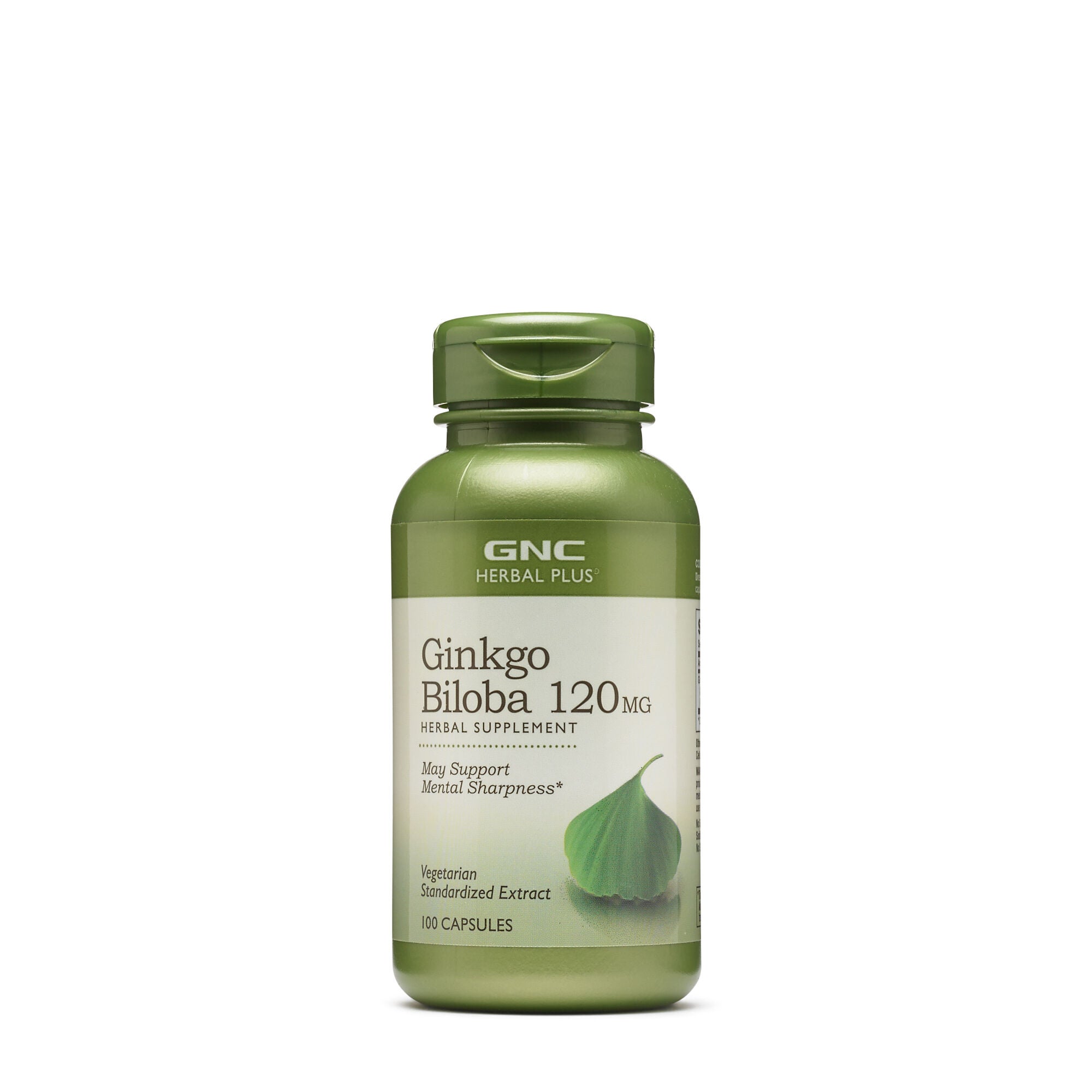
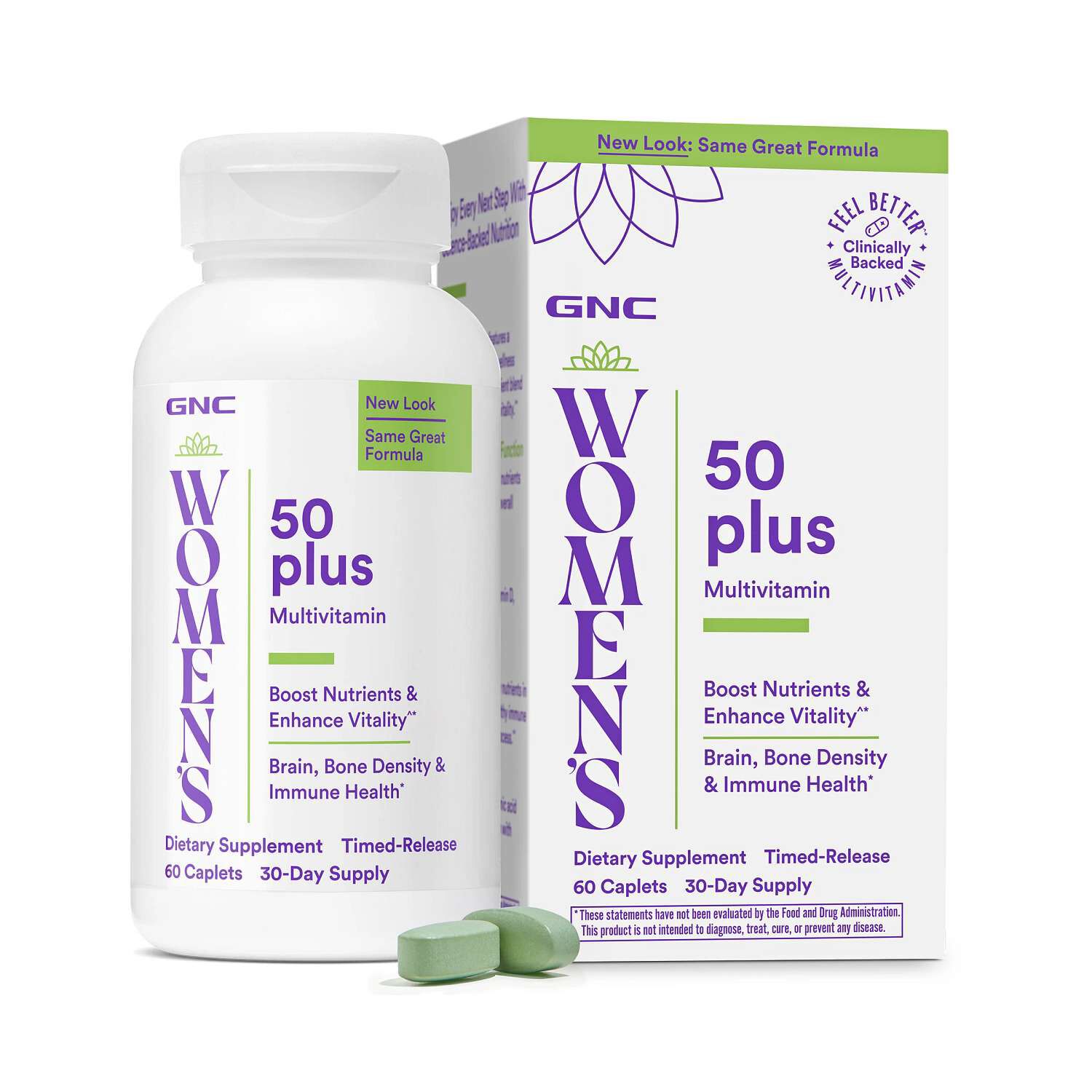
Menopause Support Capsules
(0 Results)
Explore menopause support capsules with your ingredient preferences and everyday wellness goals in mind. Compare botanical formulas and vitamin blends, then review their ingredients and dietary labels to find choices that align with your preferences.
-
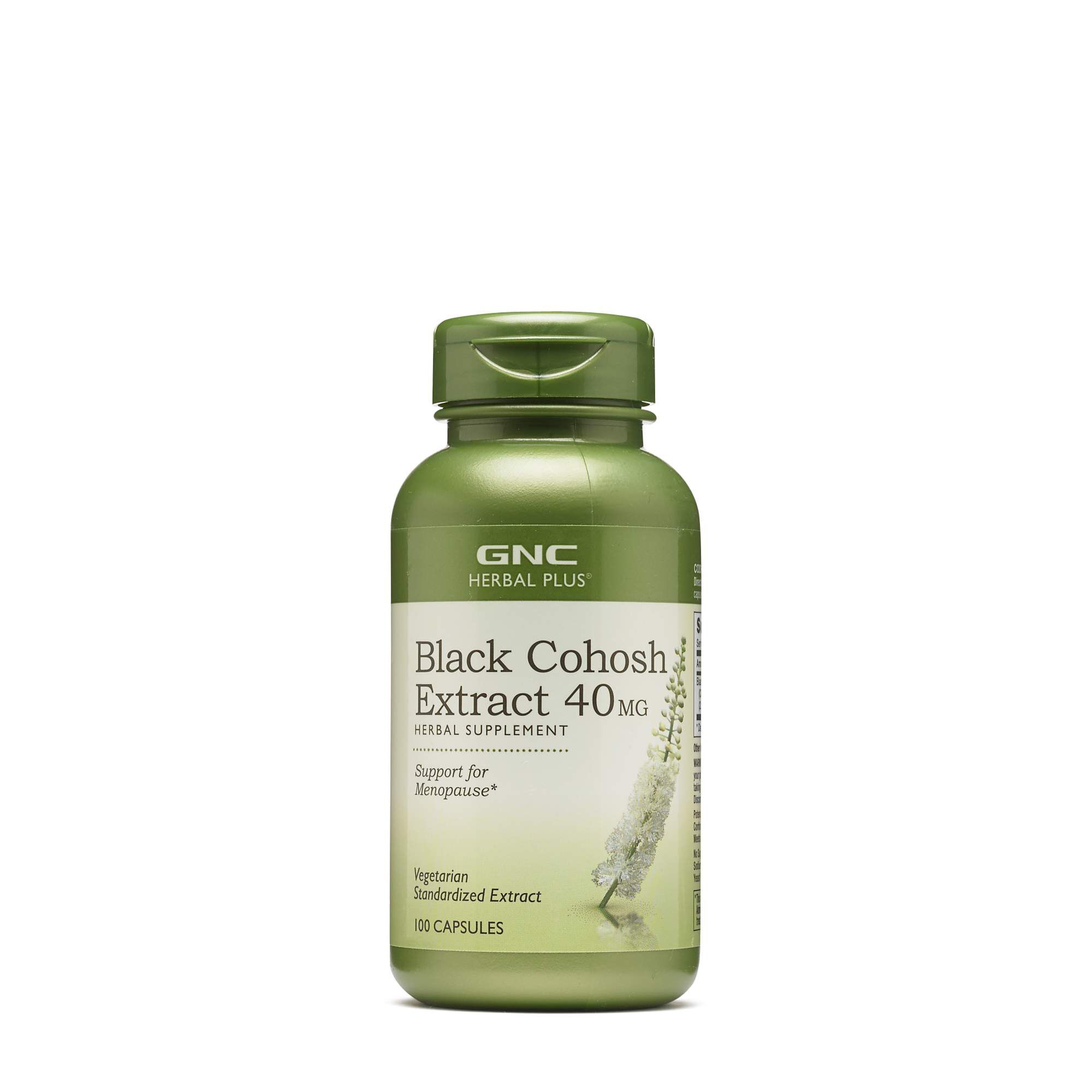
-
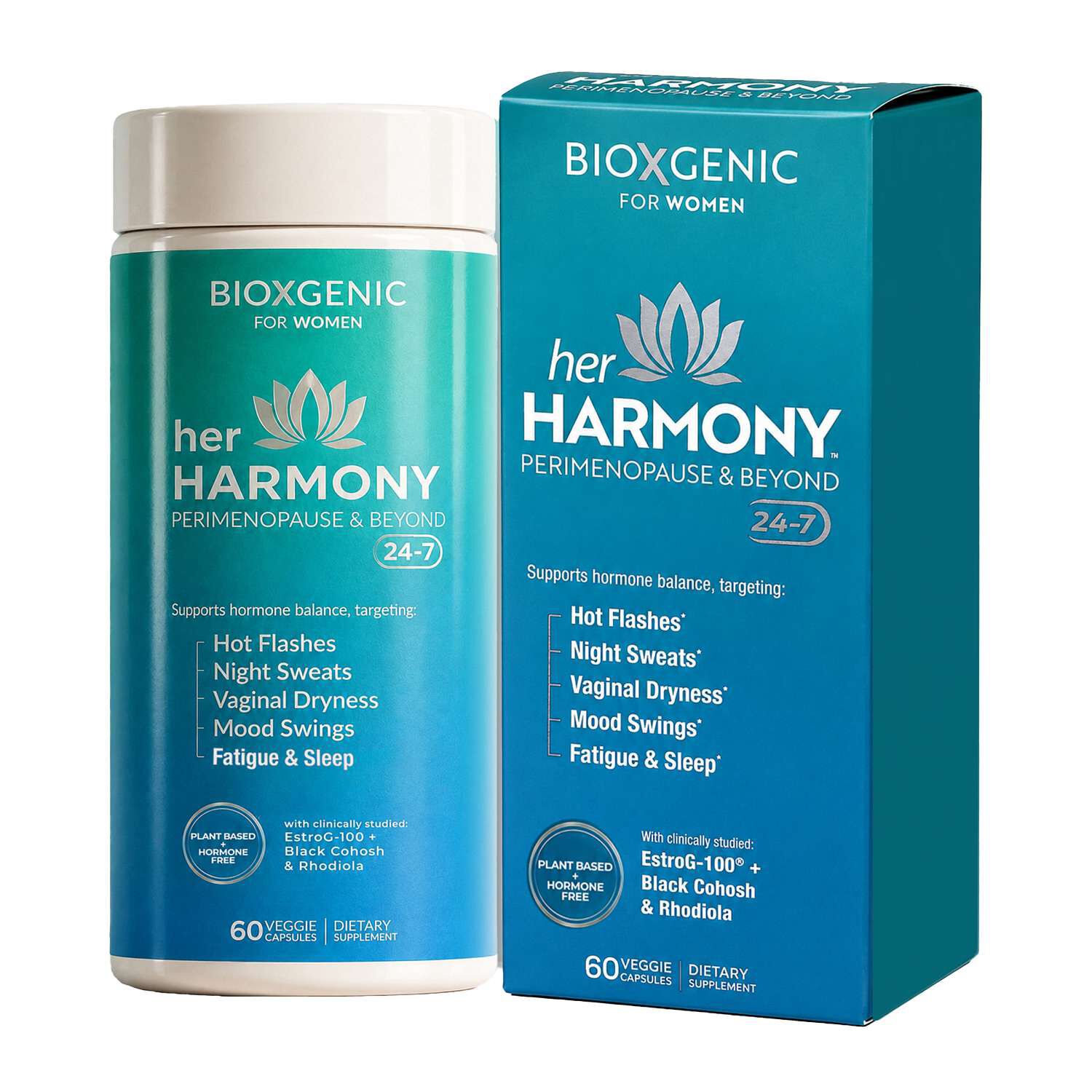 BioXgenic$35.99
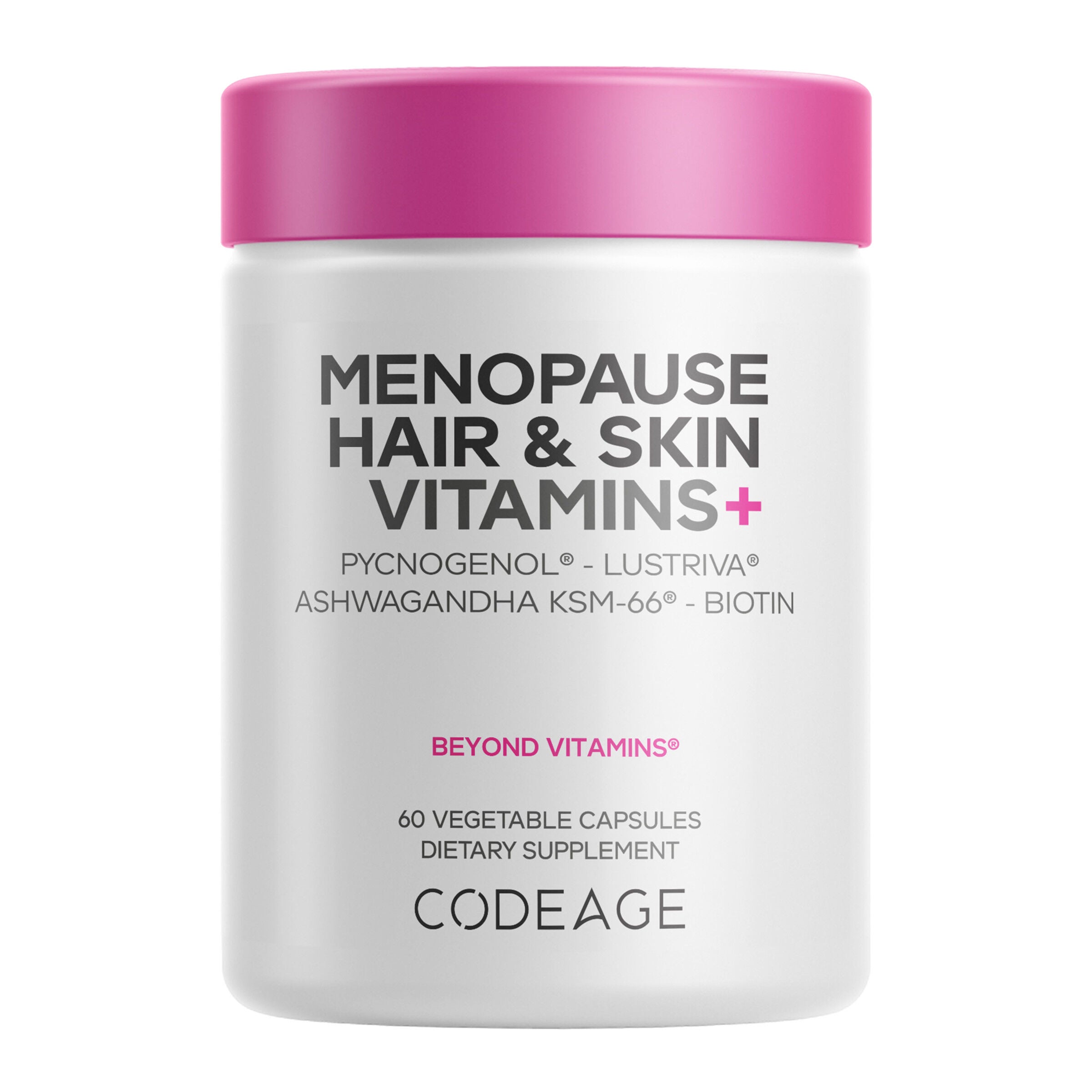
Menopause support capsules are dietary supplements formulated for adults navigating perimenopause, menopause, or postmenopause, with combinations that can include botanical extracts, vitamins, and minerals. Menopause marks the end of menstrual cycles, while the surrounding transition varies in timing and experience. For shoppers, that variation makes the details on a bottle more useful than a broad category name. A capsule described for menopause support does not have a standard ingredient list, and two formulas with similar positioning can differ considerably in their contents and suggested use. Some center on herbs such as black cohosh, red clover, chasteberry, or maca; others pair botanical ingredients with nutrients such as vitamin B6, vitamin D, or magnesium. The presence of an ingredient does not establish a particular outcome, and a longer ingredient list is not automatically a better match. A useful comparison starts with the Supplement Facts panel: the serving size, the amount of each listed ingredient per serving, and the number of servings in the container. A serving might consist of one capsule or several, so the capsule count on the front of a bottle tells only part of the story. Botanical details deserve the same attention. A plant name, the plant part used, and an extract designation describe different aspects of an ingredient; a root powder and an extract from the same plant are not interchangeable descriptions. When a label includes an extract ratio or a named constituent, those details provide context about the formulation rather than a reason to assume a stronger effect. Blends also vary in how much ingredient information they disclose. Some list individual amounts, while others group ingredients together under a blend name. For a shopper comparing two otherwise similar options, that difference in transparency can be meaningful. These distinctions offer a more grounded starting point than front-label language alone.
The capsule itself is another part of the purchase worth considering, especially for someone who already has preferences about supplement size, texture, or dietary ingredients. Capsule shells commonly use gelatin or cellulose-based materials. Gelatin is animal-derived, while cellulose-based shells offer a different material option; the shell alone, however, does not describe every ingredient in the formula. Someone following a vegetarian or vegan eating pattern can look for labeling that addresses the entire formulation rather than drawing a conclusion from the capsule material. The other ingredients list provides additional detail about shell components, colors, and ingredients used during manufacturing. Allergen statements are also relevant when comparing formulas containing ingredients derived from sources such as soy. Physical dimensions matter, too: a bottle photograph does not reliably communicate capsule size, and the number of capsules in a serving affects the practical experience of using that format. On a busy morning, a clearly printed label and straightforward serving directions can be more useful than elaborate packaging. Directions also establish whether the formula is intended for a particular time of day or for use with food; those details should come from the individual label, not from assumptions about the category. Care and storage deserve similar attention. Capsules are not designed for indefinite storage, and their condition depends partly on packaging and handling. The labeled storage instructions and date information provide the appropriate reference for each bottle. Keeping the original container also preserves the ingredient list, directions, and identifying information in one place. For travel or days away from home, those details remain useful even when a familiar routine changes. A readable cap, manageable container size, and legible printing are small features, but they can influence how comfortably a supplement fits into an established routine. None of these practical qualities establishes effectiveness; they simply help distinguish a format that suits someone’s preferences from one that does not.
Comparing menopause support capsules with other supplement categories can clarify what makes a formula relevant to a particular shopping list. Menopause-focused labeling identifies an intended audience, while broader herbal categories may organize formulas around a wider range of everyday wellness interests. For that wider perspective, explore herbal capsules with attention to each formula’s stated purpose and ingredients. Similar botanical names across categories do not mean the formulas are equivalent: plant parts, extract forms, serving sizes, and accompanying nutrients can all differ. The same applies when comparing a menopause formula with a multivitamin already in a household routine. An ingredient-by-ingredient view makes overlapping nutrients visible without assuming that more ingredients or larger listed amounts represent a better choice. Units matter here, since milligrams and micrograms are different measurements, and an amount listed for a whole serving should not be mistaken for the amount in one capsule. Clear labeling is especially valuable for shoppers who want a concise record of everything included in their routine. Quality information also deserves a precise reading. A statement about manufacturing practices describes one aspect of production, while a statement about independent testing should identify what was examined. Neither should be treated as evidence of a particular personal result. Likewise, research involving an ingredient does not automatically describe every capsule containing that ingredient; the formulation, amount, and study context matter. Personal preferences can narrow the comparison further, whether the priority is a shorter ingredient list, a particular capsule material, individually disclosed botanical amounts, or fewer capsules per labeled serving. Menopause support is a personal category, and a thoughtful selection rests on those concrete details rather than an expectation that every adult will have the same experience. The most useful comparison brings together intended use, ingredient transparency, dietary preferences, and everyday practicality while leaving room for individual differences.
- Q: What kinds of ingredients are used in menopause capsules?
A: Formulas vary. Menopause capsules can feature botanicals such as black cohosh, combinations of plant ingredients, or blends that include vitamins. The Supplement Facts panel identifies the ingredients in each formula. - Q: How does a single-herb formula differ from a botanical blend?
A: A single-herb formula centers on one botanical, while a botanical blend combines several. Compare the named ingredients and their listed amounts rather than assuming that formulas with one shared ingredient are alike. - Q: Are menopause capsules vegetarian or vegan?
A: Dietary labeling varies by formula. Look for an explicit vegetarian or vegan designation and review the full ingredient list. A vegetable capsule shell alone does not establish that every ingredient is vegan. - Q: What is the difference between Supplement Facts and Other Ingredients?
A: The Supplement Facts panel lists dietary ingredients and their amounts per serving. The Other Ingredients section identifies additional components, such as capsule-shell materials. Both sections help describe what is in the product. - Q: Are menopause capsules the same as multivitamins?
A: Not necessarily. Menopause capsules have a life-stage focus, while multivitamins contain a combination of vitamins and minerals. A menopause formula can include vitamins without being a multivitamin, so compare the product description and ingredient panel.
Best Sellers
-
 Portions Master
-
 Amazing Nutrition