Wellness Support Herbal Capsules
(0 Results)
Discover a curated selection of wellness support herbal capsules designed to complement your daily routine. These thoughtfully formulated capsules feature a variety of traditional herbs that have been used in wellness practices for generations. Whether you’re looking to support your overall well-being or seeking plant-based options to enhance your lifestyle, wellness support herbal capsules may offer a convenient way to incorporate the power of nature into your day. Explore options that could fit seamlessly into your unique wellness journey.
-
-
-
-

-

-
-

-

-
-
-

-

-
 185$24.99
-
-
-
-

-

-

-

-


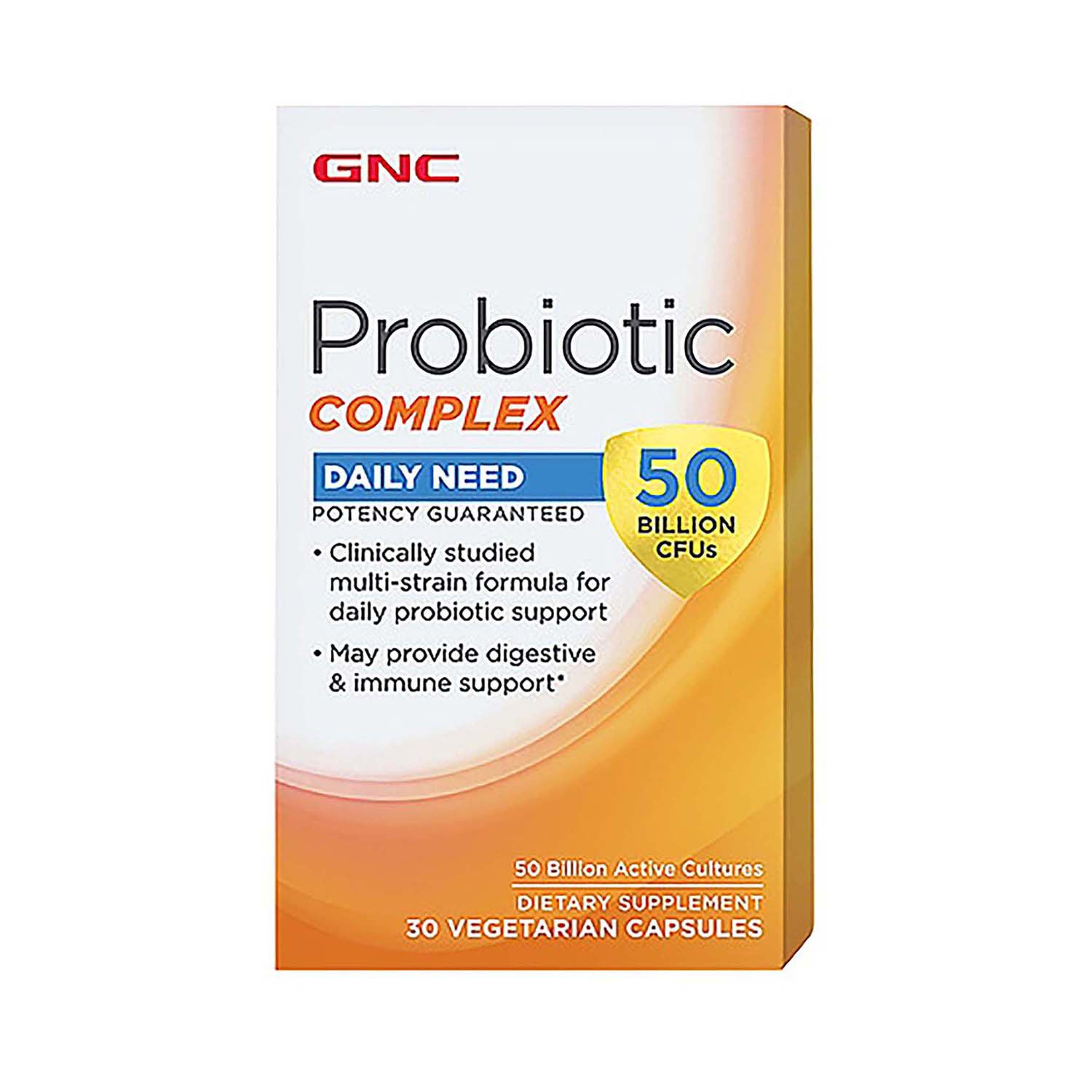

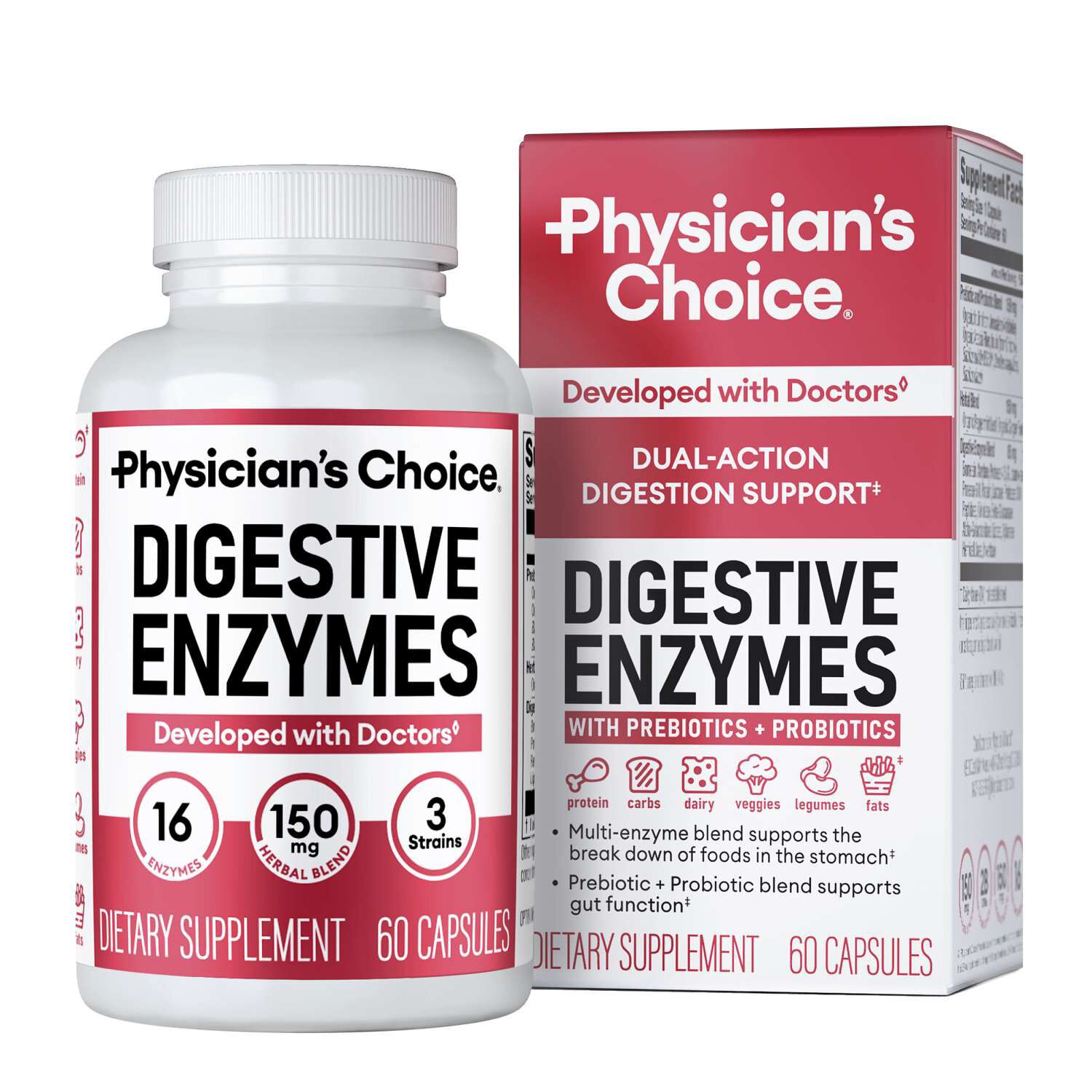
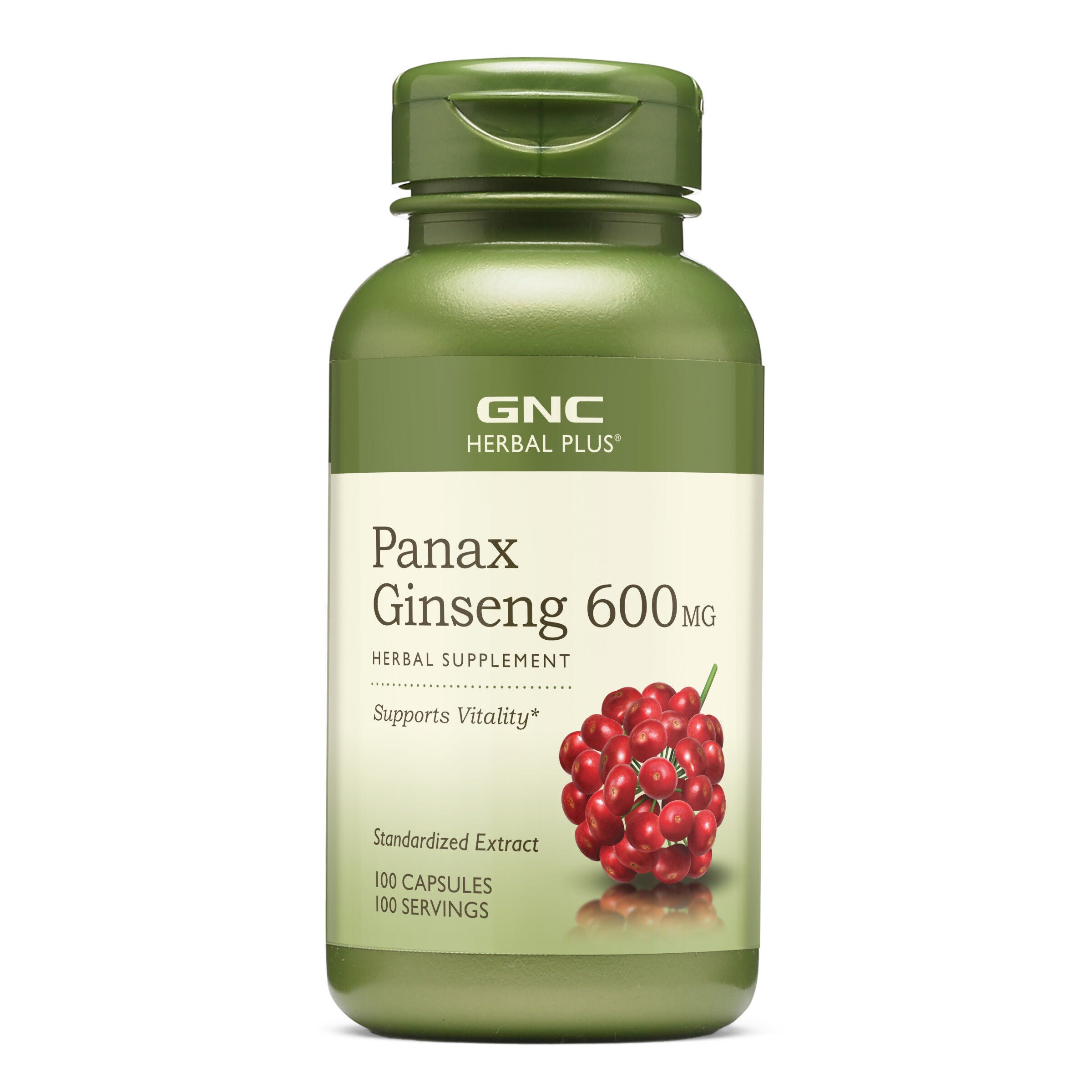
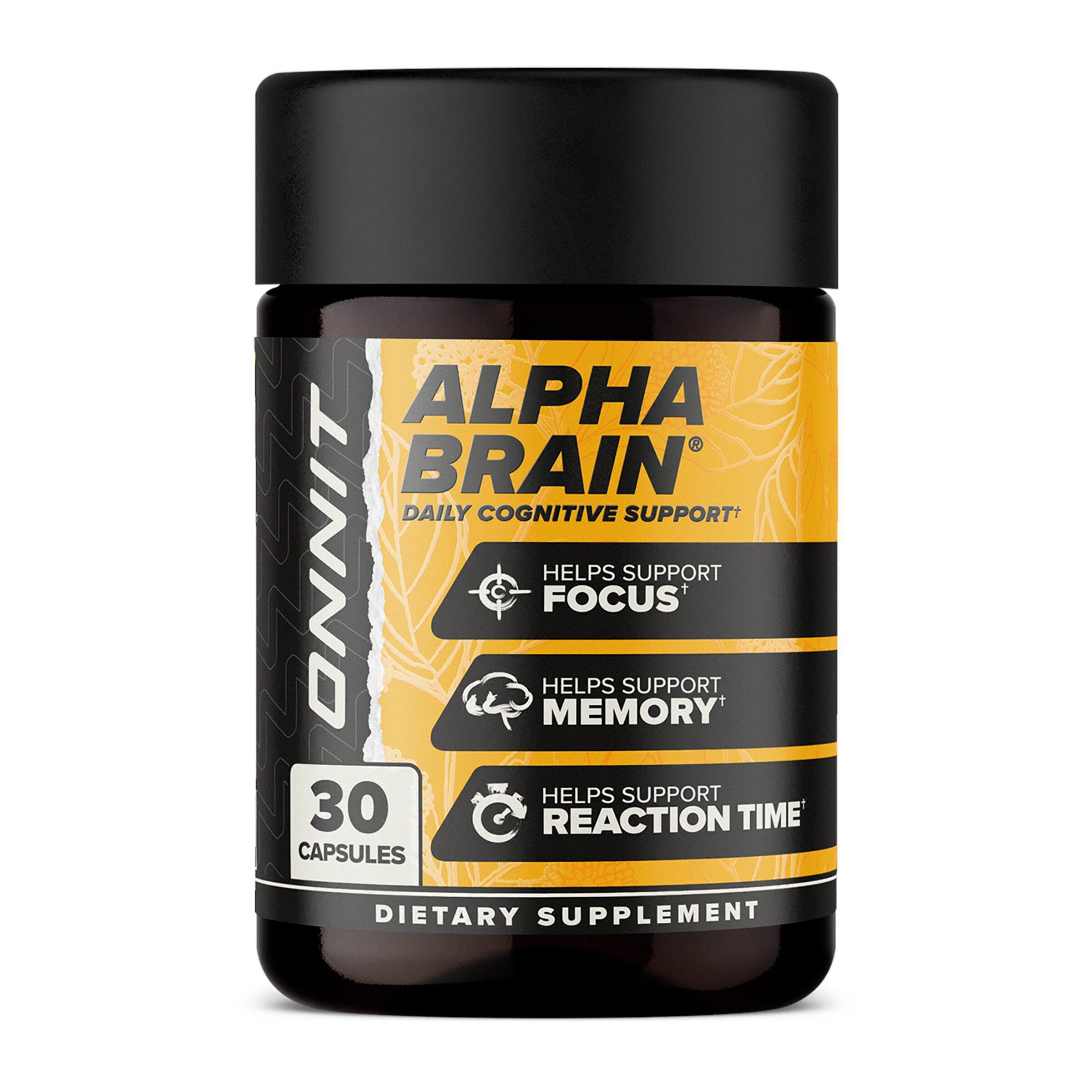
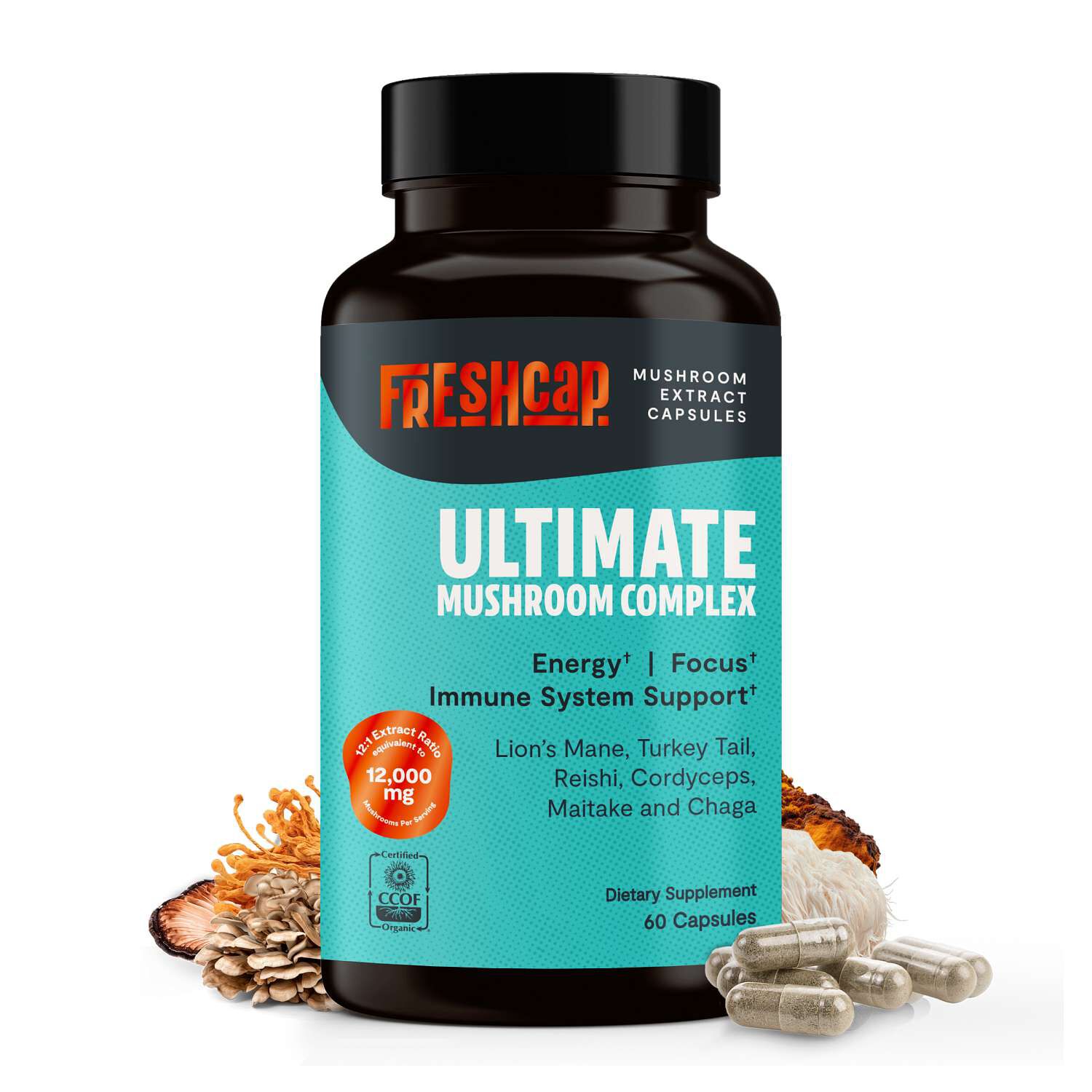
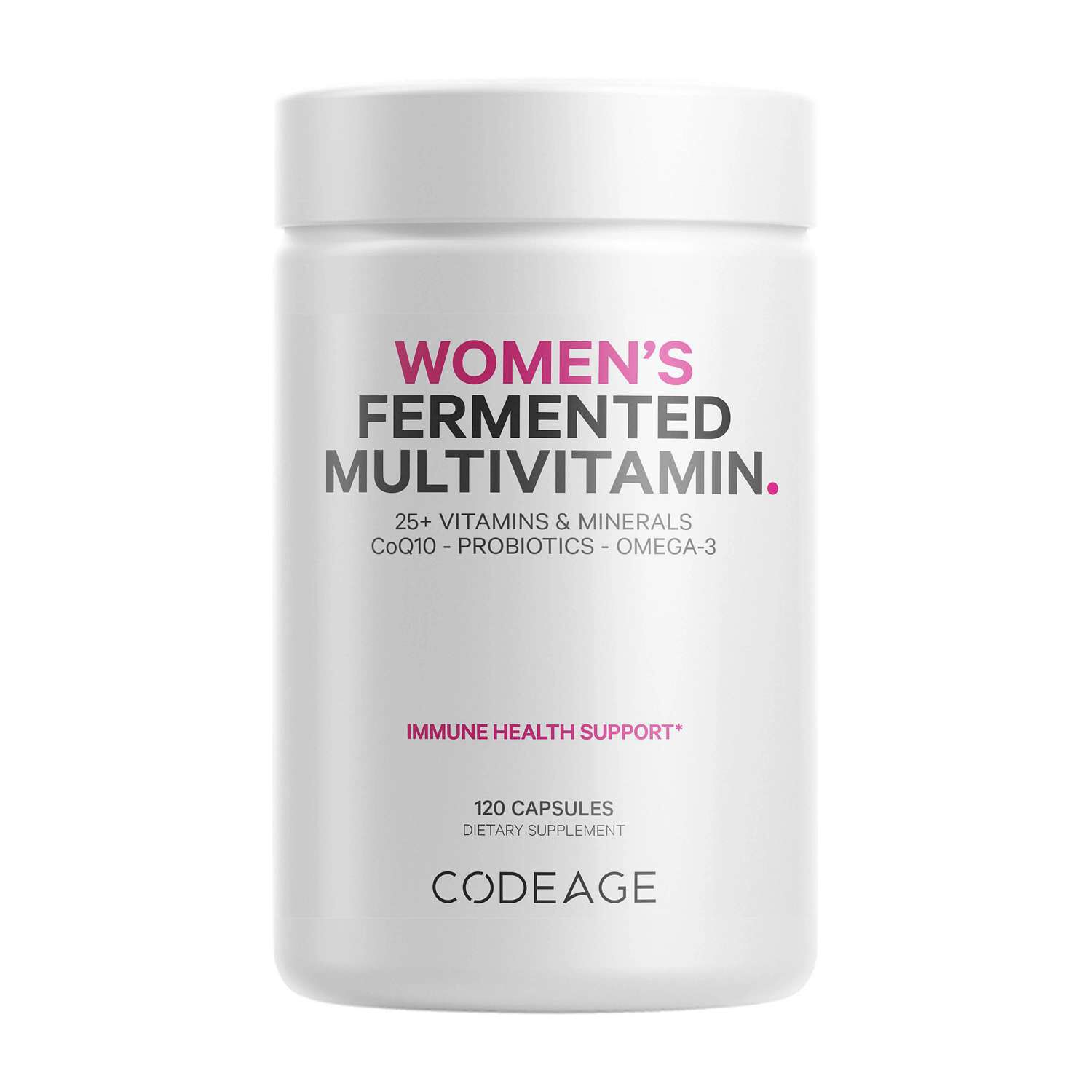
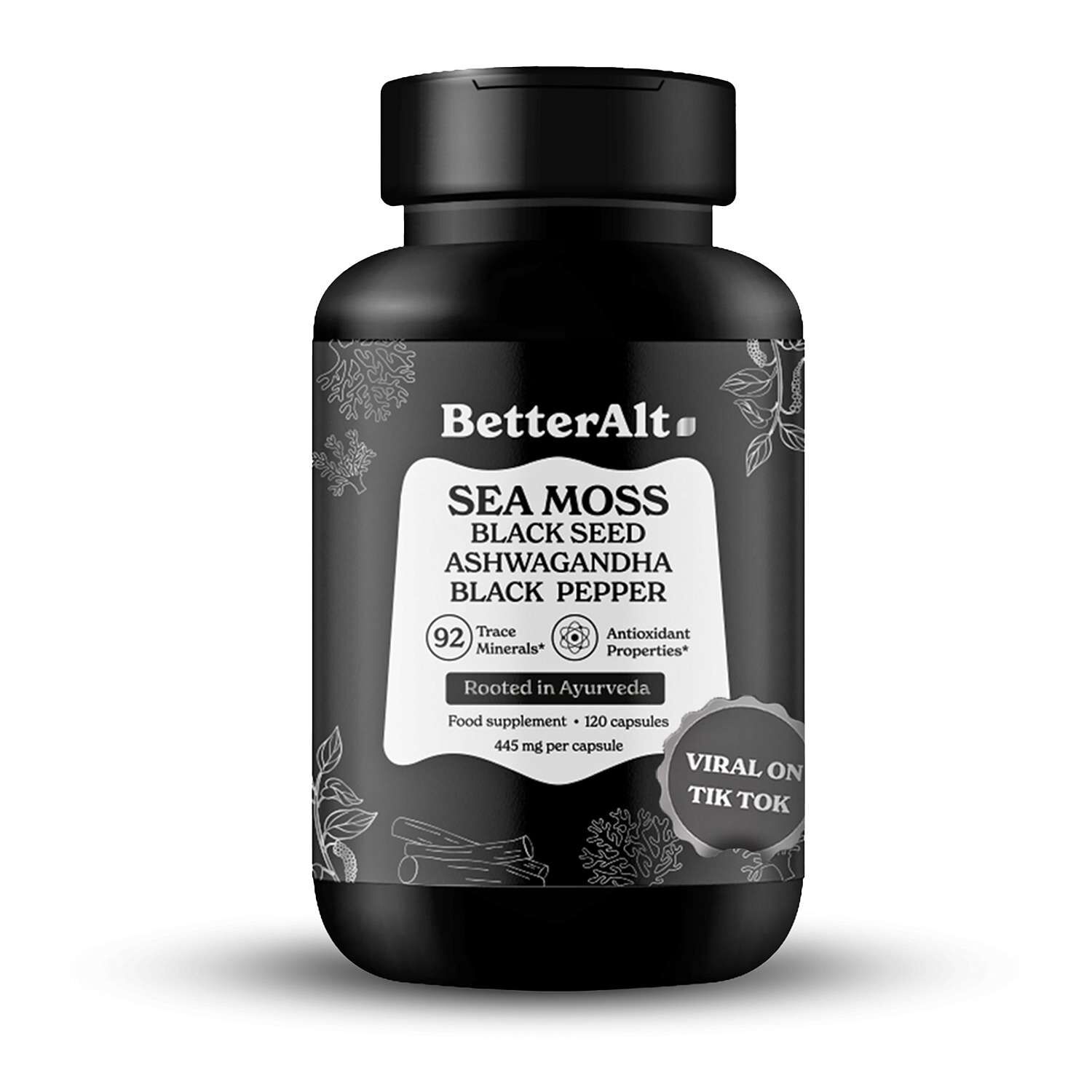
Wellness support herbal capsules are dietary supplements made with botanical ingredients in a capsule shell, offering a measured format for people who prefer plant-based ingredients without preparing an herbal tea or mixing a powder. The category includes single-herb formulas and blends that bring several botanicals together; some formulas also contain vitamins or minerals. Their defining differences lie in the plants used, the parts of those plants included, how the ingredients are prepared, and the amount provided per serving. A root powder, for example, is not the same ingredient preparation as a concentrated root extract, even when both come from the same plant. Leaves, flowers, seeds, bark, and roots each have their own place in botanical supplement traditions, making the plant part a useful detail when comparing labels. Familiar botanical ingredients include ginger, turmeric, ashwagandha, and milk thistle, though the contents and intended use of any formula depend on its labeling. Herbal capsules may complement a personal wellness routine, but a botanical name alone does not describe everything inside the bottle. The Supplement Facts panel, ingredient list, serving information, and directions together provide a more useful picture than the wording on the front. For someone who enjoys a straightforward routine, a single-herb capsule offers a focused ingredient list to review. Someone who prefers a blend can compare the individual components and see whether their amounts are listed separately or presented within a combined blend. Neither approach is automatically a better match for every shopper. Personal preferences, dietary requirements, capsule materials, and the practical details of an existing routine all shape the comparison. Across this category, thoughtful selection starts with understanding what a formula contains rather than assuming that a longer ingredient list or a larger number on the label means a more suitable choice. The distinction matters whether the bottle is intended for a familiar morning setup or a newly organized supplement shelf.
The details behind an herbal capsule often make the difference between a formula that matches a shopper’s preferences and one that does not. Capsule shells commonly use gelatin or plant-derived materials such as cellulose, so the botanical contents and the shell deserve separate attention. An herbal ingredient does not, by itself, mean that the finished capsule meets vegetarian or vegan preferences. Other ingredients can include materials used during manufacturing to help powders move through equipment or maintain consistency within each capsule. These appear outside the main dietary ingredient listing and are worth reviewing alongside allergen information and any dietary certifications. Capsule dimensions also vary, and photographs do not always convey their size accurately. For someone accustomed to a smaller capsule, stated dimensions or package details can be more informative than the bottle’s appearance. Serving size is another practical consideration: the amount shown on a Supplement Facts panel may represent two or more capsules rather than one. A bottle’s capsule count therefore does not necessarily equal its number of servings. With extracts, labels may identify an extraction ratio or a measured amount of a particular naturally occurring plant constituent. Those details describe the ingredient preparation; they do not establish that one formula will produce a particular result. A whole-herb powder and an extract can have different label amounts without being directly interchangeable. Some labels also identify the botanical’s scientific name, which adds specificity when common names overlap. Shoppers interested in sourcing can look for stated growing practices, ingredient origins, or certification details rather than relying on earthy packaging or images of leaves. Where testing information is provided, the stated scope matters: testing for ingredient identity addresses a different question than testing for certain unwanted substances. Clear documentation gives shoppers concrete information to compare, while broad descriptive language may leave important details unanswered. Taken together, these features create a fuller picture of the capsule’s composition, intended use, and fit with individual preferences without treating packaging style as a measure of suitability.
Everyday logistics deserve as much attention as the ingredient list when browsing herbal capsules for wellness support. A bottle kept in a cool, dry cabinet has a different storage setting from one left beside a steaming kettle, near a sunny window, or in a car during a long afternoon of errands. Package storage directions and date markings provide the relevant reference points for handling and shelf life. Capsules and their contents can be sensitive to their surroundings, so the condition of the container, the closure, and any inner seal matters when assessing the packaging. Keeping the original label with the bottle also preserves access to directions, serving information, ingredient details, and cautions. For a busy household, these practical details can matter more than decorative packaging: a clearly labeled bottle in an appropriate storage location is easier to distinguish from other supplements than loose capsules in an unmarked container. During the cooler months, when weekends may include overnight visits or longer trips, portability can become part of the comparison as well. Capsule formats do not involve measuring loose botanical powder, though the labeled directions still determine their intended use. They may appeal to adults who already prefer capsules, shoppers comparing botanical preparations, or people looking for a format that fits alongside established daily habits. As a gift, herbal supplements are a more personal choice than a mug or a journal because ingredients and suitability depend on the recipient; a known preference is more relevant than an assumption about someone’s wellness goals. Broader botanical browsing through Herbal Supplements For Wellness Enthusiasts offers another way to explore the category while keeping those preferences in view. Herbal capsules remain distinct from foods, beverages, and other supplement formats, even when they share a familiar plant ingredient. Comparing the preparation, shell material, serving size, labeling, and storage requirements keeps attention on the characteristics that actually distinguish formulas. A well-matched choice is about clear ingredient information and practical compatibility with a personal routine, not simply the most elaborate blend or the most prominent botanical name.