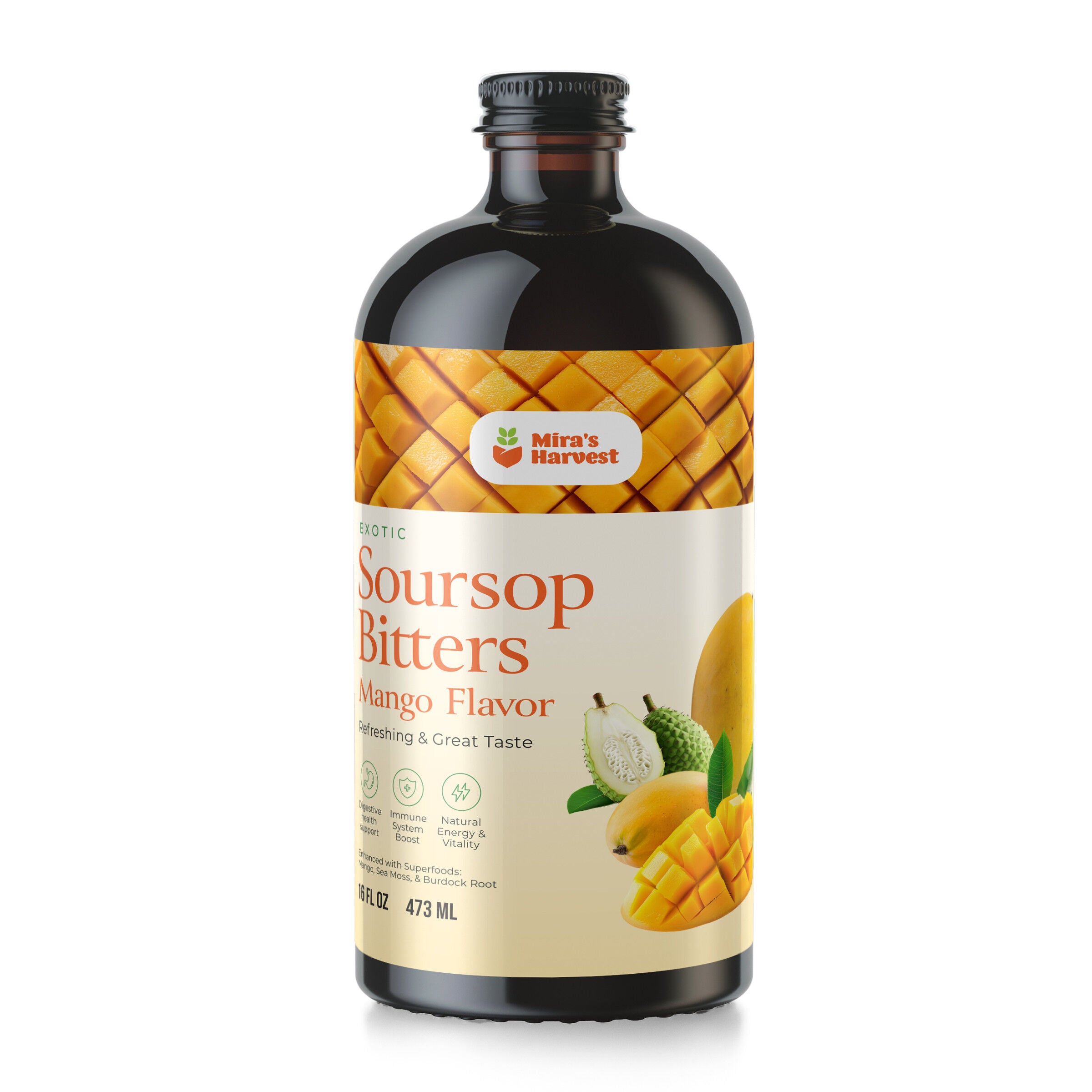
Herbal Supplements For Wellness Cleanse
(0 Results)
Herbal supplements for wellness cleanse may offer a natural approach to supporting your body’s routine detoxification processes. Featuring a variety of botanicals traditionally used for centuries, these formulas could be an ideal addition to your daily wellness regimen. Whether you’re looking to refresh your routine or simply explore new options, herbal supplements for wellness cleanse might help you prioritize your overall well-being. Discover potential ways to support your journey toward feeling your best every day.


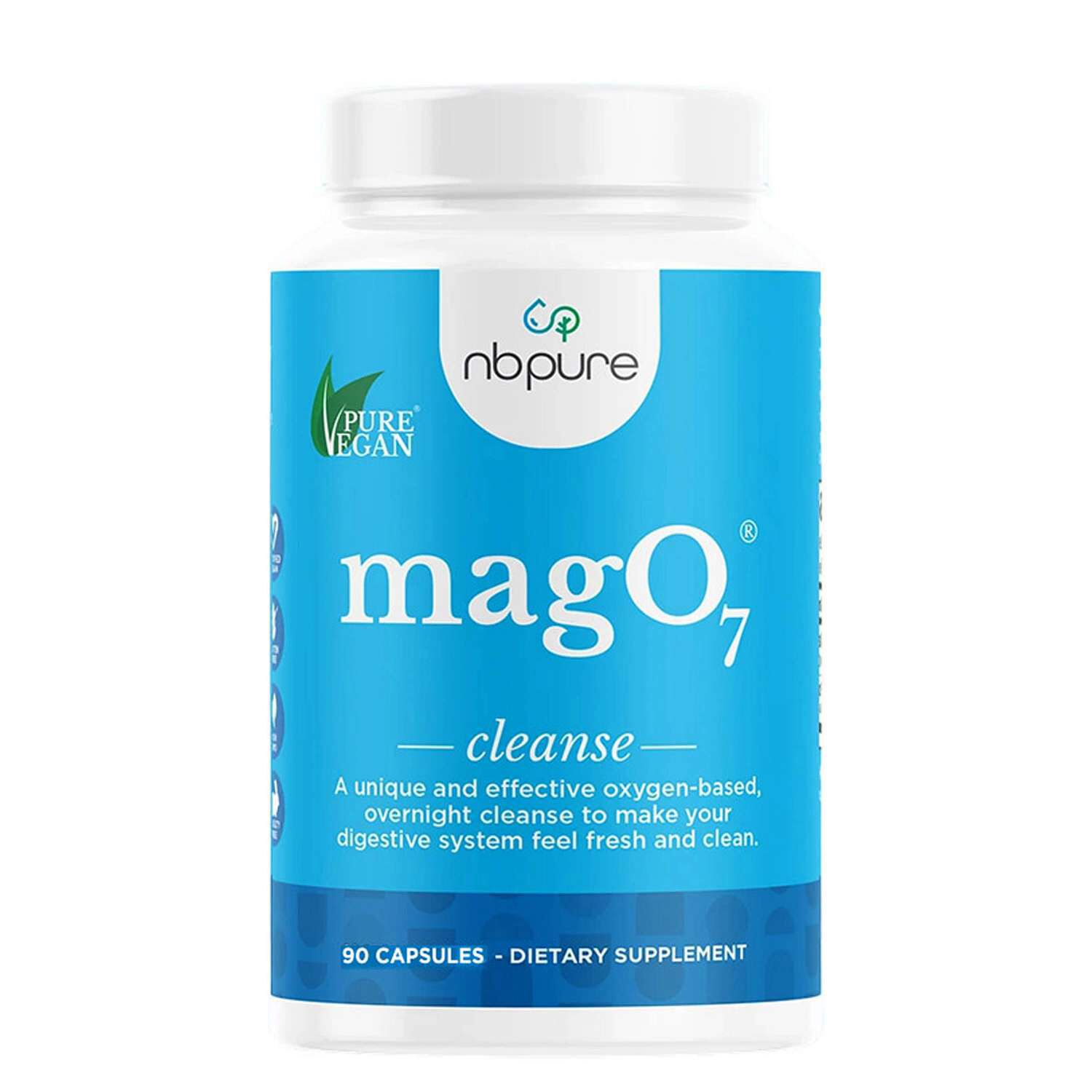


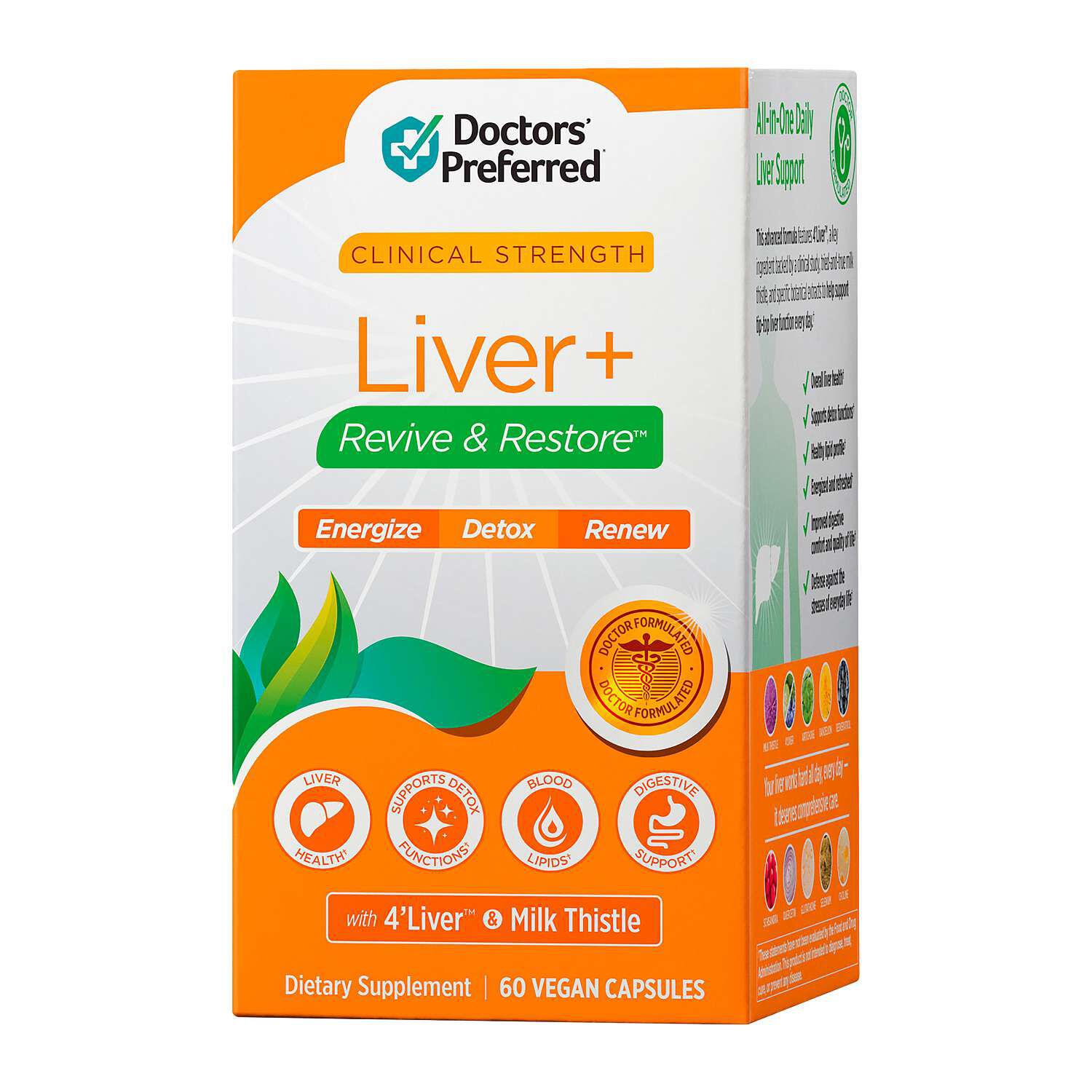


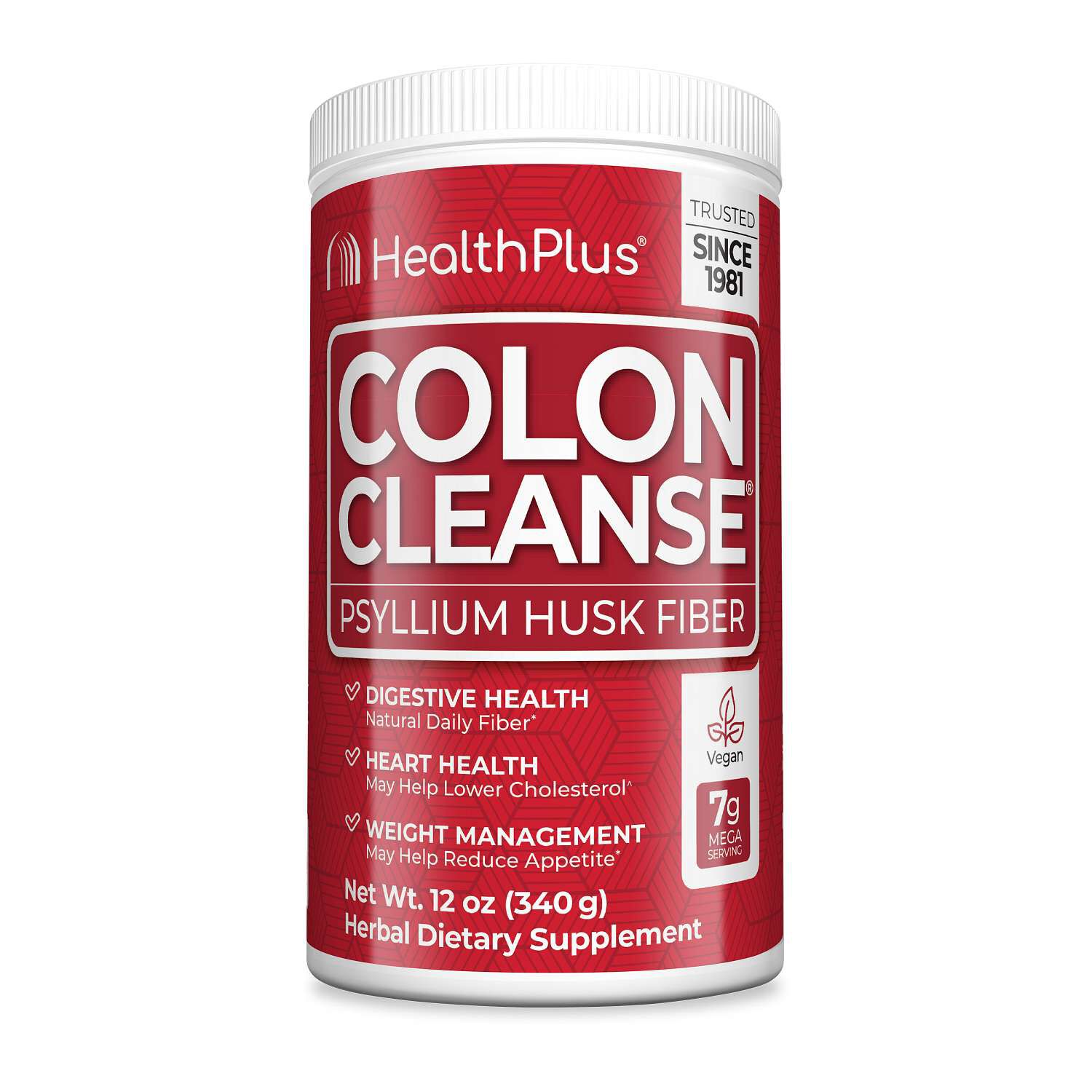
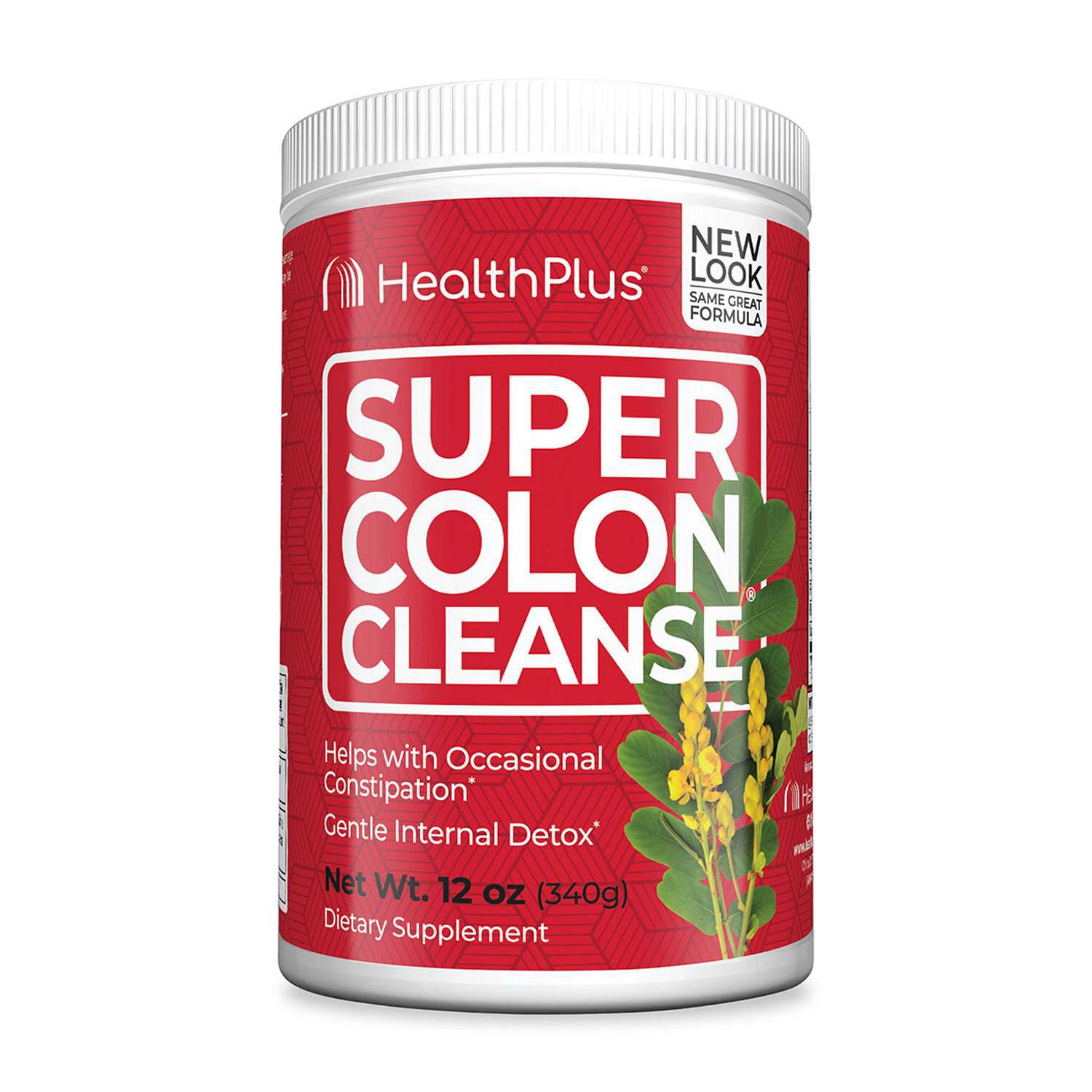


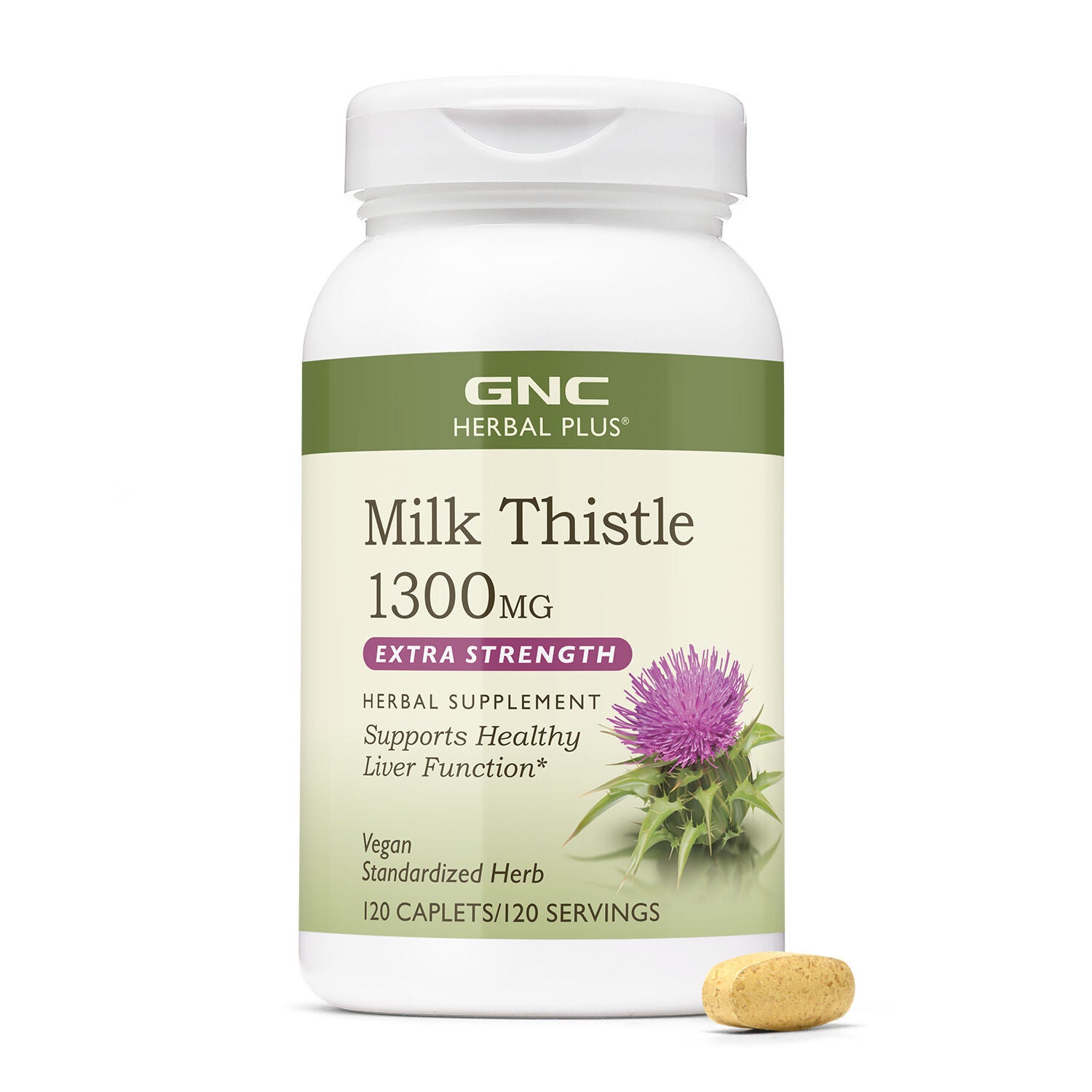
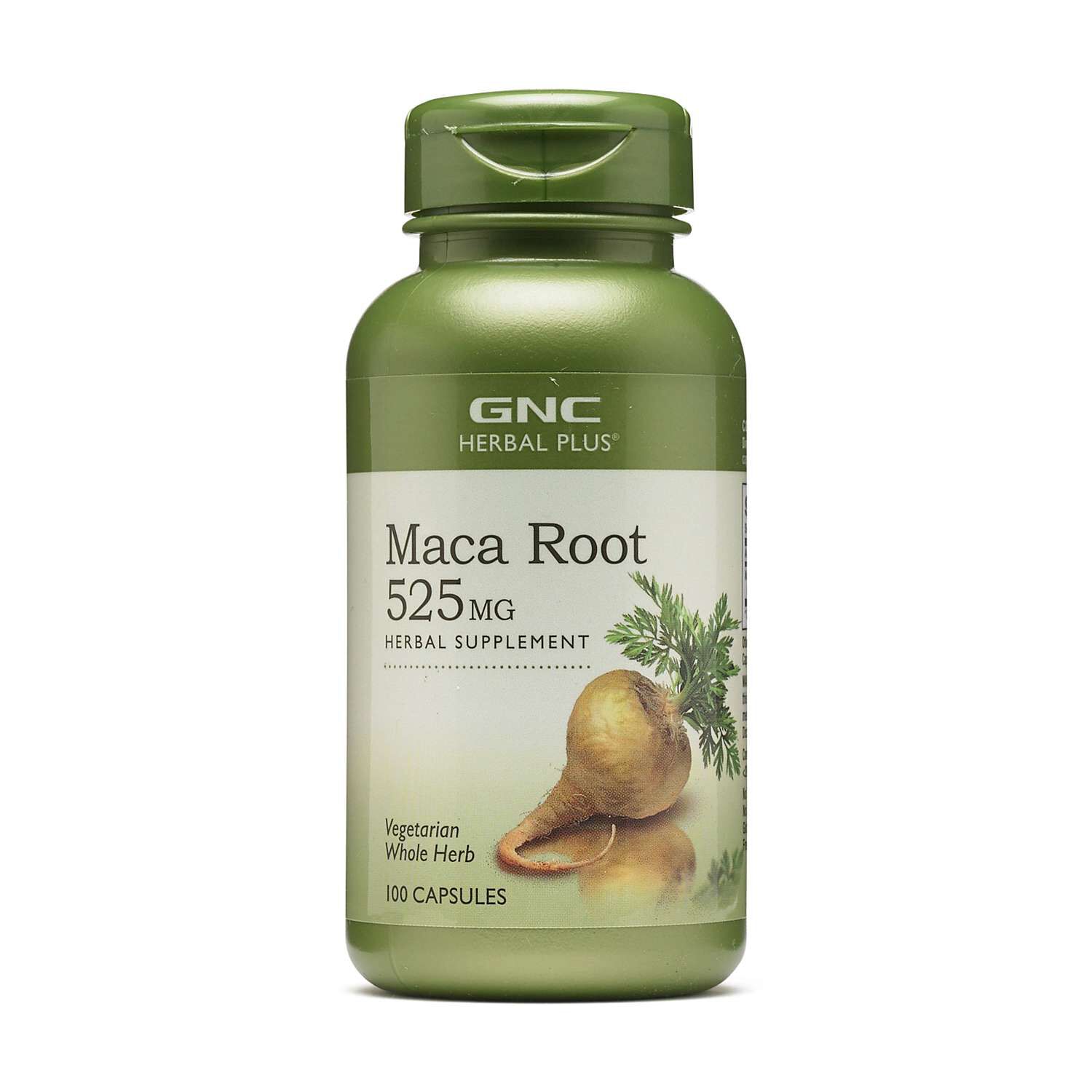
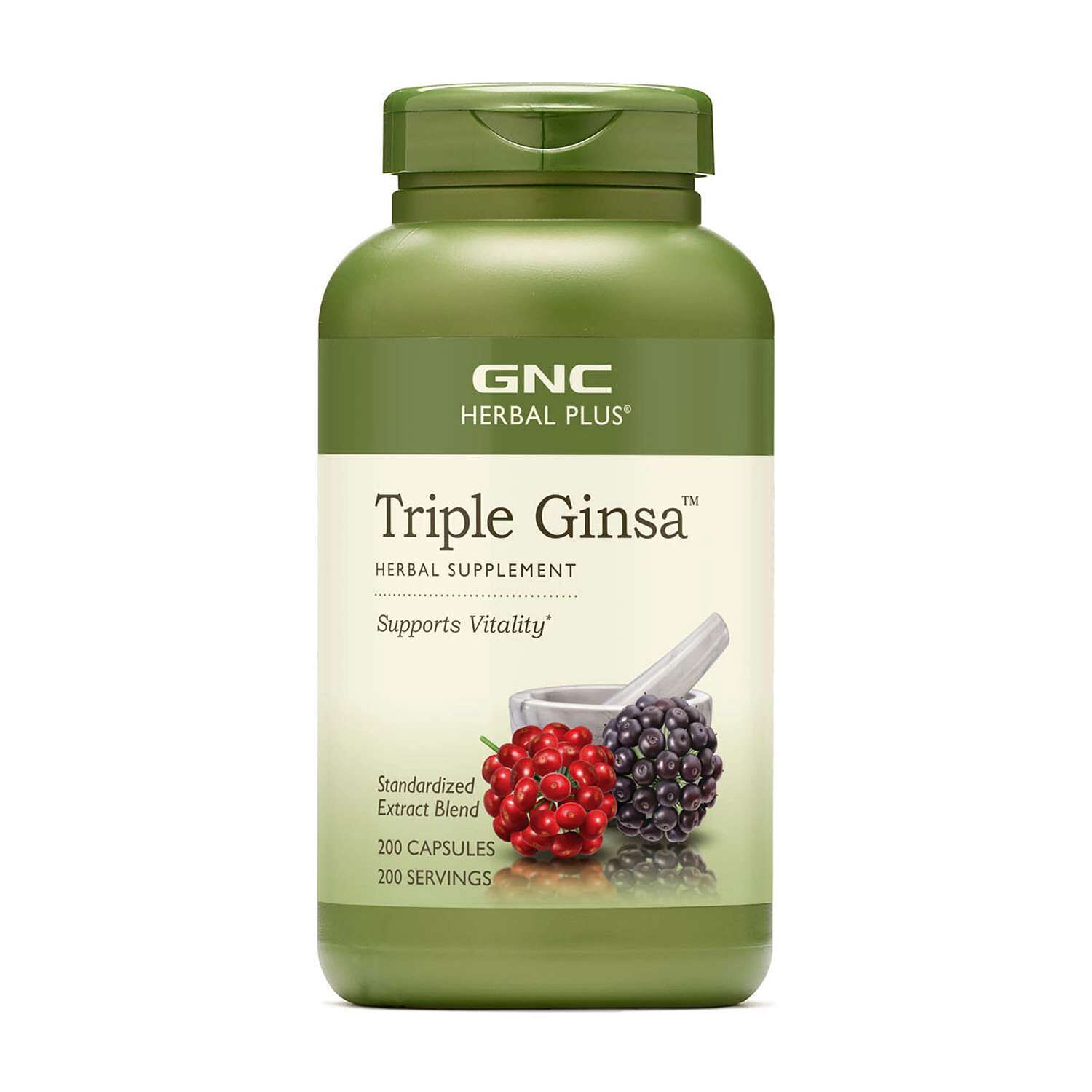
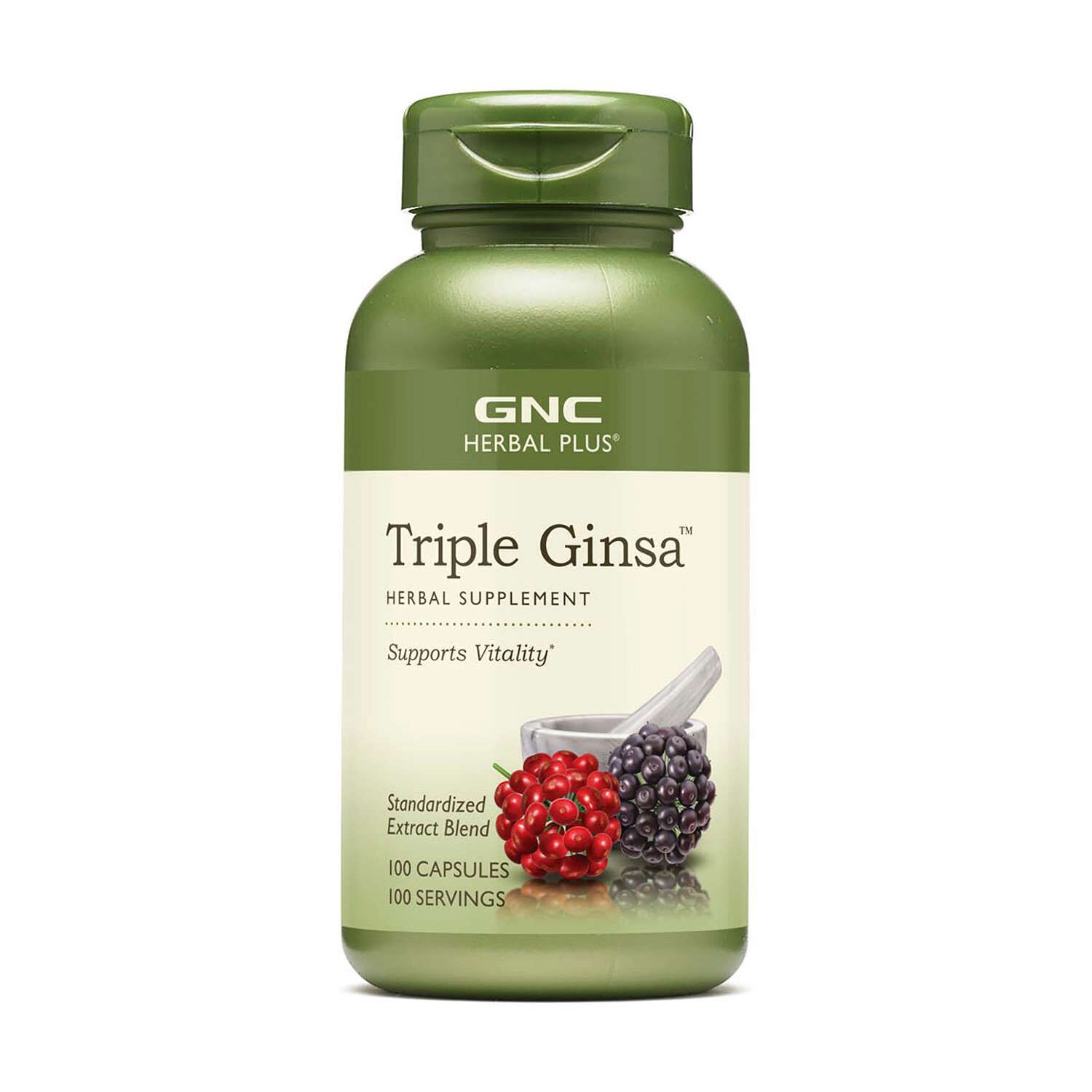

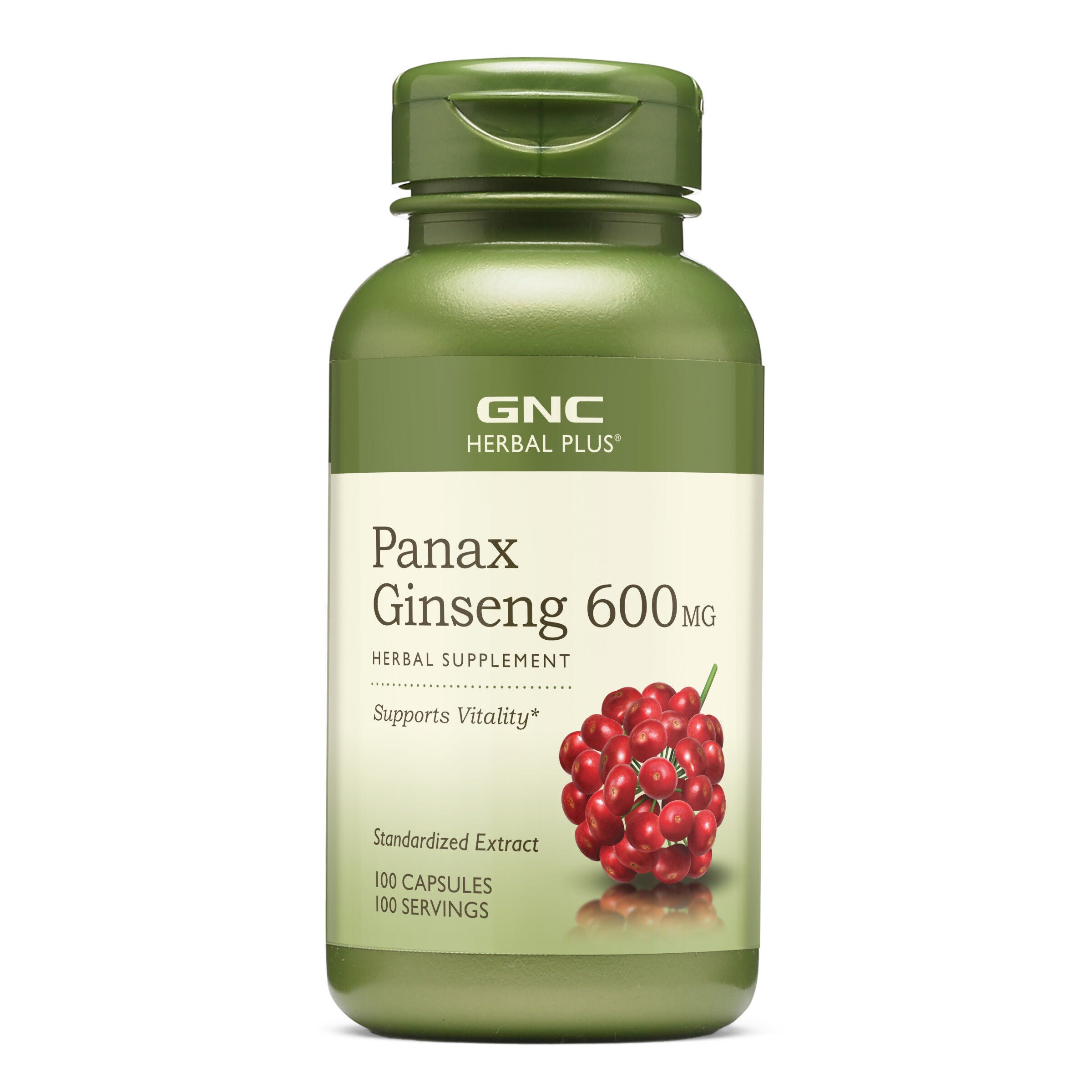
Herbal supplements for wellness cleanse bring together botanical formulas in formats that may fit a range of personal preferences, from capsules and tablets to powders, teas, and liquid extracts. In this category, “cleanse” is a broad merchandising term rather than a single ingredient, preparation method, or standardized formula. Two supplements with similar wording on the front of the package can have very different contents, serving sizes, and directions. The more useful distinctions often appear in the ingredient list and Supplement Facts panel: the plants included, the parts of those plants used, the amount per serving, and any additional ingredients that shape the finished formula. Roots, leaves, seeds, flowers, and husks each represent different botanical materials, so a plant’s name alone does not describe everything inside a bottle. Dandelion root, for example, is a different ingredient from dandelion leaf, while a powdered herb differs from an extract made from that herb. Milk thistle and psyllium husk are other ingredients associated with this broader category, although their inclusion does not make different formulas interchangeable. Some shoppers prefer a single-botanical supplement with a short ingredient list; others are interested in blends that combine several plant ingredients in one serving. Neither approach is automatically a better match for every routine. The distinction is largely about composition, transparency, and personal preferences, rather than how many herbs appear on the label. Herbal cleanse supplements are dietary supplements, not substitutes for varied meals or everyday nourishment, and the category name alone does not establish a particular outcome. For shoppers browsing these products, the most meaningful comparison is between the actual formulas and their intended use, not between the most ambitious package descriptions. That approach keeps the focus on tangible details: what the supplement contains, how it is prepared, how it is taken according to its label, and whether its format suits the routine being considered.
Format shapes much of the everyday experience with an herbal wellness cleanse supplement. Capsules contain a measured portion of material inside a shell, while tablets use a compressed format that may include binders or coatings. A serving can consist of more than one capsule or tablet, making the serving information more useful than the bottle count alone when comparing packages. Capsule shells may be made with gelatin or plant-derived materials, a distinction that matters to shoppers with dietary preferences. Those interested in this format can explore Wellness Support Herbal Capsules and compare the botanical composition, shell ingredients, and labeled serving details. Powders offer a different preparation experience, with directions that specify how much to measure and what liquid to use. Texture, flavoring, and mixing requirements become part of the decision, particularly for someone who prefers a quick preparation over a drink that requires stirring and a dedicated glass. Herbal teas involve steeping, with the plant materials and preparation directions influencing the aroma and taste. Earthy roots, grassy leaves, and aromatic seeds can create noticeably different sensory experiences, even when the packaging places them in the same wellness category. Liquid extracts have their own distinctions, including the listed extraction medium, serving measurement, and directions for use. Alcohol, glycerin, and water may appear among their ingredients, and the measurement markings on the dispenser deserve attention when evaluating the format. A compact bottle may appeal to someone who prefers a small storage footprint, while a tea may suit a person who enjoys the preparation itself. These are practical preferences, not evidence that one delivery format performs better than another. Flavor expectations also deserve a realistic look: an unflavored botanical powder is not necessarily neutral tasting, and a liquid extract can have a pronounced herbal character. Product descriptions that explain preparation and sensory details provide a clearer picture of daily use than broad wellness language alone.
Beyond format, label detail helps distinguish herbal supplements for wellness cleanse in ways that are easy to overlook at first glance. Some formulas disclose the amount of each botanical separately; others list several ingredients together as a blend. Extract labels may include a ratio or specify the amount of a selected plant compound, while whole-herb powders are described differently. Those numbers refer to different characteristics and are not necessarily direct equivalents. Comparing like preparations makes the differences easier to understand without treating a larger number as an automatic reason to choose a formula. The other-ingredients list adds another layer of context, identifying materials used for the capsule shell, texture, flavor, color, or manufacturing process. Dietary certifications and clearly stated testing information may also matter to shoppers, but each statement has a defined scope; a claim about sourcing is different from information about ingredient identity or manufacturing practices. Packaging and care are equally practical considerations. A readable label, a clearly marked serving measure, and storage directions that remain accessible all contribute to a more manageable product experience. Original packaging keeps the ingredient information, lot identification, and date markings with the supplement, while a securely closed container may help limit exposure to moisture when stored according to the label. Powders, tea sachets, capsules, and liquids have different handling requirements, so storage expectations should come from the individual package rather than assumptions about the category. For someone with a busy morning schedule, the number of preparation steps may be a deciding factor; for someone who enjoys setting aside time for a cup of herbal tea, those same steps may be part of the appeal. Supplements are also personal purchases, which can make them less straightforward gifts than a mug or tea accessory. A recipient’s stated preferences and familiarity with the formula matter more than attractive packaging. Across the category, a thoughtful selection rests on clearly described ingredients, an appropriate format, and labeled use that matches the intended routine. Herbal wellness shopping becomes more grounded when the focus stays on those concrete characteristics, with expectations shaped by the individual supplement rather than the word “cleanse” on its own.