Fiber Energizers
(0 Results)
Explore the potential benefits of fiber energizers, a unique blend of ingredients that may support your daily dietary needs. These formulations could help you maintain a balanced lifestyle by providing an extra source of fiber, which might aid in digestion and overall gut health. Whether you're looking to complement your nutrition or seeking a natural way to feel more energized throughout the day, fiber energizers might be the perfect addition to your routine. Discover how these products can fit seamlessly into your wellness journey.
-
-
-
-

-

-
-

-

-

-

-

-

-
 $17.97
-
 $16.99
-
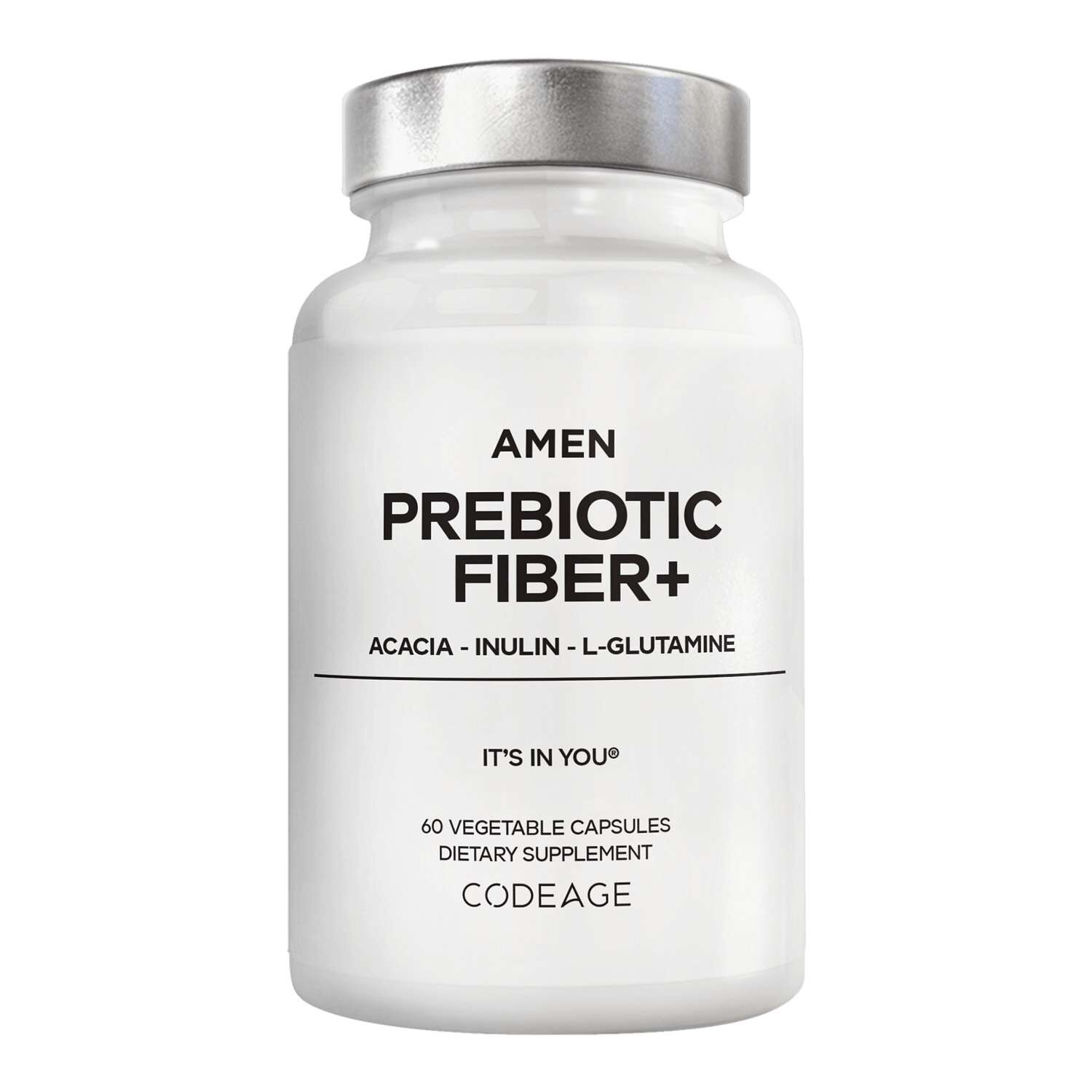 $26.99
When comparing fiber energizers, the ingredient list, serving information, and preparation directions offer a starting point. The name does not identify a standard ingredient or establish caffeine content, so the formula matters more than the word energizer. A fiber supplement may support digestive regularity, but it is not interchangeable with a caffeinated beverage or a meal. Dietary fiber is a carbohydrate found in plant foods that the body does not fully digest. Its sources include oats, beans, lentils, fruit, vegetables, nuts, and seeds, while supplements provide selected fiber ingredients in a measured serving. That distinction matters for someone who enjoys a varied diet and wants a convenient format for supplemental fiber. Soluble and insoluble fiber are the two broad categories commonly discussed in ingredient descriptions. Soluble fiber dissolves in water, and certain types may create a thicker texture when mixed into a drink. Insoluble fiber does not dissolve in water. Blends may contain either type or a combination, depending on their ingredients. Psyllium husk, chicory root inulin, acacia fiber, and wheat dextrin are examples of ingredients used in fiber supplements, but they differ in texture, composition, and preparation. Some fiber ingredients are also described as prebiotic, meaning they may serve as nourishment for beneficial gut bacteria. Not every fiber ingredient has the same prebiotic characteristics, and that description alone does not explain the amount in a serving. For a practical comparison, the grams of dietary fiber per labeled serving belong alongside the serving size itself. A spoonful of one powder is not necessarily equivalent to a spoonful of another. The same applies to capsules and chewables, where the stated serving may consist of several pieces rather than one. The useful details are the ingredient source, the measured fiber amount, and how that serving fits the way a person already eats and drinks.
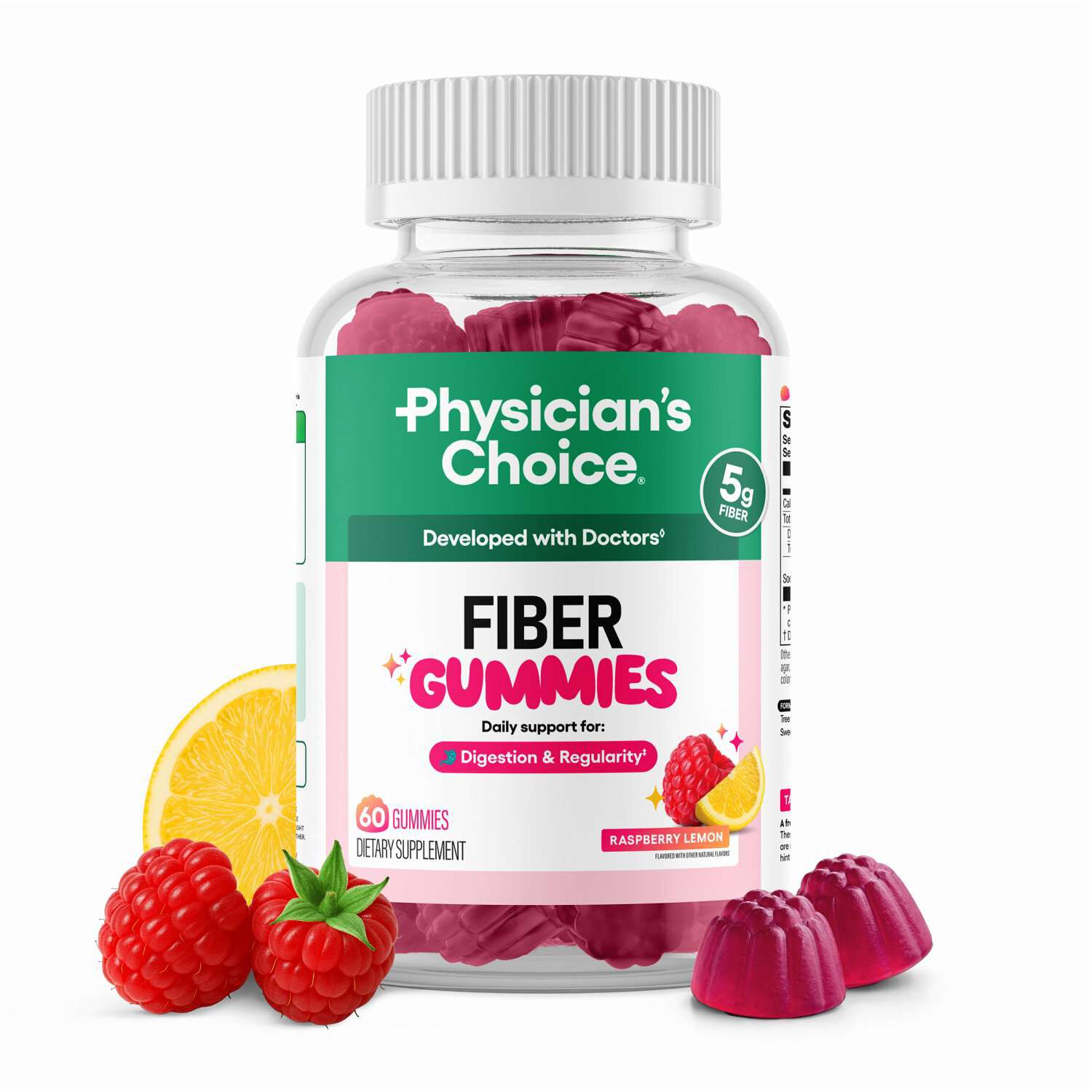
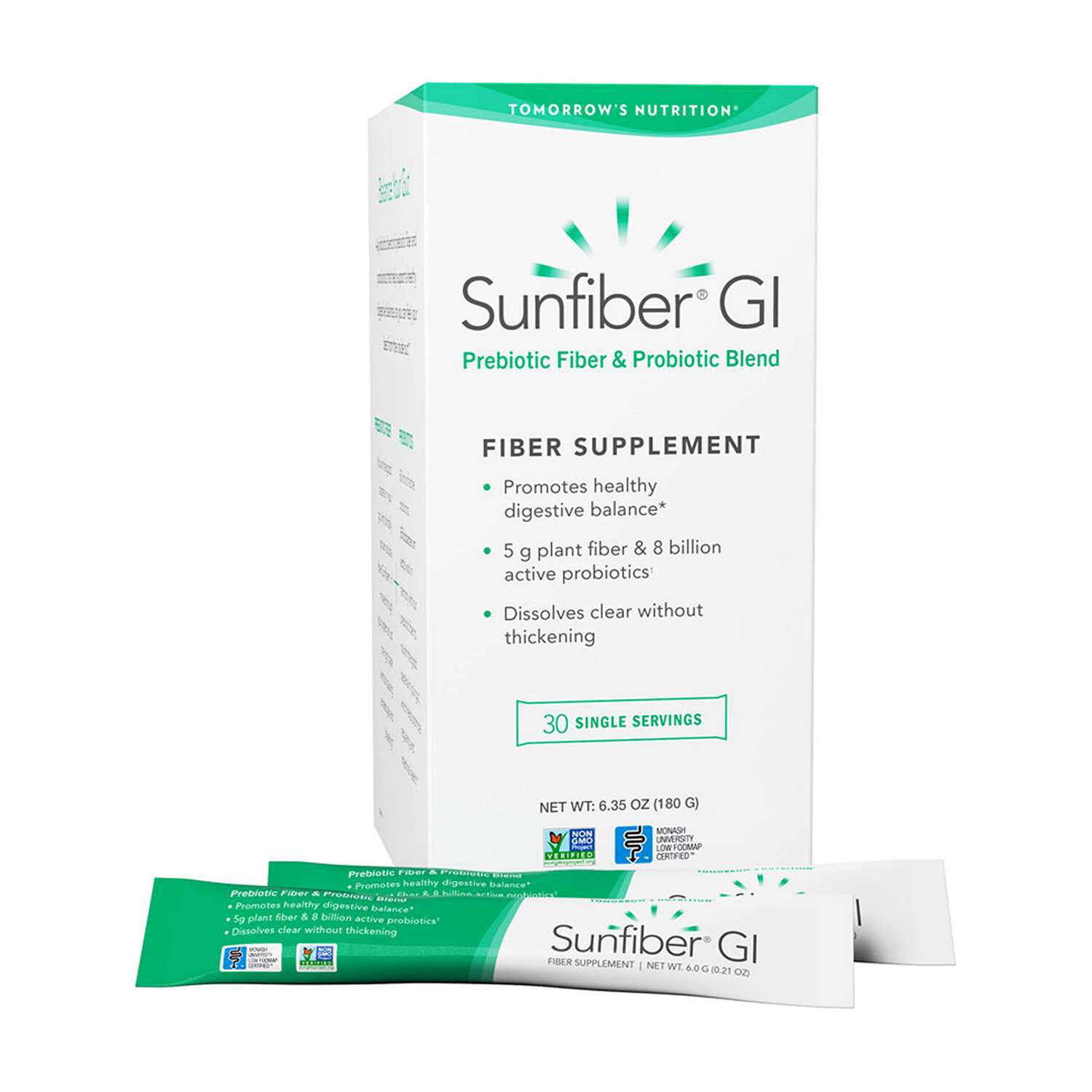
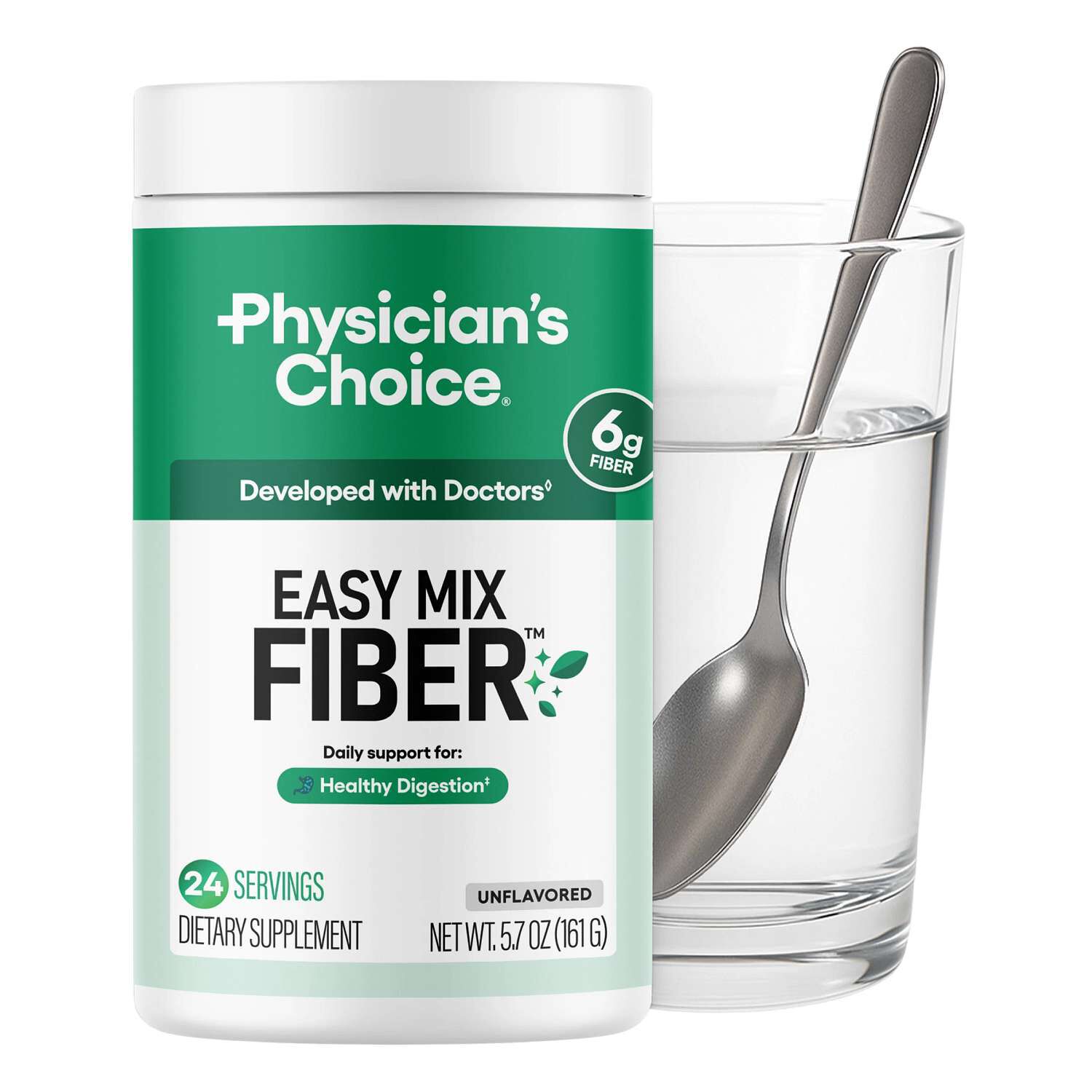
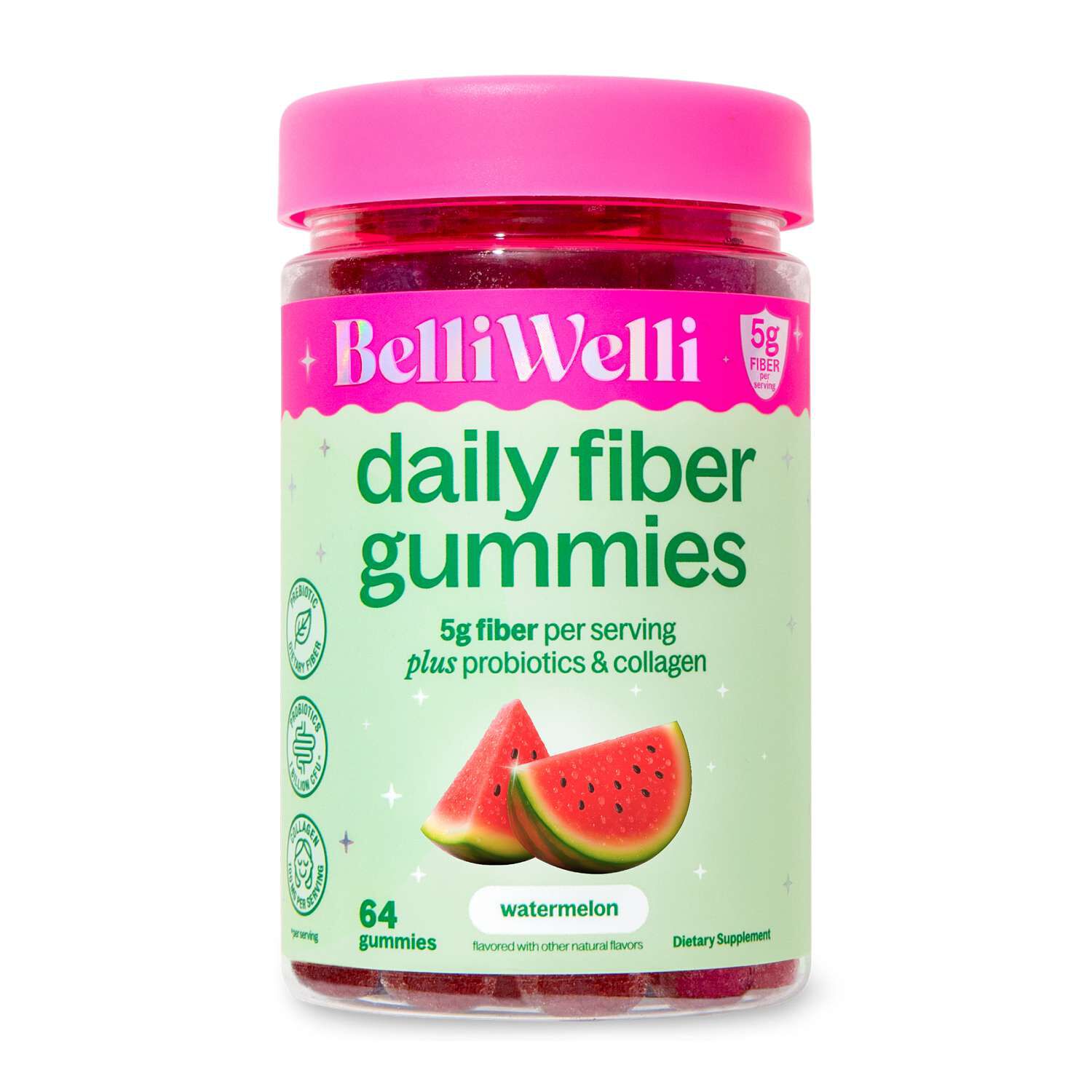
Format is often the difference between a supplement that suits an established routine and one that feels awkward to prepare. Powder formats involve measuring and mixing, making their preparation directions, flavor, and texture particularly relevant. An unflavored powder is not necessarily without a noticeable taste or mouthfeel; the source ingredient still matters. Flavored options have their own sweetness and flavor profiles, which deserve consideration alongside the beverage specified on the label. Someone who prefers a simple breakfast routine might favor a powder with straightforward preparation, while a person who spends much of the day away from home might place more value on individually portioned packaging. Where package directions permit mixing into foods, the texture of yogurt or a breakfast bowl is another consideration. Some mixtures may become thicker after standing, so the stated mixing method and timing are worth reading before preparation. Capsules require no stirring, although the number of capsules in a serving is an important detail for anyone comparing formats. Gummies and other chewables differ from powders in texture and ingredients, including sweeteners, colors, and flavorings. A small serving count does not necessarily correspond to a larger amount of dietary fiber. For related browsing, visit Fiber And Enzyme Powders, keeping the fiber amount and enzyme ingredients distinct when reading a label. An enzyme blend is not another name for dietary fiber, and the presence of both does not establish how much of either a serving contains. Across formats, the Supplement Facts panel and ingredient list offer a more useful comparison than a descriptive name alone. Added vitamins, botanical ingredients, or caffeine, when present, deserve separate attention rather than being treated as part of the fiber itself. Clear serving information makes it easier to compare a scoop, a packet, and a chewable on the same basis without assuming that similar package sizes mean similar formulas.
The details beyond the main fiber ingredient also deserve attention, especially for households with particular food preferences or ingredient restrictions. Plant-derived fiber does not automatically make an entire formula suitable for every eating pattern, since capsule shells, gummy ingredients, flavorings, and other components vary. Allergen statements and dietary certifications provide information that a front-panel description may not include. Someone choosing a supplement for personal use may care most about an uncomplicated ingredient list, while another shopper may prioritize a particular format or flavor. Neither preference replaces checking the actual serving information. Packaging is another practical consideration: a tub belongs in a different routine than a box of measured packets, and a bottle of capsules has different handling requirements than a powder used beside a kitchen sink. A securely closed container, a clean measuring utensil, and storage according to the package directions are practical parts of keeping a supplement in its intended condition. The printed date, seal, and instructions after opening matter more than assumptions based on how sturdy the container looks. For travel, the original packaging keeps the ingredient list, preparation directions, and serving information together. At home, a designated storage spot away from food preparation splashes may make handling less cumbersome, provided it matches the labeled storage requirements. Fiber energizers are best compared as individual formulas rather than as a single uniform type of supplement. A powder intended for mixing, a capsule serving, and a chewable each involve different preferences around preparation, taste, and portability. The strongest match is a format with clearly understood ingredients and directions that suit an ordinary day, whether that means breakfast at the kitchen counter, lunch packed for the office, or a bag prepared for an overnight stay. Keeping the focus on fiber source, serving amount, ingredient transparency, and everyday practicality gives this category a useful place within a varied eating routine.
Best Sellers
-
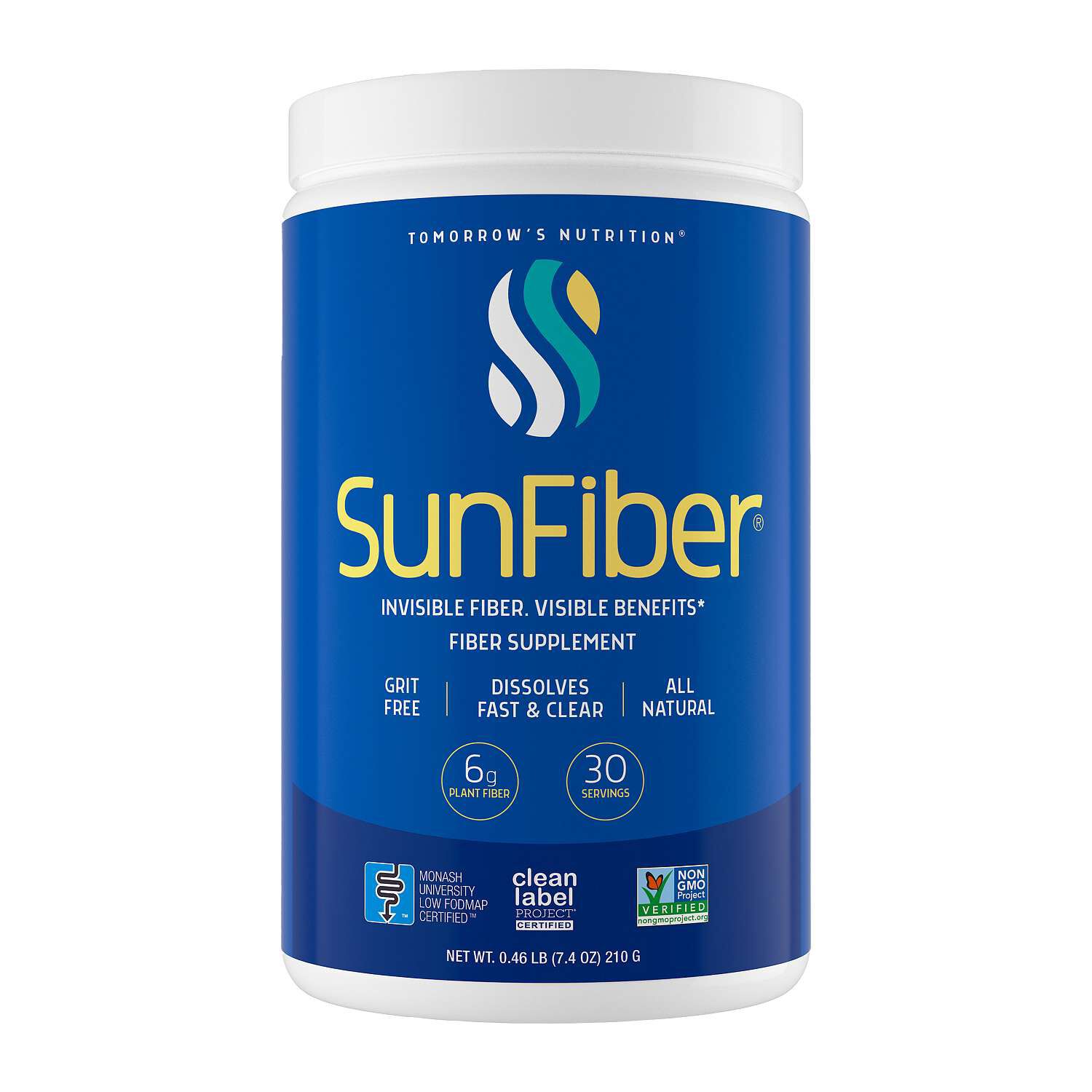 Tomorrow's Nutrition
-
Physician's Choice
-
 Tomorrow's Nutrition
-
Tomorrow's Nutrition