





Fiber Sports Powders
(0 Results)
Unlock the potential of your fitness routine with fiber sports powders. These versatile supplements could provide a convenient way to support digestive health and overall well-being while complementing your active lifestyle. Incorporating fiber into your diet might help you maintain energy and endurance during workouts, making it easier to achieve your fitness goals. Explore the range of fiber sports powders available and find the perfect addition to your nutrition plan.

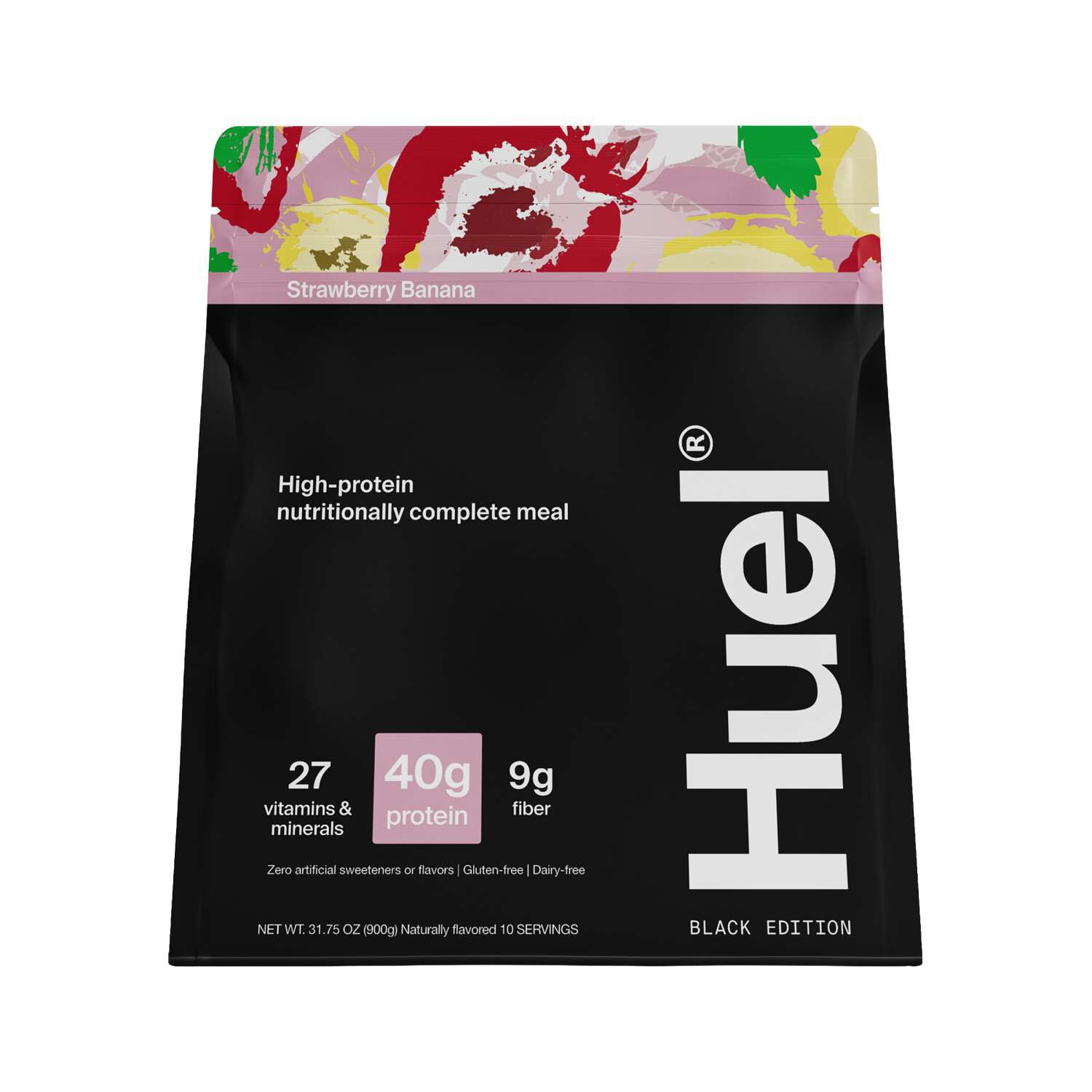
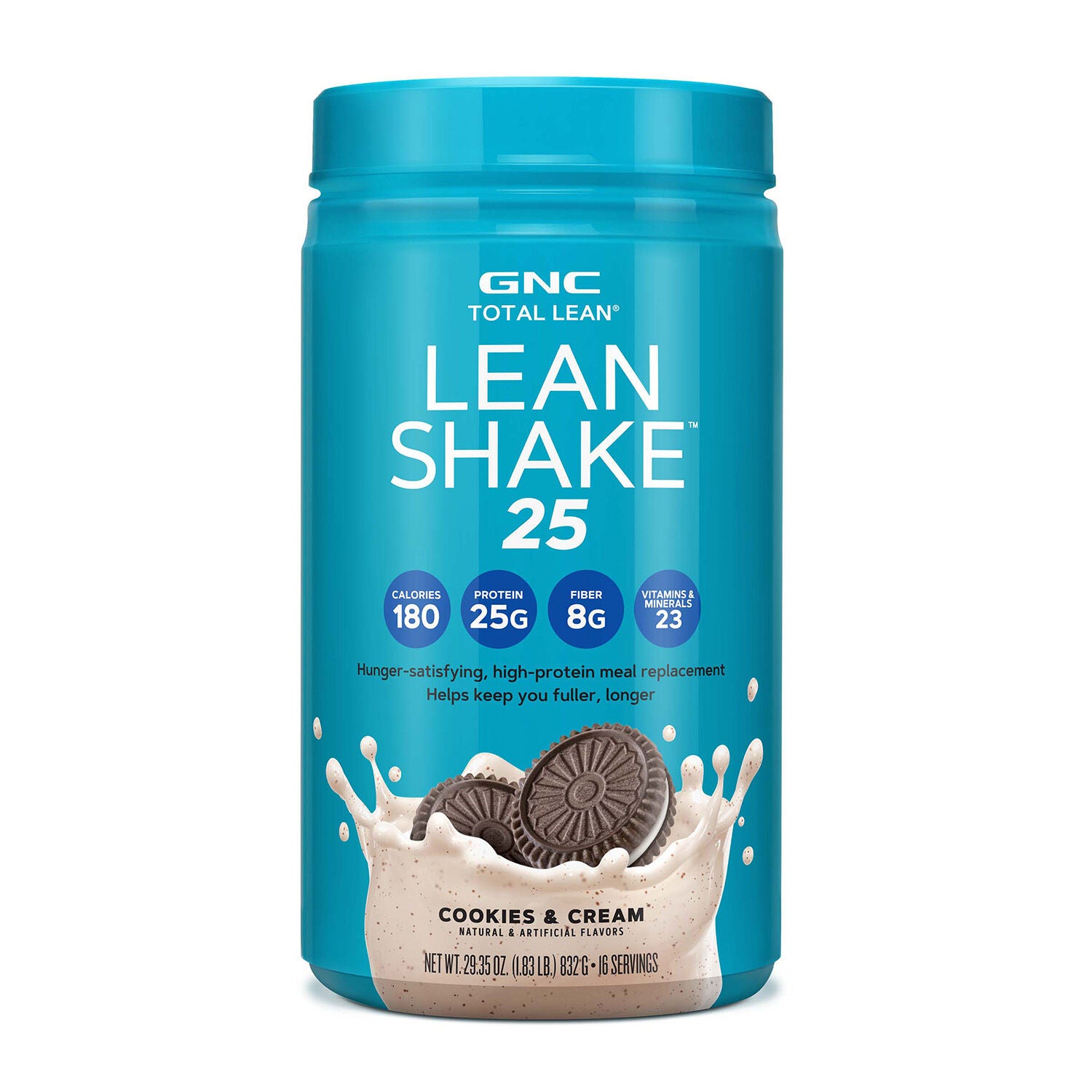
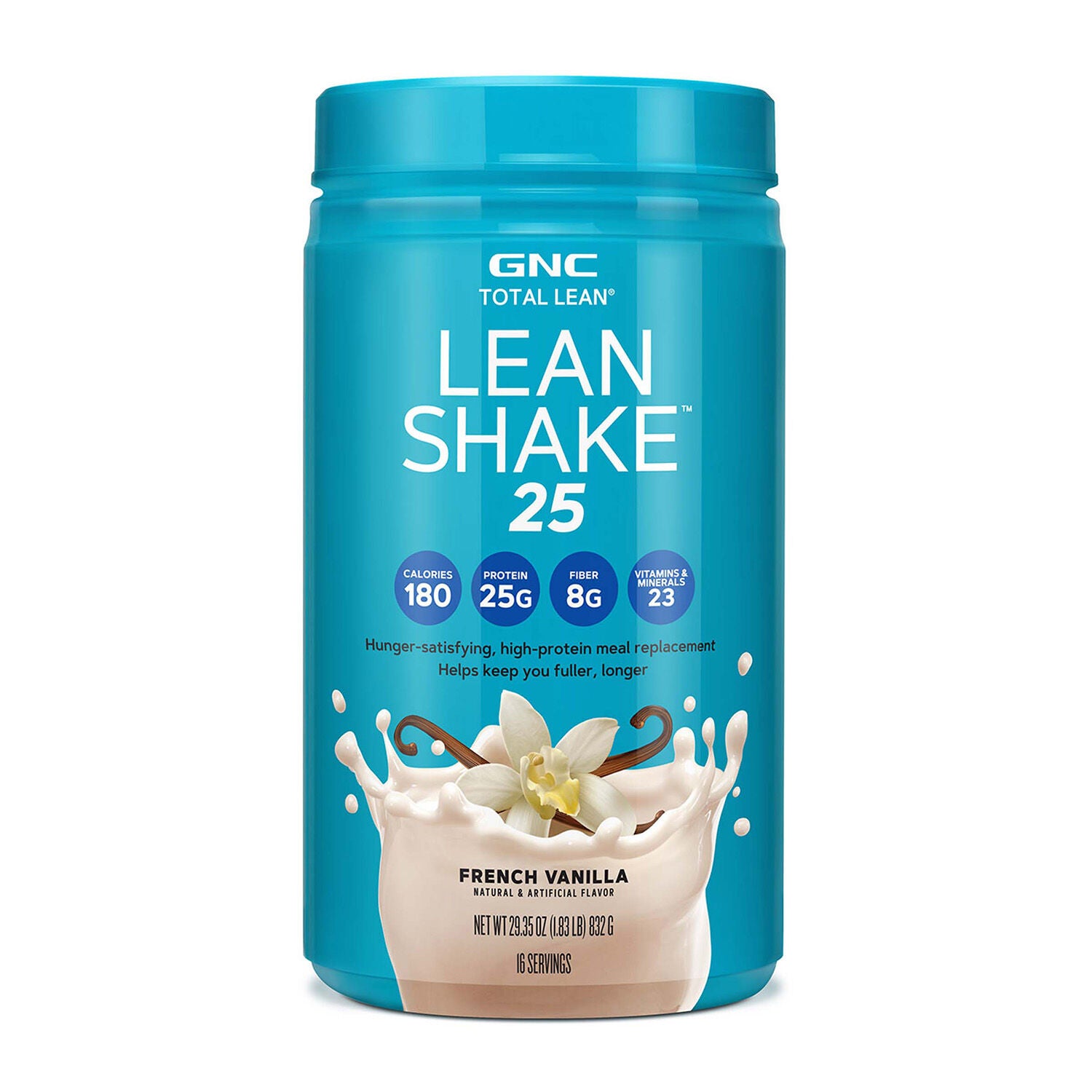
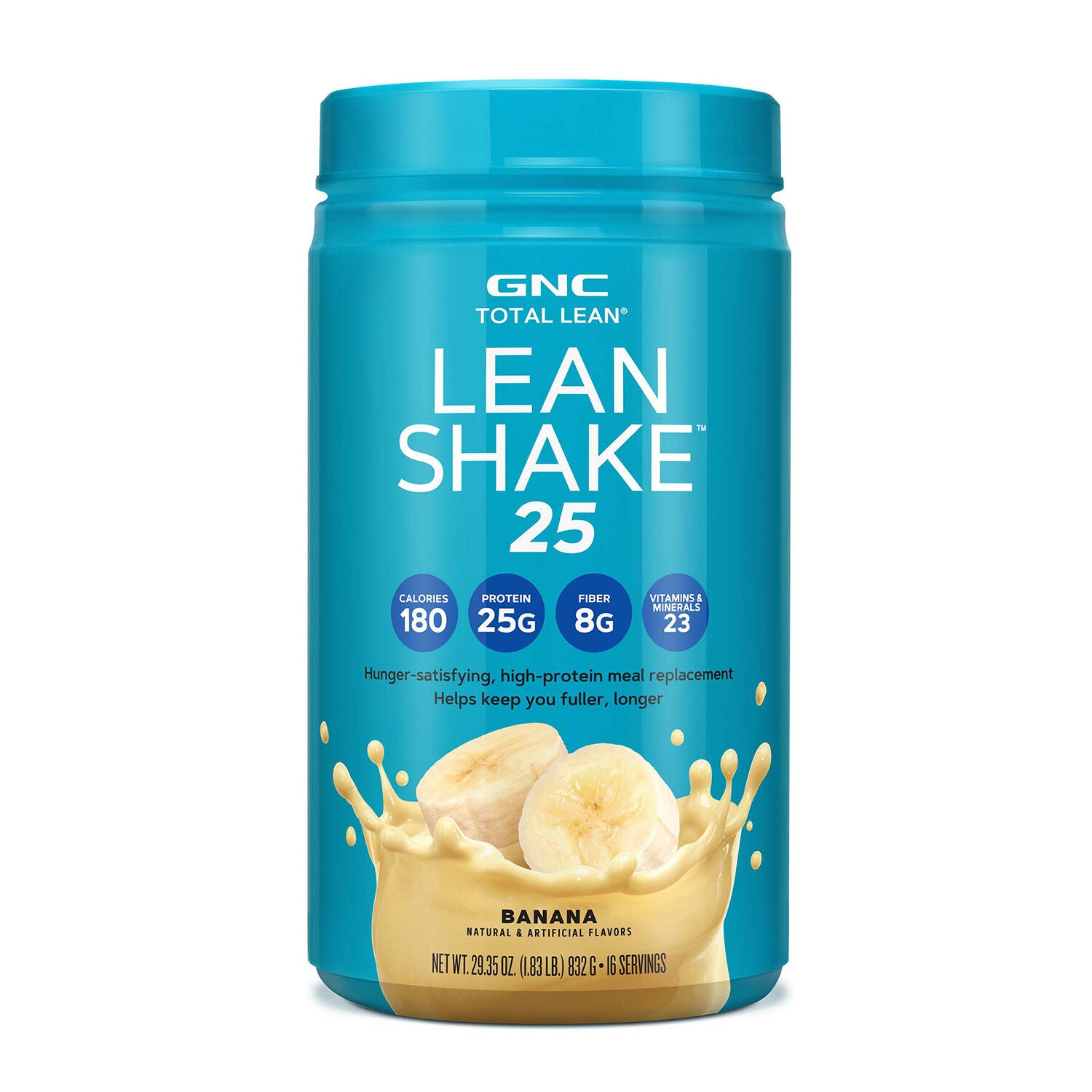
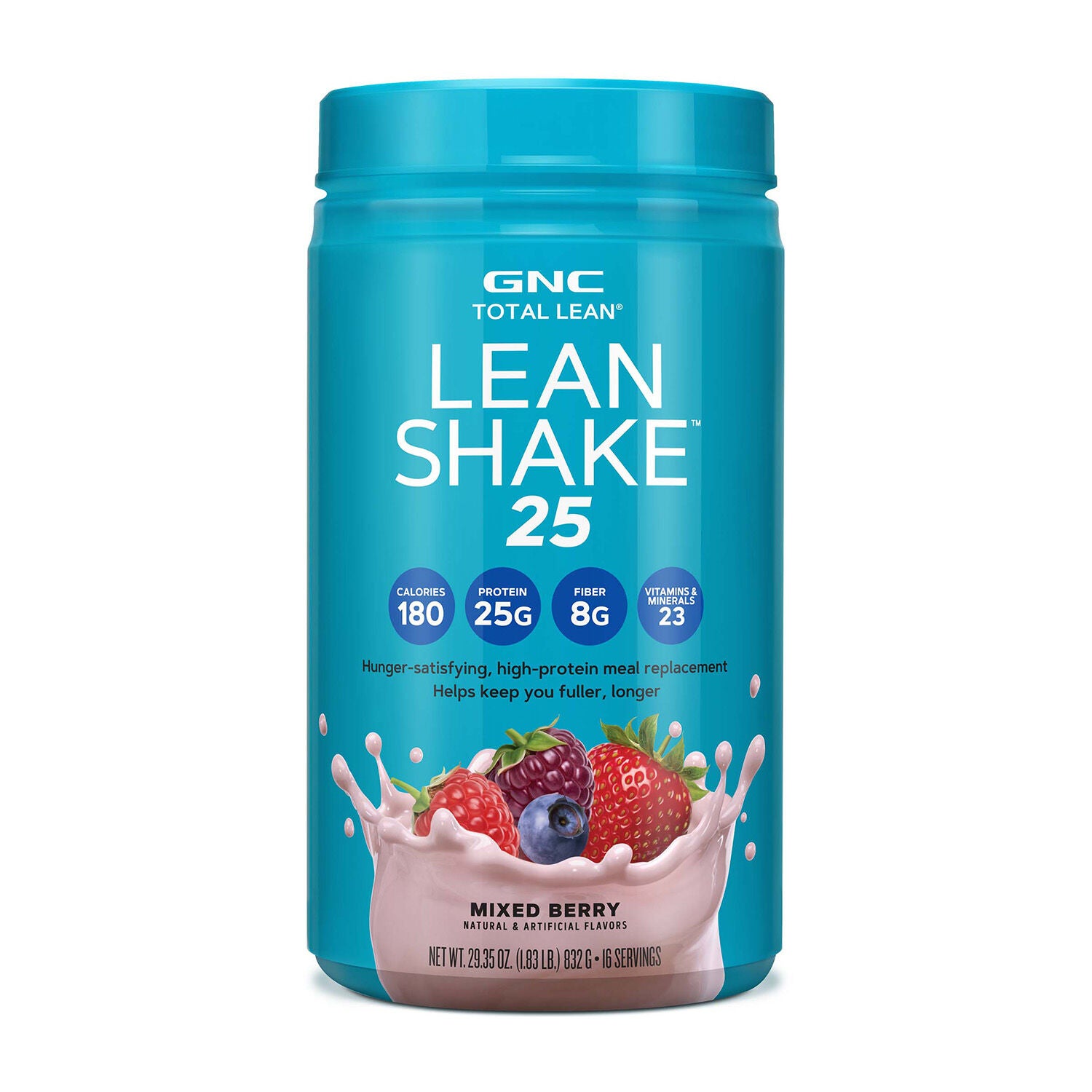
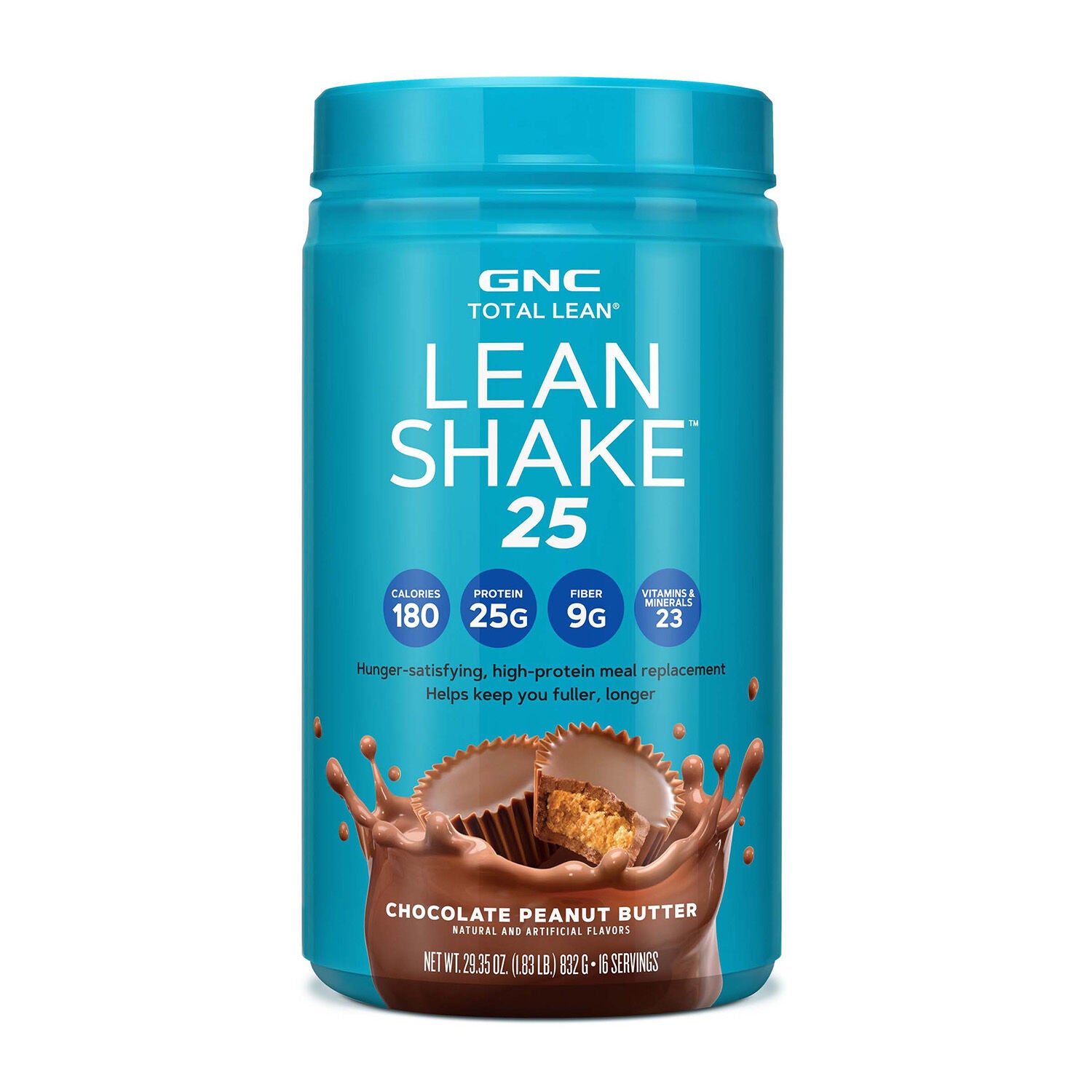

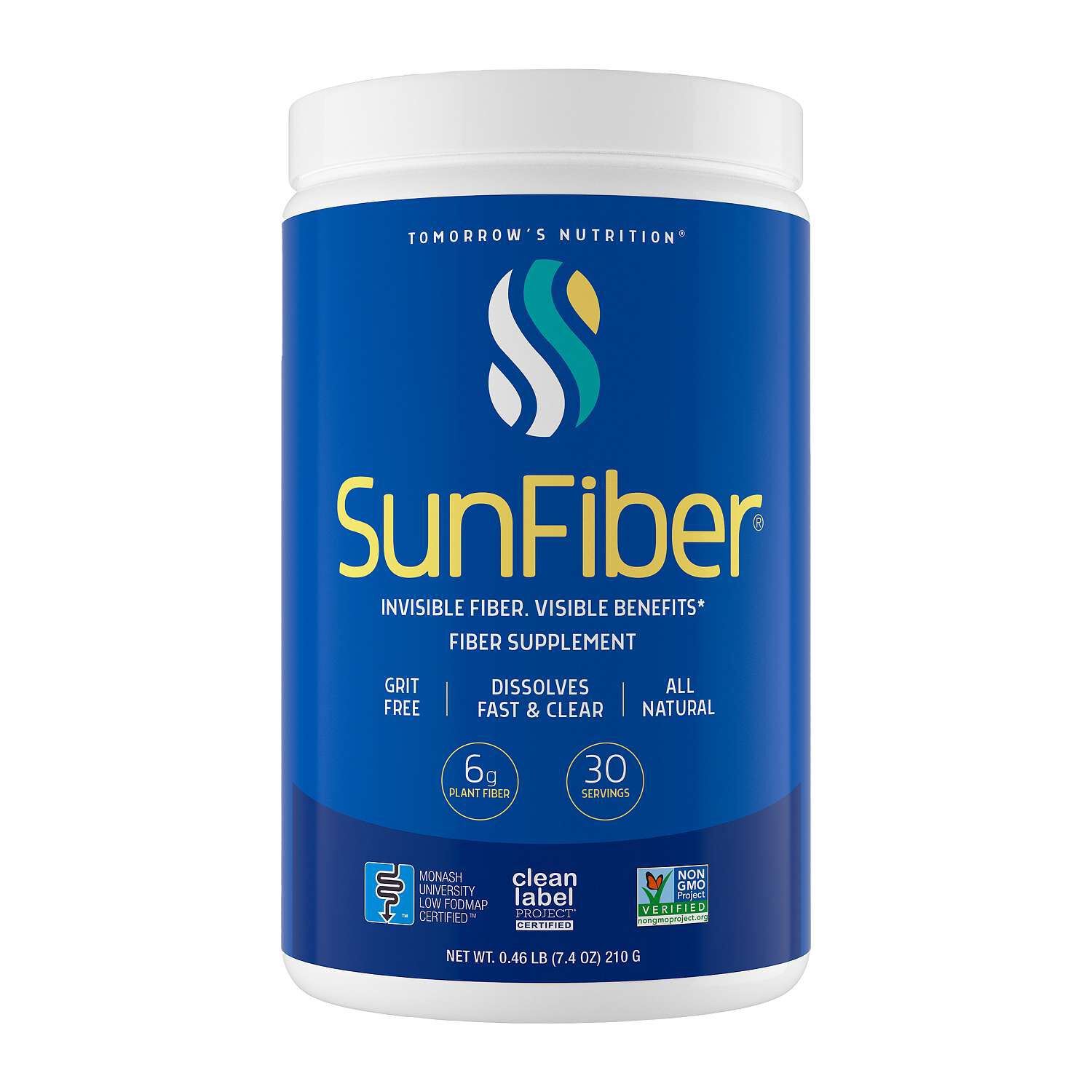
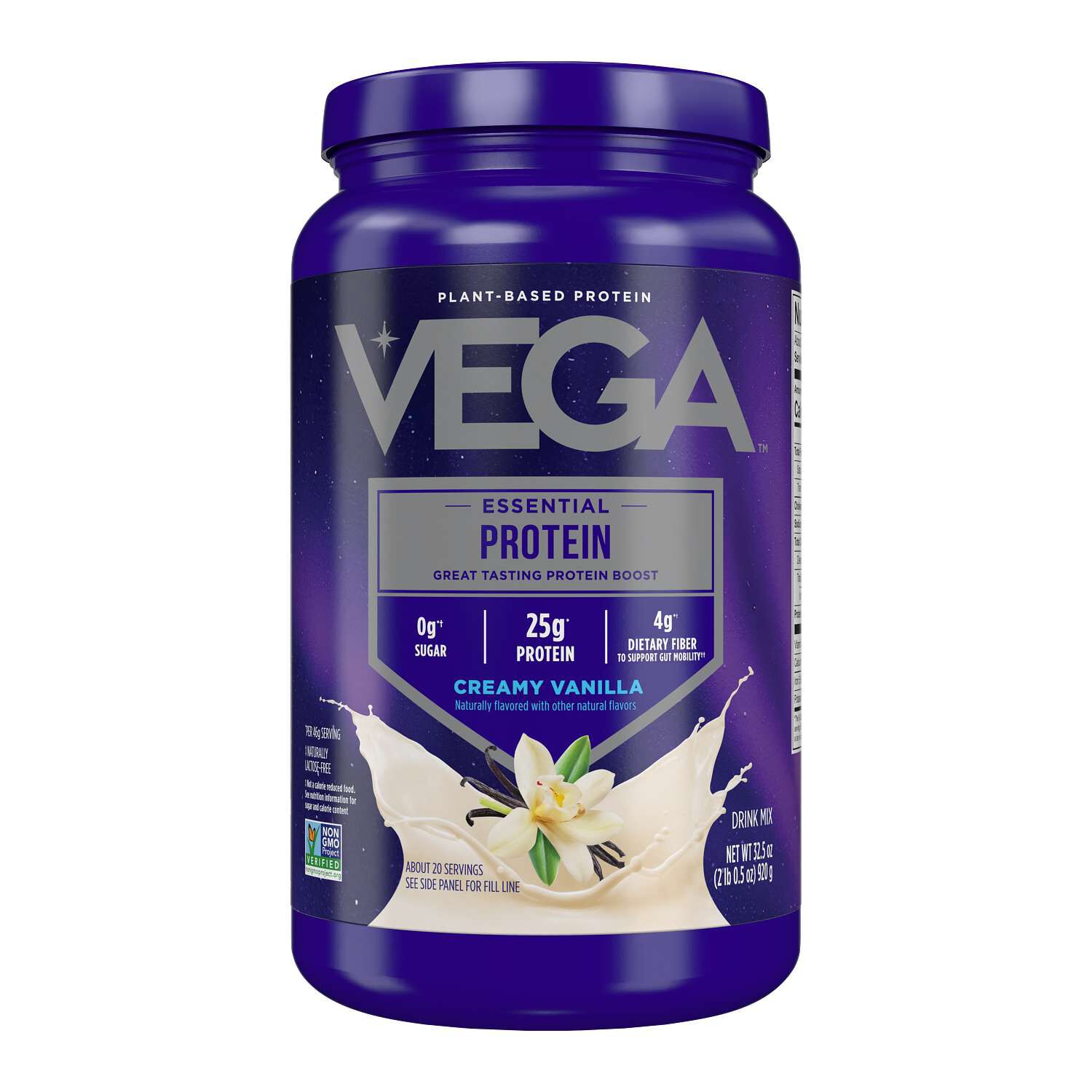
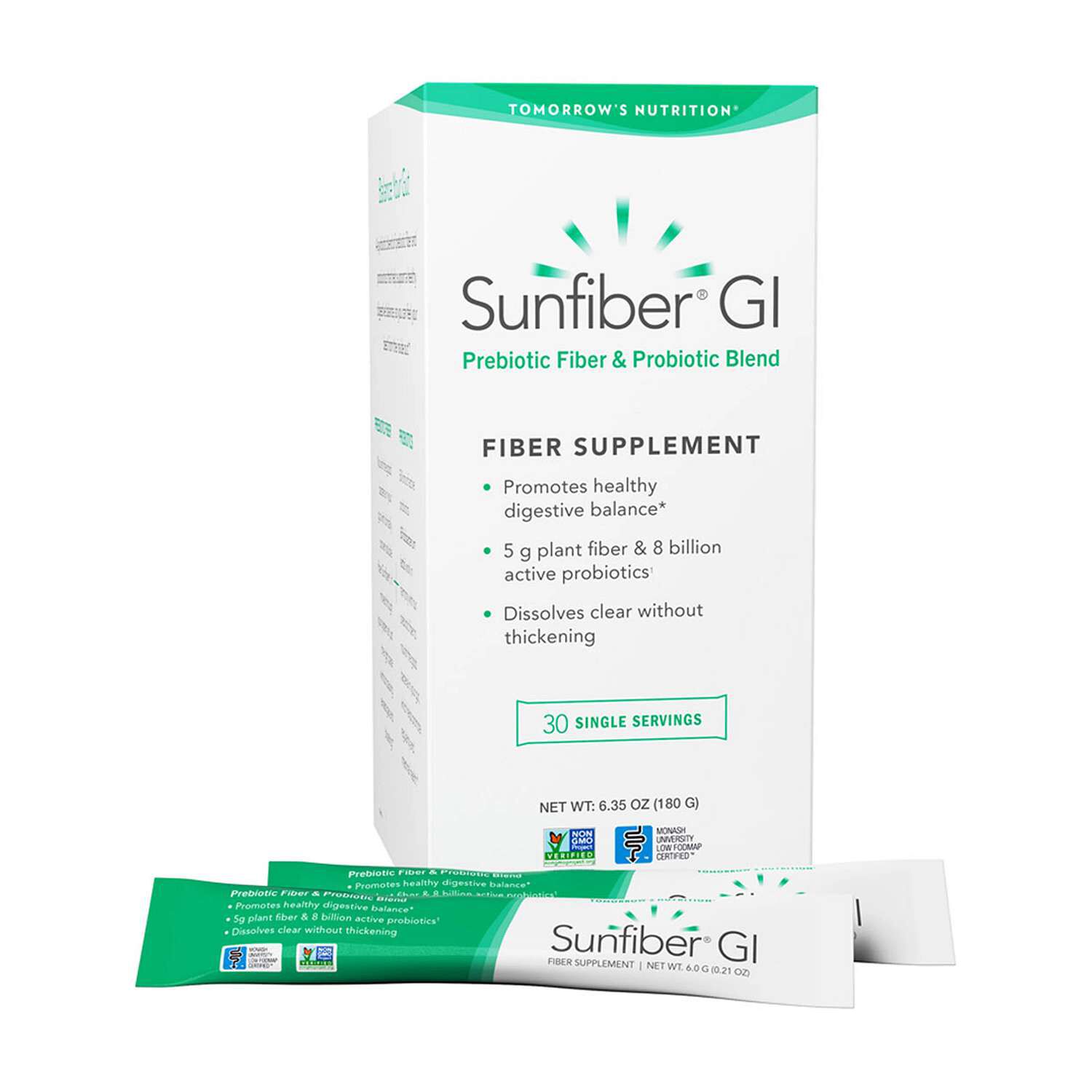


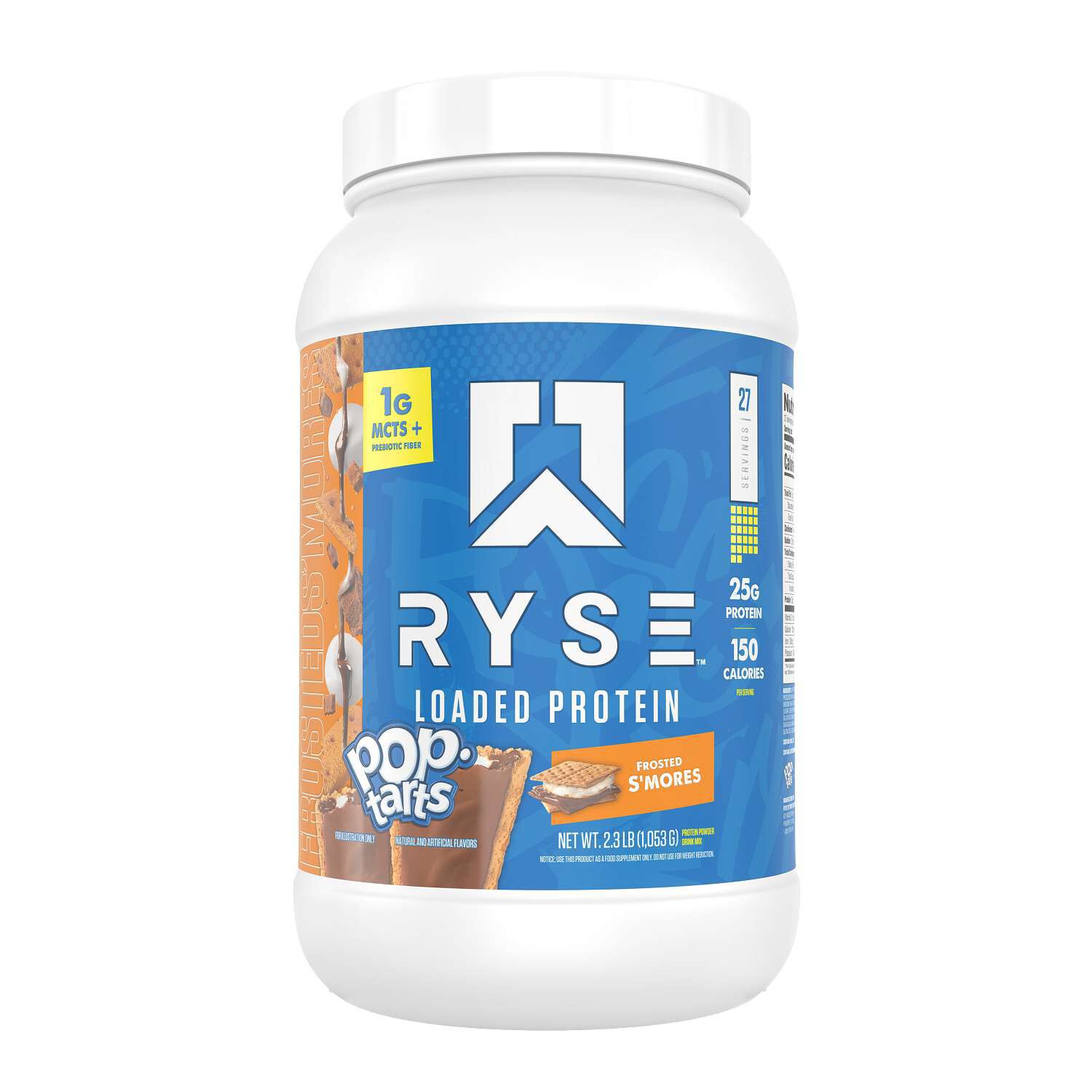
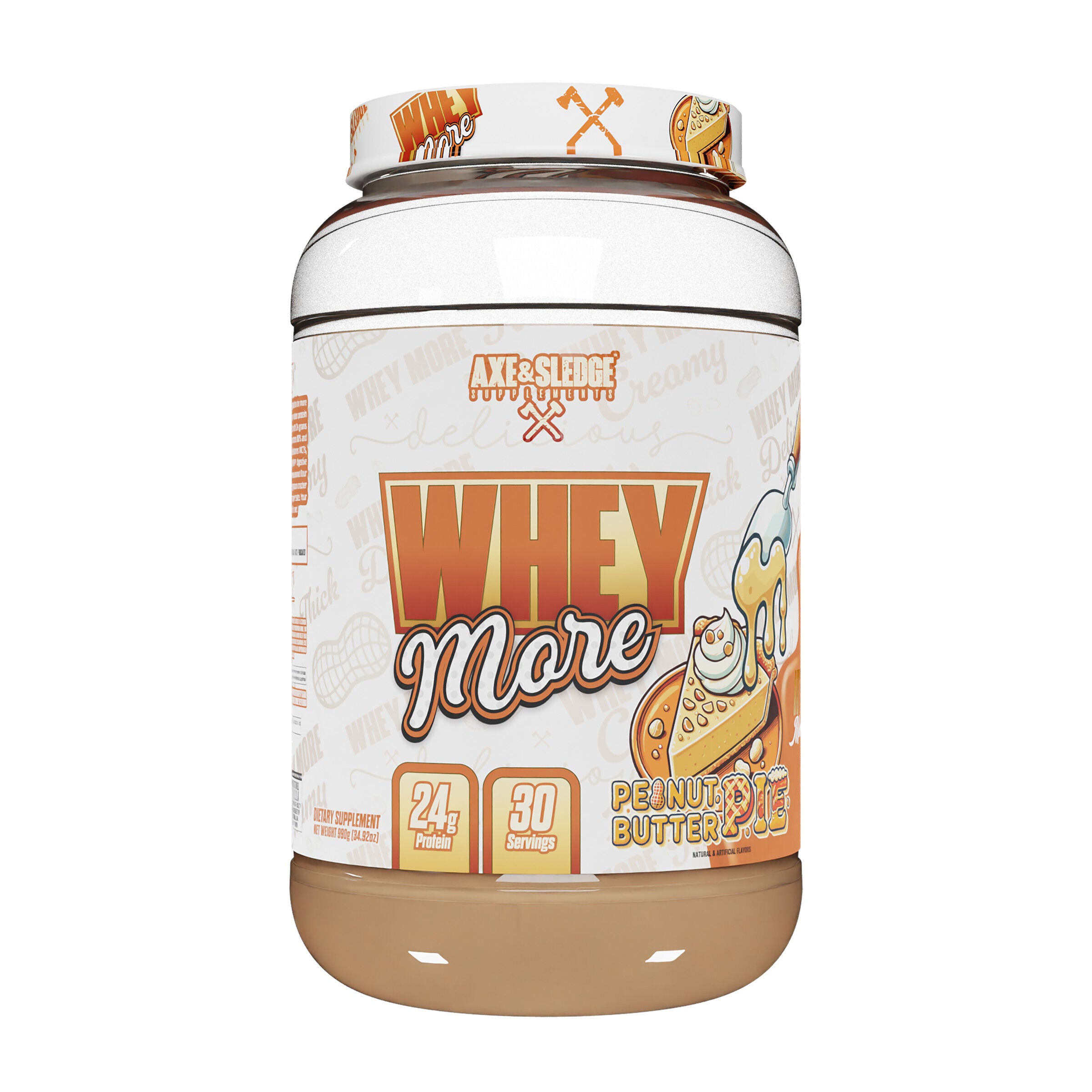


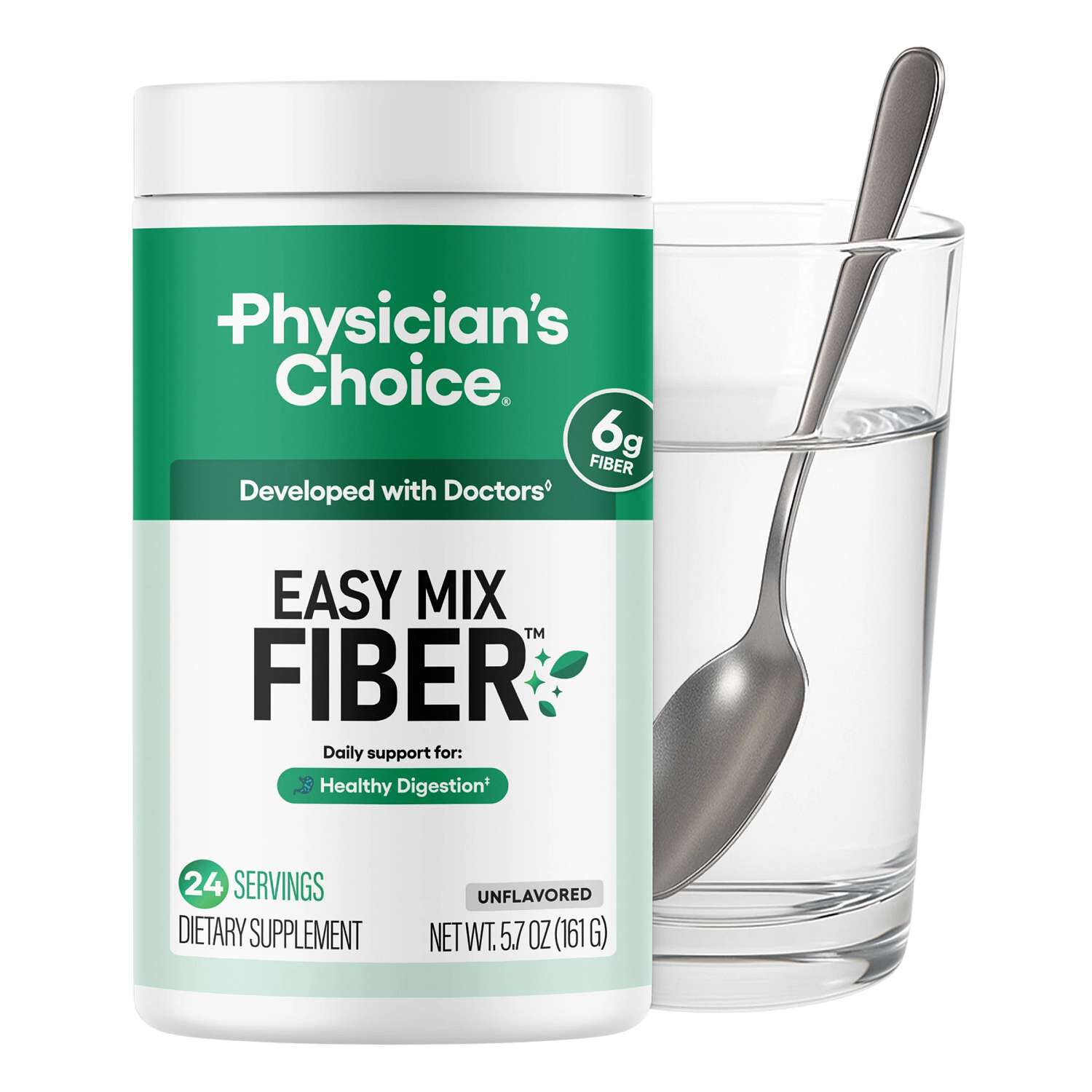


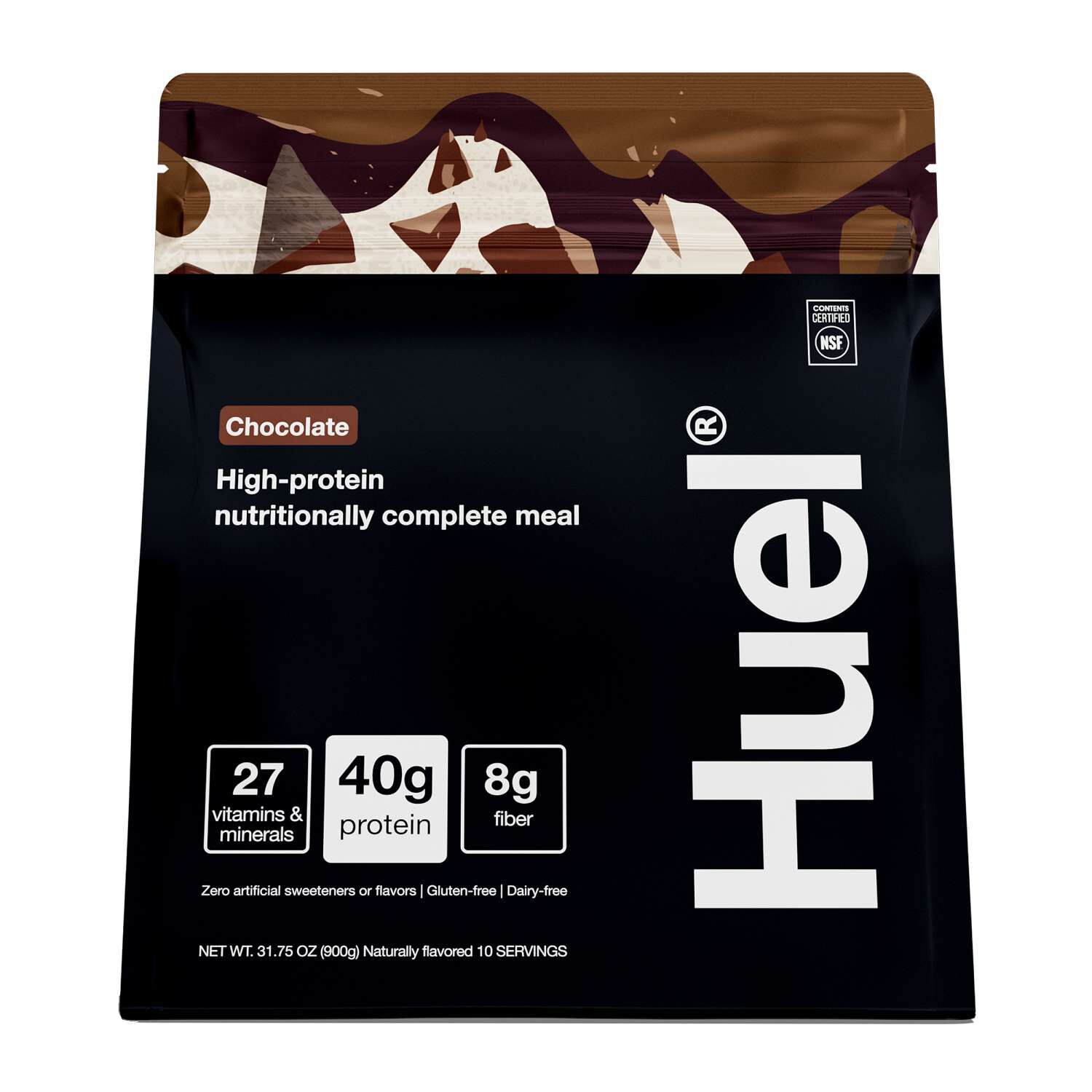


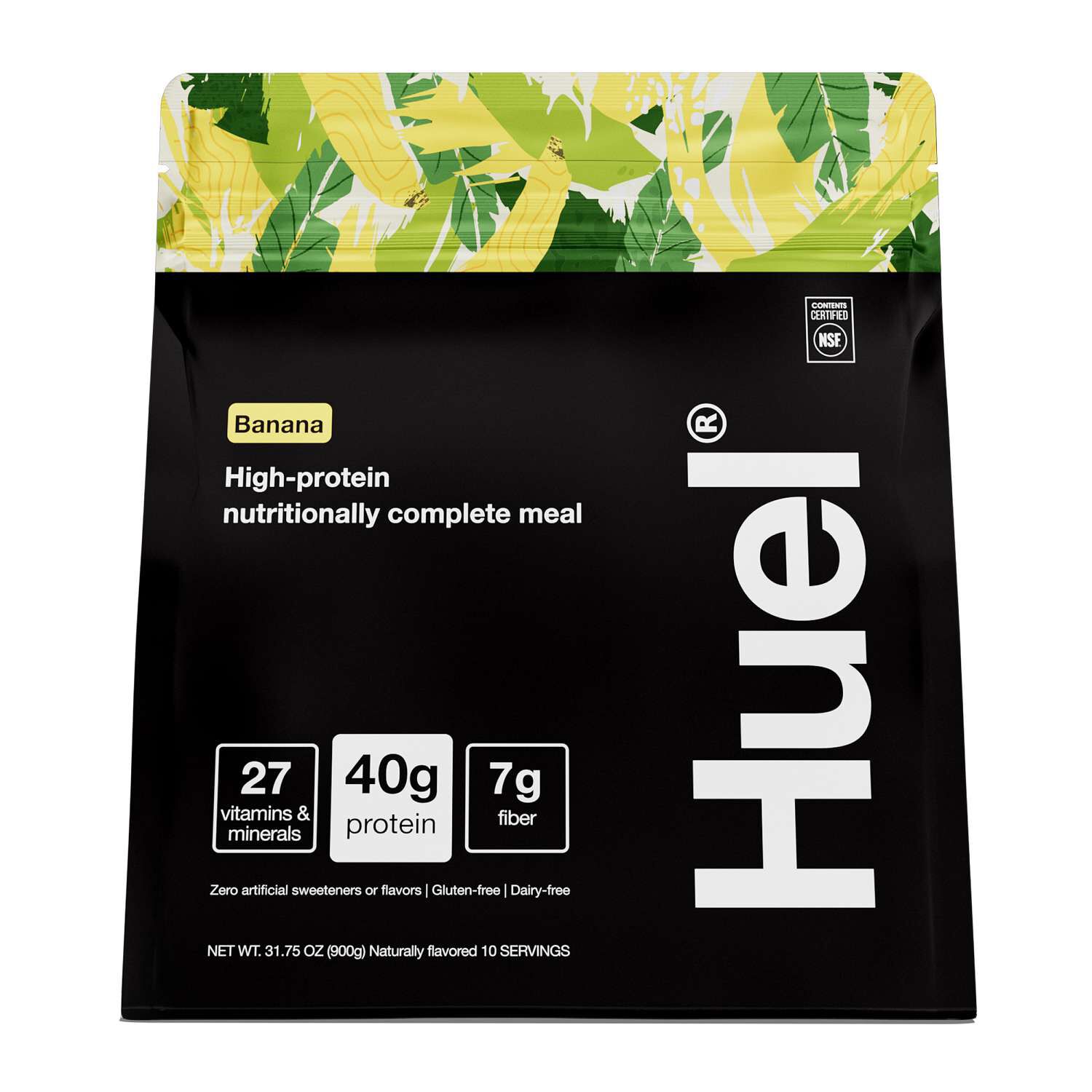
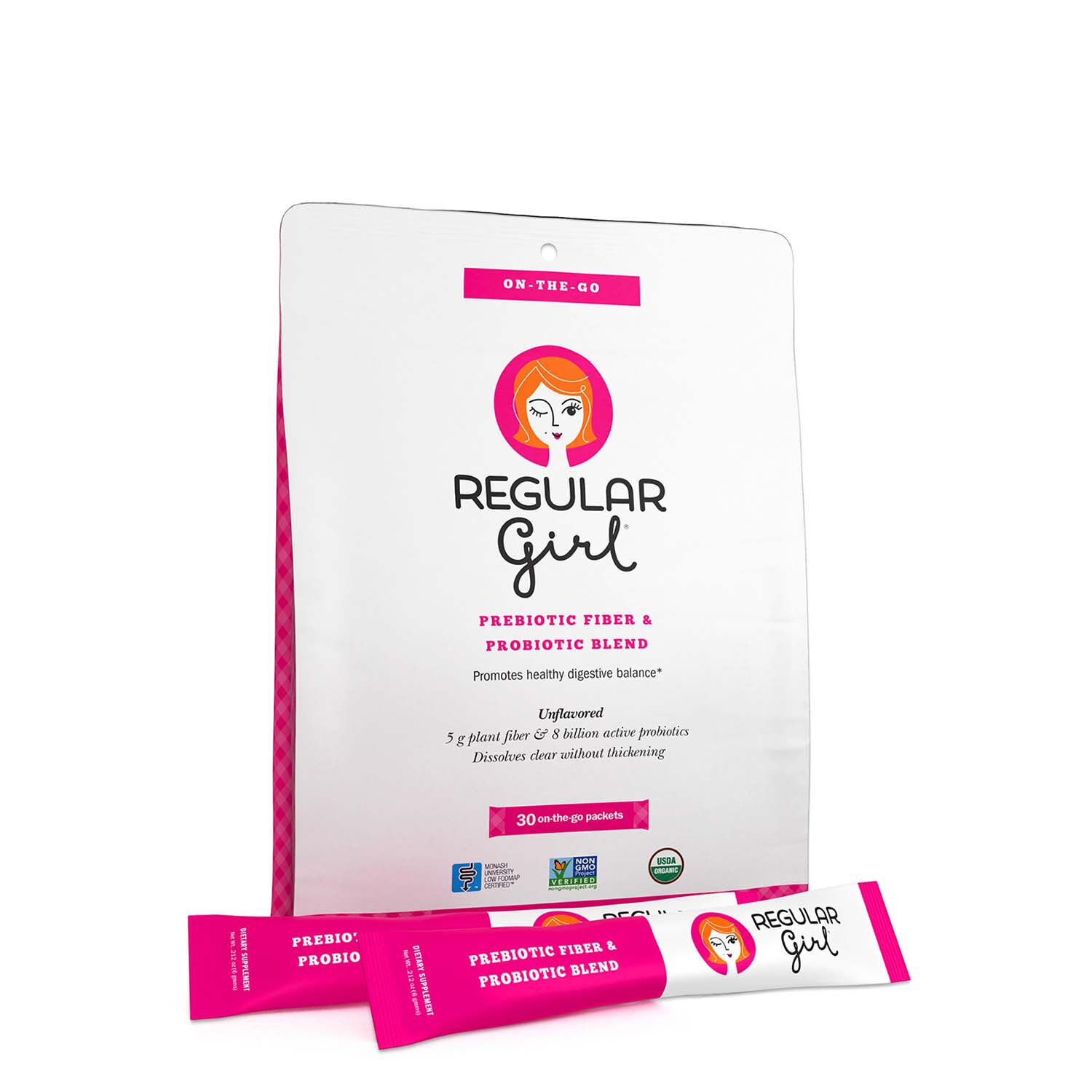
Fiber sports powders are powdered dietary supplements that bring fiber into the everyday routines of people who exercise, use sports nutrition products, or prefer a mixable format. The category includes standalone fiber formulas as well as blends that combine fiber with protein or other nutrition ingredients. That distinction matters: a fiber-focused powder and a protein powder with added fiber can occupy different places in a daily routine, even when both end up in a shaker bottle. Someone who already has a preferred protein shake might choose a separate fiber powder, while someone who values fewer containers might prefer a combined formula. Neither format is defined by its name alone; the ingredient list, serving size, and nutrition information describe what each serving contains. Common fiber sources include psyllium husk, inulin, acacia, and oat-derived ingredients, with some formulas using one source and others combining several. Soluble and insoluble describe different characteristics of dietary fiber, while prebiotic describes certain fibers that serve as food for microorganisms in the gut. Those terms are not interchangeable, and a powder’s exact composition depends on its ingredients. For shoppers comparing fiber sports powders, grams of dietary fiber per serving offer a more meaningful comparison than scoop size or container dimensions. A larger scoop can contain additional ingredients without necessarily providing more fiber. Protein, carbohydrate, sugar, and sodium amounts also help distinguish a simple fiber formula from a broader sports nutrition blend. Fiber powders may complement an eating pattern that includes foods such as beans, oats, vegetables, fruit, nuts, and seeds; they are not substitutes for the variety those foods provide. Their appeal is often practical rather than complicated: a measured powder format, a flavor that suits an existing shake, and preparation directions that fit an ordinary day. Recreational lifters, runners, cyclists, and people balancing gym visits with work schedules may all find that format worth considering, without treating fiber as a shortcut to athletic results.
Flavor and texture are central to how a fiber sports powder fits into everyday use. An unflavored formula has no intended flavor profile, but that does not necessarily mean it is undetectable in plain water. Ingredients can contribute their own taste, color, or mouthfeel, which may be less noticeable in a smoothie containing fruit or yogurt. Flavored powders have a more defined presence, so compatibility matters when a shake already contains cocoa, berries, coffee, or a flavored protein powder. A lightly flavored base and a strongly flavored blend create different drinking experiences, even when their fiber amounts are similar. Fiber source, particle size, serving size, and the amount of liquid all influence the finished mixture. Some preparations are relatively light, while others have a thicker, more textured consistency. Certain mixtures also become thicker as they stand, making the preparation directions particularly relevant for someone who mixes a drink at home before leaving for the gym. Directions on the package establish the intended liquid amount, mixing method, and timing; a shaker bottle and a countertop blender are not interchangeable for every formula or recipe. For a person making a shake between a morning workout and a commute, a straightforward mixing process may matter more than an elaborate ingredient blend. Someone who enjoys blending fruit and yogurt at home may place more value on how the powder fits the finished recipe. Formulas intended for use in foods offer another format to consider, but suitability for stirring into oats, yogurt, or other dishes depends on the label rather than the category name. Sweetener choice is another meaningful distinction, especially for shoppers with strong preferences about taste. Added sugars, sugar alcohols, and other sweeteners each belong in the ingredient comparison, along with flavorings and thickening agents. For dietary preferences or ingredient restrictions, the package’s ingredient statement, allergen information, and relevant certifications provide a firmer basis for selection than broad language on the front of the container. Plant-derived fiber does not by itself establish that every ingredient in a blended powder is plant-based.
The most useful comparison between fiber sports powders connects their composition with their intended role. A standalone formula puts the emphasis on dietary fiber, whereas a protein-and-fiber blend also requires a closer look at the protein source and amount. Dairy-derived proteins and plant-derived proteins bring different ingredient profiles, and neither the word “sports” nor a large serving size explains those differences. Likewise, a blend containing enzymes is not simply another name for a fiber powder. Enzymes and dietary fiber are distinct ingredient categories, and their presence should be evaluated separately on the label. Shoppers interested in that neighboring category can explore Fiber And Enzyme Powders when comparing formula types. Beyond composition, packaging affects the daily experience of using a powder. A resealable pouch takes up space differently than a rigid tub, while individually portioned formats involve different preparation and carrying considerations. A container kept beside a home blender serves a different routine from one carried in a gym bag, where secure closure and protection from moisture matter. The product’s storage directions determine the appropriate conditions, and keeping the original label with the powder preserves access to serving instructions, ingredient details, and date information. A clean, dry scoop and a properly closed container are practical parts of routine care. Moisture introduced during handling can affect texture and make measuring less consistent. Serving size deserves attention here as well: directions may specify a measured weight, a scoop, or another defined amount, and scoops from different containers are not equivalent. Preparation and use belong within the directions for the particular formula, rather than assumptions based on another powder. For many shoppers, the strongest fit is a formula whose fiber amount, ingredient profile, flavor, texture, and packaging align with habits they already have. That might mean a separate powder alongside an established sports nutrition routine or a combined blend for a familiar shake. The category offers different approaches to the same practical preference: dietary fiber in a powdered format that may fit an active lifestyle.
Best Sellers


Related Pages

Top Collections
- Top Rated Collagen | Shop Customer Favorites | GNC
- Cortisol Supplements
- Vitamins For Hair Loss
- NAD+ Supplement Tablets
- Peptide Supplements
- Best Brand of Magnesium Glycinate
- Vitamins That Help Support Weight Gain
- Protein Powders For Muscle Growth Support
- Spirulina Tablets
- Peptide Supplements for Muscle Growth