High Fiber Powders
(0 Results)
Looking to boost your daily fiber intake and support your digestive health? Our selection of high fiber powders is here to help you meet your dietary goals with ease. Packed with a blend of soluble and insoluble fiber, these powders are a convenient way to add extra fiber to your diet without compromising on taste or quality. Whether you're looking to promote regularity, feel fuller longer, or simply enhance your overall well-being, our high fiber powders offer a simple solution for a healthier lifestyle.
-
 209$34.99
-
-
-

-

-
-

-
-

-
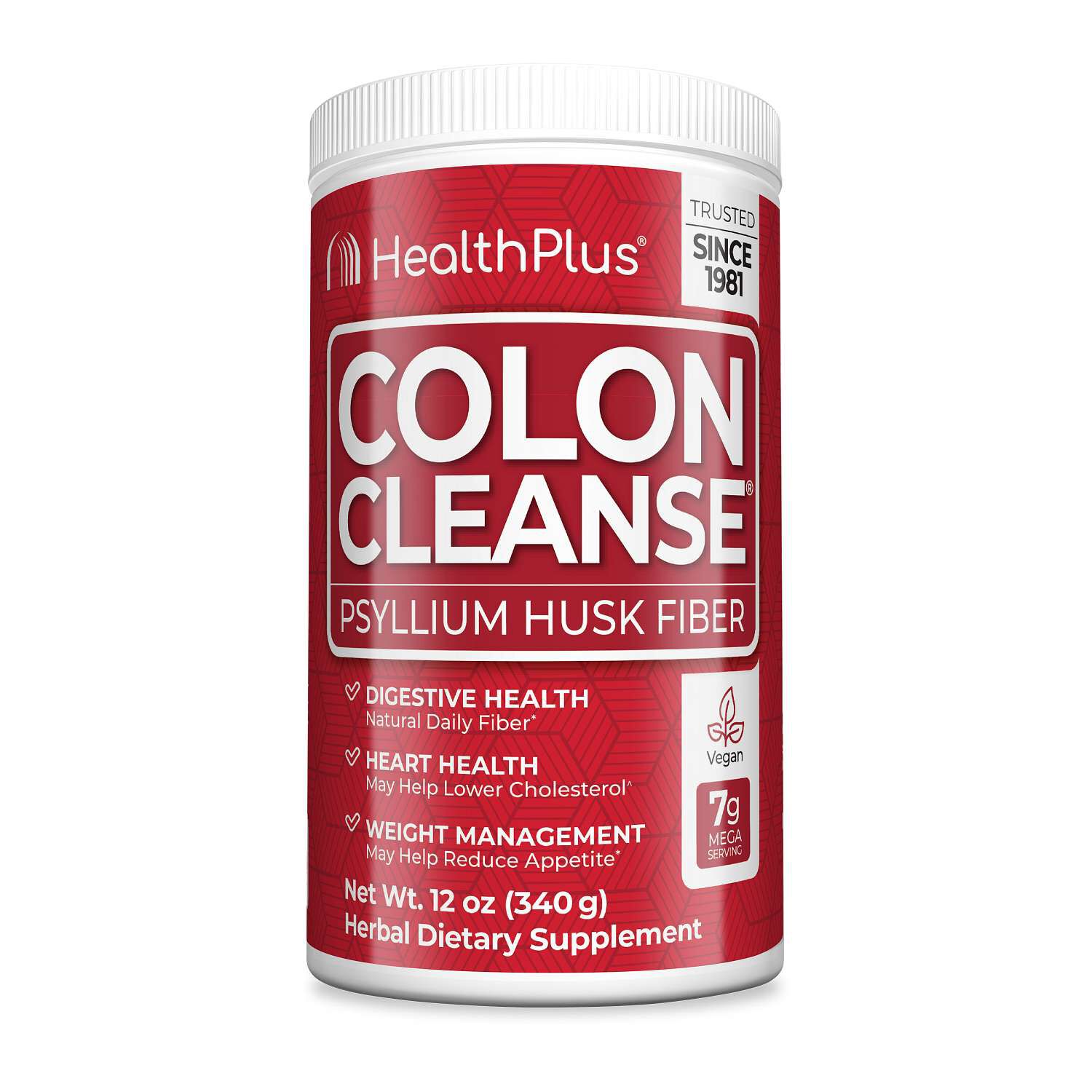
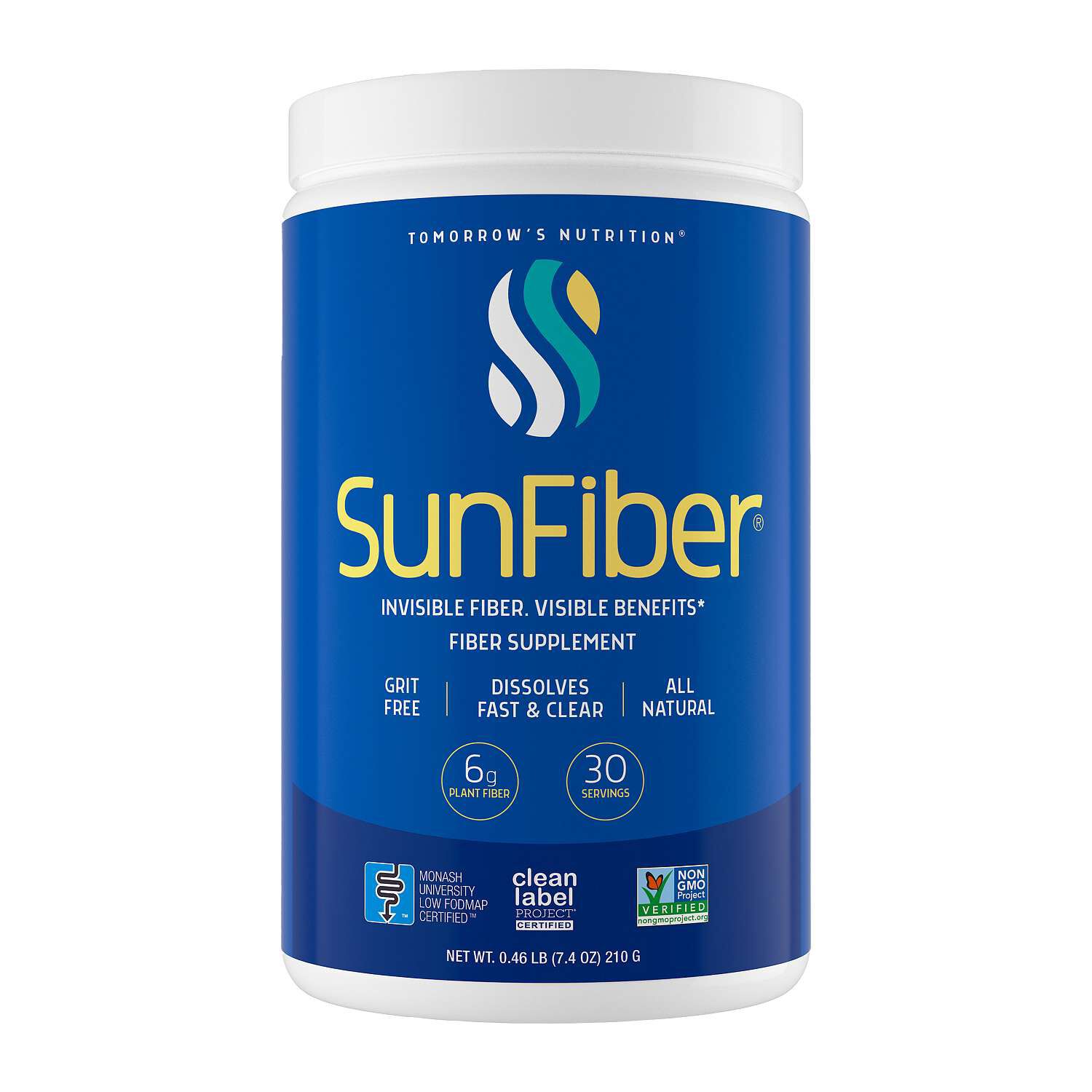
High fiber powders are concentrated sources of dietary fiber designed to be measured and mixed into beverages or foods according to their package directions. They offer a different format from capsules, chewables, and ready-to-eat foods, with serving sizes and preparation methods that vary by formula. Dietary fiber is a carbohydrate found in plant foods that the body does not fully digest, and powder formulas can contain one fiber source or a blend of several. Common ingredients include psyllium husk, wheat dextrin, inulin, and acacia fiber. Psyllium comes from the husks of plant seeds and contains both soluble and insoluble fiber. Inulin is often sourced from chicory root, while acacia fiber comes from the gum of the acacia tree. Wheat dextrin is a wheat-derived ingredient used in some soluble fiber formulas. Soluble and insoluble describe how different fibers interact with water: soluble fiber dissolves in water, while insoluble fiber does not. That distinction is useful background, but it does not tell the whole story of how a particular powder will look or feel in a glass. Some soluble fibers may create a thicker mixture, while others may blend with less noticeable texture. The fiber source, the amount used, and the rest of the ingredient list all matter. For shoppers comparing high fiber powder supplements, the most useful starting point is the amount of dietary fiber listed per serving, rather than the size of the container or scoop. A larger scoop is not necessarily a higher-fiber serving, because flavorings and other ingredients also contribute to its weight. The nutrition or supplement facts panel provides a more precise comparison, including the serving size, fiber amount, and any other listed nutrients. These powders are intended to accompany everyday eating patterns, not stand in for the variety of ingredients and textures found in beans, vegetables, fruit, and whole grains.
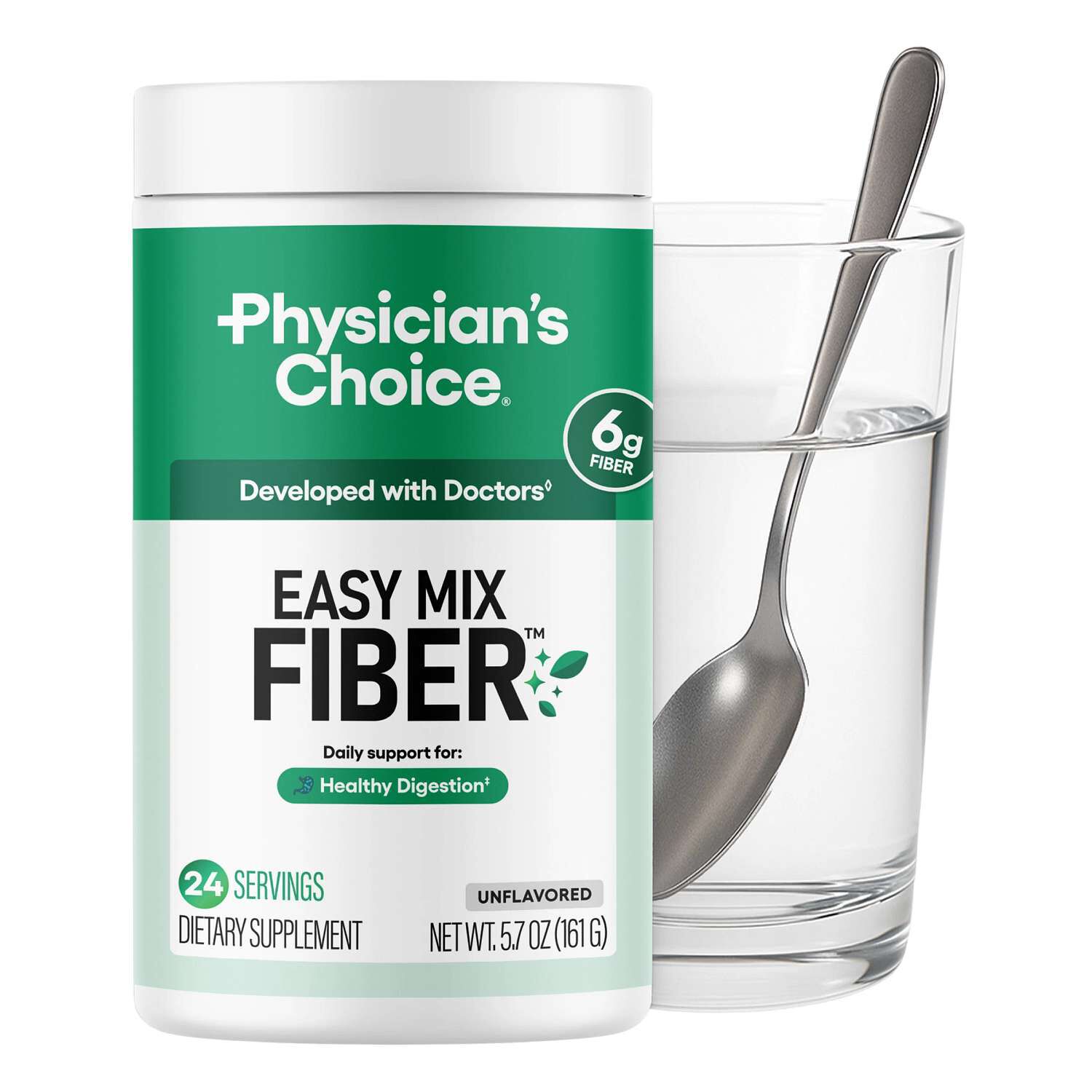
Taste and texture often determine whether a fiber powder fits naturally into an existing routine. An unflavored powder may suit someone who wants to use the same formula in more than one setting, such as a breakfast smoothie one day and a serving of yogurt another, when those uses match the package directions. Unflavored does not necessarily mean undetectable: the source ingredient may contribute a mild earthy note, a subtle sweetness, or a slightly grainy texture. Flavored fiber powders offer a different approach, with a more defined taste intended for a particular beverage preparation. Someone who prefers a simple drink mixed with water may value that predictability, while a shopper who already uses a strongly flavored smoothie recipe may prefer a less prominent flavor. Sweeteners deserve a close look, too. Formulas can differ in their use of sugar, sugar substitutes, and other ingredients that shape sweetness and mouthfeel. Reading the entire ingredient list is more informative than relying on a front-label description alone, particularly when shopping around personal dietary preferences or ingredient exclusions. Preparation details are equally important. Psyllium-based powders may thicken after mixing, so their directions can differ from those of a powder intended to dissolve with little change in consistency. The specified liquid amount, mixing method, and timing are part of the intended use, not interchangeable details. A spoon, shaker bottle, or blender may be appropriate depending on the formula; the label determines which approach to use. For a breakfast made in a blender, a powder intended for that preparation may fit into the same process as fruit, oats, or yogurt. For a drink prepared at a desk, a formula with straightforward stirring directions may be a more practical match. These ordinary details matter more than an elaborate routine. Matching the format to the way food and drinks are already prepared may make a fiber powder a more convenient part of the day without requiring a separate recipe or an unfamiliar preparation method.
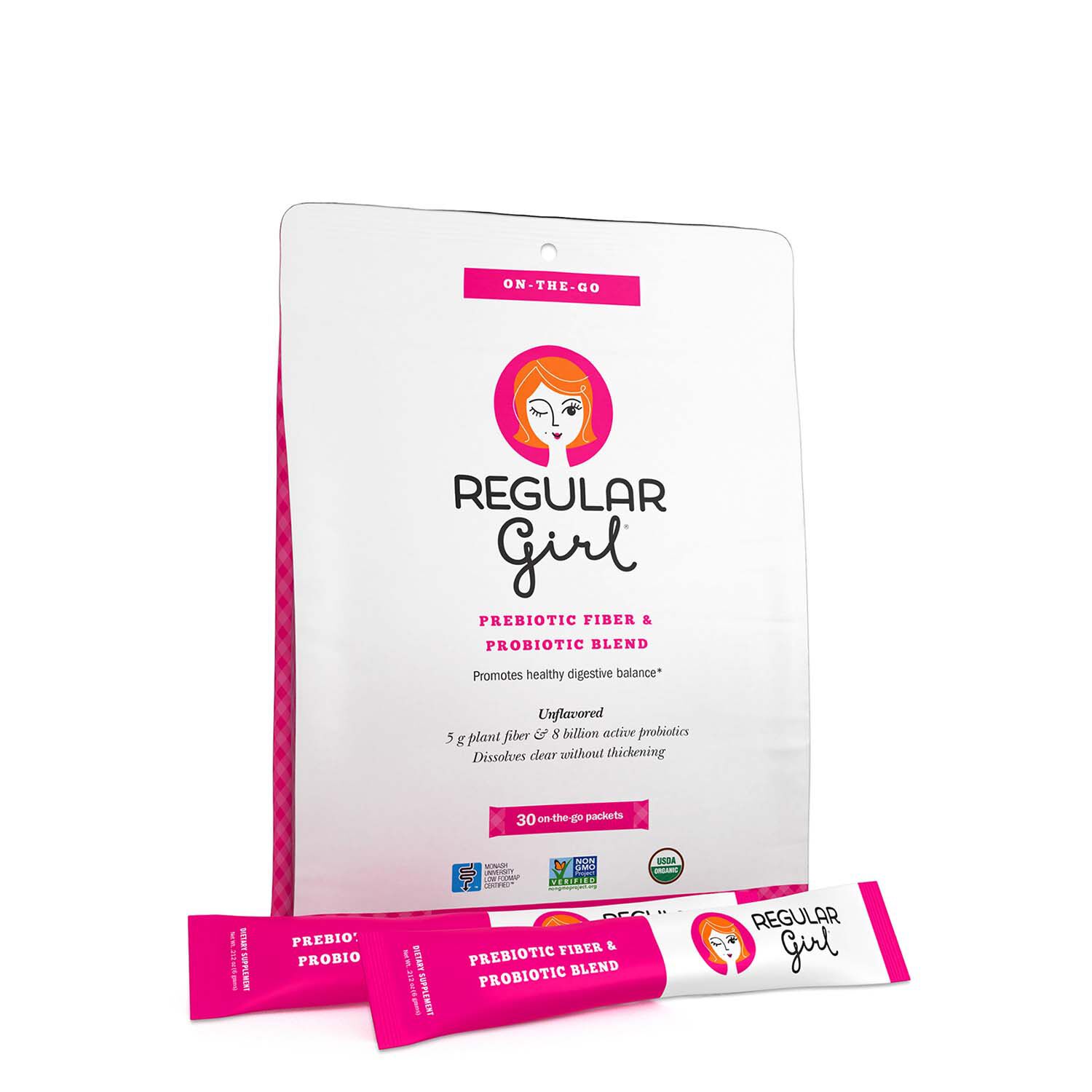
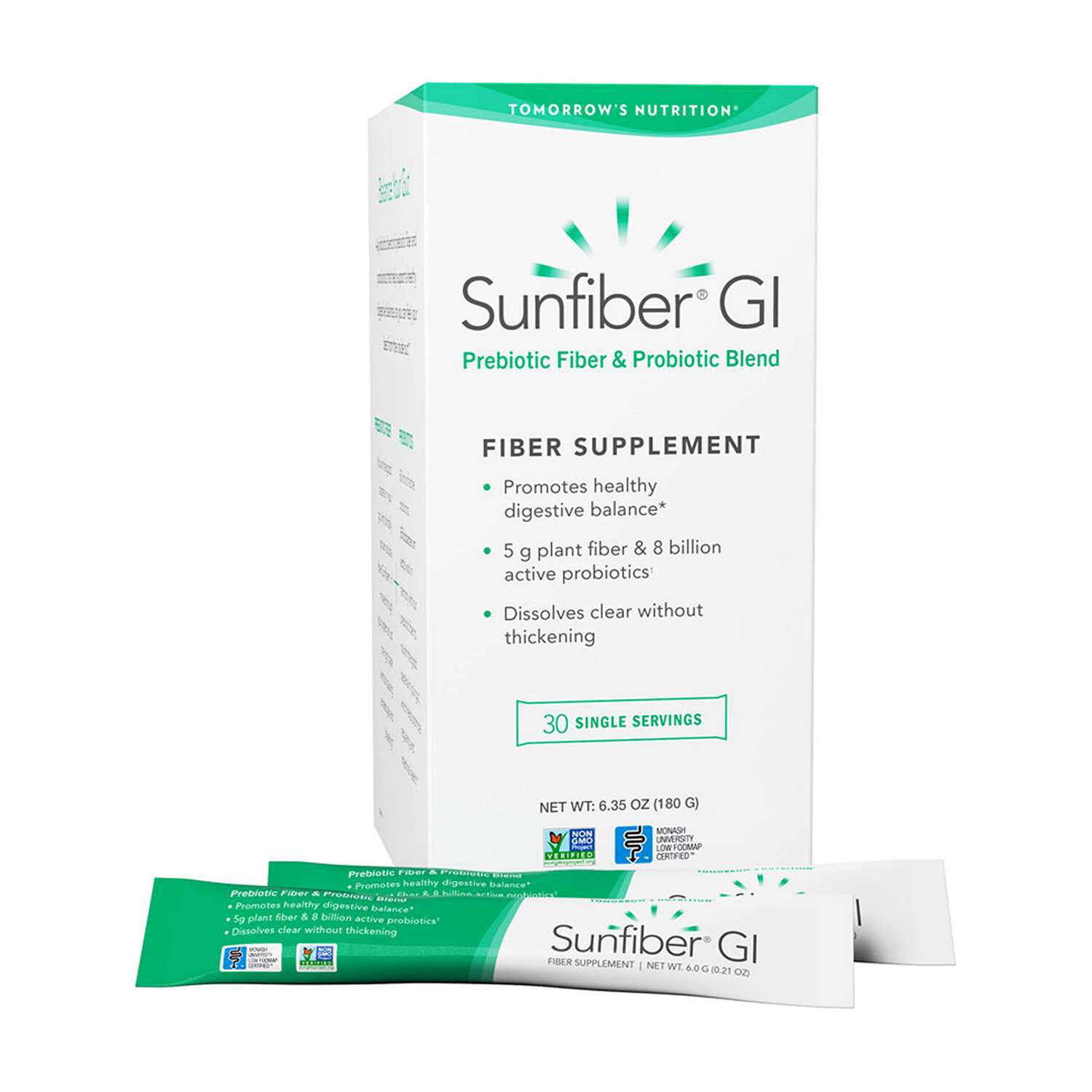
Packaging, storage, and serving measurements round out the comparison between high fiber powders. A resealable pouch and a lidded tub serve the same broad purpose, but their shapes, closures, and measuring arrangements can feel different in everyday use. A wide opening may make a scoop easier to reach, while a compact package may fit more neatly beside breakfast ingredients in a kitchen cabinet. Individually portioned packets offer another format for shoppers who prefer a measured serving to carry in a work bag, provided the required beverage and mixing tools are also on hand. Container weight alone does not show how long a package will last; the labeled number of servings is the better reference for comparing formats. When a scoop is included, its directions matter, because a heaping measure is different from the specified amount. A household spoon is not automatically equivalent to the supplied measure. Keeping the closure secure and using a clean, dry utensil may help limit moisture exposure and clumping. Storage instructions and the date printed on the package remain the appropriate references for care, and powder should stay in its original labeled packaging whenever practical so that ingredient and preparation information remains accessible. Beyond packaging, consider whether the formula contains fiber alone or combines fiber with additional ingredients. Products labeled with prebiotic fiber, for example, may use ingredients such as inulin or acacia, but that wording does not identify a single fiber source or serving amount. Enzymes are a separate ingredient category rather than another name for fiber. Shoppers comparing these formula types can also explore Fiber And Enzyme Powders and check each label for its specific composition and intended preparation. For everyday selection, a clear ingredient list, a suitable flavor, manageable mixing directions, and an understandable serving measure provide a grounded way to compare options. The most practical choice is one whose characteristics match the intended use, whether that means a measured addition to breakfast or a beverage prepared exactly as directed.
Best Sellers
-
Tomorrow's Nutrition
-
 Physician's Choice
-
Tomorrow's Nutrition