





Low Carb Fiber Powders
(0 Results)
Low carb fiber powders offer a convenient way to support dietary needs while maintaining a low carbohydrate intake. These versatile powders can be seamlessly incorporated into various meals and beverages, providing an excellent option for those looking to balance their nutrition goals. Whether you're aiming to support digestive health or simply want to add more fiber to your diet without the extra carbs, low carb fiber powders could be an ideal addition to your pantry. Explore a variety of options that may fit effortlessly into your lifestyle and help you maintain your nutritional balance.
-
-

-
 209$34.99
-
-

-
-

-

-
-
-

-

-

-
-
-
-
-
-

-
 Portions Master$49.99
-
 Portions Master$49.99
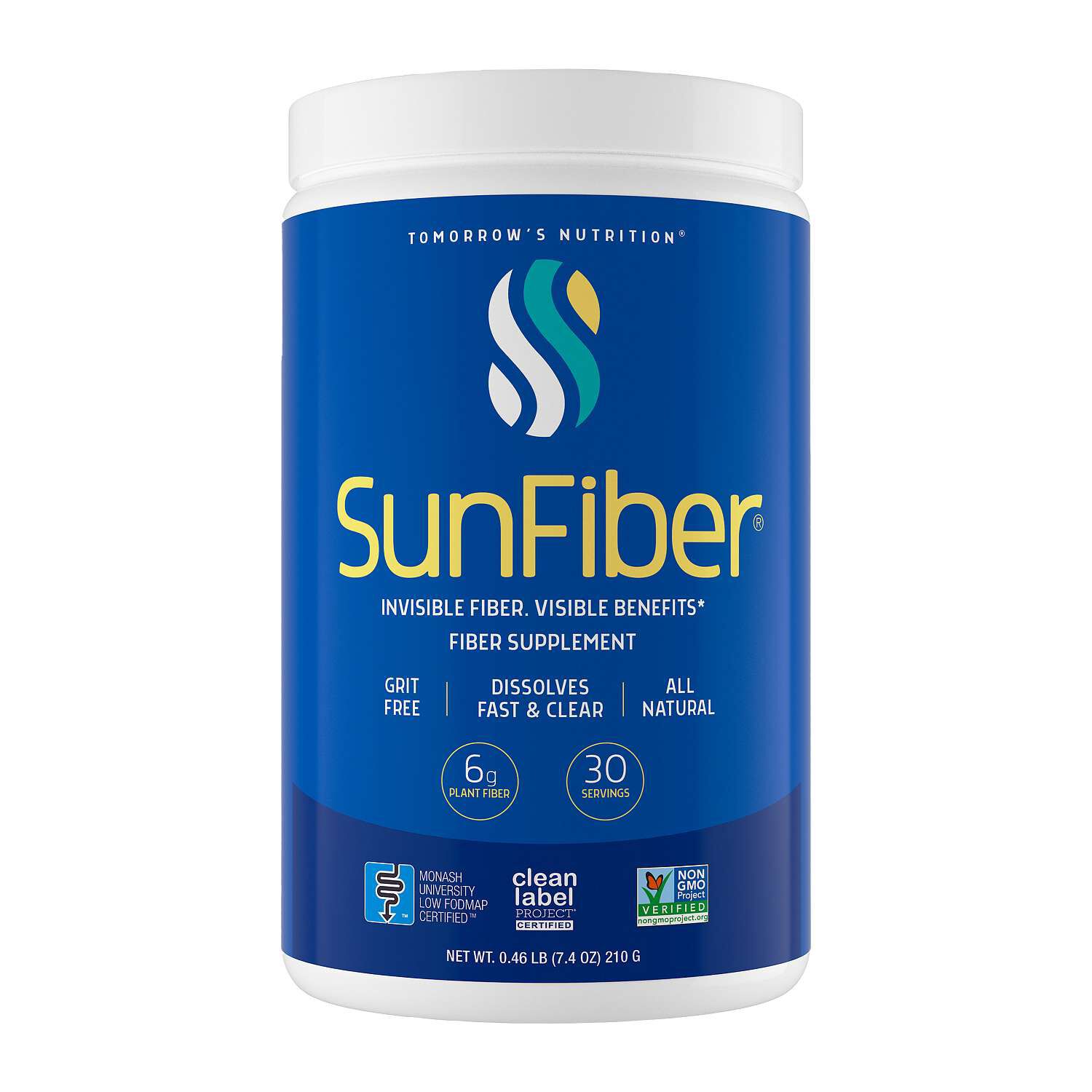
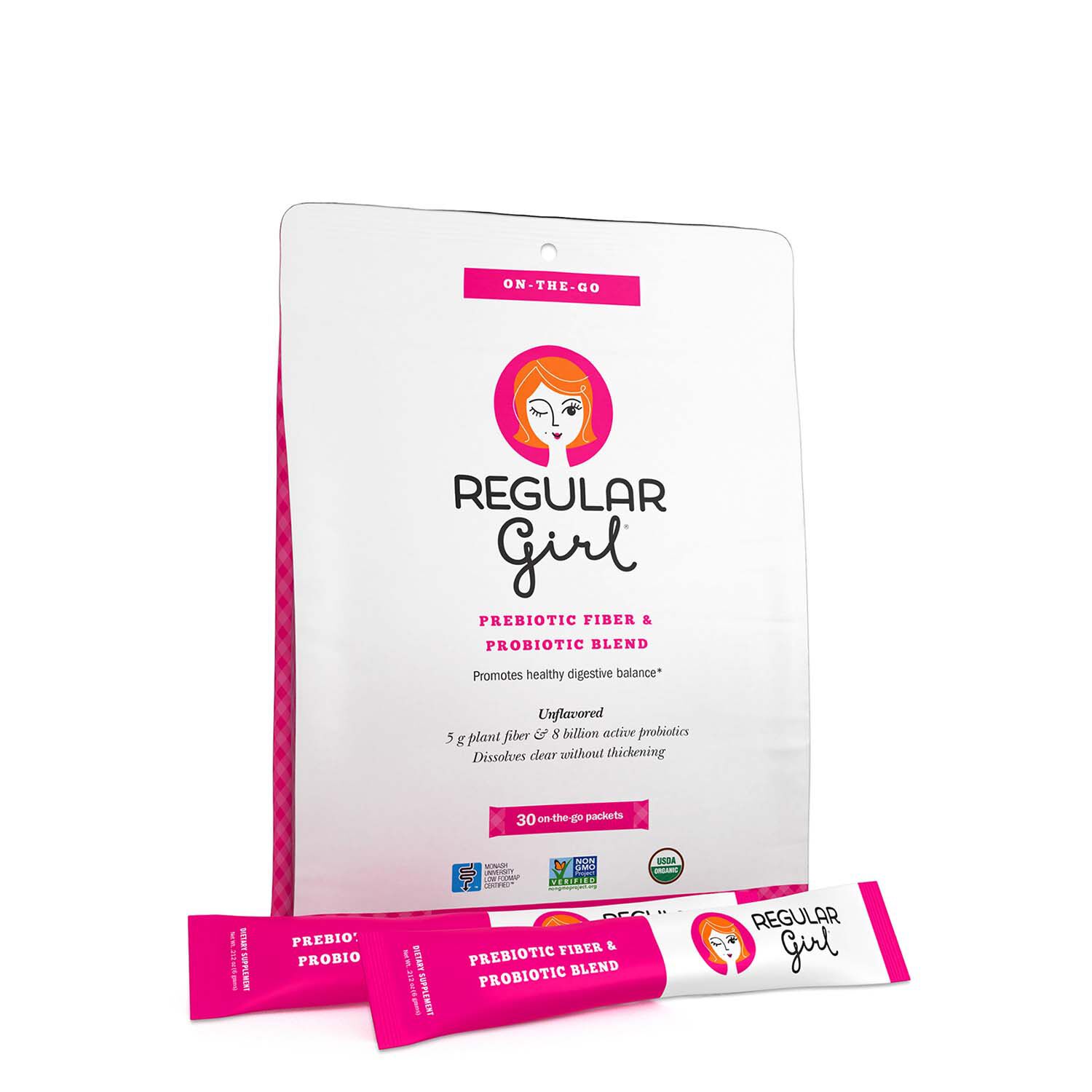
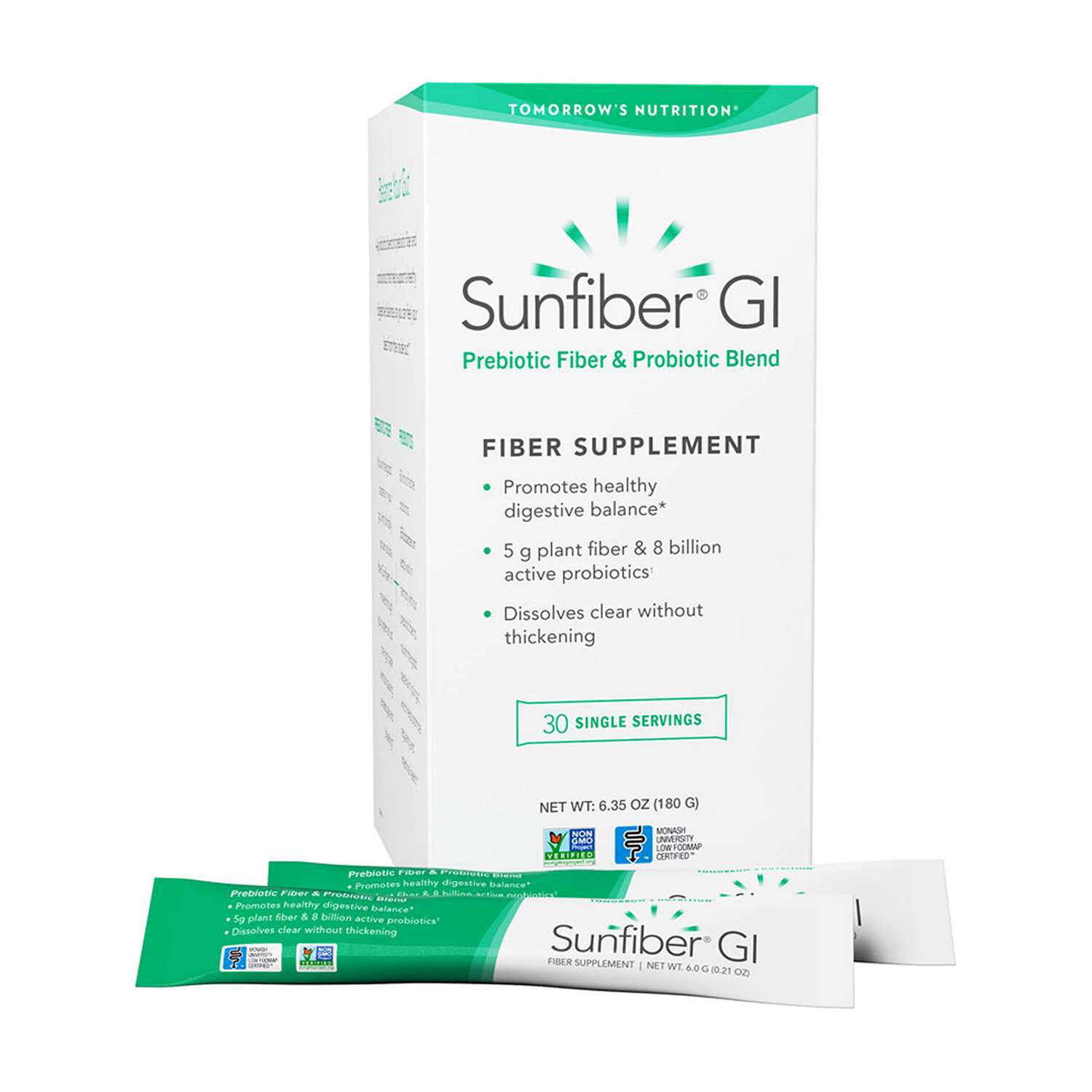
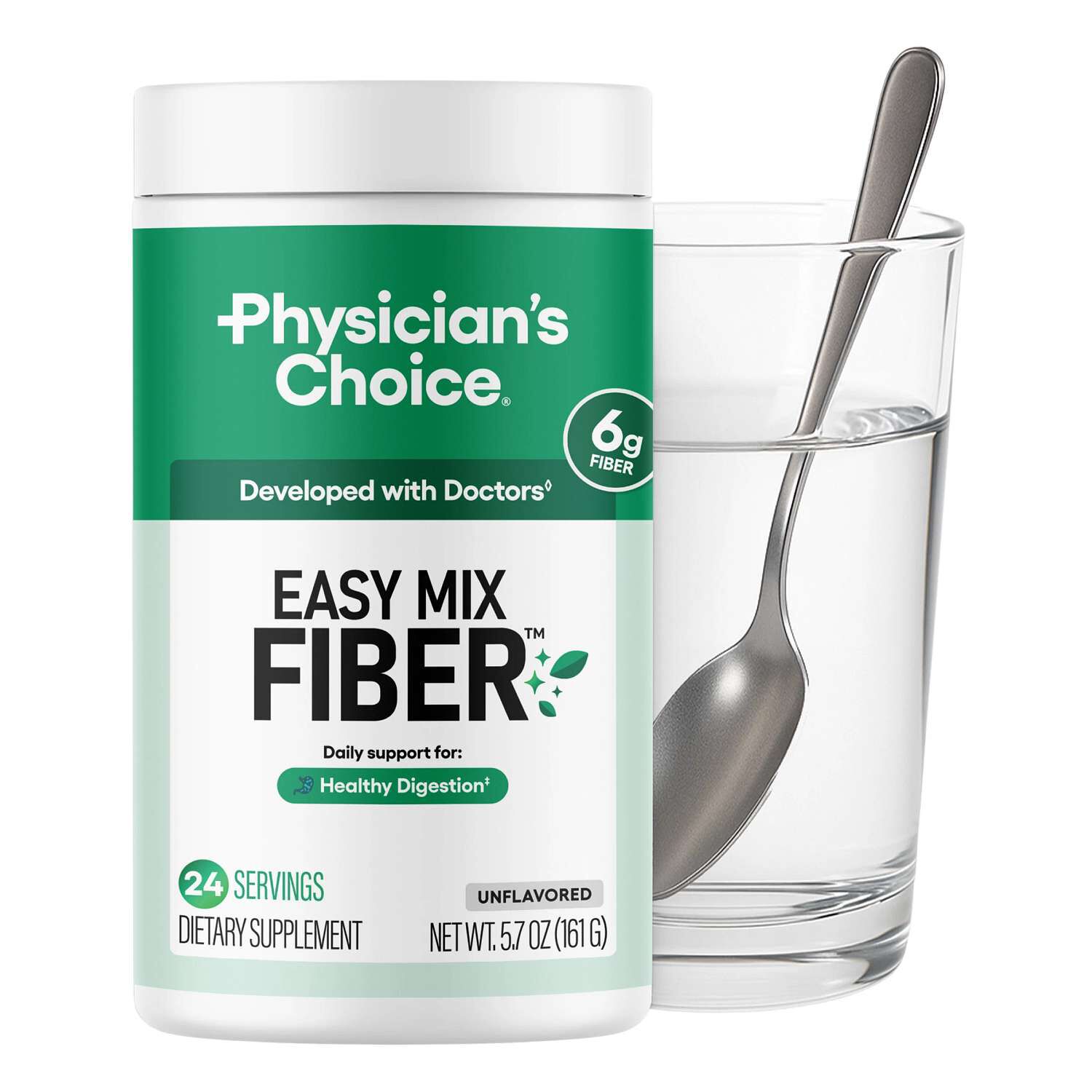
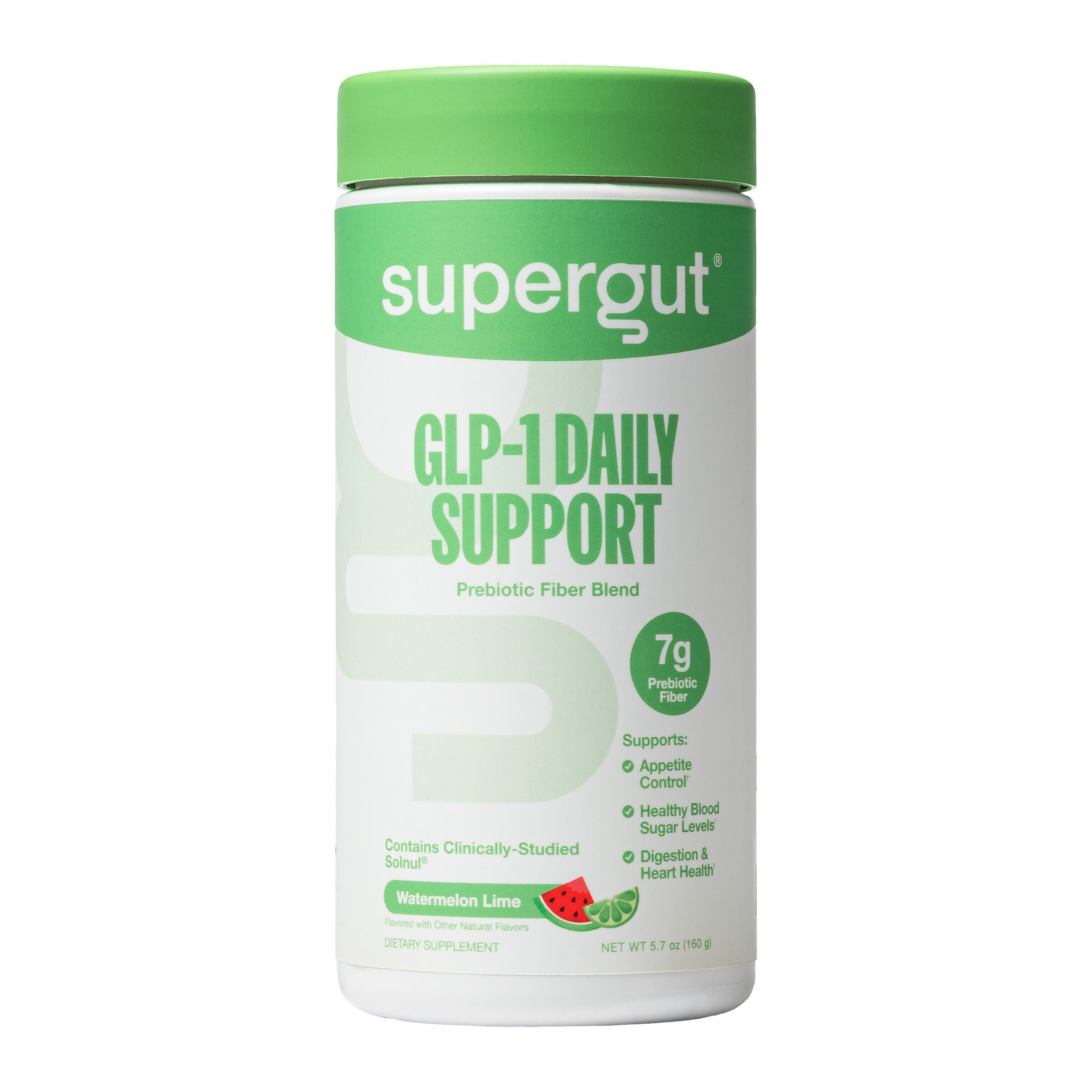
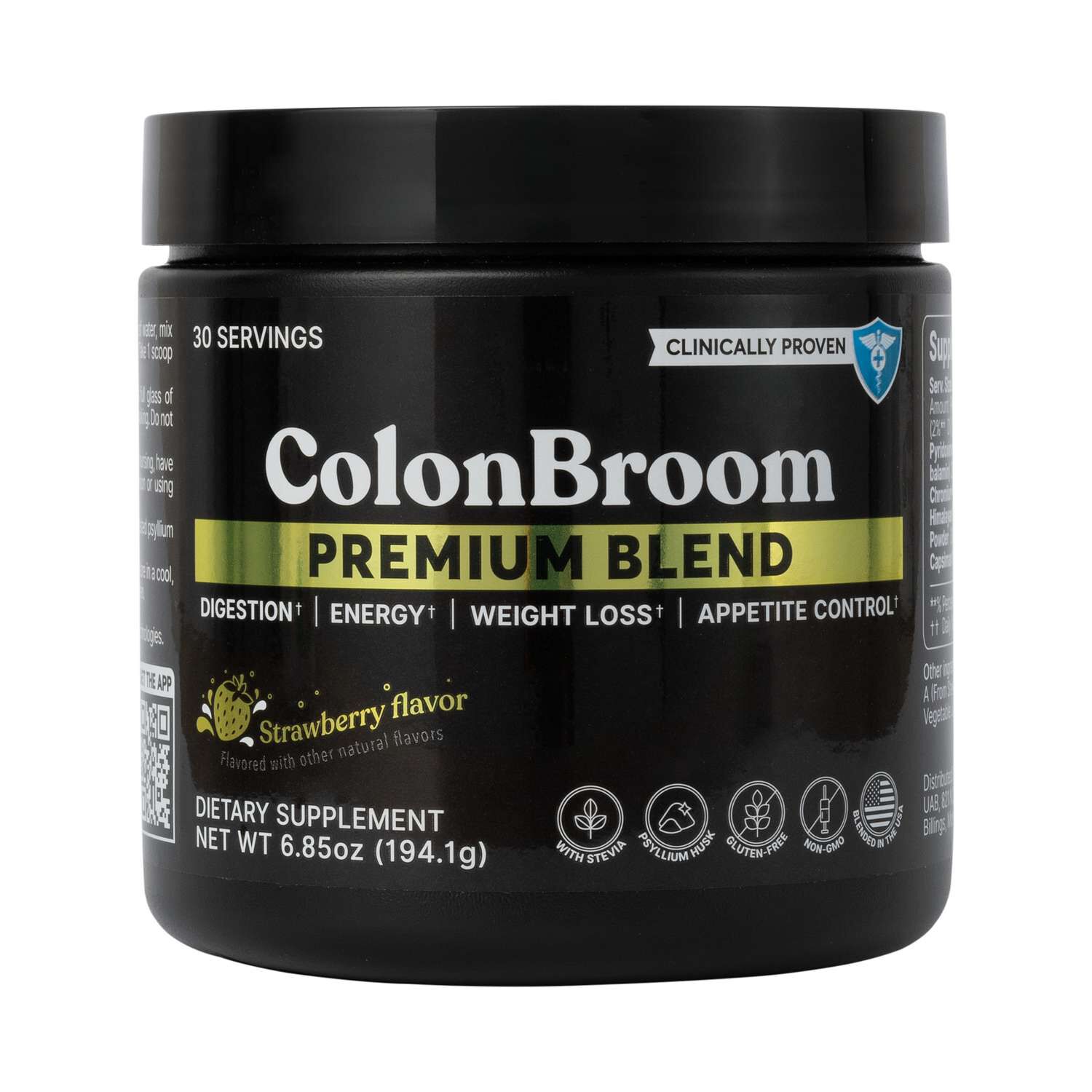
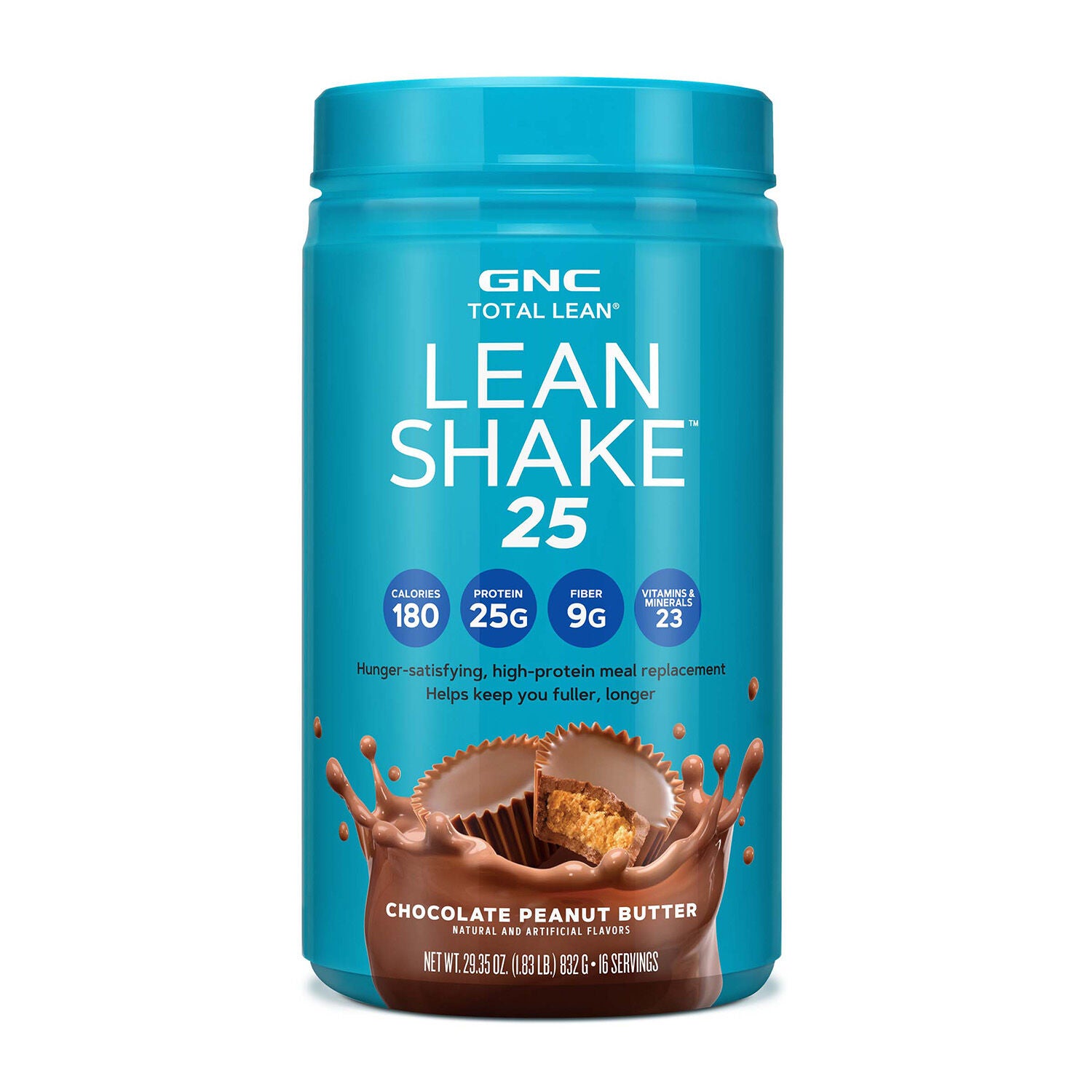
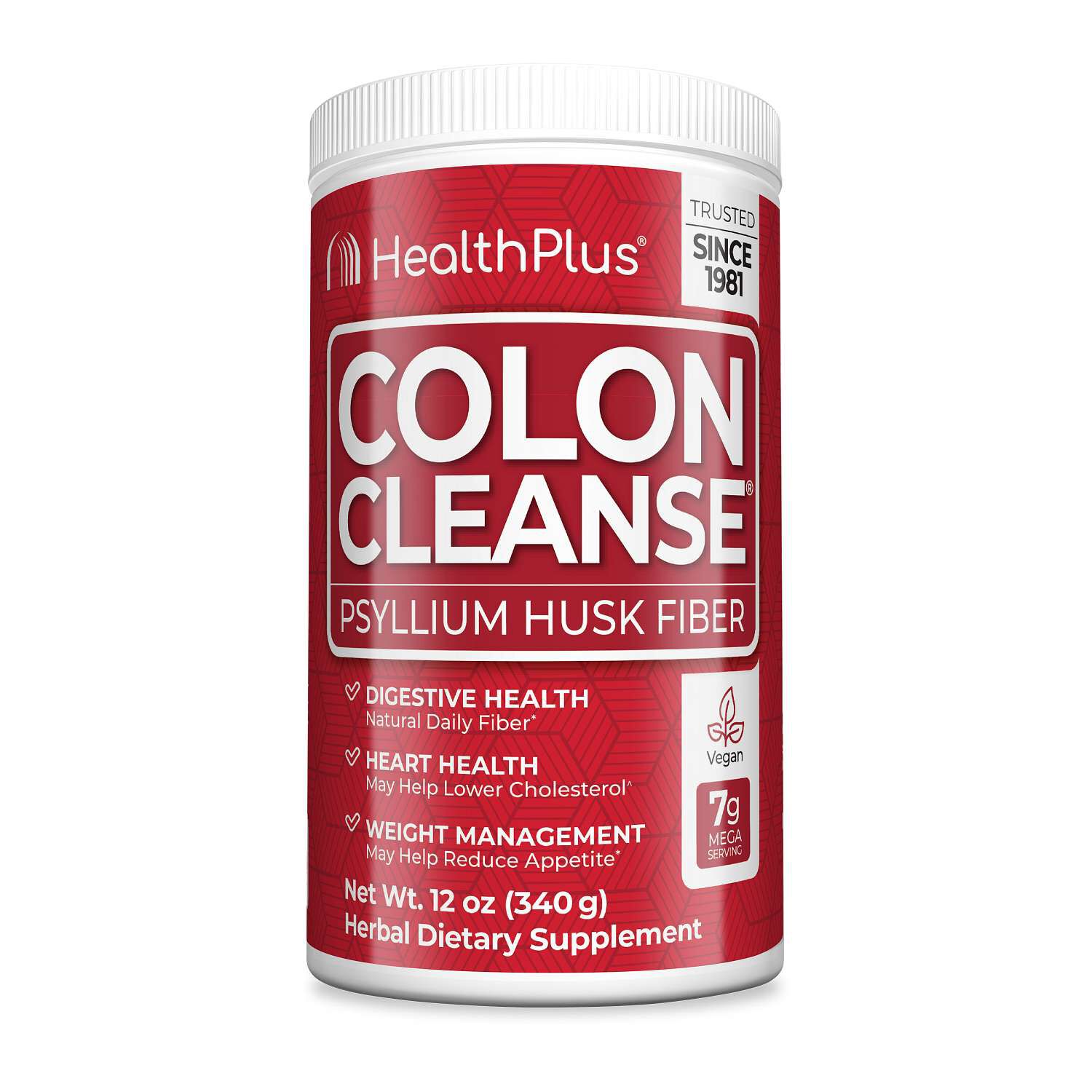
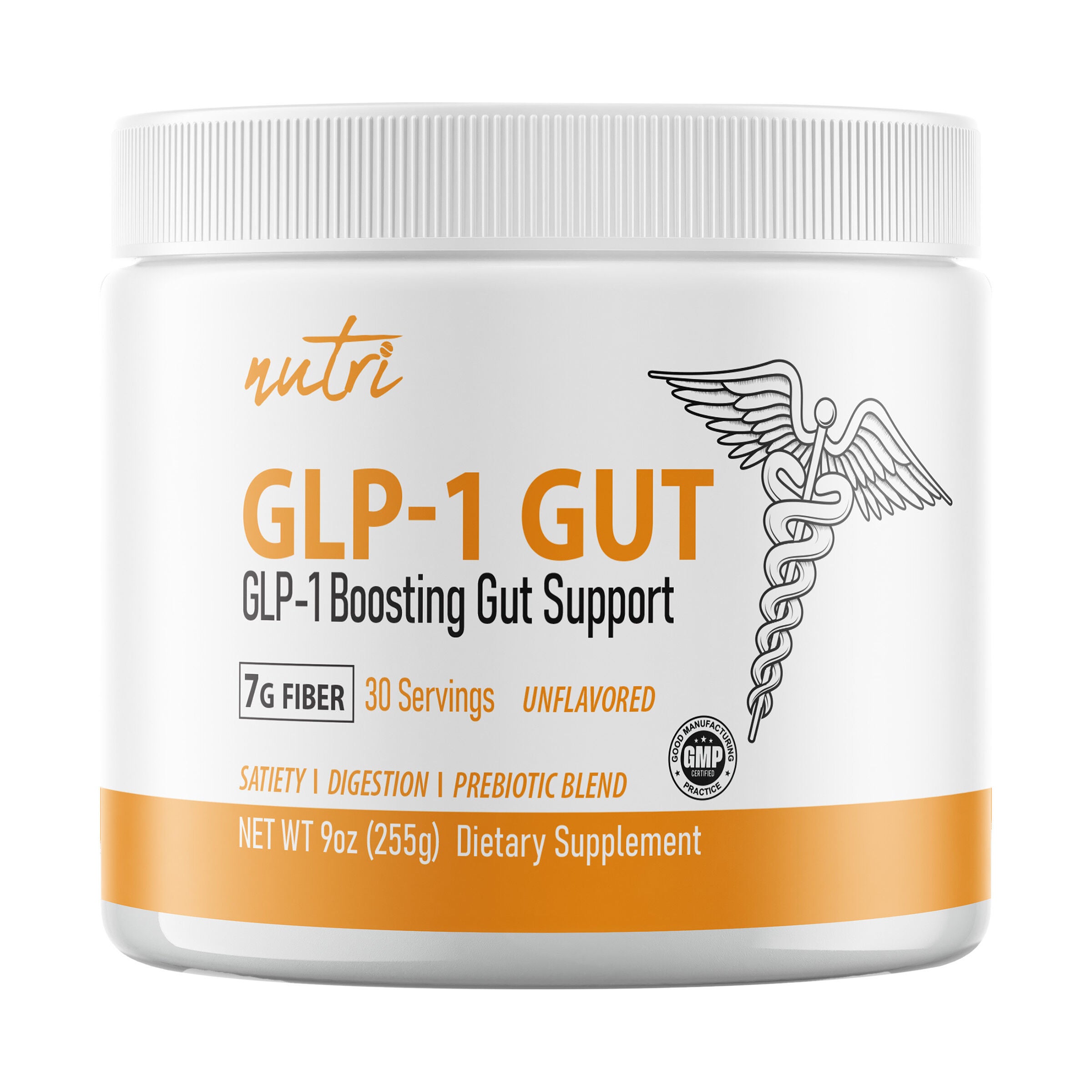
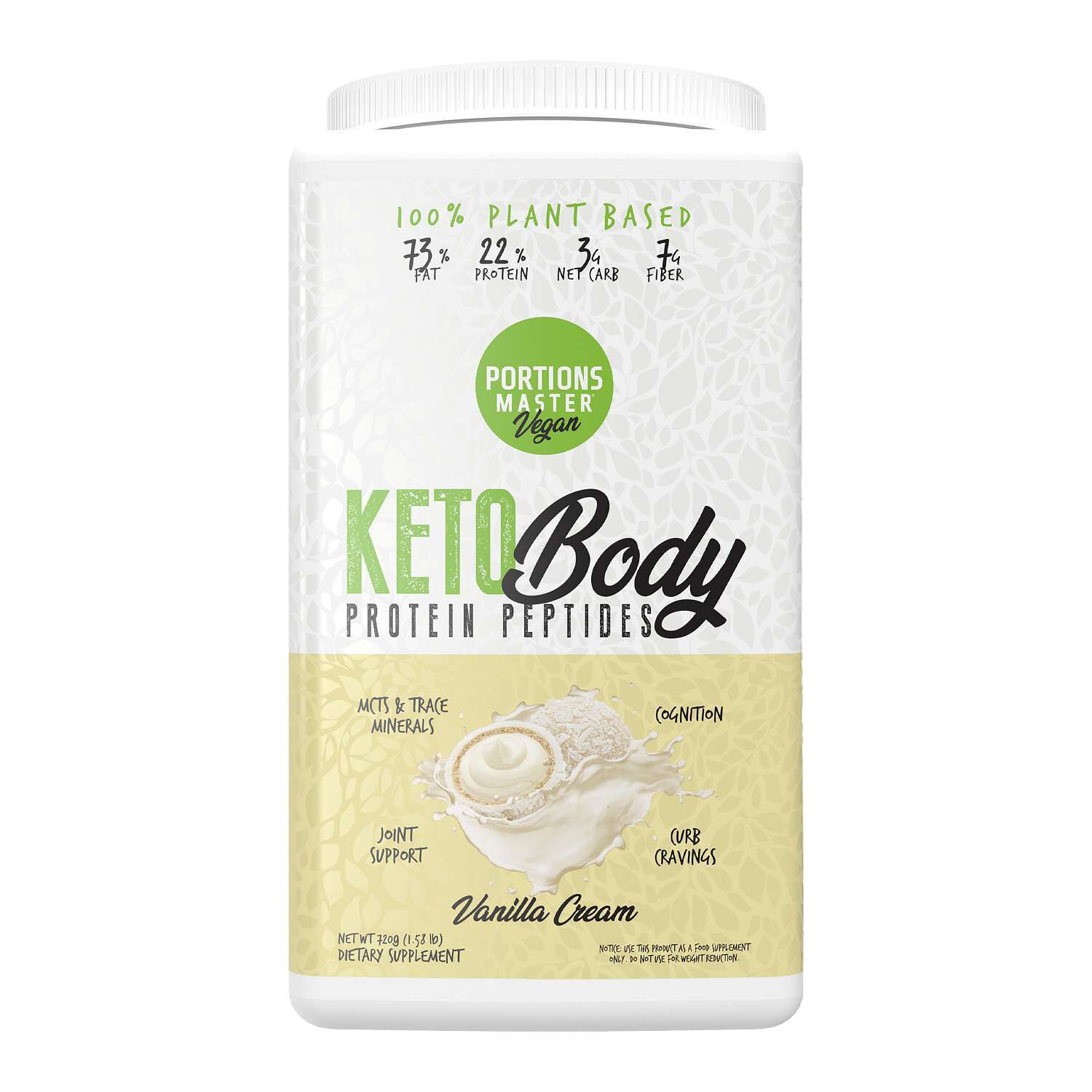
Low carb fiber powders are powdered sources of dietary fiber intended for shoppers who pay attention to carbohydrate intake and want a format that fits into drinks, foods, or selected recipes. The category includes ingredients such as psyllium husk, acacia fiber, inulin, and oat fiber, along with blends containing more than one fiber source. These ingredients are not interchangeable: their origins, textures, serving sizes, and preparation directions differ. Psyllium comes from the husks of Plantago ovata seeds, acacia fiber comes from the gum of acacia trees, and inulin can come from sources such as chicory root. Oat fiber is commonly made from the fibrous outer portion of oats and is distinct from oat flour or oat bran. For someone comparing low carb fiber powders, the most useful starting point is the nutrition panel alongside the ingredient list. A small scoop and a larger scoop can contain different amounts of fiber, so the carbohydrate number alone does not tell the whole story. Compare grams of dietary fiber, the carbohydrate figure, sugars, and the stated serving size together. When packaging lists net carbs, that number generally reflects a calculation that subtracts dietary fiber from the carbohydrate amount; some calculations also subtract certain sugar alcohols. Methods can differ, making the underlying label more informative than a front-panel number by itself. A low carb description also does not necessarily mean that every serving contains the same amount of fiber or that a powder suits every eating pattern. Plain, single-ingredient formulas offer a straightforward ingredient list, while flavored blends may include sweeteners, colors, or other ingredients that influence the choice. For shoppers following a lower-carbohydrate eating pattern, the right comparison is between the actual labeled servings and intended uses, rather than between package sizes or broad category descriptions.
Taste, texture, and preparation are important distinctions within low carb fiber powders, particularly when the same ingredient might be considered for both a beverage and a baking project. Psyllium may create a thicker, gel-like consistency after it is combined with liquid, which could suit some recipes better than a thin drink. Acacia fiber may be a better match for shoppers seeking a less noticeable texture in a prepared beverage, though results depend on the formula, amount, and mixing method. Inulin may contribute a subtle sweetness, while oat fiber may lend a drier texture to certain baked foods. These are reasons to match the powder to its intended use rather than assume that one fiber source can replace another spoon for spoon. A recipe developed with finely milled psyllium, for example, may behave differently when made with a coarser husk or a different plant fiber. Similarly, oat fiber is not a direct substitute for oat flour simply because both come from oats. For drinks, an unflavored formula may suit a smoothie with its own distinct taste, while a flavored option may work better as a stand-alone preparation made according to the label. Unflavored does not necessarily mean tasteless; plant ingredients can have their own mild character. Sweetener preferences matter, too, especially for someone who dislikes a lingering sweet finish or wants more control over a recipe’s flavor. A fine powder may disperse differently from a coarser one, and some preparations may become thicker as they sit. Follow the package directions for the amount of liquid, mixing sequence, and timing rather than assuming that every powder belongs in the same shaker routine. For shoppers comparing several powdered nutrition categories, Low Carb Protein Powders represent a different focus: protein content rather than dietary fiber. When a recipe includes both categories, each powder’s serving information and preparation directions remain relevant, as does the carbohydrate content of the other ingredients.
Everyday practicality often determines which low carb fiber powder feels like a good fit beyond the first serving. Someone who prepares a drink at home may prefer a container with a wide opening and a clearly marked serving measure, while someone packing a work bag may value individually portioned packaging. A household that uses fiber in baking may place more emphasis on ingredient simplicity, grind, and compatibility with familiar recipes. The amount per serving deserves particular attention when switching formats: a spoonful of one powder is not necessarily equivalent to a spoonful of another, and kitchen spoons are not interchangeable with a package’s stated measure. Packaging also has a practical role in keeping the powder in suitable condition. Follow storage directions, close the container securely, and use a clean, dry utensil to limit moisture entering the package. Keeping the label readable makes serving instructions, ingredient details, and date information easy to check later. For shoppers with dietary preferences or ingredient restrictions, the full label is the place to confirm sweeteners, flavorings, other added ingredients, and relevant allergen statements. Plant origin alone does not establish every attribute of the finished formula, and a short ingredient list does not establish suitability for every person. A fiber powder is also different from the whole food associated with its source: oat fiber does not have the same nutritional profile as a bowl of oatmeal, just as an isolated plant fiber is not nutritionally identical to the original plant. That distinction matters when deciding what role the powder will have alongside ordinary meals and snacks. The most useful choice is one whose labeled fiber amount, carbohydrate information, flavor, and preparation requirements align with a specific routine. Whether that routine involves a measured beverage preparation or a carefully tested lower-carbohydrate recipe, clear directions and a compatible texture are more meaningful than an impressive number viewed on its own. Comparing those details gives shoppers a grounded way to distinguish low carb fiber powders without treating every ingredient or format as equivalent.
Best Sellers
-
Tomorrow's Nutrition
-
 Physician's Choice
-
Tomorrow's Nutrition

Related Pages

Top Collections
- Top Rated Collagen | Shop Customer Favorites | GNC
- Cortisol Supplements
- Vitamins For Hair Loss
- NAD+ Supplement Tablets
- Peptide Supplements
- Best Brand of Magnesium Glycinate
- Vitamins That Help Support Weight Gain
- Protein Powders For Muscle Growth Support
- Spirulina Tablets
- Peptide Supplements for Muscle Growth