Fiber Probiotic Supplements For Adults Over 50
(0 Results)
Fiber probiotic supplements for adults over 50 may support wellness goals as part of a balanced lifestyle. With age, nutritional needs can shift, and finding convenient ways to add fiber and probiotics to your routine could be helpful. Explore a variety of options designed with mature adults in mind, all created to fit seamlessly into daily habits. Discover how fiber probiotic supplements for adults over 50 might become a valuable addition to your wellness journey.
-
-
-
-

-
 205$34.99
 -

-

-
-
-

-

-

-
_Front.jpg?sw=305&sh=305&sm=fit "BioDophilus60 - 30 Capsules (30 Servings) | GNC")
-
_Front.jpg?sw=305&sh=305&sm=fit "BioDophilus60 - 60 Capsules (60 Servings) | GNC")
-

-

-
_Front.jpg?sw=305&sh=305&sm=fit "BioDophilus25 -120 Capsules (120 Servings) | GNC")
-
_Front.jpg?sw=305&sh=305&sm=fit "BioDophilus25 - 60 Capsules (60 Servings) | GNC")
-




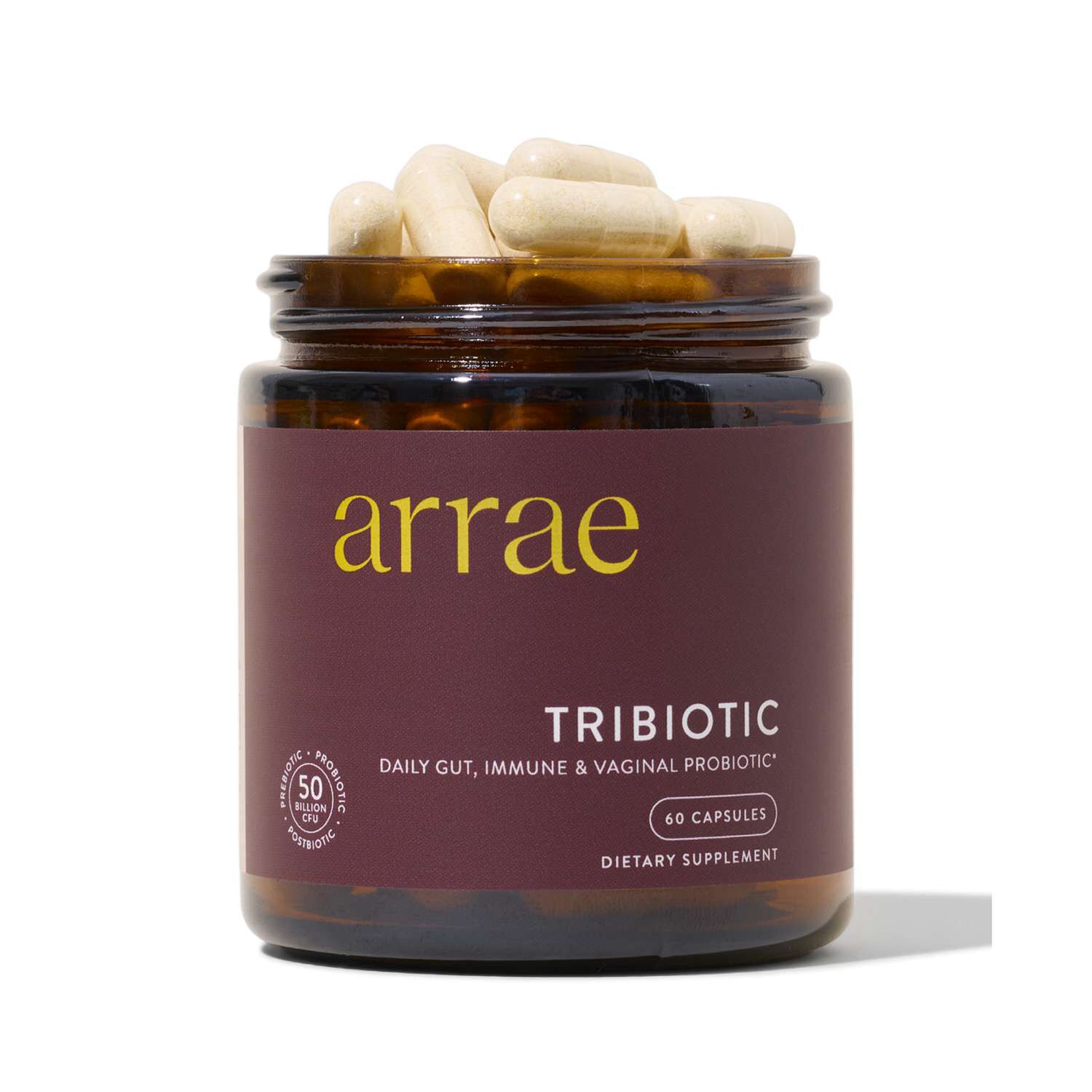
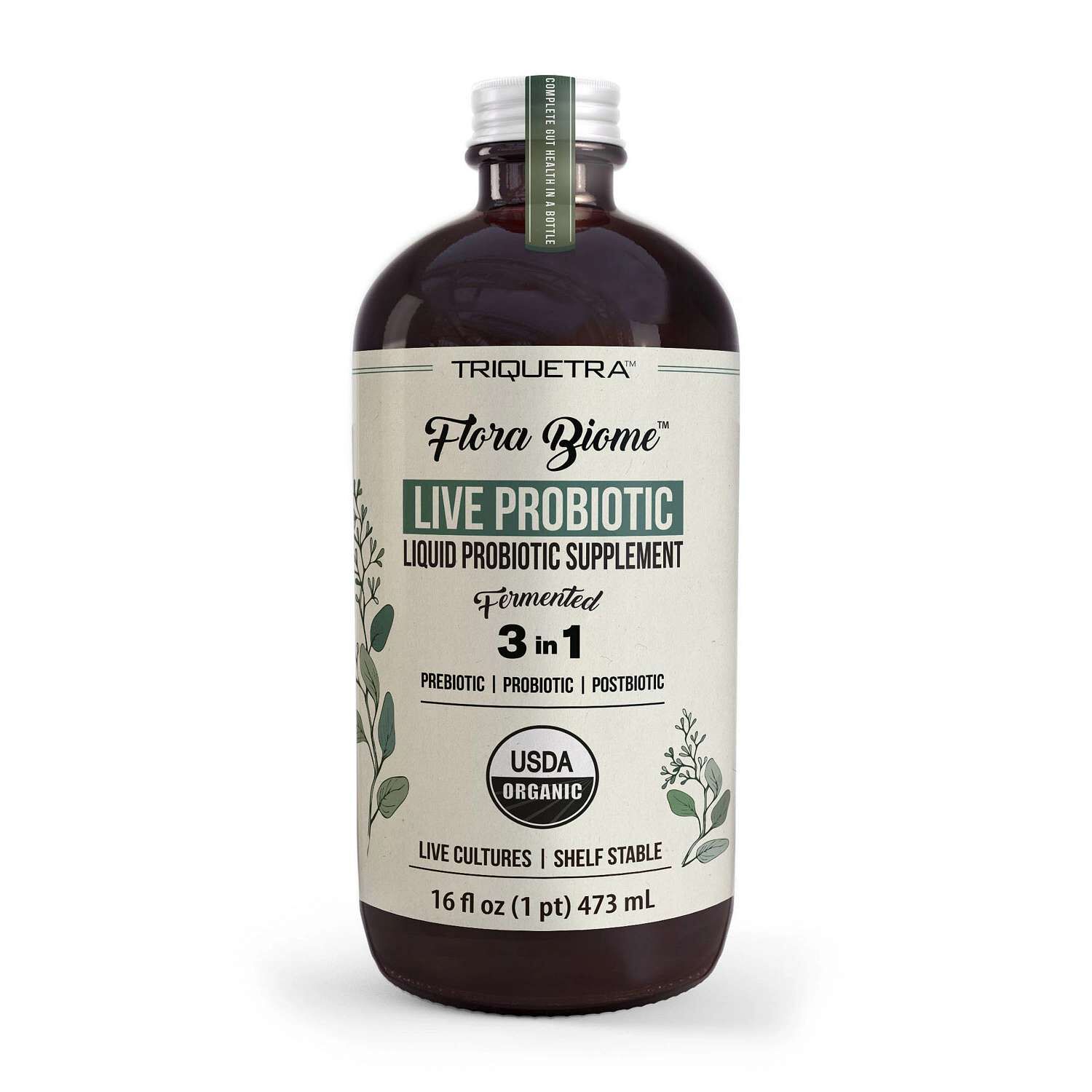
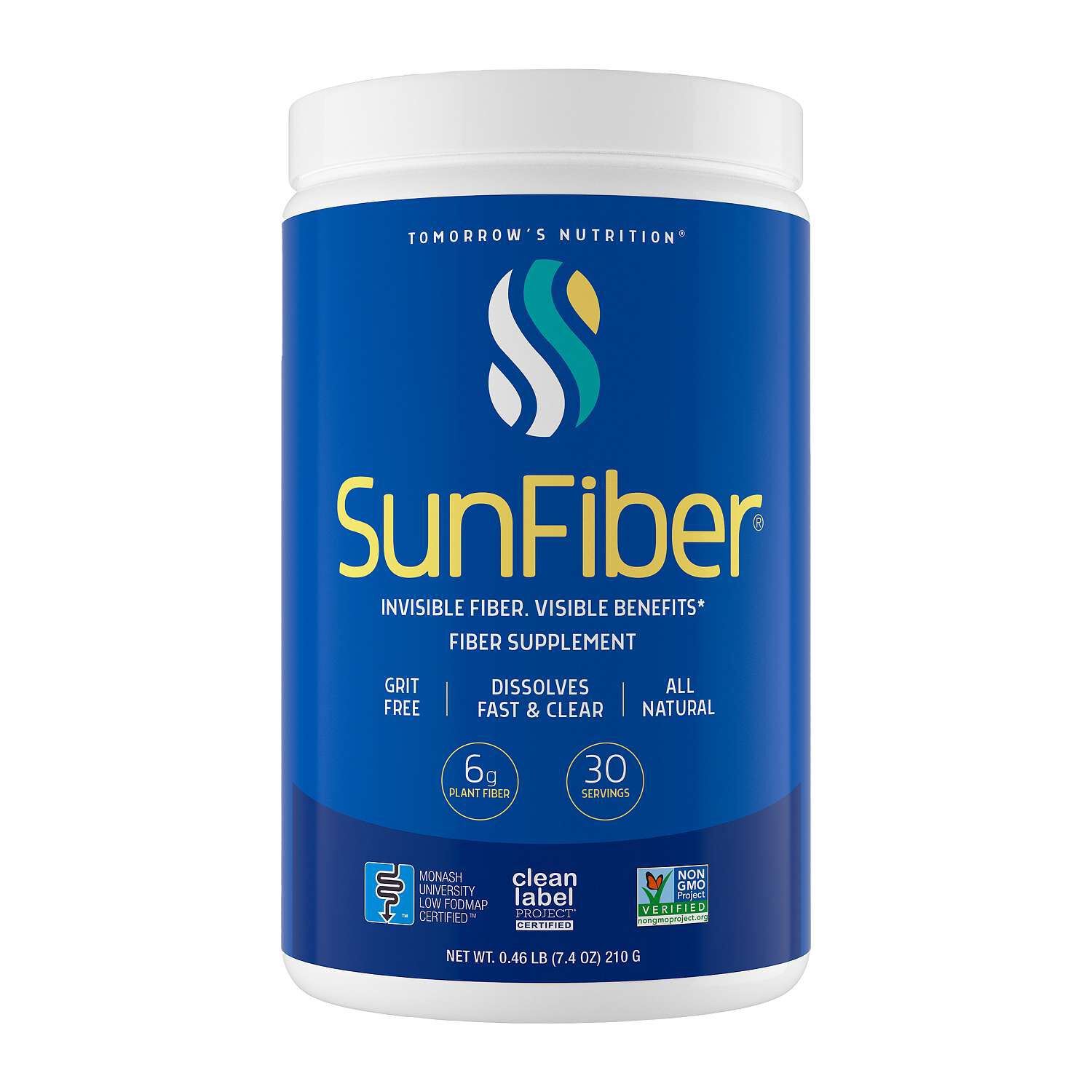
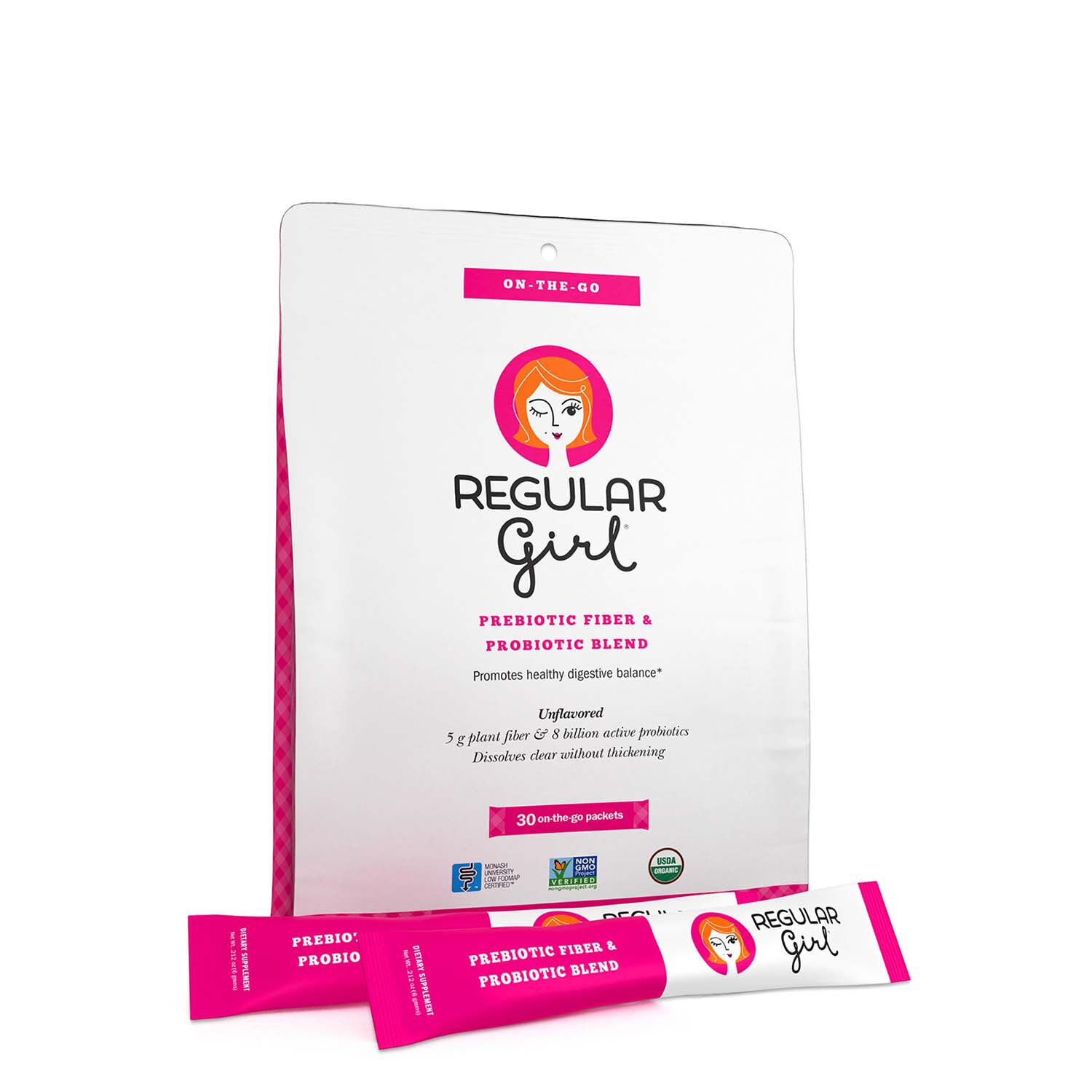
Fiber probiotic supplements for adults over 50 bring together two distinct components: dietary fiber and live microorganisms known as probiotics. Depending on the formula, the fiber may also be a prebiotic, meaning it can serve as nourishment for certain microorganisms in the gut. Not every type of fiber is prebiotic, and not every probiotic supplement contains fiber, so the ingredient list matters more than a broad category name. For adults interested in everyday digestive wellness, a combined formula may offer a practical way to include both ingredients in one routine. Turning 50 does not create a single set of shopping needs, though. Someone who enjoys a leisurely breakfast at home may prefer a powder, while someone moving between work, family visits, and weekend plans may favor a portable format. Food preferences, serving size, storage requirements, and taste can all shape that choice. These supplements sit alongside an eating pattern that includes foods such as oats, beans, fruit, vegetables, and whole grains; they are not substitutes for a varied diet. Their appeal is often as much about routine as it is about ingredients. A container kept with breakfast supplies or a packet tucked into an overnight bag may make a purchase feel more suited to everyday life. During the cooler months, when meals and daily schedules can shift, that familiarity may be especially welcome. Still, age-focused packaging is only a starting point. The more useful details are what the product contains, how much is in a labeled serving, and whether its directions match the way someone prefers to use a supplement. A clearly described formula gives shoppers something concrete to compare, rather than asking them to choose by the largest number on the front of a package. For this category, a thoughtful purchase starts with those everyday details and the preferences of the person who will actually use it.
Comparing fiber and probiotic supplements starts with reading the fiber amount and probiotic information separately. Fiber is generally listed in grams per serving, while probiotic quantities are often expressed as colony-forming units, or CFUs. These measurements describe different parts of a formula and cannot be compared as though they mean the same thing. A larger culture count alone does not establish that one product is a better match for every adult over 50. The named microorganisms, their strain designations when provided, the labeled serving, and the storage directions add important context. Probiotic labels may identify a genus, species, and a more specific strain designation; that detail helps distinguish formulas that otherwise look similar. It is also worth checking whether a stated culture count applies at manufacture or through the date shown on the package, when that information is available. Fiber sources vary as well. Ingredient lists may include inulin, acacia fiber, or partially hydrolyzed guar gum, among other options. Rather than assuming that every fiber blend will have the same texture or preparation requirements, compare the manufacturer's description and mixing directions. Soluble fibers dissolve in water, but the finished drink's texture can differ by ingredient and formulation. An unflavored powder may still have a noticeable mouthfeel, and a flavored version may bring sweetness that some shoppers enjoy and others prefer to avoid. Added sugars, sweeteners, flavorings, and ingredients used to form a capsule or gummy are also part of the comparison. For someone with established food preferences, those details may matter just as much as the headline ingredients. Package size deserves a closer look, too: the number of capsules, gummies, or scoops in a container is not necessarily the number of servings. Comparing cost per labeled serving offers a clearer picture of value. Straightforward labeling, readable directions, and a format that feels manageable can make the difference between a product that looks appealing online and one that fits comfortably among the items already on the kitchen shelf.
Format brings these label details into focus. Powders offer flexibility in preparation when used with the foods or beverages specified on the package, while capsules avoid the flavor and mixing steps of a drink. Gummies provide a chewable option, though their fiber content, culture count, and serving size vary by formula. There is no universal format ranking: a powder is not automatically richer in fiber, and a gummy is not automatically lower in probiotic cultures. The individual label provides the relevant facts. Picture a quiet kitchen with a breakfast bowl on the counter, a glass beside the sink, and a day that has not quite gathered speed. For someone who likes that familiar pause, a powder with clear preparation directions may feel at home. Another person may prefer the tidy simplicity of a capsule container stored according to its label, particularly when there is little interest in another flavor at breakfast. Travel introduces different considerations, including package size, resealable closures, and whether refrigeration is required. A single-serving packet may be convenient for an overnight visit, but its storage needs still matter. Do not assume that a powder belongs in a steaming mug; preparation temperatures and suitable mixing liquids should come from the product directions. Adults shopping for themselves can weigh these practical differences against their own routines, while those buying for a partner or parent may want to confirm preferences before choosing. Supplements are a personal purchase, so they tend to make more thoughtful gifts when the recipient has already expressed interest in the category or requested a particular format. For shoppers comparing related selections, Fiber Probiotic Supplements for Men offers another way to browse, with the same attention to ingredients, serving information, and personal preferences. Whether the purchase is intended for a home breakfast routine or a season filled with visits and changing schedules, the most relevant choice is one whose label, preparation, and everyday practicality align with the person using it.
Best Sellers
-
 Physician's Choice