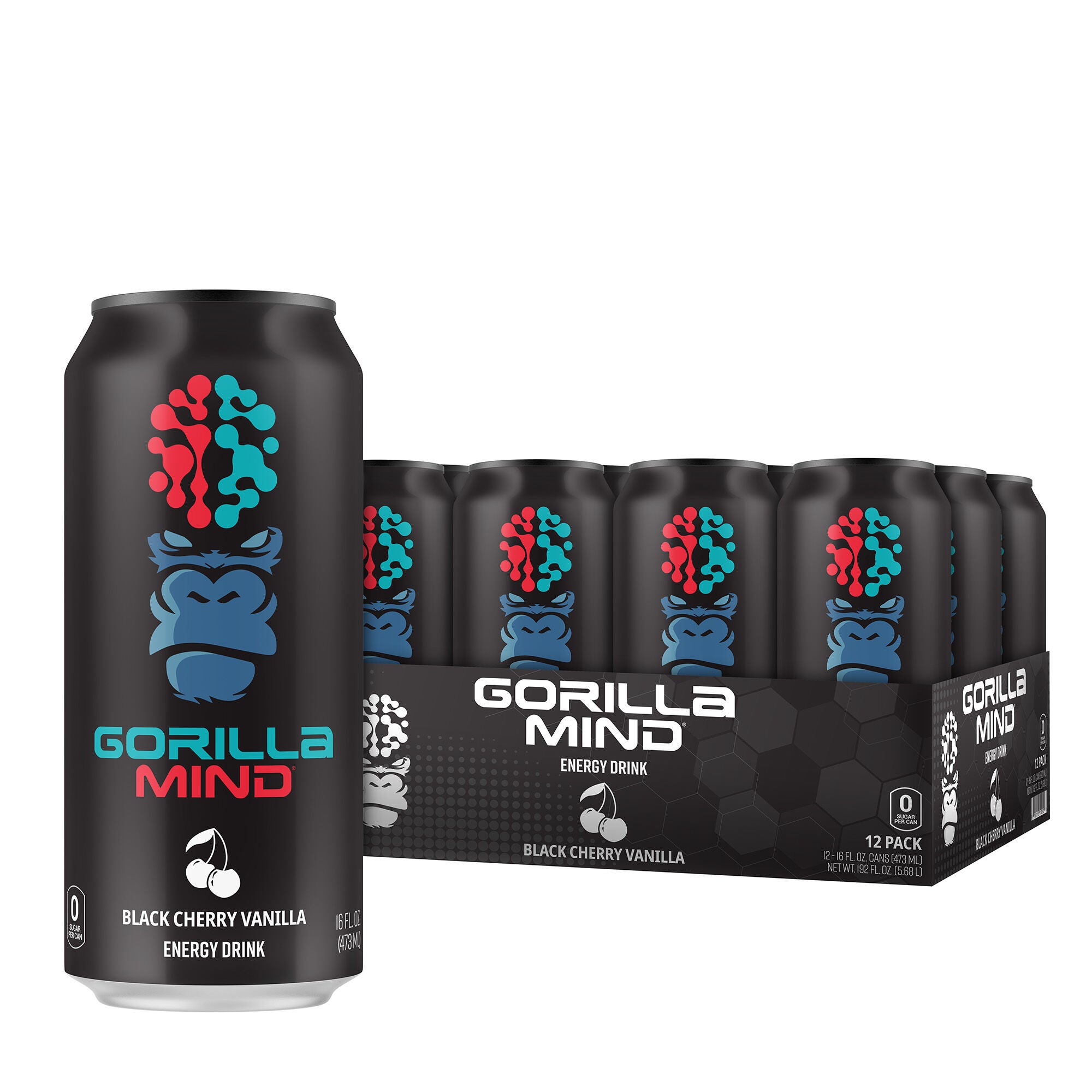


Flavored Energy Drinks
(0 Results)
Looking for a tasty way to boost your energy levels throughout your day? Our selection of flavored energy drinks is sure to provide you with a refreshing and invigorating pick-me-up whenever you need it. Packed with essential vitamins, minerals, and energizing ingredients, these beverages offer a convenient and delicious way to stay alert and focused. Whether you prefer fruity flavors or bold blends, our range of flavored energy drinks has something to suit every taste preference. Say goodbye to midday slumps and hello to sustained energy with our assortment of flavorful options.


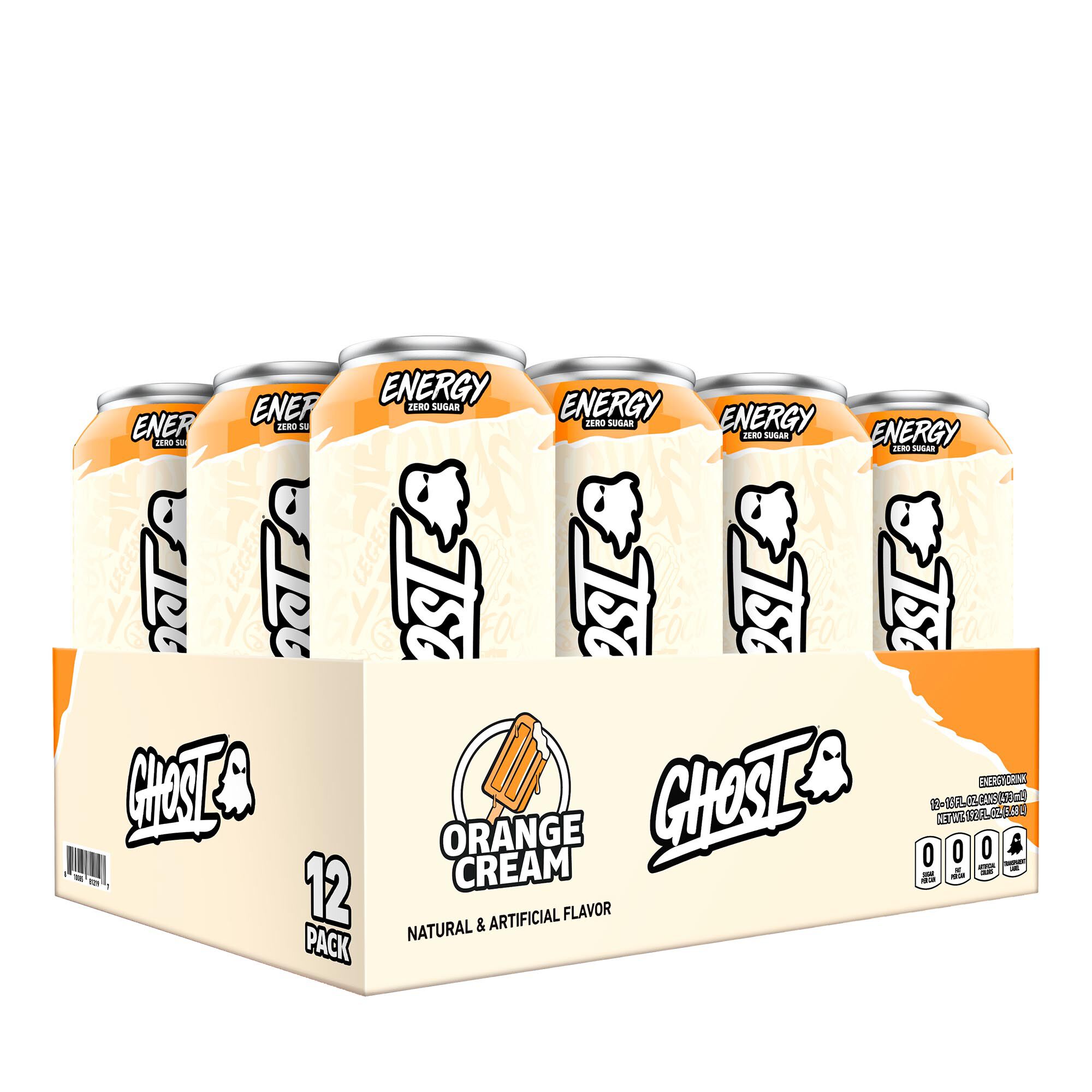
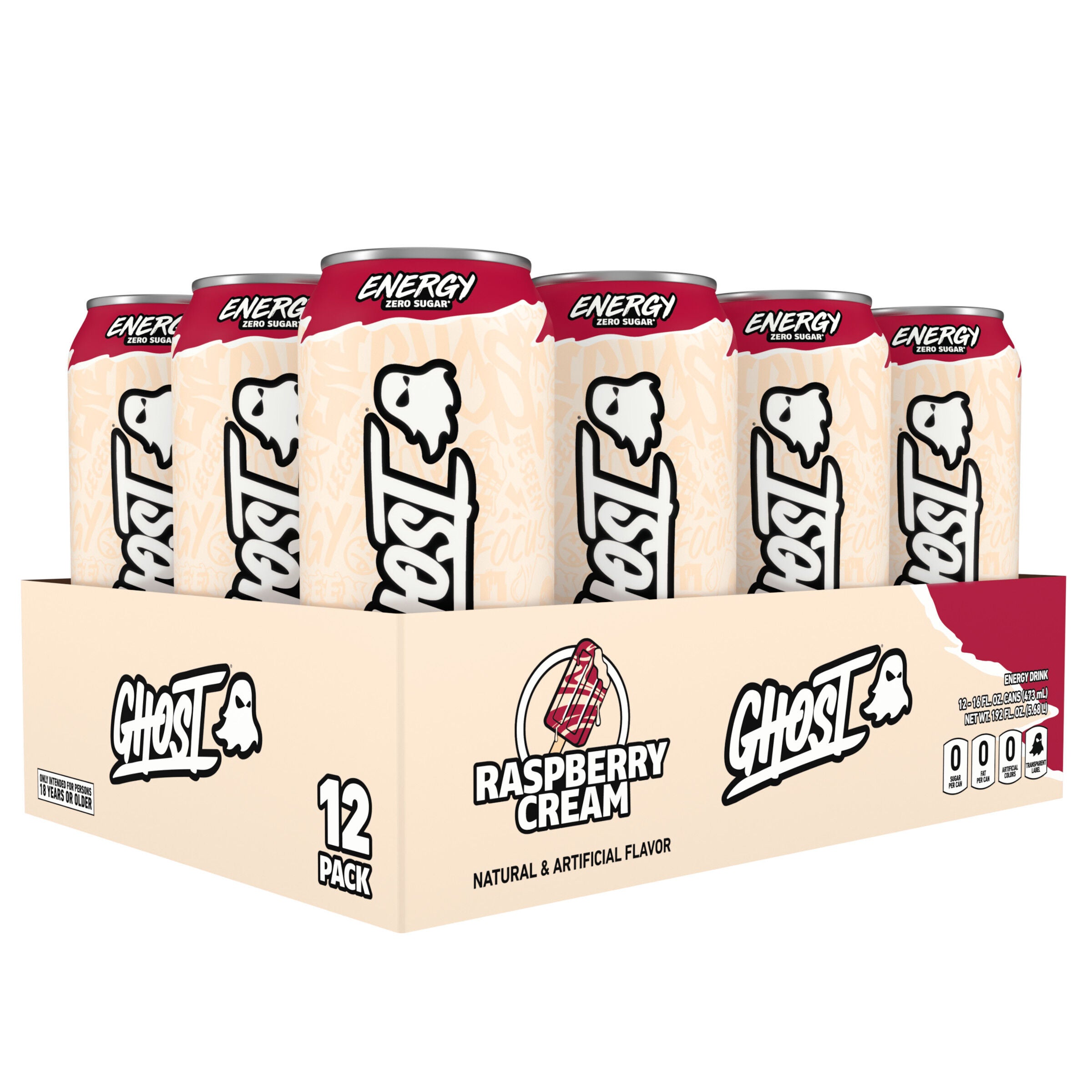


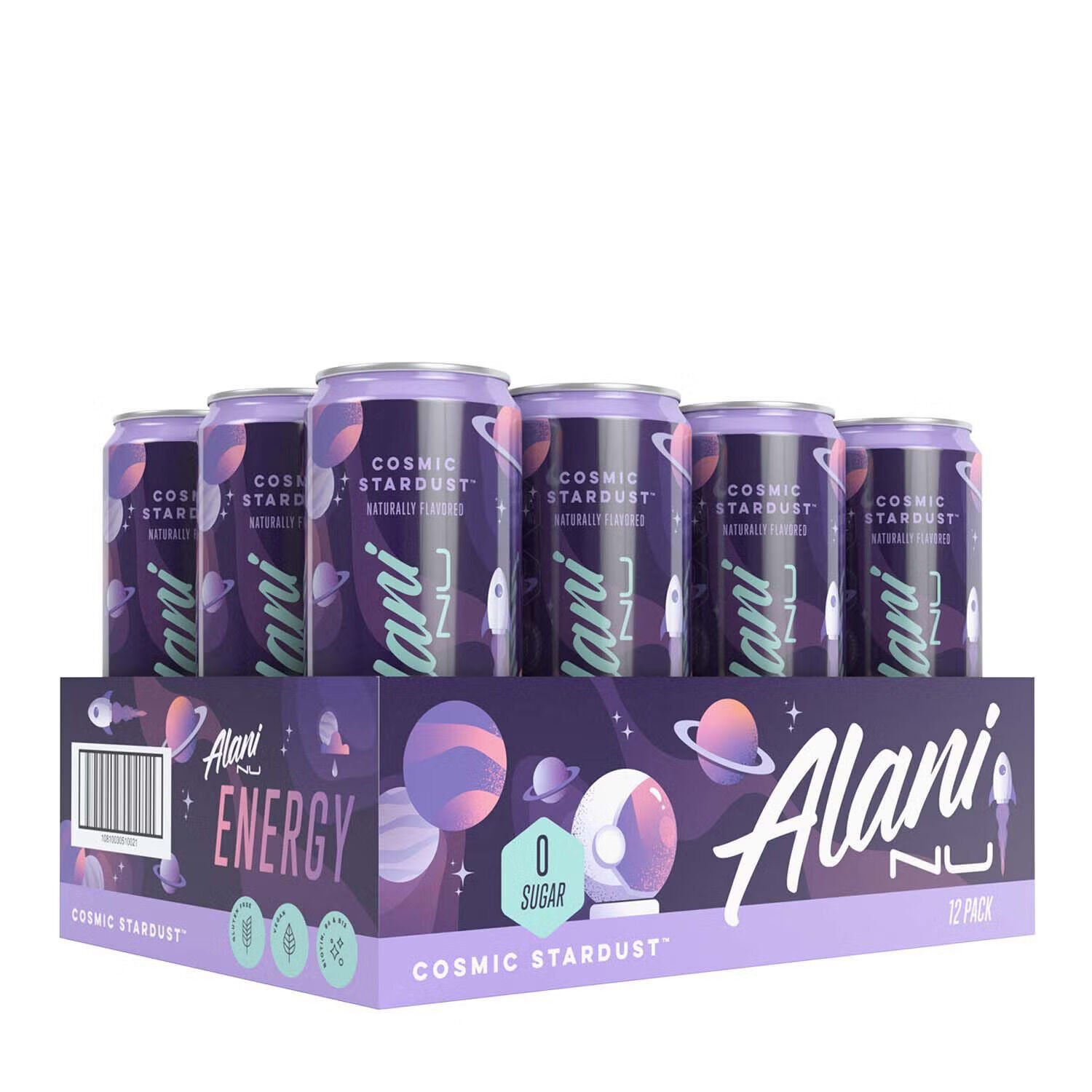


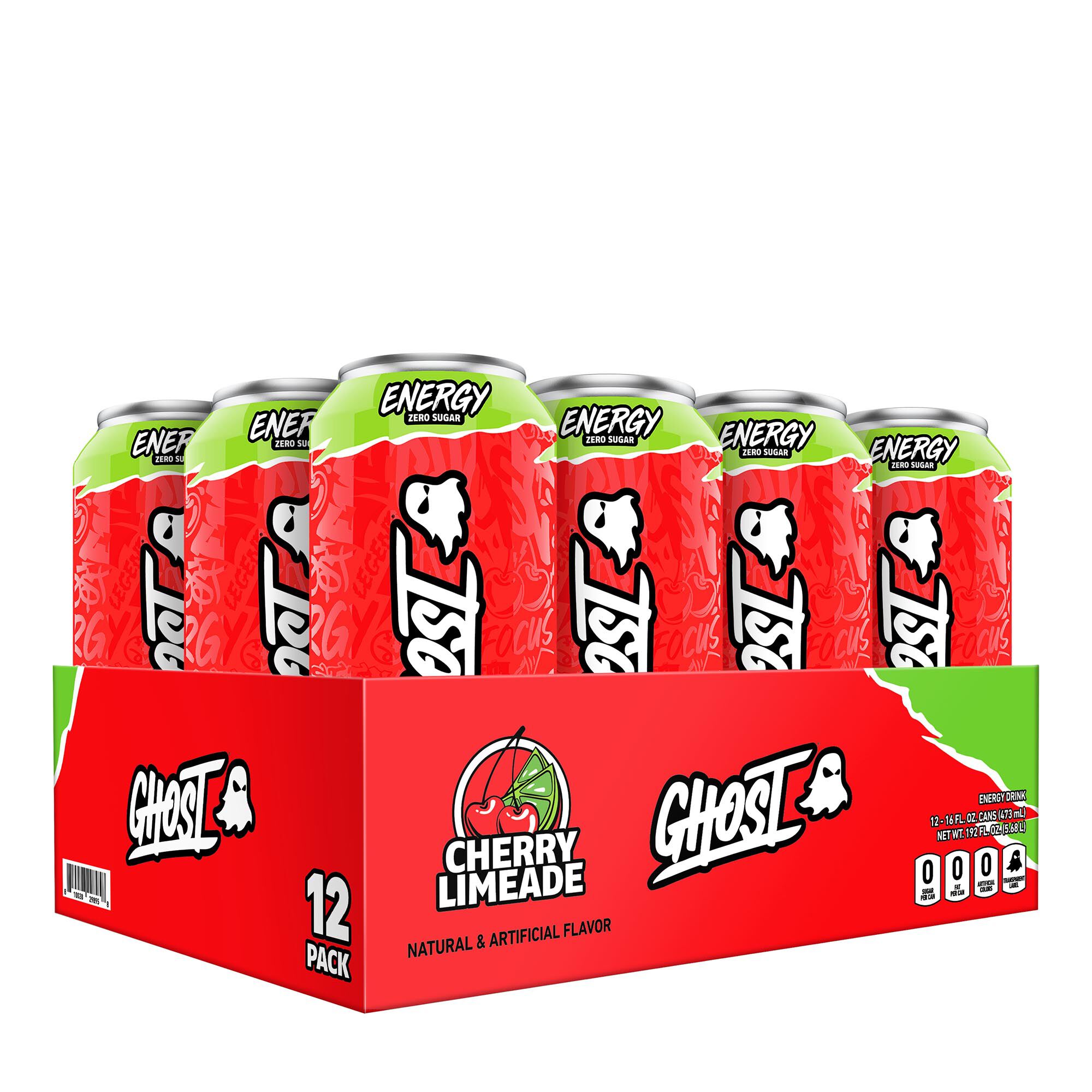


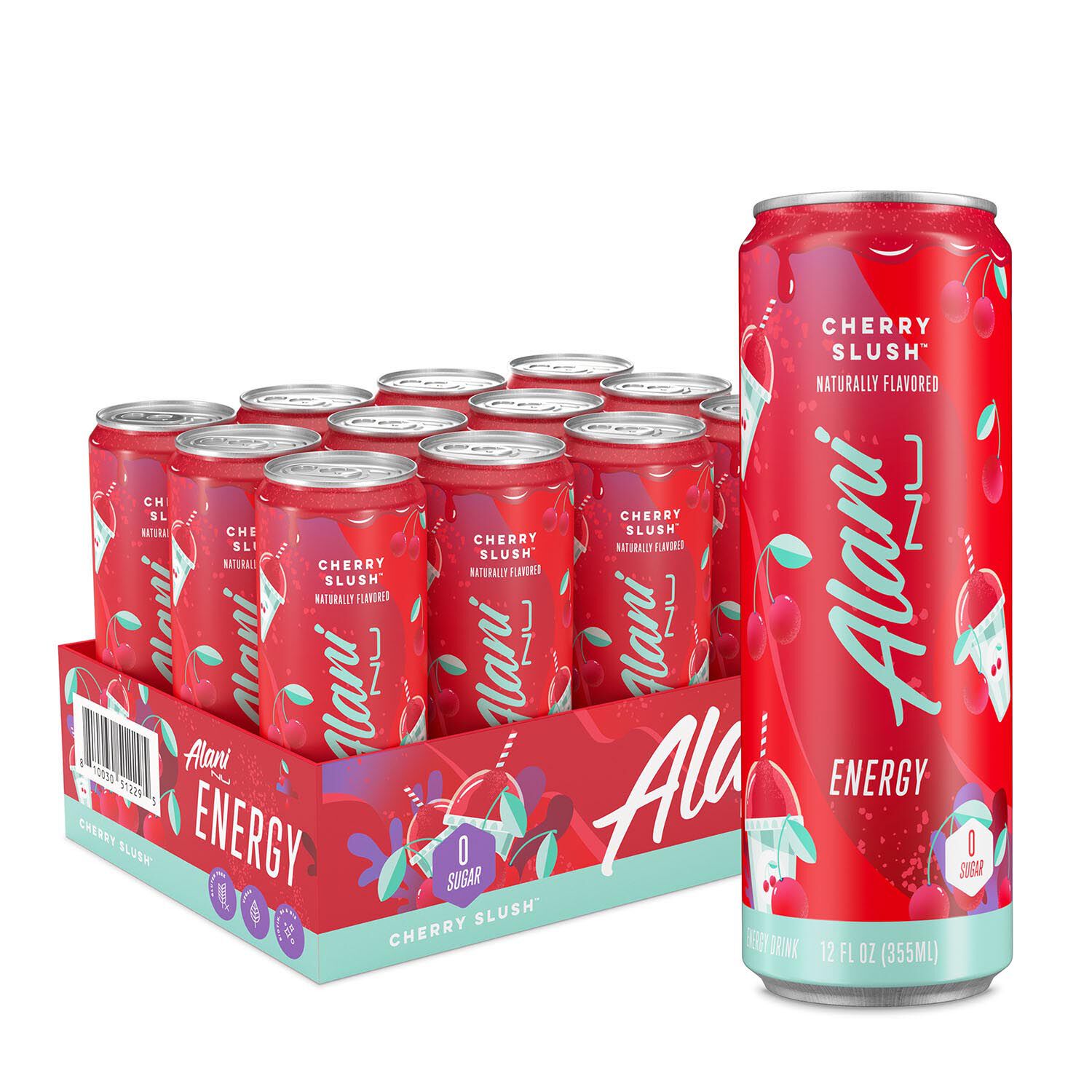
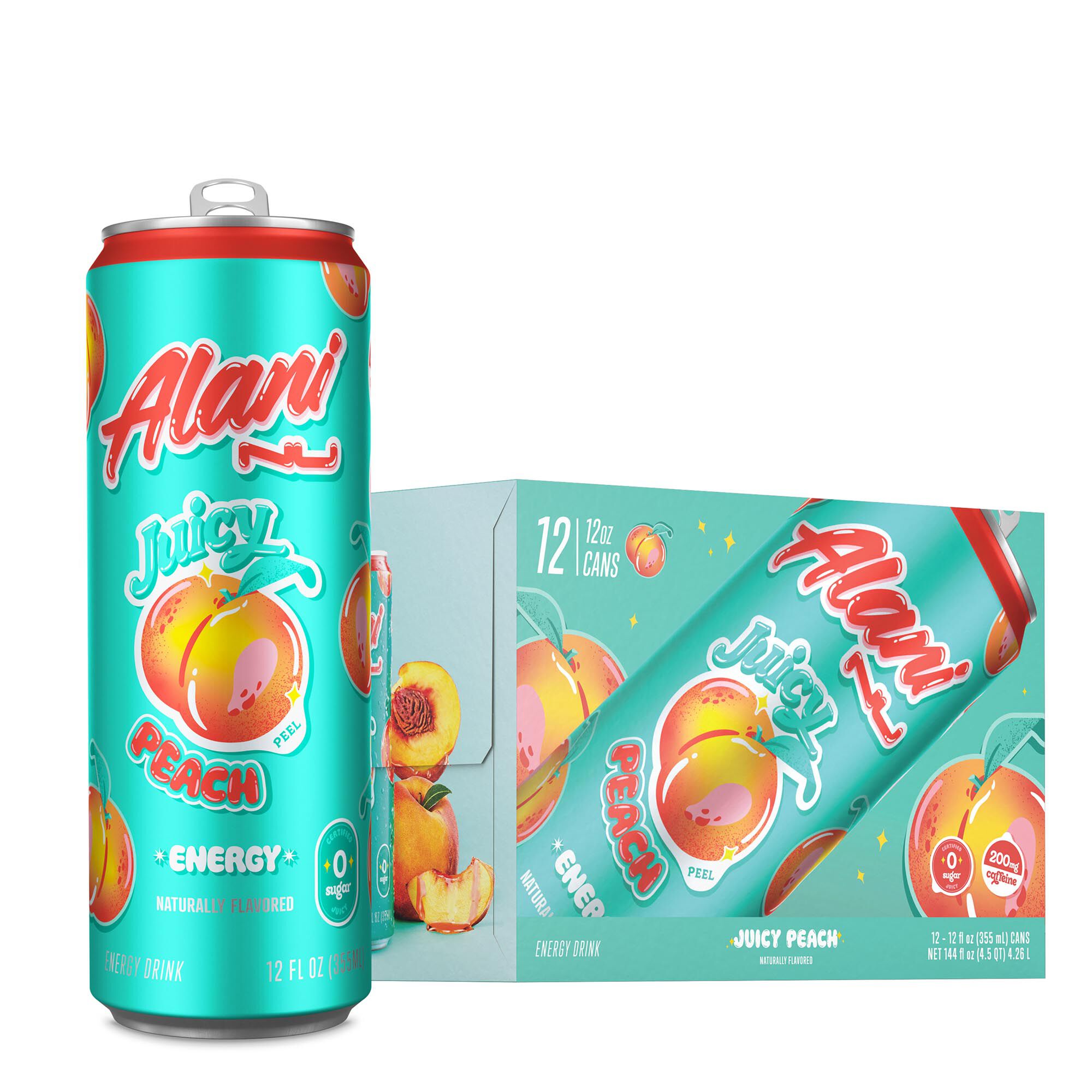


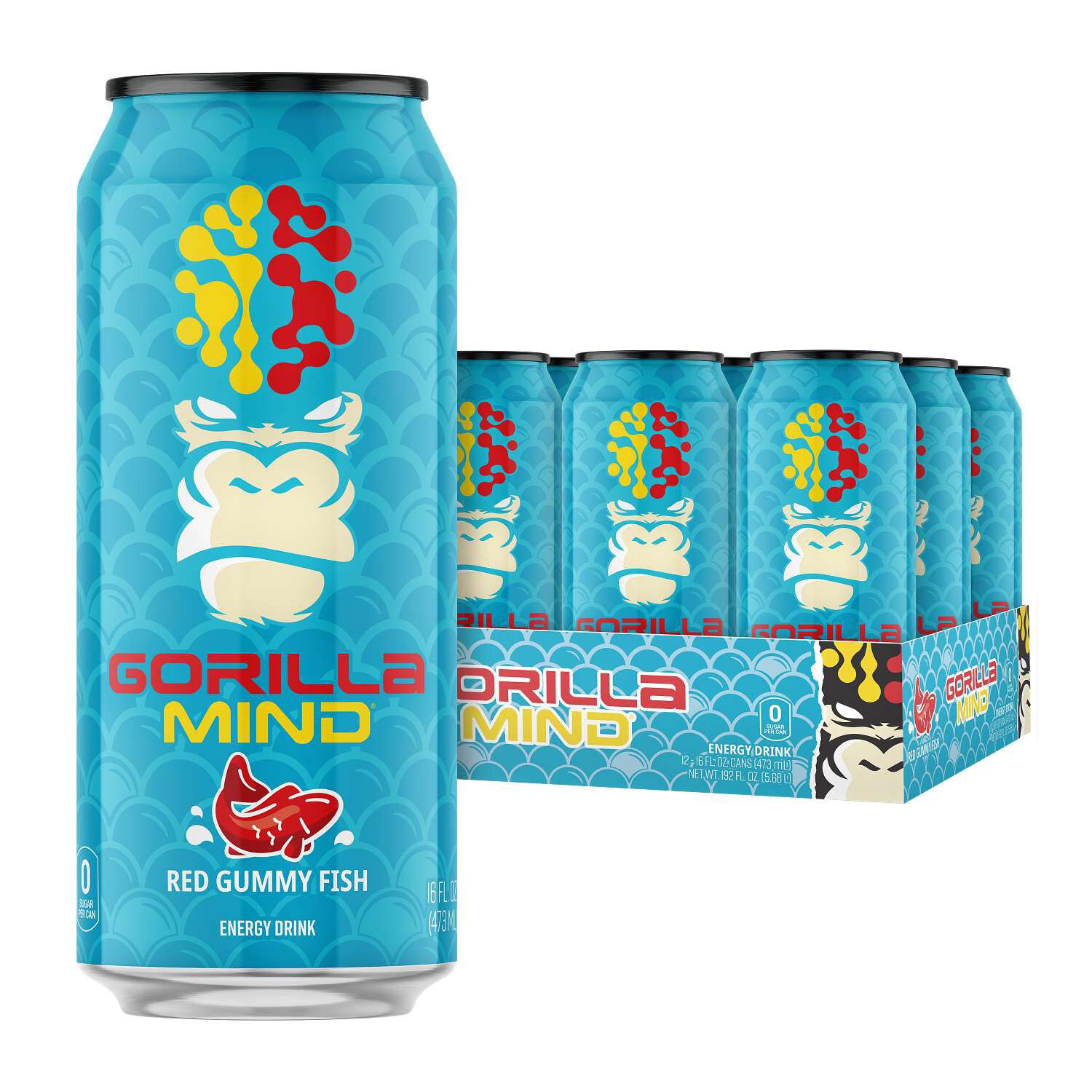
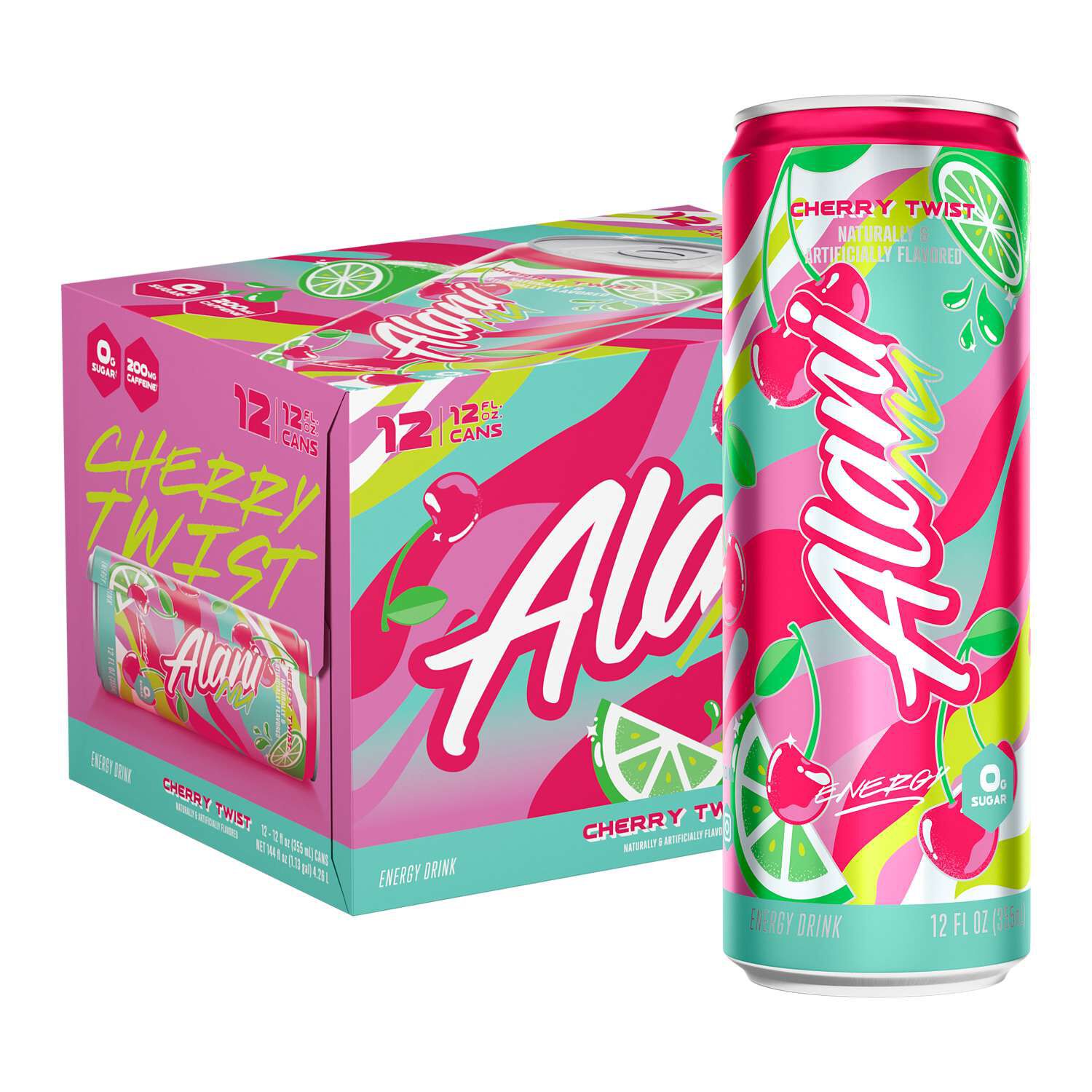
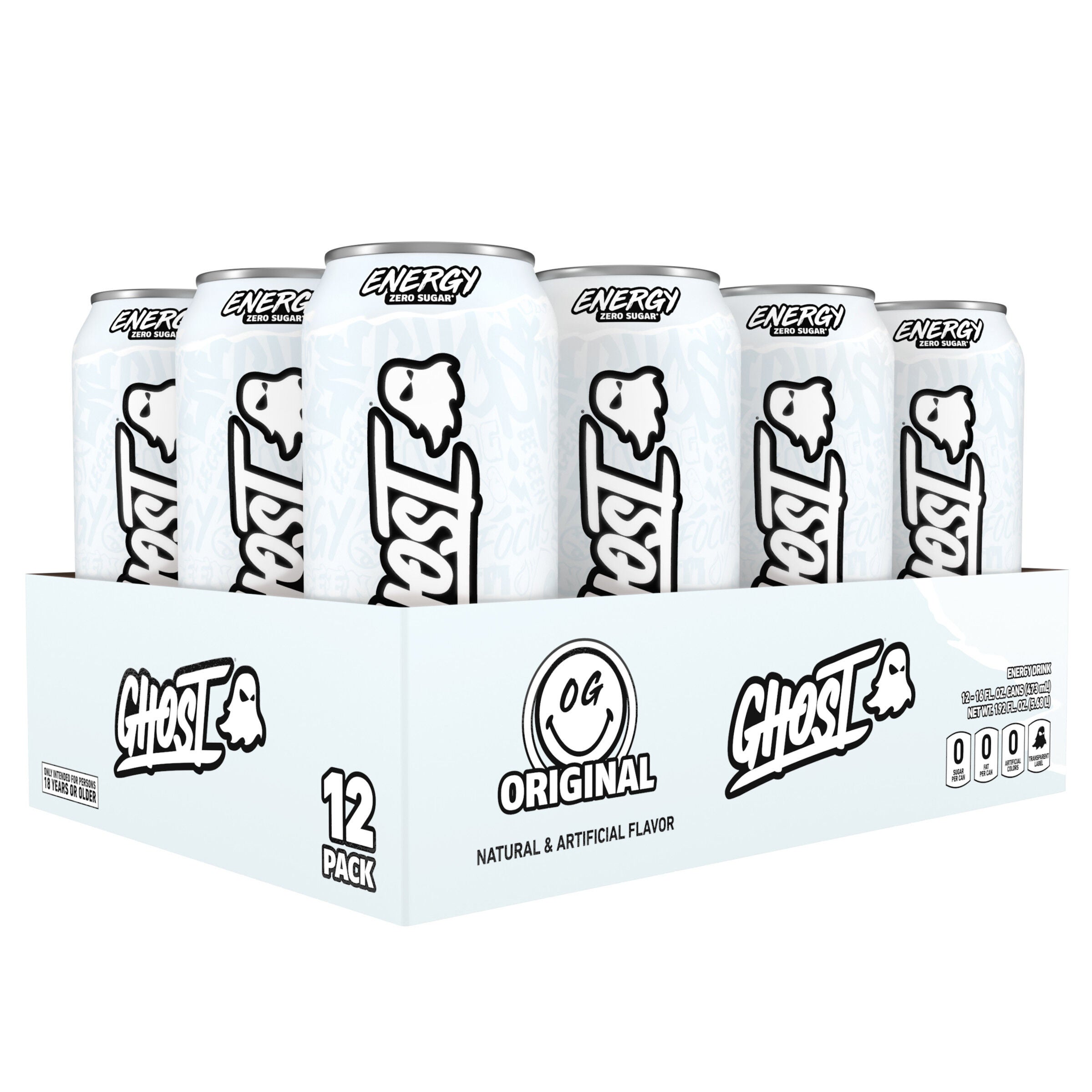
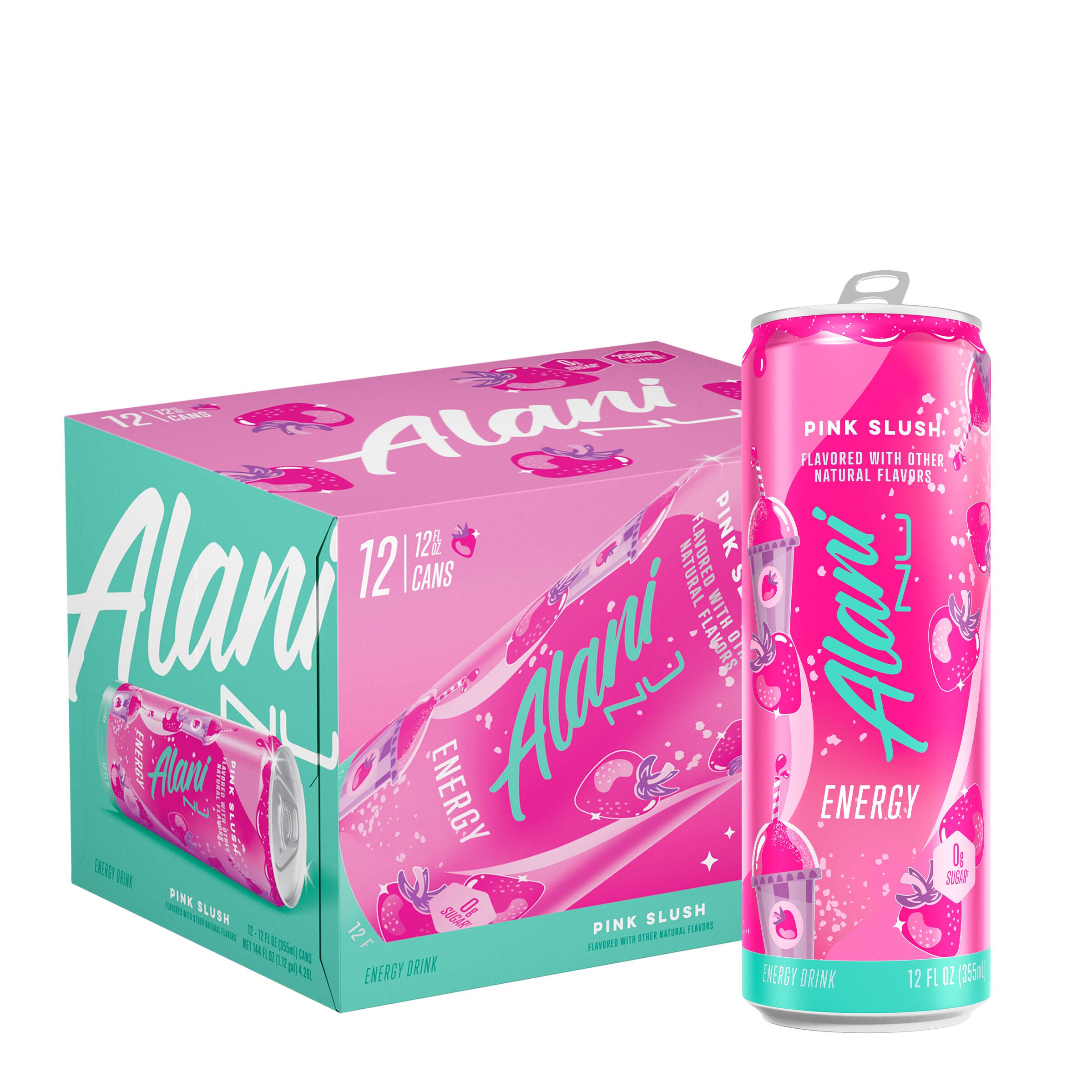
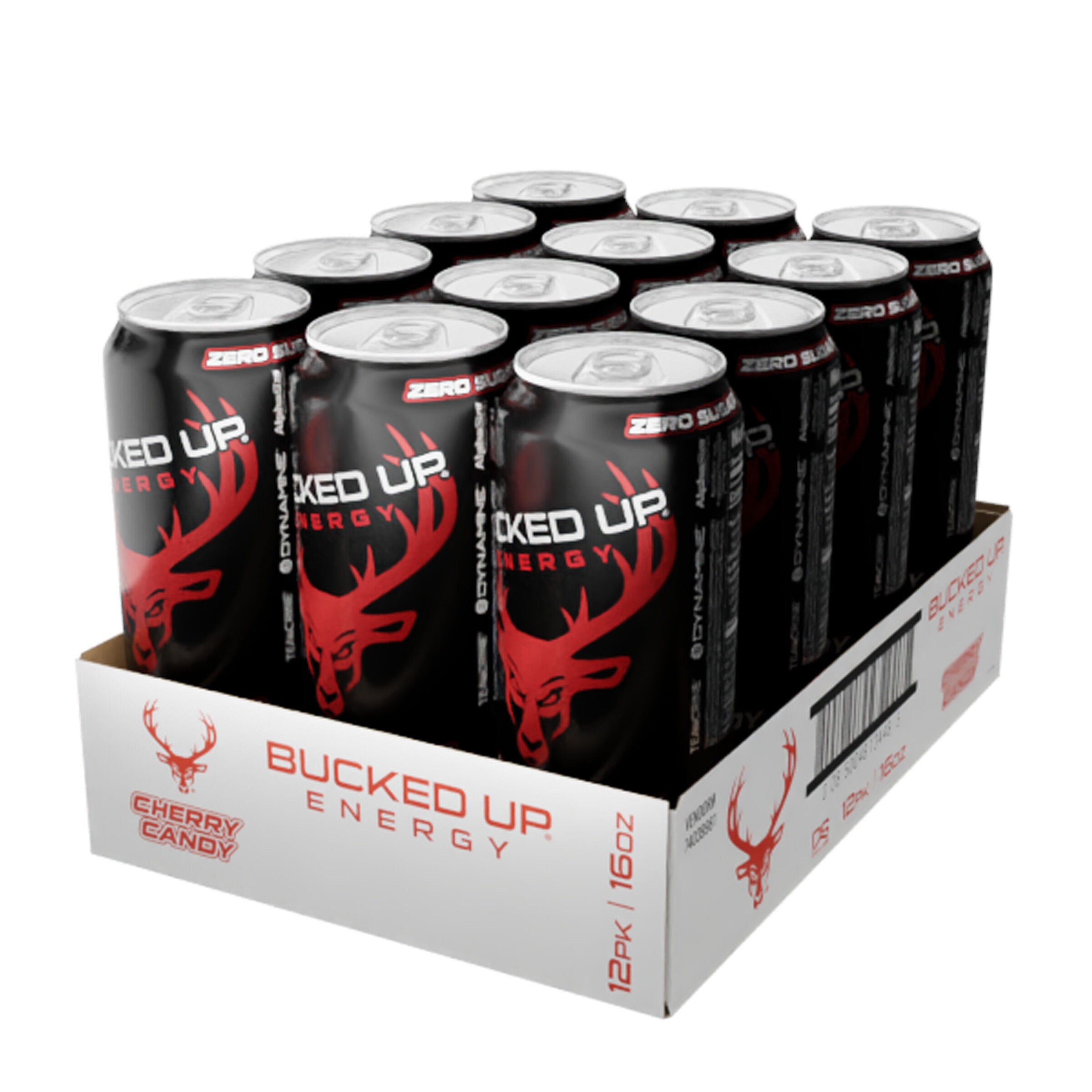
Flavored energy drinks pair distinctive taste profiles with formulas that commonly contain caffeine and may also include B vitamins, amino acids, or other ingredients. The category spans bright citrus, juicy berry, tropical fruit, candy-inspired blends, and tea-based combinations, giving adult shoppers a wide range of tastes and textures to consider. Fruit-forward flavors often center on familiar notes such as strawberry, watermelon, peach, cherry, or orange. Tropical combinations bring together mango, pineapple, passion fruit, and guava, sometimes with a citrus accent that balances a sweeter finish. Berry blends can range from rounded and jammy to tart and sharp, while lemonade-style flavors put acidity at the center of the experience. Candy-inspired energy drinks lean toward recognizable confectionery notes, including sour fruit, cotton candy, and sweet blue raspberry. Those descriptions refer to a flavor profile, not necessarily the presence of the fruit or candy named on the package; the ingredient list provides that detail. Tea-based energy drinks offer another direction, with tea notes alongside peach, lemon, berries, or tropical fruit. Some are still, while others have carbonation, so a tea reference alone does not establish the texture. Sparkling energy drinks have a fizzy mouthfeel, whereas noncarbonated versions have a smoother drinking texture. Sweetness, tartness, aroma, and carbonation all contribute to how a flavor comes across, which is why two drinks with similar fruit names can taste quite different. A peach blend with a pronounced citrus edge has a different character from one built around soft, rounded fruit notes. Likewise, a sour cherry flavor and a mellow cherry-vanilla blend occupy different places within the same broad flavor family. For someone who enjoys sparkling citrus beverages, a lime or grapefruit profile may feel familiar; someone drawn to fruit punch may prefer a layered blend rather than a single-fruit flavor. This variety makes flavored energy drinks a category defined as much by sensory preference as by the ingredients listed on the label.
Beyond flavor, the most useful distinctions among energy drinks are caffeine content, serving size, sugar content, sweetener choice, and the presence of additional ingredients. Caffeine amounts vary by formula, and the amount stated per serving is not always the amount in the entire container. A larger can does not automatically contain more caffeine than a smaller one, so package size and caffeine content are separate points of comparison. Some formulas use caffeine from tea or coffee extracts, while others list caffeine as an ingredient on its own. A fruit or botanical name on the front of a container does not explain the full formula, and a tea-based drink still warrants the same attention to its labeled caffeine amount. For adults who also drink coffee, tea, or other caffeinated beverages, that number provides context for how an energy drink fits into an existing routine. Sugar and calories also differ across the category. Some flavored energy drinks contain sugar, some contain juice, and others use alternative sweeteners to create a sweet taste with little or no sugar. Zero sugar and zero calories are separate descriptions; each belongs to its own line on the label. Sweetener choice can also affect the finish, with some formulas tasting closer to a traditional sweetened beverage and others leaving a more noticeable lingering sweetness. Fruit juice content, when present, is another detail to distinguish from fruit flavoring. B vitamins, amino acids, and electrolytes appear in some formulas, but their inclusion varies and does not make every energy drink interchangeable with a sports beverage. For an activity-oriented comparison, Sports Energy Drinks provides a related category to explore alongside the ingredient and serving information on each label. Packaging may carry either Nutrition Facts or Supplement Facts, along with directions and cautions specific to the formula. Those details offer a more precise picture than flavor names or front-label imagery alone, particularly when two drinks share a similar taste description but have different ingredient combinations.
Packaging and intended use add a practical dimension to choosing flavored energy drinks. Ready-to-drink cans and bottles require no mixing, which may suit adults who prefer a packaged beverage for a workday break, a commute, or time spent on a personal project. A single-serving can has a different use pattern from a resealable bottle: a pull-tab opening stays open, while a screw cap allows the container to close between sips. Container dimensions matter when a drink needs to fit a car cup holder, a narrow bag pocket, or a designated spot beside a laptop. Serving volume matters, too. Someone who prefers a few short sips may want a different package size from someone who enjoys a longer beverage break, without assuming that either size indicates a particular caffeine amount. Carbonation is another part of that fit. Pronounced fizz can be central to the appeal for a shopper who likes sparkling beverages, while a still formula may better match a preference for tea-like texture. Packaging materials and handling deserve attention as well: aluminum cans and plastic bottles have different closure designs, and neither should be treated as indestructible in a crowded tote. Storage directions, date markings, seal condition, and any instructions for handling an opened container are relevant details on the package. Flavor variety can be useful in shared adult households where preferences differ, with one person favoring tart citrus and another choosing sweeter berry or tropical combinations. An assortment can also work as a small gift for an adult who already enjoys energy drinks, provided the selection reflects their known flavor preferences and usual caffeine choices rather than just colorful packaging. Familiarity is especially helpful with assertive sour flavors, pronounced tea notes, or candy-style sweetness, since these characteristics can be more distinctive than a simple fruit name suggests. Whether the preference is crisp citrus, mellow peach, layered tropical fruit, or a nostalgic sweet flavor, the most meaningful comparisons remain consistent: taste profile, texture, formula, serving size, and package design. Together, those details make it easier to distinguish drinks that look similar but offer very different drinking experiences.
Best Sellers
-
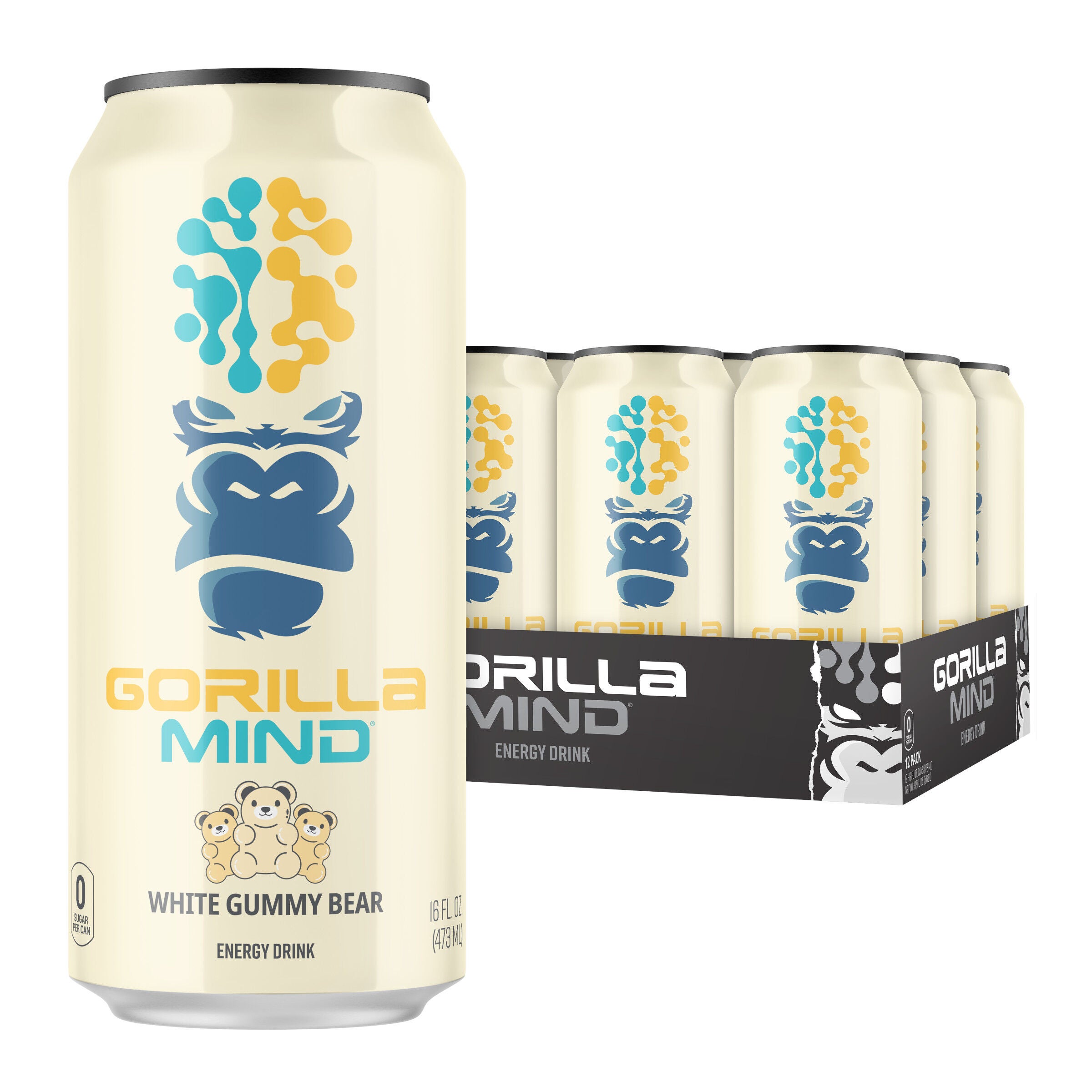 Gorilla Mind
 -
 Gorilla Mind
 -
 Gorilla Mind