Focus Supplements For Late Night Studying
(0 Results)
Long study sessions often call for extra support, especially when burning the midnight oil. Focus supplements for late night studying may offer a boost to help you stay sharp and attentive as you tackle challenging material. Whether preparing for exams or working on important projects, choosing the right supplements could make a difference in your nightly routine. Explore options that might help you maintain concentration and keep your mind on track during those crucial late hours.
-
-

-

-

-
-
-

-
-

-
-

-
 $34.99
-
-
 Divine Health$44.99
-

-
-
 Raw Nutrition$44.99
-
-
 Raw Nutrition$44.99
-

-

-

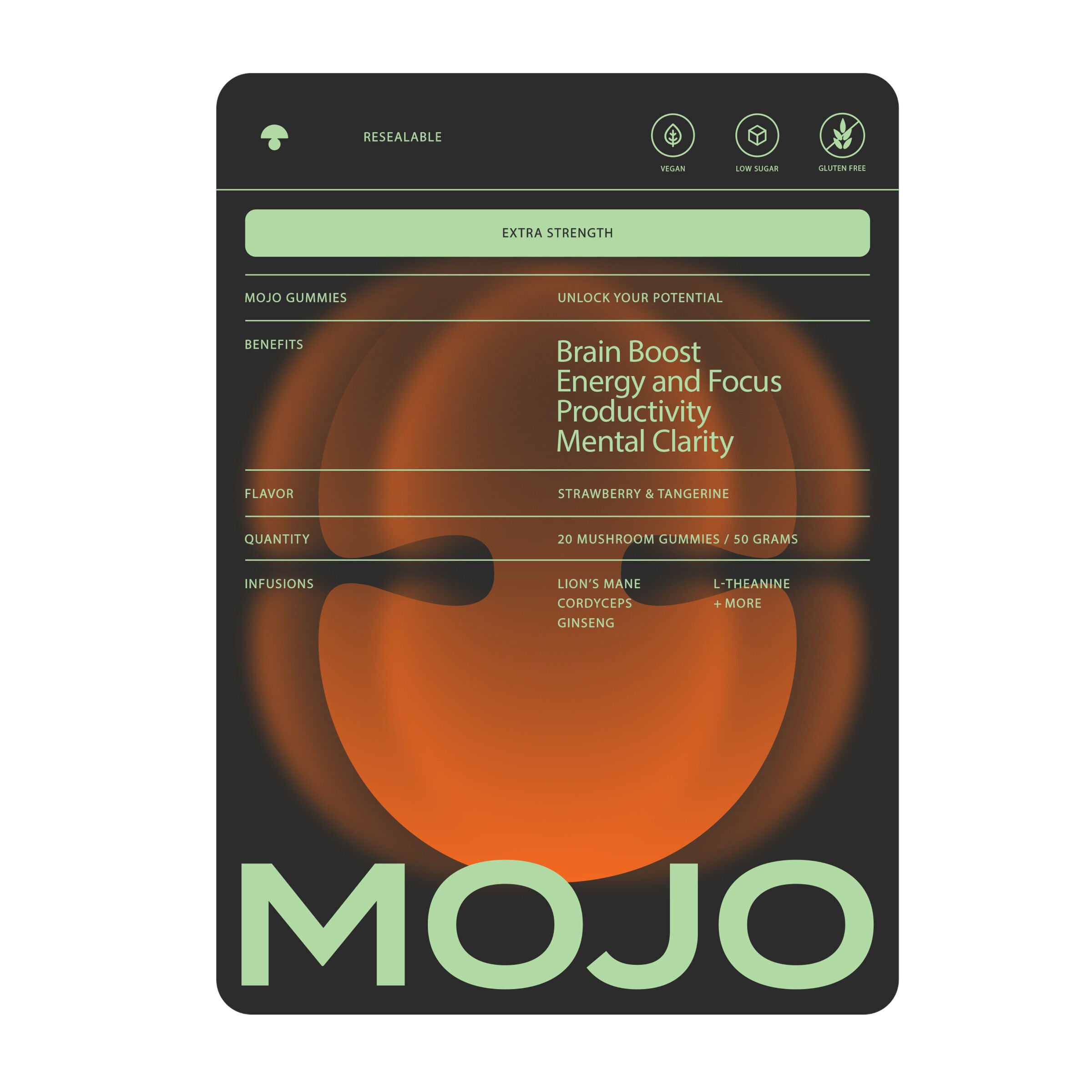

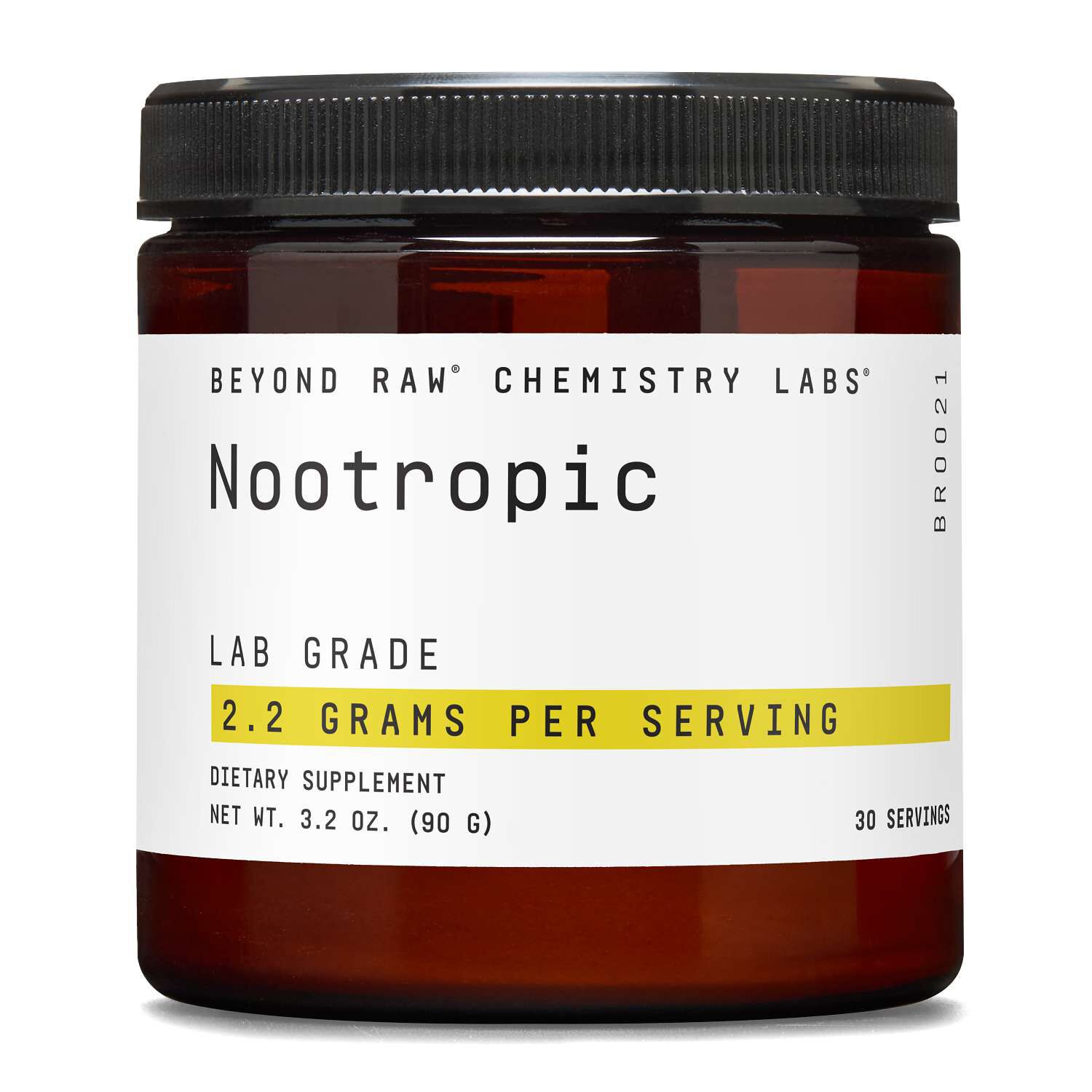
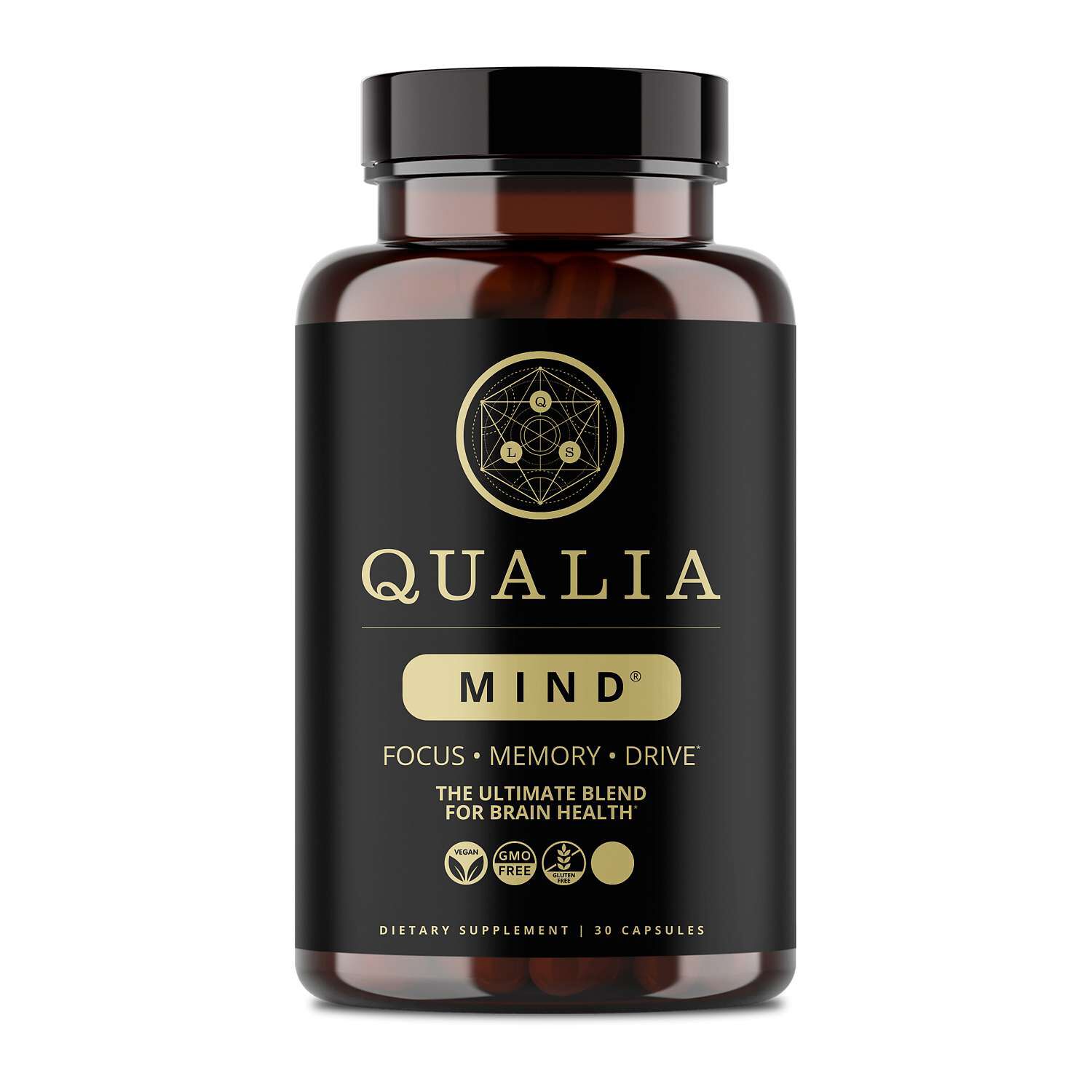
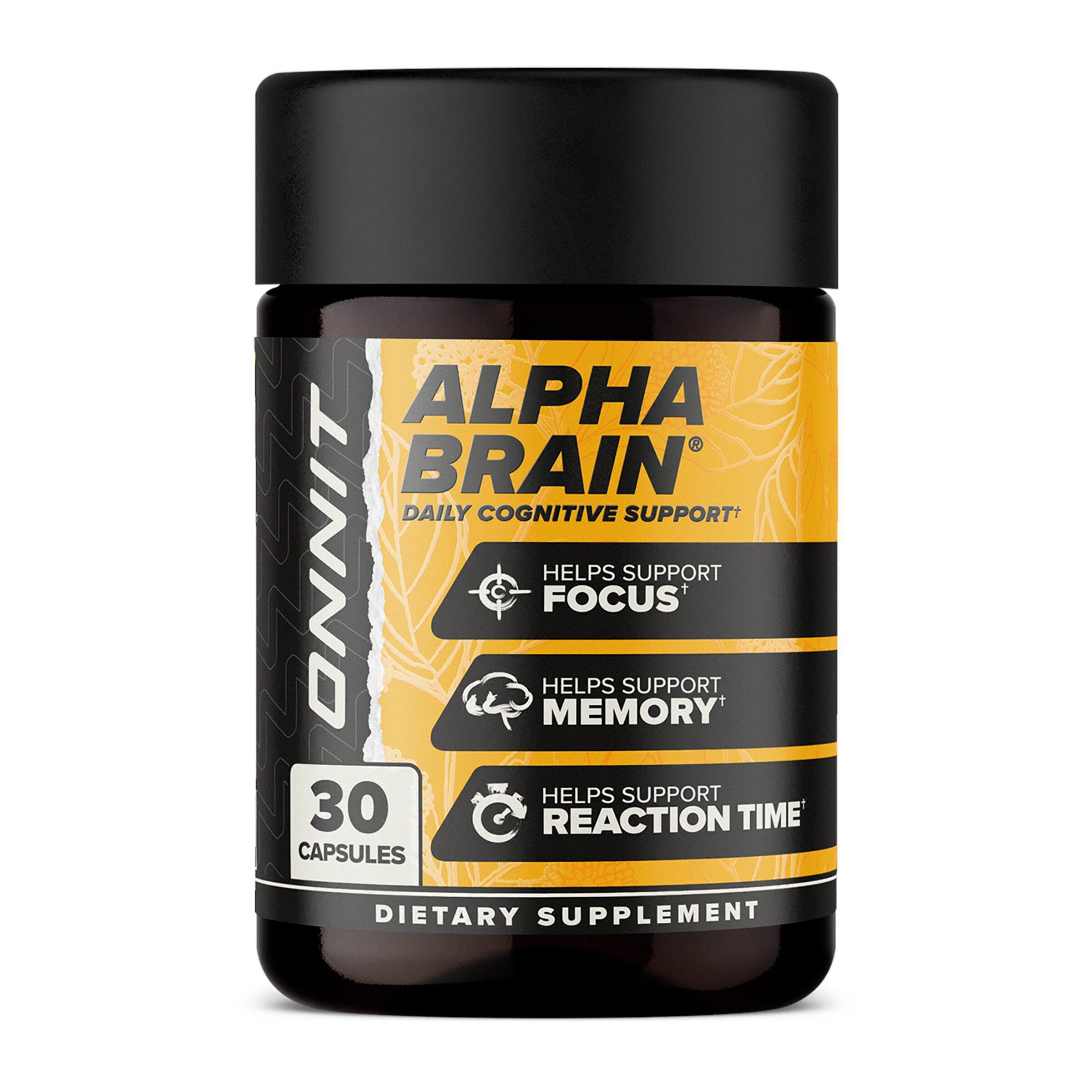
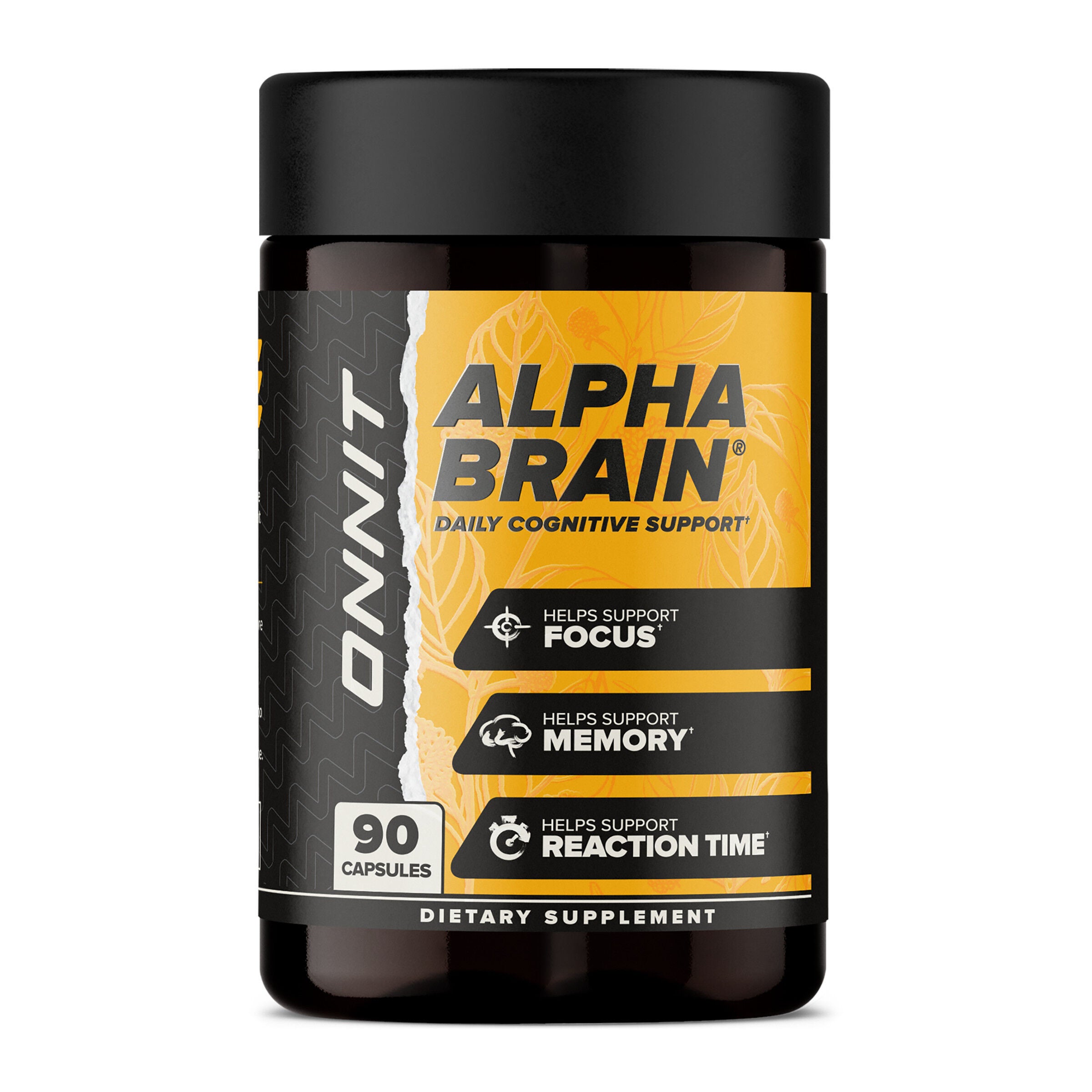
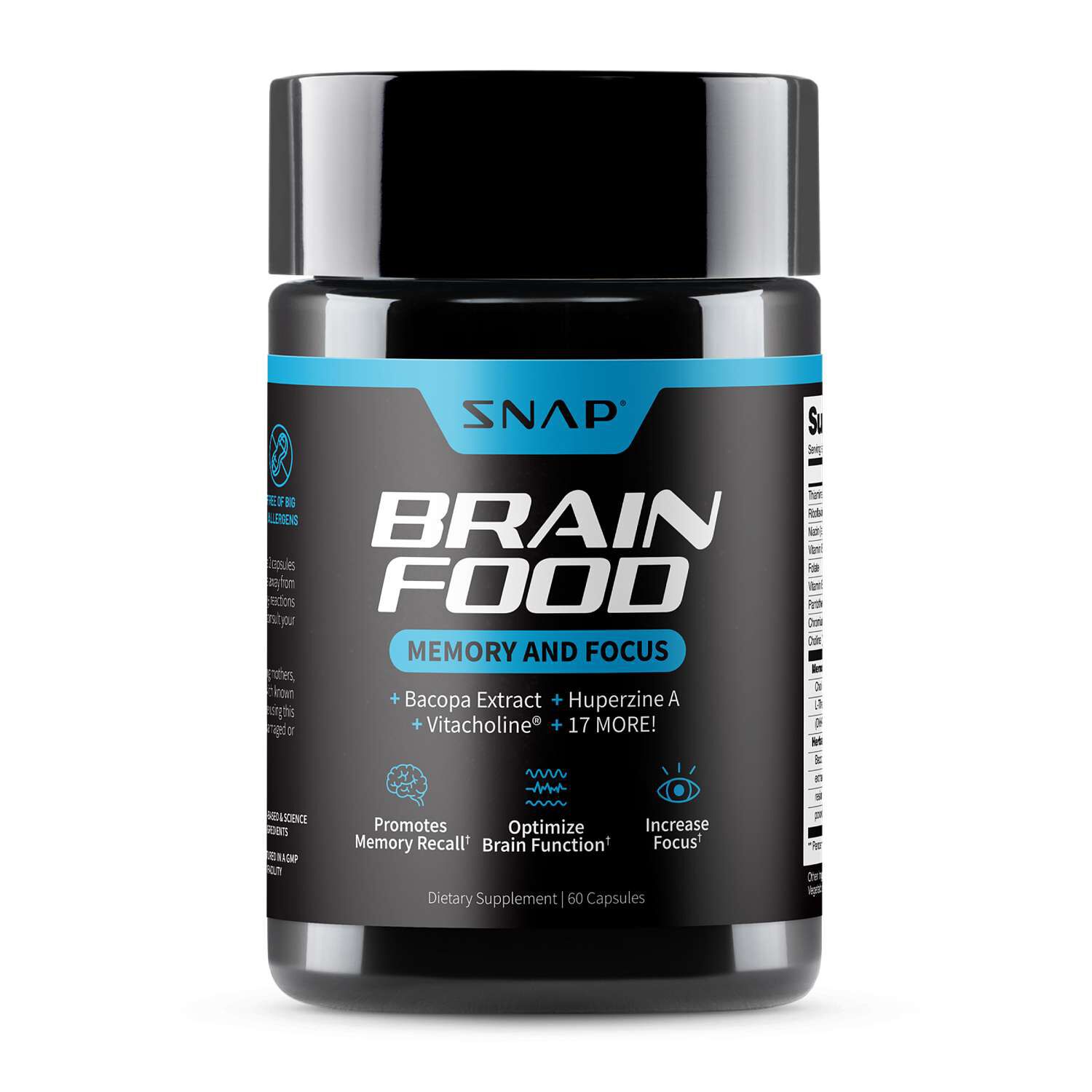
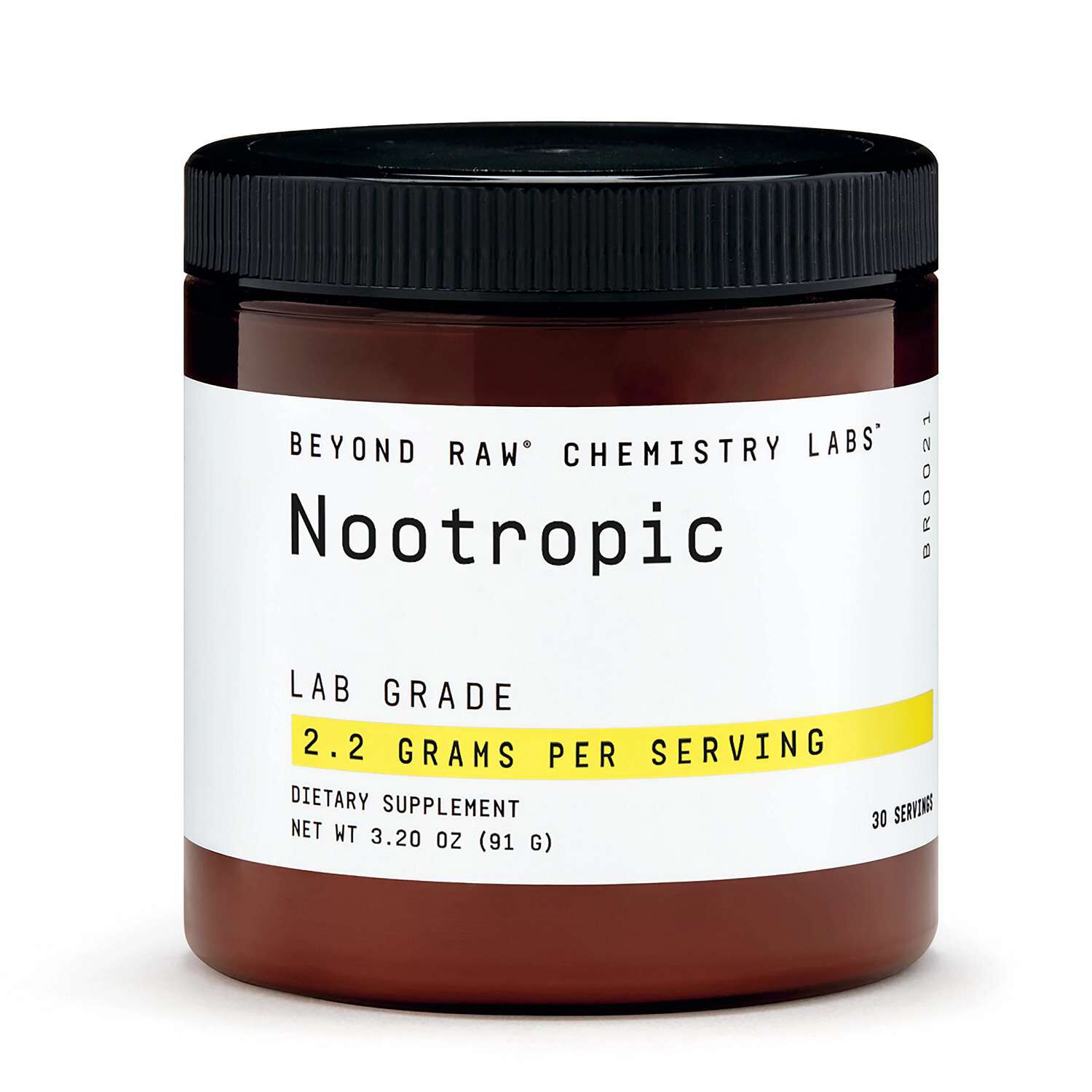
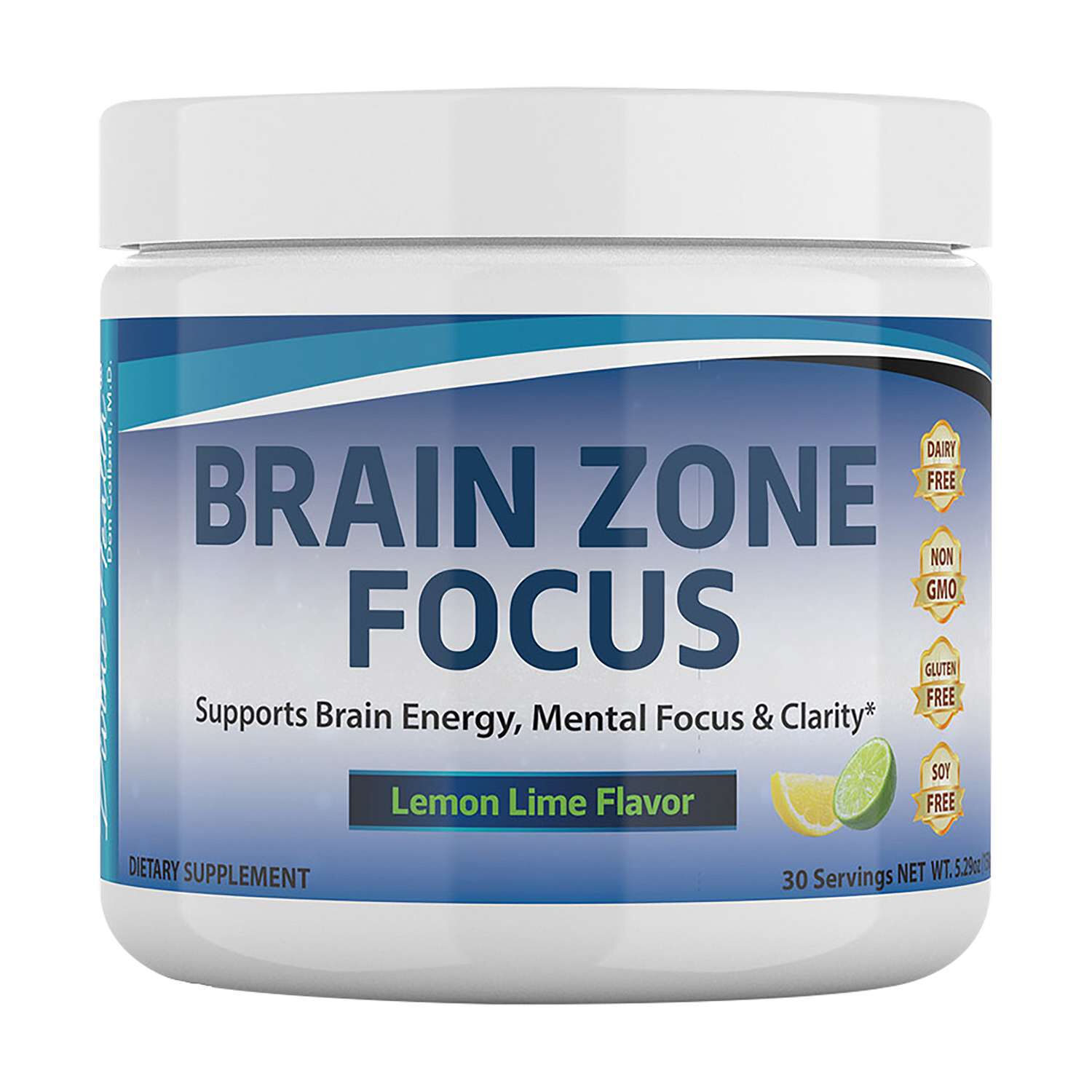
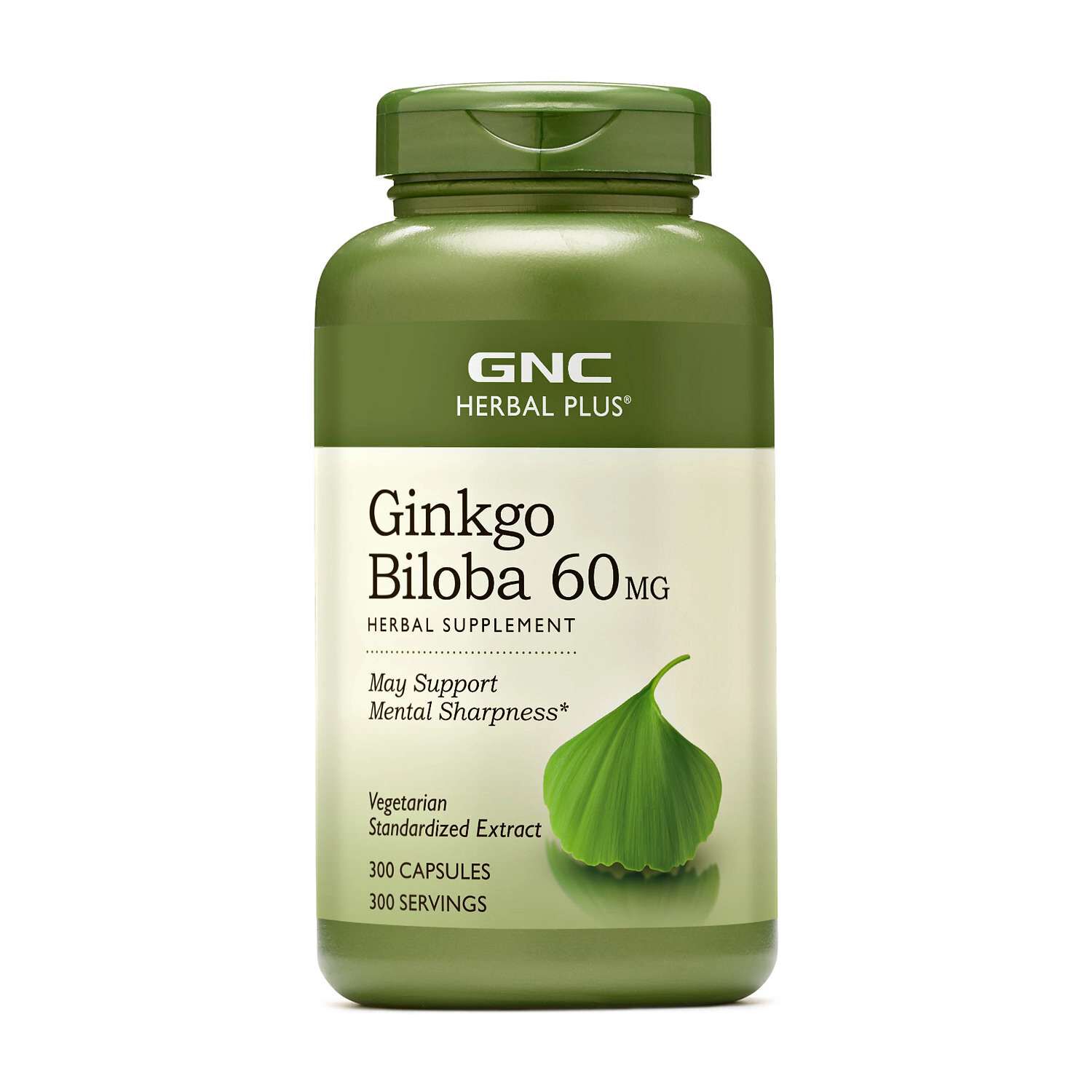
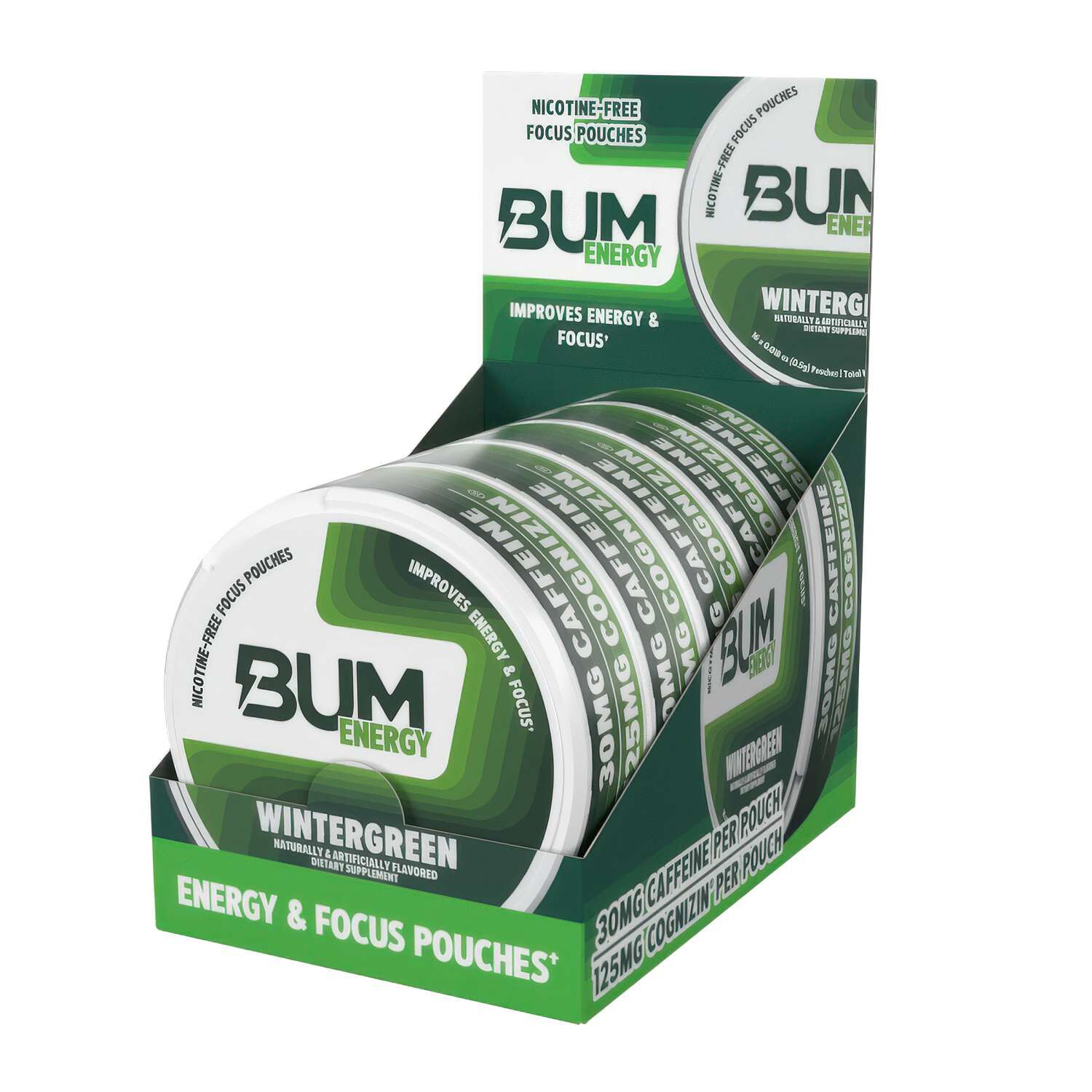
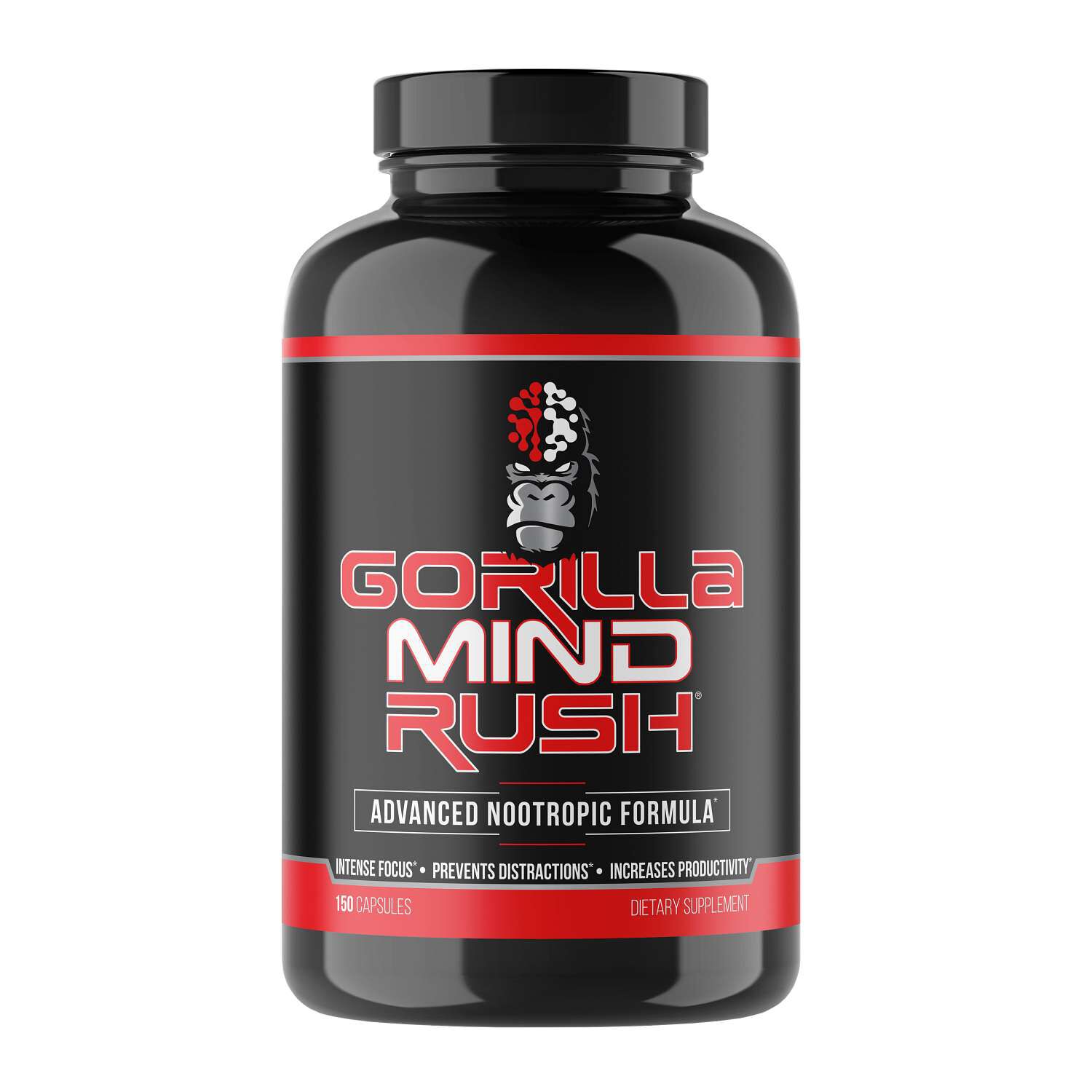
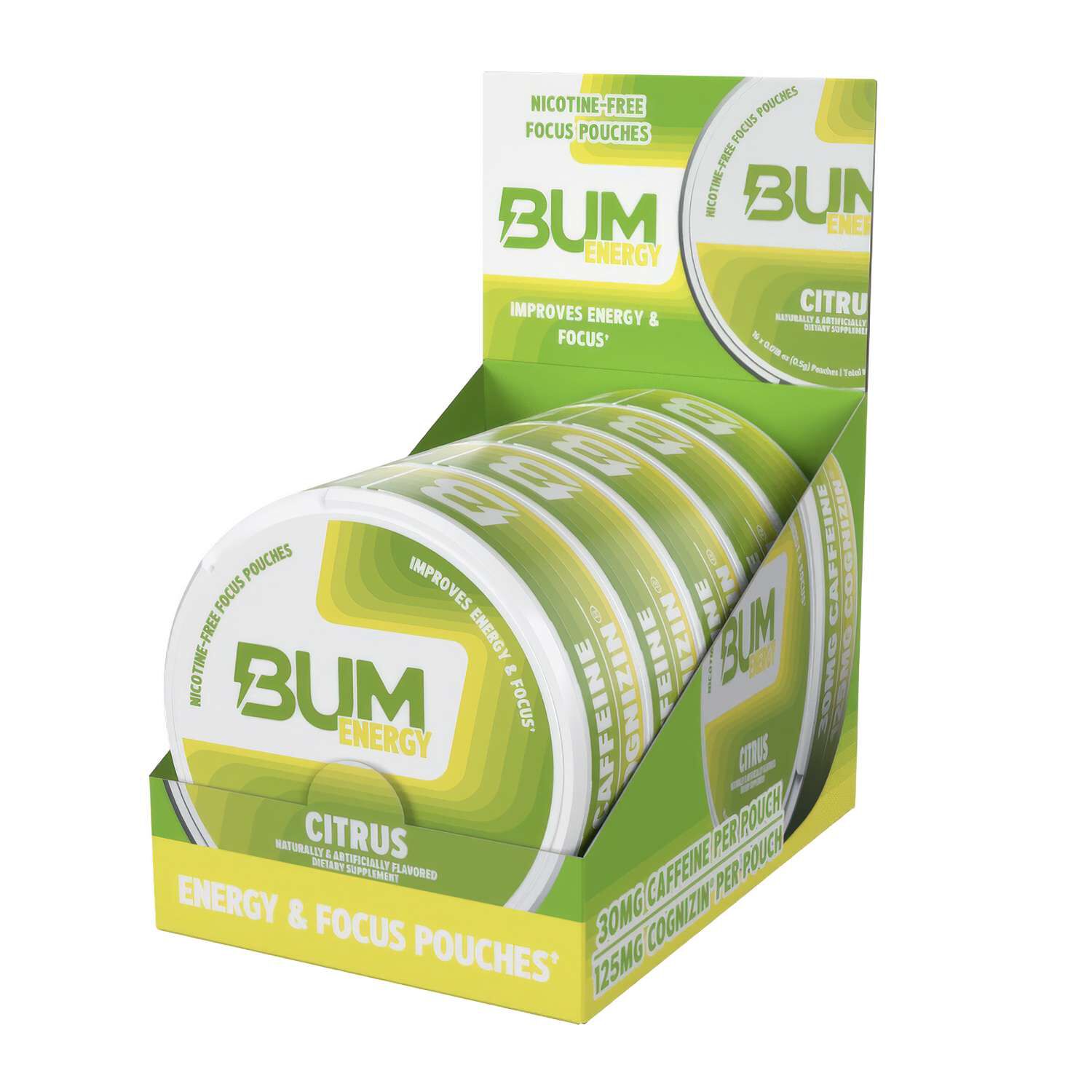
Focus supplements for late-night studying come in formulas with caffeine and formulas made without stimulants. That distinction matters when the study window is narrow: finishing a practice set after an evening shift is different from settling in at the library with three chapters to read. A caffeinated formula may help an adult feel more alert, but caffeine later in the evening may also make it harder to wind down at the intended bedtime. The front of the package doesn’t always settle the caffeine question. Guarana and some green tea extracts, for example, can contribute caffeine even if the name on the front emphasizes a blend. The Supplement Facts panel and ingredient list give a clearer picture of what’s in a serving. L-theanine, an amino acid found in tea, appears both on its own and alongside caffeine, so seeing it on a label doesn’t tell the whole story. Other focus formulas may list L-tyrosine or choline sources such as citicoline or alpha-GPC. Some include B vitamins alongside amino acids or plant extracts, while others list just one featured ingredient. These names describe what goes into the formula, not how long it might feel noticeable or how much reading someone might get through. For an adult who already has an afternoon coffee or a mug of tea at the desk, the useful comparison is often whether a supplement adds more caffeine. For someone reviewing flash cards shortly before turning in, a formula made without stimulants may be a closer match for the routine. Even among formulas with similar names, the amount listed per serving and the number of capsules, chews, or scoops that make up that serving can differ. Two labels can look alike at a glance and still describe different formulas.
The format can be as noticeable as the ingredient list once the evening’s books are open. Capsules and tablets don’t involve mixing, which may suit an adult who moves between a campus study room and the bus ride home. A powder may fit better at a desk where there’s already a glass and room to stir, particularly for someone who prefers to sip a flavored drink rather than swallow a capsule. Powders vary in flavor, sweeteners, and the amount of liquid listed in the mixing directions. That last detail can make a difference to someone who carries a small water bottle rather than keeping a full-size glass nearby. Chewables have their own texture and flavor, and a serving might be more than one piece. Capsule size may matter to someone who already knows what’s comfortable to swallow, while the capsule shell may matter to someone who prefers a plant-based material rather than gelatin. Those details often appear in the other ingredients list, along with flavorings or sweeteners that may not be obvious from the name of the formula. Packaging is another practical difference. A wide tub may sit neatly beside a stack of notebooks at home but take up more room than expected in a bag already holding a laptop and a binder. A compact container may be easier to carry between work and class. For a powder stored at a shared kitchen counter or packed with books, a lid that closes securely and a dry scoop are worth considering. The original container also keeps the serving information, storage directions, and any best-by date together, which is useful when a supplement is used only on occasional study nights. A format that’s simple to store and handle may suit that kind of routine better than one that requires a separate cup or more room in a bag.
Late-night study routines often belong to adults fitting school around the rest of the day. An evening student might have an hour to annotate a reading once the kitchen is quiet. Someone preparing for a certification exam might run through practice questions at the dining table after a shift. A graduate student working on a paper may have a longer stretch at a desk, with time to mix a powder and a place to keep the container between sessions. Those are different settings for the same category, and they help explain why the ingredient list alone doesn’t settle which format fits. Someone who spends most study nights away from home may care more about the size of the container and whether the formula needs mixing. Someone who studies in the same spot each evening may be more particular about flavor or whether caffeine is part of the formula. If a supplement is being considered as a gift for an adult student, a format or ingredient preference the recipient has already mentioned is more useful than knowing how late they study. For a longer block of reading or practice problems that starts earlier in the day, Energy Supplements For Long Study Sessions offers a related comparison. Energy and focus formulas can share ingredients and formats, even when the names on the packages suggest different uses. The contrast is clearest in the study schedule itself: a long afternoon in the library leaves room for different preferences than a short review before bed. For the later session, the details that tend to matter most are whether the formula contains caffeine, what constitutes one serving, and whether the format fits the place where the studying actually happens.