





Focus Supplements For Students
(0 Results)
Balancing academics, extracurricular activities, and social life can be challenging for students. Focus supplements for students might provide the extra support needed to stay sharp and attentive throughout the day. These specially formulated supplements could help promote mental clarity and concentration, making it easier to tackle demanding coursework and exams. Explore a variety of options that may assist in enhancing cognitive function and overall brain health, helping students strive for academic success with confidence.
-
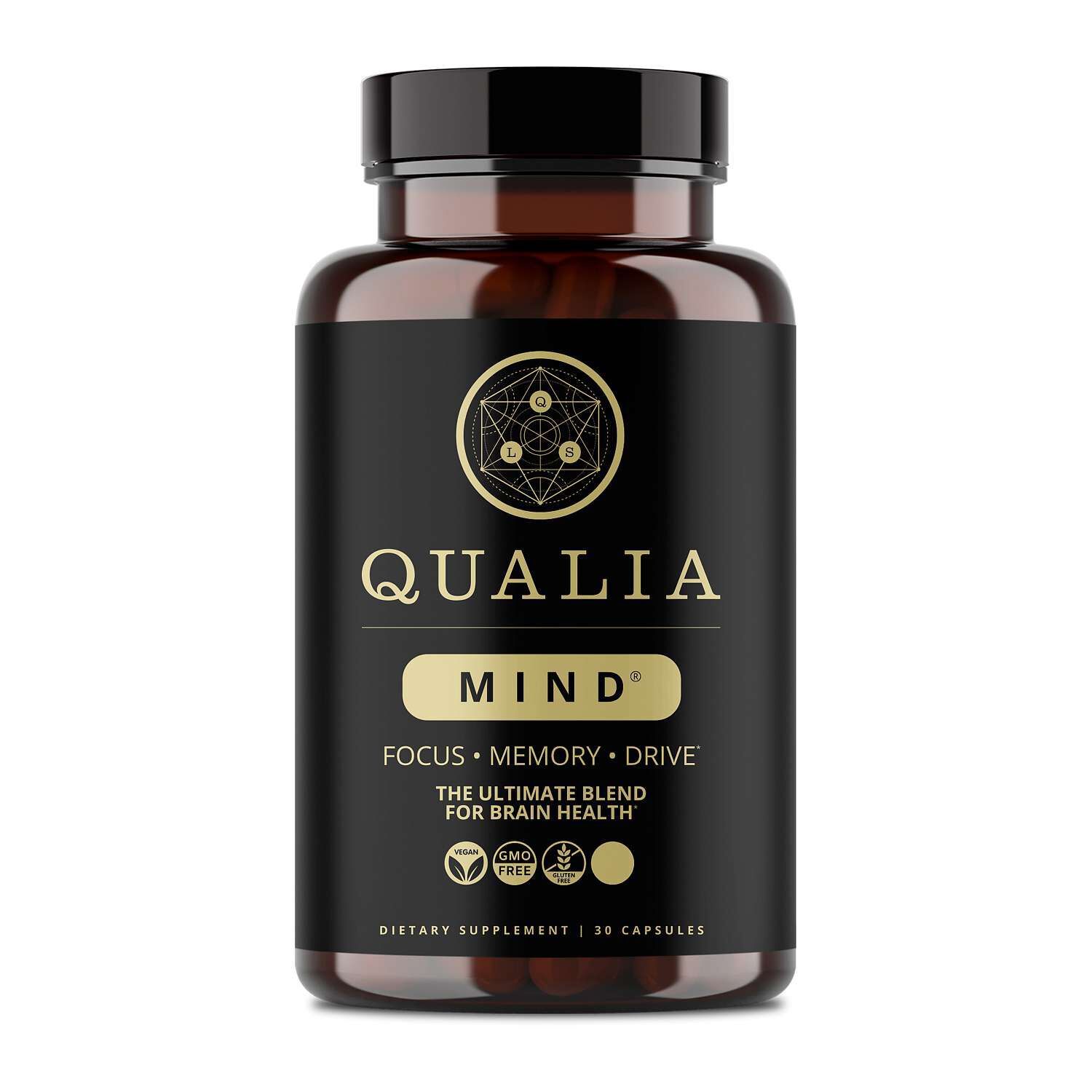
-
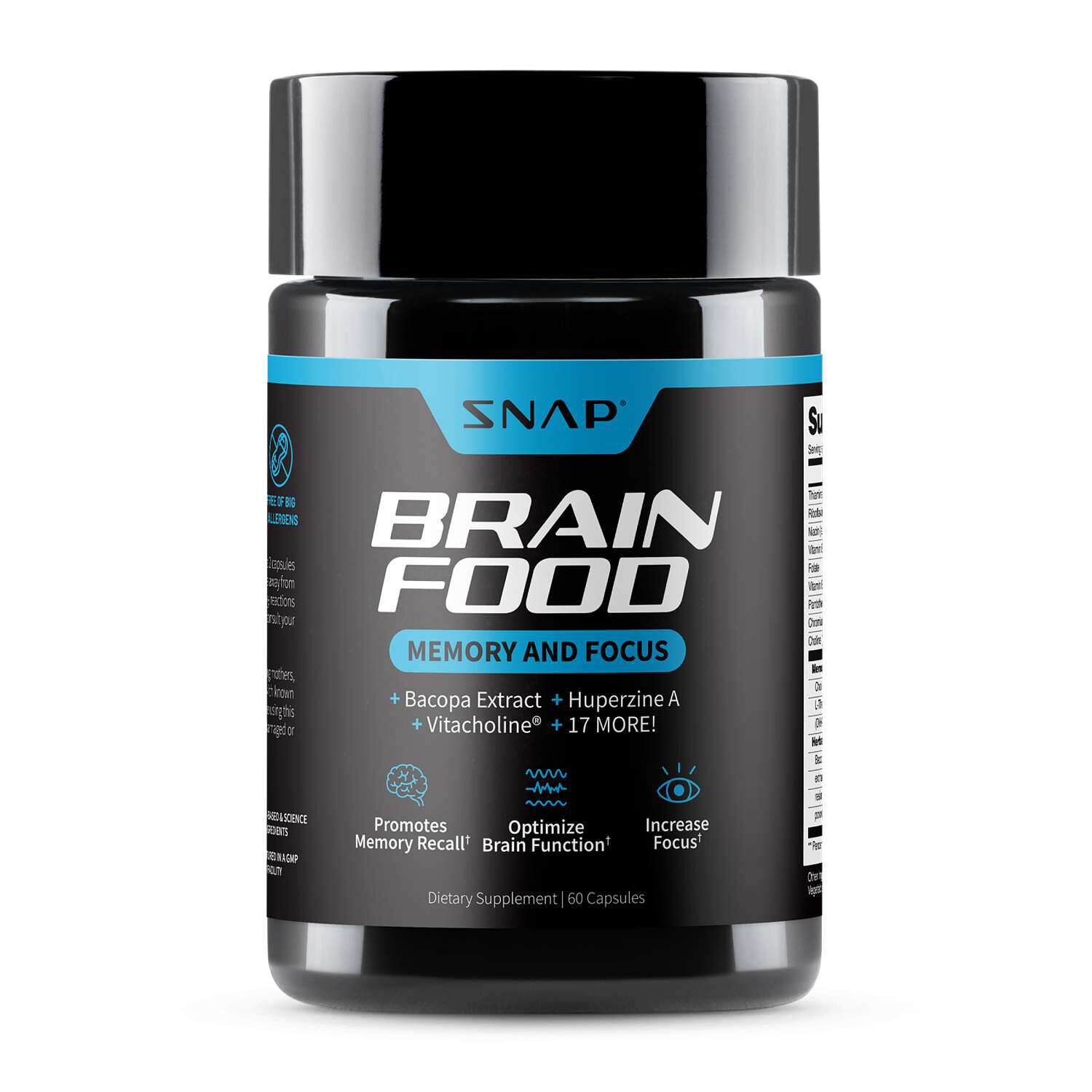
-
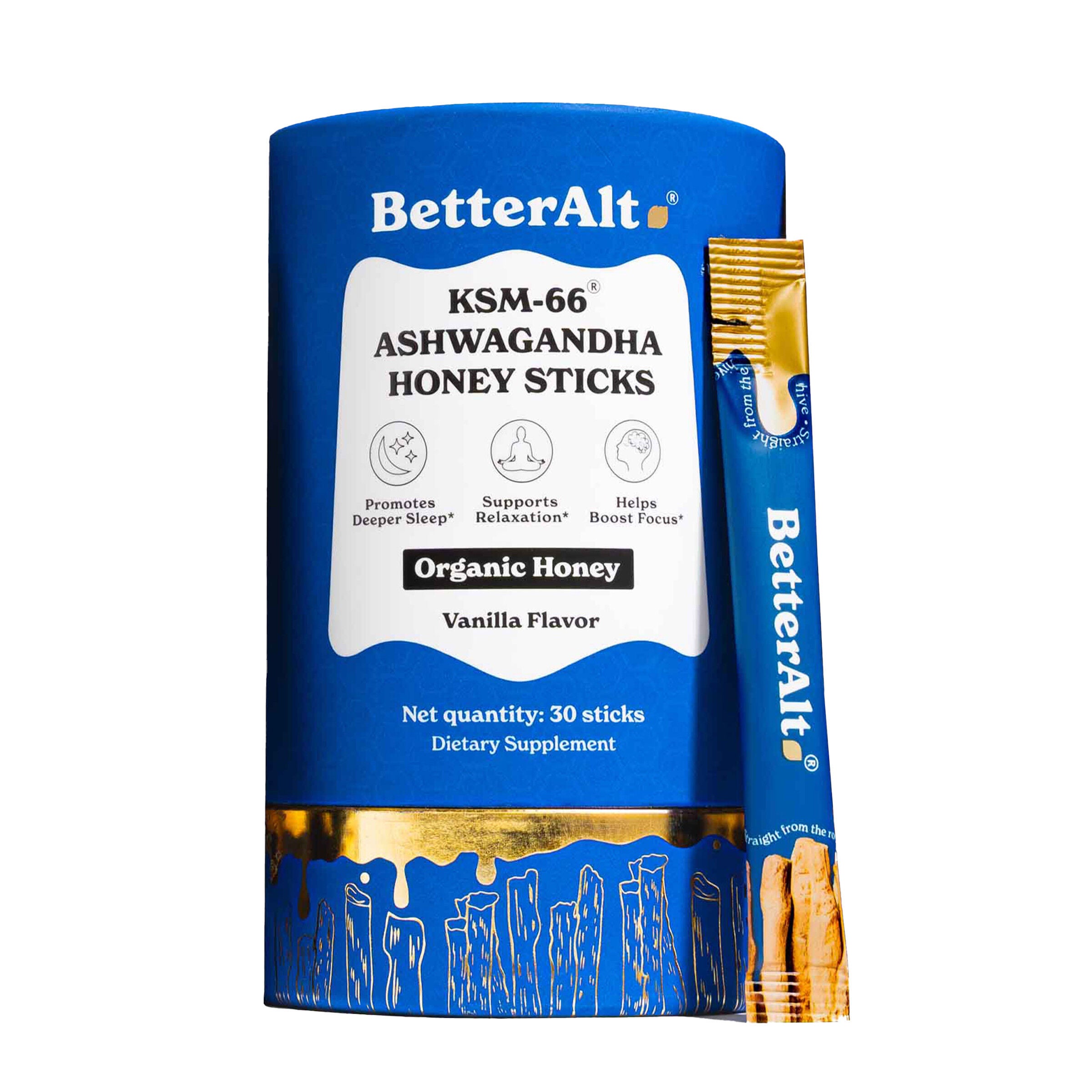
-

-
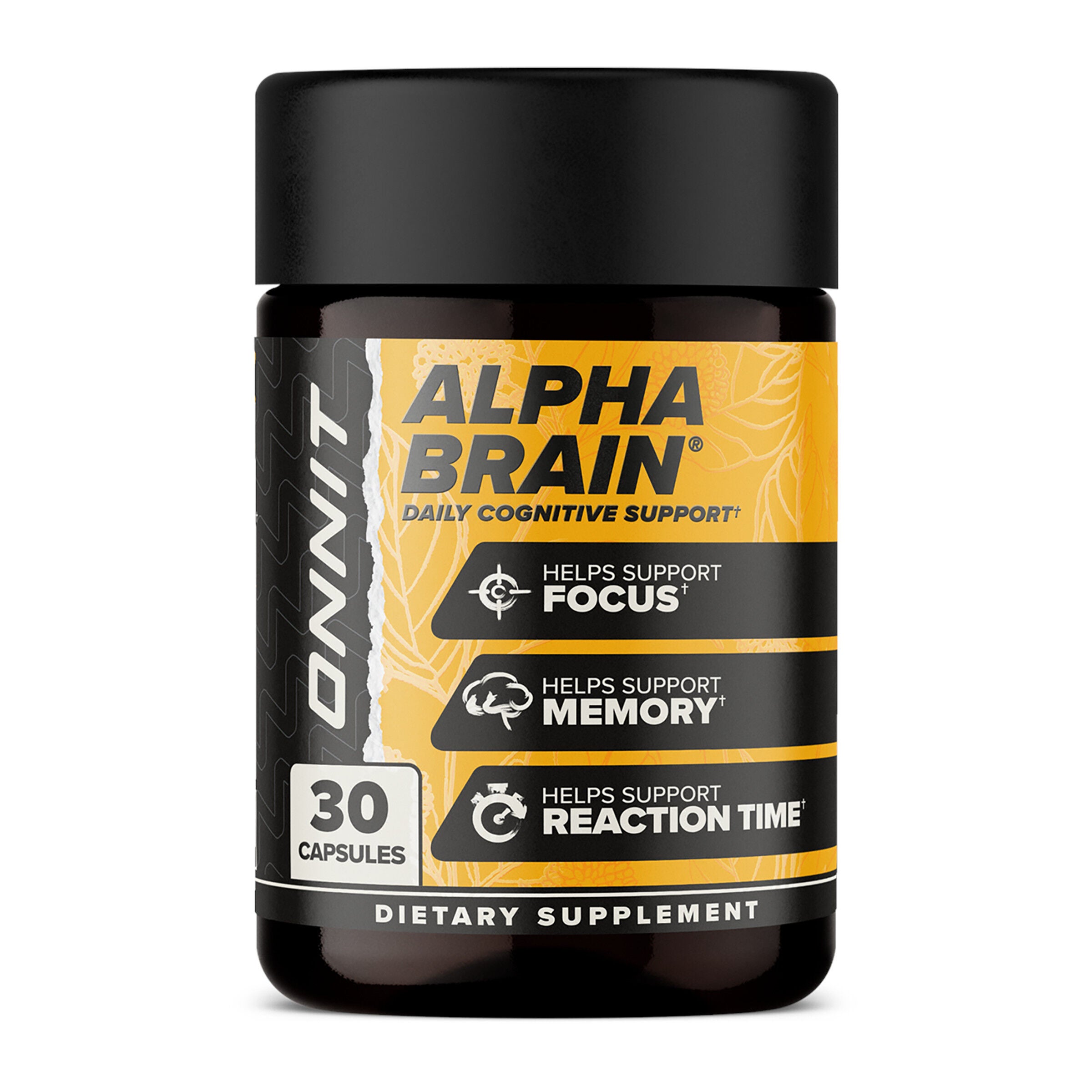
-

-
-

-

-
-
-
 459$24.99
 -
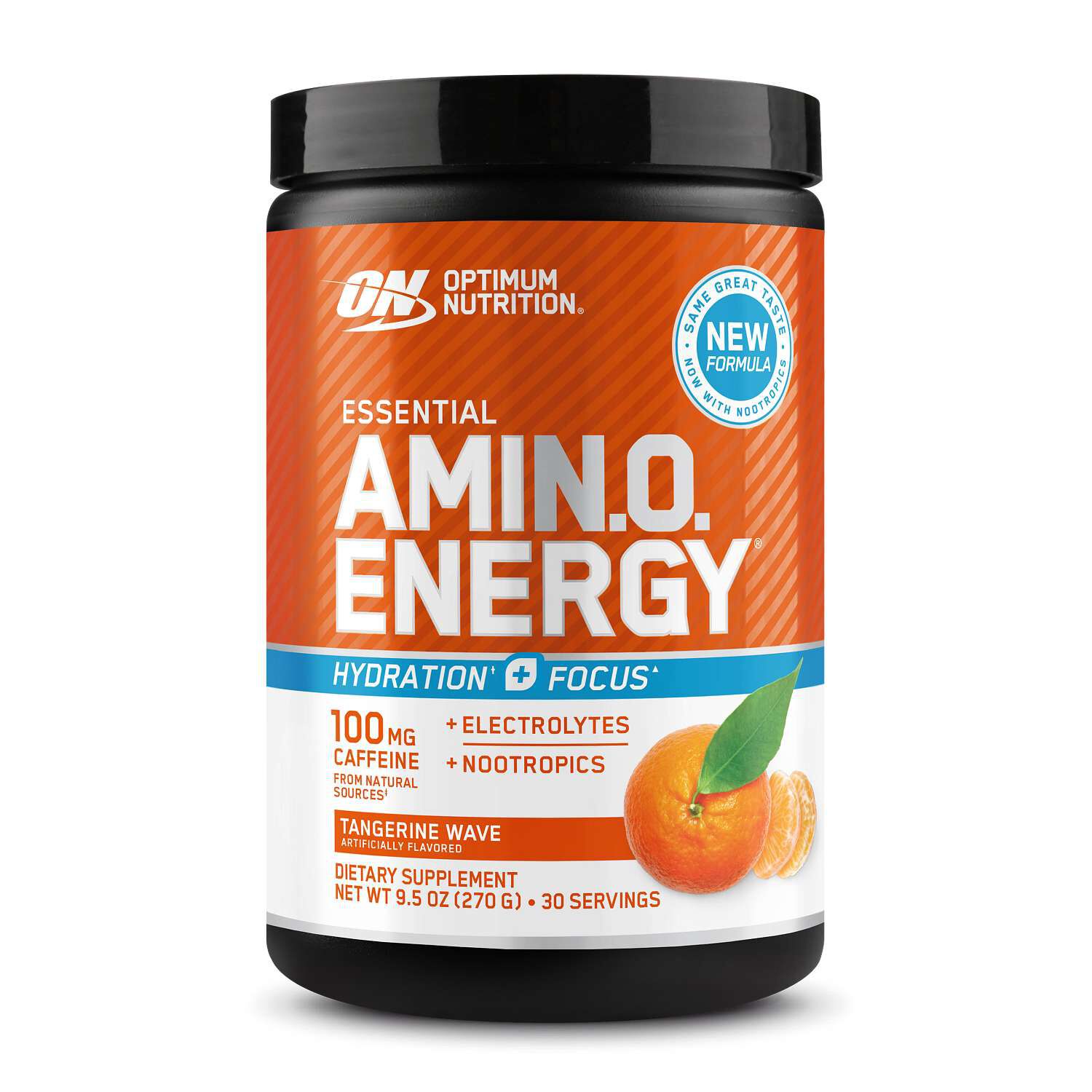
 Optimum Nutrition459$24.99
 -
-
-

-
-
-

-
-
-

-
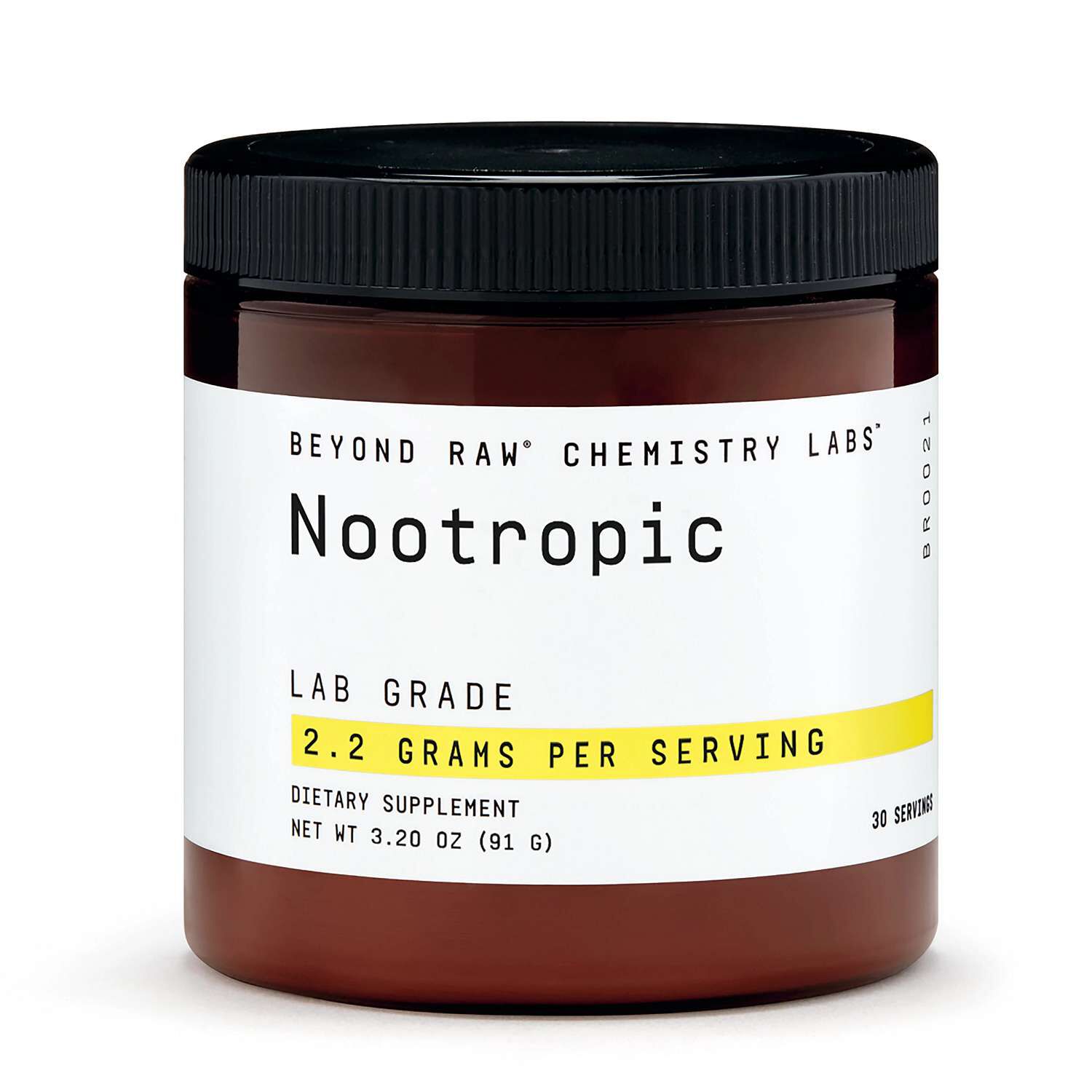
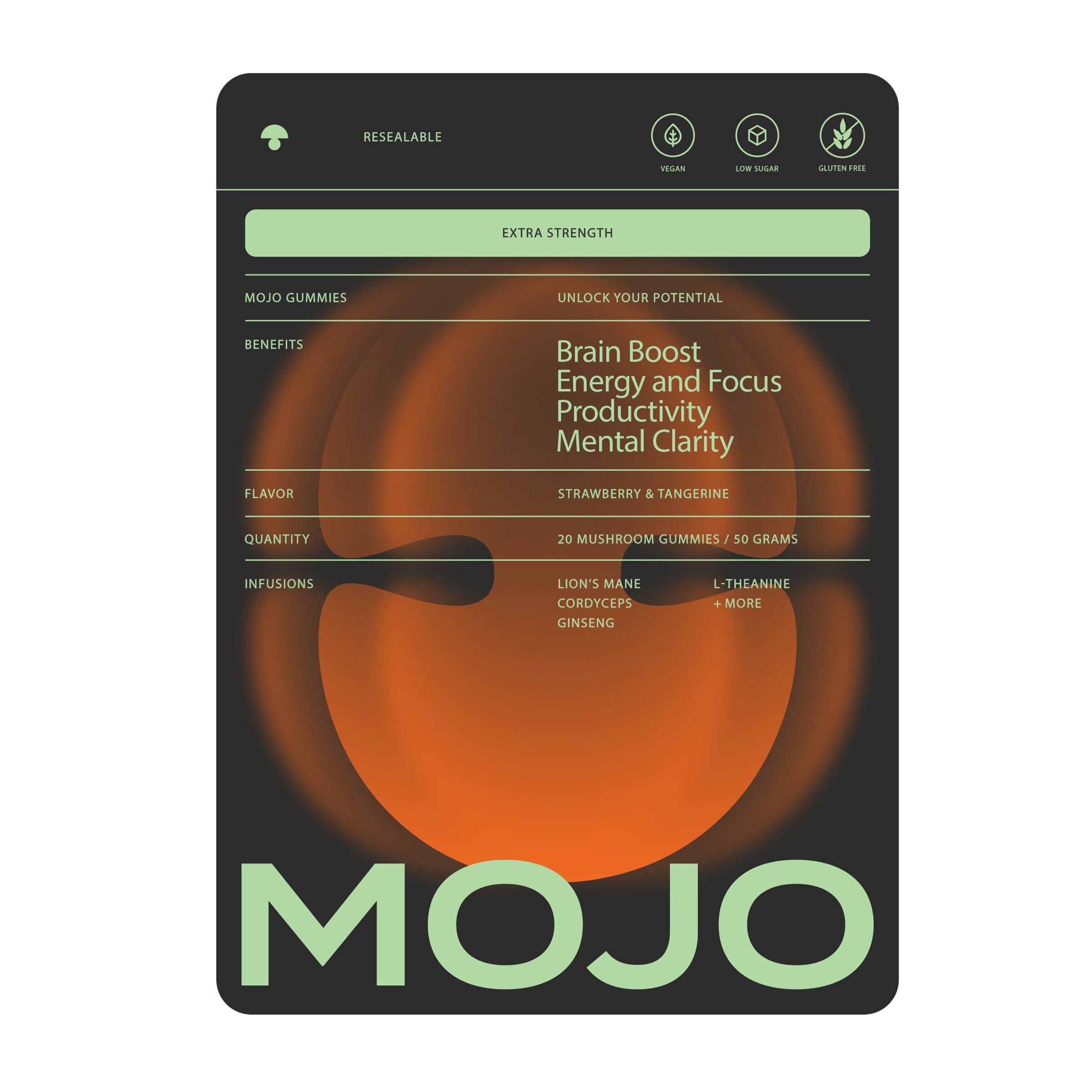
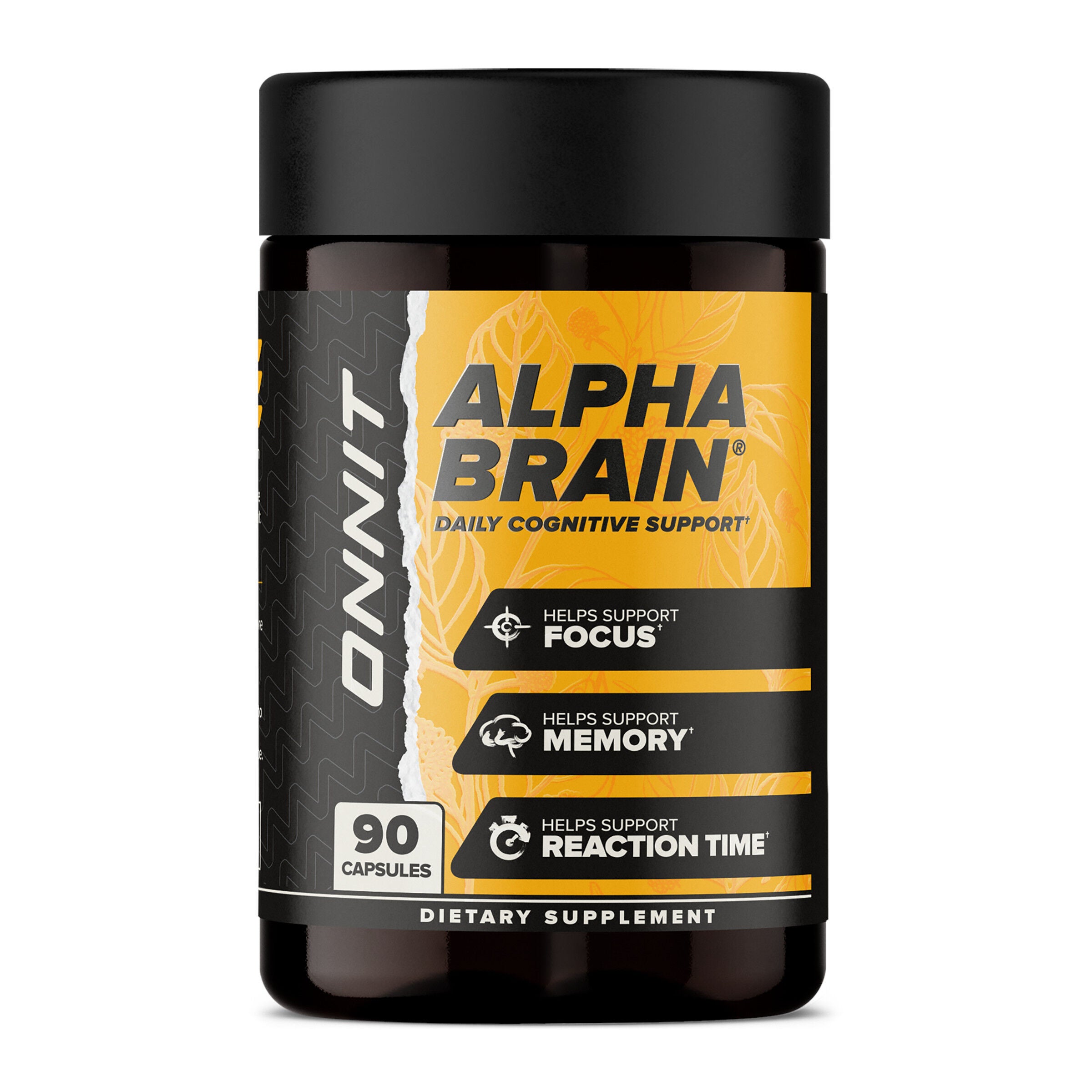
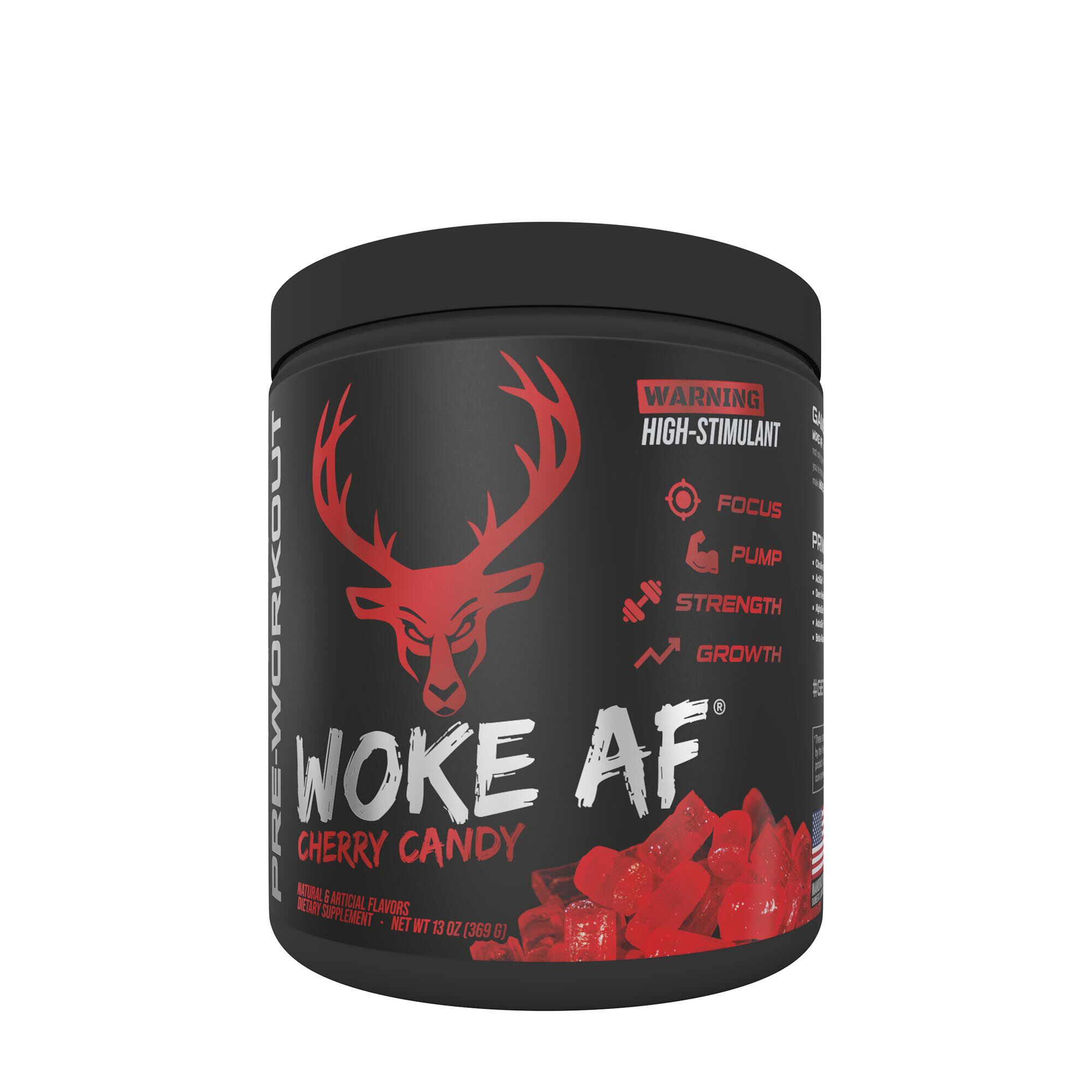
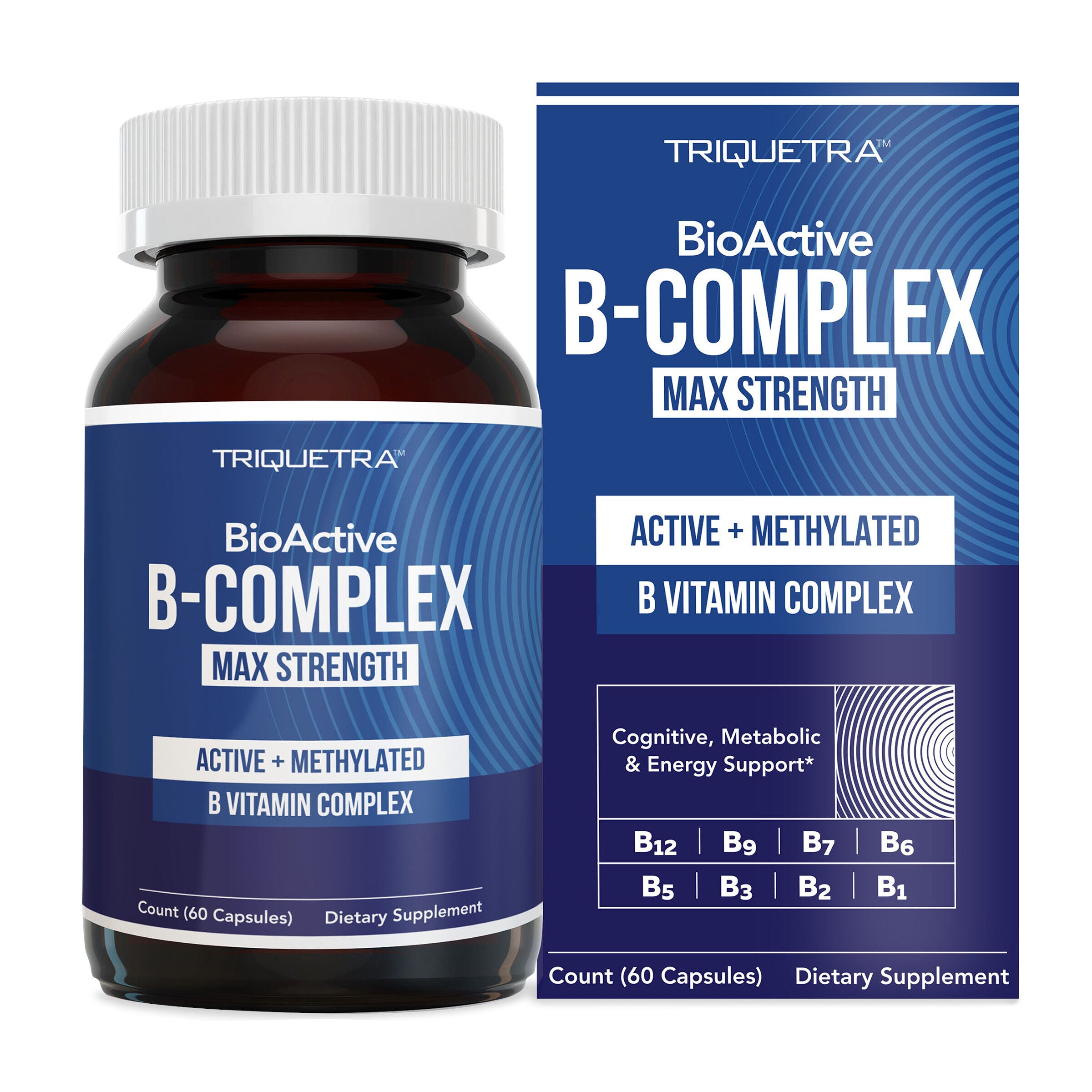
Focus supplements for students include a range of dietary supplements that may complement everyday study routines, from formulas centered on individual ingredients to blends combining vitamins, amino acids, and botanical extracts. The category is broad because student schedules are broad: a morning lecture, an afternoon laboratory session, and an evening spent reading all place different demands on time and attention. An adult student balancing coursework with a job may have different preferences from someone preparing for a professional certification or returning to school after several years away. Some shoppers look for ingredients associated with everyday concentration, while others prioritize general nutritional support alongside their usual meals. Common ingredients in this category include L-theanine, caffeine, omega-3 fatty acids, B vitamins, and botanical extracts such as bacopa monnieri. L-theanine is an amino acid found in tea, and formulas containing it may support a calm, focused mindset. Caffeine-containing options may support alertness, although the amount per serving varies across formulas. Omega-3 supplements commonly use fish oil or algae-derived ingredients, while vitamin-based formulas may complement everyday nutrient intake. Bacopa monnieri appears in some botanical blends marketed around focus and memory; the presence of an ingredient, however, does not establish how a particular formula will fit an individual shopper’s routine. Single-ingredient options make the featured ingredient straightforward to identify, whereas blends require a closer look at each listed component and its amount. A familiar ingredient name is only one part of the comparison. Serving size, the intended age group, and the rest of the formula also matter. Focus supplements for studying are best understood as an optional addition to a broader routine, rather than a substitute for meals, rest, or preparation. They do not establish academic outcomes, and a label’s focus-oriented wording should not be confused with a prediction about test scores, reading speed, or how much material someone will remember. Clear expectations make the category easier to browse without turning ordinary study challenges into a claim that a supplement can solve them.
Format is another meaningful distinction when comparing student focus supplements. Capsules and tablets offer a familiar format, but their dimensions, coating, and number per serving can differ considerably. A serving may consist of more than one capsule or tablet, so the front-label count does not necessarily describe the number of servings in the container. Gummies involve flavor, texture, and added ingredients that deserve the same attention as the featured nutrients. Powders introduce a different set of practical details, including the stated mixing directions, portion size, and whether the flavor fits the shopper’s preferences. For someone carrying a notebook, laptop, and lunch between campus buildings, container size and a secure closure may matter more than elaborate packaging. For someone studying at home, a clearly labeled bottle stored according to its directions may be easier to incorporate into an existing routine. The Supplement Facts panel offers the most useful starting point for comparing serving sizes and listed ingredient quantities. The other-ingredients section adds context about capsule materials, sweeteners, colors, and flavoring. Capsule shells may be made with gelatin or plant-derived materials, and those differences can matter to shoppers with vegetarian or vegan preferences. Fish-derived ingredients, soy, milk, and other labeled allergens also deserve attention when evaluating whether a formula matches someone’s dietary requirements. Products described with similar focus-related language can still have very different compositions, including whether they contain caffeine. Caffeine content is particularly relevant when the shopper’s routine also includes coffee, tea, or other caffeinated beverages. Transparent labeling, ingredient sourcing information, and clearly explained testing practices provide additional points of comparison; a quality statement has more meaning when it describes what was evaluated. Packaging condition and storage directions are practical considerations as well. A secure cap, an intact seal, and protection from conditions identified on the label help preserve the product’s intended storage environment. Unlike a backpack or a desk chair, a supplement is not evaluated for durability through repeated wear. Its useful life is tied to its labeled date, packaging, and storage requirements.
The intended user should remain central to any comparison of focus supplements for school. Many dietary supplements are formulated for adults, and a school-related category name does not mean that every formula is intended for every student age group. Age information on the label is therefore an important distinction, especially when browsing for someone other than the purchaser. Adult college students, graduate students, and adults taking continuing-education courses may all explore this category, but their schedules and preferences can vary widely. Someone reviewing lecture notes at a kitchen table may prefer a simple format with a short ingredient list. Someone commuting to evening classes may place more importance on serving convenience and whether a formula contains caffeine. A student who follows a plant-based eating pattern may focus on ingredient origin and capsule composition before considering anything else. The related School Focus Supplements page offers another way to browse this theme, with label details providing the basis for individual comparisons. When a supplement is being considered as a gift for an adult student, the recipient’s established preferences matter more than assumptions about their workload. Original, sealed packaging keeps the ingredient list, serving information, and storage directions together, while a personal interest in the category makes the gift more relevant than an unsolicited suggestion about academic performance. Across these situations, realistic expectations remain important. A supplement may complement a student’s routine, but it does not replace the time spent working through practice problems, organizing notes, or rereading a difficult passage. A manageable study space, regular meals, sleep, and time away from the desk remain part of the everyday context in which these products are used. The most meaningful comparison is not which label sounds the most ambitious. It is how clearly the formula describes its contents, whether its format suits the intended user, and how well its labeled purpose aligns with that person’s preferences. Those details keep browsing grounded in the product itself rather than in sweeping claims about what studying should feel like.