

School Focus Supplements
(0 Results)
School focus supplements are designed to support students during busy academic seasons. With options that may complement a balanced routine, these supplements could help you or your student stay on track through classes, homework, and extracurricular activities. Explore a range of school focus supplements that might fit seamlessly into your daily habits and help you make the most of every school day.
-

-
-
-

-
-
-
-
-
 Raw Nutrition$44.99
 -

-
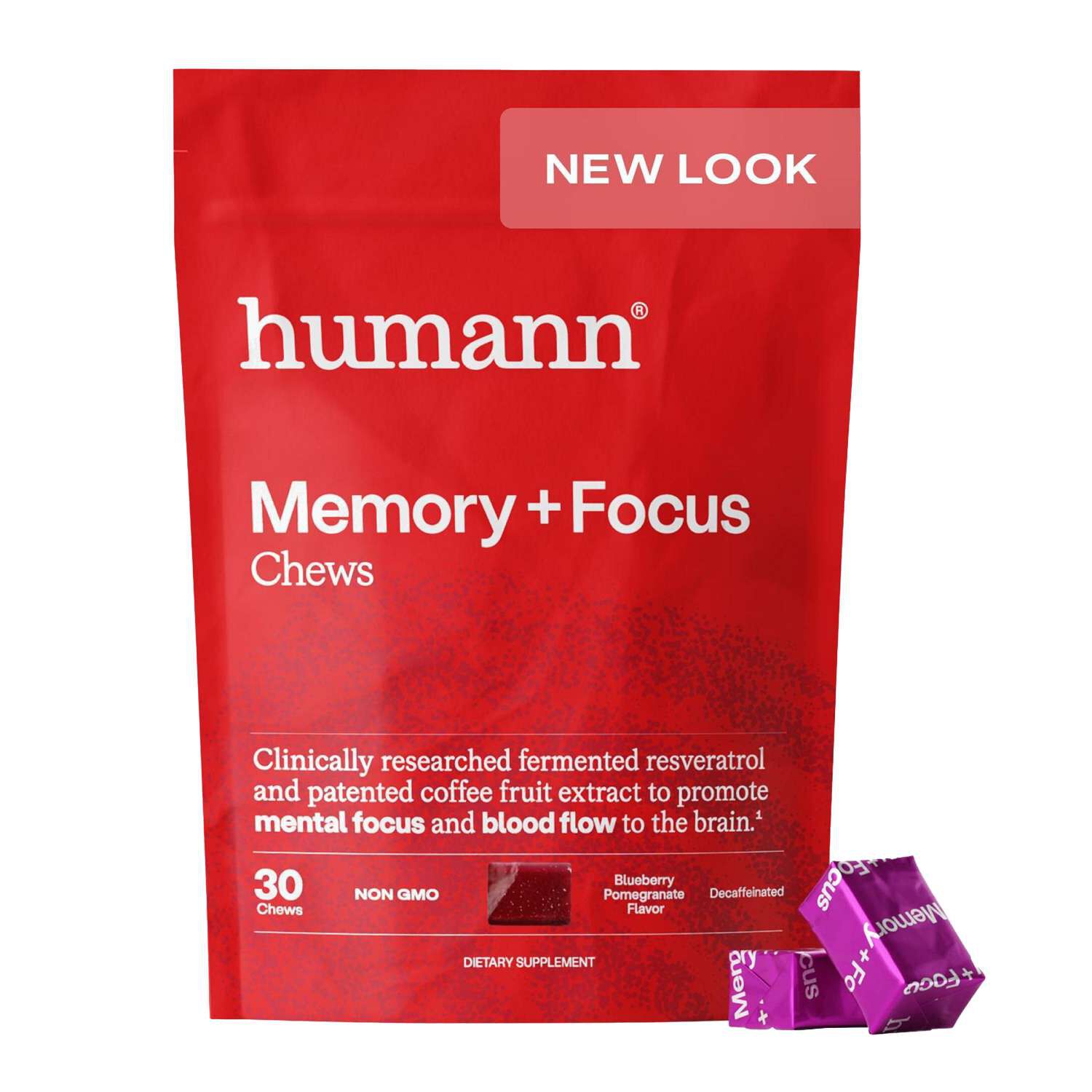
-

-

-

-
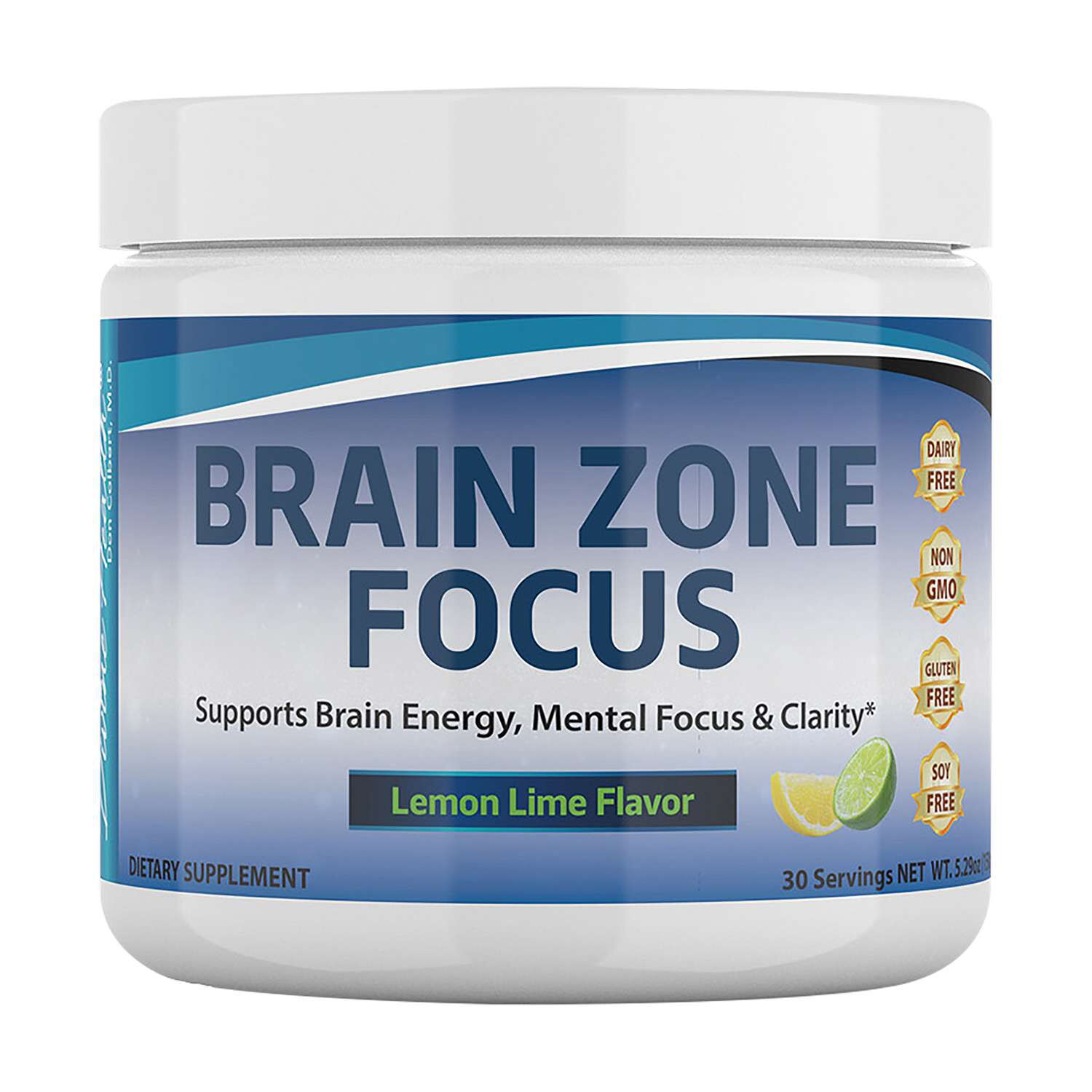 Divine Health$44.99
 -
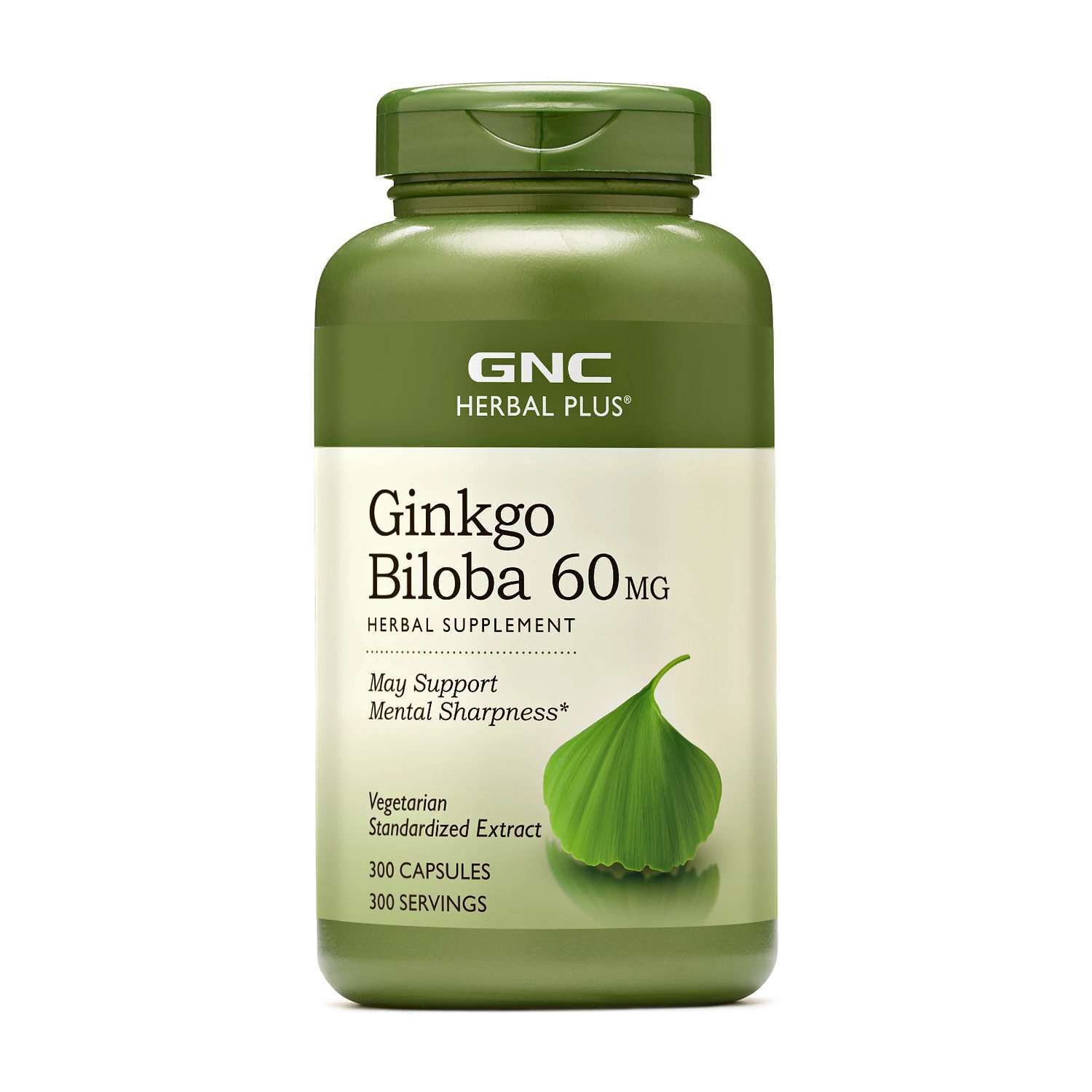
-
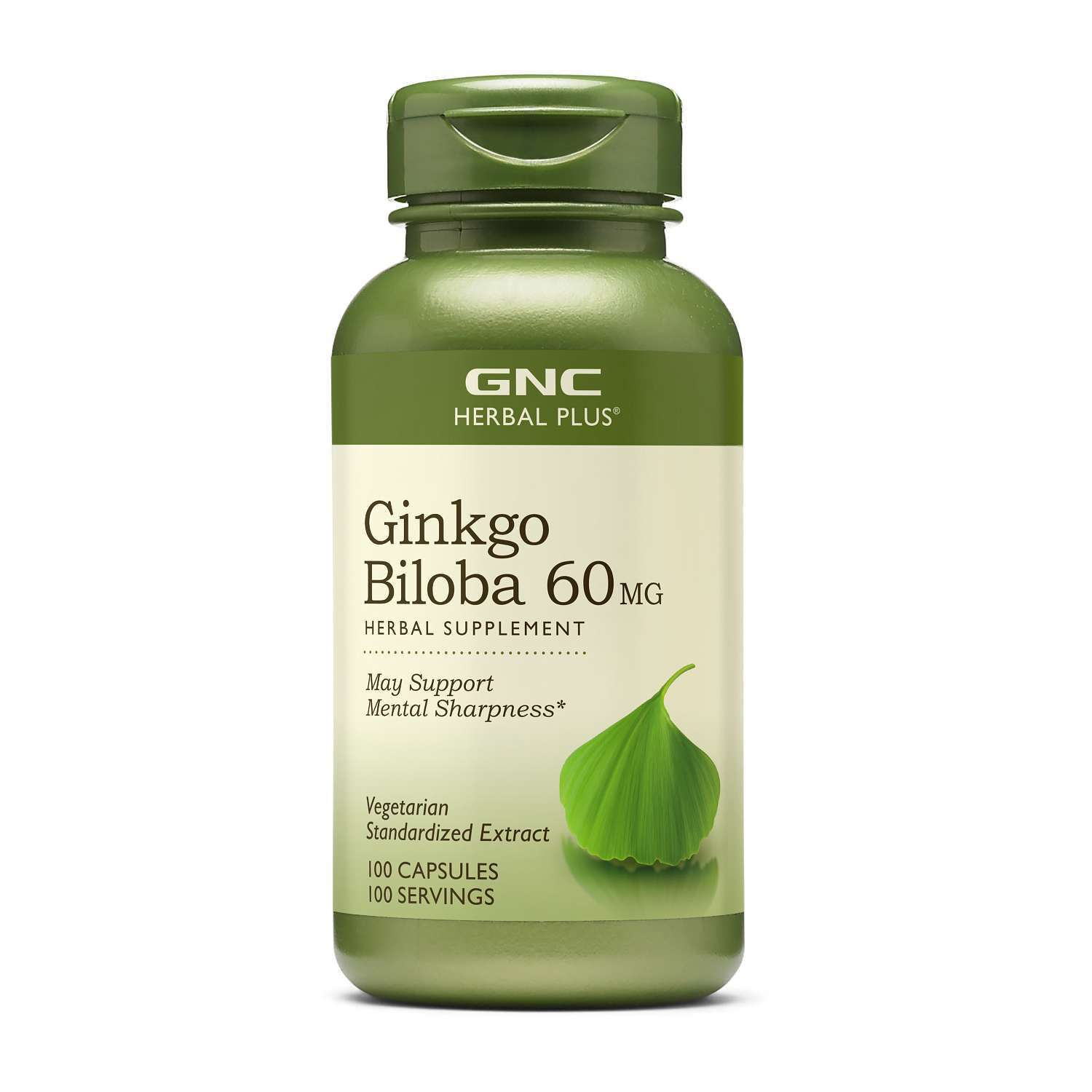
-
-
 Raw Nutrition$44.99
 -
 $34.99
 -
-


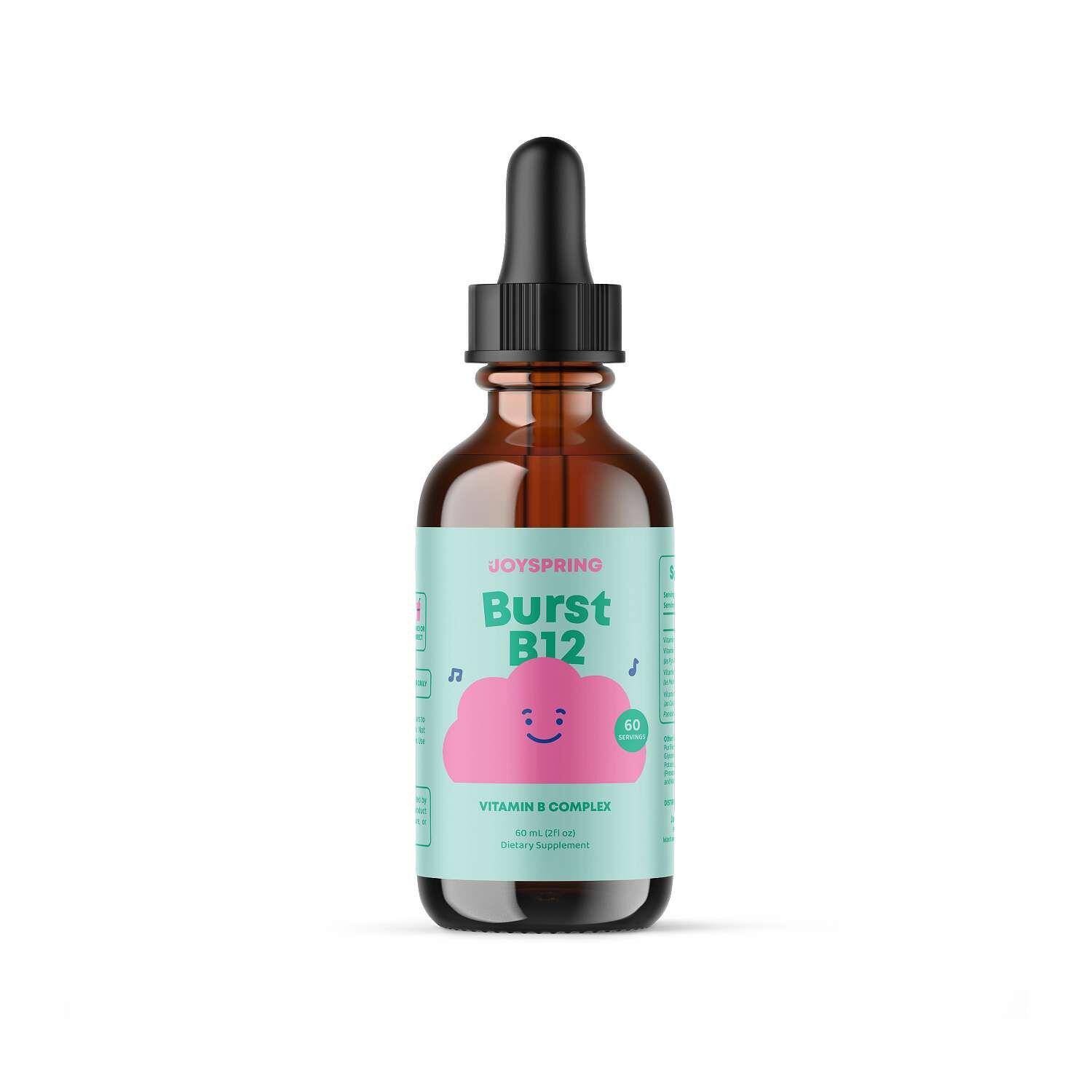
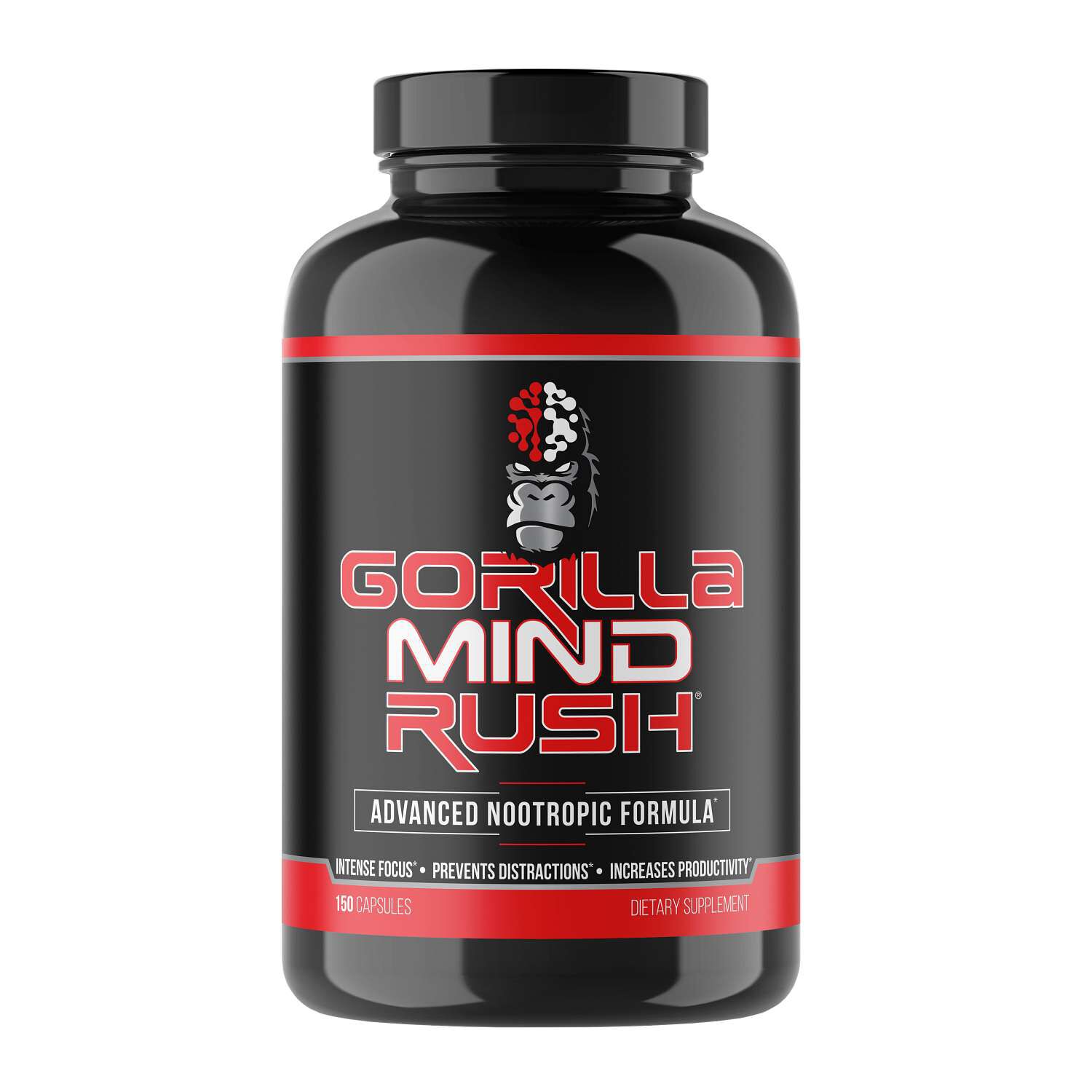
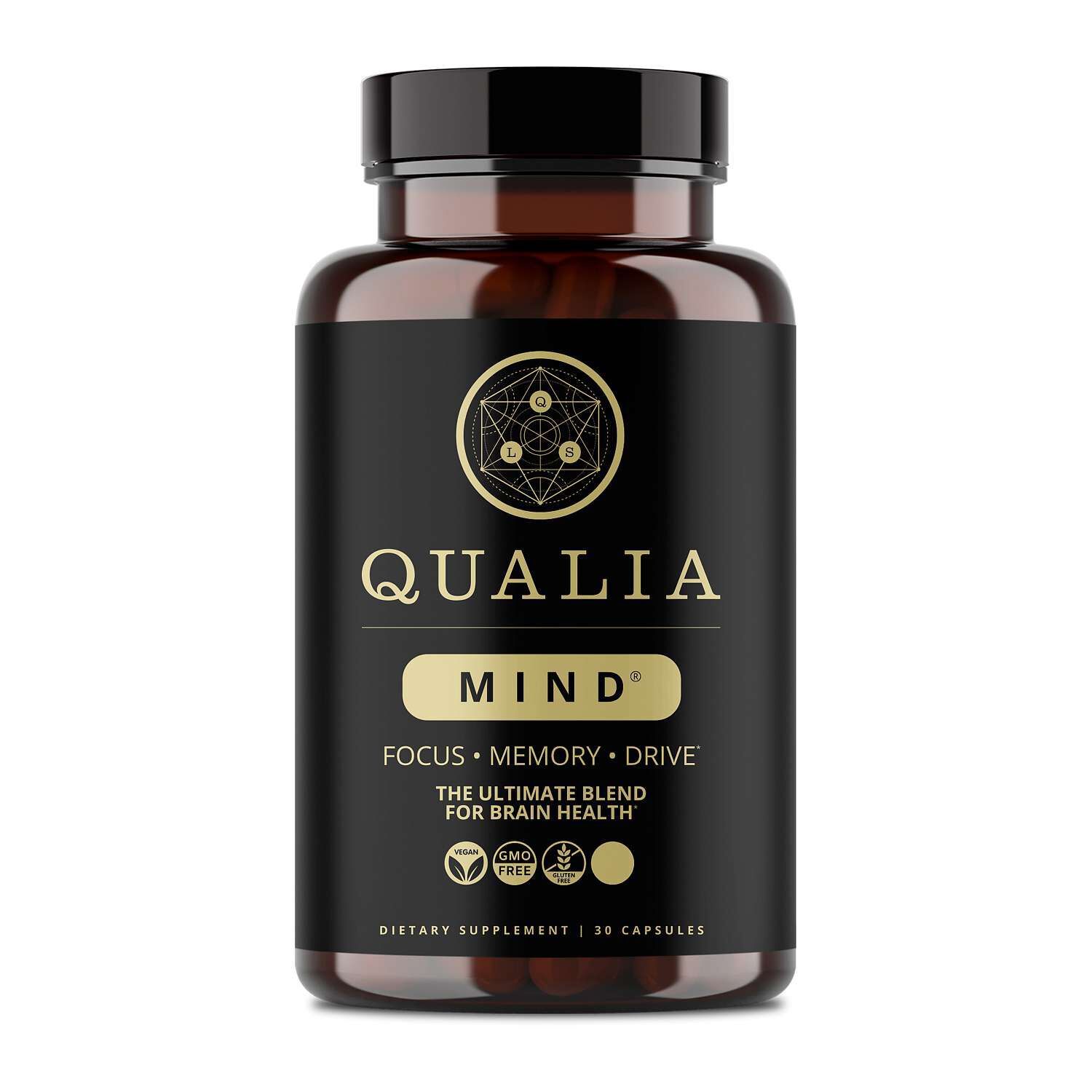
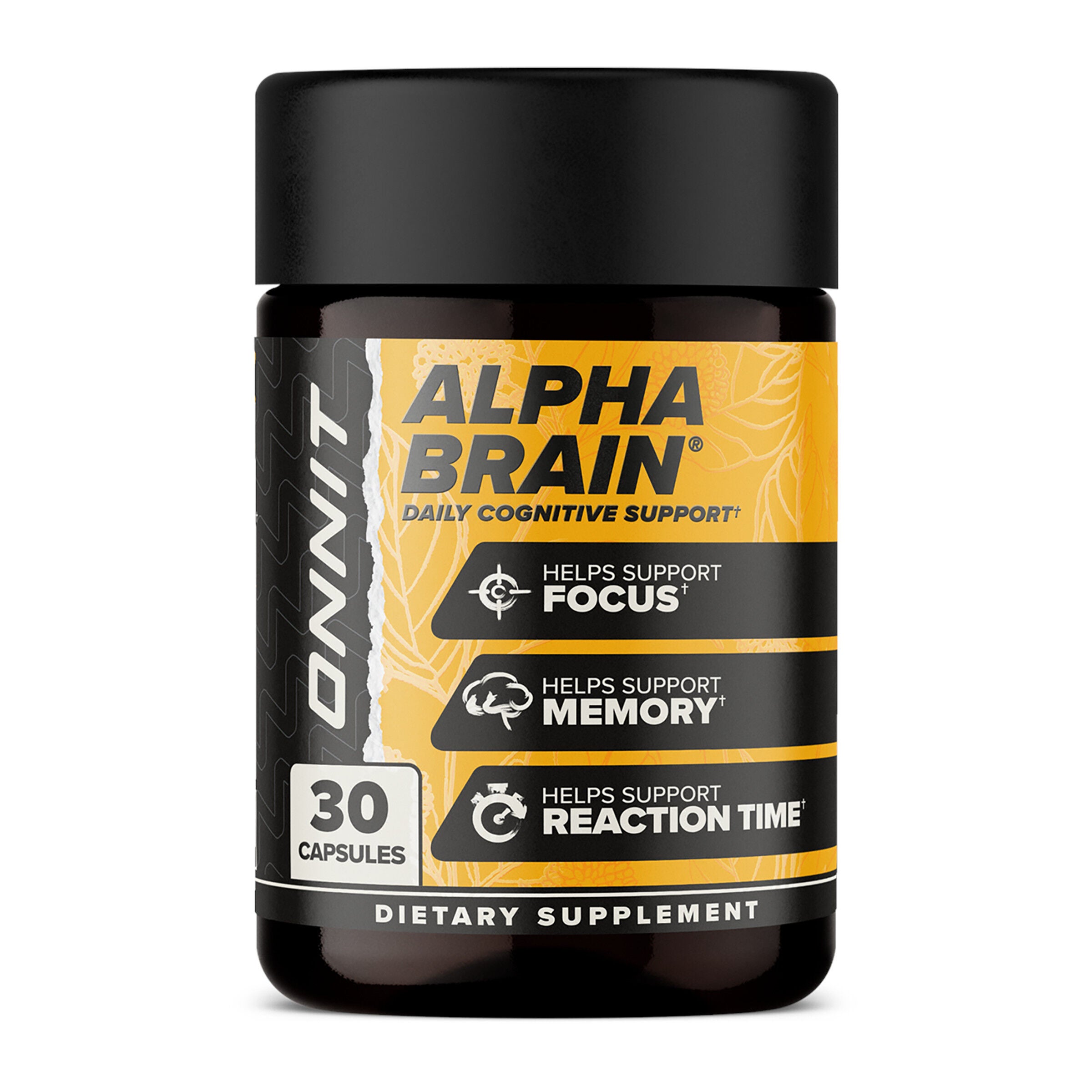
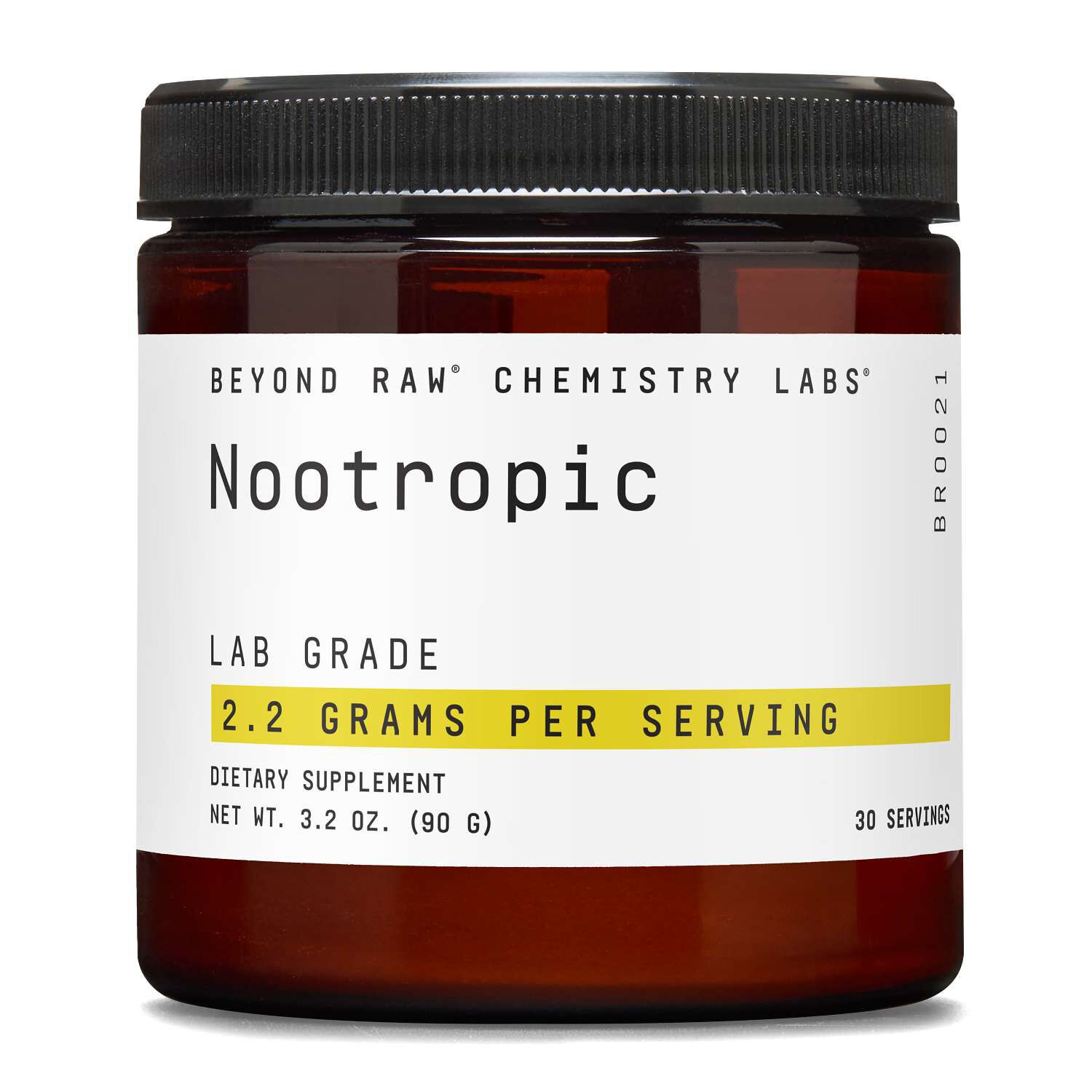
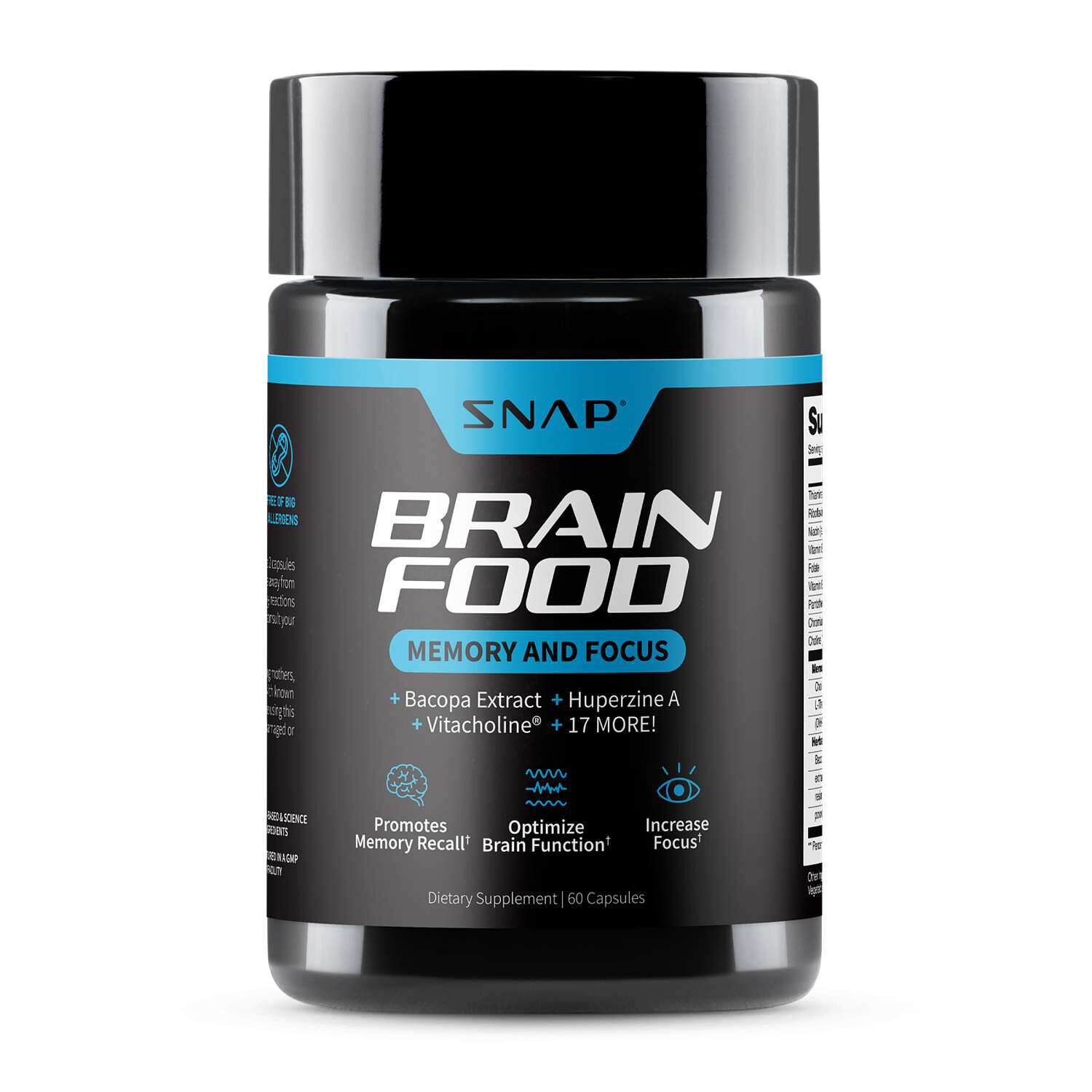
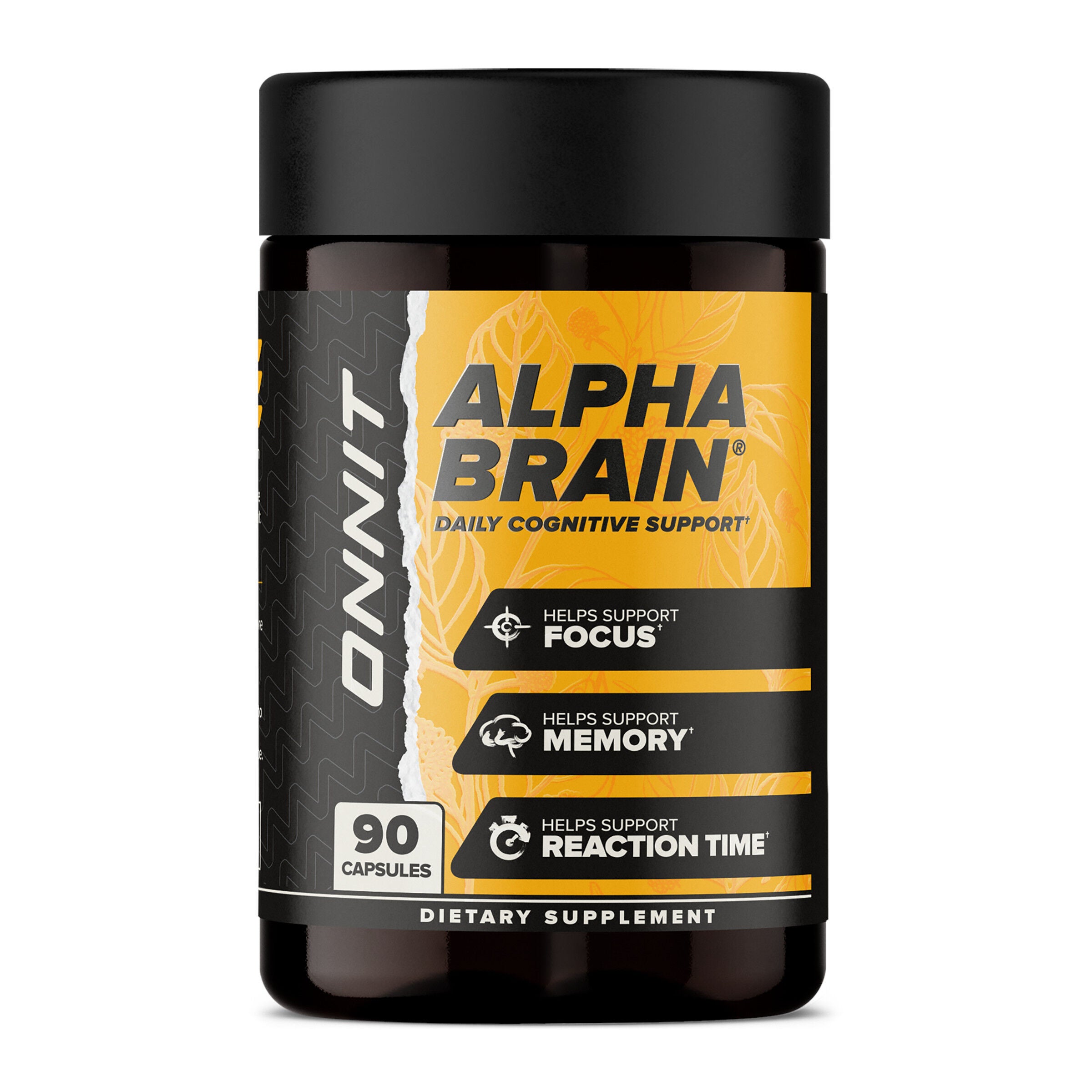
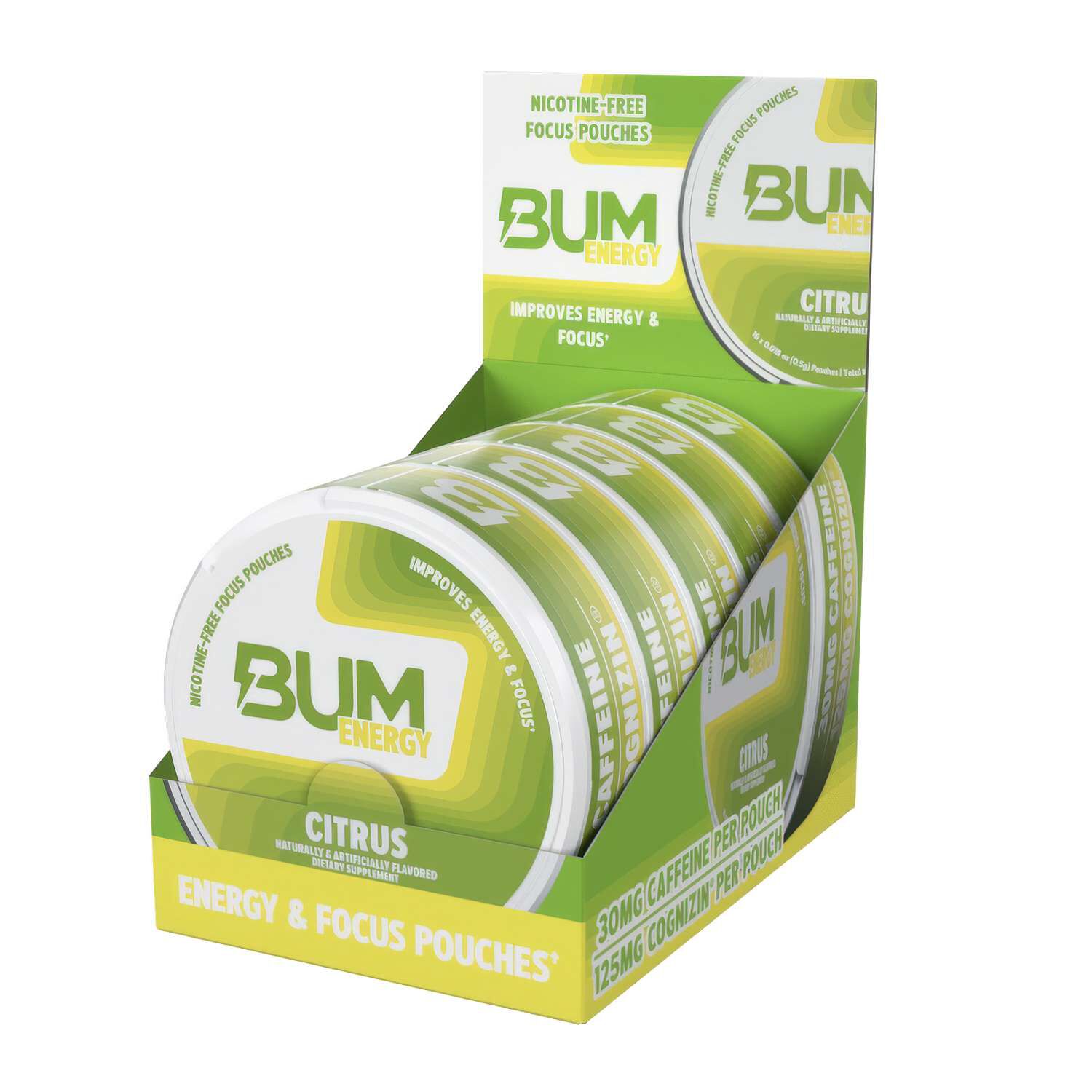
School focus supplements are nutritional products associated with concentration, mental energy, and the demands of a student’s daily routine. The category can encompass vitamins, minerals, omega-3 fatty acids, and botanical ingredients in formats ranging from capsules to chewables and liquids. Depending on their ingredients and intended use, these supplements may support everyday focus alongside regular meals, sleep, and organized study habits. Their place in a school routine is personal: a college student moving between lectures and a campus job has different preferences from an adult returning to evening classes or a parent comparing age-labeled options for a younger student. The phrase “school focus” describes a shopping theme, not a single formula or an indication that every product is intended for children. Age information, ingredient amounts, and serving directions distinguish one formula from another more meaningfully than a school-related name. Common ingredients associated with this category include B vitamins, magnesium, omega-3s such as DHA and EPA, and botanical extracts such as lemon balm or ginkgo biloba. These ingredients are not interchangeable, and their inclusion does not establish how a particular student will experience a product. A vitamin-centered formula has a different composition from an omega-3 supplement or a blend of several botanical extracts. Some formulas contain caffeine, while others do not, making caffeine content another important point of comparison rather than a defining feature of school focus supplements. The most useful product descriptions make those differences visible without suggesting that a supplement can determine grades, study performance, or classroom participation. Across the cooler months, when assignments, indoor study sessions, and changing activity schedules share space on the calendar, a practical shopping perspective centers on the person, the label, and the intended routine. An early lecture, an afternoon library session, and homework at the kitchen table provide context for shopping, but none calls for the same formula by default.
Format is often the first noticeable difference among school focus supplements, and it involves more than appearance. Capsules and tablets have labeled serving sizes that may involve more than one unit, so the number on the front of a bottle does not necessarily indicate the number of servings inside. Gummies and chewables introduce flavor, texture, and sweetener preferences into the comparison. Their familiar appearance also makes packaging, age labeling, and storage especially relevant in homes with children. Liquid supplements may use a measured serving, while powders can involve preparation with a specified amount of liquid. Directions vary, so a powder intended for mixing and a ready-to-use liquid represent different kinds of convenience. For someone whose morning includes packing a laptop, lunch, and notebooks, the preparation involved can matter as much as the format itself. A product kept at home beside breakfast supplies fits a different routine from one that requires measuring or mixing away from home. Taste descriptions, capsule dimensions when provided, and the measuring accessory included with a liquid can offer concrete details for comparison. Ingredient sources matter, too. Omega-3 formulas can use fish-derived or algae-derived ingredients, and capsule shells may contain gelatin or plant-derived materials. Gummy textures can come from gelatin or pectin, while powders and liquids may contain flavors, colors, and sweeteners listed separately from their featured nutrients. Those details are relevant to dietary preferences and household purchasing decisions without indicating how well a formula might suit someone’s focus goals. Allergen statements and ingredient lists offer more specific information than broad front-label descriptions. For shoppers exploring a related category, Natural Focus Support Supplements offers another way to approach the subject, with ingredient sources and formula composition remaining important distinctions. A description such as “natural” does not, by itself, establish age suitability, explain every ingredient, or predict an individual experience.
The Supplement Facts panel brings the comparison into sharper view by showing serving size and the amounts of listed dietary ingredients. That distinction is useful when two bottles feature a similar nutrient but provide different amounts per serving, or when one formula lists individual ingredients and another includes a blend. A longer ingredient list is not, on its own, a reason to expect a more suitable product. Similarly, a higher amount does not establish a better fit for school-related use. A multivitamin and a focus-oriented formula can share nutrients, making ingredient overlap an important part of understanding what each label contains. Label directions and cautions also take precedence over assumptions based on flavor, packaging, or the age of someone pictured in promotional imagery. An adult-oriented supplement should not be interpreted as a children’s formula simply because it is chewable or comes in a fruit flavor. Beyond the ingredient panel, packaging and care affect the everyday practicality of a purchase. Storage directions may address heat, moisture, light, or refrigeration, depending on the format. A backpack left in a warm car, a damp bathroom shelf, and a sunny windowsill are different environments from the storage conditions described on many labels. Original containers keep serving information, ingredient details, and date markings together; intact closures and readable labels are useful features throughout the product’s use. For students sharing a dorm room or families sharing kitchen storage, a clearly designated location can also make household organization simpler. School focus supplements are a personal purchase rather than an interchangeable addition to a care package, since age guidance, dietary preferences, and ingredient choices vary. A thoughtful comparison therefore extends beyond the featured nutrient to the experience of measuring, preparing, carrying, and storing the product as directed. The strongest fit for a routine is not defined by the busiest schedule or the most ambitious academic goal. It rests on clear product information, appropriate intended use, and realistic expectations about what a nutritional supplement may contribute to an ordinary school day.