Focus Supplements For Teachers
(0 Results)
Focus supplements for teachers could offer support during long days in the classroom, grading papers, and preparing lesson plans. Designed with busy educators in mind, these supplements may help you stay sharp and attentive as you inspire your students. Explore options that fit seamlessly into your daily routine and discover how focus supplements for teachers might be a helpful addition to your wellness journey.
-
-
-
-

-

-
-
-

-
-
-
-
-

-

-

-

-

-

-

-

-
 $34.99
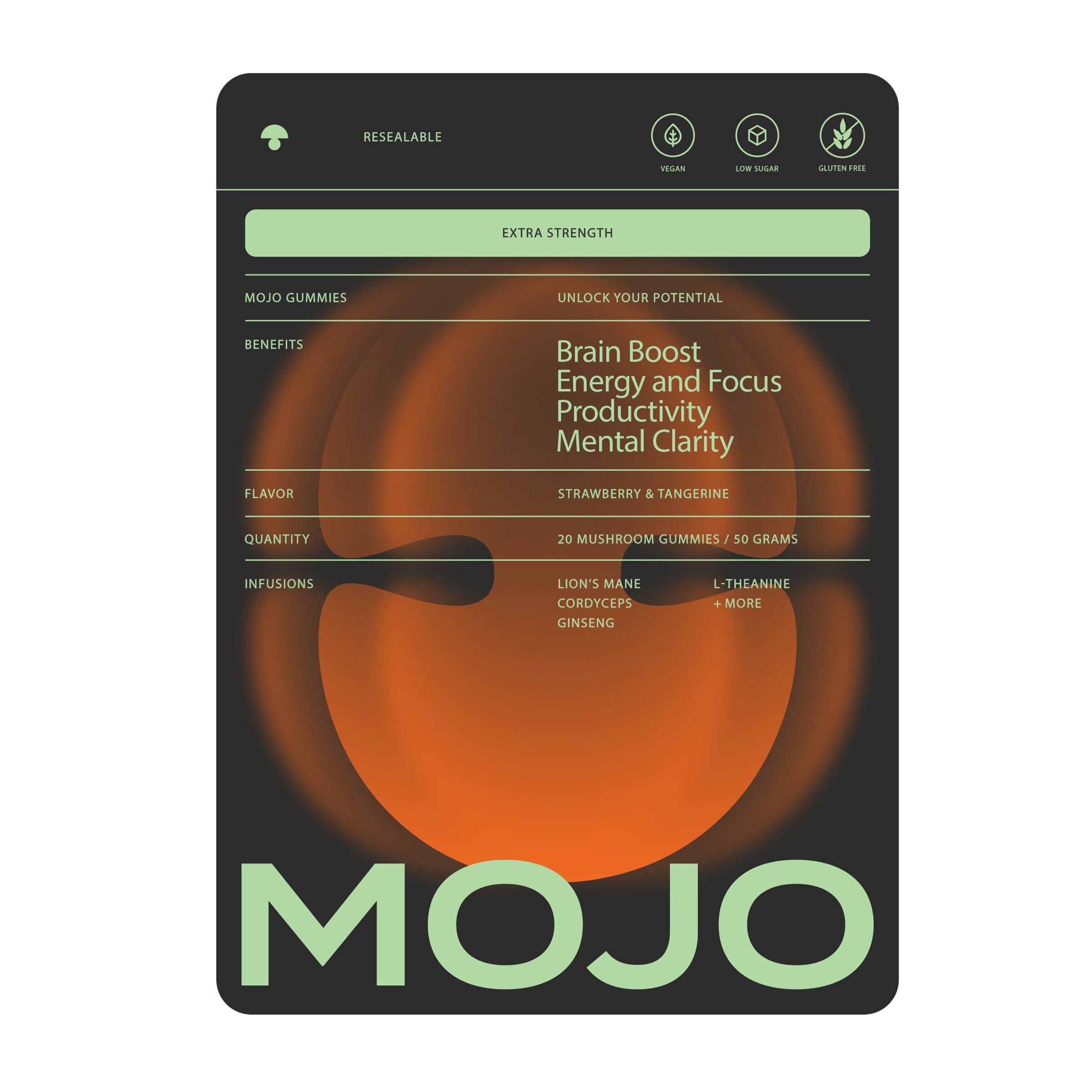

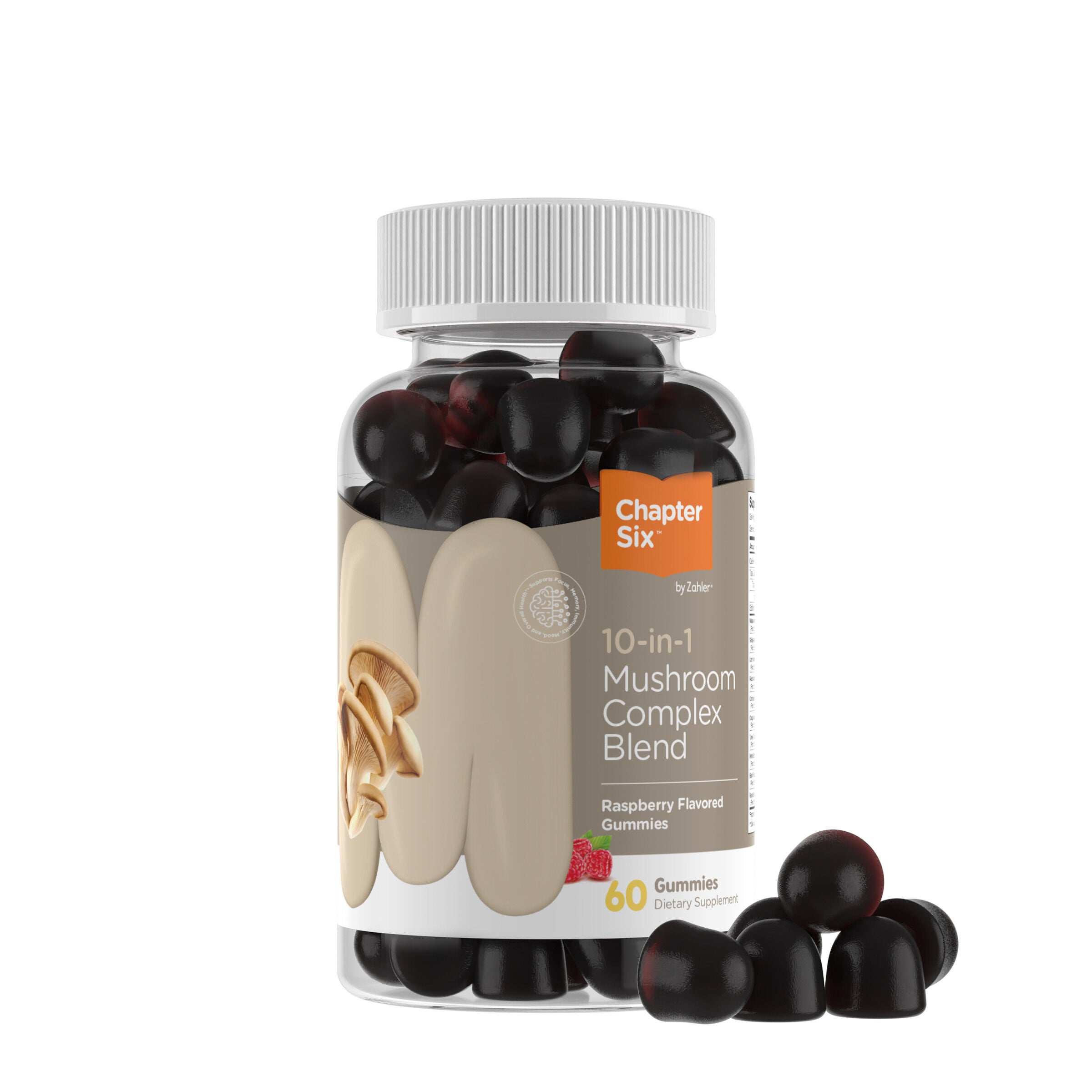
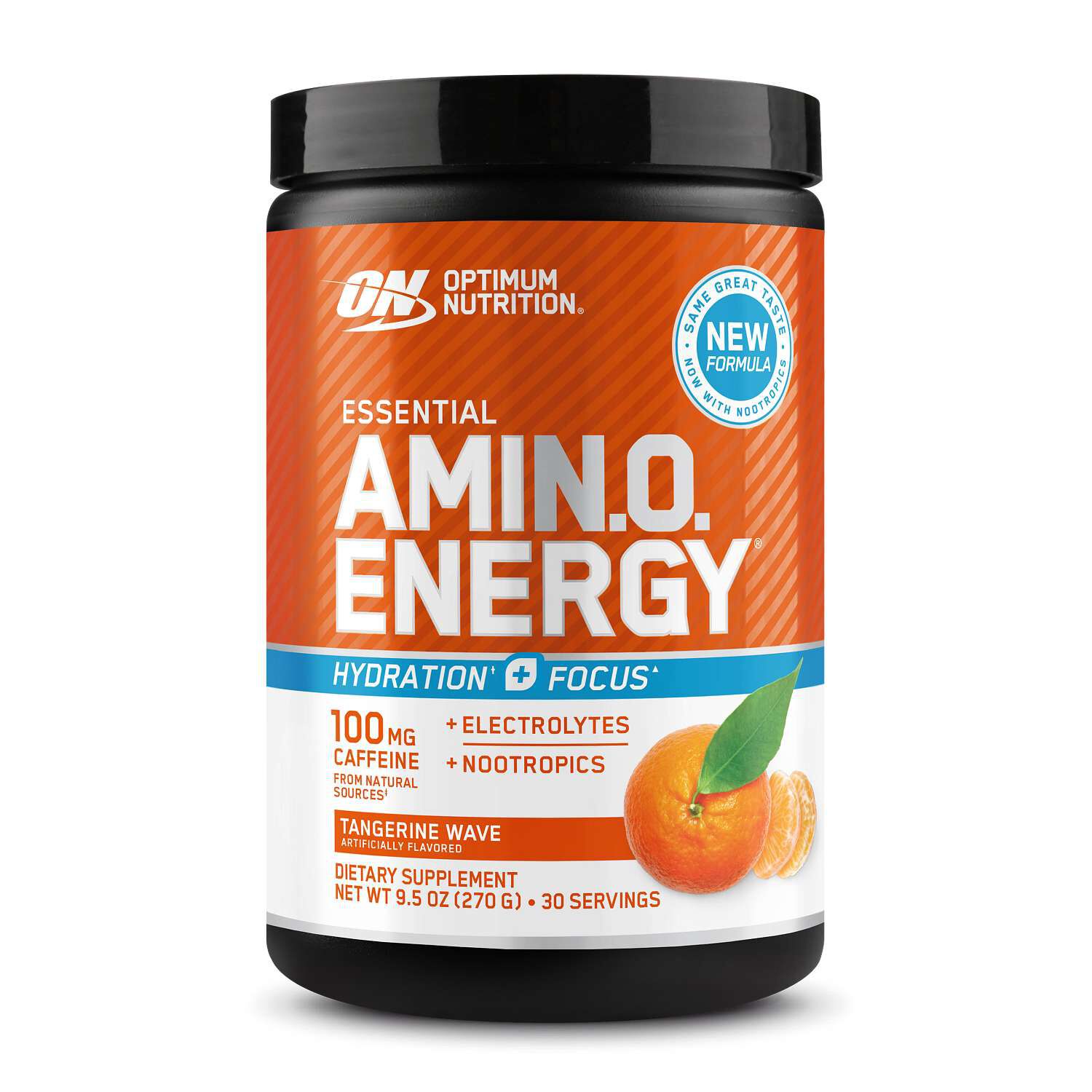
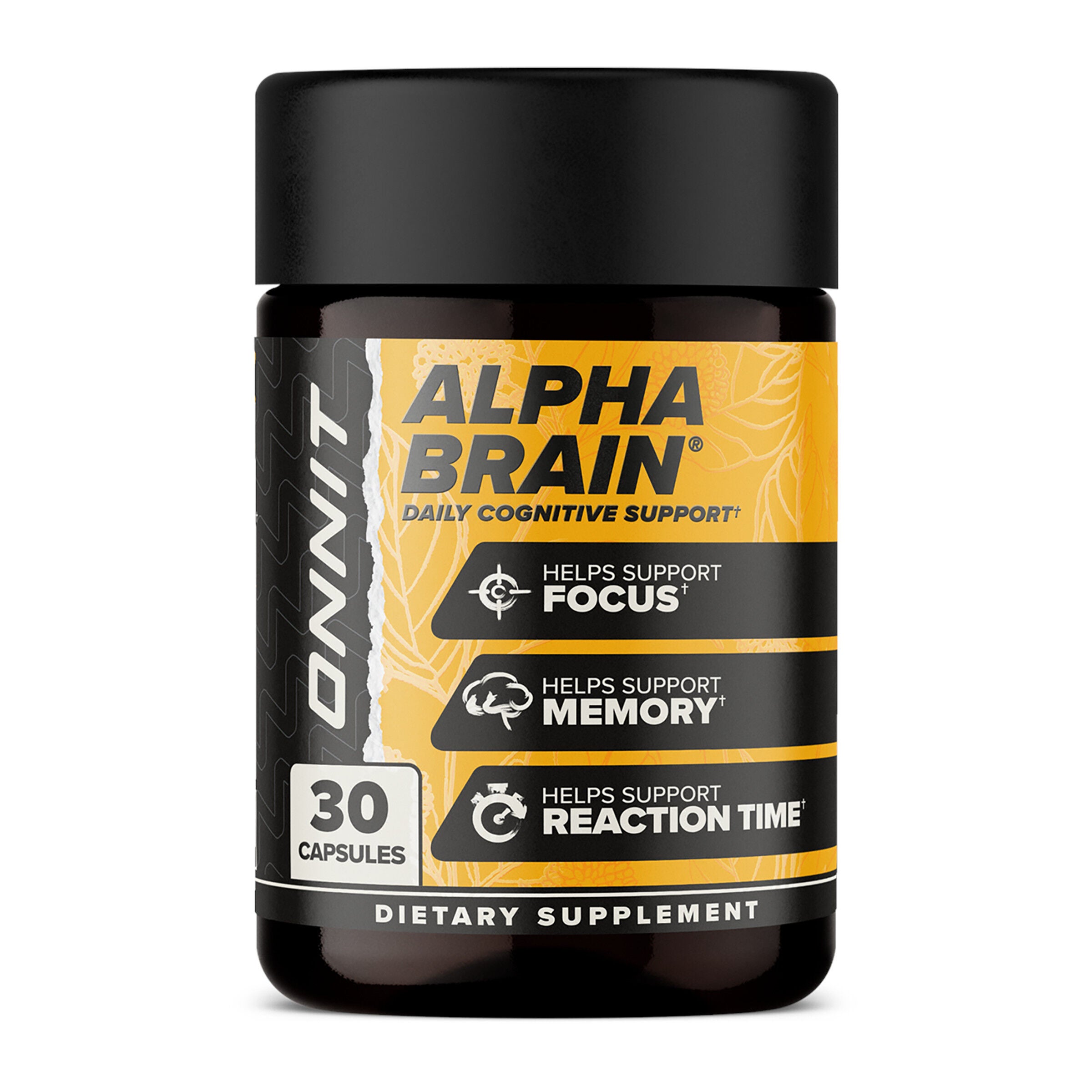
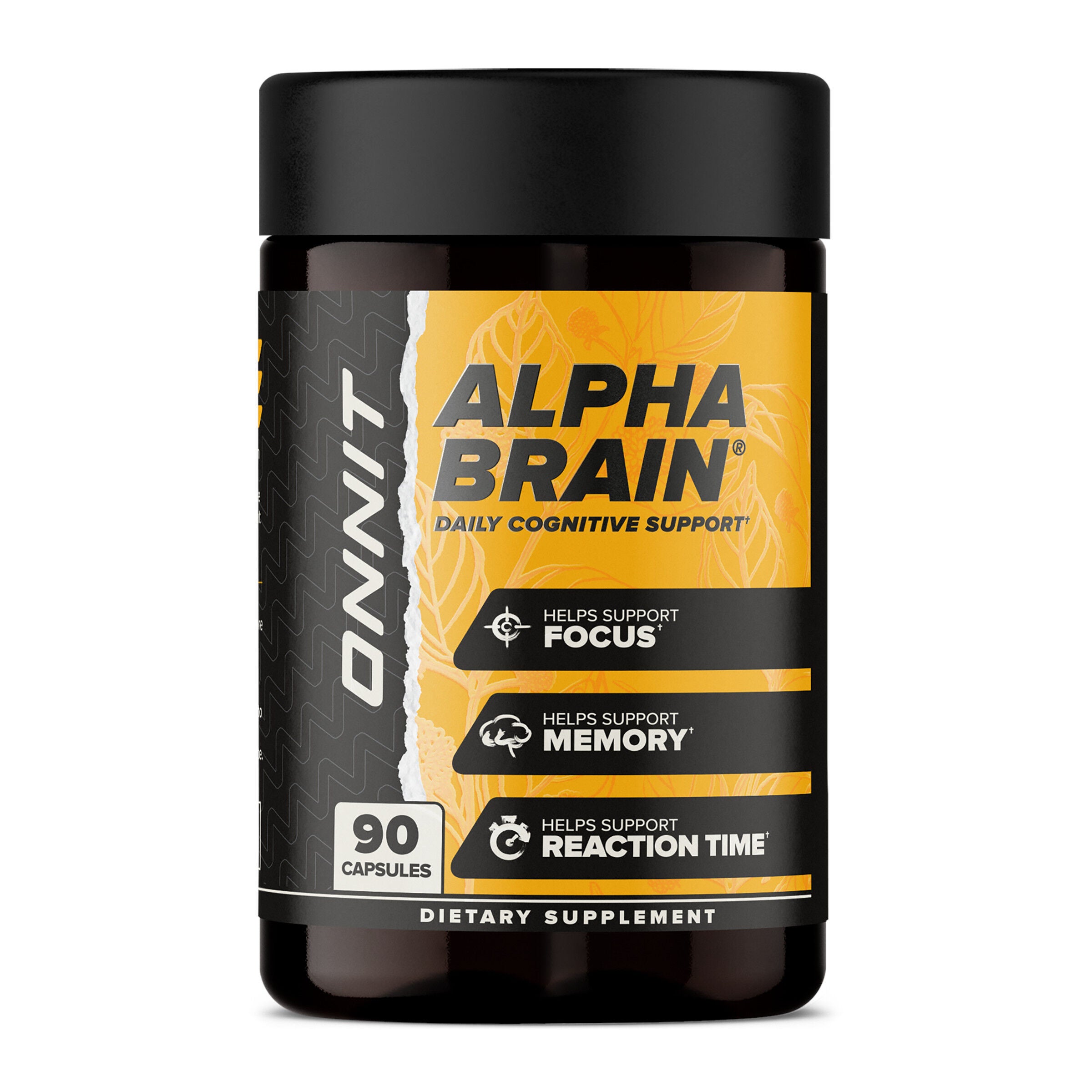
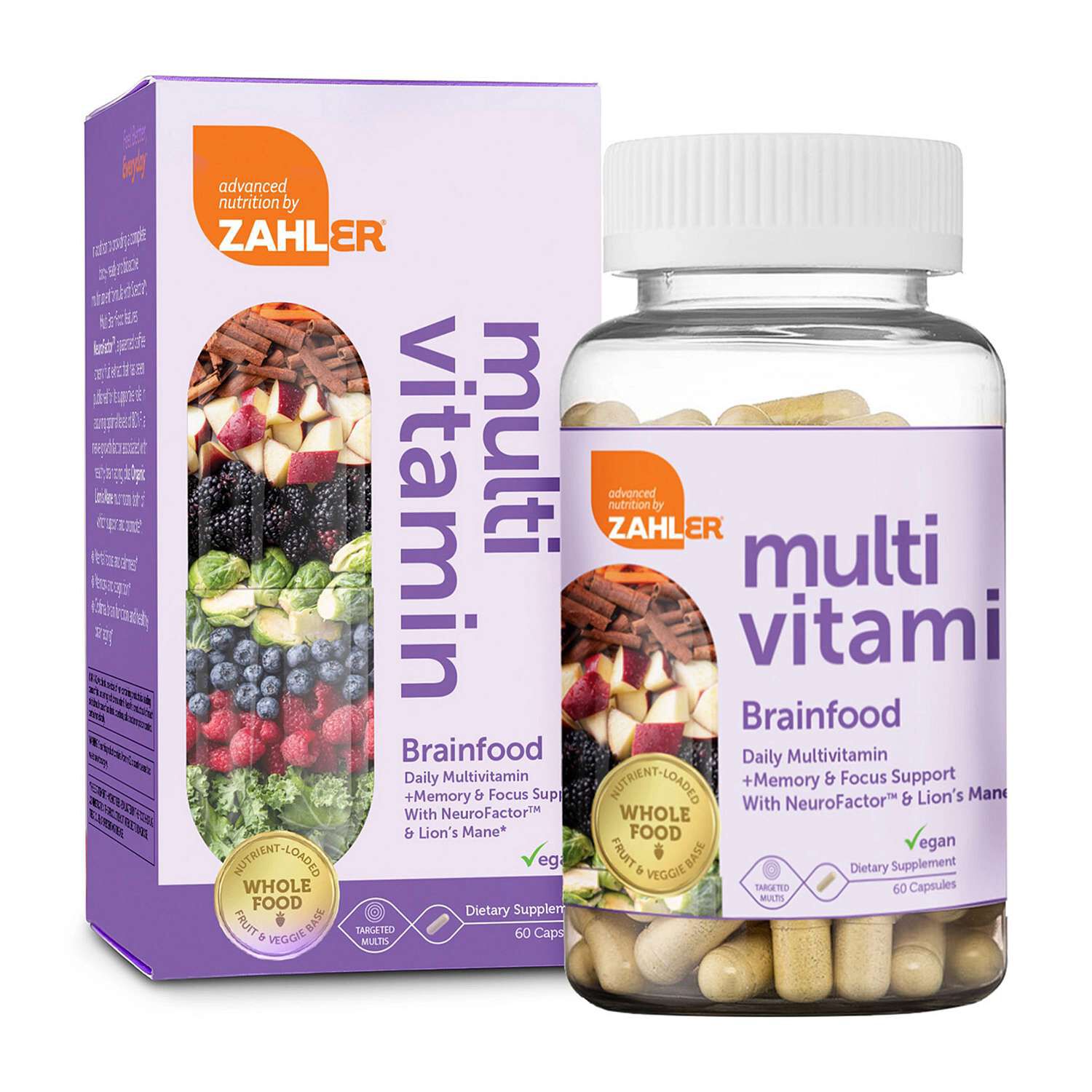
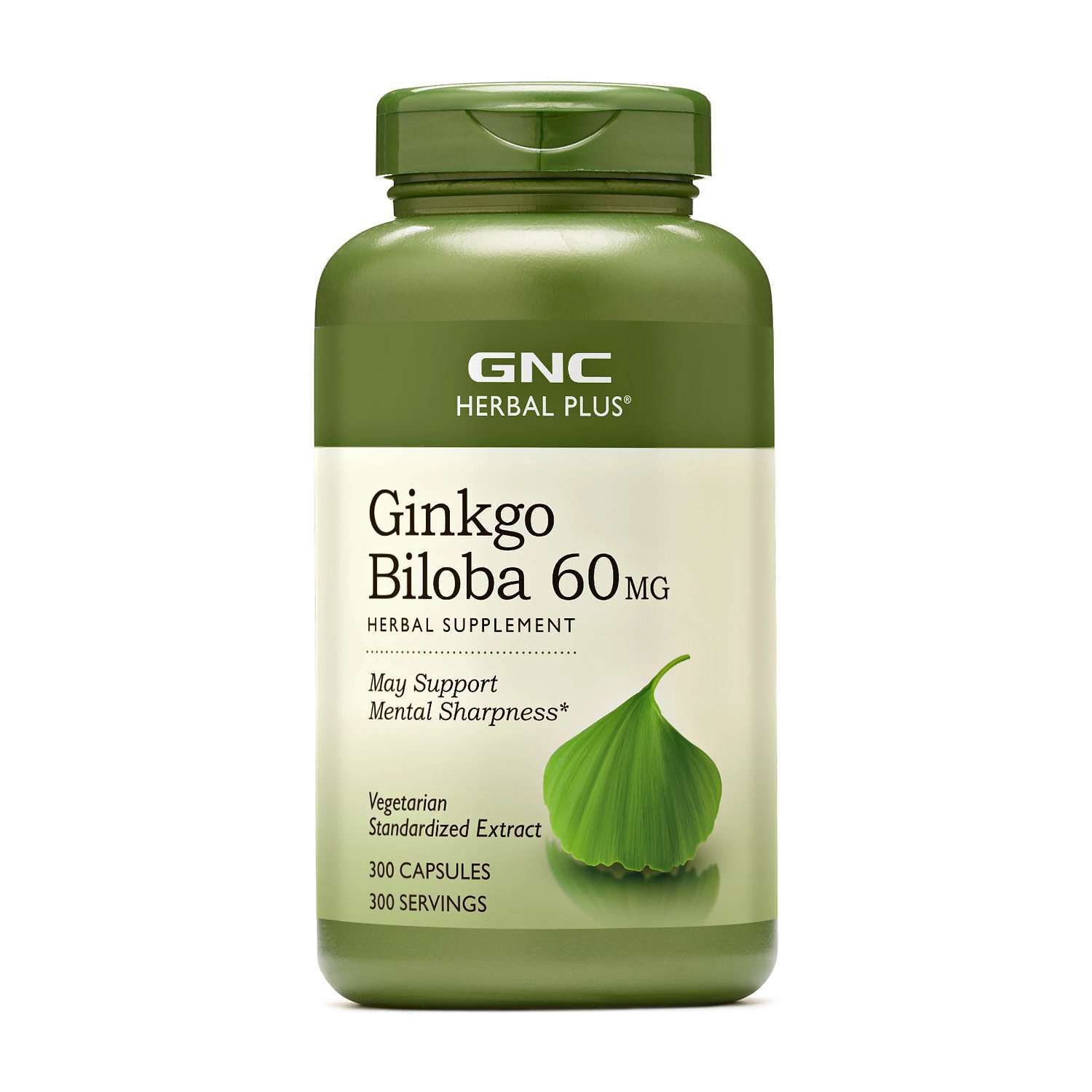
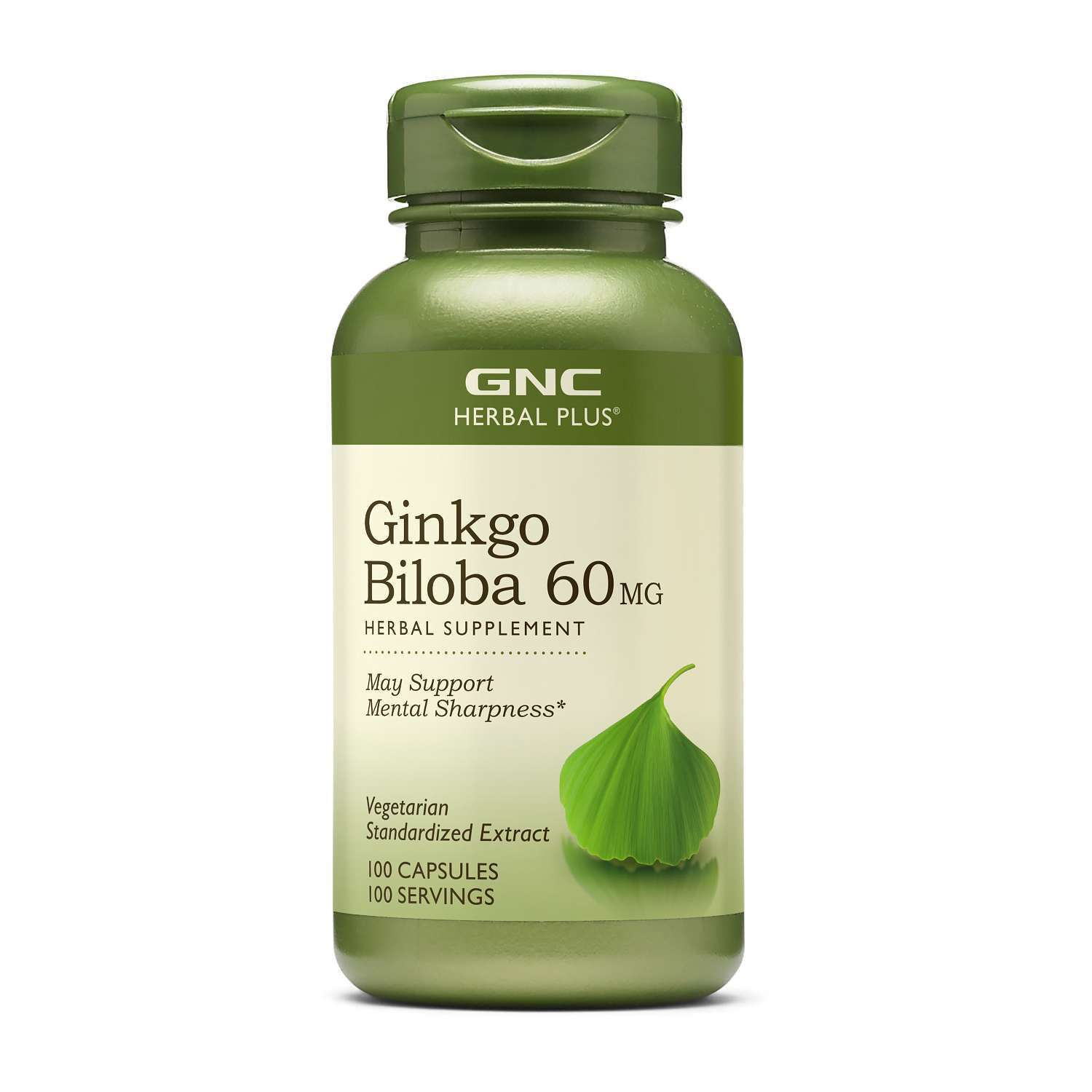
Focus supplements for teachers bring an everyday classroom perspective to a broad category of nutritional products. Teaching often means moving between very different kinds of attention: listening closely to a student’s explanation, tracking the pace of a discussion, organizing tomorrow’s materials, and settling into a stack of written assignments after dismissal. Supplements in this category may support everyday concentration, mental clarity, or memory, depending on their ingredients and intended use. Those possibilities are distinct from a commitment to sharper thinking or a particular classroom outcome. The term focus supplement does not describe one standard formula, and two bottles with similar wording on the front can have different ingredients, serving sizes, and formats. Some formulations center on vitamins and minerals, while others feature amino acids, botanical extracts, or combinations of these ingredients. Vitamin B12, omega-3 fatty acids, and ginkgo biloba are examples of ingredients shoppers may encounter when exploring the broader cognitive-support category, but their inclusion does not make different formulas interchangeable. The Supplement Facts panel provides a more useful basis for comparison than a name alone because it identifies listed ingredients and amounts per serving. For an educator, the practical appeal may lie as much in the routine as in the formula: a capsule taken according to its label with breakfast presents a different experience from a powder that requires measuring and mixing. A teacher who leaves home before sunrise may have different format preferences from an instructor whose classes begin in the afternoon. Classroom teachers, substitute teachers, tutors, and adult educators may all browse this category with their own schedules in mind. During the cooler months, when indoor planning sessions and evening grading can become familiar parts of the week, that everyday context remains relevant. Focus supplements are a personal wellness purchase, not a measure of professional dedication, and they do not stand in for sleep, meals, hydration, or manageable expectations.
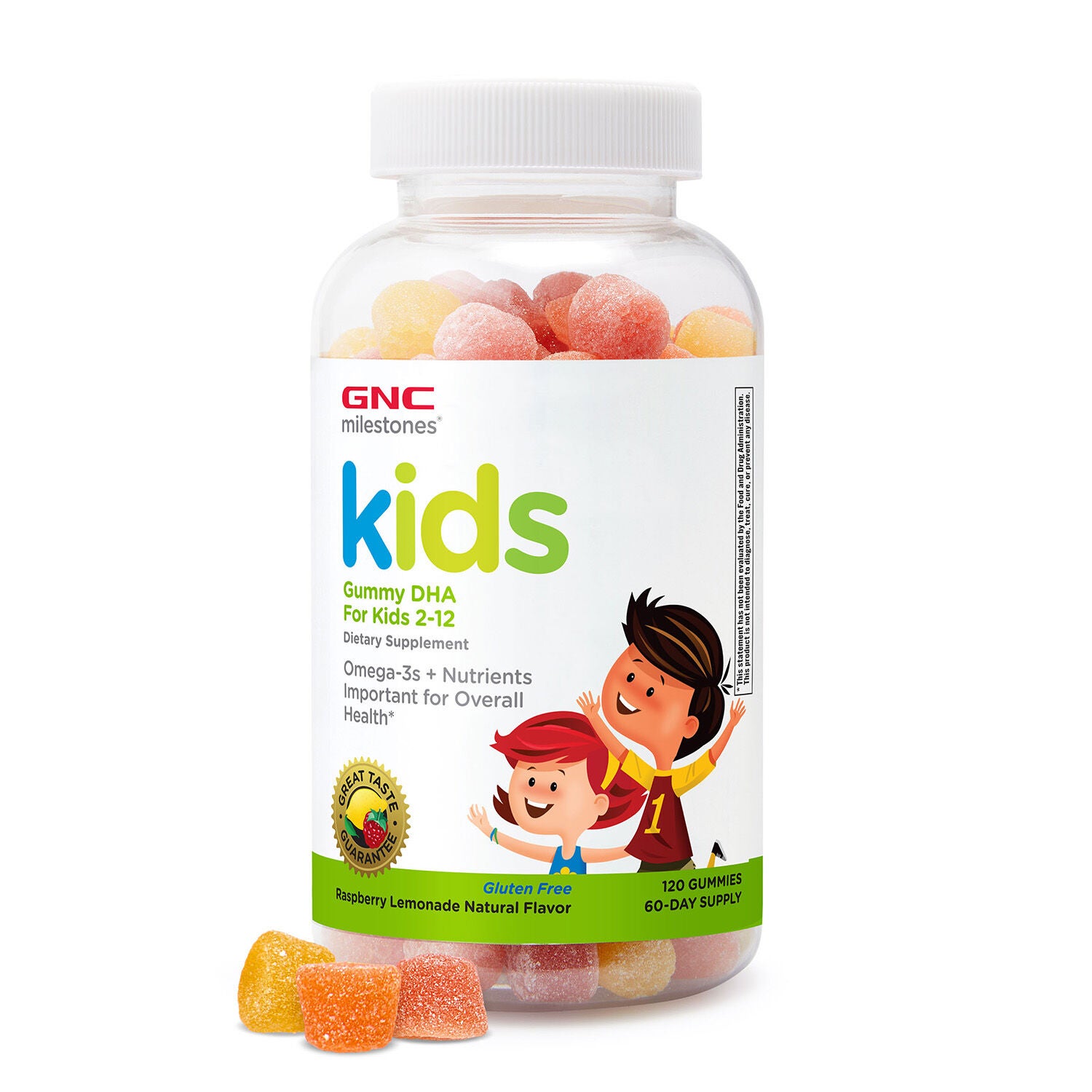
Choosing among focus supplements for teachers involves looking beyond the main ingredient to the full experience of using a product. Capsules, tablets, gummies, powders, and liquids each have practical differences, and a preferred format can make the label’s routine more compatible with a busy morning. Capsule and tablet dimensions matter to shoppers who have a strong preference about size or texture. Gummies bring flavor and chew texture into the decision, along with ingredients such as sweeteners, colors, and gelling agents. Powders involve a beverage, a mixing step, and sometimes a noticeable taste, while liquids can require a measuring device and particular storage conditions. Serving size deserves attention across formats: one gummy, one capsule, or one scoop is not necessarily the serving described on the label. The number of servings per container also gives context for how a package fits an established routine. Ingredient sourcing can matter for dietary preferences, including whether a capsule shell contains gelatin or whether an omega-3 ingredient comes from fish or algae. Allergen statements and ingredient lists provide details that a front label may not convey. Caffeine content is another meaningful distinction. Some focus formulas contain caffeine, and others are formulated without it; the amount stated on the label is relevant to shoppers whose day already includes coffee or tea. A formula containing caffeine may feel different from one without it, but neither format establishes how an individual will experience the product. Blends also differ in transparency, since some labels identify each ingredient’s amount while others provide an amount for a blend. Terms associated with focus or cognitive support are category descriptions rather than a uniform recipe. For a teacher comparing options between lesson planning and a faculty meeting, these concrete details can make the selection process less dependent on packaging language. A clearly described formula, an appropriate format, and readable directions offer a grounded way to understand what is inside the container and what its intended use involves.
Daily handling and storage are part of the picture, especially when a work bag holds everything from lunch containers to folders and classroom supplies. The container’s closure, the legibility of its label, and any included measuring tool are practical features worth considering alongside the formulation. A securely closed bottle has different carrying considerations from a liquid container or a tub of powder, and packaging can influence how much room a product occupies on a home shelf. Storage directions describe the conditions appropriate to the formula, including any requirements concerning temperature, moisture, or refrigeration. A car parked through a school day, a sunny classroom windowsill, and a cabinet at home are different environments; the product label, rather than convenience alone, is the reference for suitable storage. The stated date and condition of the packaging also matter when assessing a container already on hand. Keeping the original labeling with the product preserves access to ingredient information, serving directions, and age restrictions. Adult supplements belong among personal belongings, separate from shared classroom snacks and student materials. That distinction is particularly important on a page centered on educators: focus supplements for teachers are about the adult shopper’s routine, not recommendations for students. Families browsing a separate, age-oriented category can explore Focus Support for Kids, where product-specific age information remains an important part of understanding intended use. For an adult educator, a thoughtful comparison also accounts for personal taste, dietary preferences, and whether a format requires preparation during an already crowded day. A powder mixed at home may suit one person’s breakfast routine, while another may prefer a format that involves no mixing. Supplements can be a particularly personal gift, so a recipient’s expressed preferences matter more than assumptions about what a demanding profession requires. Across classroom settings and teaching schedules, the most useful product details remain straightforward: what the formula contains, how the serving is described, who it is intended for, and how it should be stored. Those details give focus supplements a practical context without turning the demands of teaching into expectations about any single product.