





Focus Support For Kids
(0 Results)
Focus support for kids is designed to help parents explore options that may assist their children with concentration and mental clarity. With a variety of products available, these selections are crafted to fit into daily routines and offer support for growing minds. Discover choices that could be a helpful addition to your child’s wellness journey as they navigate school, activities, and everyday adventures.
-

-

-

-

-

-
 Chewable Tablets_Front.jpg?sw=305&sh=305&sm=fit "ChildCalm - 60 Chewable Tablets (30 Servings) | GNC")
-

-

-

-
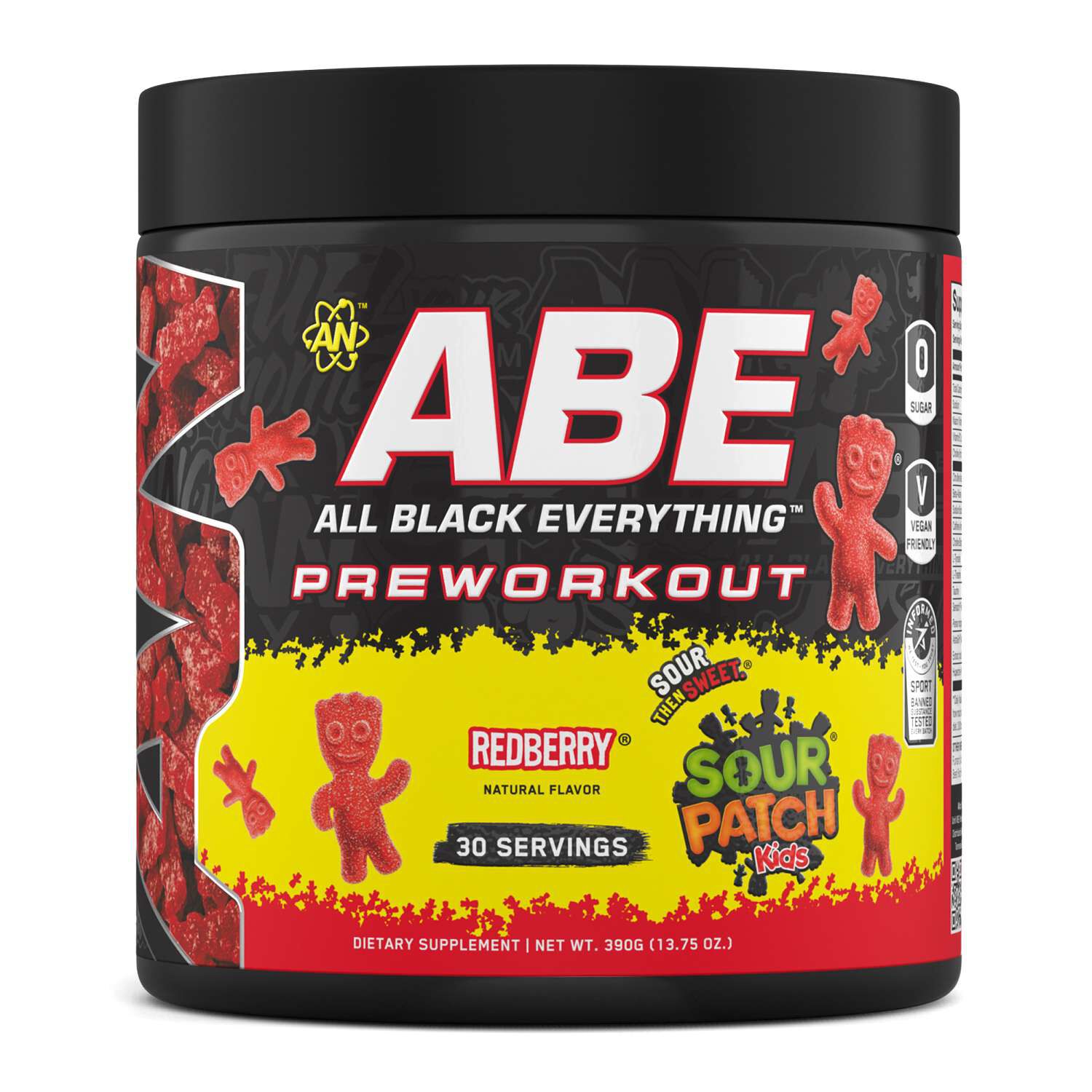 ABE Nutrition$39.99
 -

-

-
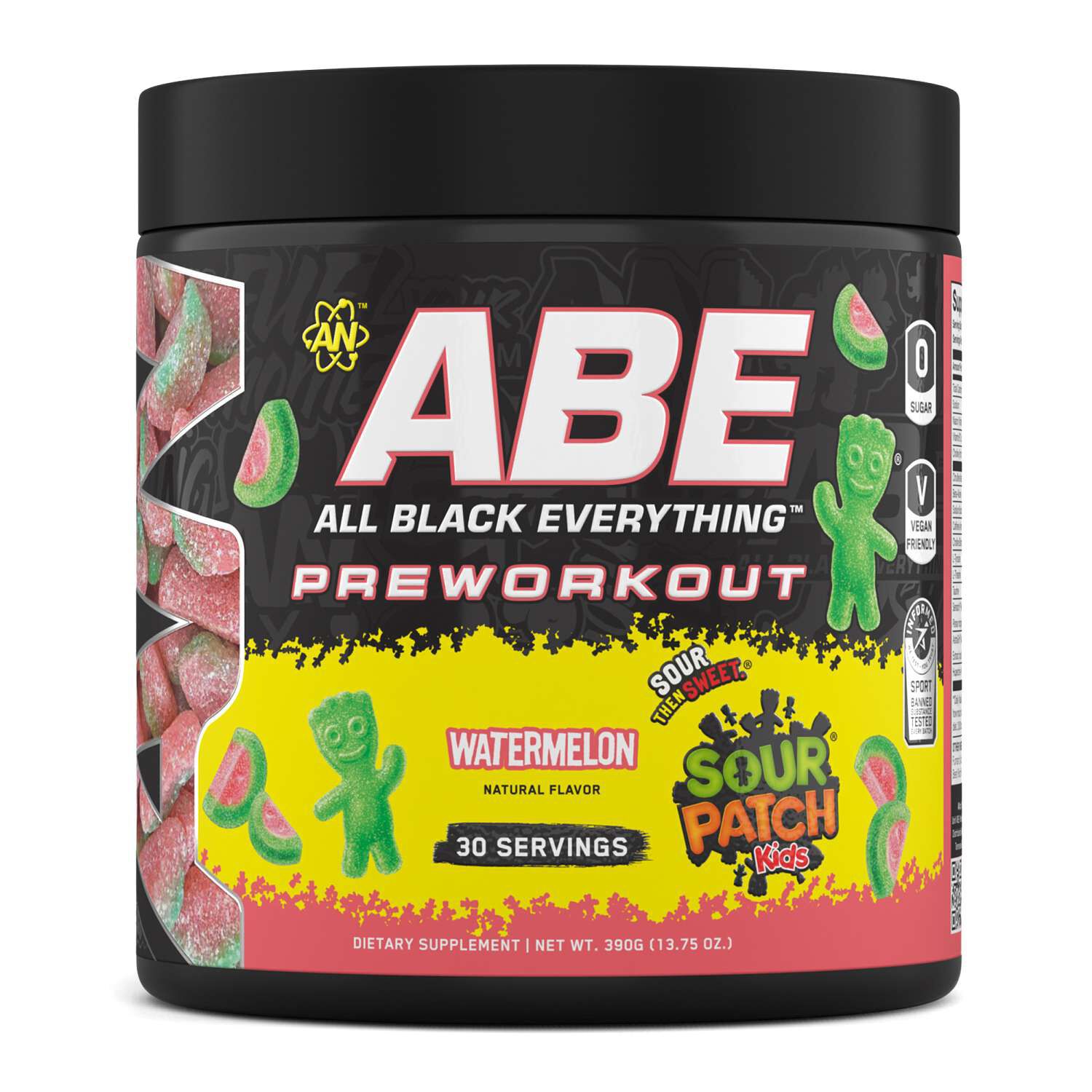 ABE Nutrition$39.99
 -
 $21.99
 -
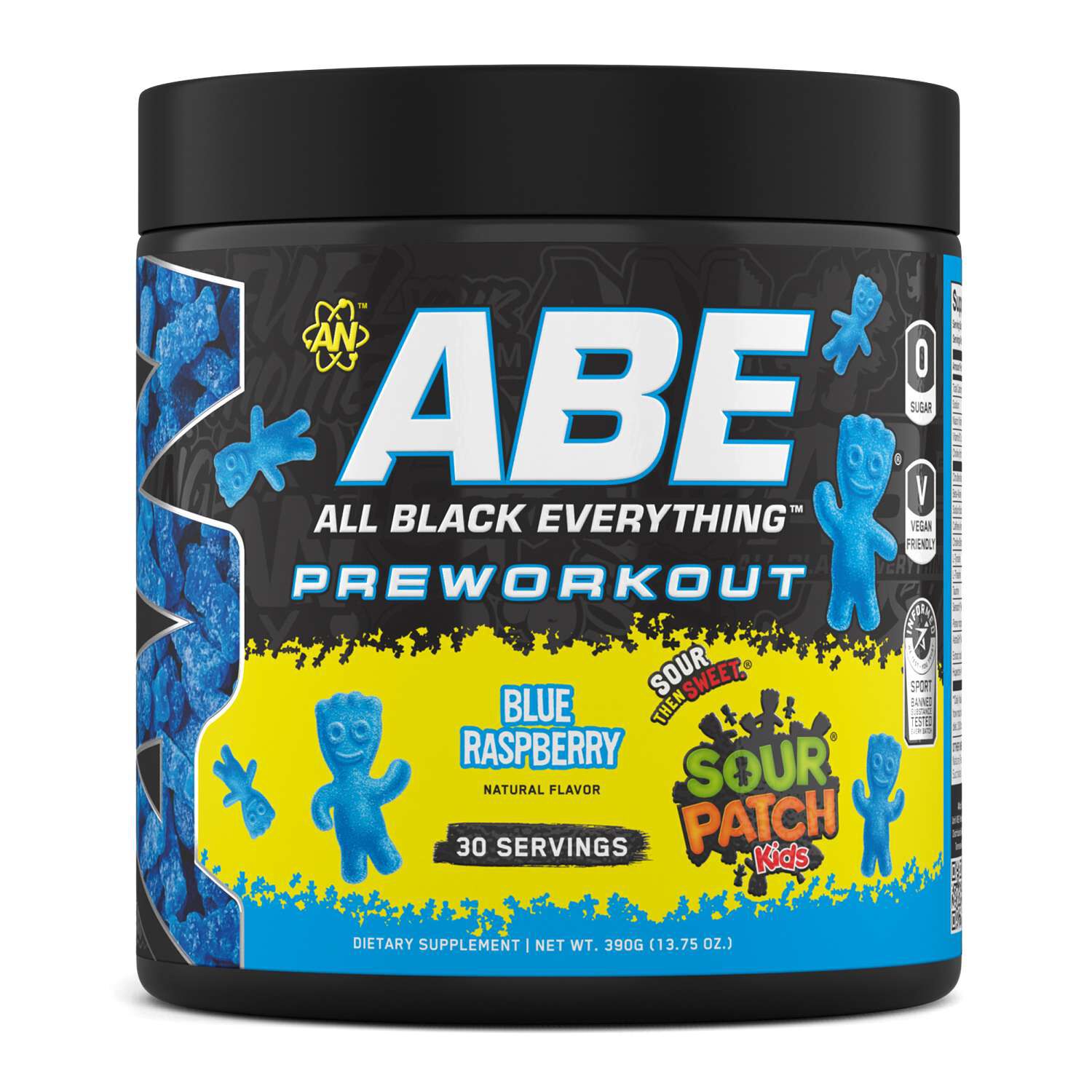 $39.99
Focus support for kids brings together children’s supplements and nutritional products that parents may consider alongside everyday meals, sleep, movement, and predictable routines. The category is about finding an age-appropriate option that fits a child’s needs and a family’s approach to nutrition, not finding a shortcut to better grades or longer study sessions. At the kitchen table, an open workbook might share space with a water bottle, a half-finished snack, and a backpack waiting to be unpacked. That familiar scene is a useful starting point for shopping: a product needs to make sense within real family life, including busy mornings, after-school activities, and changing food preferences. Children’s nutritional formulas can contain vitamins, minerals, omega-3 fats, or combinations of ingredients, with different purposes and age ranges noted on their labels. These ingredient groups are not interchangeable, and a longer ingredient list does not automatically make a formula a better match. Some parents browse focus support supplements for kids while reviewing their child’s overall nutrition; others arrive looking for a format that is easier to work into an established routine. Either way, attention involves more than a supplement. Regular meals, sufficient rest, opportunities to move, and a comfortable place for schoolwork belong in the broader picture. During the cooler months, when more activities move indoors and family schedules fill up, practical details such as serving format, storage, and consistency can matter as much as the wording on the front of a package. A supplement may complement a nutritional routine, but it should not be treated as a substitute for varied food or individualized guidance. For families with concerns about a child’s attention or nutritional needs, a conversation with a pediatrician offers a more personal starting point than a product category alone. Shopping with that context keeps the emphasis on thoughtful selection rather than expectations about a particular outcome.
When comparing focus support products for kids, the most useful information is often on the back of the package. Start with the stated age range, serving size, ingredient amounts, and directions rather than assuming that every children’s formula suits every stage of childhood. A serving might consist of more than one gummy or chewable, so the number of pieces in a container is not necessarily the number of servings. Comparing cost per labeled serving gives families a clearer view of value, particularly when considering a recurring purchase. Format deserves just as much attention. Gummies, chewables, liquids, and powders differ in texture, flavor, measuring requirements, and the preparation involved. A child who objects to a grainy texture may have different preferences from one who dislikes a strongly flavored chewable. For a powder, the label’s mixing directions matter; for a liquid, the measuring method and any storage instructions deserve a close look. Flavor descriptions are useful, but they cannot predict an individual child’s preferences. A smaller package, when offered, can be a practical first purchase before choosing a larger size. Ingredient review also means looking beyond the nutrients highlighted on the front. Added sugars, sweeteners, colors, flavorings, gelatin, and other ingredients may influence whether a formula fits household preferences or dietary requirements. Allergen statements and clearly identified dietary attributes offer more useful information than assumptions based on appearance or flavor. For omega-3 products, the source and the amounts of individual fats listed on the label can distinguish one formula from another. With blends, the amount of information disclosed about each ingredient is another meaningful comparison point. Parents can also bring labels for any existing supplements to a pediatrician or pharmacist when discussing a new option, since formulas may contain overlapping nutrients. Clear labeling, accessible manufacturer information, and any stated independent testing are worth examining, while recognizing that a quality-testing statement does not establish an attention-related benefit. The strongest purchase decision is one grounded in specific label details, realistic expectations, and the child’s individual circumstances.
The day-to-day fit of a children’s supplement is often easier to picture than to judge from a package alone. Think of a household where breakfast happens in two shifts, lunch boxes line the counter, and one child notices every change in texture. In that setting, a product requiring several preparation steps presents a different practical choice from a measured serving in a familiar format. Neither format is automatically better; the distinction is whether the labeled directions fit the family’s routine and whether a parent or caregiver can manage them consistently. Storage is part of that decision, too, including whether refrigeration is required, how a package closes, and where it can be kept according to its directions and out of children’s reach. Children’s supplements are not candy, even when their shapes and flavors feel familiar. For households that share caregiving responsibilities, clear communication about the product and its labeled serving is another practical consideration. Parents and guardians are the primary shoppers for this category, while grandparents or other relatives may be involved in purchasing an option the family has already selected. These products are better approached as a caregiver-led purchase than as a surprise gift for a child. As school assignments, indoor hobbies, and family activities shift through the cooler months, there is no need to frame a nutritional purchase around an ambitious academic goal. A more grounded approach considers age suitability, food preferences, budget, and the place a supplement might have within an already supportive routine. Families browsing related categories can also explore Focus Help, with careful attention to the intended user and age information on each label rather than assuming related products are suitable for children. Focus support for kids is ultimately a category to compare thoughtfully: look for understandable ingredient information, manageable serving directions, and a format that suits the household. Those details make the shopping process more concrete while leaving room for the individuality of each child and the guidance of the professionals who know their needs.
Best Sellers



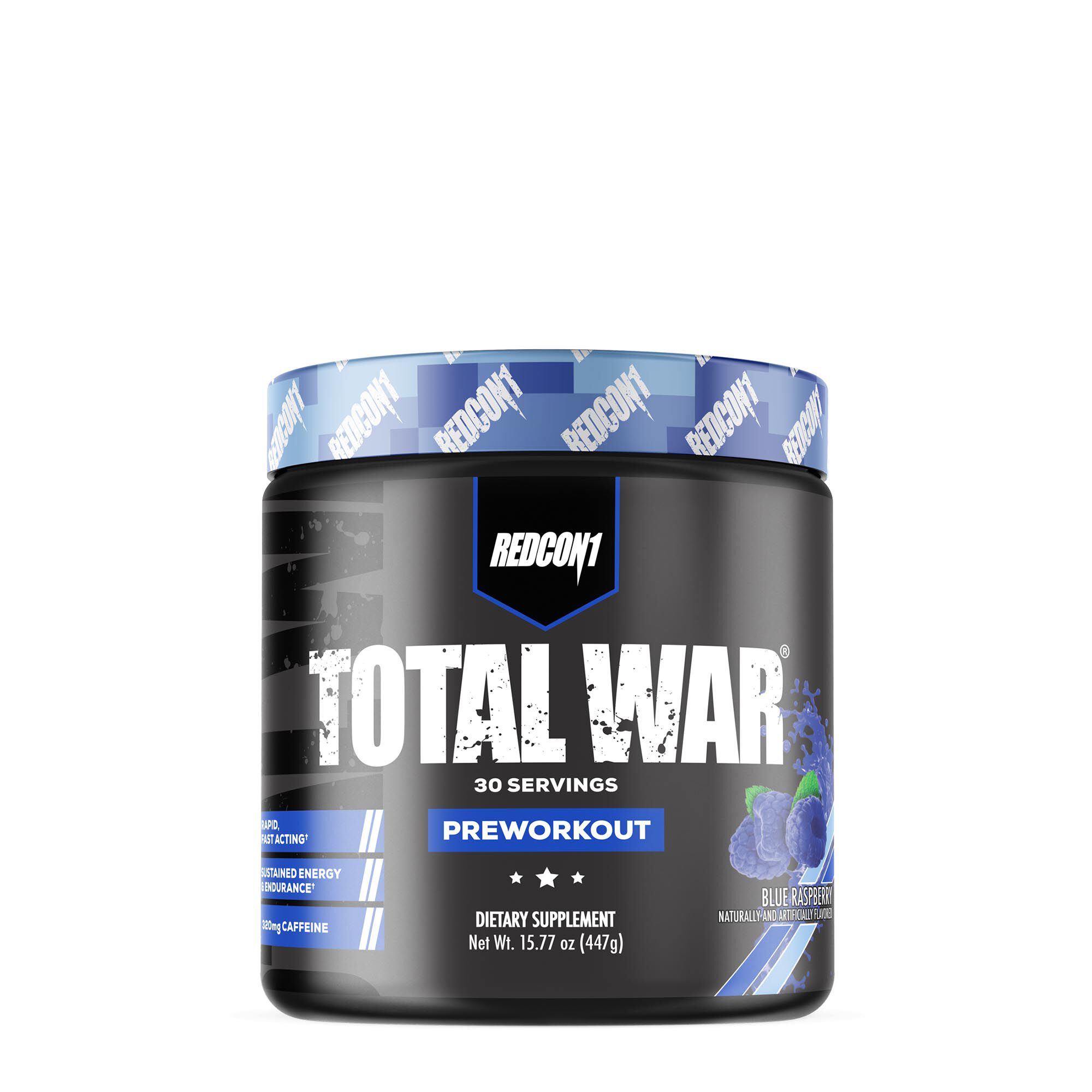
Related Pages



Top Collections
- Daily Collagen Supplements | Top Brands & Deals | GNC
- Natural Collagen Supplements | Top Brands & Deals | GNC
- Top Rated Collagen | Shop Customer Favorites | GNC
- Cortisol Supplements
- Vitamins For Hair Loss
- Spirulina Tablets
- NAD+ Supplement Tablets
- Peptide Supplements
- Best Brand of Magnesium Glycinate
- Vitamins That Help Support Weight Gain