Focus Help
(0 Results)
Explore a wide selection of options designed for those seeking focus help in their daily routines. Whether you’re preparing for a busy day at work, studying for exams, or simply looking to stay on track with your goals, you’ll find a range of choices that may support your efforts. Discover supplements, vitamins, and more that might align with your focus help needs and fit easily into your lifestyle.
-
-
-

-
-

-

-

-

-
 Raw Nutrition$44.99
-
 Raw Nutrition$44.99
-

-
-

-
-

-

-

-
-

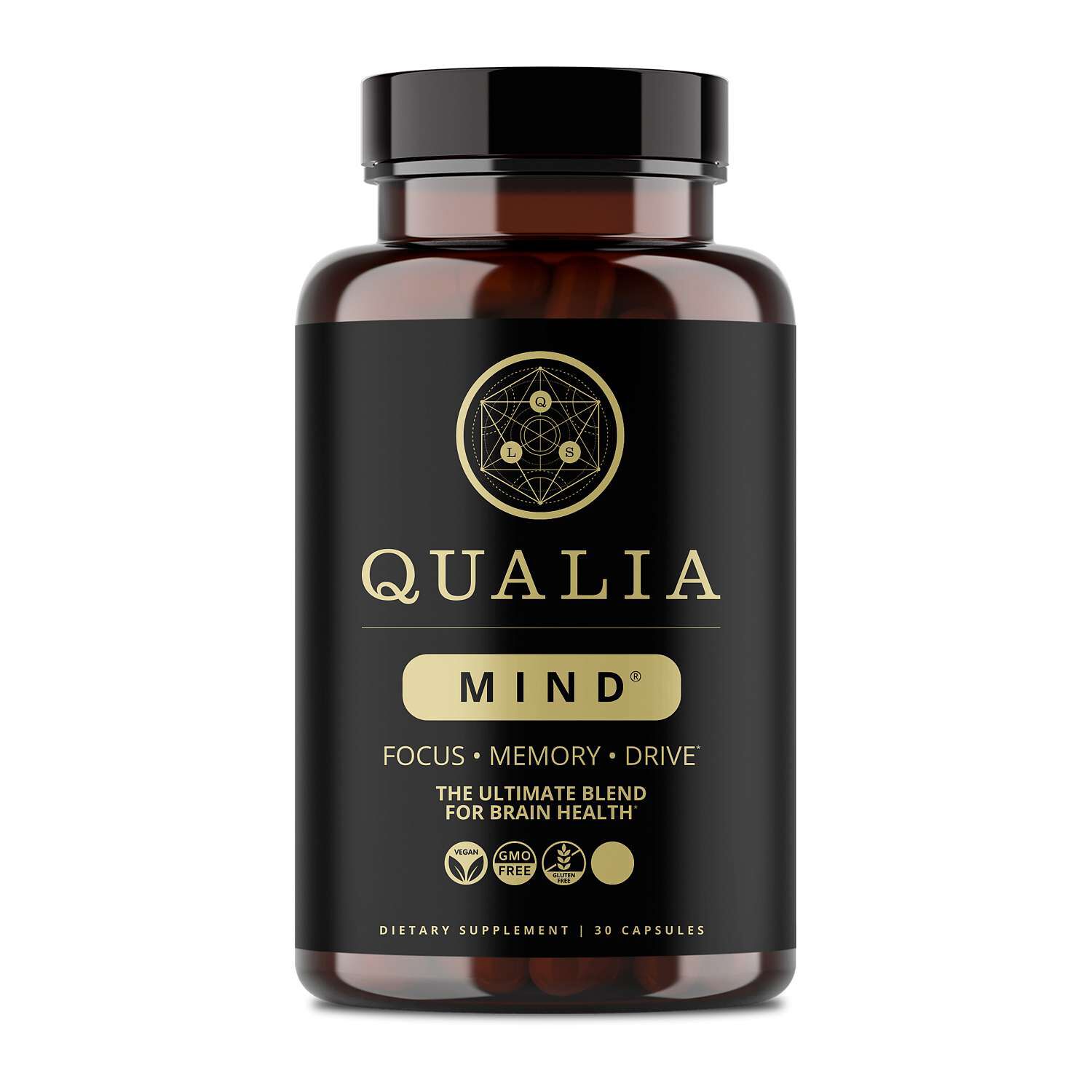
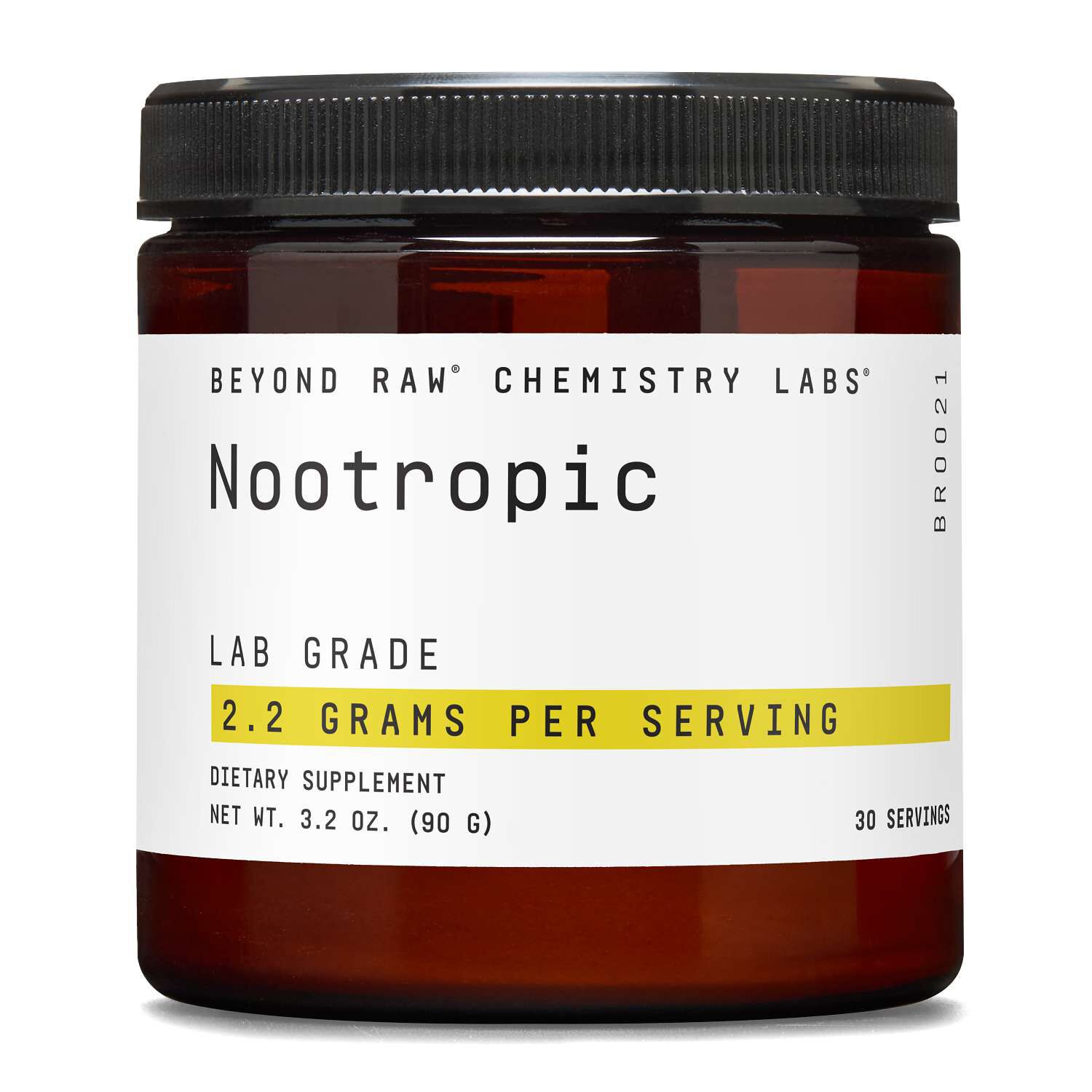
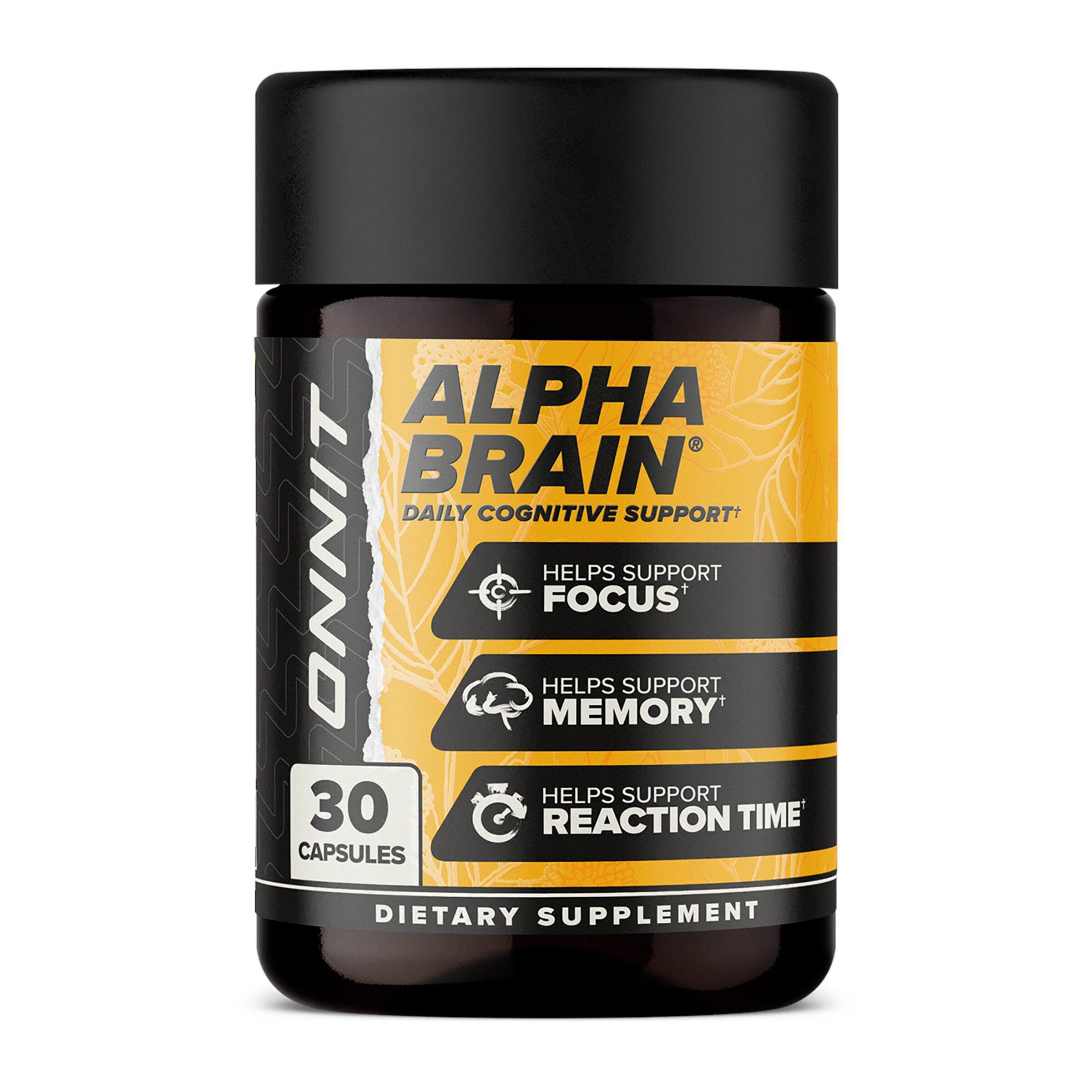
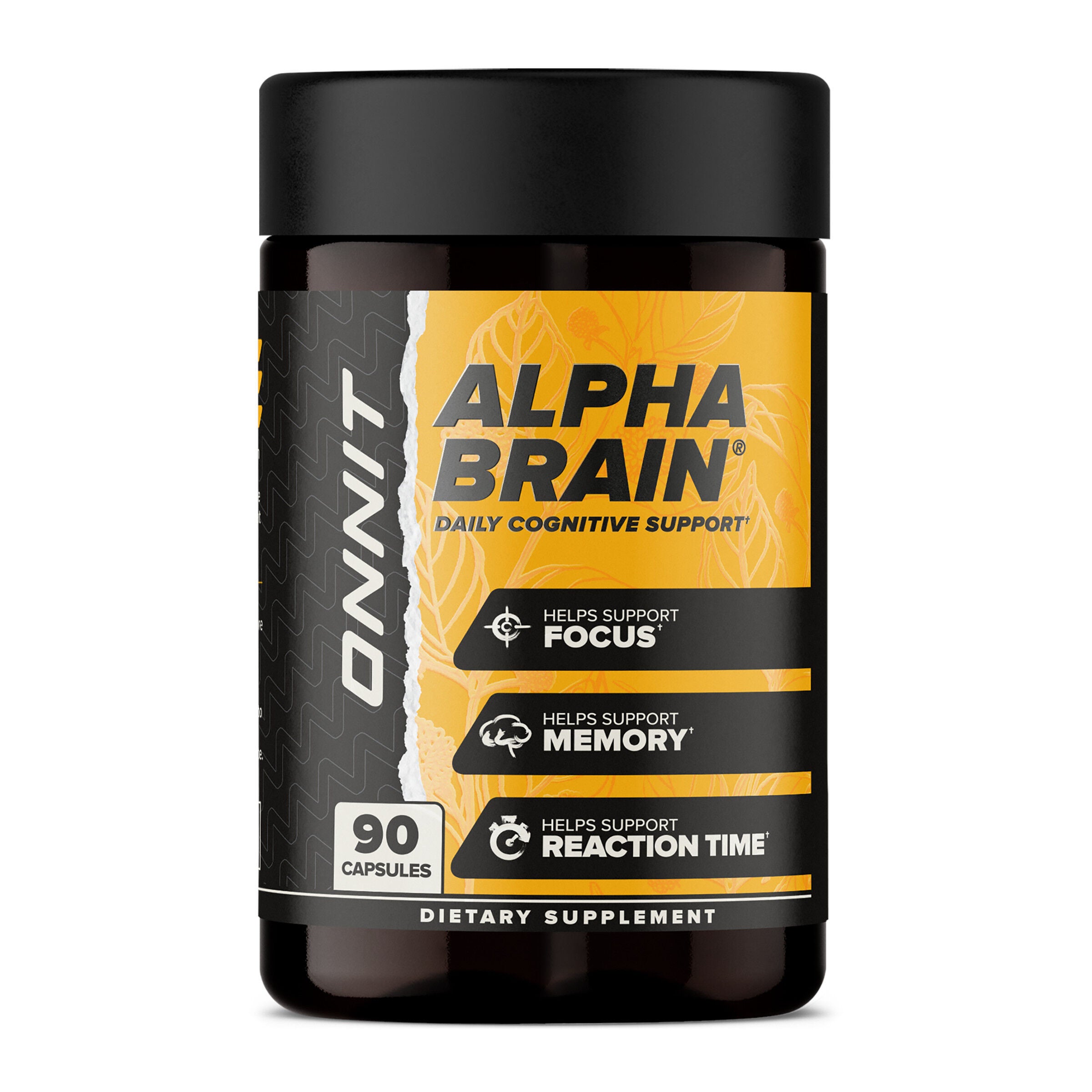
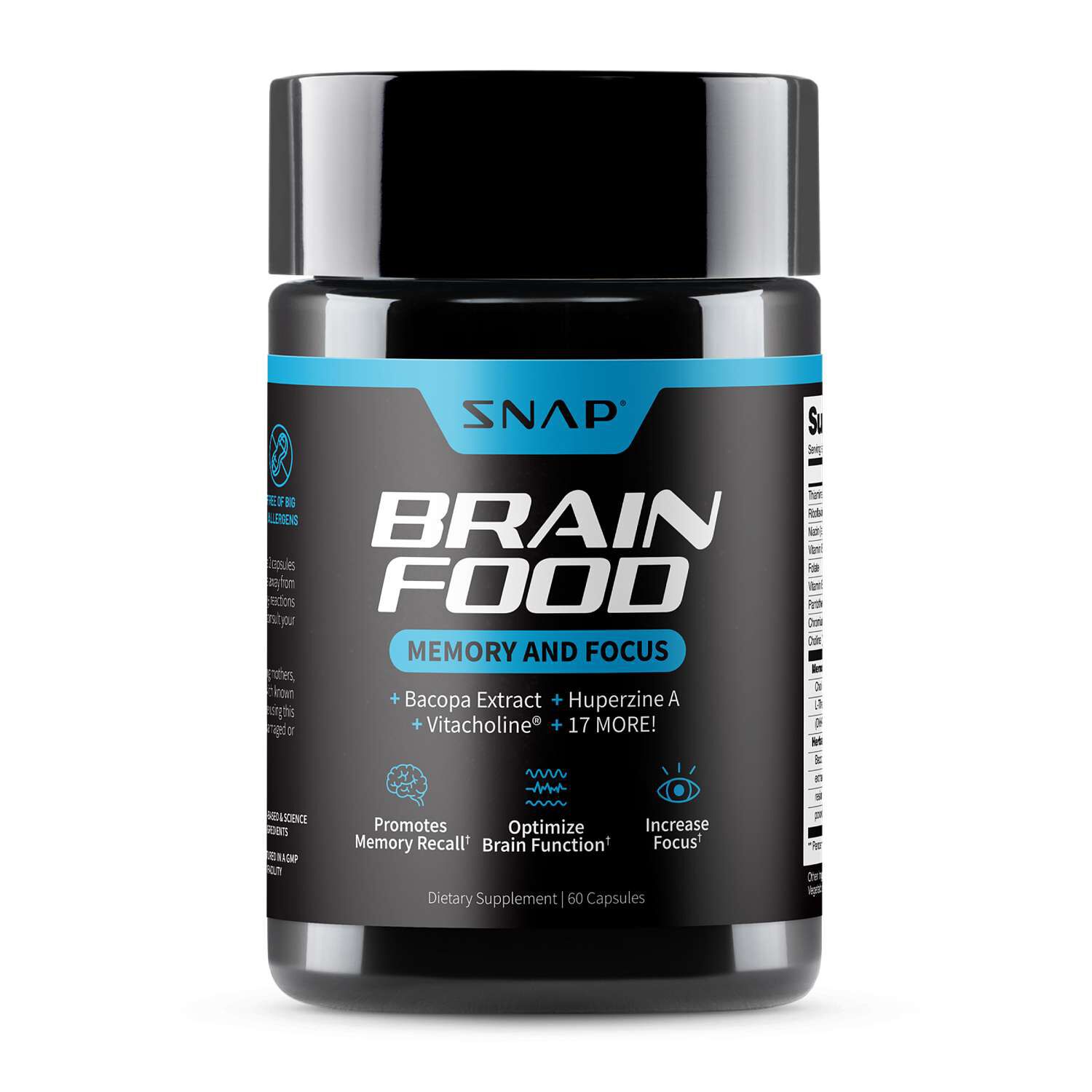
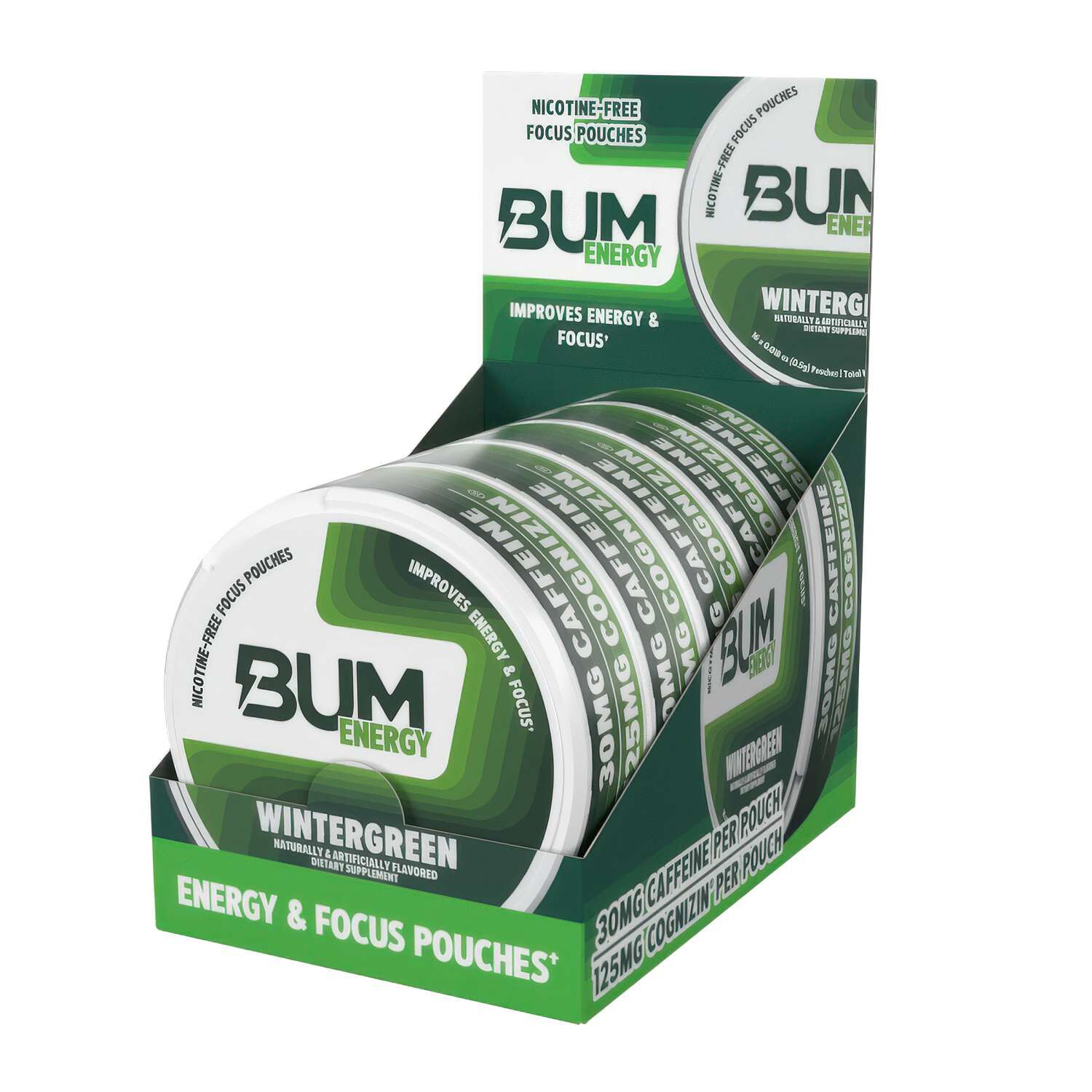
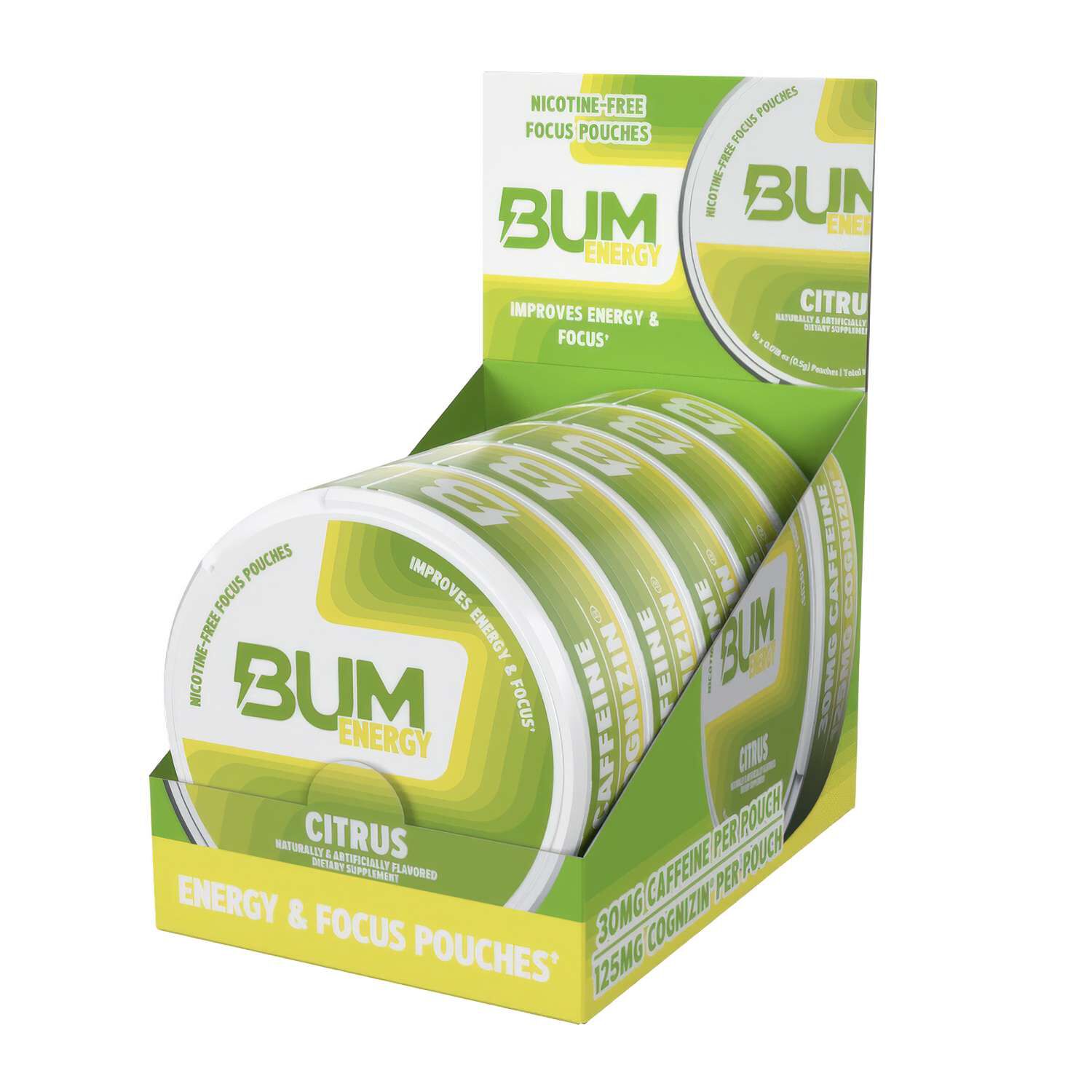
Focus help products are dietary supplements formulated for adults interested in concentration, alertness, and everyday mental performance. This category spans different ingredient combinations and serving formats, with options intended for daily routines as well as occasional use. A long stretch of reading, a desk covered with project notes, or an afternoon spent reviewing detailed reports can make the appeal of a focus supplement easy to understand. These products may complement everyday concentration goals, but their role is different from setting aside uninterrupted time or creating a quieter place to work. Sleep, regular meals, hydration, and the demands of a particular task are also part of the broader context around attention. The terms focus supplement, cognitive support, and nootropic appear across this category, but they do not describe one standard formula or a uniform experience. Some formulas contain caffeine, while others feature amino acids, vitamins, minerals, or botanical ingredients without caffeine. Ingredient combinations, serving amounts, and intended use vary, so similar wording on the front of two packages does not necessarily mean that the contents are alike. For an adult student moving between lectures and independent study, a portable format may be worth considering. For someone with a consistent workspace, mixing requirements and storage space may matter more than portability. A professional preparing for a presentation may have different preferences from someone spending an evening on a detailed creative project. Those differences make everyday habits a useful starting point when comparing the category. Focus supplements may play a supporting role in these routines, but no particular feeling or work outcome should be assumed. The most meaningful distinctions are often practical ones: what the formula contains, how a serving is measured, whether caffeine is included, and how closely the labeled use matches the routine in which the product would be used. Clear descriptions of those features make comparisons more useful than broad language about productivity alone.
Ingredient labels provide a closer view of what separates one focus formula from another. The amount listed per serving matters, along with the number of capsules, tablets, gummies, or measured portions that make up that serving. A package containing many pieces does not necessarily contain the same number of servings, and a front label may highlight only part of a longer ingredient list. Caffeine is one distinction worth noting because it may contribute to alertness, and the amount in a supplement belongs in the same consideration as caffeine from coffee, tea, and other beverages. A formula without caffeine has a different ingredient profile, but that description alone does not establish what someone might experience. Botanical formulas may identify a plant species, the part used, and details about an extract; amino acid and vitamin formulas have their own serving information. These details give shoppers a more concrete basis for comparison than a familiar ingredient name by itself. Format is another meaningful difference. Capsules and tablets are common choices for people who prefer a measured format without a mixing step. Powders involve preparation and may have flavoring, sweeteners, or texture characteristics that matter to the person using them. Gummies also have ingredient considerations beyond the featured nutrients, including sweeteners, colors, and the material used to create their texture. Capsule shells and other inactive ingredients can matter for shoppers with dietary preferences, so the full ingredient statement deserves attention alongside the highlighted formula. Allergen information, intended audience, directions, and storage requirements are also part of a useful product comparison. Packaging that identifies serving amounts clearly and provides readable directions offers practical information before a purchase. When testing or certification information is provided, the named standard and what it covers are more informative than an unexplained symbol. Quality information is most useful when it is specific, understandable, and connected to the actual formula rather than presented as a sweeping statement about results.
Everyday use also brings packaging, care, and portability into the decision. A bottle that stays at a home workspace has different handling demands from a container carried between an office, a campus library, and a shared study room. Container size, closure design, and the condition of the seal are tangible details, especially when the package will be opened and closed repeatedly. For powders, the scoop or other measuring method belongs in the comparison, as do the preparation directions and the amount of liquid specified on the label. A format that requires mixing may fit a desk routine but may be less convenient during a commute or between appointments. Individually packaged servings, where offered, have different handling considerations from a larger container with repeated openings. These are practical distinctions rather than evidence of a stronger formula. Storage directions and the printed date also matter throughout the time a supplement is kept. Original packaging preserves access to the ingredient list, directions, and identifying information, while the labeled storage conditions provide the relevant guidance for care. Focus products are usually a personal selection because preferences around caffeine, flavors, textures, and serving formats can be quite specific. For a gift, an established preference is more useful than an assumption about someone’s workload or concentration goals. Shoppers comparing products for a packed schedule can also explore Focus Aids For Busy Lifestyles for a related selection centered on everyday routines. Across the category, a useful comparison stays grounded in the label and the circumstances of use: a quiet reading session, a day of detail-heavy tasks, or a familiar study schedule. A focus supplement may complement those activities, while the choice itself comes down to understandable ingredients, appropriate intended use, manageable preparation, and packaging suited to the way the product will be stored and carried.
What are some common ingredients found in supplements that may support focus?
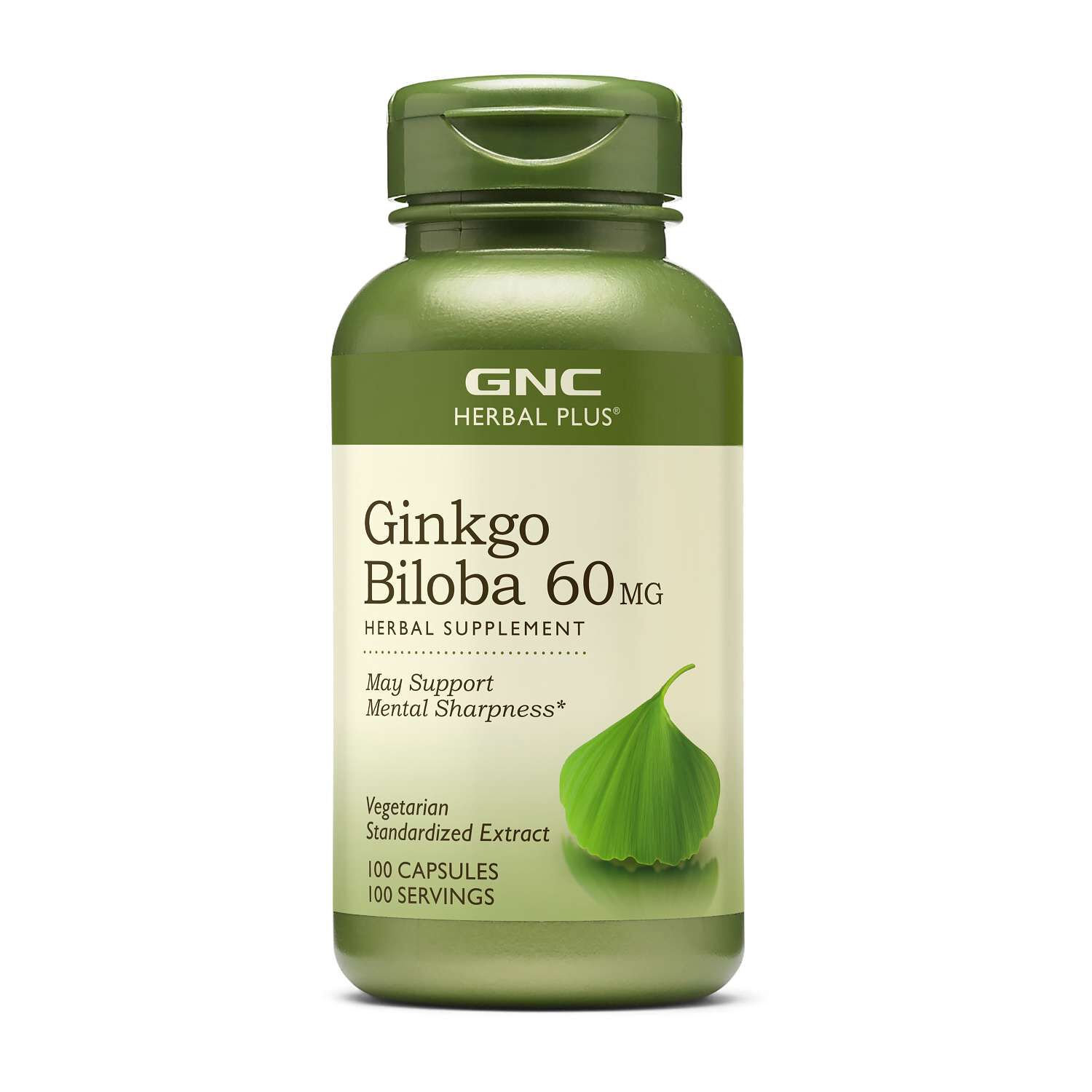
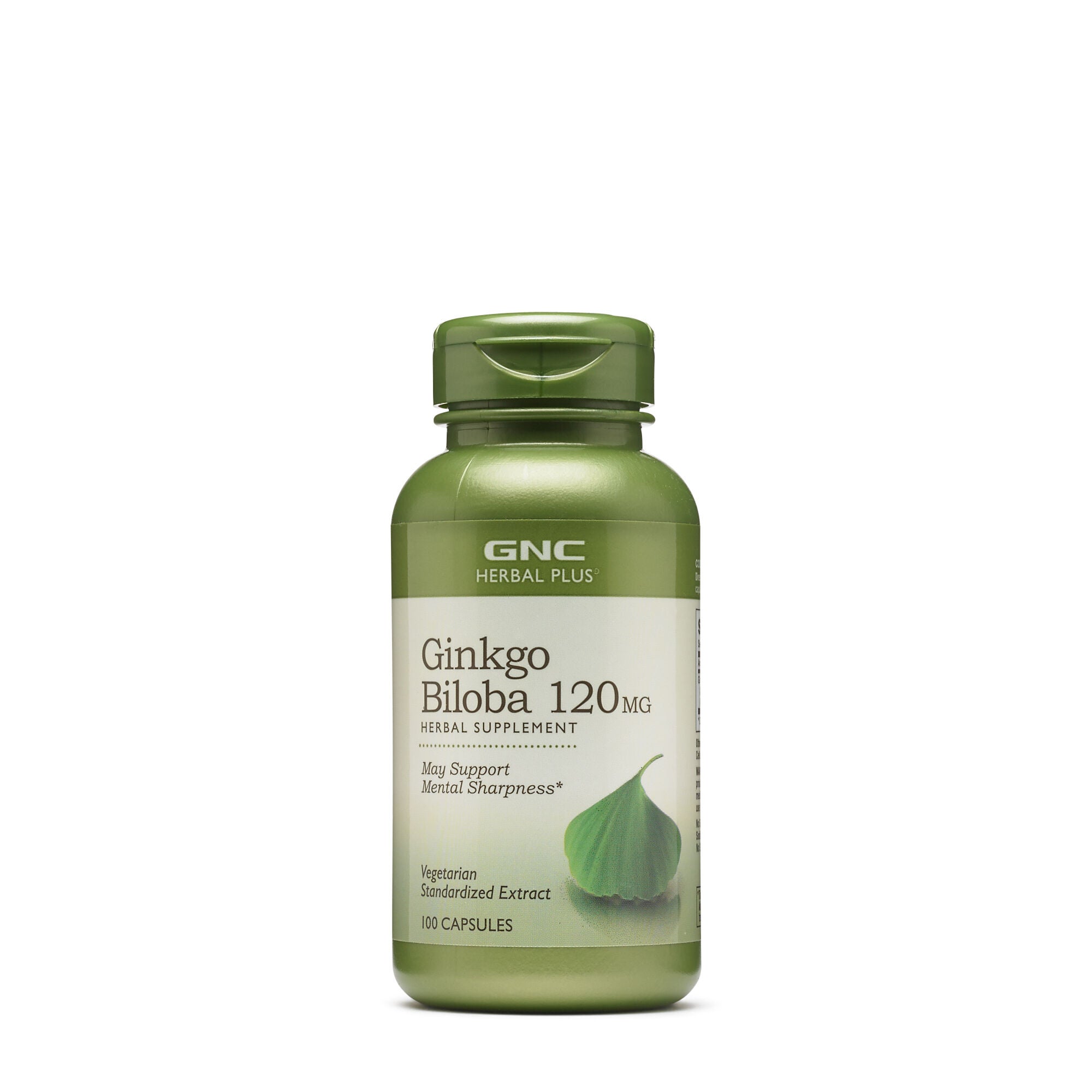
Supplements that may support focus often include ingredients like caffeine, L-theanine, ginkgo biloba, bacopa monnieri, and certain B vitamins.
How might a focus-related supplement fit into my daily routine?
Supplements that may support focus are often taken in the morning or before periods of concentration, such as studying or working, and it's helpful to follow the directions on the product label.
Are there different forms of products that may support focus available?
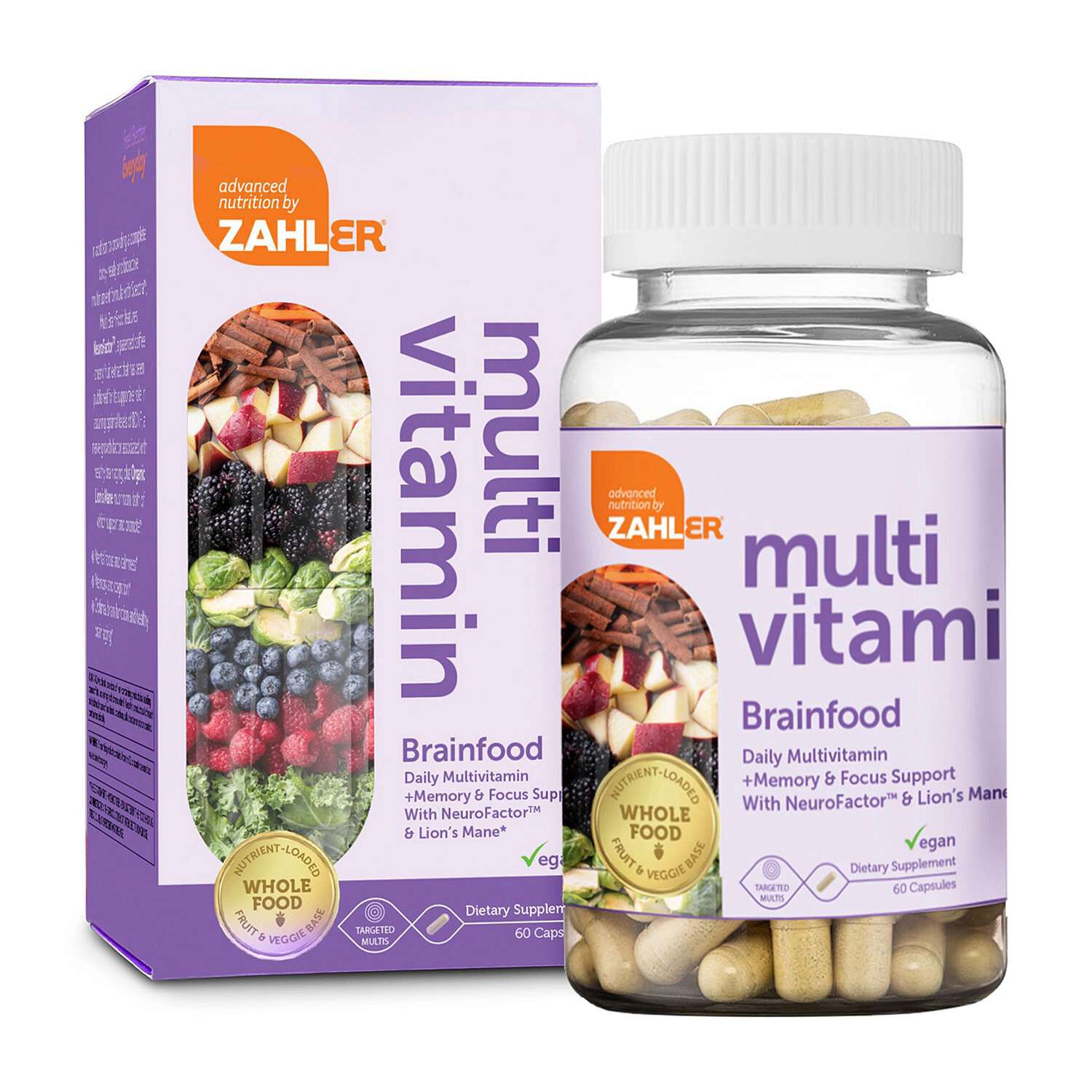
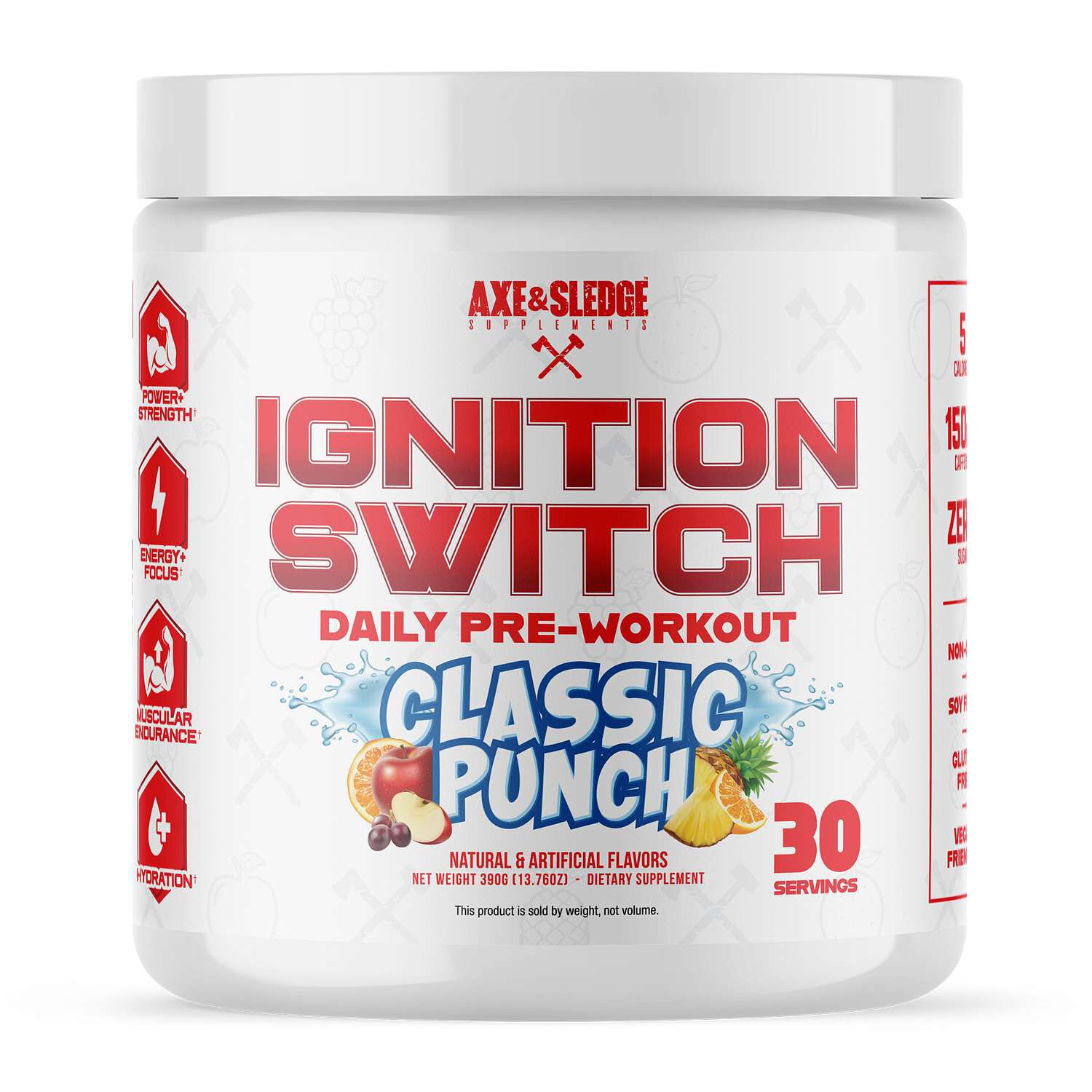
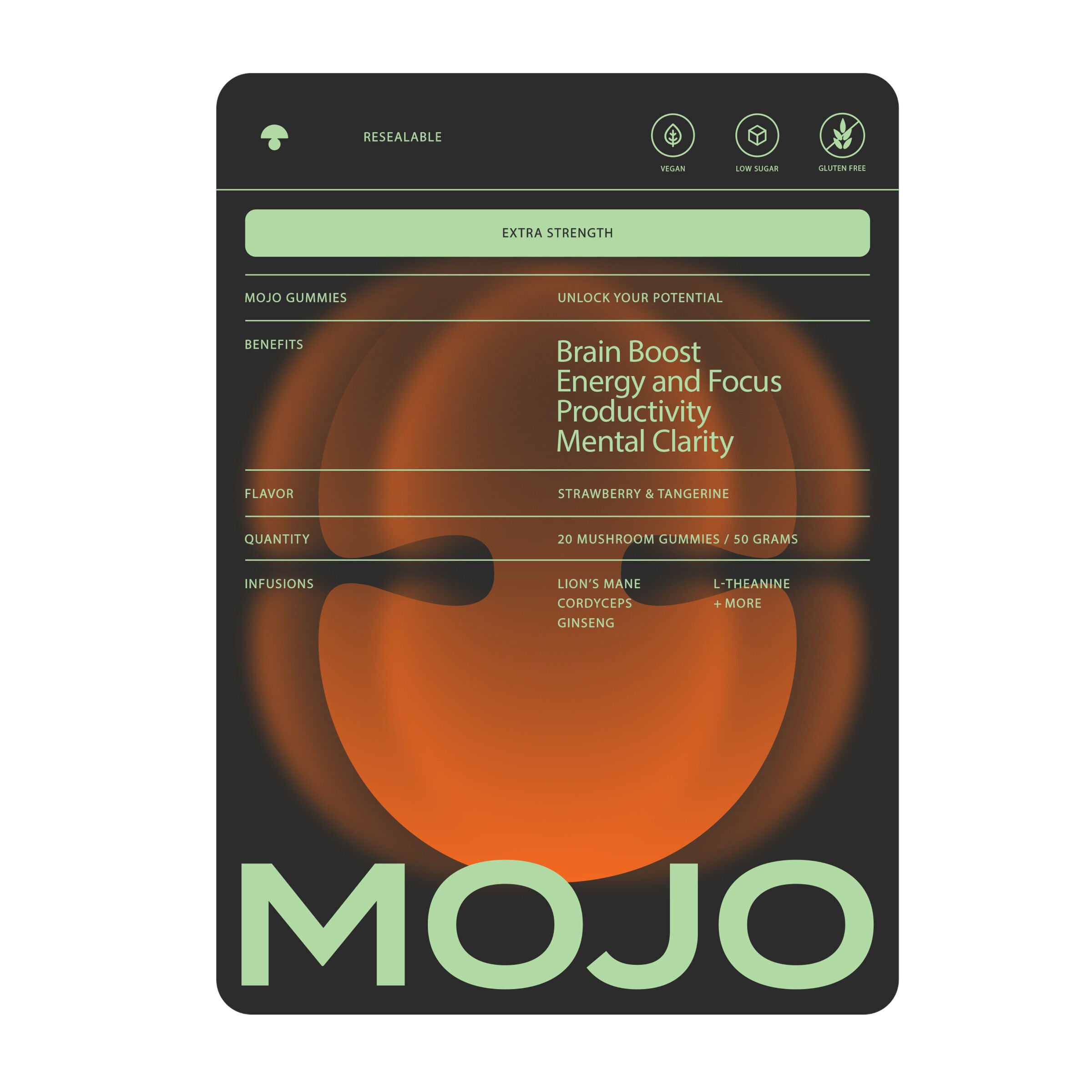
Yes, these products may come in various forms such as capsules, tablets, powders, gummies, or drinks to suit different preferences.
Can I combine supplements that may support focus with other wellness products?
Many people choose to include these supplements alongside other wellness products as part of their overall routine. Checking product labels for suggested use can help you decide how to incorporate them.
What lifestyle habits might complement the use of supplements that may support focus?
Habits like getting enough sleep, staying hydrated, eating balanced meals, and taking regular breaks during tasks may work well alongside supplements that may support focus.