





Focus Aids For Busy Lifestyles
(0 Results)
In today's fast-paced world, maintaining mental clarity and concentration can be a challenge. Focus aids for busy lifestyles may offer support to help you stay sharp and attentive throughout your day. Whether you're juggling work, family, or personal projects, these supplements could provide the extra edge needed to manage your bustling schedule. Explore a range of options designed to fit seamlessly into your routine, potentially enhancing your ability to tackle tasks with renewed energy and focus.
-
 Raw Nutrition$44.99
-
-

-
-

-

-

-

-
-
 Raw Nutrition$44.99
-

-
 $34.99
-
-
-
-
 Divine Health$44.99
-
-
-
-

-

-

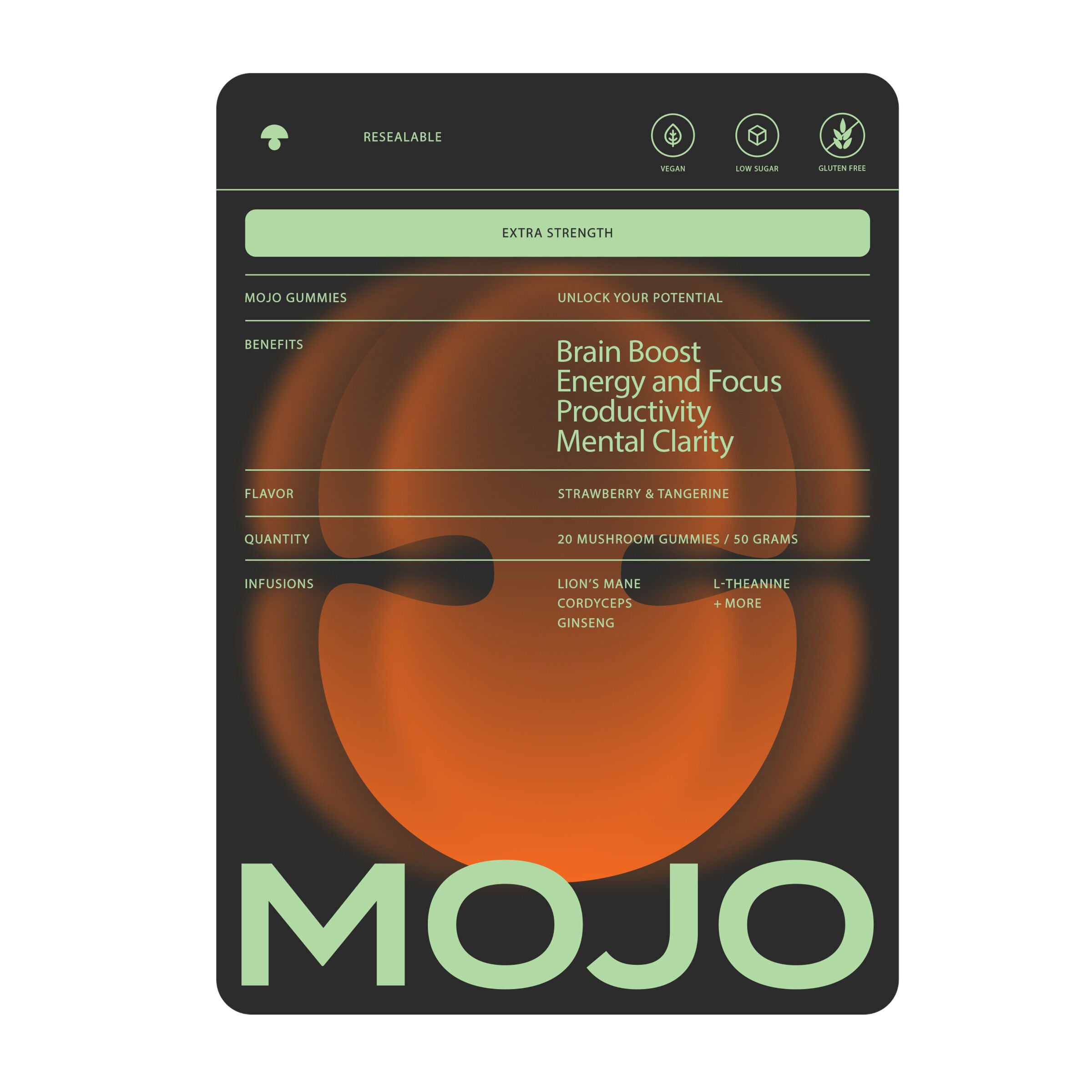

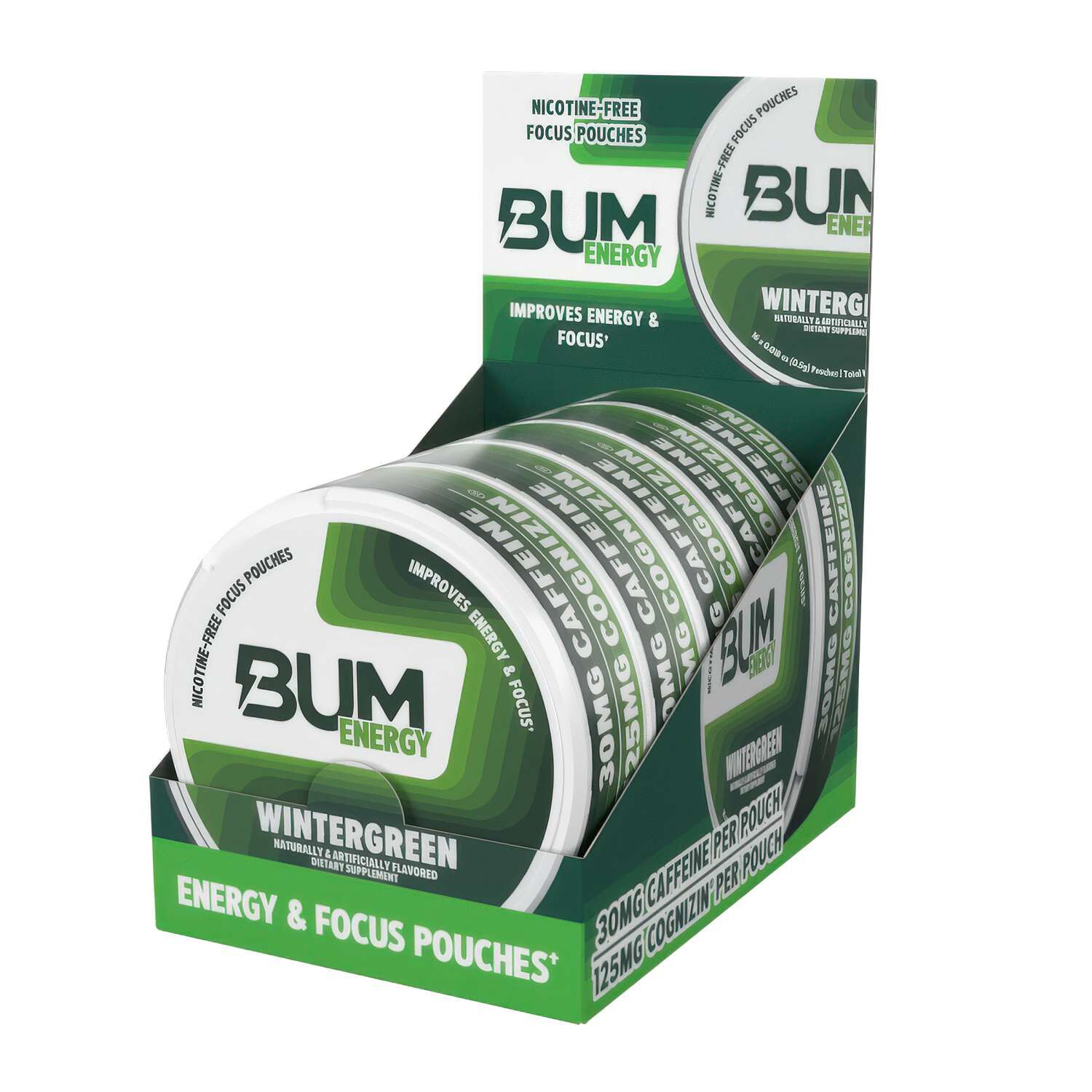
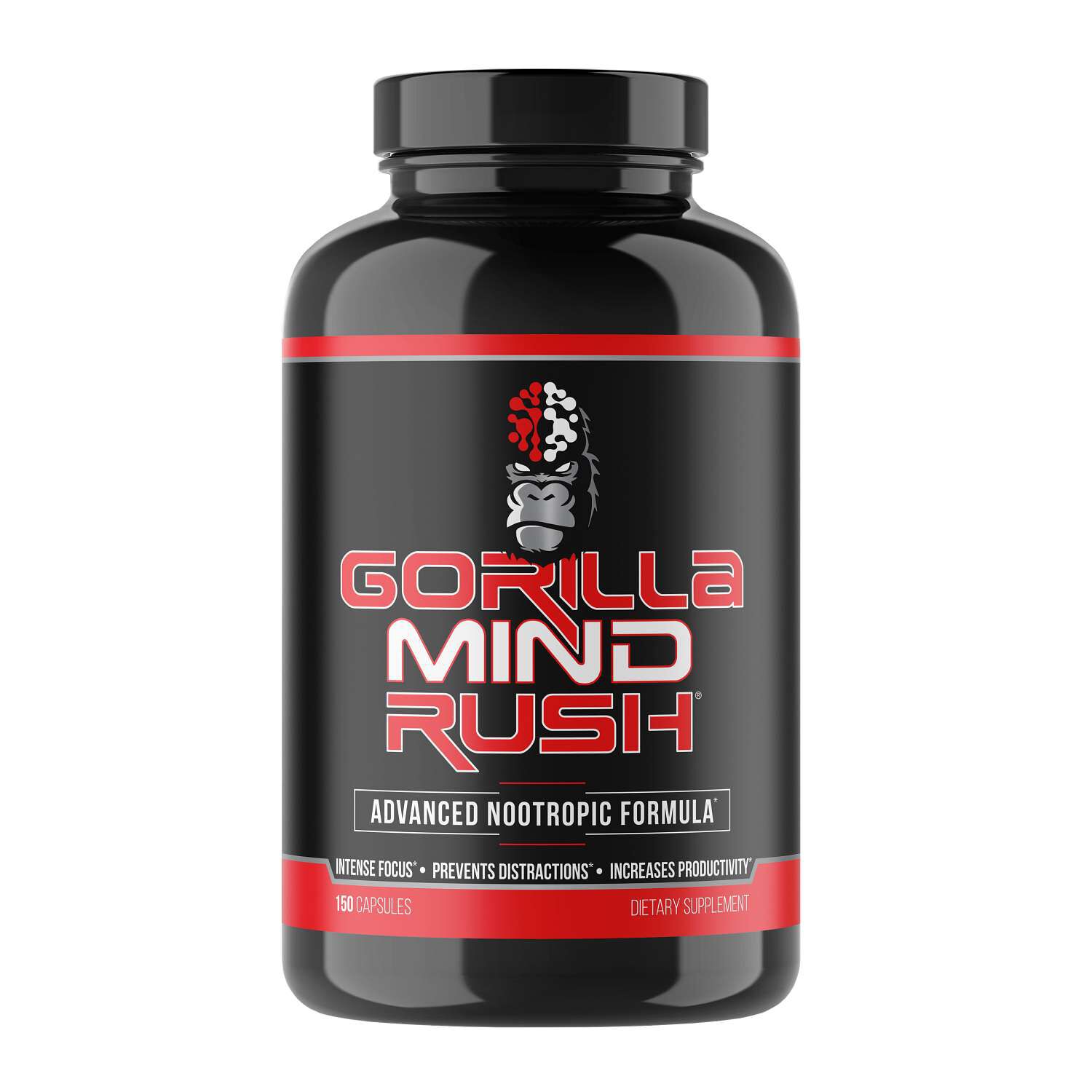
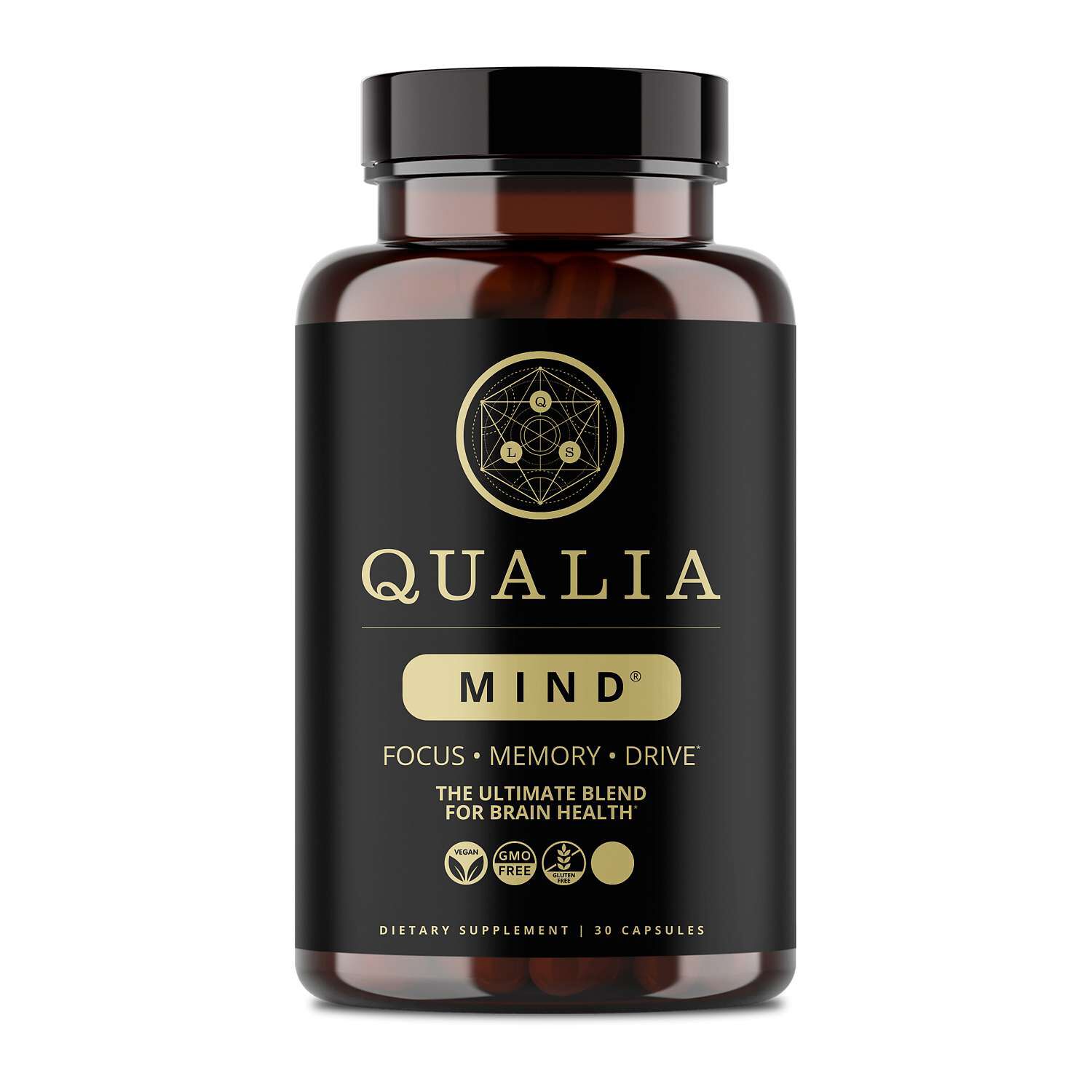
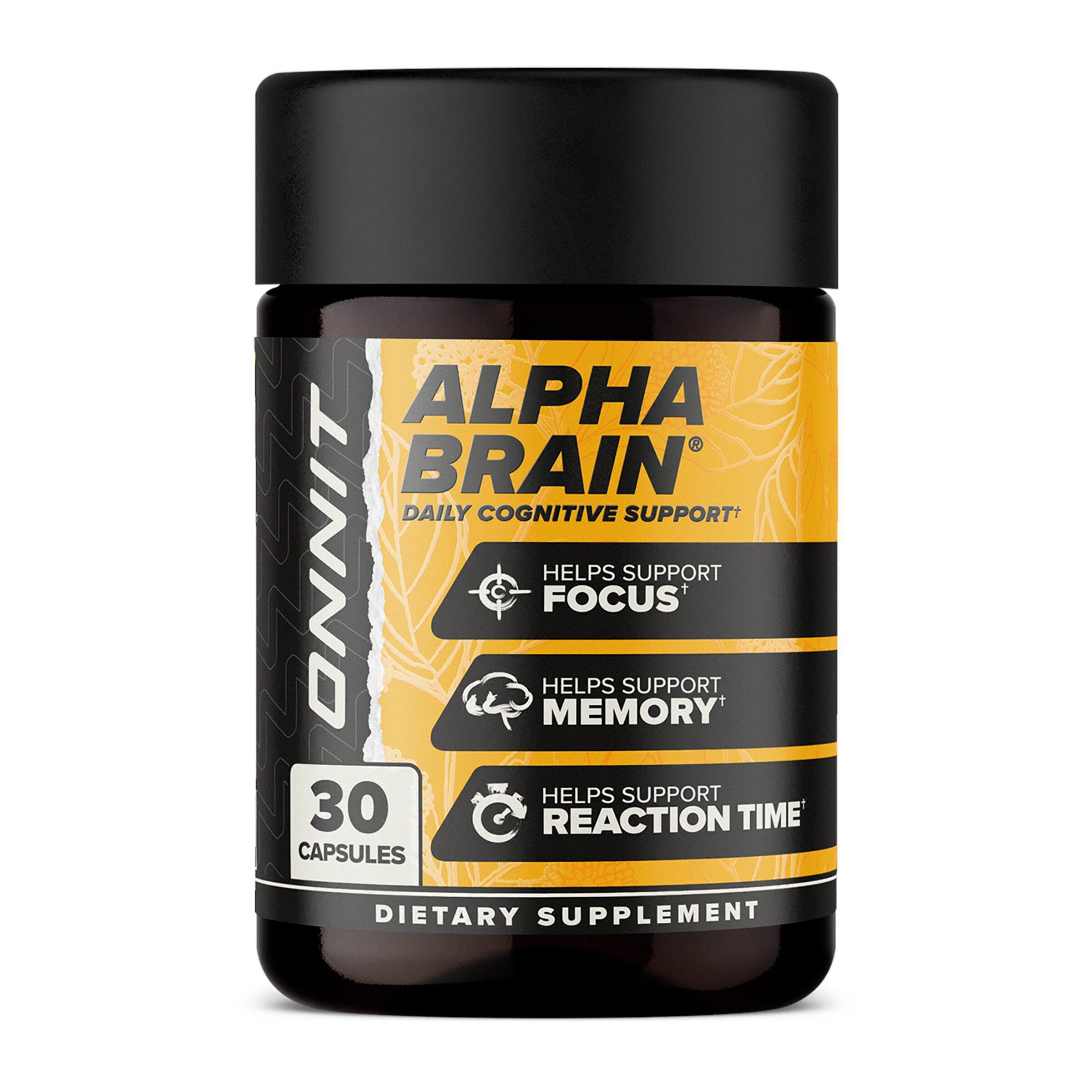
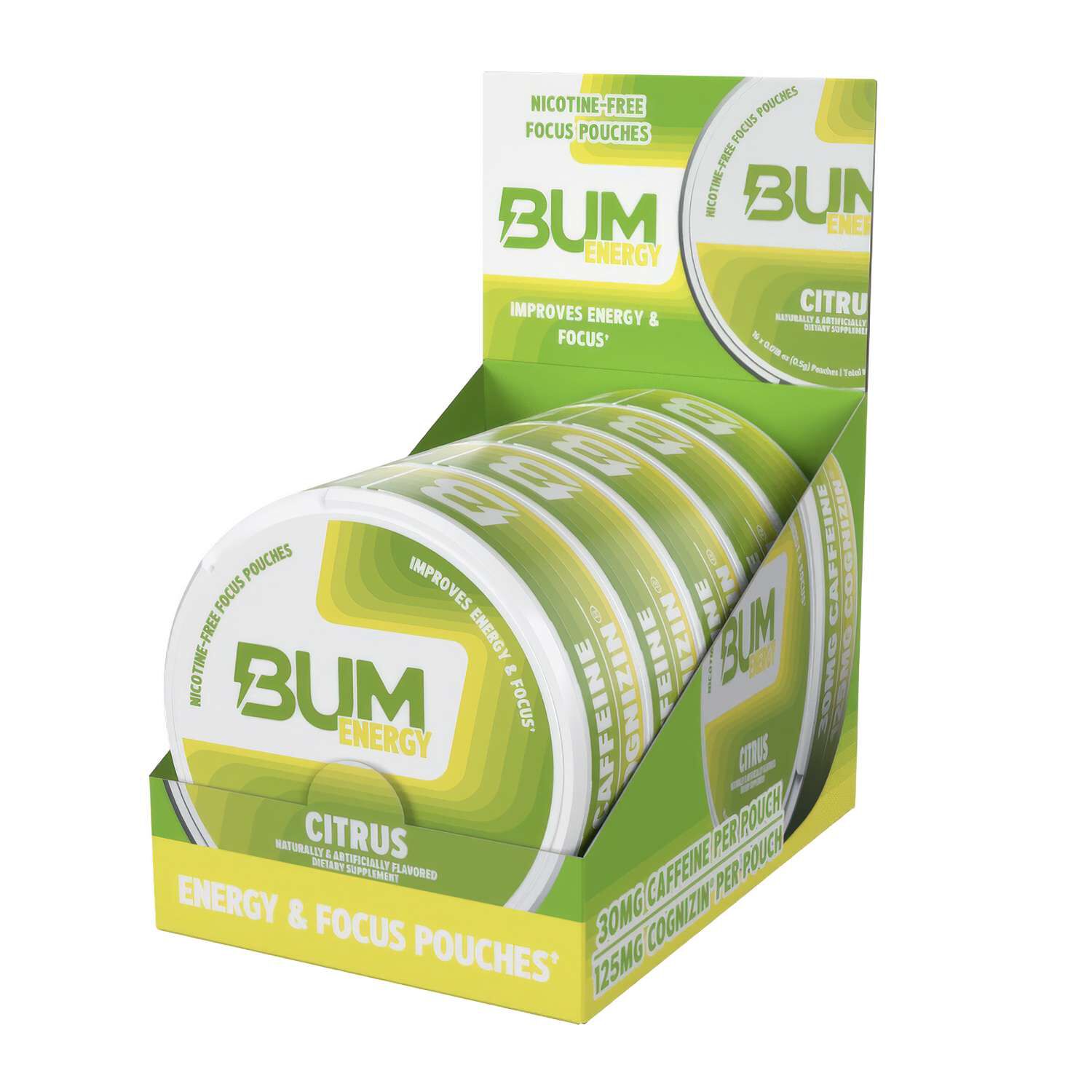
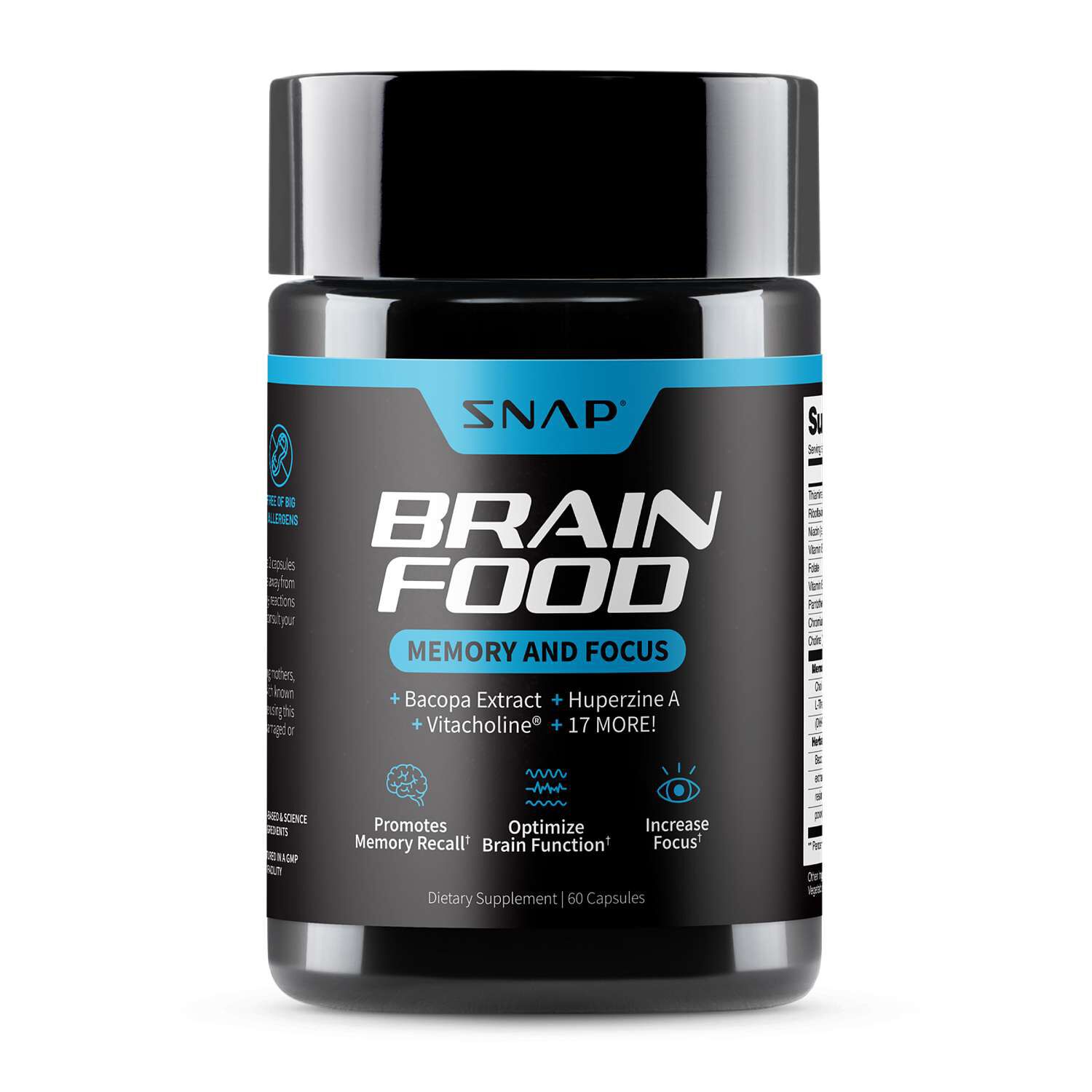
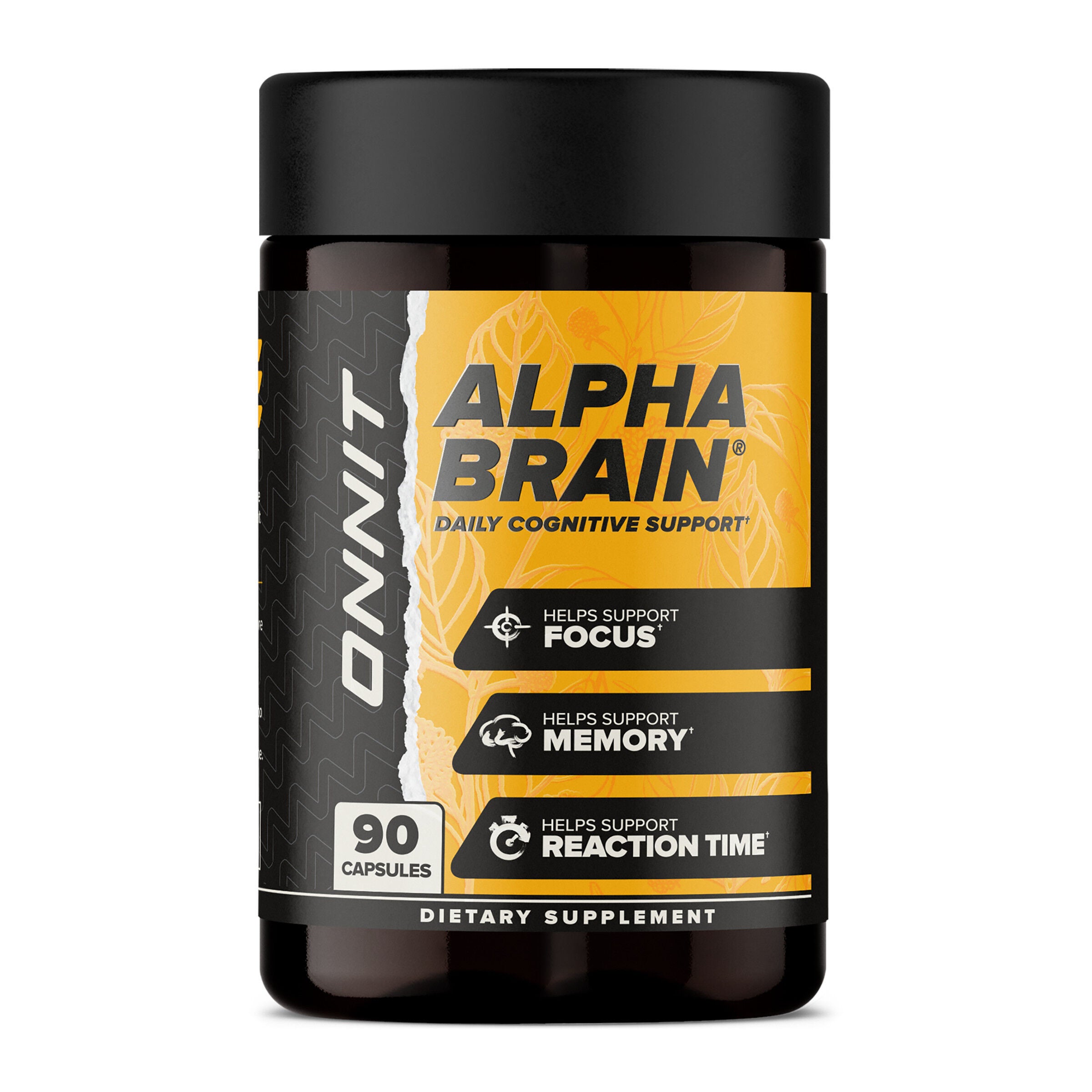
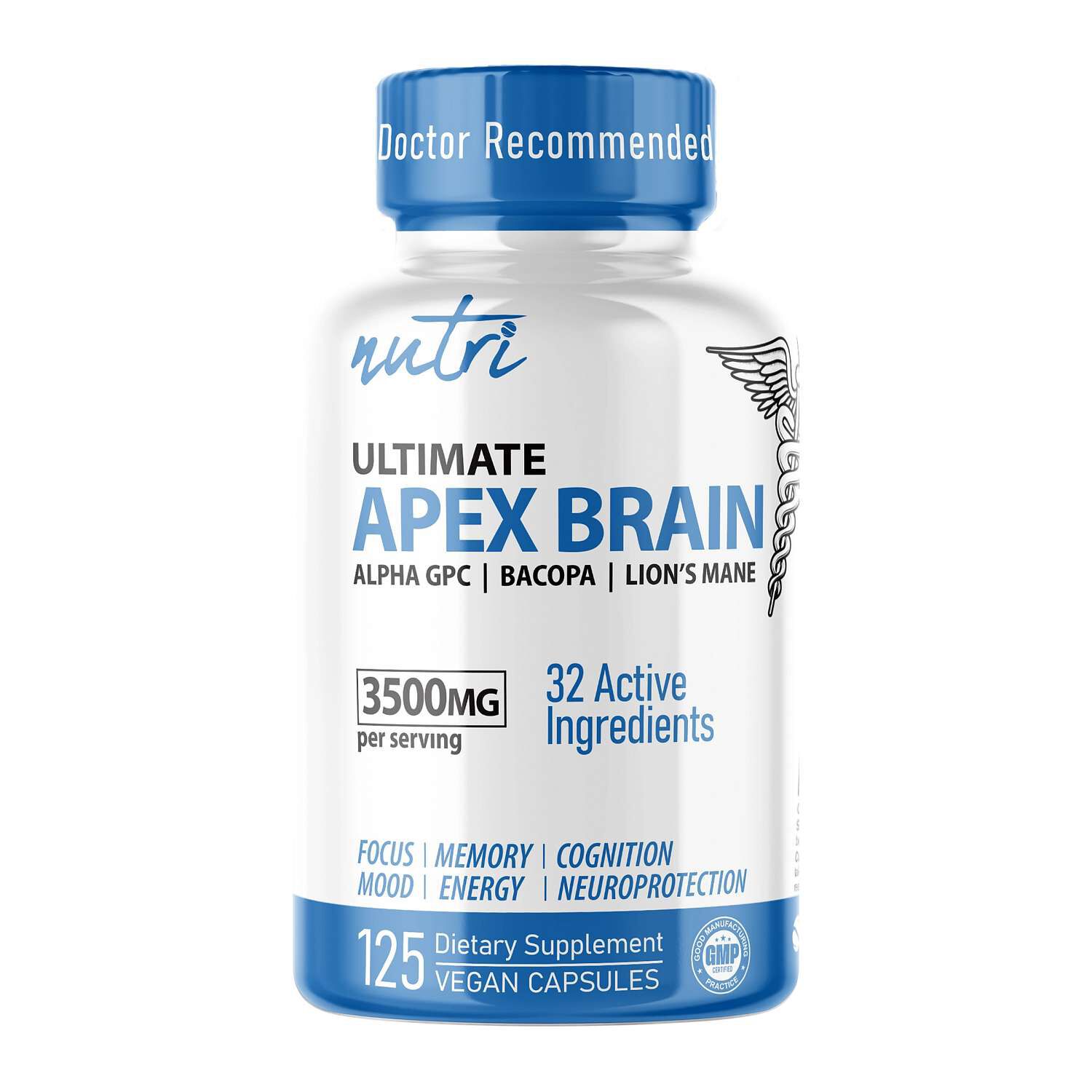
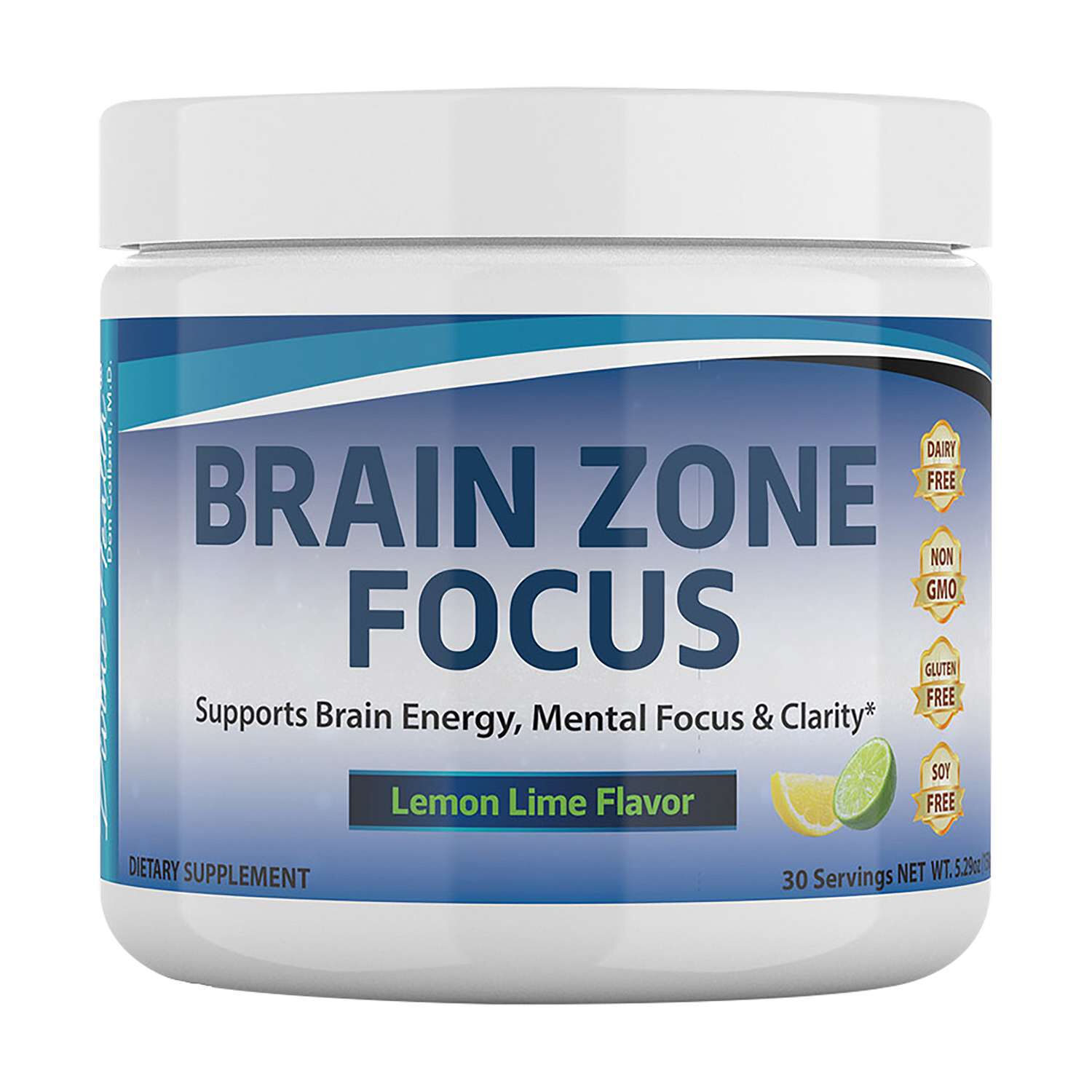
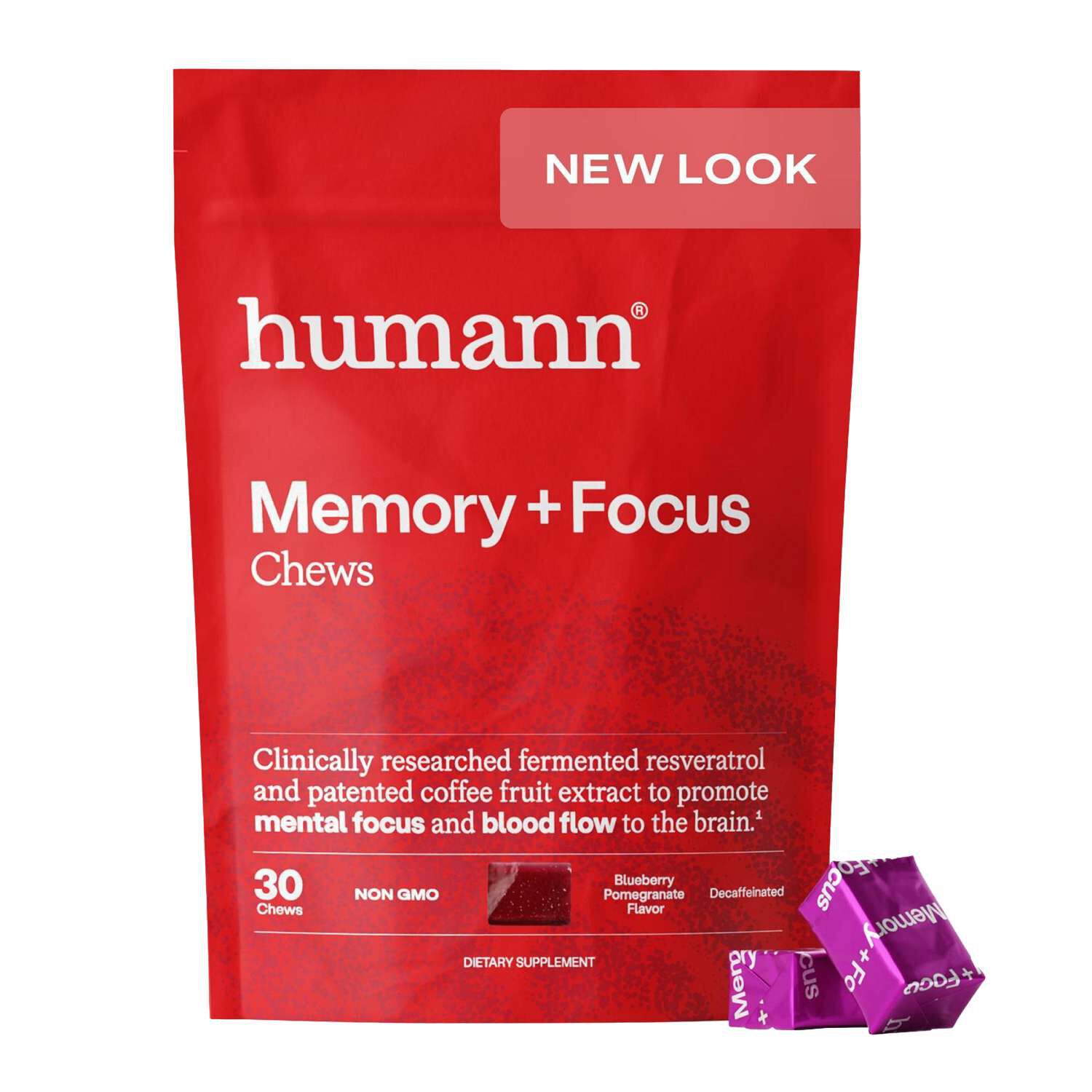
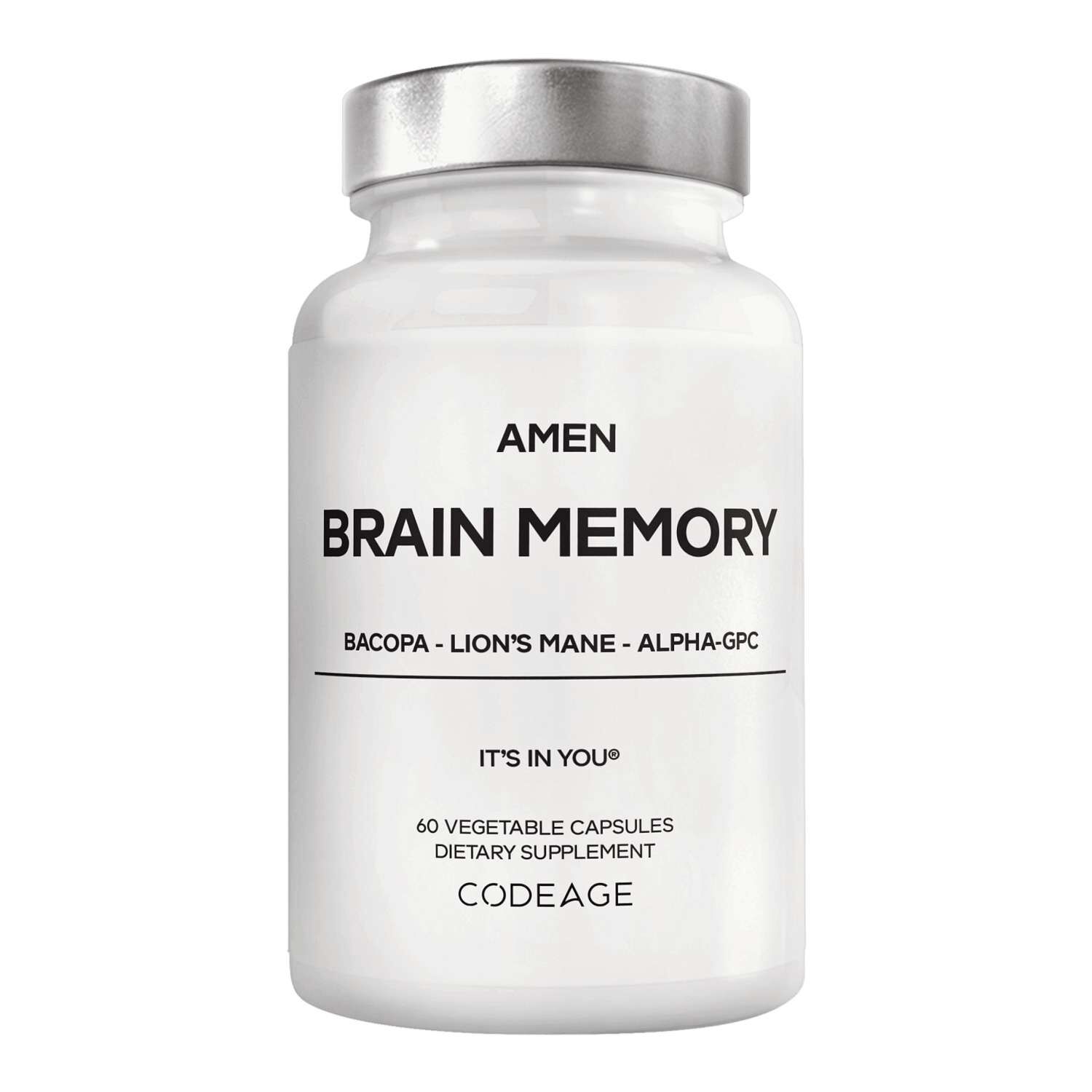
Focus aids for busy lifestyles are nutrition-focused products intended to complement the routines of adults balancing work, study, household responsibilities, and personal projects. In this category, focus aids generally means supplements rather than scheduling apps, desk accessories, or other organizational tools. A crowded calendar can look different from one person to the next: back-to-back meetings, an evening course after work, or a kitchen table that doubles as a workspace. These situations give context to the category, but the most useful distinctions between products are found in their ingredients, serving information, and formats. Formulas may include vitamins and minerals, amino acids, botanical ingredients, or caffeine, either individually or in combinations. Capsules and tablets offer a measured format, while powders involve preparation with a liquid as described on the package. Chewable options have their own serving sizes, flavors, and ingredient considerations. Products grouped around focus are not interchangeable simply because their labels use similar language. An ingredient panel shows what is included, while the Supplement Facts panel identifies amounts per serving and the number of servings in a container. A serving may consist of more than one capsule or chewable, making the serving information more informative than the front-of-package quantity alone. Caffeine content is another meaningful distinction for shoppers whose routines already include coffee, tea, or other caffeinated beverages. Formulas made without caffeine offer a different ingredient profile, not an equivalent experience by default. For anyone comparing focus supplements, details such as capsule materials, flavoring, sweeteners, and dietary labeling can matter as much as the format itself. Plant-based capsule shells and gelatin shells, for example, differ in composition. Powder ingredients may also include components used for flavor, texture, or mixing. Clear labeling makes these differences easier to understand without relying on broad category language. The connection to a busy lifestyle is practical: a product’s labeled intended use, preparation requirements, and serving format should align with the person considering it, rather than with an imagined schedule that bears little resemblance to daily life.
Format often becomes more meaningful when pictured in an ordinary setting. At a shared office desk, a bottle that closes securely presents different handling considerations from a powder pouch that needs a scoop, a cup, and access to water. In a commuter bag, package dimensions and closure design may matter more than they would on a shelf at home. For an adult student moving between a library and an evening class, the distinction between a ready-to-use format and one that requires mixing is easy to picture. Capsules vary in size and shell composition, tablets vary in dimensions, and chewables bring flavor and texture into the comparison. Powders introduce additional details, including the amount of liquid specified on the label and whether the serving is measured with a scoop or packaged individually. These are considerations of personal fit and intended use, not signs that one format is universally preferable. Product care is similarly concrete. Storage directions, date markings, and the condition of the original packaging are relevant to supplements that may spend time on a desk, in a cupboard, or inside a work bag. A tightly closed container may help limit exposure to moisture, while the package’s storage instructions provide the appropriate reference for temperature and handling. A parked car, a damp bathroom shelf, and a spot beside a sunny window present different storage conditions from an indoor cupboard. Durability in this category is mostly about the container and closure: a sturdy bottle, a pouch with an intact seal, and readable labeling are practical features worth considering. Original packaging also keeps serving directions, ingredient information, and date markings together. Moving a product into an unmarked container separates it from those details. For powders, the scoop and closure are part of everyday handling; for bottles, the cap and label serve that role. A convenient format is one that matches both the setting where it may be used and the care described by its packaging.
The people browsing focus aids for busy lifestyles may include adults with meeting-heavy workdays, graduate students organizing long reading assignments, caregivers coordinating appointments and household tasks, or people making room for a personal project alongside a full schedule. Their days may share a need for organization without sharing the same preferences. Someone who regularly carries a water bottle may view a mixable format differently from someone who prefers to keep preparation out of the workday. A shopper who dislikes flavored products may be drawn to a different format than a person who enjoys a beverage as part of an established routine. Food preferences, ingredient choices, and labeled age suitability add further distinctions. The category is best understood through those concrete differences rather than as a single answer to every demanding day. A supplement does not organize a calendar or remove competing responsibilities; its relevance depends on its intended use and the individual routine surrounding it. When comparing products, the same set of details can bring clarity across formats: ingredients, amounts per serving, caffeine content when applicable, preparation, packaging, and storage directions. Front-label descriptions alone offer less context than that fuller picture. Gift shopping adds a personal dimension, particularly when the recipient has already expressed an interest in a particular format or ingredient profile. Supplements are a personal choice, so a familiar preference provides a more thoughtful starting point than assumptions based on someone’s workload. Shopping for an older family member may also lead to Focus Aids For Elderly, a related category to explore alongside the recipient’s preferences and each product’s labeled intended use. Whether the setting is a home office, a campus study space, or a bag packed for a long commute, practical details give this category its everyday relevance. The most meaningful comparison is not simply between labels that mention focus, but between products with different compositions, formats, and handling requirements—and how those characteristics may fit into an adult’s actual day.
Best Sellers
Related Pages

Top Collections
- Daily Collagen Supplements | Top Brands & Deals | GNC
- Natural Collagen Supplements | Top Brands & Deals | GNC
- Top Rated Collagen | Shop Customer Favorites | GNC
- Cortisol Supplements
- Vitamins For Hair Loss
- Spirulina Tablets
- NAD+ Supplement Tablets
- Peptide Supplements
- Best Brand of Magnesium Glycinate
- Vitamins That Help Support Weight Gain