

Folic Acid For Brain Health Support
(0 Results)
Folic acid, a vital B vitamin, plays a crucial role in supporting brain health and overall cognitive function. As an essential nutrient that our bodies cannot produce on their own, folic acid must be obtained through diet or supplementation. Research suggests that maintaining adequate levels of folic acid may help support memory, focus, and mental clarity. Discover how incorporating folic acid into your daily routine can be a simple yet effective way to promote optimal brain health and well-being.
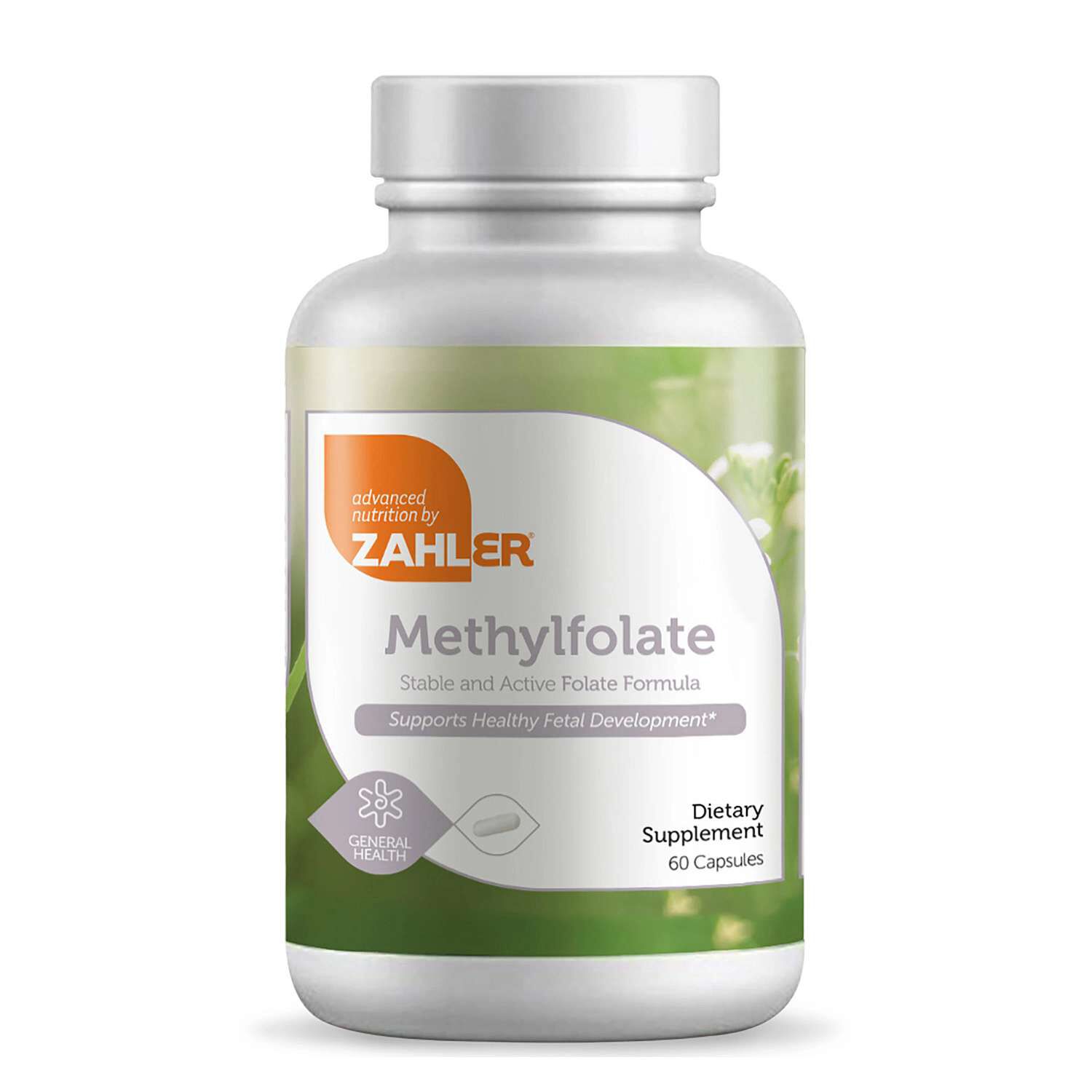
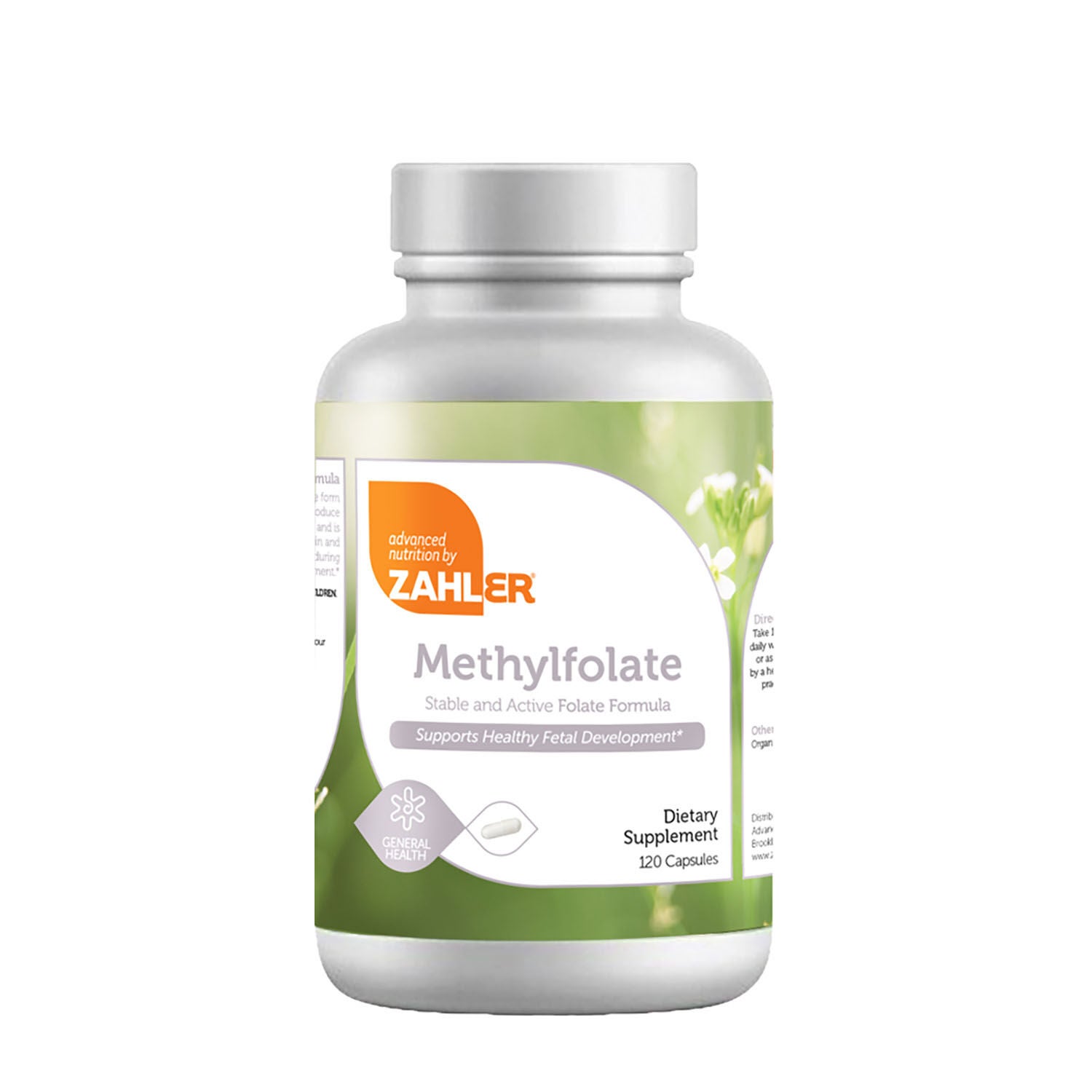
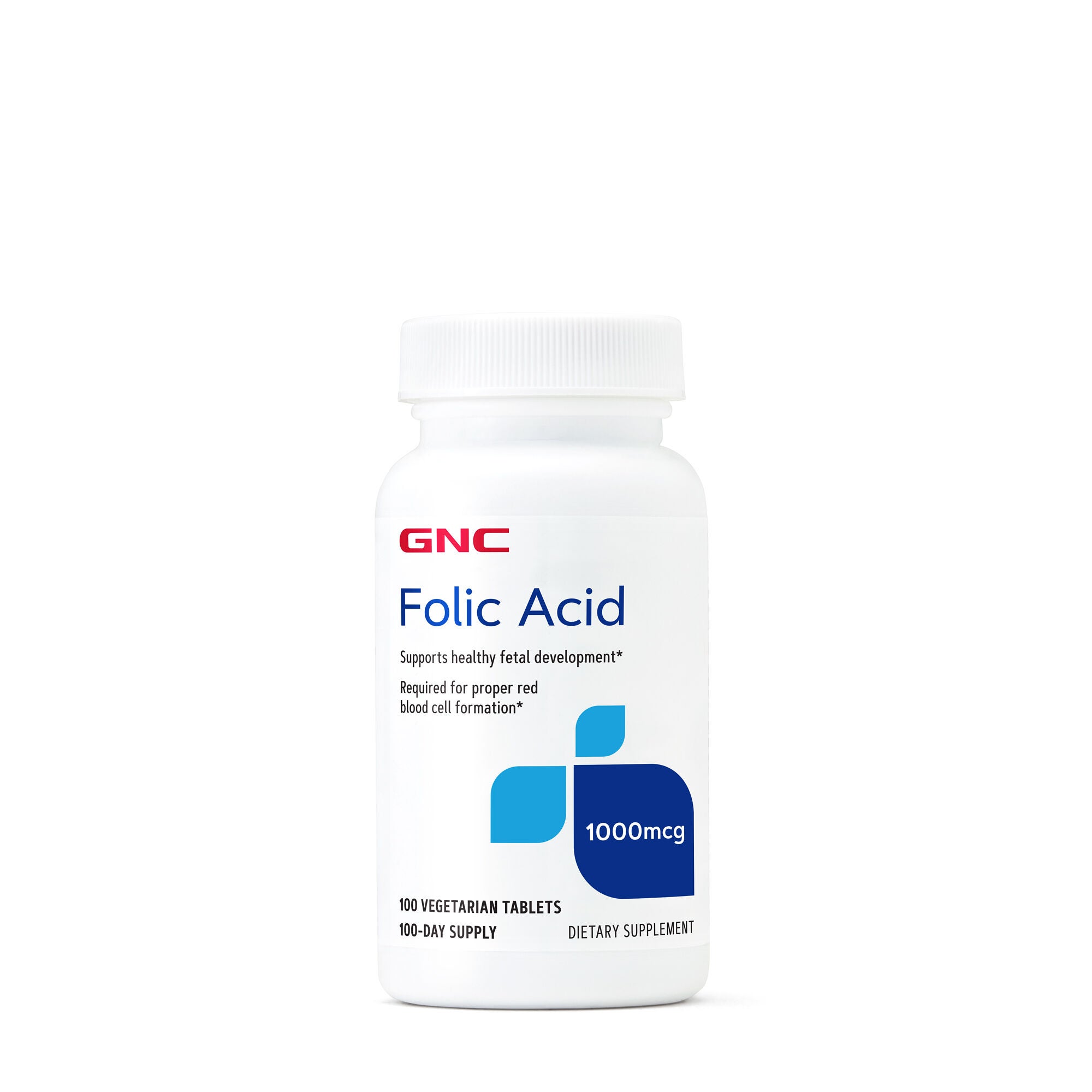

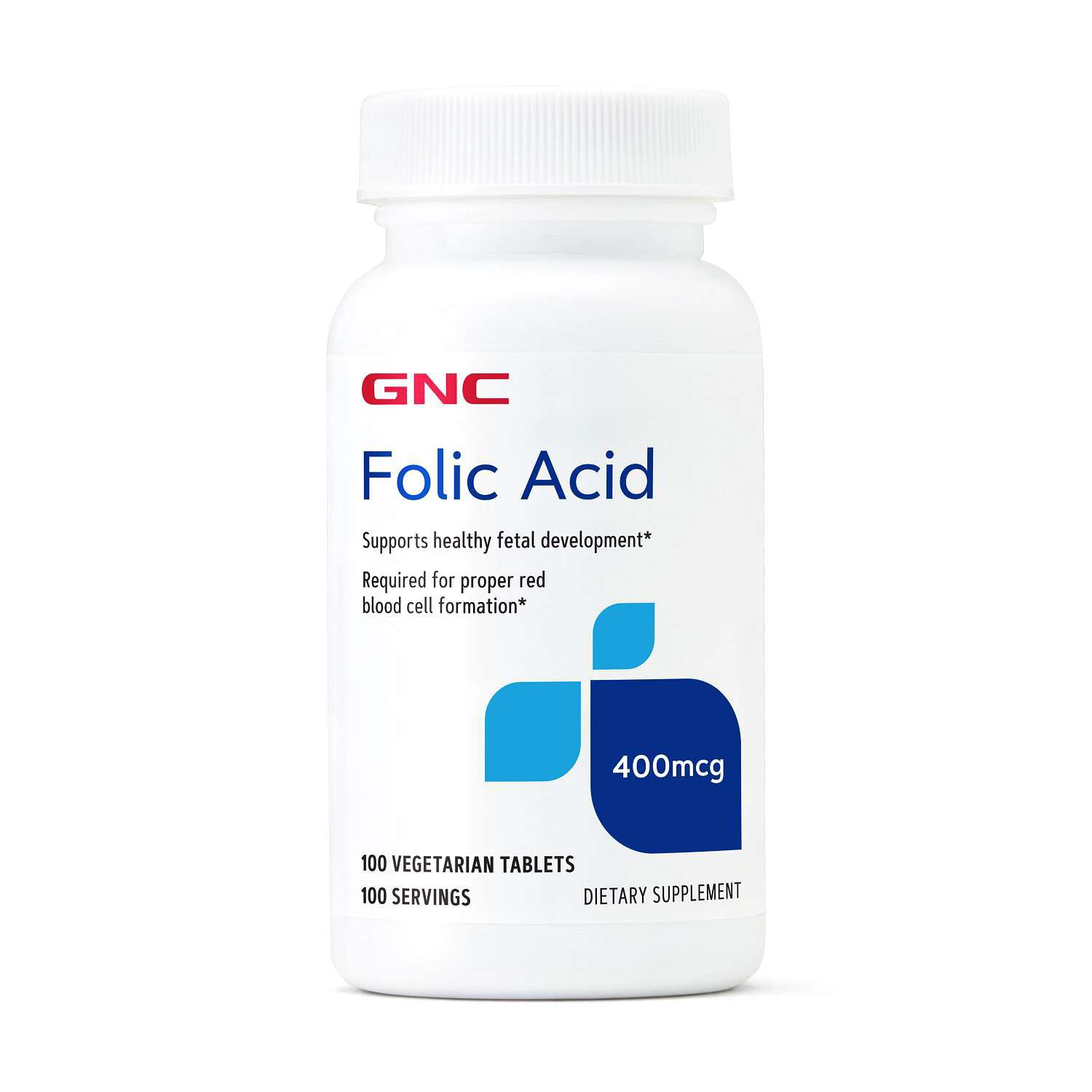

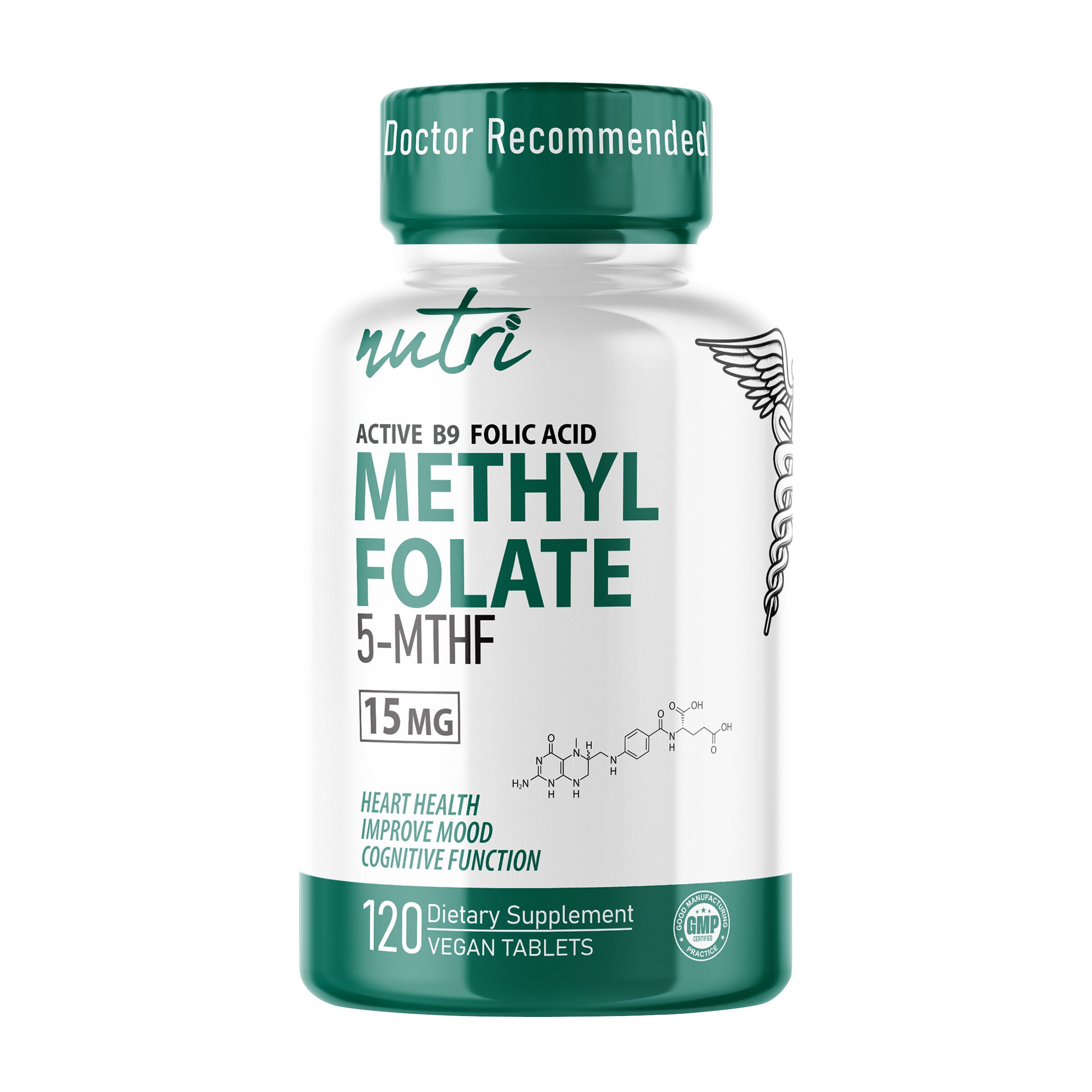
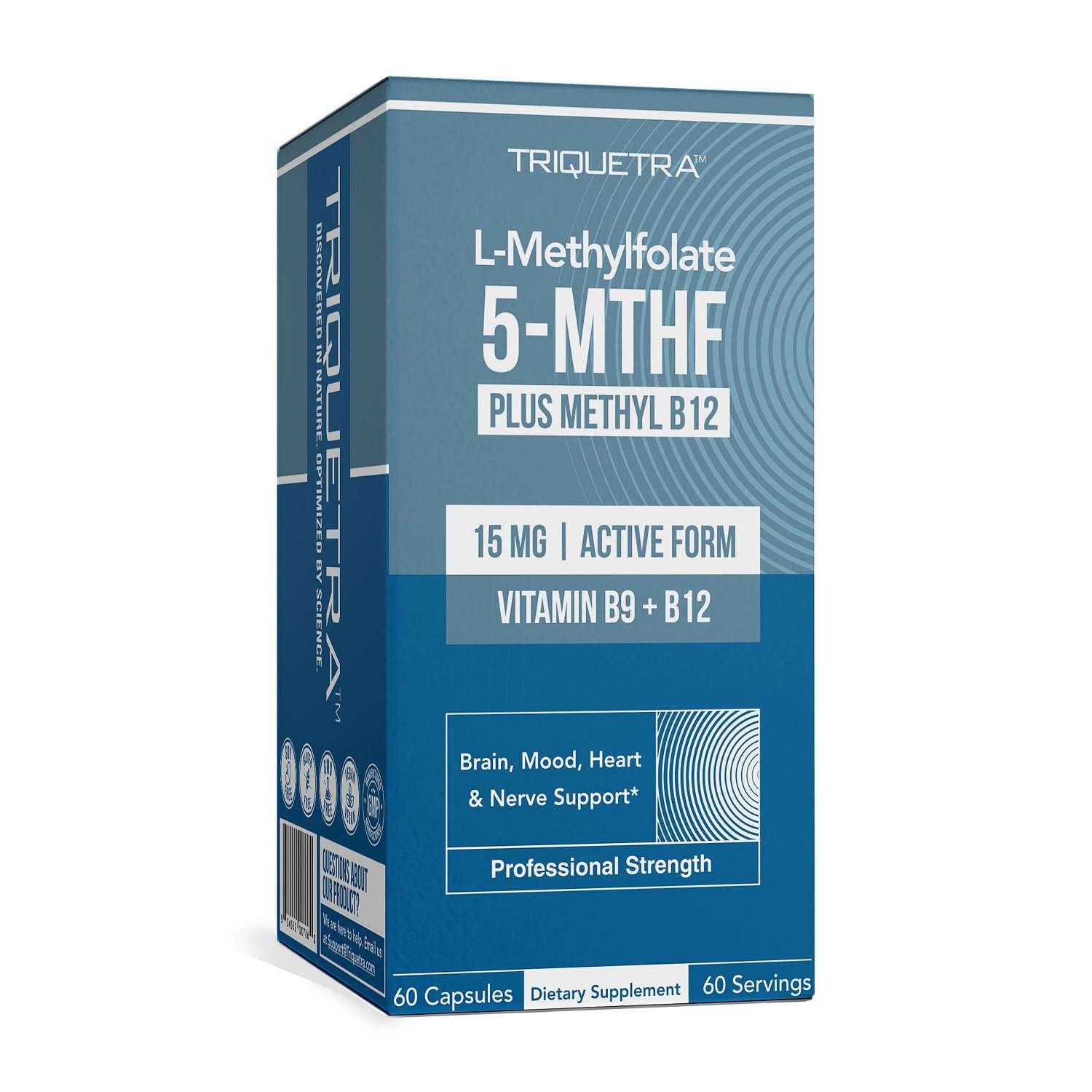
Folic acid is a form of vitamin B9, a water-soluble nutrient commonly included in daily vitamin formulas and targeted nutrition products. Folate is the form found naturally in foods, while folic acid is the form often added to fortified foods and dietary supplements. Both forms contribute to the body’s normal nutrient needs, and folic acid may support ordinary cell production, genetic material formation and the conversion of food into usable energy. Because these processes take place throughout the body, shoppers often look for folic acid as part of a broader approach to everyday brain health support rather than as a stand-alone solution. A typical adult daily intake often referenced for folic acid is 400 micrograms, although individual needs may differ according to age, dietary pattern, pregnancy status, health history and guidance from a qualified healthcare professional. Food sources may include dark green vegetables, asparagus, beans, lentils, nuts and fortified grain products such as cereals, breads and pastas. Supplements may offer a convenient option for people whose meals vary from day to day, especially during busy stretches when a bowl of cereal or a quick sandwich takes the place of a carefully planned meal. A folic acid product could fit naturally beside a morning glass of water, a packed lunch or an evening wellness routine, while always following the serving directions shown on the label.
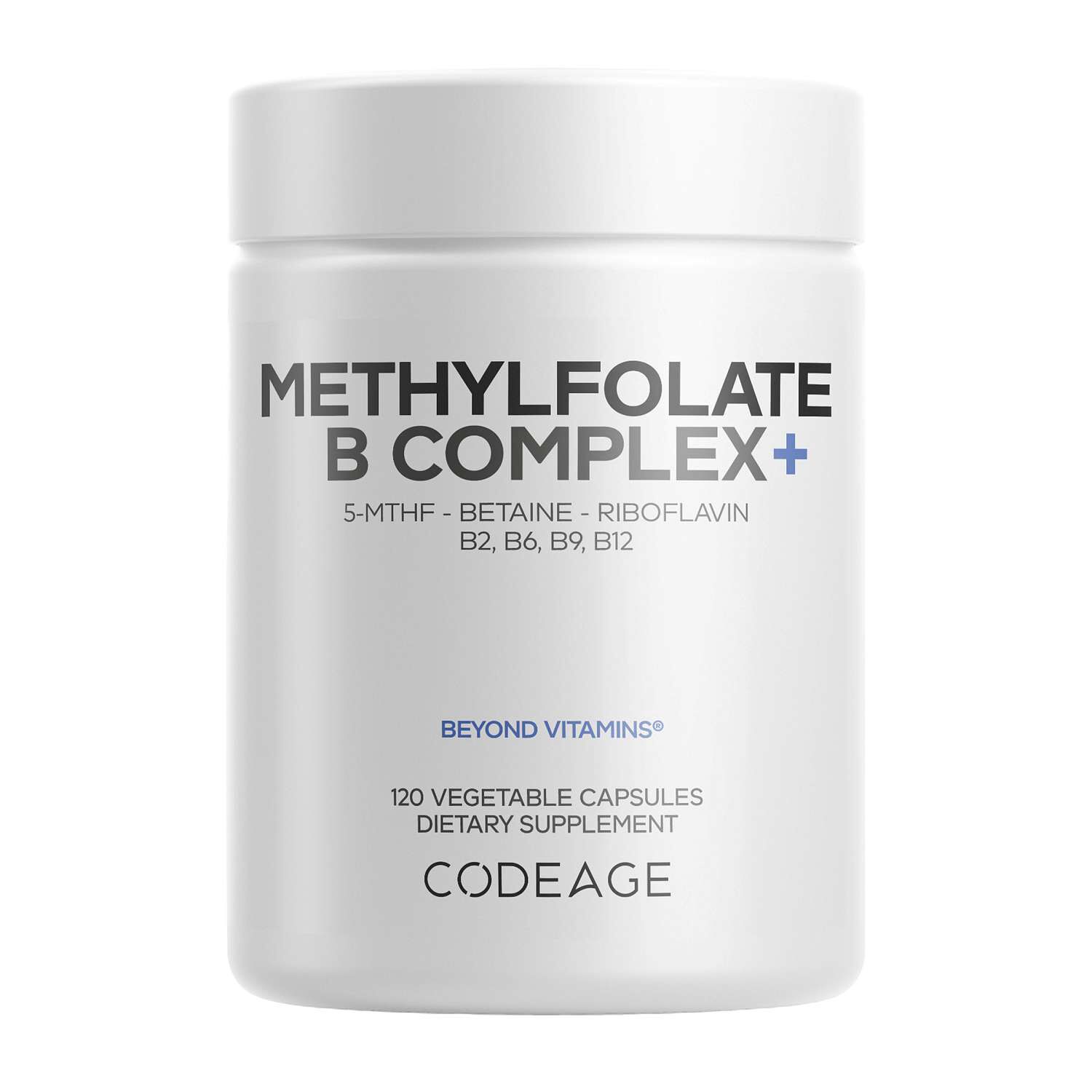
When comparing products in this category, shoppers may want to review the amount of folic acid per serving, the serving size, the form of vitamin B9 and the other nutrients included in the formula. Some products provide folic acid on its own, while others combine it with B6, B12 and additional vitamins selected for a wider nutrition routine. The combination of B6, B12 and folic acid may appeal to people who prefer a streamlined supplement format, and related options can be found in Brain Health Supplements With B6 B12 Folic Acid. Labels may also show whether the product is a tablet, capsule, gummy or liquid, which can make a difference for shoppers who have a preferred format or who are building a routine around travel, work and family schedules. Those seeking a simple daily option might choose a single-nutrient formula, while others may look for a blend that fits alongside a multivitamin or balanced diet. It may be useful to compare overlapping ingredients across products so the combined daily amount remains appropriate for personal needs. People who follow vegetarian or vegan eating patterns, eat few fortified grains or have limited food variety might give particular attention to the folic acid content of their regular nutrition plan. Anyone considering a higher-potency product, taking prescription treatments or managing a nutrient deficiency could benefit from speaking with a qualified healthcare professional before adding a new supplement. Vitamin B12 status may also deserve consideration, since folic acid can affect how a B12 deficiency appears; a healthcare professional can help determine whether testing or a different approach may be appropriate.
Products centered on folic acid may suit adults creating a more consistent self-care routine, students organizing a demanding schedule, professionals balancing long workdays and older adults looking for practical ways to round out daily nutrition. They may also be a thoughtful addition to a care package for a parent, partner or friend who appreciates useful wellness items, particularly when the recipient already enjoys organized routines and understands their own nutrition preferences. A supplement is personal, however, so gift shoppers may want to check dietary preferences, serving format and any advice the recipient has received before choosing one. During warmer weather, a compact bottle can travel easily in a purse, desk drawer or overnight bag; during cooler months, it may sit conveniently beside a breakfast cupboard or a favorite mug, helping connect the product with an established habit. Folic acid supplements work best as one part of a varied nutrition pattern that includes vegetables, legumes, nuts, fortified grains, regular hydration and balanced meals. They are not intended to replace food or individualized care, and research does not suggest that adding more is automatically better for people who already receive sufficient folate. A careful shopper can use the product label to compare serving information, ingredient lists, allergen details, storage instructions and quality standards, then select a format that feels realistic for everyday use. With a clear understanding of the nutrient, thoughtful attention to personal needs and a routine that is easy to maintain, folic acid products may provide a convenient way to support a broader plan for brain-focused nutrition.