Folic Acid Supplements For Women
(0 Results)
Folic acid, a crucial B vitamin, plays a vital role in supporting women's health at every stage of life. Incorporating folic acid into your daily routine can have a multitude of benefits. Discover our selection of folic acid supplements tailored specifically for women, designed to help you meet your nutritional needs and thrive each day.
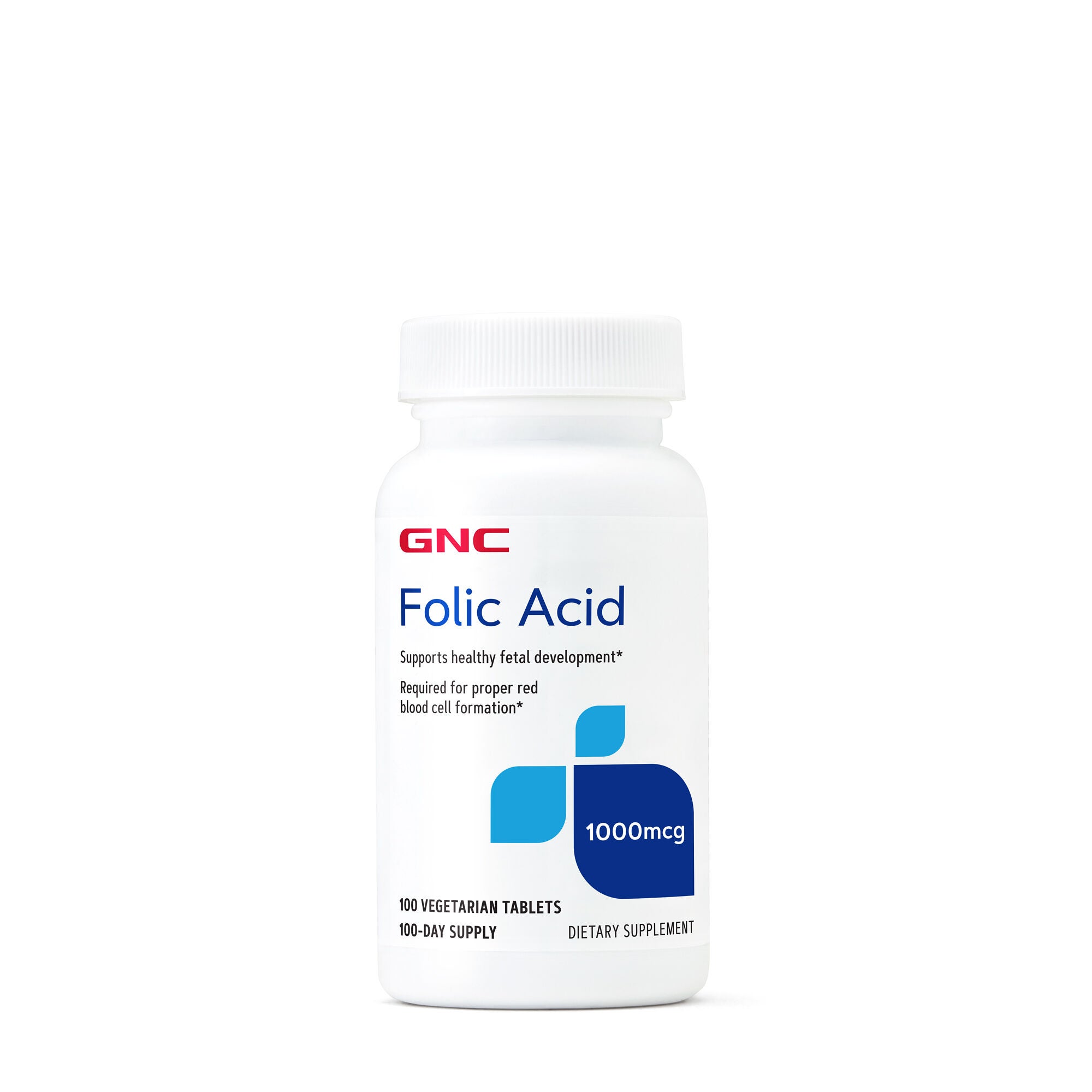
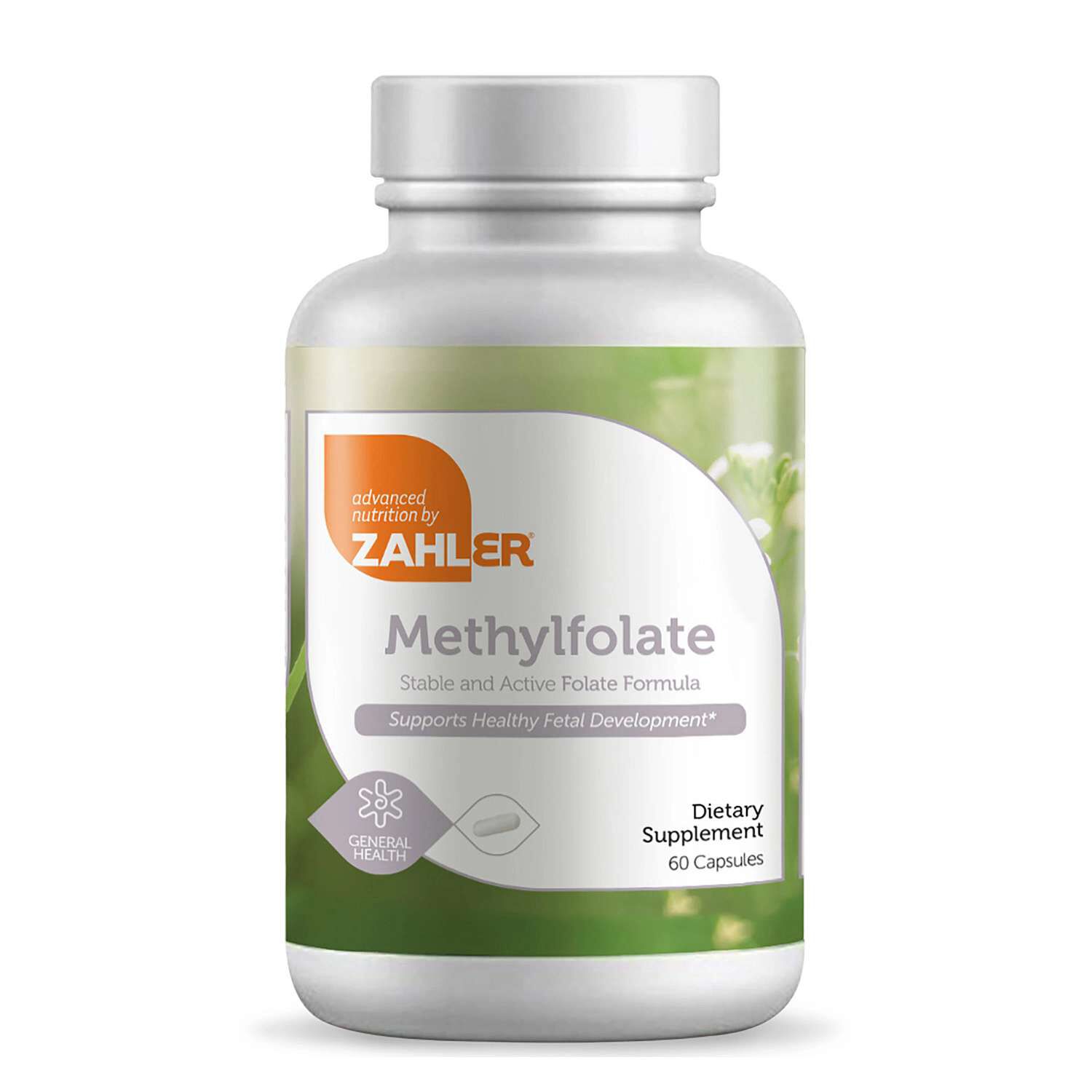
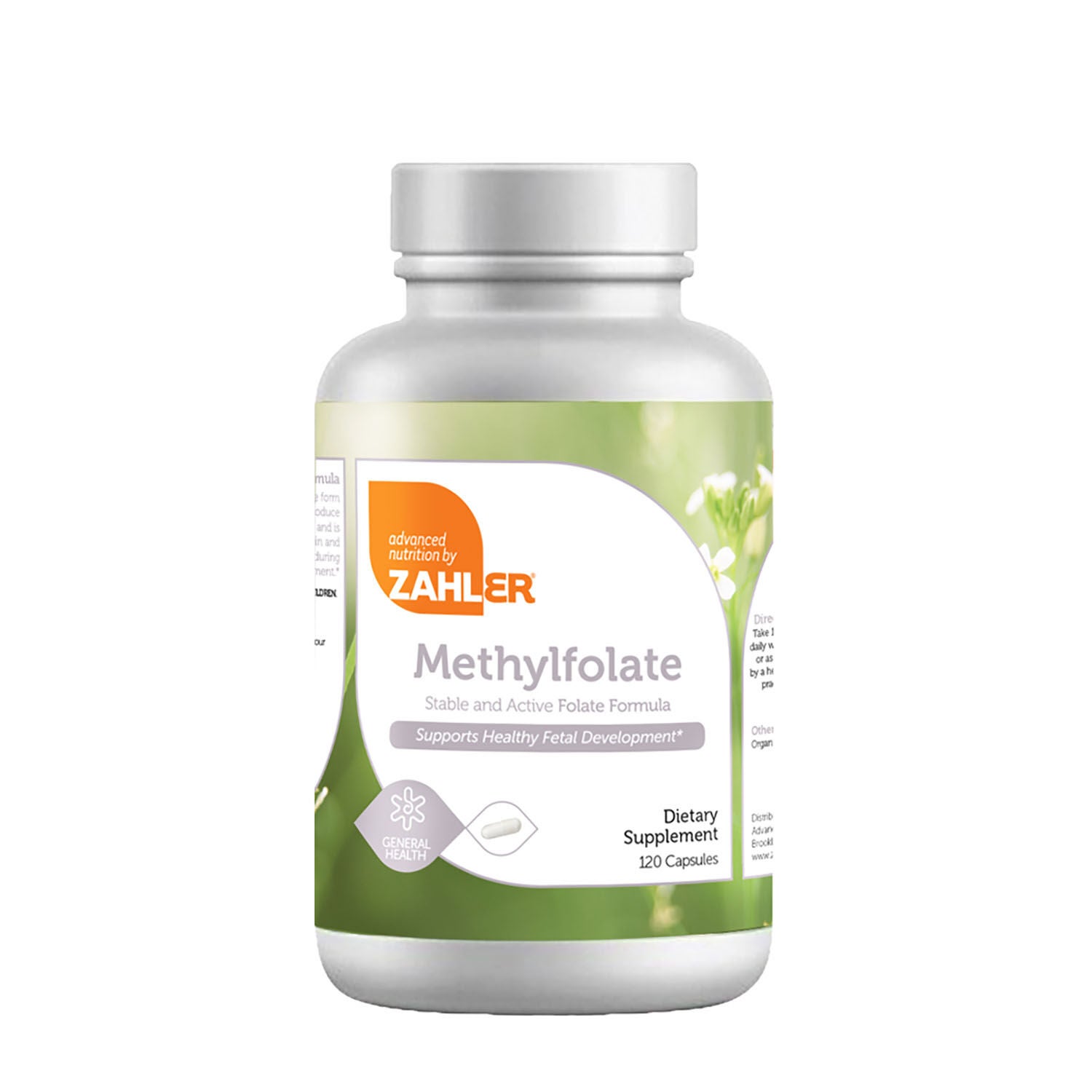


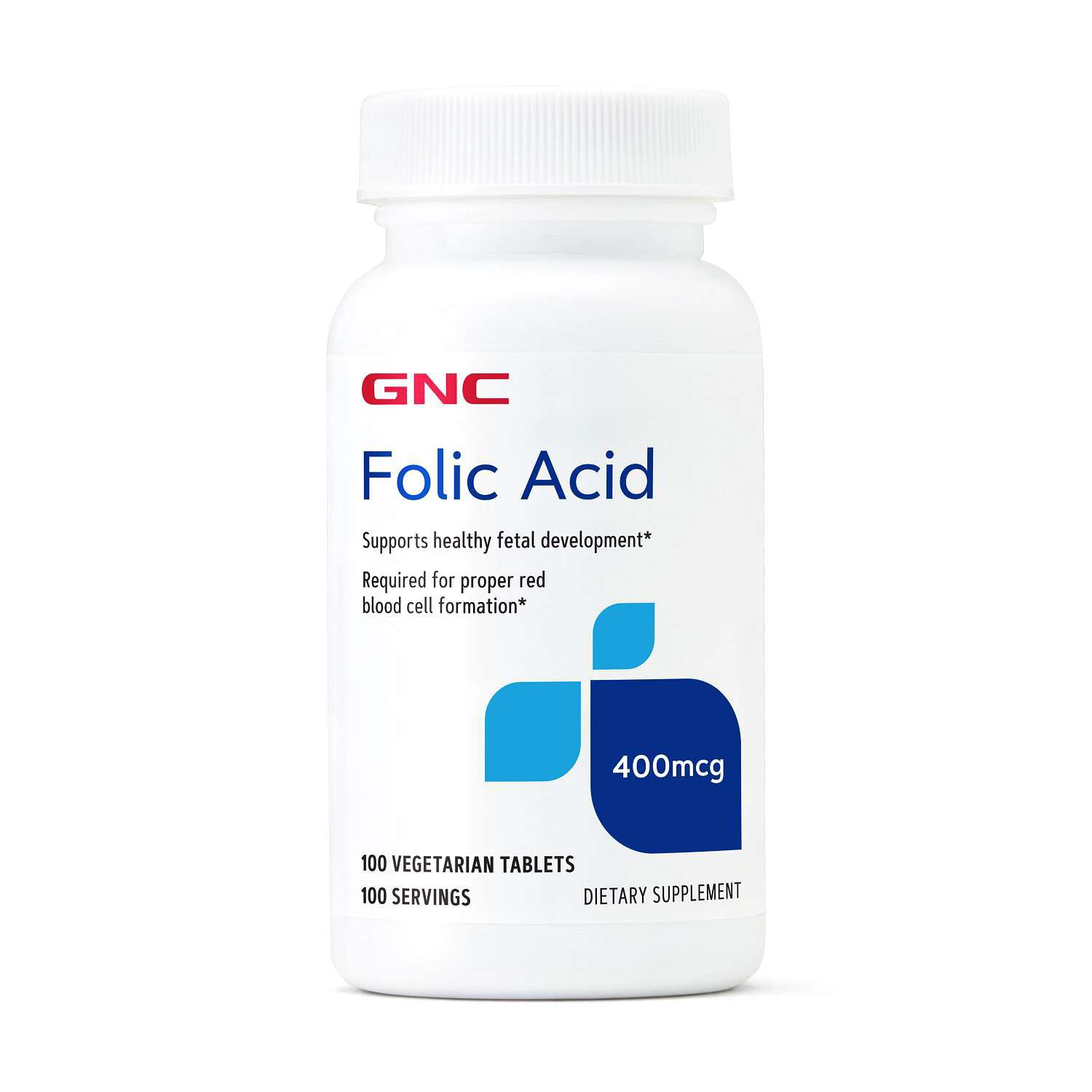

Folic acid supplements for women offer a convenient way to include folic acid in a daily vitamin routine, especially for adults who are planning a pregnancy, could become pregnant, or prefer a focused supplement alongside a multivitamin. Folic acid is a form of folate, a B vitamin involved in normal cell division and the formation of red blood cells. Public-health guidance commonly references 400 micrograms (mcg) of folic acid each day for women who could become pregnant, while pregnancy, a personal or family history of neural tube defects, certain health conditions, or the use of certain medicines may call for a different amount under professional supervision. Because individual needs vary, a healthcare professional can help determine an appropriate serving and whether a standalone folic acid supplement fits with an existing routine. This kind of product may be especially practical for someone whose multivitamin contains little or no folic acid, for a person who prefers a smaller tablet rather than a broad formula, or for anyone organizing a simple morning routine before the day becomes busy. A folic acid supplement may also fit naturally beside other daily habits, such as drinking water after waking, preparing breakfast, or keeping vitamins near a regularly used cabinet. For shoppers comparing options, the Supplement Facts panel provides the clearest starting point: review the amount per serving, serving size, form of folate, number of servings, and any additional ingredients. Some formulas feature folic acid as the sole nutrient, while others pair it with select B vitamins or include folate in a broader women’s multivitamin. Neither approach suits every routine, so the best choice may depend on what is already being taken and what a healthcare professional has recommended. Checking the label can also help avoid overlapping formulas, since folic acid may appear in prenatal vitamins, multivitamins, and fortified foods. Anyone with questions about combining supplements, changing a serving, or choosing between folic acid and another folate form should speak with a qualified healthcare professional.
When selecting folic acid supplements for women, consistency and practicality often matter as much as the format. Tablets may suit shoppers who prefer a compact option that fits easily into a purse, desk drawer, or travel case, while capsules may appeal to those who already use capsule-based vitamins. A shopper who dislikes adding several separate items to a routine may prefer a multivitamin that includes folic acid, whereas someone seeking a clearly defined amount may choose a single-nutrient formula. Label details deserve a close look during cooler months, when changing schedules, travel, and indoor routines can make daily habits feel less predictable. Consider whether the supplement requires one serving or more than one, whether the container is easy to open and store, and whether the format fits comfortably with the rest of the household’s routine. It can be useful to keep a written list of all vitamins and supplements and share it during healthcare visits, particularly when planning a pregnancy or managing an ongoing health concern. Individuals who are pregnant, breastfeeding, preparing for pregnancy, or receiving care for a condition should seek personalized guidance rather than relying on a general product description. Higher amounts, including amounts sometimes discussed for people with a prior pregnancy affected by a neural tube defect, should only be considered with direct direction from a healthcare professional. A label may also include folate amounts in dietary folate equivalents, or DFE, which can make comparisons less straightforward; a pharmacist or other qualified professional can explain how the listed figures fit together. People who follow vegetarian or vegan eating patterns, have a limited menu, or find it difficult to maintain a varied diet may also wish to discuss folate intake with a professional, although a supplement should not be viewed as a substitute for nourishing meals. Beans, leafy greens, asparagus, citrus fruits, and fortified grain products are commonly recognized food sources of folate, and a varied eating pattern may complement a thoughtfully chosen supplement.
Folic acid can be a considerate gift for a sister, daughter, partner, friend, or loved one who is building a daily wellness routine, preparing for a conversation with a healthcare professional, or organizing supplies before trying to conceive. Since supplement preferences are personal, gifting works best when the recipient’s routine and professional guidance are already understood; a simple note or gift card may be more appropriate than choosing a formula on someone else’s behalf. For personal shopping, browsing Folic Acid Supplements For Daily Vitamin Regimen may make it easier to compare dedicated folic acid products with broader vitamin options. Look for a clearly printed serving amount, an expiration date, intact packaging, and storage directions that suit the home environment. Supplements are generally best kept in a cool, dry place unless the label says otherwise, away from excess humidity and direct sunlight. A small organizer, phone reminder, or place beside a familiar breakfast item may make the routine easier to remember, but serving instructions should always remain the guide. If a dose is missed, doubling the next serving is not a suitable assumption; a pharmacist or healthcare professional can explain what to do based on the specific product and personal circumstances. Anyone experiencing uncertainty about a formula, noticing duplicate ingredients across products, or taking prescription medicines should request individualized advice before making changes. With clear label reading, thoughtful storage, and guidance suited to personal needs, folic acid supplements may serve as a straightforward addition to a woman’s daily vitamin routine across many stages of life.